Precision Engineered Fused Quartz Solutions
Precision-machined fused silica glass tubes, optical wafers, guide rods, and analytical carriers manufactured for semiconductor, photovoltaic, laser, and university laboratory systems.
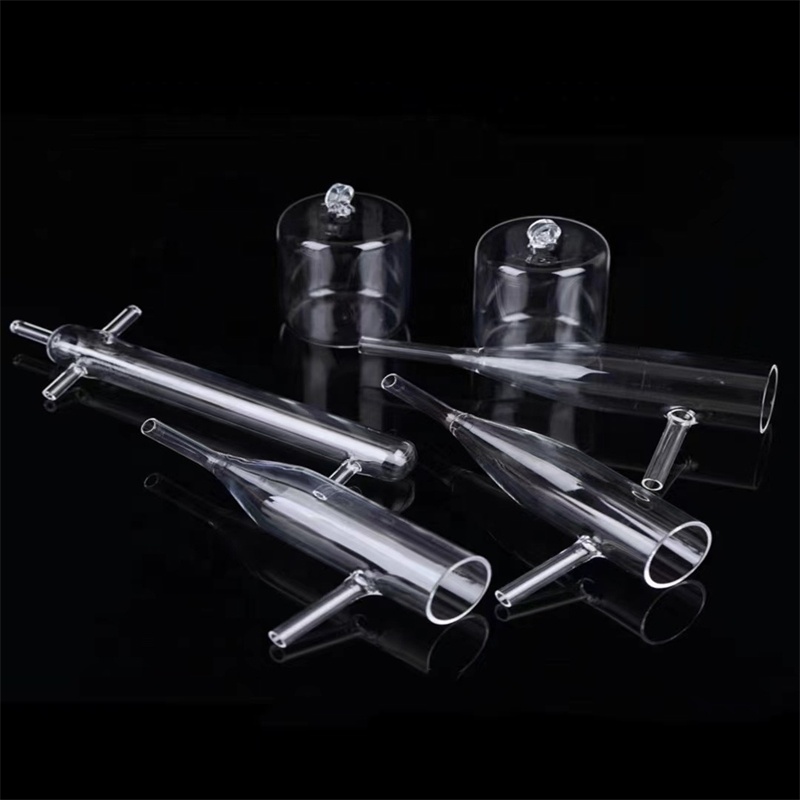
Custom Clear CVD Furnace Twin Quartz Glass Tube
Ultra-pure 99.99% SiO2 twin tube geometry tailored for vacuum CVD furnaces, continuous heat-treating cycles, and precision flange bending/welding.
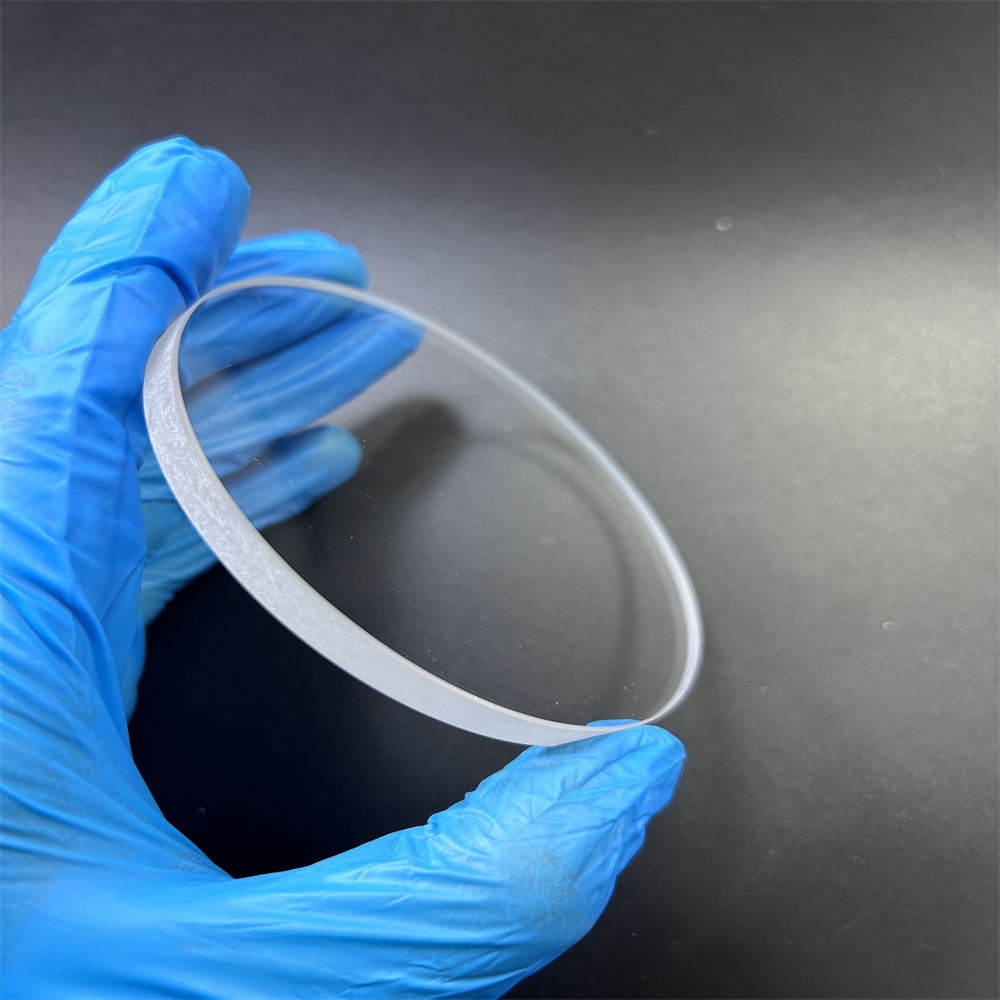
High-Pressure Fused Silica Quartz Glass Wafer
JGS1 deep-UV transparent substrate engineered for laser windows, lithography viewports, and optical welding with surface finish Ra < 0.5nm.
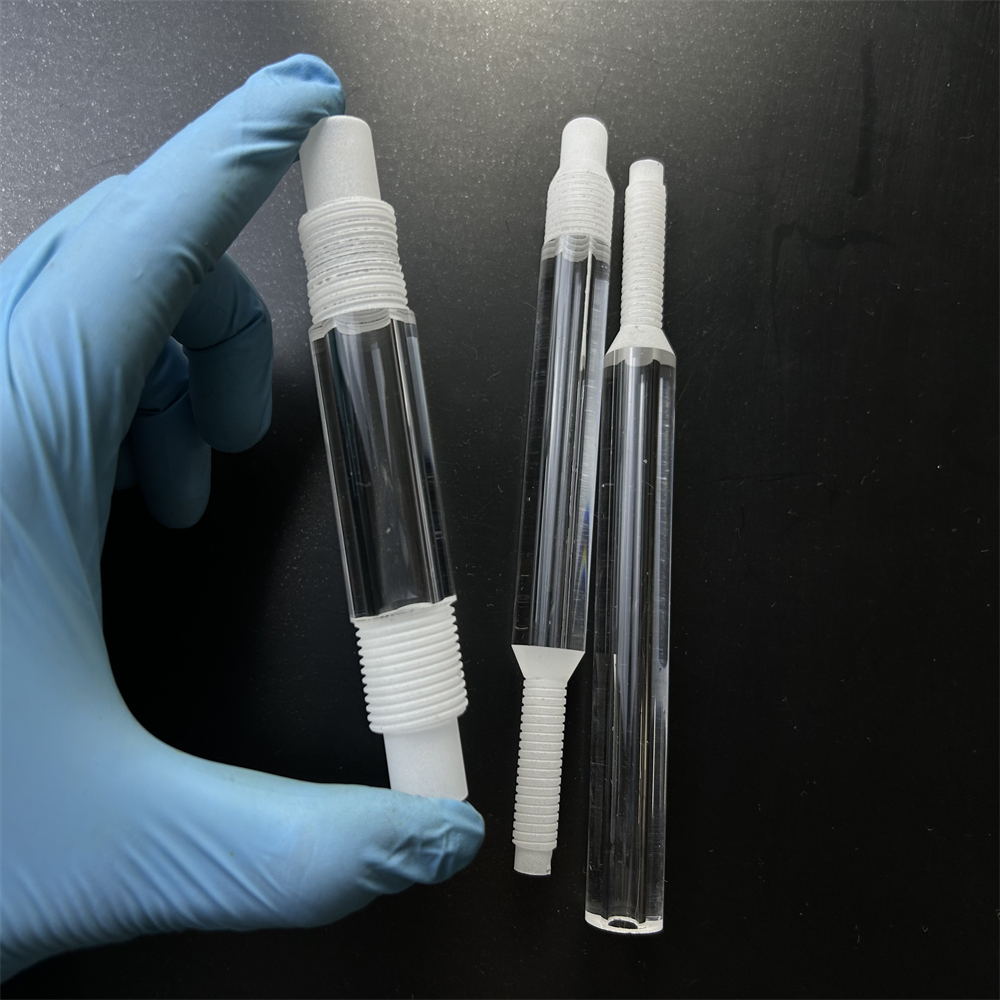
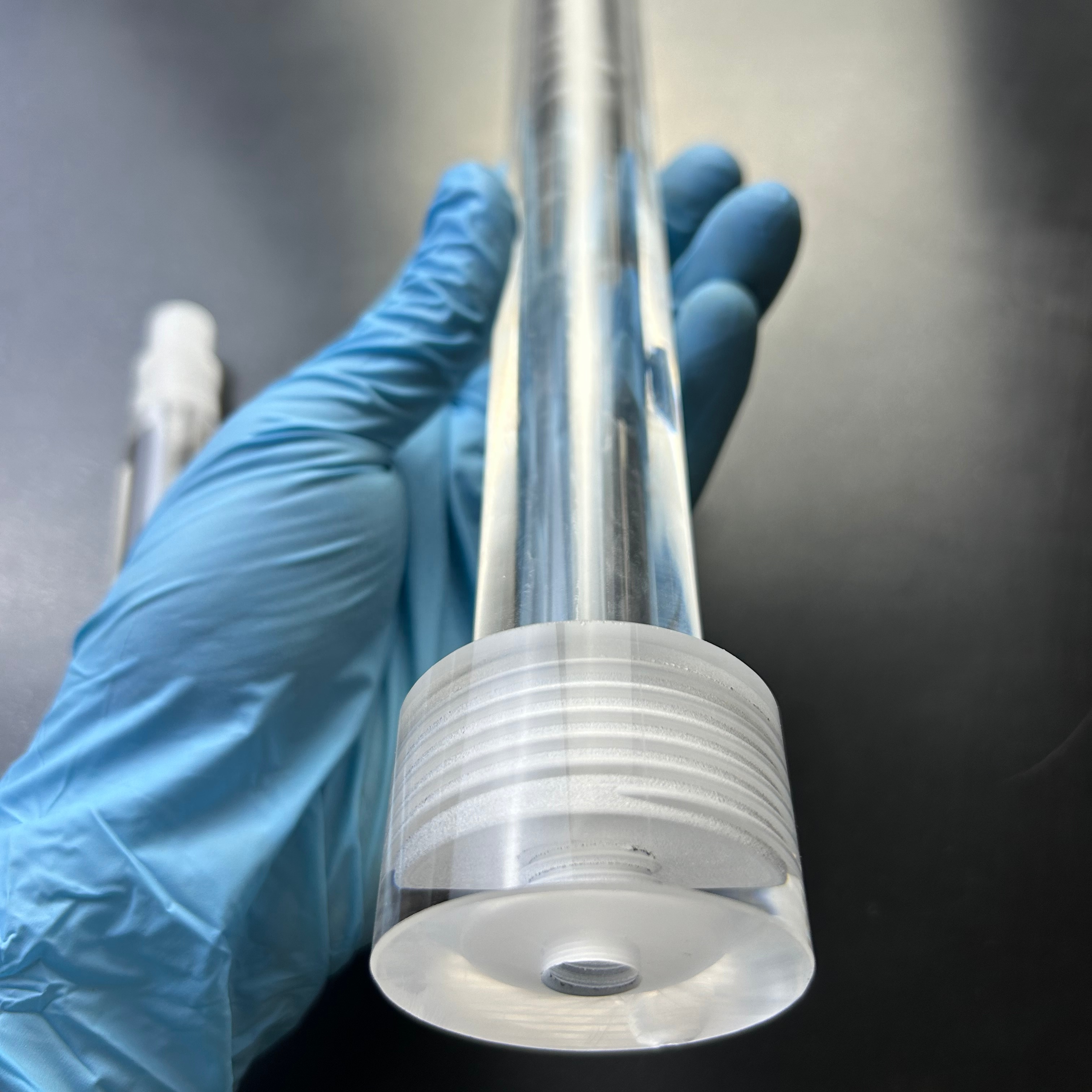
Threaded Transparent UV Quartz Glass Tube
Precision mechanical threads, bespoke flange joints, and bent contours designed for corrosive chemical transport and high-pressure reactors.
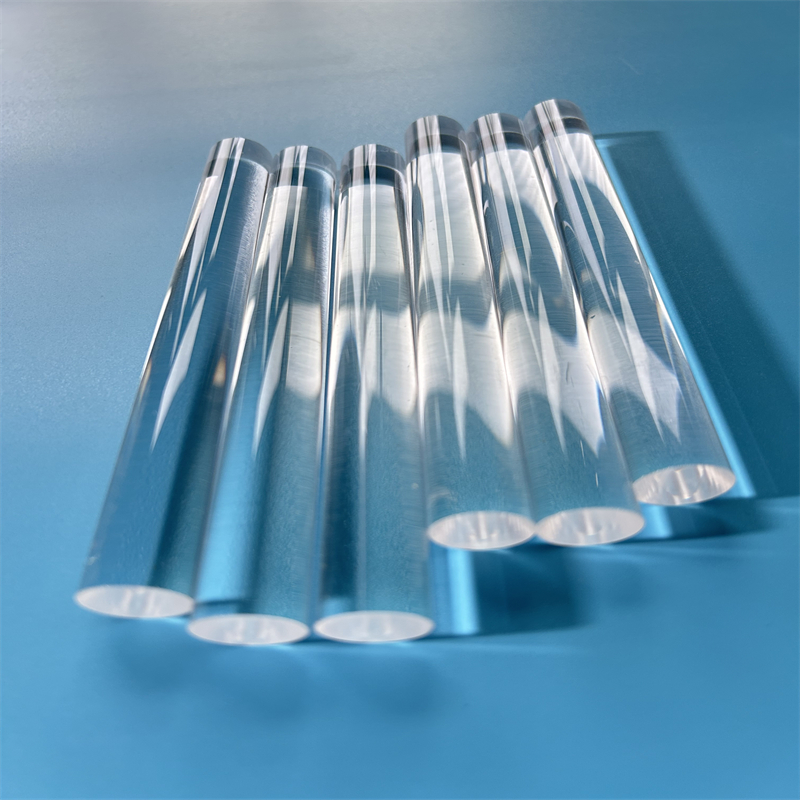
Guitu GT High-Purity Optical Light Guide Cylinder
Internal total-reflection optical quartz rod delivering high UV-to-NIR transmission, minimal bubble inclusions, and precision fire-polished edges.
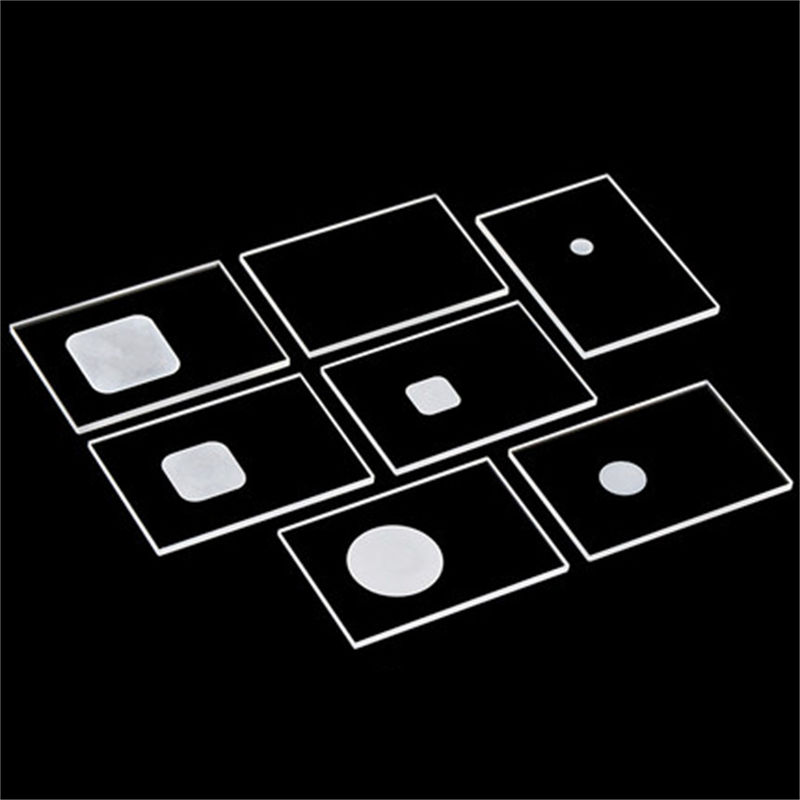
XRD Sample Tank Quartz Sheet & Slotted Carrier
Zero-background X-ray diffraction sample plates with micron-accurate micro-grooving and slotted chip chambers for academic research institutes.
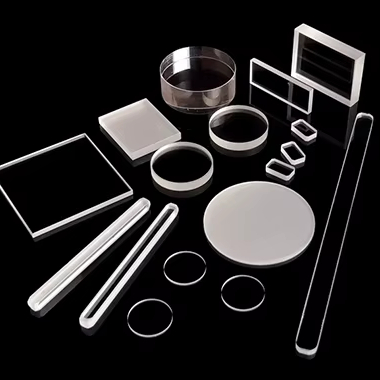
Optical Grade Test Sample Quartz Sheet
Double-side polished flat windows tailored with precision laser cutting, beveling, and ultrasonic drilling for advanced testing assemblies.

High-Temperature Transparent UV Quartz Plate
Ultra-low coefficient of thermal expansion (5.5 × 10⁻⁷/°C) delivering extreme resilience against instantaneous temperature spikes up to 1300°C.
High-Pressure Clear Quartz Twin Tube System
Dual-chamber reinforced fused silica envelope fabricated for industrial infrared halogen emitters and corrosive gas synthesis reactors.
Engineering Authority: High-Purity Fused Silica and Optical Quartz Fabrication
As the international manufacturing arena converges toward nanoscale semiconductor architectures, high-efficiency solar cells (TOPCon, HJT, and Perovskite tandems), and ultra-high-power industrial lasers, the operational expectations placed upon structural and optical glass have surpassed classical silicate boundaries. Industrial engineers and technical procurement specialists increasingly specify Synthetic Fused Silica and Fused Natural Quartz as critical functional components. Situated in Donghai County, Jiangsu Province—recognized globally as China's premier silicon crystal industrial cluster—Zunex Quartz Products Co., Ltd. combines domestic mineral raw material control with advanced cold-machining and thermal glassblowing capabilities.
Unlike standard borosilicate glass formulations which soften around 500°C and contain broad metallic alkali traces, pure fused quartz features an amorphous network of silicon dioxide tetrahedral structures ($SiO_2 \ge 99.99\%$). This elemental purity produces a material characterized by an exceptionally low thermal expansion coefficient of approximately $5.5 \times 10^{-7}/\text{°C}$, virtual immunity to rapid thermal thermal shock (permitting water quenching from 1100°C without catastrophic fracture), broad optical transmission running uninhibited from the vacuum deep-UV through near-infrared regimes, and extraordinary chemical inertness against concentrated mineral acids (with the single exception of hydrofluoric acid).
| Material Property | JGS1 (Synthetic Fused Silica) | JGS2 (Fused Natural Quartz) | JGS3 (Infrared Optical Quartz) |
|---|---|---|---|
| Primary Transmission Band | 185 nm – 2500 nm (Deep UV) | 220 nm – 2500 nm (UV-Vis) | 260 nm – 3500 nm (IR Extended) |
| Hydroxyl (OH⁻) Concentration | < 1200 ppm (Grade specific) | < 30 ppm | < 5 ppm (Zero OH Absorption peak) |
| Continuous Operating Temp | 1100 °C | 1100 °C | 1150 °C |
| Softening Point | 1730 °C | 1683 °C | 1683 °C |
| Dielectric Constant (1 MHz) | 3.75 | 3.77 | 3.75 |
| Primary Application Spectrum | Excimer Laser Windows, UV Lithography | Furnace Reaction Tubes, Wafer Carriers | IR Thermocouple Sleeves, Sensor Optics |
To serve critical tolerances required by optical alignment fixtures and cleanroom semiconductor furnaces, Zunex integrates proprietary quartz laser micro-machining. While traditional mechanical diamond tooling introduces micro-fractures, edge chipping, and localized subsurface tensile stress into quartz substrate edges, our laser micromachining delivers kerf widths under 25 microns, frictionless circular aperture drilling down to 0.1 mm diameter, and clean edge profiles that eliminate expensive secondary annealing cycles.
Strategic Procurement Trends: The Next Horizon in Quartz Glass Sourcing
For international supply chain managers and global procurement executives, sourcing industrial quartz glass has moved beyond simple unit-price assessments. Supply chain security, dimensional conformity verification, and raw material purity traceabilities now dominate multi-tier vendor audits. Based on OEM procurement cycles across North America, Europe, and the Asia-Pacific region, several critical procurement shifts are shaping global demand:
Traceable Metallic Purity
Semiconductor sub-7nm fabrication demands stringent trace metal control. Procurement contracts increasingly mandate GDMS (Glow Discharge Mass Spectrometry) verification showing iron (Fe), aluminum (Al), sodium (Na), and lithium (Li) impurity levels below parts-per-billion (ppb) thresholds to prevent wafer lattice contamination.
Monolithic Complex Geometry
Rather than assembling multi-part assemblies using mechanical joints or gaskets subject to thermal degradation, buyers are shifting toward single-piece monolithic designs. High-temperature hydrogen-oxygen lathe welding, twin-tube configurations, and integrated flange headers eliminate micro-leak vulnerabilities in vacuum CVD chambers.
Direct-to-Drawing Digital Agility
Prototyping velocity directly dictates market leadership in photovoltaic and optical device sectors. Modern buyers require suppliers capable of directly parsing STEP, DWG, and CAD files within hours, executing FEA manufacturability reviews, and deploying CNC machining without prolonged re-tooling lead times.
Technological Horizons: Where Fused Silica Glass Technology is Heading
The boundary conditions of industrial physics continue to drive continuous innovation in quartz glass manufacturing processes. Over the next decade, three distinct manufacturing frontiers will redefine the quartz fabrication ecosystem:
1. Additive Quartz Printing vs. Multi-Axis Subtractive Machining: While 3D glass printing techniques are emerging for complex lattice cores, ultra-pure high-temperature applications remain dominated by advanced 5-axis ultrasonic CNC diamond milling and laser ablaters. By combining ultrasonic spindle vibration with specialized diamond tools, Zunex minimizes tool-workpiece shear force, allowing crack-free machining of wall thicknesses down to 0.2 mm without altering intrinsic material strength.
2. Plasma-Assisted Chemical Vapor Deposition (PACVD) Quartz Coating: Next-generation solar cell processing requires quartz furnace components capable of enduring repeated alkaline etching cycles without devitrification. Emerging technologies focus on micro-structuring protective opaque quartz jackets and synthetic vitreous silica barriers directly on furnace tube surfaces, effectively extending operational lifespans under corrosive alkaline environments by up to 300%.
3. Low-Hydroxyl Optical Infrared Synthesis: Standard fused quartz exhibits a noticeable water (OH⁻) absorption dip at 2.73 μm. As defense, medical diagnostic, and laser communication platforms leverage middle-infrared (MWIR) spectra, the development of industrial scale plasma oxidation without hydrocarbon fuel sources is rapidly commercializing dry JGS3 optical quartz containing OH traces below 2 ppm, unlocking distortion-free multi-band sensor viewports.
Why Tier-1 Industrial Enterprises Partner with Zunex Quartz
Native Donghai Supply Chain
Positioned directly in China’s quartz crystal capital, we maintain raw material sourcing autonomy, ensuring consistent feedstock quality, batch uniformity, and direct factory pricing insulated from intermediary trading inflation.
Advanced Laser Finishing
Beyond traditional hot glassworking, our facility features computerized laser drilling, laser slotting, and multi-axis CNC surface polishing, attaining micron-level dimensional tolerances (±0.02 mm) on delicate geometries.
Double Shock-Proof Packaging
With an export footprint spanning over 40 countries, every custom quartz batch is enveloped in high-density customized EPE foam cradles and secured within export-grade reinforced wooden crates, yielding a 99.8% damage-free transit track record.
Frequently Asked Questions for Quartz Glass Buyers
1. How do I determine whether my application requires JGS1, JGS2, or JGS3 material?
2. What is devitrification, and how can we prevent it during high-temperature furnace runs?
3. What mechanical tolerances and surface finishes can your Donghai factory achieve?
4. How do you guarantee the integrity of quartz products during international sea and air shipping?
5. What is the typical lead time from customized drawing review to sample delivery?
Accelerate Your Project with Custom Quartz Solutions
Consult directly with our Donghai manufacturing engineers today. Send your CAD drawings or technical specifications for immediate manufacturability review, thermal verification, and direct factory quotation.
Inquire Now