Factory Catalog Portfolio
Precision-Engineered Quartz Sleeves & High-Purity Components
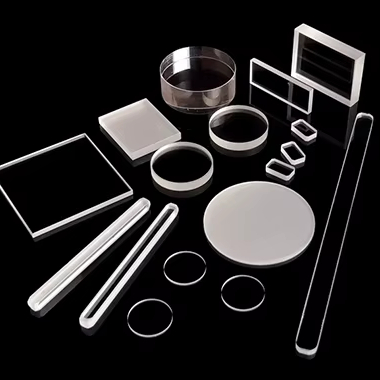
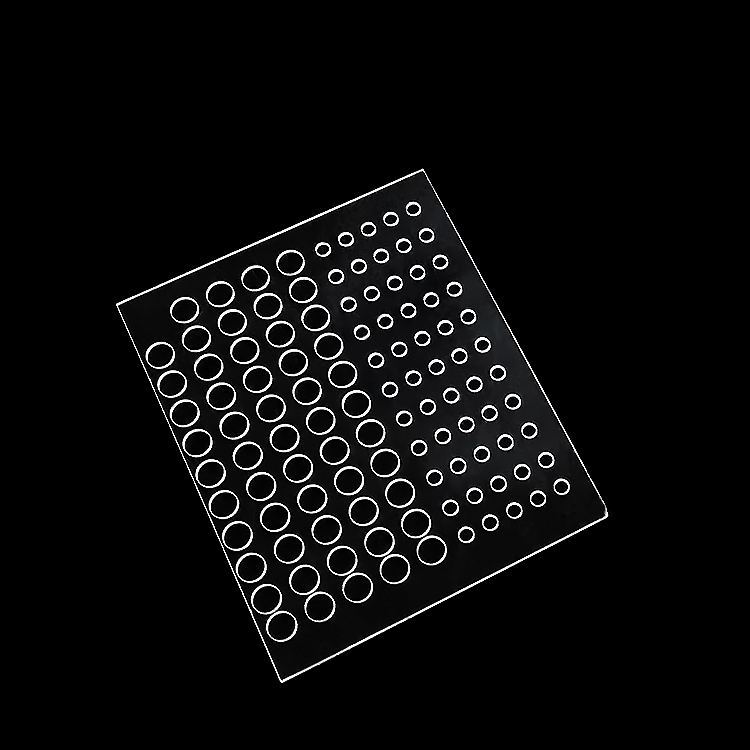
Direct manufacturer supply from Donghai, Jiangsu. Fully customizable dimensions, multi-wavelength optical transmission (UV-C to NIR), extreme thermal tolerance up to 1100°C continuous, and precision CNC laser cold-working.

100%
Inquiry Response Rate
Third-party verified supplier metrics
≤ 2h
Engineering Turnaround
Direct drawing analysis & quote
43%
Repeat Order Rate
Consistent batch tolerance reliability
99.99%
Purity SiO₂ Substrate
Optical grade low hydroxyl options
Procurement Whitepaper
The Global Strategic Imperative for Fused Quartz Sleeves
Why Tier-1 water disinfection equipment manufacturers, semiconductor fabs, and advanced photochemical facilities converge on China's premier silica hub for precision quartz sleeves.
In the competitive landscapes of municipal water reclamation, industrial ballast water treatment, semiconductor wet benches, and photolithography-adjacent chemistry, the quartz sleeve serves not merely as a passive physical barrier, but as an active optical and thermal dielectric window. A quartz sleeve operates under grueling conditions: it isolates high-output germicidal mercury-arc or xenon flash lamps emitting powerful UV-C (253.7 nm and 185 nm) photons from high-velocity turbulent water flows under hydraulic pressures exceeding 1.2 MPa, all while managing severe internal lamp envelope operating temperatures that fluctuate rapidly between 600°C and 900°C.
Specifying a substandard sleeve results in immediate catastrophic degradation: ultraviolet solarization leads to severe transmission decay (reducing germicidal dosage below EPA / DVGW regulatory thresholds), wall-thickness eccentricity causes localized thermal-shock fractures, and alkali trace impurities induce destructive surface devitrification (cristobalite crystal seeding). Consequently, global industrial procurement directors are actively migrating their sourcing roadmaps toward vertically integrated Chinese manufacturers capable of orchestrating raw high-purity silica mineral refinement, continuous electric/gas thermal drawing, and computerized multi-axis CNC cold laser machining under a unified quality assurance regime.
Headquartered in Donghai County, Jiangsu Province—internationally recognized as the "Crystal Capital of China"—our manufacturing cluster processes high-grade natural pegmatite quartz deposits and high-purity synthetic silicon tetrachloride precursors (SiCl₄). By integrating raw silica purification (≥ 99.99% SiO₂), specialized continuous furnace tube drawing, automated fire polishing, and micron-level diamond tooling, Donghai's manufacturing ecosystem provides global OEMs with unrivaled dimensional predictability, rapid prototyping cycles, and unmatched economies of scale.
Native Crystal Capital Heritage
Rooted in Donghai County, we leverage deep regional supply chains encompassing silica smelting, precision tube drawing, and specialized annealing ovens, cutting procurement costs by 28% to 40% compared to Western counterparts without compromising optical fidelity.
Proprietary Laser Micro-Finishing
Beyond traditional mechanical sawing, our facility integrates high-precision CO₂ and femtosecond laser processing for chip-free circumferential cutting, ultra-clean drilling, custom slotting, and flame-glazed hermetic end doming that eliminates mechanical stress risers.
Engineering Review ≤ 2 Hours
Every RFQ containing CAD, STEP, or PDF technical drawings undergoes direct manufacturability analysis by our senior quartz glass engineers within two hours, verifying wall runout, chemical compatibility, and optical transmission requirements prior to quotation.
Material Science Matrix
Quartz Sleeve Engineering Grades: JGS1, JGS2, & JGS3
Selecting the precise optical material grade is the single most critical decision impacting germicidal efficiency, UV-C transmissivity, and long-term solarization resistance.
The nomenclature of Chinese optical quartz glass categorizes fused silica into three foundational designations: JGS1 (Synthetic Fused Silica), JGS2 (Fused Quartz from natural quartz crystal), and JGS3 (Infrared Optical Fused Quartz). When designing a quartz sleeve for fluid containment or thermal management, the spectral envelope and hydroxyl ion (OH⁻) content dictate real-world mechanical and optical performance:
- JGS1 (Far Ultraviolet Grade Synthetic Fused Silica): Synthesized via chemical vapor deposition of volatile silicon precursors (SiCl₄) in an oxygen-hydrogen flame. JGS1 contains virtually zero metallic trace impurities (Fe < 0.1 ppm, Al < 0.5 ppm), delivering exceptional internal transmission exceeding 90% at 253.7 nm and over 85% at the vacuum-UV 185 nm ozone-generating band. Ideal for TOC reduction, high-end ultrapure semiconductor water loops, and excimer lamp jackets.
- JGS2 (Standard Optical Fused Quartz): Produced by gas or electrical fusion of high-grade natural Donghai crystal sand. JGS2 exhibits outstanding transmission across the UV-visible range (220 nm – 2500 nm), maintaining > 88% transmission at 253.7 nm for standard wall thicknesses (1.5 mm – 2.0 mm). It represents the industry benchmark for commercial drinking water disinfection, wastewater effluent purification, and ballast water systems.
- JGS3 (Infrared Optical Grade Low-OH Fused Quartz): Produced via vacuum electrical fusion, driving the hydroxyl (OH⁻) content down below 2–5 ppm. This eliminates the catastrophic Si-OH molecular absorption band at 2730 nm (2.73 µm). JGS3 sleeves are utilized in twin-tube infrared radiant heating, CVD process chambers, and high-temperature industrial pyrometry viewports.
| Physical / Chemical Property | JGS1 (Synthetic Silica) | JGS2 (Optical Grade) | JGS3 (Low-OH Infrared) | Industrial High-Pressure Quartz |
|---|---|---|---|---|
| SiO₂ Purity Level | ≥ 99.999% | ≥ 99.99% | ≥ 99.98% | ≥ 99.99% |
| UV-C Transmission (253.7 nm, 1.5mm) | ≥ 91.5% | ≥ 88.5% | ≥ 85.0% | ≥ 89.0% |
| VUV Transmission (185 nm Ozone Band) | ≥ 85.0% | ≤ 20.0% (Ozone-Free) | Negligible | Engineered (Doped / Clear) |
| Hydroxyl (OH⁻) Content | 1000 – 1200 ppm | 150 – 200 ppm | ≤ 5 ppm | ≤ 30 ppm |
| Coefficient of Thermal Expansion (CTE) | 5.5 × 10⁻⁷ / °C | 5.5 × 10⁻⁷ / °C | 5.4 × 10⁻⁷ / °C | 5.5 × 10⁻⁷ / °C |
| Continuous Maximum Working Temp | 1100 °C | 1100 °C | 1150 °C | 1120 °C |
| Short-Term Softening Point | 1683 °C | 1683 °C | 1710 °C | 1690 °C |
| Hydrostatic Burst Strength (OD 25mm, Wall 1.5mm) | ≥ 3.8 MPa | ≥ 3.2 MPa | ≥ 3.2 MPa | ≥ 4.5 MPa (Annealed) |
*Data compiled from ASTM C158, ISO 9001 certified laboratory spectrochemical analysis.
End-User Engineering Integration
Mission-Critical Applications of Custom Quartz Sleeves
From high-volume fluid dynamics to microelectronic semiconductor furnaces, discover how specialized geometries solve severe operational failure modes.
Water & Wastewater
Municipal UV Disinfection Sleeves
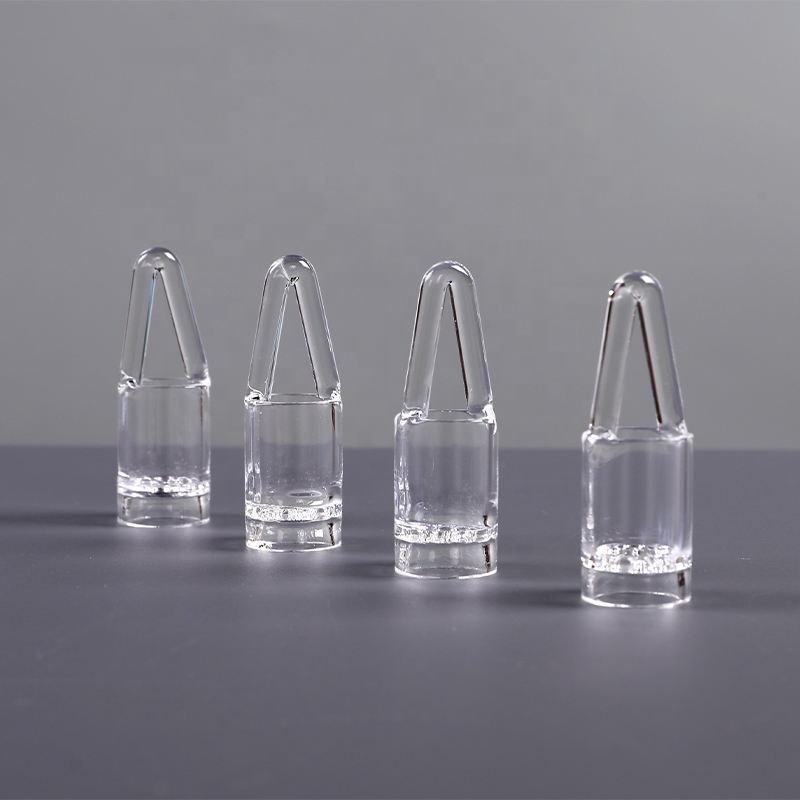
Fabricated with single-ended round (domed) closures or dual open ends with precision ground/fire-polished edges. Resists scouring hydraulic cavitation and fouling in municipal effluent and drinking water treatment reactors.
Photochemical
Advanced Oxidation (AOP) Jackets
Synthetic JGS1 tubes transmitting 185 nm VUV radiation to generate hydroxyl free radicals (•OH) for TOC breakdown in pharmaceutical ultrapure water systems and industrial pesticide remediation reactors.
Semiconductor
LPCVD & Diffusion Thermal Liners
Heavy-wall, large-diameter quartz process tubes and reactor sleeves operating in aggressive chlorine, silane, and acid atmospheres up to 1100°C without devitrification or metallic wafer contamination.
Industrial Thermal
Twin-Tube Infrared Emitter Sheaths
Figure-8 (twin tube) quartz geometries engineered for continuous infrared heating lamps, combining superior directional radiation transmission with immense mechanical rigidity under severe thermal cycling.
Strategic Procurement Trends
Future Purchasing Trends: The Next Horizon in Quartz Glass (2025–2030)
Market intelligence for global procurement managers navigating supply chain resilience, automated inspection standards, and evolving chemical purity demands.
The global quartz sleeve supply chain is undergoing a profound structural evolution. Driven by rapid expansion in green hydrogen production, ballast water retrofitting regulations (IMO compliance), and sub-5nm semiconductor chip manufacturing, procurement specifications are becoming significantly more stringent. International buyers are prioritizing four core technological shifts:
Trend 01
Micron-Tolerance CNC Cold Working
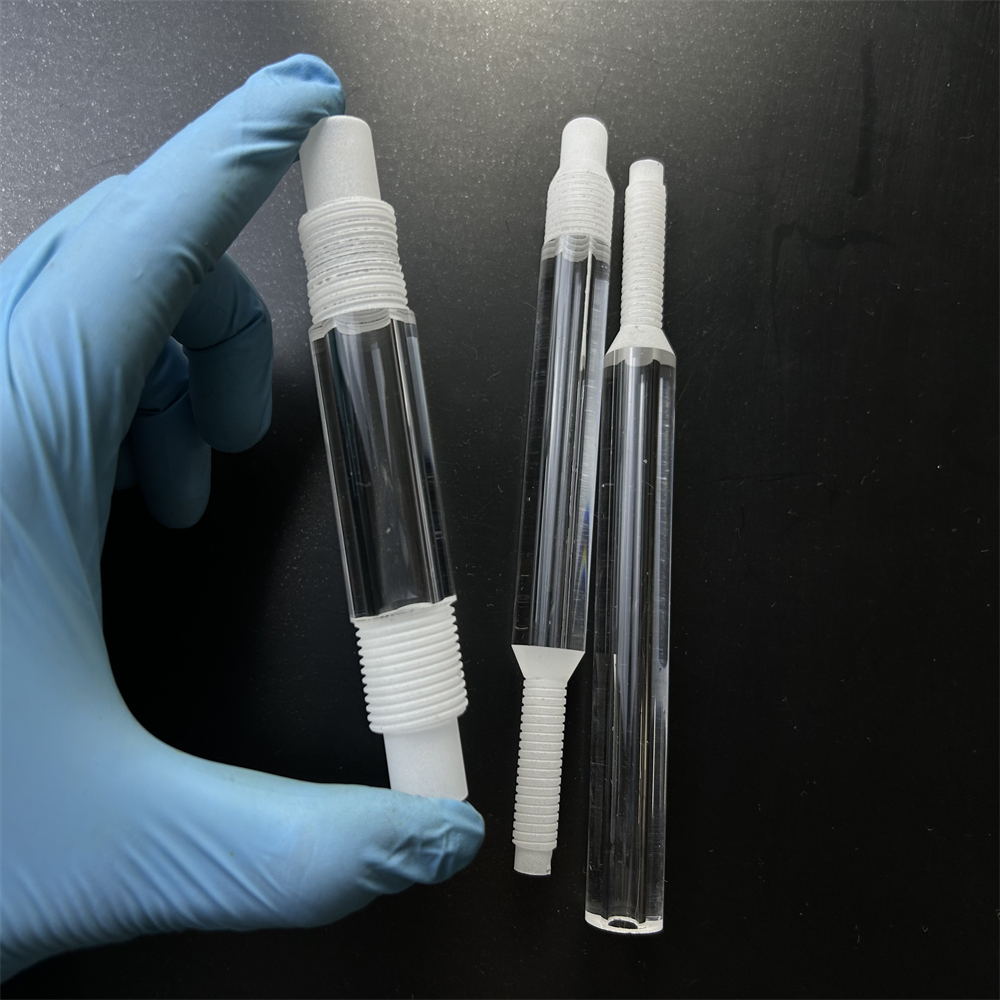
Traditional flame-cut ends are obsolete for high-vibration applications. Sourcing trends show an 85% surge in demand for CNC laser-grooved O-ring retention rings, precision chamfered edges, and direct threaded quartz interfaces to prevent elastomer O-ring pinch failures.
Trend 02
Zero-Bubble Acoustic Sorting
Leading exporters in Donghai are replacing manual visual inspection with automated multi-angle laser scatter deflectometry and ultrasonic immersion testing to guarantee bubble classes < 0.1 mm, preventing optical refraction scattering that drops UV-C dosage.
Trend 03
Doped Anti-Solarization Formulations
To extend sleeve operational life from 8,000 to over 16,000 continuous hours in amalgam lamp reactors, procurement is transitioning toward cerium- or titanium-doped fused silica that absorbs unwanted ozone-producing lines while protecting glass matrices from deep UV color center formation.
Trend 04
Direct-to-Factory API Integration
Global OEMs are dismantling intermediaries by partnering directly with verified Donghai manufacturers like Zunex Quartz Products Co., Ltd., securing just-in-time container deliveries, dedicated buffer stock warehousing, and custom shock-proof packaging regimes.
Procurement & Engineering FAQ
Frequently Asked Questions: Technical Sourcing Decoded
Authoritative answers addressing wall thickness calculation, mechanical burst pressure, devitrification thresholds, and logistics risk mitigation.
How do I calculate the required wall thickness for high-pressure quartz sleeves?
Wall thickness is determined using the Barlow formula or Lamé equation for thick-walled cylinders: t = (P × D) / (2 × S + P), where P is working pressure, D is outside diameter, and S is maximum allowable tensile stress of fused quartz (typically rated conservatively at 4.8 to 7.0 MPa with a safety factor of 5:1). For typical water disinfection chambers operating at 1.0 MPa (10 bar), an OD of 28 mm requires a minimum wall of 1.5 mm to ensure pressure integrity during water hammer spikes.
What causes devitrification in high-temperature quartz sleeves, and how is it prevented?
Devitrification is the phase transformation of metastable amorphous fused silica into crystalline cristobalite above 1150°C. It is drastically accelerated by trace surface contaminants, specifically alkali metal cations (sodium, potassium, lithium). Prevention requires using quartz with alkali metal impurities ≤ 1.5 ppm, followed by strict hydrofluoric (HF) acid cleaning and high-purity ethanol rinsing prior to operation. Users must never touch quartz sleeves with bare hands, as finger lipids leave mineral salts that act as crystal nucleation sites.
What is the difference between domed (closed-end) and open-ended quartz sleeves?
Domed sleeves feature one end hermetically sealed into a round hemisphere via automated hydrogen-oxygen flame torch manipulation. This eliminates one dynamic O-ring sealing gland from the reactor vessel, reducing potential fluid leak points by 50%. Open-ended sleeves have both ends cut and fire-polished, allowing continuous through-flow or dual-end lamp wiring connections commonly used in vertical channel wastewater systems.
How does hydroxyl (OH⁻) content affect quartz sleeve optical and mechanical behavior?
High hydroxyl content (such as 1200 ppm in flame-synthesized JGS1) lowers the annealing point and viscosity of the glass slightly, but drastically boosts deep-UV transmission down to 185 nm by mitigating oxygen vacancy defects. Conversely, low hydroxyl quartz (≤ 5 ppm in JGS3) prevents intense vibrational absorption at 2730 nm, making it essential for infrared heating sheaths where high OH would absorb IR energy, overheat the tube, and induce thermal stress.
What mechanical tolerances can be maintained on custom quartz sleeve drawings?
Standard continuous drawing delivers OD tolerances of ±0.2 mm to ±0.5 mm depending on diameter. However, through post-draw diamond centerless grinding and cold CNC polishing, we routinely achieve outer diameter tolerances of ±0.05 mm, wall thickness concentricity (TIR) within 0.08 mm, and overall length tolerances of ±0.2 mm, ensuring precision O-ring compression without fluid bypass.
How does UV-C solarization impact sleeve replacement intervals?
Solarization occurs when intense short-wave ultraviolet photons displace electrons within the silica lattice, forming color centers (such as E' centers) that absorb subsequent UV-C light. Natural fused quartz typically loses 3% to 7% of its initial 253.7 nm transmission after 10,000 operating hours. Synthetic fused silica (JGS1) or stabilized doped quartz drops less than 1.5% over the same operational span.
Can you produce quartz sleeves with custom ground flanges or threaded joints?
Yes. Utilizing diamond CNC milling and precision laser cold-working, we fabricate custom NW/KF vacuum flanges, flat ground seal rims, ground glass joints (such as standard taper 24/40 or 29/32), and external or internal threads directly machined into the quartz sleeve body for secure threaded compression fittings.
What quality documentation is provided with international shipments?
Every export consignment includes a Certificate of Analysis (COA) specifying SiO₂ chemical purity and trace metal ICP-MS spectrometry, spectrophotometer UV-Vis transmission curve test sheets, precision dimensional inspection reports (OD, ID, wall thickness runout), and heat-treatment annealing stress certification.
How does Zunex prevent shipping breakage for fragile thin-walled sleeves?
We deploy a multi-stage engineered packaging protocol: individual sleeves are sheathed in scratch-free anti-static PE sleeves, nested inside custom-molded high-density polyethylene (EPE) shock-absorbing foam cells, packed into heavy-duty reinforced 5-ply corrugated inner cartons, and secured inside export-grade fumigated plywood crates with tilt and shock indicator labels.
What is your standard production lead time and minimum order quantity (MOQ)?
Because we maintain extensive raw tubular blanks in standard outer diameters (OD 20mm, 23mm, 25mm, 28mm, 30mm, 38mm, 48mm), prototype and small batch orders (MOQ from 5–10 pieces) ship within 5 to 7 working days. Full container loads of customized industrial lengths are produced and dispatched within 15 to 21 days.
Factory Qualifications
Why Tier-1 Engineers Rely on Zunex Quartz Products Co., Ltd.
Combining the natural geological mineral wealth of Donghai County with rigorous modern engineering, responsive communication, and comprehensive trade verification.
Custom Manufacturing from Drawing
Our workshop excels at processing complex customer blueprints in PDF, DWG, DXF, or STEP format. From complex twin-tube reactor geometries and U-bent cooling jackets to flanged bell jars and multi-hole perforated diffusion tubes, we manufacture precisely to your specified geometric tolerances.
100% Verified Quality & Response
Validated across global trade directories with a 100% verified response rate and an average reply latency under 2 hours. Our 43% buyer repeat-order rate is backed by transparent transaction ratings, audited credit reports, and unannounced third-party factory quality audits.
Global Express & Freight Protection
Exporting across North America, Europe, East Asia, and the Middle East. Every fragile quartz shipment is insured and packed with customized inner shock absorption and crating designed specifically to withstand harsh intermodal freight transitions.
Ready to Engineer Your Custom Quartz Sleeve Solution?
Submit your CAD blueprints, technical specifications, or target dimensional requirements. Our senior materials engineering team in Donghai will analyze manufacturability and deliver an itemized factory quotation within 2 hours.