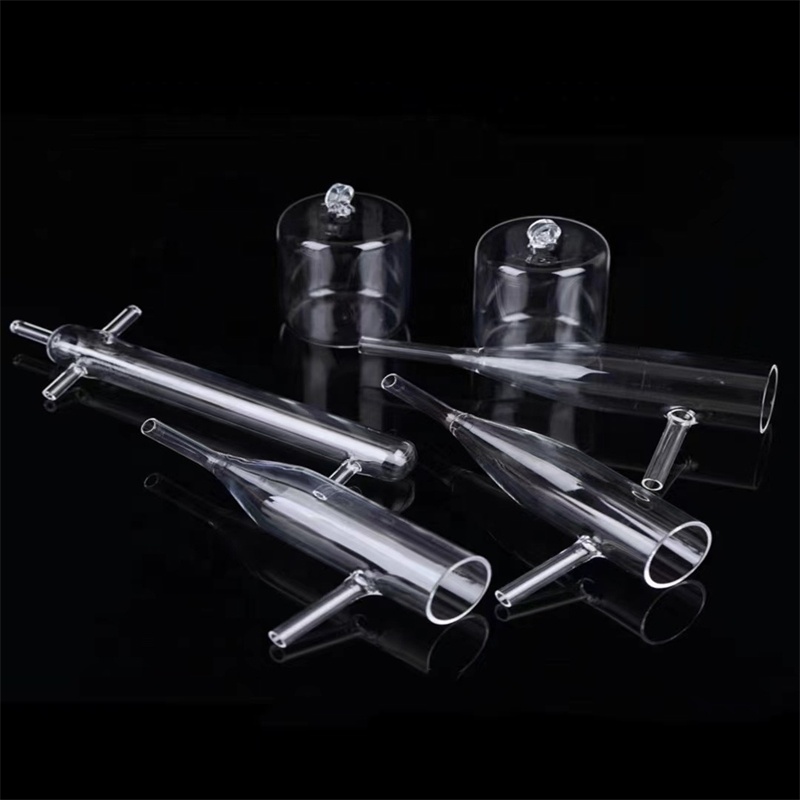
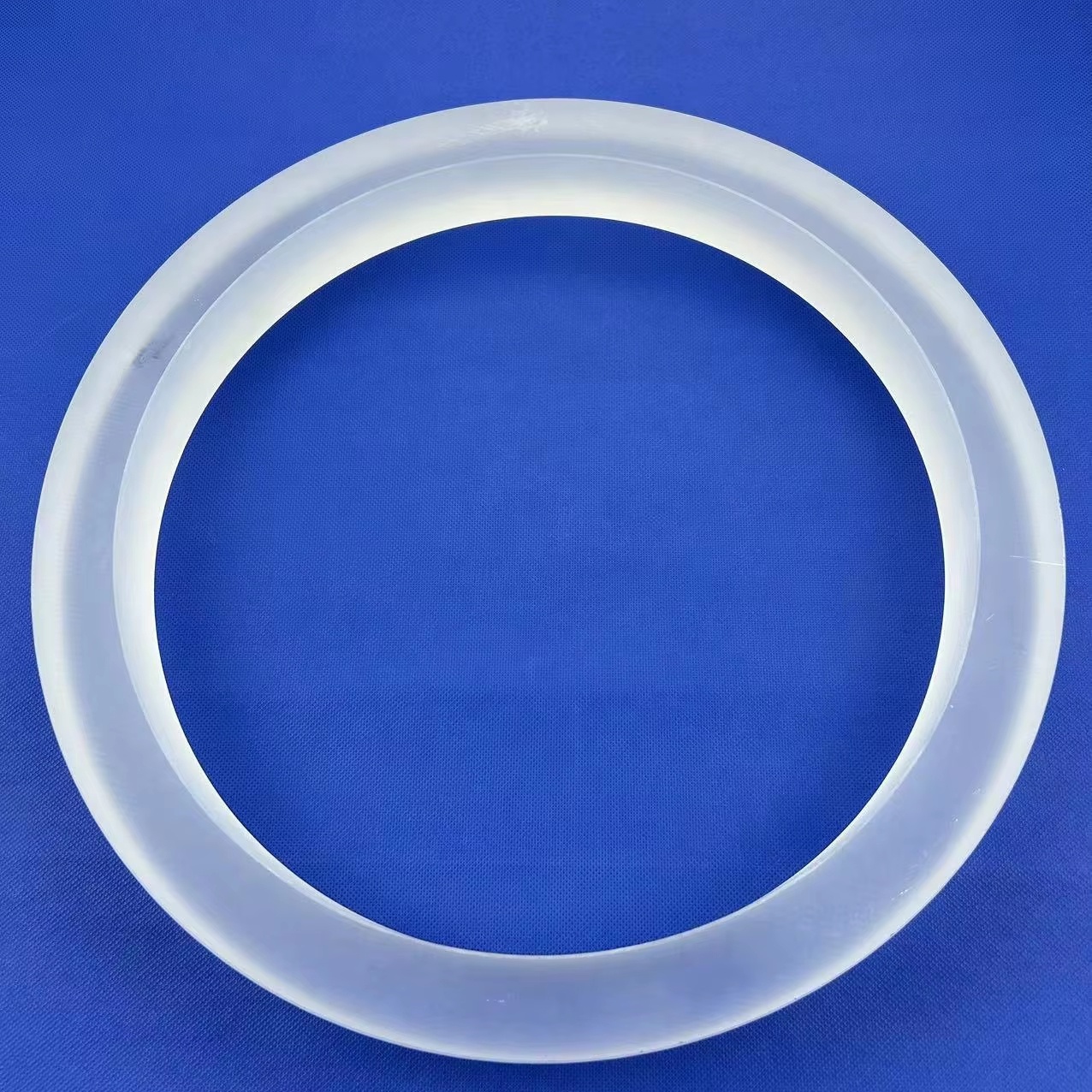
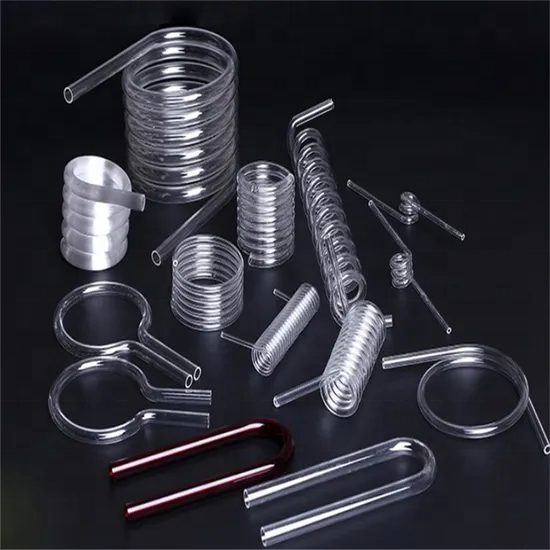
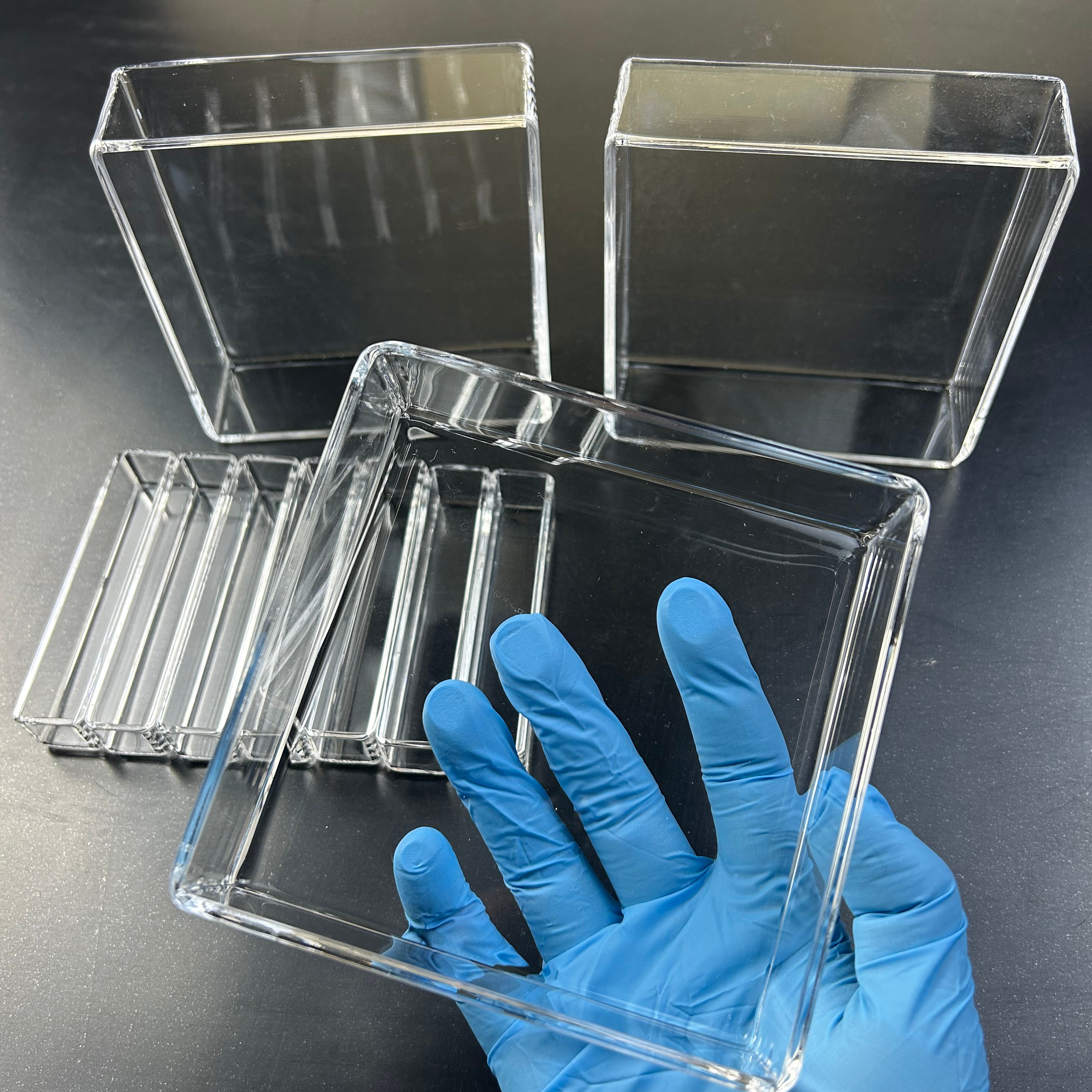
Featured Quartz Glass Windows, Tubes & Fabricated Components
Manufactured strictly according to engineering CAD/STEP drawings, serving extreme thermal, chemical, and optical environments.
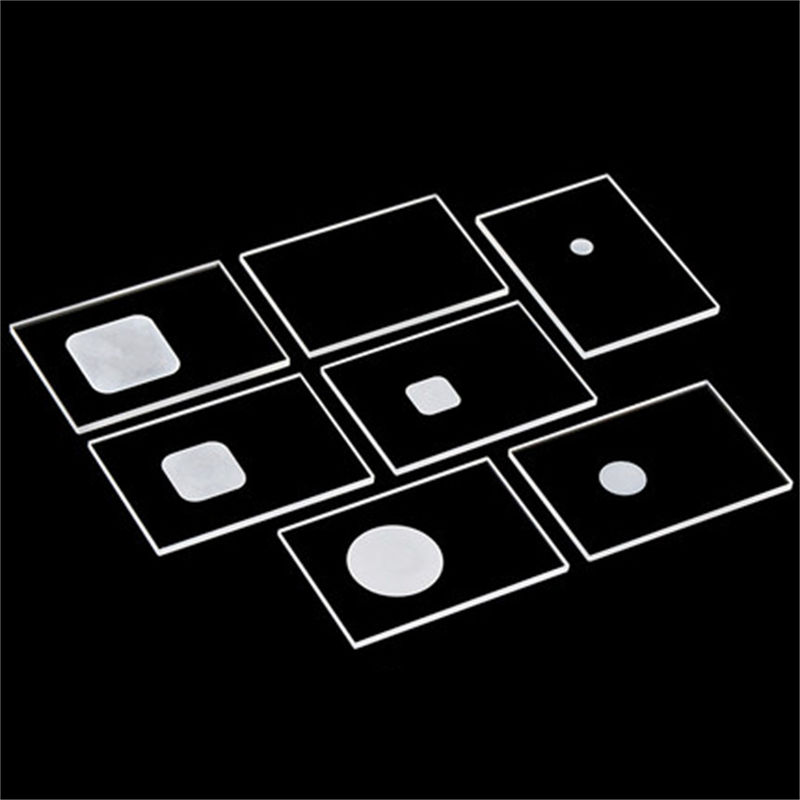

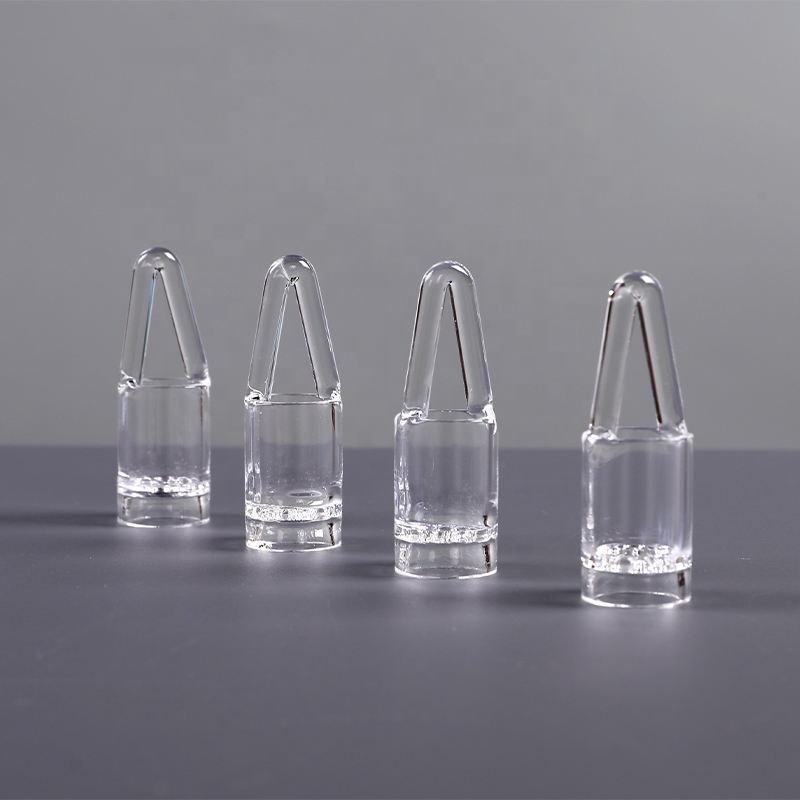
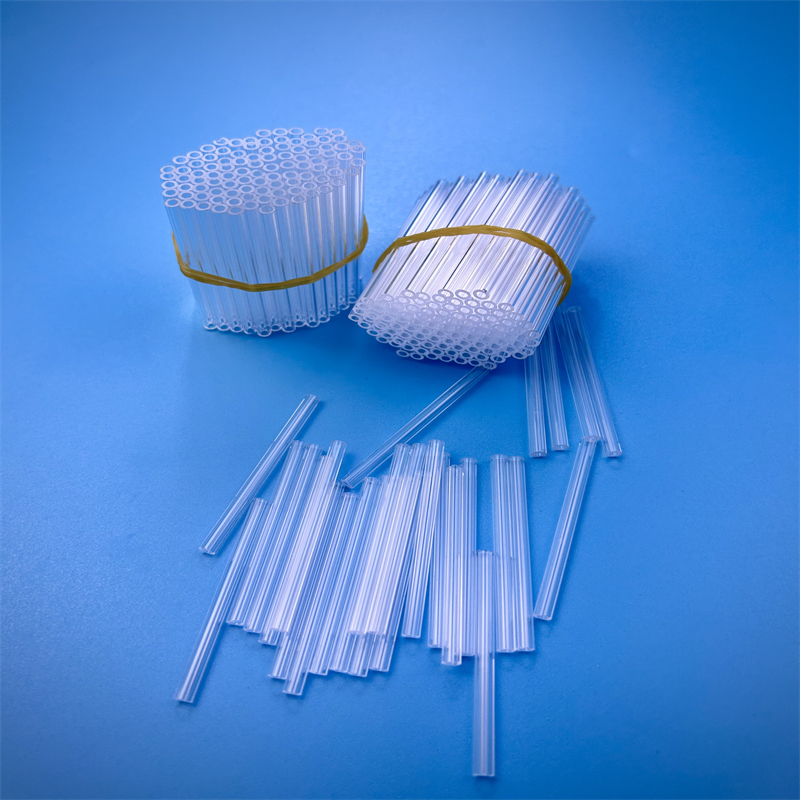
Material Grade Selection & Optical Metrology Standards
Navigating the physical divergence between synthetic fused silica and natural electric-arc fused quartz windows.
JGS1: Synthetic Fused Silica (DUV / UV Grade)
Synthesized via chemical vapor deposition of silicon tetrachloride (SiCl₄). Exhibits no micro-bubbles, virtually zero transition-metal impurities, and peak spectral transmission from 185 nm to 2500 nm. Free of fluorescence under 254 nm excitation.
JGS2: Fused Quartz (Optical & Viewport Grade)
Refined from high-purity natural crystal quartz sands via high-temperature hydrogen-oxygen flame fusion. Offers superior mechanical modulus and optical clarity in the 220 nm to 2500 nm range. The global benchmark for sight glasses and plasma vacuum windows.
JGS3: Low-OH Fused Quartz (Infrared Grade)
Electro-fused in vacuum environments to eliminate structural hydroxyl radicals (OH content < 2 ppm to 5 ppm). Completely eliminates the 2.73 μm absorption band, maintaining robust transmission through the Short-Wave Infrared (SWIR) spectrum up to 3500 nm.
| Physical / Optical Parameter | JGS1 (Synthetic Silica) | JGS2 (Optical Quartz) | JGS3 (Infrared Quartz) | Test Standard Reference |
|---|---|---|---|---|
| Purity (≥ % SiO₂) | 99.9999% | 99.99% | 99.99% | ICP-OES Spectral Analysis |
| Spectral Transmission Band | 185 nm – 2,500 nm | 220 nm – 2,500 nm | 260 nm – 3,500 nm | UV-Vis-NIR Spectrophotometer |
| Hydroxyl (OH⁻) Content | ≤ 1,200 ppm (or dry ≤ 10 ppm) | ≤ 150 – 200 ppm | ≤ 2 – 5 ppm | FTIR Absorption @ 2.73 μm |
| Continuous Working Temperature | 1,050 °C | 1,100 °C | 1,150 °C | Thermal Annealing Cycle |
| Short-Term Max Temperature | 1,200 °C | 1,300 °C | 1,350 °C | Dilatometer Softening Test |
| Coefficient of Thermal Expansion (CTE) | 5.5 × 10⁻⁷ / K (20°C–320°C) | 5.5 × 10⁻⁷ / K (20°C–320°C) | 5.4 × 10⁻⁷ / K (20°C–320°C) | ASTM E228 Interferometry |
| Surface Roughness (Polished Windows) | Ra < 0.3 nm – 0.5 nm (CMP) | Ra < 0.8 nm – 1.0 nm | Ra < 1.0 nm | Atomic Force Microscopy (AFM) |
| Standard Surface Figure / Transmitted Wavefront | λ/10 to λ/20 @ 632.8 nm | λ/4 to λ/8 @ 632.8 nm | λ/2 to λ/4 @ 632.8 nm | Zygo Laser Interferometer |
Future Procurement Trends in the Global Quartz Glass Window Supply Chain
Market dynamics, supply chain hardening, and technical imperatives reshaping quartz procurement through 2026–2030.
Direct Hub Integration in Donghai
Global optical and process equipment procurement teams are bypassing domestic intermediaries in Europe and North America to establish direct Tier-1 factory arrangements within Donghai County, China. Sourcing at the regional cluster delivers direct factory margins, accelerated raw-ingot allocation, and immediate feedback loops on complex blueprints.
Escalating Purity & Trace Elemental Thresholds
As semiconductor lithography moves toward High-NA EUV peripheral optics and sub-3nm wafer nodes, permissible metallic impurity tolerances (Fe, Cu, Ni, Na, K, Li) have fallen below the 0.1 ppm threshold. Procurement departments now audit suppliers for laser-induced breakdown spectroscopy (LIBS) and cleanroom chemical packaging compliance before contract authorization.
Near-Net-Shape Preforms & Laser Trepanning
Fabrication yield is the defining cost metric. Buyers specify laser micro-drilled viewports, internal fluidic grooving, and stepped counterbores pre-machined at the factory stage. This near-net-shape approach saves secondary machining hours while reducing micro-fissure failure risks during thermal cycling.
Technological Evolution: Next-Generation Fused Silica Fabrication
The manufacturing landscape for wholesale quartz glass windows has graduated beyond mechanical diamond sawing and classical felt polishing. Industrial equipment designers now demand windows capable of maintaining structural equilibrium across thousands of rapid thermal cycles, surviving volatile fluorine/chlorine plasma bombardment, and delivering high laser-induced damage thresholds (LIDT).
- Deterministic Magnetorheological Finishing (MRF) and CMP Polishing: While standard double-sided lap-polishing achieves commercial flatness (1–2 λ), high-vacuum optical sight windows and laser viewports increasingly utilize Chemical Mechanical Planarization (CMP). This process achieves sub-angstrom surface roughness (Ra < 0.2 nm), eliminating sub-surface damage (SSD) and mitigating stray-light scattering in laser metrology.
- Thermal Stress Annealing & Striae Reduction: Advanced optical quartz blanks undergo extended annealing schedules over multiple days within computer-controlled resistance furnaces. This thermal treatment relieves internal residual mechanical stresses, reducing stress birefringence below 2 nm/cm and ensuring spatial homogeneity across apertures up to 800 mm.
- Functional Dielectric & Hydrophobic Thin-Film Coatings: Modern wholesale supply orders demand pre-coated quartz windows. Vacuum electron-beam evaporation and ion-assisted deposition (IAD) apply multi-layer Anti-Reflective (AR) coatings, Diamond-Like Carbon (DLC) barrier layers, and Oleophobic/Hydrophobic top-coats that withstand corrosive CVD chemistries (NF₃, CF₄, HF vapors) at operating temperatures surpassing 500 °C.
Why Enterprise Buyers Partner with Zunex Quartz Products
Precision fabrication based in China's crystal capital, combining raw material access, laser micro-machining, and responsive technical engineering.
Donghai Industrial Hub
Located in the heart of Donghai County, Jiangsu, we access reliable supplies of high-grade natural silica quartz rock and synthetic raw blanks. This geographical advantage provides dependable pricing, material stability, and lower lead times for our global clients.
Precision Laser Finishing
Specialized CO₂ and picosecond laser workstations execute micro-hole drilling (Ø ≥ 0.2 mm), high-aspect slotting, complex beveling, and perimeter trepanning. Our laser-machined profiles avoid chipping and micro-cracking common to conventional wet diamond core drilling.
Engineering-Led Quotes
Every drawing received (PDF, DWG, DXF, or STEP) is reviewed directly by application engineers within 2 hours. We evaluate tolerances, thermo-mechanical edge clearances, and chemical environments to ensure cost-effective manufacturability before production.
Secure Export Packaging
All precision optical quartz windows and fragile labware components undergo ultrasonic cleaning, vacuum plastic film sealing, and multi-layer shock-absorbing foam encapsulation before crating in custom reinforced export-grade plywood containers.
Frequently Asked Questions: B2B Quartz Window Procurement
Direct technical answers addressing engineering constraints, custom tolerances, and international export logistics.
For CNC-machined and laser-cut fused quartz windows, our standard mechanical tolerances are held to ±0.05 mm, with precision-grade components achieving ±0.01 mm on diameter and length. Thickness tolerances can be lapped down to ±0.005 mm with parallelism ≤ 10 arcseconds and wedge angles ≤ 3 arcminutes on optical-grade orders.
Fused quartz possesses an exceptionally low Coefficient of Thermal Expansion (CTE ~ 5.5 × 10⁻⁷ / K), which is roughly one-sixth that of borosilicate glass (33 × 10⁻⁷ / K). Consequently, a fused quartz window heated to 1100 °C can be quenched directly into ice-cold water without structural catastrophic failure or cracking, making it ideal for high-heat viewports.
Yes. Custom fabrication to customer drawings is our core operation. We accept PDF, DWG, DXF, and STEP 3D models. Our laser workstations and 5-axis ultrasonic CNC machinery can create micro-holes down to Ø 0.2 mm, complex stepped counterbores, O-ring sealing grooves, and ground chamfers with fire-polished edges to eliminate micro-burrs.
For wavelengths shorter than 220 nm (such as 193 nm ArF excimer or 214 nm spectrometry), JGS1 synthetic fused silica is necessary. Natural fused quartz (JGS2/JGS3) exhibits metallic ion inclusions and internal absorption centers that create high solarization and opacity in deep UV fields, whereas JGS1 maintains transmission ≥ 85% at 193 nm.
We supply precision quartz windows adhering to MIL-PRF-13830B and ISO 10110 standards. Surface finish can be verified at commercial scratch-dig 60-40, high-precision 40-20, or laser-grade 20-10 and 10-5 for high-energy laser optics. Surface roughness reports generated via white-light interferometry or AFM are provided on request.
Fragile quartz components are individually wrapped in anti-static, lint-free optical paper, vacuum-sealed into multi-layer cushioning bubble cassettes, and packed inside drop-tested custom wooden crates lined with 30 mm high-density polyurethane dampening foam. We export worldwide via DHL/FedEx Express, air cargo, and sea with a transit damage rate below 0.1%.
Ready to Review Your Blueprint or Request a Custom Quartz Quotation?
Send your dimensional drawings, target material grade (JGS1, JGS2, JGS3), and required quantities. Our optical engineering team will verify manufacturing tolerances, advise on thermal-chemical longevity, and deliver a comprehensive quotation within 2 hours.