Featured Fused Quartz Products & Components
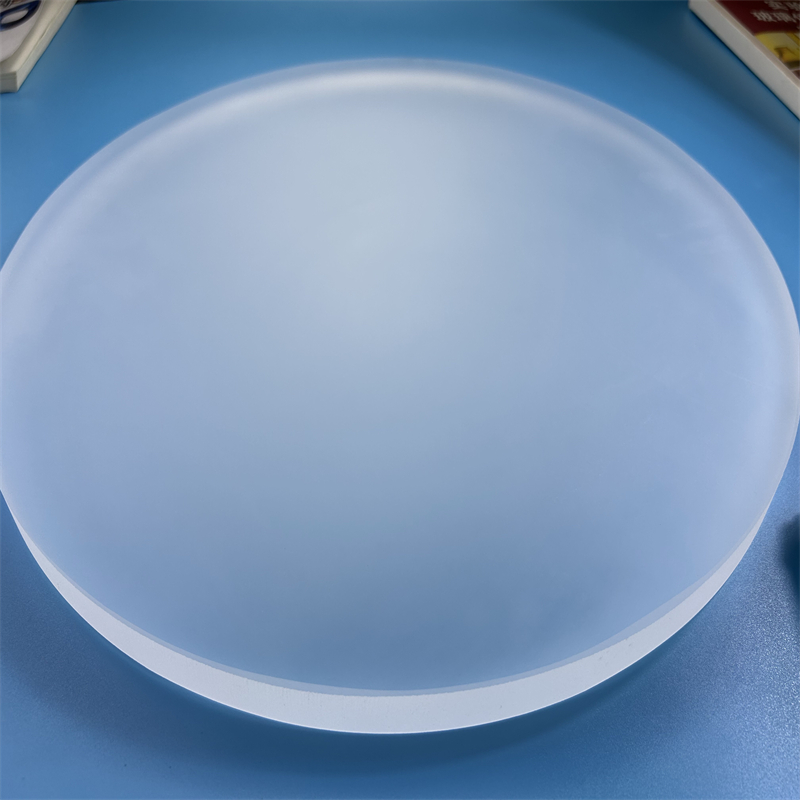
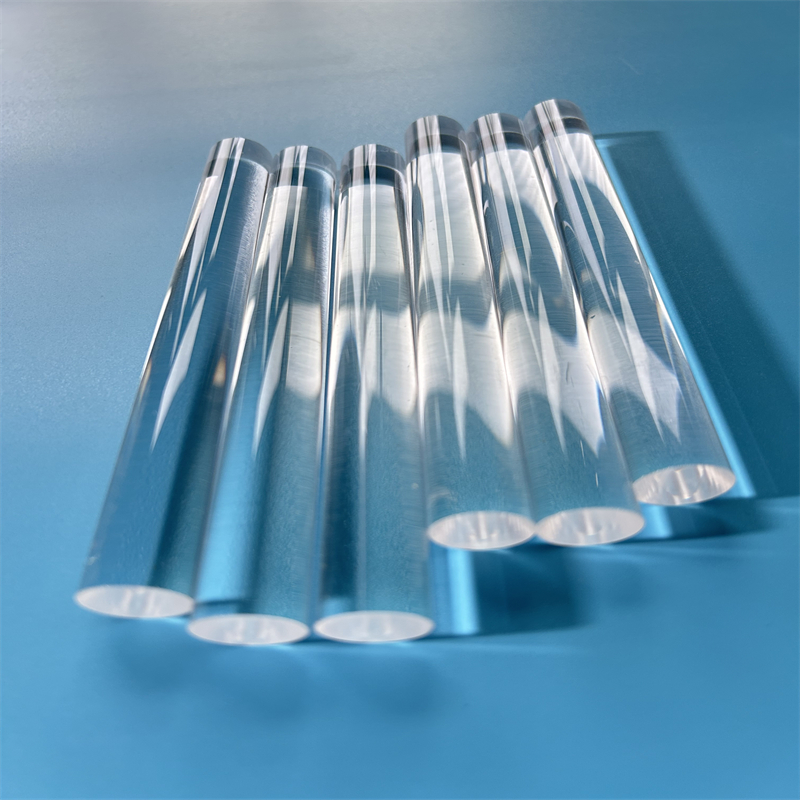
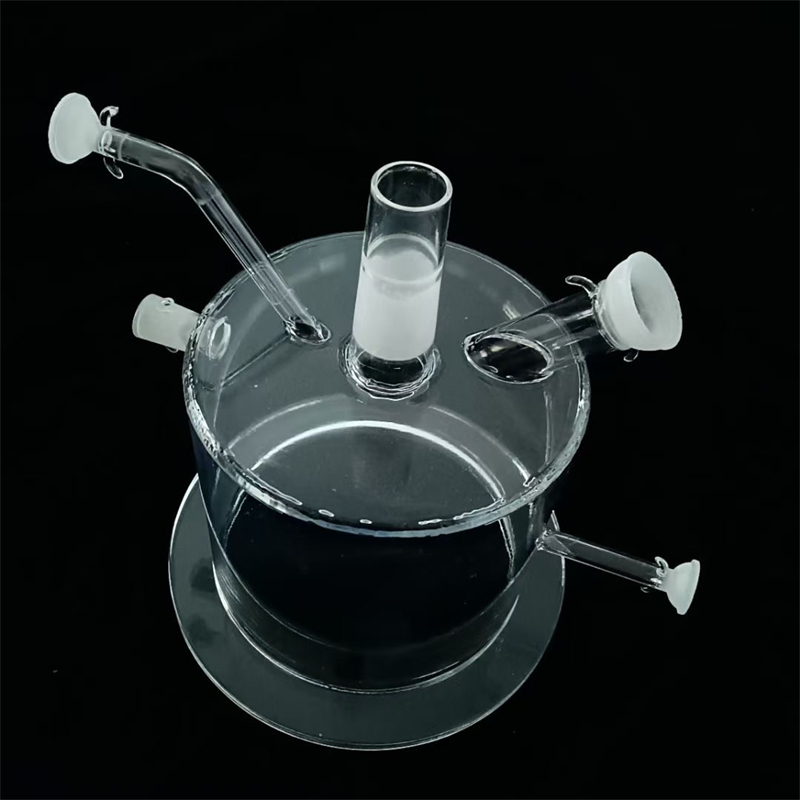
Engineered in Donghai County—China's crystal capital. Custom fabrication based strictly on technical CAD/STEP drawings with micron-level tolerances.

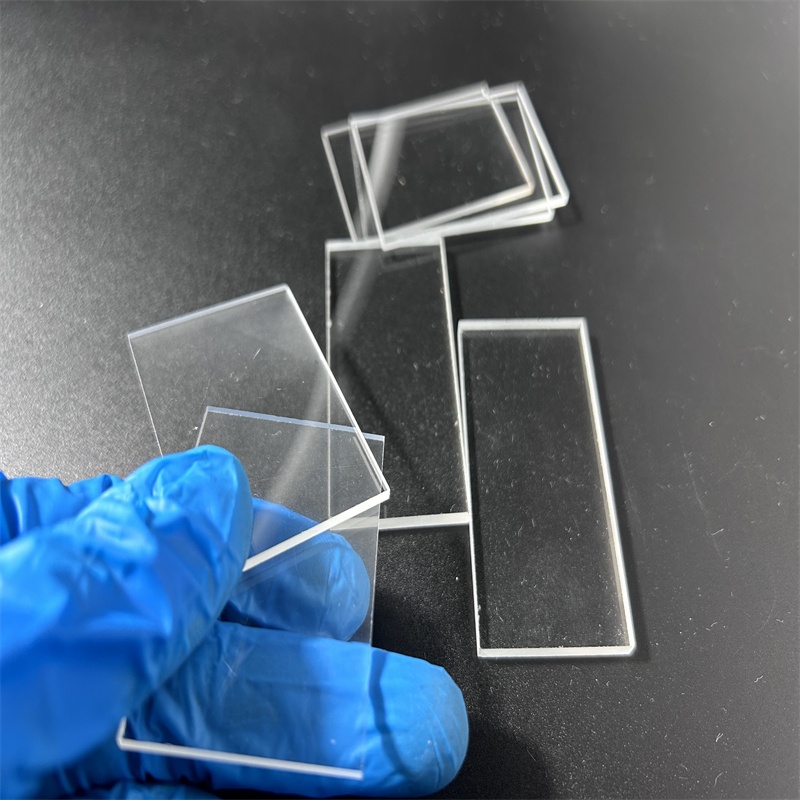
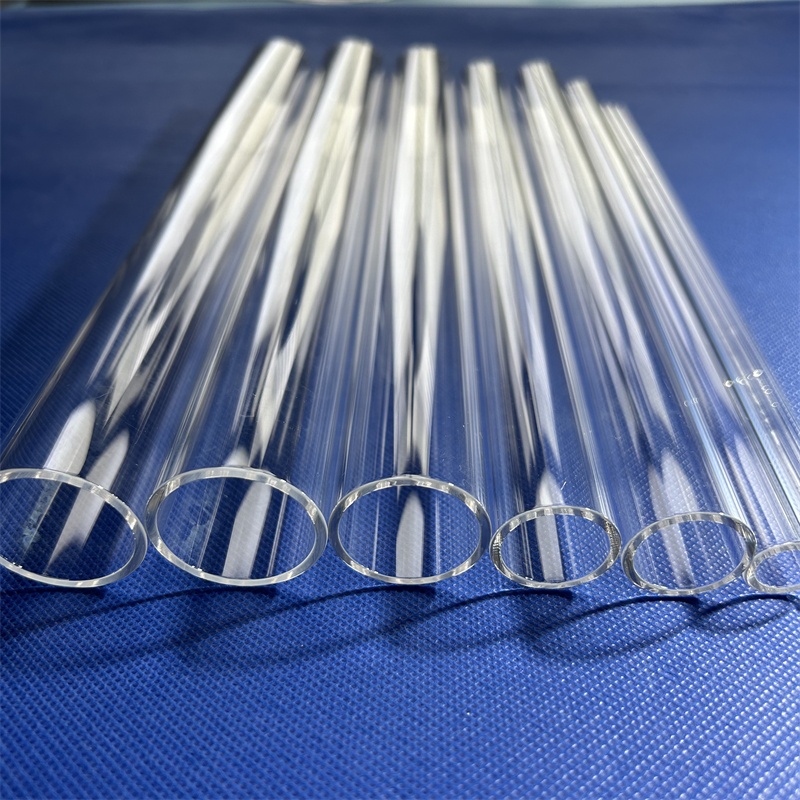
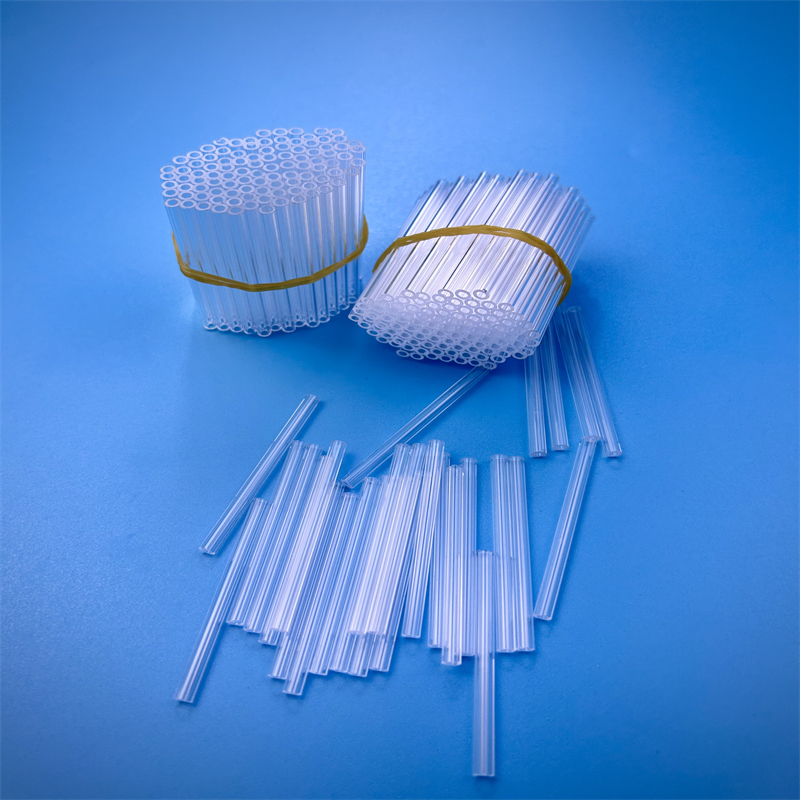
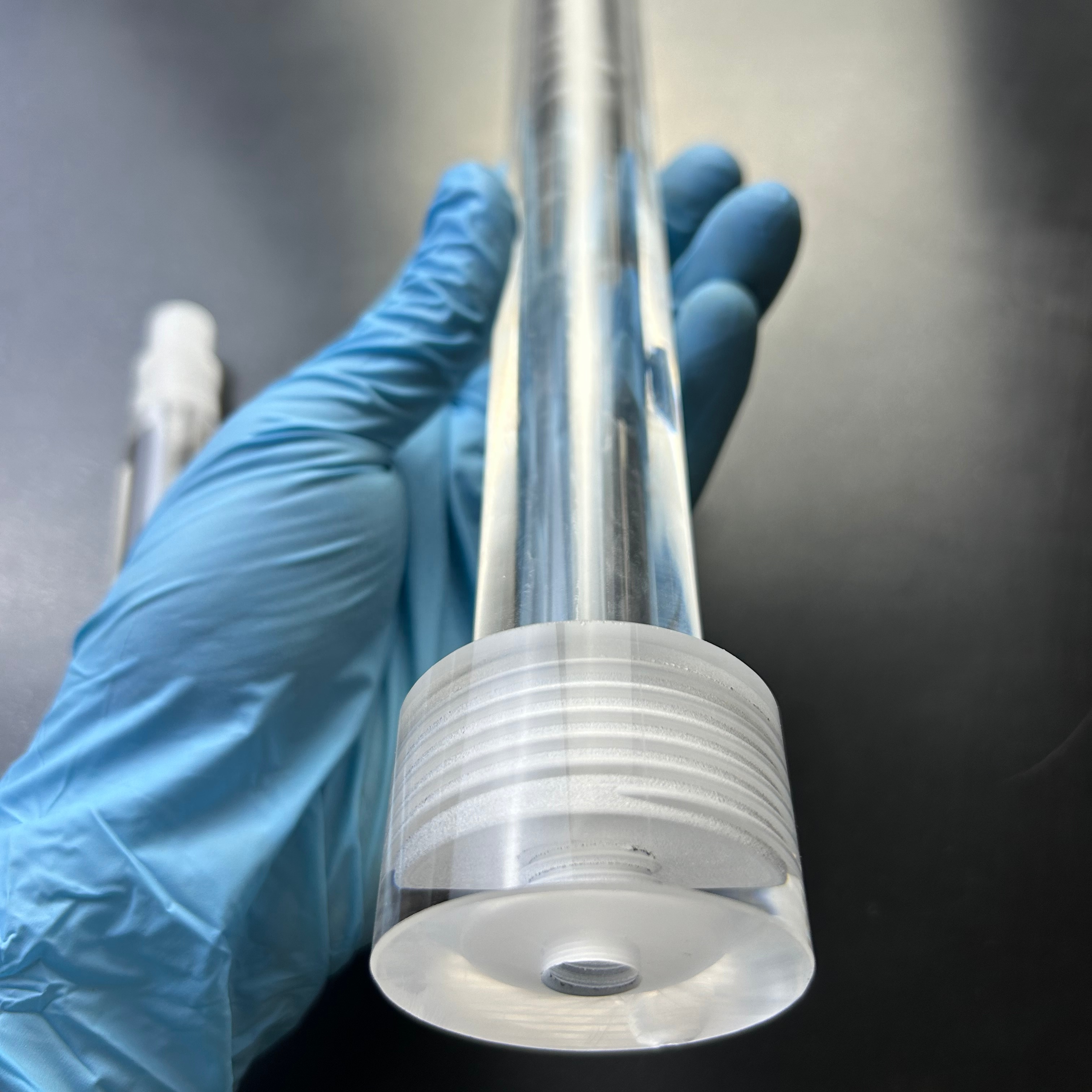
Why Industrial Engineers & Global Importers Partner with Zunex
Operating directly at the supply heart of Donghai, our integrated OEM/ODM fabrication model bridges raw quartz refining and micro-machining.
Advanced Laser Finishing
State-of-the-art CO₂ and picosecond laser drilling, micron-pitch slotting, and edge chamfering prevent micro-cracking and edge flaking during thermal expansion cycles.
Drawing-to-Part Strictness
Full support for DWG, DXF, and STEP 3D models. Every dimension, flange weld, taper, and surface tolerance is verified by dedicated optical comparators.
Severe Thermal Stability
Annealed to release structural internal stress. Endures continuous working temperatures of 1100°C and short-term thermal shock peaks up to 1300°C without devitrification.
Anti-Shock Export Crating
Custom multi-layer EPE foam encapsulation, moisture-proof vacuum wrapping, and reinforced plywood crates ensure zero broken rates across sea and air freight.
Fused Quartz Material Science: Optical Grades & Thermal Metrics
Understand physical thresholds, spectral transmittance, and impurity controls to select the correct grade for semiconductor, chemical, and optical systems.
Fused Silica & Transparent Quartz Physical Parameters
| Chemical Formula / Purity | SiO₂ ≥ 99.98% – 99.995% |
|---|---|
| Density (20°C) | 2.20 × 10³ kg/m³ |
| Continuous Operating Temp | 1100 °C (1373 K) |
| Short-term Max Temp | 1300 °C (1573 K) |
| Softening Point | approx. 1683 °C |
| Annealing Point | approx. 1215 °C |
| Thermal Expansion (0-300°C) | 5.5 × 10⁻⁷ cm/cm·°C |
| Mohs Hardness | 5.5 – 6.5 |
| Dielectric Constant (1 MHz) | 3.75 |
JGS1: Synthetic Fused Silica (Far Ultraviolet Spectrum)
Formed via high-purity volatile silicon halides through hydrogen-oxygen flame hydrolysis. Free from bubbles, metallic inclusions, and discoloration. It offers superior optical transmission across the deep UV spectrum (185 nm – 2500 nm). Commonly specified for excimer laser lithography windows, semiconductor laser mirrors, spectrophotometer cuvettes, and optical instruments demanding minimal laser-induced fluorescence.
JGS2: Fused Quartz from Natural Crystals (UV to Visible Spectrum)
Melted from selected high-purity natural crystal sand. Possesses excellent structural rigidity, low bubble density, and high optical transmission across the 220 nm – 2500 nm window. Ideal for high-pressure mercury lamps, UV curing furnace sleeves, vacuum sight glasses, photolithography mask substrates, and standard high-temperature observation windows.
JGS3: Low-Hydroxyl Fused Quartz (Infrared Spectrum)
Produced by vacuum electric melting or gas-phase dehydroxylation, yielding an extremely low hydroxyl ([OH⁻]) concentration (typically ≤ 5 ppm). It completely eliminates the notorious absorption dip at the 2.73 μm wavelength, providing stable transmission up to 3500 nm – 4000 nm. Standardly used for high-efficiency infrared emitters, halogen heaters, CO₂ laser output mirrors, and pyrolysis sight tubes.
Market Dynamics & Future Quartz Tube Procurement Trends
How semiconductor fab expansions, 3rd-generation photovoltaics (TOPCon/HJT), and green hydrogen synthesis are reshaping global transparent quartz demand.
1. Large-Bore Diameter Scaling
Next-generation semiconductor processing (12-inch wafers) and high-throughput solar TOPCon tubular diffusion reactors demand ultra-large quartz tubes with Outer Diameters (OD) reaching 350 mm to 550 mm. The core manufacturing hurdle is maintaining tight wall thickness uniformity (≤ ±0.2 mm) and minimal sag across lengths surpassing 2.5 meters at 1200°C.
2. Stringent Trace Metal Reductions
Traditional industrial quartz with 20-30 ppm total impurities is unacceptable for sub-7nm node diffusion and ALD (Atomic Layer Deposition). Global procurement departments are requiring total metallic impurity counts (Fe, Cu, Ni, Cr, Na, K, Li) suppressed below 5 ppm, and specialized ultra-clean synthetic silica tubes below 10 ppb to prevent thermal wafer contamination.
3. Complete Modular Assembly Sourcing
Buyers are shifting away from purchasing raw open-ended quartz tubing. Modern RFQs demand complete turnkey components: integrated quartz flanges with precision O-ring grooves, multi-channel gas nozzles, welded ground glass stoppers, and laser-slotted interior wafer carriers to reduce domestic assembly and handling breakage risks.
Frequently Asked Questions by Industrial Sourcing Teams
Clear, engineering-backed answers addressing quality certifications, manufacturing lead times, tolerance controls, and logistics protection.
Initiate Your Custom Quartz Engineering RFQ Today
Send your PDF, DWG, or STEP drawings along with your target operating temperature, spectral transmission window, and required volume. Our factory engineers evaluate manufacturability and deliver detailed pricing in 2 hours or less.