High-Purity Quartz Solutions for Critical Engineering
Direct from our Donghai machining facility: certified JGS1, JGS2, and JGS3 fused quartz components fabricated to microscopic dimensional tolerances with full mechanical traceability.
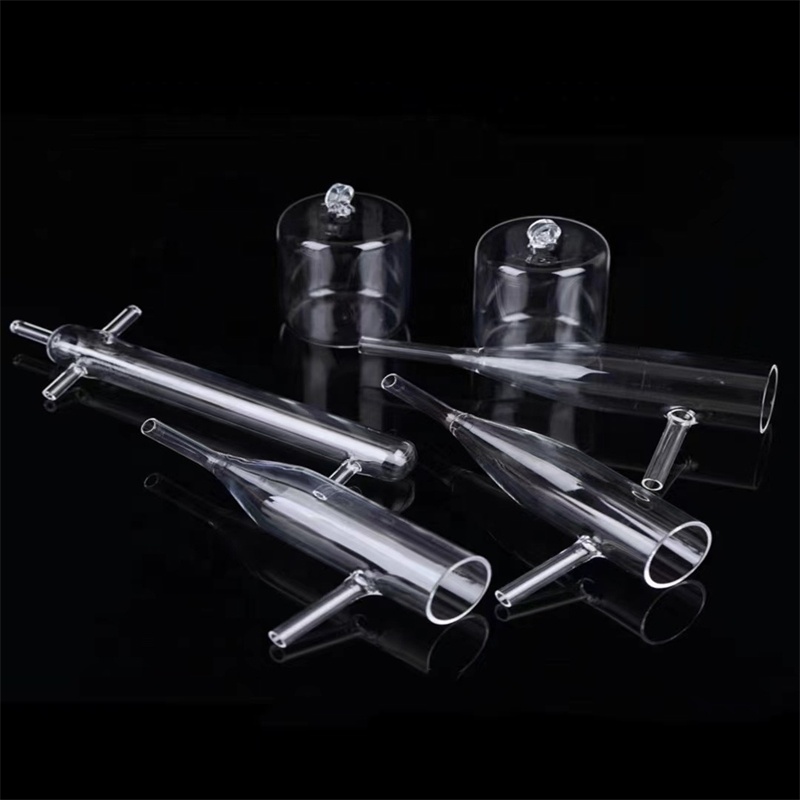
Custom Clear Laboratory High Temperature Twin Tube 99.99% Pure Quartz

Chemisorption BET Test High Pressure Ozone-Free Clear Quartz Tube
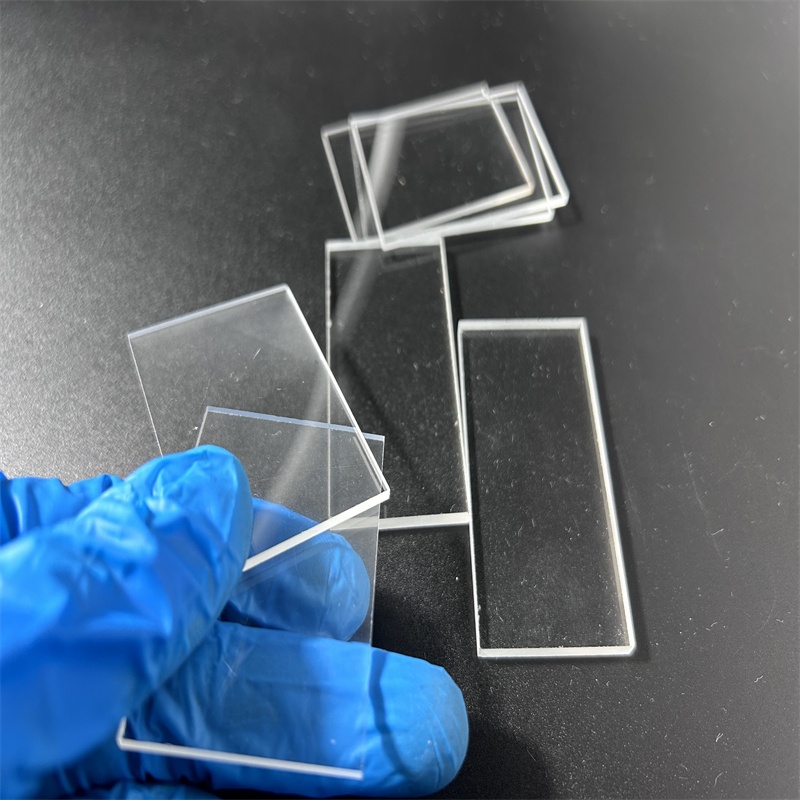
Customized High Temperature Transparent Fused Quartz Glass Sheet

Custom Size Clear Fused Quartz Plate (1100°C Heat Resistance)
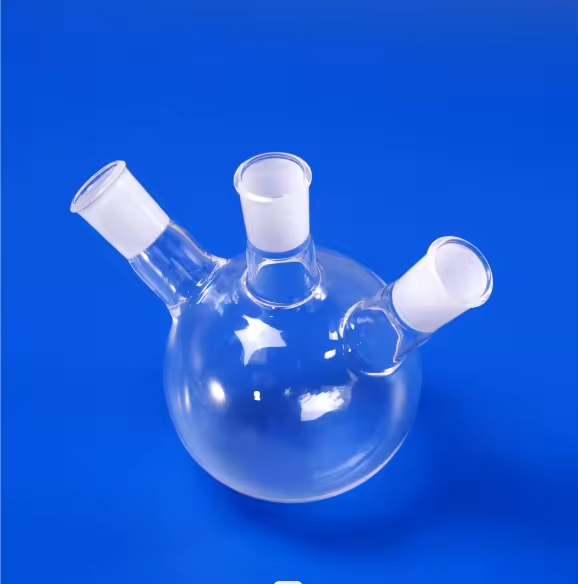
High Temperature Quartz Glass Twin Tube Bottom Reaction Flask
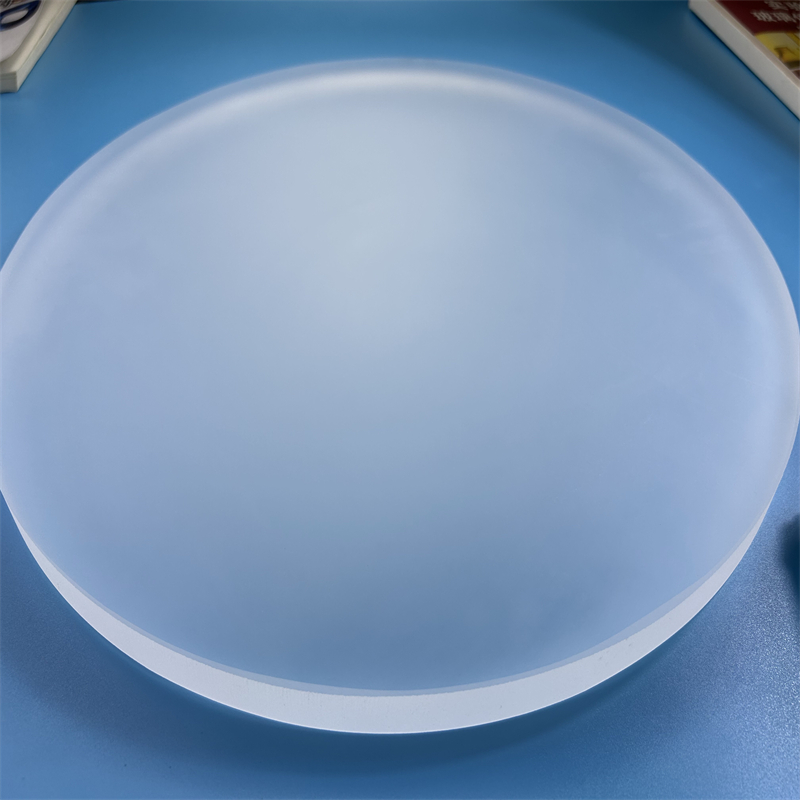
High Temperature Resistance Frosted Quartz Disc & Wafer Pedestal
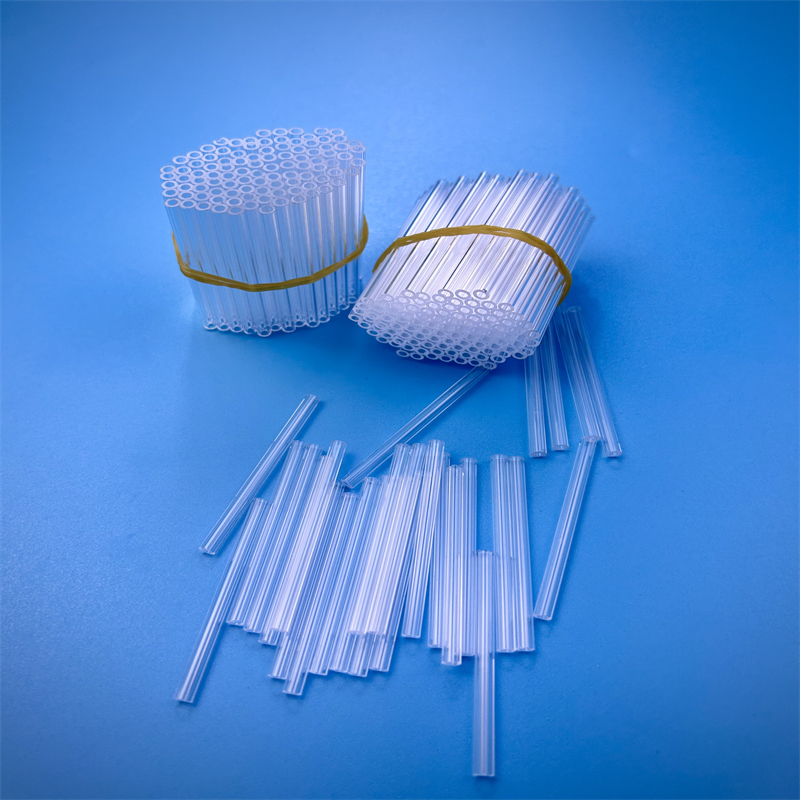
High Purity Transparent U-Bent Quartz Glass Furnace Tube
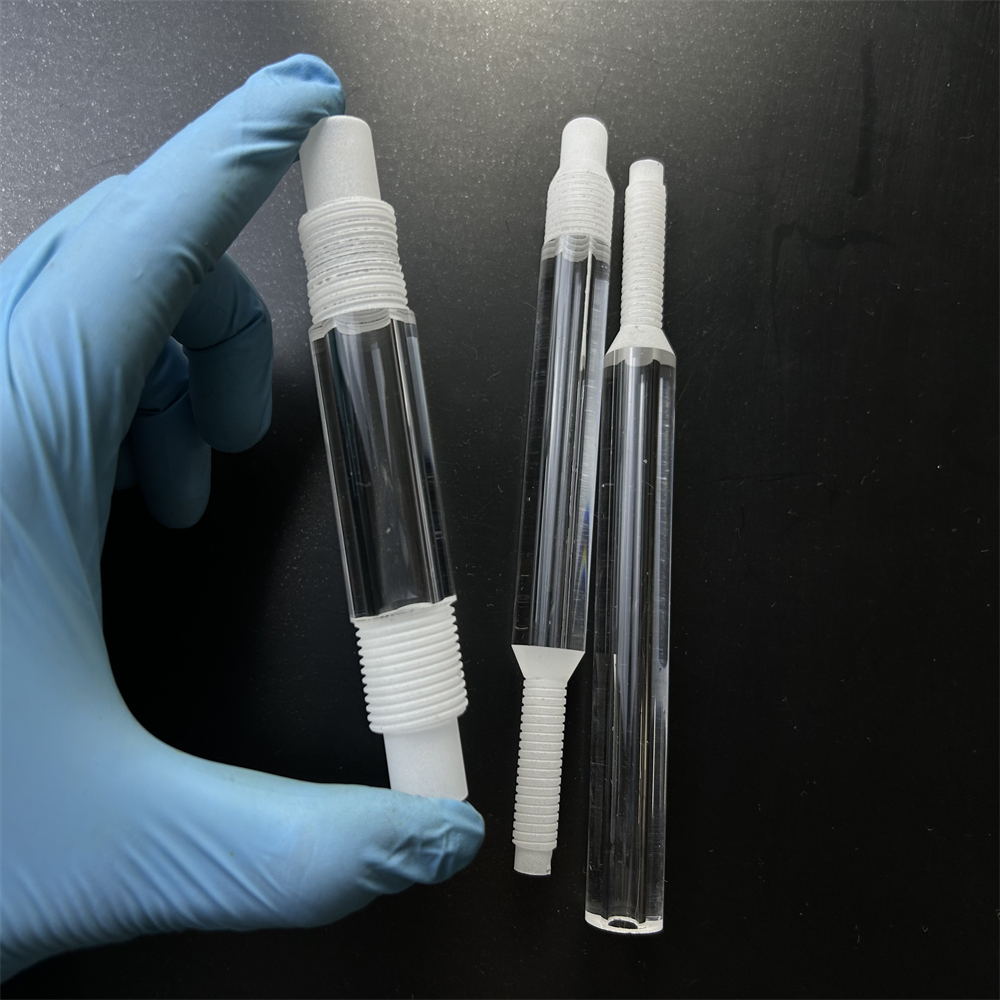
Customized High Purity Threaded Transparent UV Quartz Glass Tube
Demystifying Optical Quartz: Purity, Morphology & Transmission
A comprehensive procurement guide for optical physicists, semiconductor equipment engineers, and international sourcing directors evaluating Chinese quartz manufacturers.
Synthetic Silica vs. Natural Quartz
Understanding the molecular origin is critical for eliminating optical solarization and devitrification under extreme UV excimer radiation. Natural fused quartz is produced by melting natural crystalline quartz vein sand (≥99.99% SiO₂), providing superior creep resistance at elevated temperatures up to 1150°C. Synthetic fused silica (JGS1) is synthesized from silicon tetrachloride (SiCl₄) vapor phase oxidation, resulting in absolute freedom from refractory bubble inclusions and trace metallic contamination (Fe, Al, Ti < 0.1 ppm).
- Natural Quartz: Superior high-temperature annealing point (1215°C)
- Synthetic Silica: Complete elimination of 248nm/193nm solarization
Hydroxyl (OH⁻) Equilibrium & IR Cutoff
The transmission bandwidth of quartz optical elements is dictated strictly by trace hydroxyl ion content. High-OH synthetic fused silica contains between 800 to 1200 ppm OH⁻, suppressing vacuum ultraviolet defect centers while displaying intense molecular vibrational absorption bands at 1380 nm, 2200 nm, and 2730 nm. For mid-infrared viewports and gas spectroscopy cells, vacuum electro-fused low-OH quartz (JGS3) removes structural moisture to < 5 ppm, unlocking sustained broadband transmission across the 250 nm to 3500 nm spectrum.
- JGS1: VUV cutoff edge down to 185 nm (90%+ transmission)
- JGS3: Water-free optical matrix transmitting out to 3.5 microns
Laser Micro-Machining vs. Thermal Stress
Traditional mechanical diamond grinding generates microscopic sub-surface damage (SSD) and localized micro-fractures that act as crack initiation centers under thermal cycling. Zunex Quartz employs cold laser trepanning, picosecond laser grooving, and controlled hydrogen-oxygen flame annealing. This hybrid machining protocol maintains dimensional tolerances within ±0.01 mm while completely re-fusing edge boundaries, eliminating residual internal stresses and elevating mechanical tensile rupture resistance above 50 MPa.
- Sub-micron edge roughness with zero edge chipping (DIN ISO 10110)
- 100% polariscope stress birefringence validation prior to crating
| Optical Quartz Grade | Spectral Range | Hydroxyl (OH⁻) Content | Bubble Class (DIN 58927) | Refractive Index (nd @ 589.3nm) | Typical Critical Application |
|---|---|---|---|---|---|
| JGS1 (Synthetic Fused Silica) | 185 nm – 2,500 nm | 800 – 1,200 ppm | Class 0 (Bubble-free matrix) | 1.4585 | DUV Lithography Windows, Laser Optics, Fluorometer Cuvettes |
| JGS2 (Optical Grade Fused Quartz) | 220 nm – 2,500 nm | 150 – 300 ppm | Class 1 (Micro-inclusions < 0.05mm) | 1.4584 | UV-Visible Viewports, Sight Glasses, Solar PV Reaction Tubes |
| JGS3 (Infrared Fused Quartz) | 260 nm – 3,500 nm | < 5 ppm (Anhydrous) | Class 1 / Class 2 | 1.4583 | IR Sensors, Gas Pyrometry Windows, Laser Heating Elements |
| High-Purity Thermal Quartz (Q-99) | 200 nm – 2,800 nm | < 30 ppm | Semiconductor Spec | 1.4580 | Diffusion Furnace Tubes, Epitaxial Wafer Boats, Bell Jars |
Emerging Global Sourcing Trends in Fused Quartzware
How international semiconductor foundries, photonics labs, and industrial heater OEMs are restructuring their optical glass supply chains to mitigate risk and reduce total cost of ownership.
Migration to Precursor-Controlled Purity Specifications
Global semiconductor fabrication lines transitioning below 7nm nodes no longer accept generic 4N (99.99%) quartz purity declarations. Procurement teams now require comprehensive ICP-MS (Inductively Coupled Plasma Mass Spectrometry) testing verifying alkali metal thresholds (Li, Na, K < 0.1 ppm) and heavy transition elements (Fe, Cu, Ni < 0.05 ppm). Chinese exporters offering batch-level elemental assay certificates directly challenge European incumbents on purity-per-dollar benchmarks.
Surge in Non-Thermal Picosecond Laser Machining
Mechanical CNC milling of quartz components introduces micro-fractures that degrade vacuum integrity under rapid thermal annealing (RTA) cycles. Sourcing trends highlight a decisive move toward non-thermal ultrafast picosecond and femtosecond laser micromachining. Sourcing directors favor Chinese manufacturers who integrate laser trepanning for micro-channel arrays, slotted wafer carriers, and high-aspect-ratio capillary holes without generating recast thermal stresses.
Near-Shoring Buffer Warehousing & Export Packaging
Due to the fragile nature of high-aspect quartz tubes, logistics damage historically accounted for 3–5% of ocean transit losses. The next decade of procurement demands standardized shock-watch telemetry, customized high-density polyurethane vacuum shells, and localized inventory stocking. Leading Chinese exporters are now collaborating with international logistics hubs to offer door-to-door guaranteed delivery without micro-abrasion or packaging contamination.
How Next-Gen Applications Drive Quartz Innovation
From deep-ultraviolet lithography equipment to high-temperature green hydrogen reactors, examine the industrial forces shaping quartz product development.
Sub-200nm VUV Lithography & Laser Optics
As semiconductor lithography expands excimer laser wavelengths (193nm ArF and 248nm KrF) across optical inspection channels, optical quartz must demonstrate near-zero coefficient of internal absorption (k < 10⁻⁵ cm⁻¹). Technological development centers on plasma-assisted chemical vapor deposition (PACVD) syntheses that eliminate interstitial oxygen deficiencies, ensuring optical windows resist refractive index homogenization over billions of laser pulses.
- Wavefront distortion controlled within λ/10 per inch
- Zero laser-induced birefringence (polarization purity > 99%)
Solar Cell TOPCon & Perovskite Diffusion Tubes
The photovoltaic industry's transition from PERC to N-type TOPCon and Perovskite tandem architectures demands ultra-large diameter quartz diffusion process tubes (outer diameter > 450 mm, wall thickness > 8 mm) capable of resisting thermal sag over thousands of hours at 1200°C. Technology trends include high-temperature quartz devitrification inhibitors and micro-doped barium barrier layers that triple operating life in chlorine and borontrichloride atmospheres.
- Low-sag formulation minimizing ovality distortion to < 0.8%
- Extended furnace campaign lifetime exceeding 180 heating cycles
Green Chemical Reactors & Hydrothermal Synthesis
Modern analytical chemisorption and supercritical hydrothermal synthesis systems require reaction vessels that combine transparency with extreme chemical inertness. Unlike borosilicate glass which dissolves in caustic or hot acidic solutions, fused quartz resists all organic and inorganic acids except hydrofluoric and hot phosphoric acid. Developments include specialized ground quartz joints, high-pressure threaded vacuum flanges, and monolithic twin-tube heat exchangers.
- Pressure resistance up to 30 MPa with reinforced optical walls
- Fully compatible with Quantachrome, Micromeritics analyzers
Why Global Buyers Partner with Zunex Quartz
Combining the geopolitical raw material supremacy of Donghai County with aerospace-grade CNC cold machining and transparent trade reliability.
Donghai Epicenter Sourcing
Located in the heart of China's "Crystal Capital", we leverage localized access to natural quartz sand reserves and multi-tiered smelting supply chains, reducing raw material procurement costs by 20–35% compared to non-cluster fabricators.
Custom Drawing-to-Part CNC
From CAD/STEP files to precision quartzware: our workshop features 5-axis CNC grinding centers, laser trepanning stations, and high-temperature robotic glass-lathe welding. We reliably produce custom flanges, capillary tubes, and slotted boats.
Verified Trade Credibility
Audited on Alibaba.com with a verified 100% inquiry response rate (under 2 hours) and a 43% buyer repeat order rate. We handle international transactions under flexible Incoterms (EXW, FOB, CIF, DDP) with escrow trade assurance protection.
Aero-Grade Anti-Shock Crate
Fragile quartz requires extreme logistics precautions. Every shipment is enclosed in dual-layer expanded polyethylene (EPE) custom-molded cells, vacuum-sealed against ocean humidity, and encased in ISPM-15 certified export plywood cases with shock indicators.
Frequently Asked Questions by B2B Quartz Buyers
Direct technical answers addressing tolerance stack-ups, bubble grading, thermal annealing, and drawing reviews.
Q1 What exact drawing formats do your engineers accept for quotation?
We accept 2D manufacturing prints in PDF, DWG, and DXF formats (with clearly noted dimension tolerances, datum points, surface finish requirements like Ra values, and bubble classes), as well as 3D solid models in STEP (.stp) and IGES (.igs) formats. For optical components, please specify clear aperture requirements and scratch-dig standards (e.g., MIL-PRF-13830B or ISO 10110).
Q2 How do you differentiate between JGS1, JGS2, and JGS3 grades in practice?
JGS1 is synthetic fused silica manufactured from vapor-phase silicon chlorides, providing high DUV transmission (185–2500 nm) and near-zero bubble density. JGS2 is standard optical grade fused quartz made by electric arc or gas flame melting of crystalline quartz sand (220–2500 nm), optimal for sight glasses and UV sterilizers. JGS3 is vacuum-fused infrared quartz with hydroxyl (OH⁻) content below 5 ppm, preventing water absorption bands between 2600–2800 nm.
Q3 What are the thermal operating limits and devitrification risks of fused quartz?
Fused quartz exhibits a continuous maximum working temperature of approximately 1100°C and a short-term ceiling of 1300°C (with its softening point at 1683°C). Exposure above 1150°C in the presence of surface contaminants (such as alkali metals, fingerprints, or dust) triggers devitrification—the phase transformation of amorphous silica into crystalline cristobalite—causing micro-cracking upon cooling. All high-temperature quartz must be cleaned with 5% HF solution and rinsed with deionized water prior to furnace ramp-up.
Q4 What surface optical quality and flatness tolerances can your polishing achieve?
For optical plates, windows, and wafers, our double-sided planetary polishing lines achieve surface flatness of λ/4 to λ/10 per 25 mm diameter at 632.8 nm. Surface scratch-dig parameters conform to 40/20 standard commercial grade, with precision laser optics polished to 20/10 or 10/5 scratch-dig. Surface roughness (Ra) can be maintained down to < 0.5 nm (super-polished) for synchrotron and laser resonator optics.
Q5 How do you eliminate edge chipping during laser cutting and CNC grooving?
We employ hybrid processing combining picosecond cold laser ablation with ultrasonic diamond grinding. Unlike mechanical cutting tools that apply heavy shear stresses, picosecond laser pulses ablate silica bonds faster than thermal expansion waves can propagate, reducing sub-surface micro-crack depth to < 5 microns. All edges undergo mechanical fire-polishing or chemical acid etching to eliminate residual micro-flaws.
Q6 Can you supply customized quartz sample tubes for Chemisorption and BET instruments?
Yes. We manufacture customized high-pressure and vacuum BET sample cells, chemisorption U-tubes, and twin-tube reactors fully compatible with Quantachrome, Micromeritics, and Bel Japan instruments. Tubes are fabricated with 99.99% pure ozone-free quartz, incorporating precision glass-to-metal or ground socket joints capable of withstanding thermal shocks from liquid nitrogen (-196°C) to 1000°C without mechanical rupture.
Q7 What quality assurance and material certifications are provided with shipments?
Every commercial production batch is accompanied by a Certificate of Conformance (CoC), material purity assay (trace metal analysis via ICP-OES/MS), spectrophotometer UV-Vis-NIR transmission spectral curves, and CMM (Coordinate Measuring Machine) dimensional inspection reports. Full polariscope stress-birefringence photos are available upon request.
Q8 What is your policy on small batch prototyping and MOQ for custom parts?
We welcome rapid prototyping and pre-production evaluation batches. For custom-machined optical plates, discs, and furnace tubes, our Minimum Order Quantity (MOQ) can be as low as 1 to 5 pieces depending on geometry and tooling requirements. Production-run toolings are cataloged for guaranteed repeat-order consistency across multi-year contracts.
Ready to Review Your Quartz Specifications?
Upload your CAD drawings or technical data sheets. Our Donghai engineering team provides manufacturability feedback, optical grade recommendations, and formal export quotations within 2 hours.