Engineered Quartz Glass & Threaded Tube Solutions
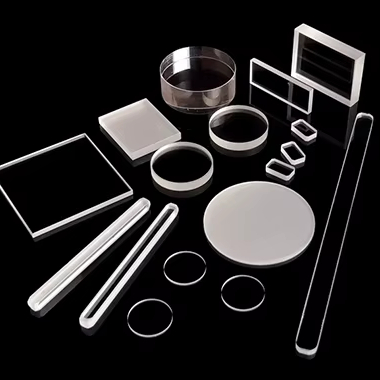
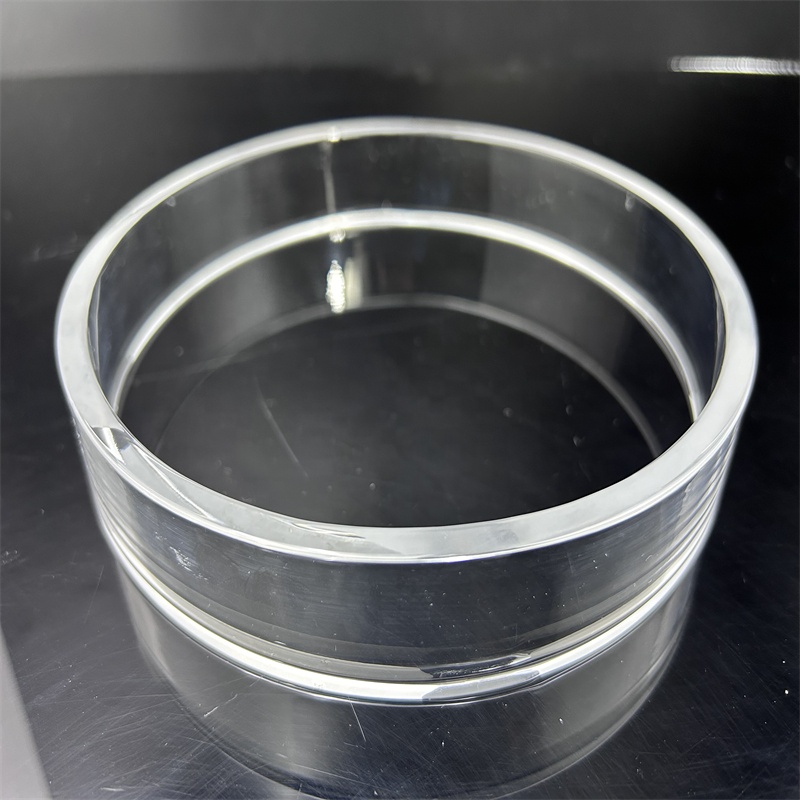
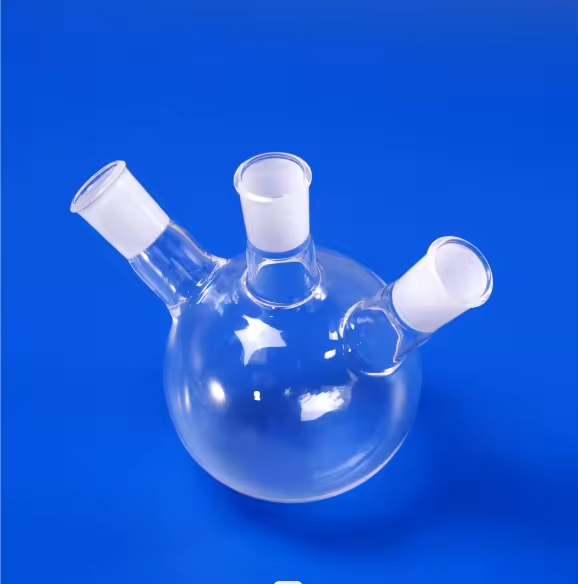
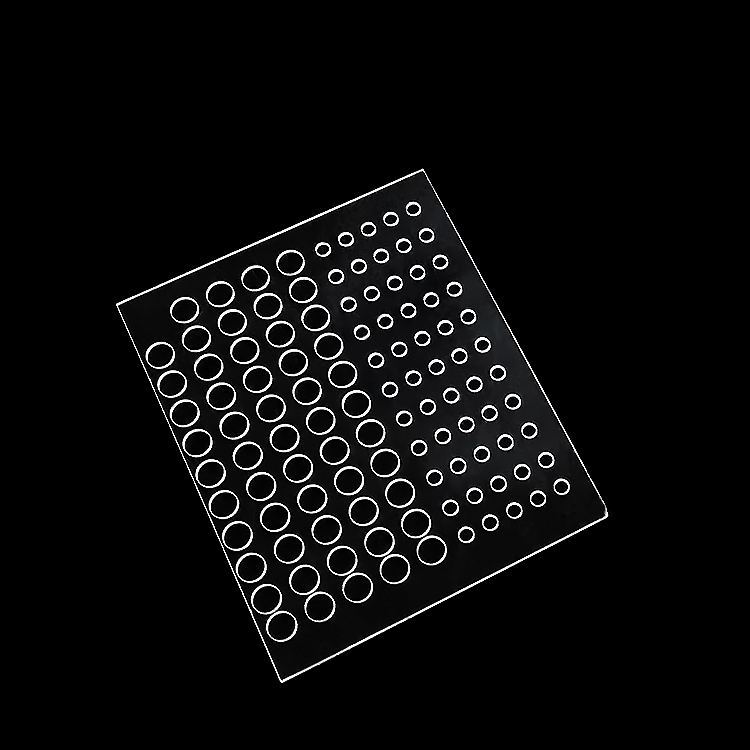
Explore standard GL-threaded configurations, optical-grade test plates, twin-tube reactors, and high-pressure quartzware manufactured in compliance with international semiconductor and laboratory specifications.

Precision Threaded Quartz Tube Fabrication Standards
A comprehensive engineering guide to thread pitch tolerances, thermal stability, hydroxyl management, and hermetic sealing in high-vacuum, chemically hostile environments.
In modern advanced manufacturing—spanning sub-nanometer semiconductor wafer fabrication, continuous chemical vapor deposition (CVD), photochemical synthesis, and ultra-high vacuum (UHV) instrumentation—ordinary borosilicate or ceramic fluid conduits fail under cyclic thermal stress and aggressive halogen plasma. Quartz threaded tubes (manufactured from high-purity fused silica, SiO₂ ≥ 99.99%) provide the definitive engineering compromise: near-zero coefficient of thermal expansion (5.5 × 10⁻⁷ /°C), continuous operating thresholds up to 1100°C, and exceptional mechanical coupling through standard GL14, GL18, GL25, GL32, GL45, or bespoke CNC-machined external/internal threads.
Procuring precision threaded quartz glassware requires rigorous vetting of manufacturer capabilities. Unlike smooth-bore tubing, threaded components introduce severe mechanical stress concentrations. Without proprietary flame annealing, computerized 5-axis ultrasonic CNC thread grinding, and verified polariscopic birefringence inspection, threaded joints are vulnerable to catastrophic shear failure when mated with PEEK, PTFE, or stainless-steel compression fittings under elevated hydrostatic pressures.
Donghai Epicenter Advantage
Situated in Donghai County, Jiangsu—the world-renowned "Crystal Capital"—Zunex Quartz taps into raw mineral supply chains, allowing ultra-pure SiO₂ processing at direct-factory economies without sacrificing quality.
Dual-Path Thread Forming
We combine hot-flame mechanical rolling for rapid standard GL threads with multi-axis diamond-wheel CNC grinding for custom ISO metric or NPT threads requiring critical lead concentricity and zero micro-cracking.
100% Pre-Shipment Validation
Every threaded batch undergoes go/no-go ring gauge verification, hydrostatic pressure testing up to customer burst ratings, and dark-field optical inspection for internal air lines or bubble entrapments.
High-Purity Fused Silica: Structural & Chemical Thresholds
Review the comprehensive physical, thermal, and mechanical properties of our synthetic and natural fused quartz grades utilized in standard and custom threaded production lines.
| Physical / Chemical Property | JGS1 (Synthetic Fused Silica) | JGS2 (Optical Grade Fused Quartz) | JGS3 (Infrared Grade Quartz) | Test Standard |
|---|---|---|---|---|
| SiO₂ Purity Level | ≥ 99.999% (<1 ppm total metal) | ≥ 99.99% (<15 ppm total metal) | ≥ 99.98% (<25 ppm total metal) | ICP-MS / GDMS |
| Spectral Transmission Range | 185 nm – 2500 nm (Deep UV) | 220 nm – 2500 nm (UV-Vis) | 260 nm – 3500 nm (Low OH, IR) | Spectrophotometry |
| Hydroxyl [OH⁻] Content | < 1200 ppm (or <10 ppm synth-dry) | < 30 ppm | < 5 ppm | FTIR Spectrometry |
| Continuous Max Operating Temp | 1100 °C | 1100 °C | 1150 °C | ASTM C380 |
| Short-Term Max Operating Temp | 1300 °C | 1300 °C | 1350 °C | Thermal Ramp Bench |
| Coefficient of Thermal Expansion (CTE) | 5.5 × 10⁻⁷ /°C (20°C–320°C) | 5.5 × 10⁻⁷ /°C (20°C–320°C) | 5.4 × 10⁻⁷ /°C (20°C–320°C) | Dilatometry |
| Softening Point / Annealing Point | 1683 °C / 1215 °C | 1683 °C / 1215 °C | 1710 °C / 1220 °C | Beam Bending |
| Dielectric Strength (20°C, 1MHz) | 2.5 – 3.0 × 10⁷ V/m | 2.5 – 3.0 × 10⁷ V/m | 3.0 × 10⁷ V/m | ASTM D149 |
| Mohs Hardness / Density | 5.5 – 6.5 / 2.20 g/cm³ | 5.5 – 6.5 / 2.20 g/cm³ | 5.5 – 6.5 / 2.20 g/cm³ | Pycnometer |
Hydroxyl [OH⁻] Management in Threaded Conduits: For infrared emitter applications, moisture-induced dehydroxylation under high-temperature cycling leads to premature devitrification (crystallization of amorphous silica into cristobalite). Our specialized electric-vacuum fusion furnaces produce JGS3 low-OH threaded tubes with OH levels strictly restrained under 5 ppm. This guarantees optical longevity and eliminates internal structural stresses at the root of the thread profiles during thermal ramps exceeding 1000°C.
Future Procurement Trends in Industrial Quartz Threading
Key technological, regulatory, and supply chain shifts redefining how semiconductor fabs, EPC contractors, and instrumentation OEMs specify threaded quartz tubes.
1. Sub-2nm Semiconductor Demands
As EUV lithography and ALD (Atomic Layer Deposition) chemistry intensify, buyers are transitioning from standard flame-worked GL threads to ultrasonic CNC ground threads with post-etching to eliminate any sub-micron particulate shedding.
2. Integrated Metal-to-Quartz Hermetics
Procurement teams increasingly require direct Kovar or stainless-steel-to-quartz threaded transition sleeves that avoid polymer O-ring outgassing in vacuum chambers operating below 10⁻⁷ Torr.
3. Factory-Direct Traceability Audits
Tier-1 buyers are actively bypassing multi-tier brokers, sourcing directly from Donghai-based exporters who provide complete raw powder trace element certs (ICP-MS) and verified Alibaba transaction credentials.
4. Standardized Modular Assemblies
Rapid swap-out requirements in continuous CVD furnaces are shifting custom orders toward standardized GL25 and GL45 threaded unions, reducing downtime during preventative tube cleaning and maintenance cycles.
Zunex Quartz Production Infrastructure: From CAD to Shipping Crate
At Zunex Quartz Products Co., Ltd., our Donghai manufacturing base maintains integrated cleanrooms, high-temperature horizontal hydrogen-oxygen lathes, automated CNC grinding centers, and laser processing facilities. While common glass workshops rely exclusively on hand-torch shaping—which introduces variations in thread depth and concentricity—we utilize calibrated tungsten-carbide and graphite forming dies backed by real-time laser micrometer inspection.
Our processing suite covers:
- Precision Laser Drilling & Grooving: Non-contact laser ablation creating micro-scale fluidic orifices, thermocouple insertion holes, and alignment notches without micro-fissures.
- High-Temperature Flame Annealing: Controlled re-heating cycles reaching 1215°C followed by uniform cooling rates to relieve all residual hoop stress in the threaded neck zone.
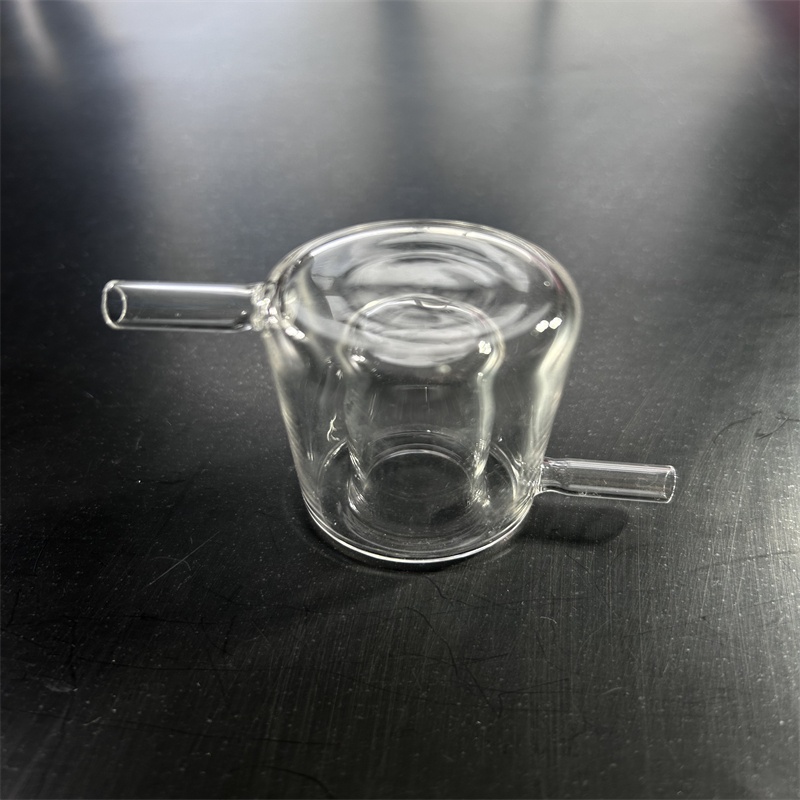
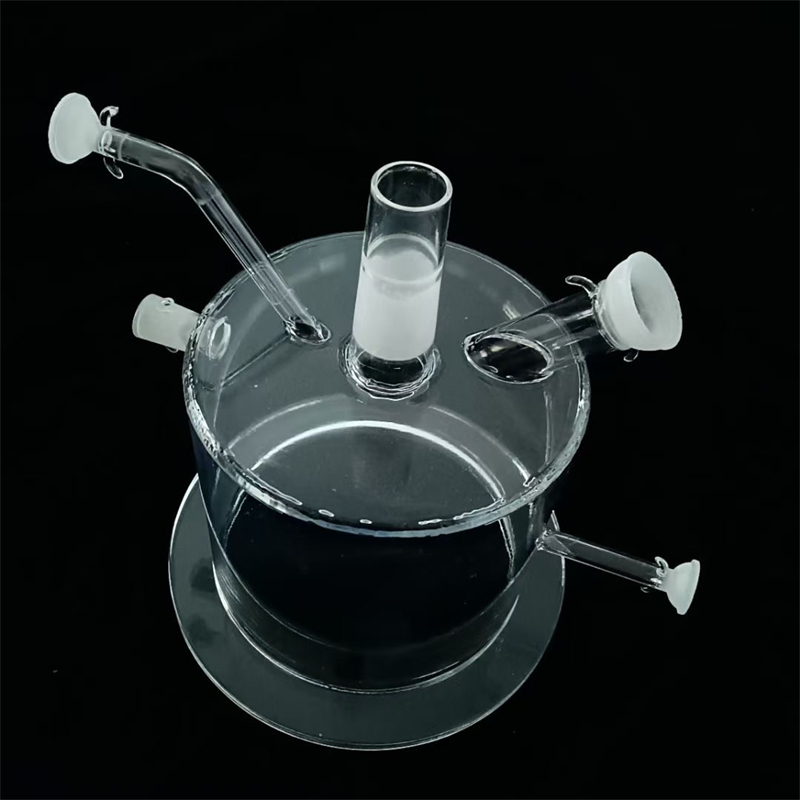
- Bespoke End Configurations: Standard threaded ends paired with ground-glass ball joints, flat optical windows, welded twin-tube conduits, or high-pressure KF/ISO quartz flanges.
- Custom Safe Packaging Protocols: Custom-molded PE foam nests, double-wall corrugated cartons, and fumigated export wooden crates engineered to survive multimodal air, ocean, and express transit without a single crack.
Engineering Audit Checklist for Threaded Quartz Tubes
Before placing volume purchase orders, global procurement specialists should verify the following four manufacturing benchmarks to avoid downtime and hazardous laboratory seal failures.
1. Thread Concentricity & Pitch Lead
Inspect Total Indicated Runout (TIR). Misaligned thread roots create uneven torque distribution on PTFE sealing caps, resulting in gas leaks at temperatures exceeding 250°C. Standard tolerance must remain under ±0.05 mm.
2. Polariscopic Stress Analysis
Check for residual stresses via cross-polarized light tables. Inadequately annealed threaded necks exhibit vivid rainbow fringes (stress birefringence) that inevitably shear under mechanical tightening or thermal shock.
3. Hydrostatic Proof Testing
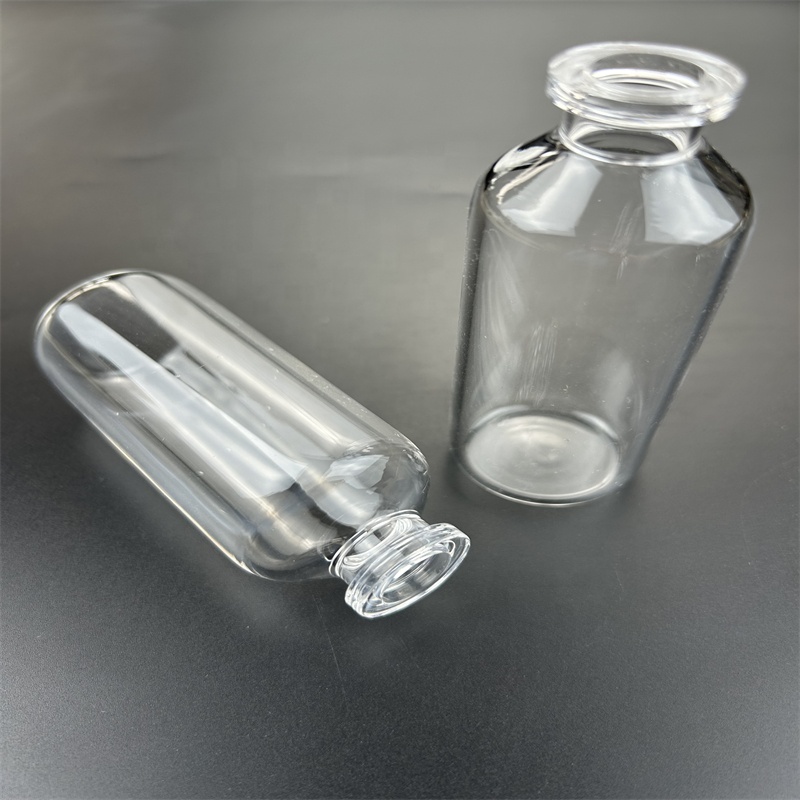
Verify that burst pressure calculations account for thin-wall thread troughs. Our engineering team provides pressure certification up to 1.5× calculated maximum working pressure for reactor ampoules and sight tubes.
Frequently Asked Technical Questions
Real engineering answers addressing tolerance limits, thread compatibility, cap materials, lead times, and global shipping assurances.
What are the standard thread dimensions available for fused quartz tubes?
Can quartz threaded tubes withstand direct contact with corrosive gases and acids?
What mating caps and septa materials are recommended for quartz threads?
How does Zunex prevent fragile quartz threads from chipping during transit?
What is your typical production lead time and Minimum Order Quantity (MOQ)?
How do I submit drawings to receive an engineering feasibility quote?
Request a Technical Drawing Review & Factory Quote
Connect immediately with our Donghai technical engineering center. We provide comprehensive manufacturability analysis, raw material certificates, and verified export quotations within 2 hours.