Engineered Fused Quartz Solutions & Core Assemblies
Manufactured in Donghai County, China's central hub for quartz raw materials. Every U-bend, reaction chamber, and optical element undergoes precise thermal stress relief, micro-crack flame polishing, and laser inspection for extreme semiconductor and chemical processing environments.

High Temperature Transparent UV Quartz Glass Plate Polished Disc
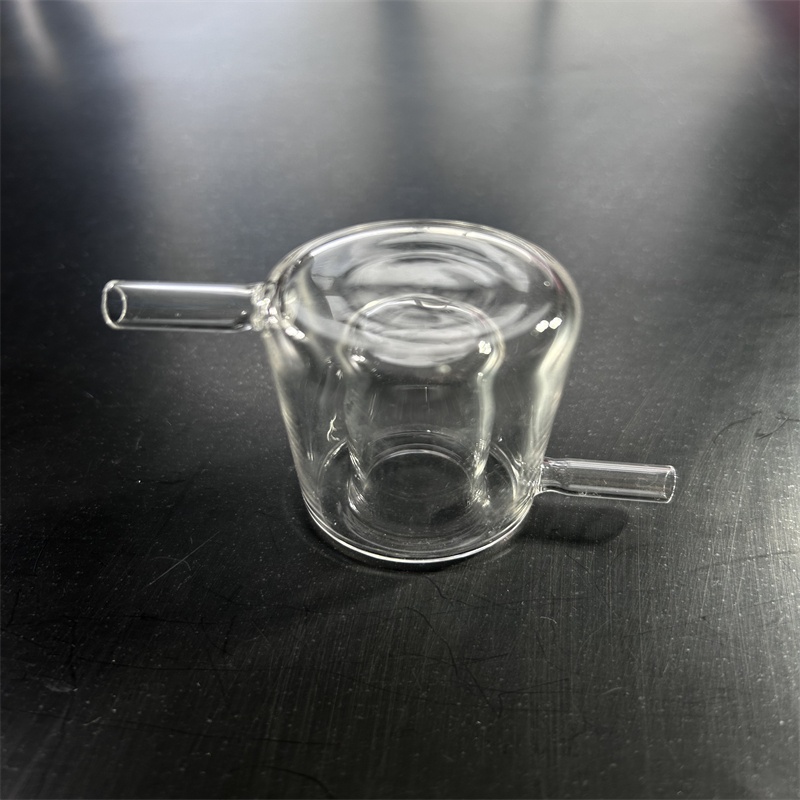
Ozone-Free High-Purity Quartz Glass Reactor Twin Tube Bending & Welding
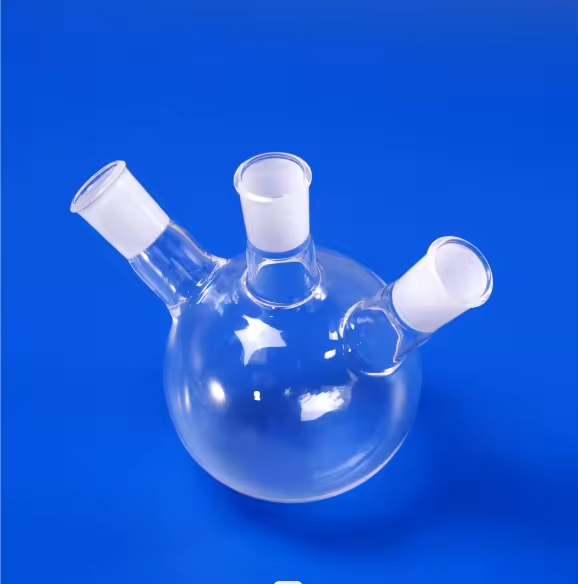
High Temp Transparent Quartz Glass Twin Tube Bottom Flask Service
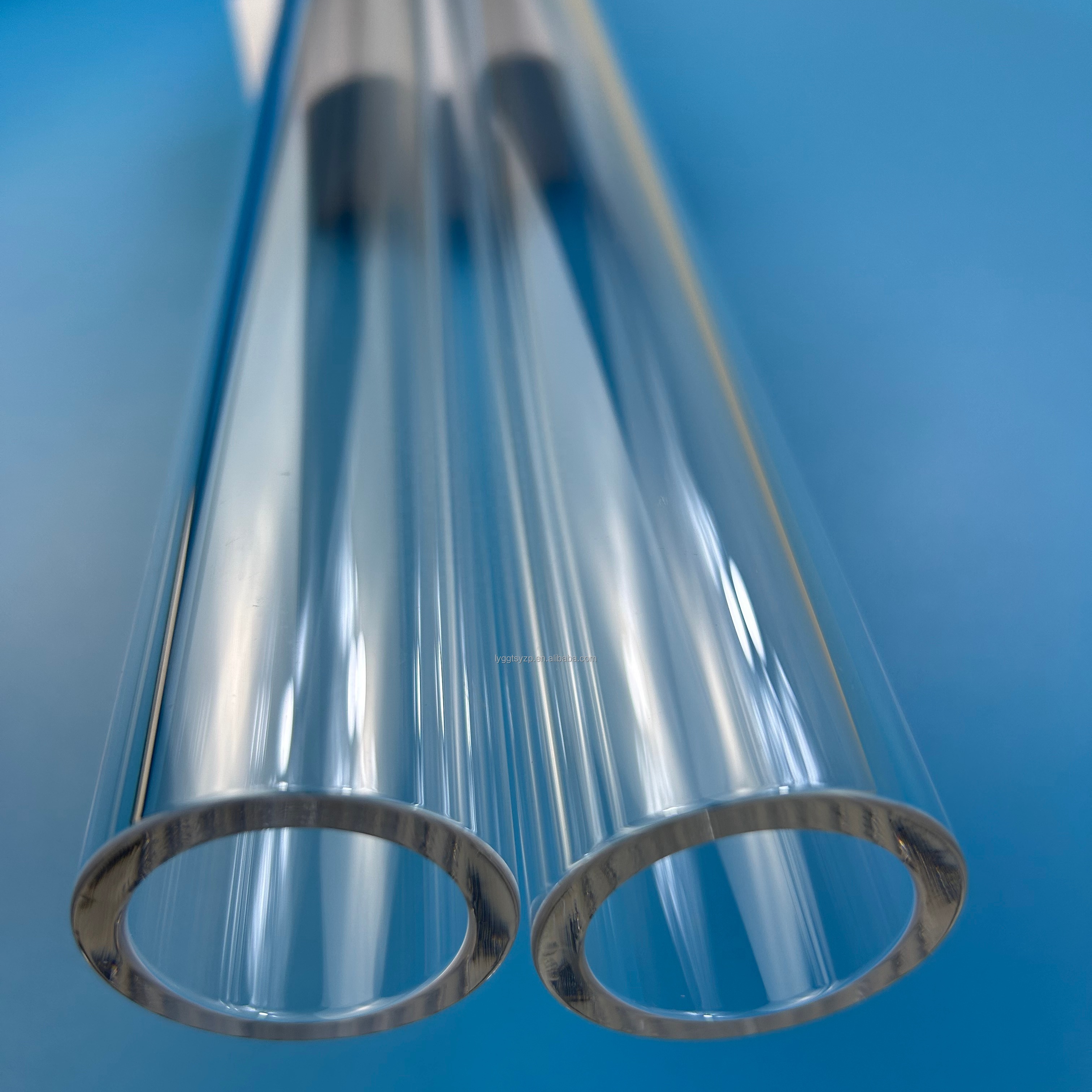
Polished Clear Quartz Twin Tube Semiconductor Furnace Heaters
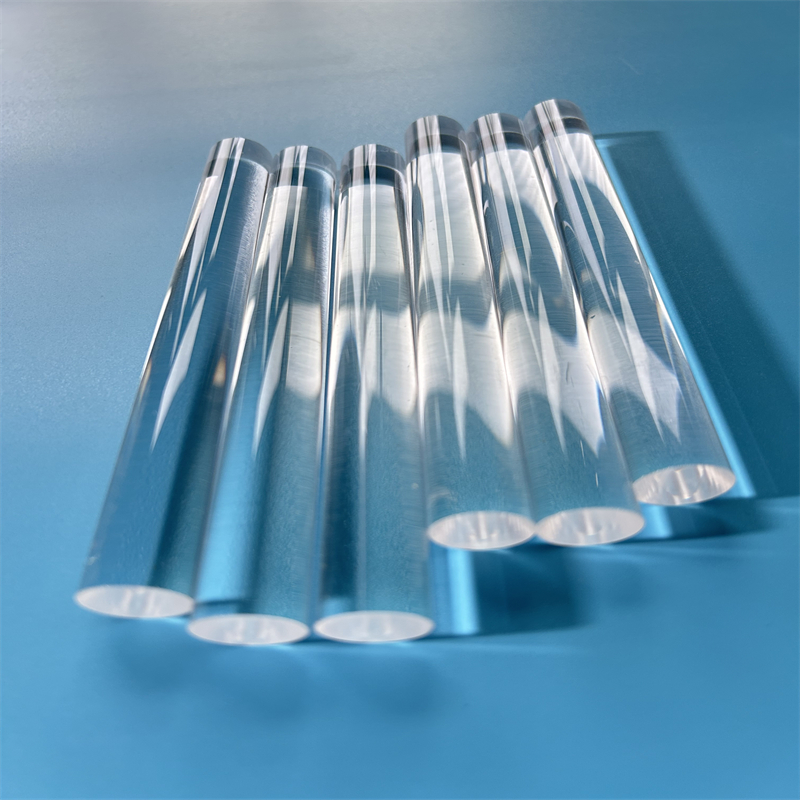
Optical Quartz Light Guide Cylinder Rod for Photonic Arrays
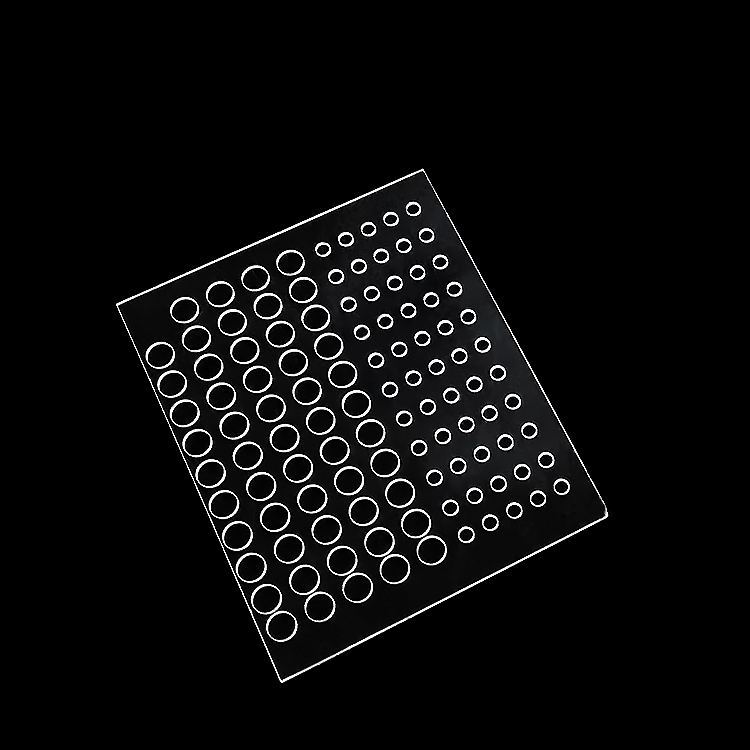
Optics-Grade Fused Quartz Glass Plate with Custom Laser Cutting
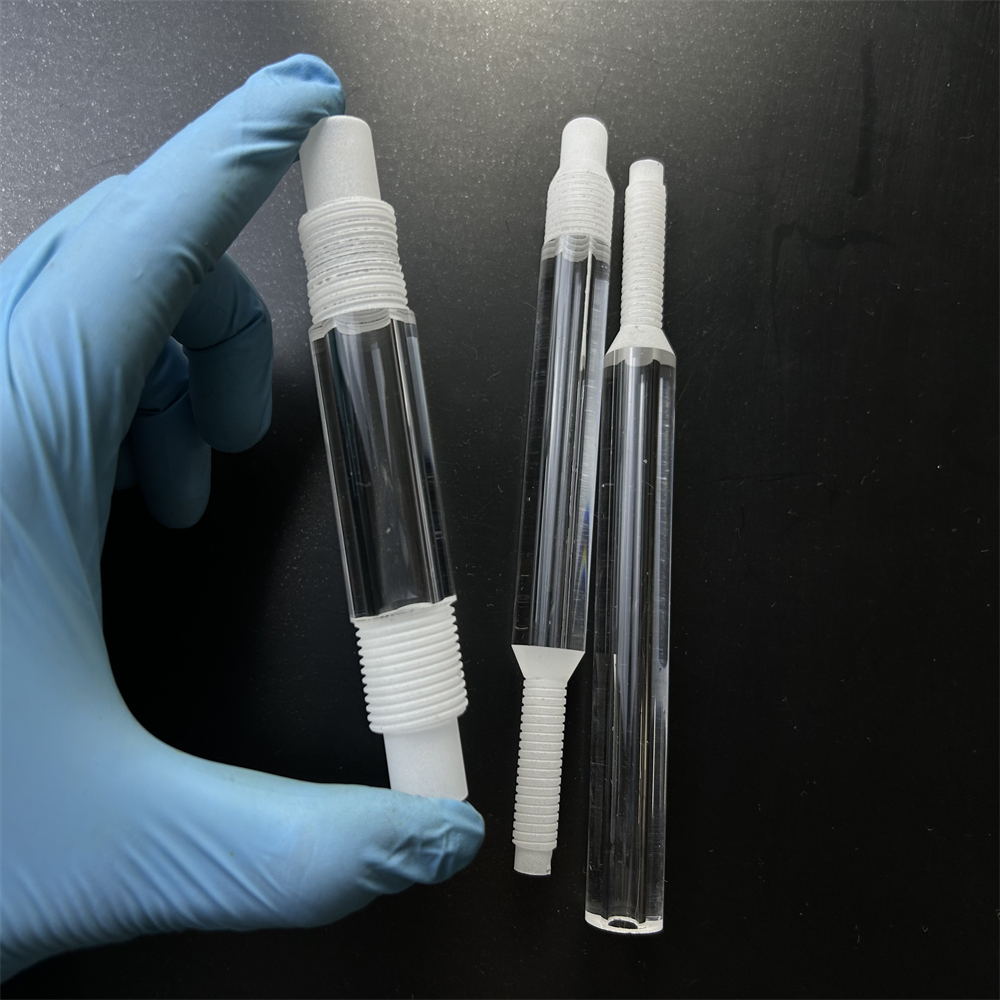
Threaded Transparent UV Quartz Tube with Precision Bends
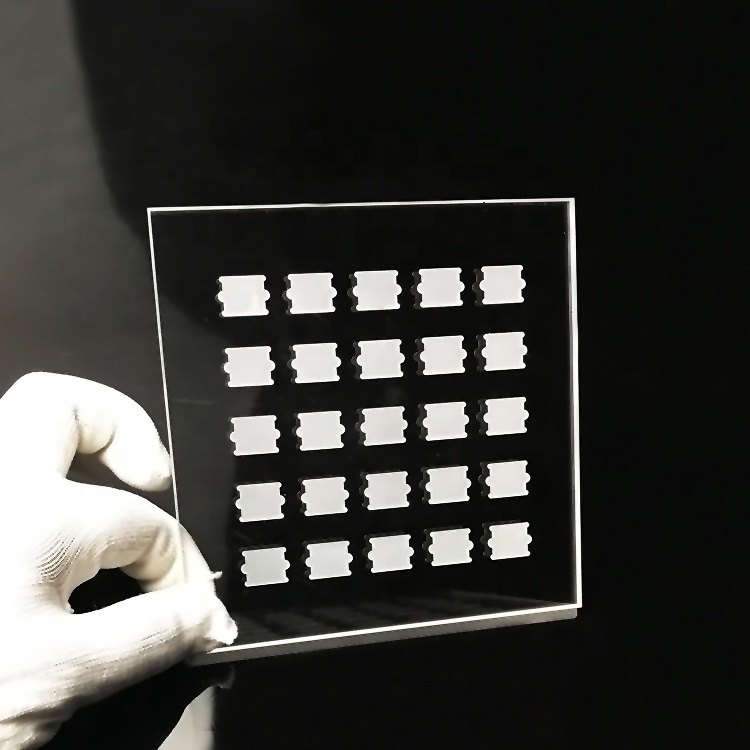
Circular Fused Quartz Glass High-Temperature XRD Sample Holder
Structural Mechanics and Manufacturing Integrity of Quartz U-Bends
Fused quartz U-bends operate in conditions with severe thermal gradients, high corrosiveness, and strong radiation. Understanding the thermodynamic characteristics of amorphous silicon dioxide (SiO₂) is vital for long component lifecycles.
Uniform Wall Thickness at Bend Apex
Standard gas-torch bending often causes radial thinning along the outer curve and localized bulges on the inner radius. In fluid loops under pressure, this unevenness creates stress points that can crack during thermal cycling.
Our computer-controlled rotational flame and pneumatic pressure regulation hold wall thickness variation inside the U-bend apex below 10%, maintaining consistent hoop strength.
Stress Relief & Annealing Protocol
Hot bending introduces substantial internal stresses in fused silica when heated above its strain point (~1070°C) and cooled without controlled deceleration. Residual strain leads to unexpected fracturing during routine maintenance or bake-outs.
All finished U-tubes undergo programmed annealing cycles up to 1150°C followed by controlled cooling, verifying birefringence stress below 15 nm/cm using polarimetric inspection.
Devitrification Prevention Dynamics
When exposed to alkali metals (Na, K) and alkaline earth elements at temperatures exceeding 1000°C, amorphous silica recrystallizes into cristobalite. This devitrification impairs optical clarity and induces micro-fractures upon thermal drop.
Our raw quartz tubes maintain total metallic trace impurities under 20 ppm, ensuring durable operation in vacuum furnaces and semiconductor gas feed loops.
| Material Parameter | JGS1 (Synthetic Silica) | JGS2 (Optical Quartz) | JGS3 (Infrared Fused Silica) |
|---|---|---|---|
| Primary Application | Deep UV, Laser Lithography, Excimer Windows | Visual Optics, Sight Glasses, Standard U-Bends | IR Furnaces, Gas Analyzers, Thermal Emitters |
| Transmission Range | 185 nm – 2500 nm | 220 nm – 2500 nm | 260 nm – 3500 nm |
| Hydroxyl (OH-) Content | ≤ 1200 ppm | ≤ 150 – 200 ppm | ≤ 5 ppm |
| Continuous Temp Rating | 1100 °C | 1100 °C | 1150 °C |
| Thermal Expansion (0-300°C) | 5.5 × 10⁻⁷ /°C | 5.5 × 10⁻⁷ /°C | 5.4 × 10⁻⁷ /°C |
Emerging Procurement Trends for Quartz U-Bends & Manifolds
Procurement teams are shifting away from fragmented component sourcing. They are moving toward pre-validated, single-source fabricated assemblies that reduce cleanroom assembly times and avoid in-house welding risks.
Pre-Cleaned Sub-Assembly Delivery
Semiconductor wafer fabs require sub-assemblies to be ultrasonically degreased, acid-leached (HF/HNO₃ rinsed), and sealed in double-layer cleanroom packaging. Supplying assemblies pre-treated with flange connectors and gas ports eliminates on-site particle cleanroom cleaning and speeds up chamber deployment.
Raw Material Traceability & ICP-MS Data
Global supply chain compliance now regularly requires verifiable ICP-MS metal testing certificates for individual production batches. Procurement managers track purity levels down to parts-per-billion (ppb) for iron, copper, and sodium to avoid cross-contamination in solar and chip production lines.
Consolidated Rapid-Prototyping Lead Times
Research cycles in ALD (Atomic Layer Deposition) and green hydrogen call for quick iterations on non-standard tube geometry. Buyers look for factories capable of translating 3D CAD models into hot-bent, flame-polished prototypes within 7 to 10 working days, backed by in-house mold making.
Technological Evolutions in Fused Quartz Fabrication
The engineering limits of thermal quartz components are expanding. New developments in multi-axis laser processing and synthetic precursors are enabling geometry and precision previously hard to achieve with manual flame manipulation.
Ultrafast Picosecond Laser Finishing
Picosecond and femtosecond laser processing now drills micro-orifices, cuts slots, and scribes complex quartz contours cold, avoiding micro-fissuring and high thermal edge strain. This simplifies combining custom gas ports and cooling lines with U-bend assemblies.
Hydroxyl (OH-) Optimization Systems
Modern plasma sintering and vacuum degassing methods bring OH- concentrations in fused silica down below 2 ppm without sacrificing deep UV properties. This limits structural sag during prolonged runs above 1150°C in industrial furnace operations.
Robotic Twin-Bending Geometry
Twin-tube heating elements and complex reactor loops demand tight parallel alignment. Automated multi-axis robotic hot-forming holds leg spacing tolerances within ±0.25 mm across lengths over 1.5 meters, ensuring dependable drops into production tooling.
Why Tier-1 Engineers Choose Zunex Quartz Products
Located in Donghai County, China's core quartz center, Zunex brings together raw silicon resources, advanced flame craftsmanship, and laser fabrication to supply clients worldwide.
Donghai Epicenter
Direct access to refined crystal silica supplies, cutting raw material procurement times and reducing overall production overhead.
Fast Technical Response
Inquiries are reviewed by quartz engineers with an average response time under 2 hours, confirming drawing details and quoting quickly.
Proven Export Trust
Verified on Alibaba.com with a 43% repeat-order rate from international industrial partners and an annual volume of US$2.5M to $5M.
Zero-Breakage Packaging
Custom form-cut high-density foam, sealed inner sleeves, and reinforced wooden crates built to withstand international freight handling.
Frequently Asked Questions on Quartz U-Bends
Detailed technical answers for procurement directors, product engineers, and research laboratory specialists.