99.99%
Ultra-Pure SiO₂ Purity Factor
1100°C
Continuous Thermal Threshold
≤2h
Engineering Technical Evaluation
100%
CE & Dimensional Inspection Rate
Direct Production Inventory
Engineered Quartz Products for Industrial & Analytical Processes
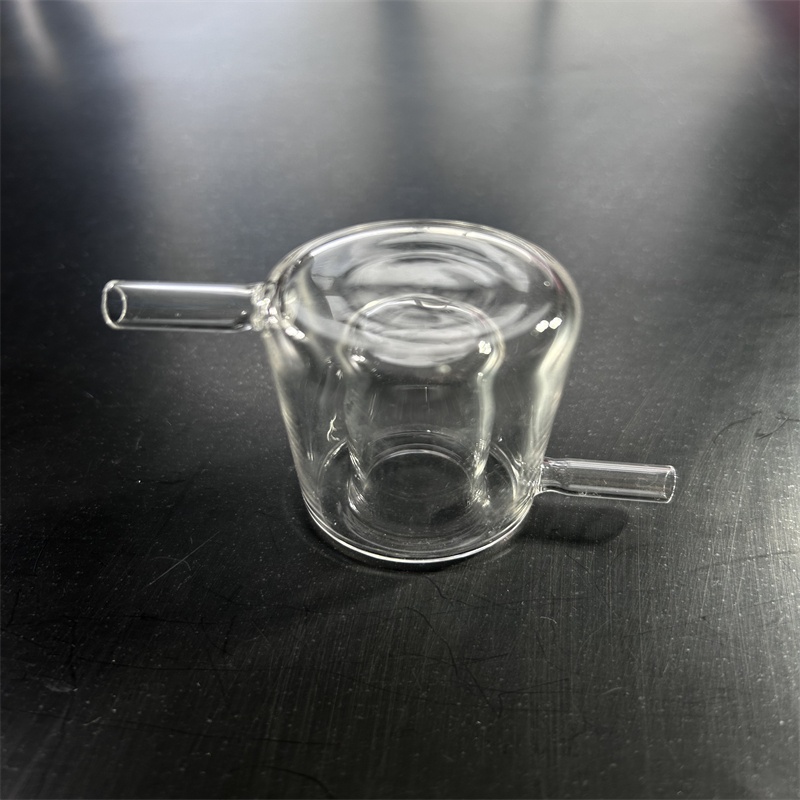
High-purity fabricated quartz solutions manufactured to custom drawings, incorporating flame polishing, precision laser micro-machining, and high-pressure sealing.
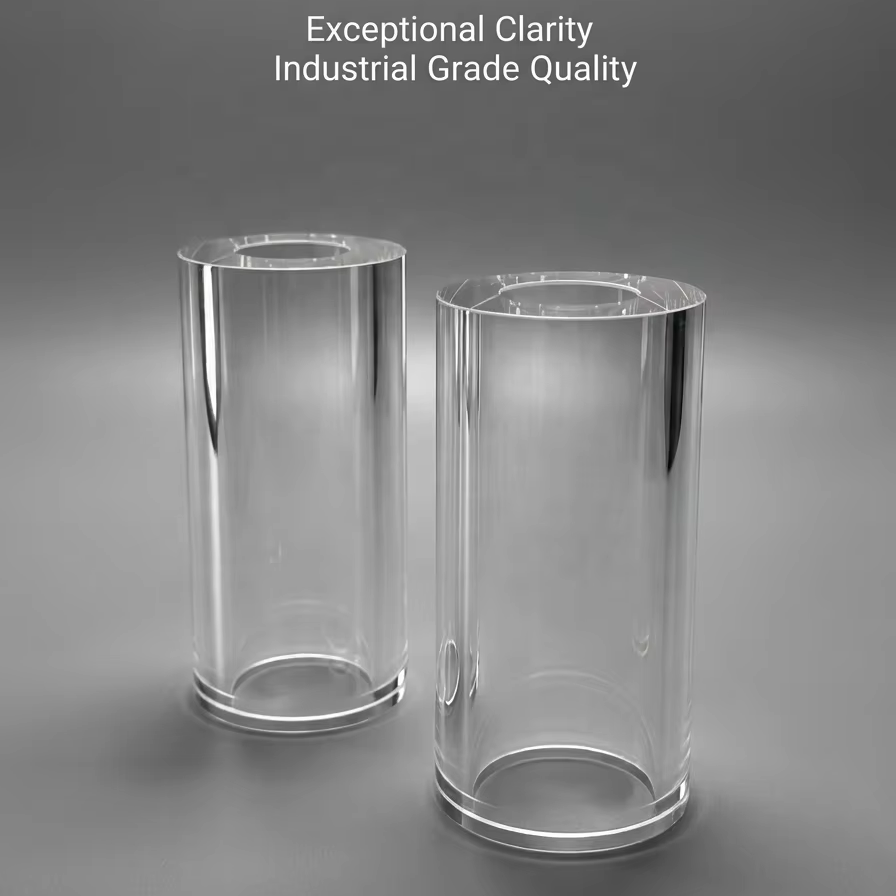

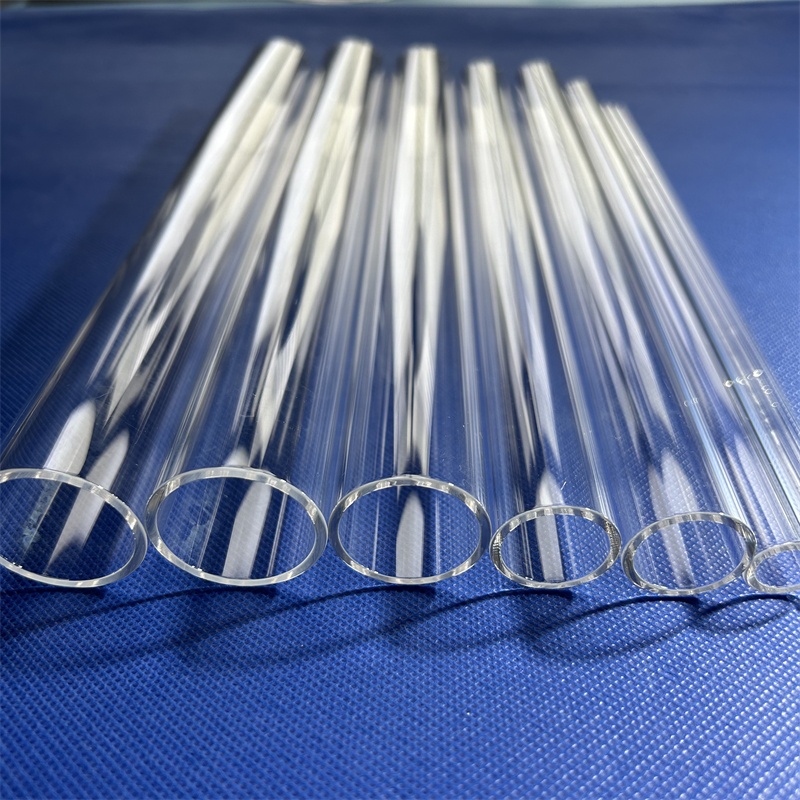
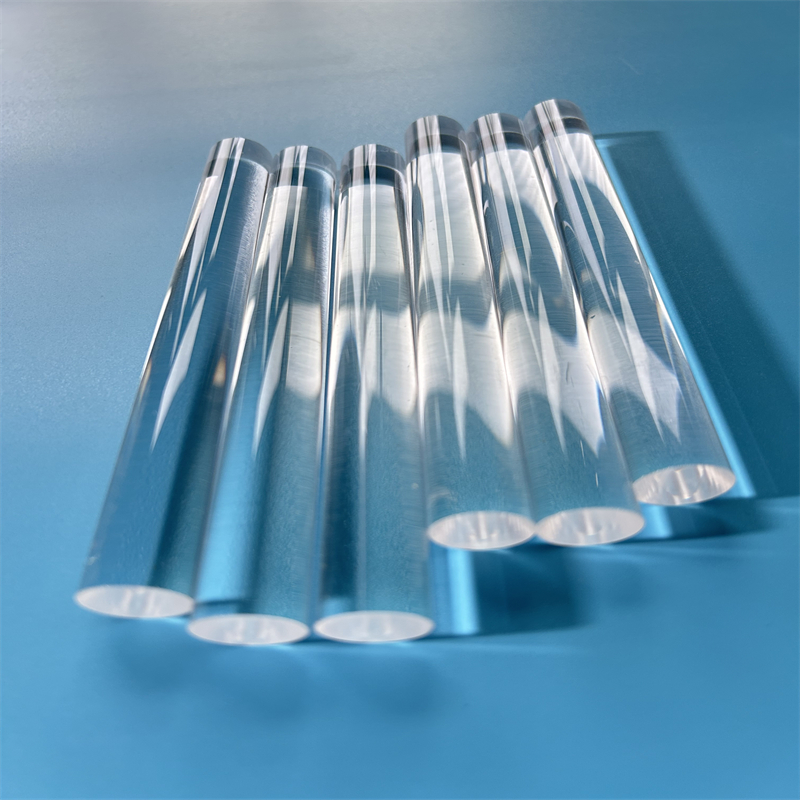

1. Technical Foundations of Twin Tube Quartz Glass in Demanding Thermal Applications
Twin tube quartz glass represents an engineering breakthrough in dual-channel fluid mechanics, directional thermal radiation, and multi-gas reaction delivery. Unlike single-bore circular tubes, the geometric configuration of a continuous figure-8 or fused parallel twin tube provides two distinct, hermetically isolated paths within an integral monolithic quartz profile. This dual-channel design dramatically increases mechanical rigidity against sagging at temperatures exceeding 1000°C, while enabling simultaneous precursor routing, localized counter-flow cooling, or integrated dual-filament electrical isolation within a single envelope.
Manufactured from high-purity natural silica sand sourced and refined in the global crystal hub of Donghai, China, our fused quartz reaches SiO₂ concentrations of ≥99.99%. The extreme purity profile results in trace metallic impurity totals (Fe, Al, Ti, Na, K, Li) kept strictly below 20 ppm. This low impurity threshold suppresses high-temperature devitrification (cristobalite crystal growth), preventing catastrophic mechanical failure, micro-cracking, and structural opacity during sustained 1100°C cycles.
Thermal Shock Resistance
Characterized by a near-zero coefficient of thermal expansion (5.5 × 10⁻⁷ /°C), our twin tube profiles can withstand quenching from 1100°C directly into cold liquid without rupture or structural fracture.
Structural Rigidity
The centralized fused bridge of twin tube quartz provides a high section modulus, substantially mitigating lateral bowing in horizontal furnaces up to 2500 mm in working span.
Extended Thermal Life
Controlled annealing protocols lower residual birefringence to less than 10 nm/cm, eradicating internal strain concentration along the sensitive twin-welded web seam.
2. Localized Industrial Applications in the Hamhung Manufacturing Belt
Hamhung represents a major industrial and chemical powerhouse, housing heavy fertilizer production complexes, synthetic fiber infrastructure, metallurgical smelting lines, and dynamic university research laboratories. These rigorous operating environments place extraordinary chemical and physical demands on reaction glassware and radiant process infrastructure.
Within Hamhung's extensive synthetic nitrogen fertilizer plants, organic vinyl synthesis plants, and specialty electrochemical operations, standard silicate or borosilicate glasses degrade rapidly when exposed to hot acidic vapors, halogenated atmospheres, or catalytic furnace combustion. Our CE certified twin tube quartz glass fulfills critical roles in several key local applications:
- Dual-Stream Chemical Reactor Manifolds: In automated continuous-flow pilot reactors, twin tubes allow stoichiometric ratios of aggressive reactant gases or liquids to be brought to identical activation temperatures in adjacent bores prior to converging in the downstream mixing nozzle, eliminating unwanted pre-reactions.
- Infrared Twin Emitters for Polymer & Fiber Curing: In synthetic fiber processing mills across South Hamgyong, twin tube envelopes house high-temperature tungsten or carbon filaments alongside gold or ceramic reflective coatings. These provide focused, unidirectional medium- and short-wave IR radiation for precision polymer drying without thermal loss.
- Metallurgical Gas Sampling & Flue Diagnostics: Smelting and roasting operations in regional mineral refineries require continuous gas extraction probes that endure corrosive sulfur dioxide (SO₂), carbon monoxide (CO), and airborne particulates at temperatures exceeding 900°C without devitrifying or falsifying sample gas integrity.
- BET Chemisorption & Catalyst Characterization: Laboratory facilities at regional technological universities utilize custom U-bent and twin-bore sample tubes to measure catalyst pore geometry and surface active areas under elevated vacuum pressures up to 10⁻⁶ bar.
| Property Parameter | Test Standard / Method | Typical Performance Value |
|---|---|---|
| SiO₂ Purity Ratio | ICP-OES Spectral Analysis | ≥ 99.99% (Optical/Semiconductor Grade) |
| Continuous Maximum Working Temp | Static Heat Soak (100h) | 1100 °C |
| Short-term Peak Working Temp | Ramp testing < 30 min | 1300 °C (Softening at 1683 °C) |
| Coefficient of Thermal Expansion (CTE) | Dilatometry (20°C - 320°C) | 5.5 × 10⁻⁷ cm/cm · °C |
| Dielectric Strength (20°C, 1MHz) | IEC 60243-1 Standard | 25 - 40 kV/mm |
| Spectral Transmission Window | UV-Vis-NIR Spectrophotometry | 185 nm - 2500 nm (JGS1) / 220 - 2500 nm (JGS2) |
3. Modern Procurement Trends & Technological Transition in Regional Glassware
Historically, industrial plants throughout regional hubs relied heavily on imported borosilicate tubing for furnace viewports and low-temperature reaction envelopes. However, as operational cycles accelerate to maximize synthesis yields, reaction vessels are exposed to sustained temperatures that exceed the 450°C to 500°C transformation limits of high-boron glasses. This has stimulated a widespread transition toward high-purity fused quartz.
Furthermore, energy-efficiency directives in industrial drying have expedited the replacement of conventional convection heating ovens with high-flux twin tube quartz infrared modules. Because twin quartz tubes allow the application of specialized rear-face gold reflection coatings directly onto the quartz geometry, radiant energy transfer efficiency exceeds 90%, cutting line power consumption by up to 35% compared to round ceramic infrared elements. Consequently, procurement officers across Hamhung are shifting specifications toward CE certified suppliers who can guarantee trace element uniformity, structural concentricity tolerances of ±0.15 mm, and validated thermal cycling warranties.
Factory Advantage
Why Engineering Teams Choose Zunex Quartz
Direct manufacturing authority from China's quartz heartland, paired with stringent export quality standards.
Direct Manufacturer
Operating from Donghai County, Jiangsu, with in-house hot forming, cold machining, and laser finishing lines.
Custom OEM to Drawing
Complete execution of PDF, DWG, and STEP designs with tight tolerances down to ±0.05 mm across custom lengths.
≤2h Rapid Feedback
Every RFQ is assessed directly by an optical and quartz engineer, ensuring an exact quote within two hours.
Safe Export Packaging
Custom shock-absorbing suspension foam and heavy plywood crating guaranteeing zero damage across international routes.
Buyer Knowledge Base
Hamhung Industrial Procurement FAQs
Clear answers covering specifications, material properties, CE certification, and cross-border delivery logistics.
Q: What is the primary functional difference between twin tube and standard round quartz glass?
A twin tube quartz glass profile features two parallel interconnected longitudinal bores formed during extrusion or hot-welding. This configuration dramatically enhances structural resistance to flexural deformation at temperatures over 1000°C, while enabling dual isolated flow channels for multiple reactant streams or distinct wiring conduits for electrical heating filaments.
Q: How do you distinguish between JGS1, JGS2, and JGS3 quartz material grades?
JGS1 is synthetic fused silica offering maximum deep-UV optical transmission from 185 nm to 2500 nm, virtually free of bubbles. JGS2 is pure fused quartz suited for general UV and visible spectrum viewports (220–2500 nm). JGS3 represents infrared-grade silica containing low hydroxyl (OH) concentrations (<5 ppm), preventing water-band absorption and providing high IR transmission up to 3500 nm.
Q: What documentation proves CE certification and structural integrity for industrial sites?
All CE certified batches are supplied with comprehensive Certificates of Analysis (COA), verifying raw quartz purity (≥99.99%), trace metal parts-per-million breakdowns via spectroscopic testing, polariscope residual stress clearance reports (<10 nm/cm), and precise physical coordinate measurement logs.
Q: Can twin tube quartz reactors withstand pressurized chemical flows?
Yes. While burst pressures depend on the bore cross-section and outer wall thickness, our custom high-pressure quartz reactor twin tubes are designed with wall cross-sections ranging from 1.5 mm to 3.5 mm. These routinely withstand operating pressures of 5 to 15 bar in chemisorption, continuous micro-reactor flows, and autoclaves.
Q: What are the packaging precautions taken for long-distance transport to Hamhung?
Fragile quartz tubing requires specialized dampening. We wrap individual pieces in antistatic stretch films, seat them in custom CNC-contoured high-density EVA shock foam chambers, and seal the assemblies inside heavy multi-ply export wooden crates reinforced with steel exterior bands to prevent flex and impact damage.
Q: What are your minimum order quantities (MOQ) and sample prototyping policies?
Recognizing the specialized nature of scientific research and industrial pilot-scale retrofits, we maintain a flexible prototyping policy with an MOQ of just 1 to 5 pieces for custom drawings, backed by an average turnaround time of 7 to 12 production days for custom tooling.
Submit Your Custom Drawing or Technical Specification
Need custom bore sizing, specialized ground joints, laser grooving, or gold-reflective coatings? Our engineering desk will review your technical drawings and return an actionable DFM review and quotation within 2 hours.