Specialized Fused Quartz & Silica Solutions
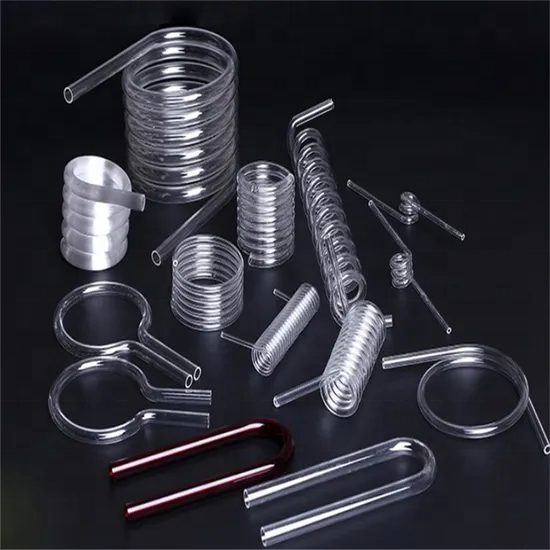
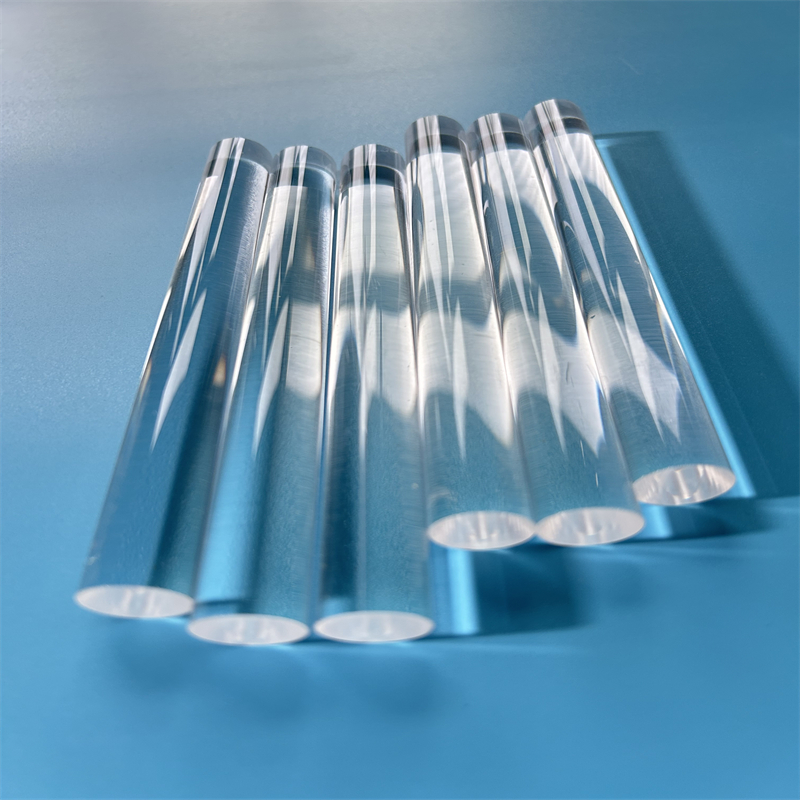
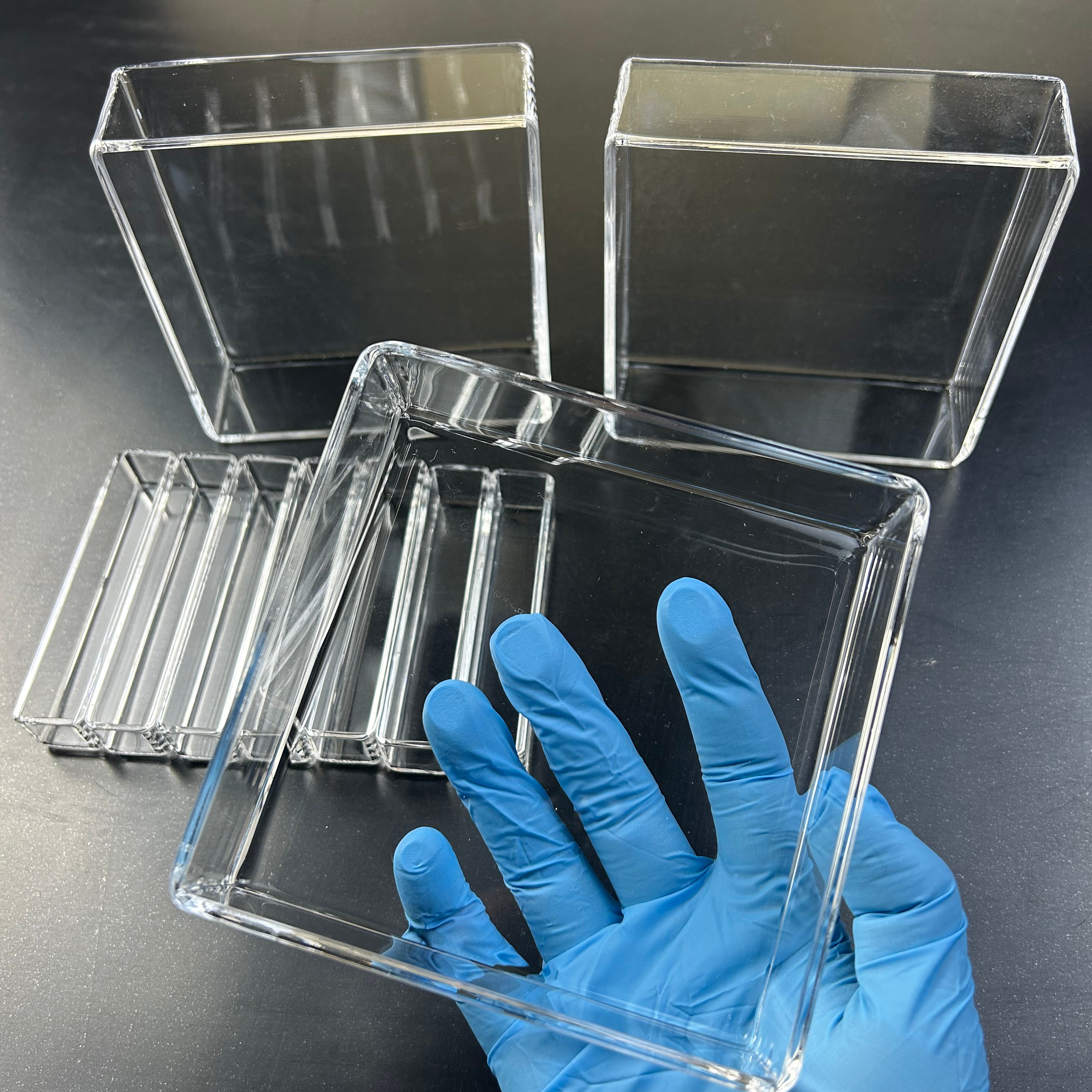
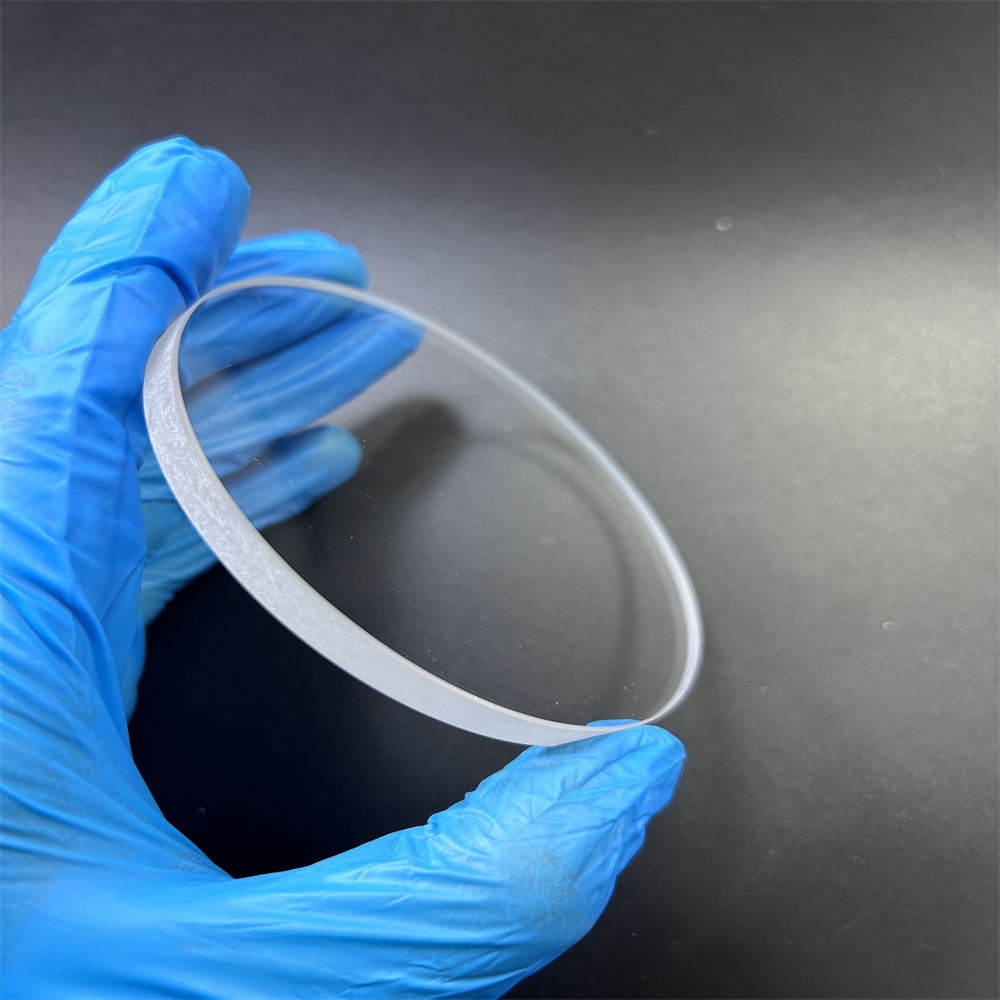
Direct from our Donghai production facility: standard and made-to-drawing high-purity optical components built to satisfy rigorous scientific and industrial benchmarks.
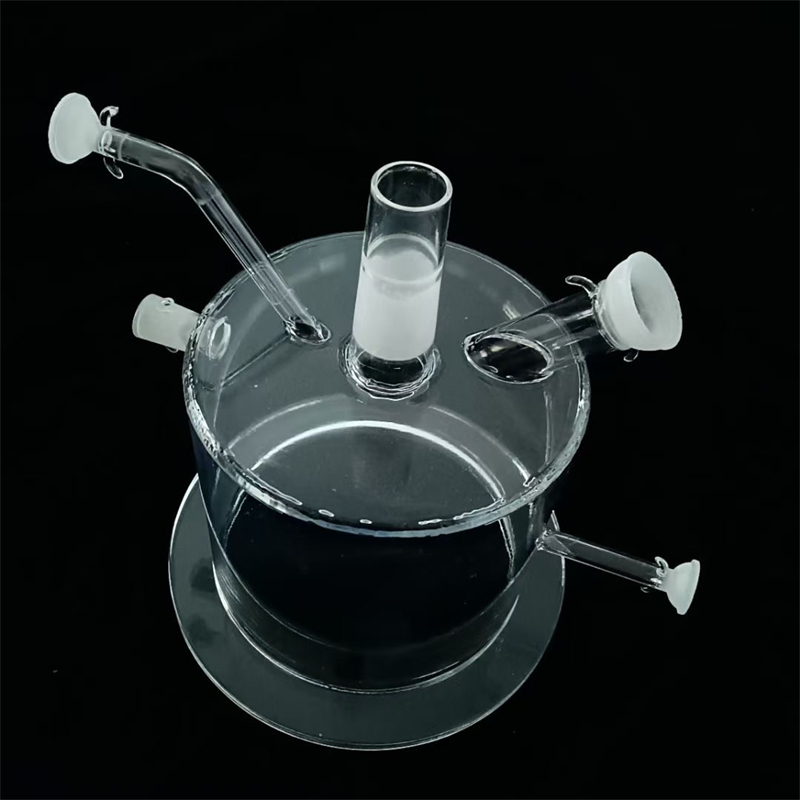
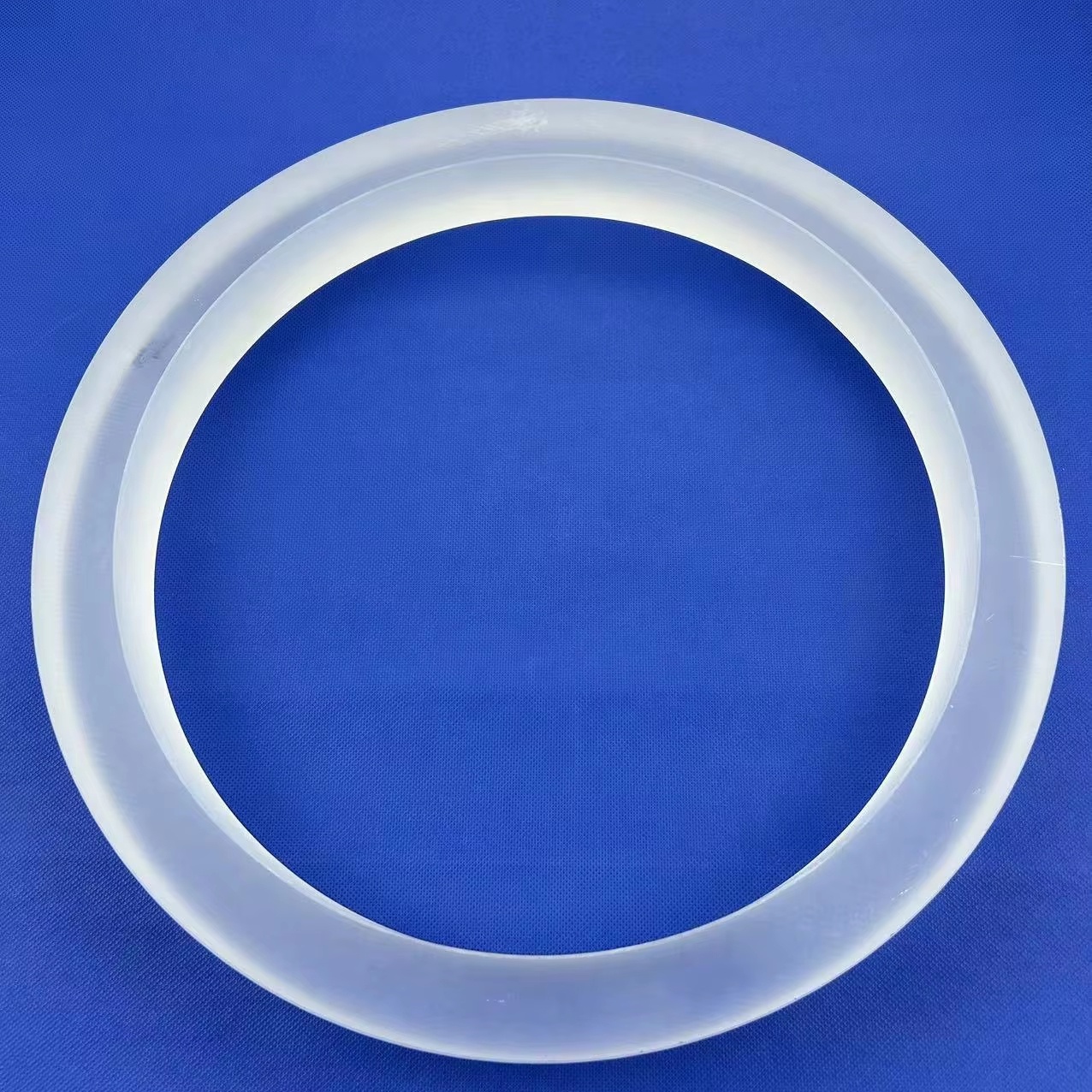
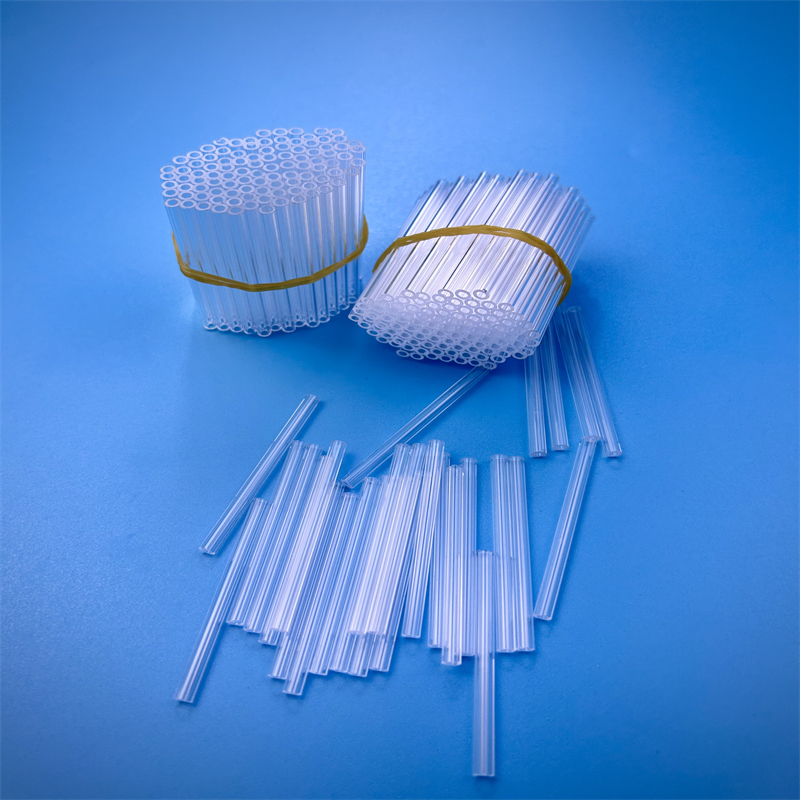
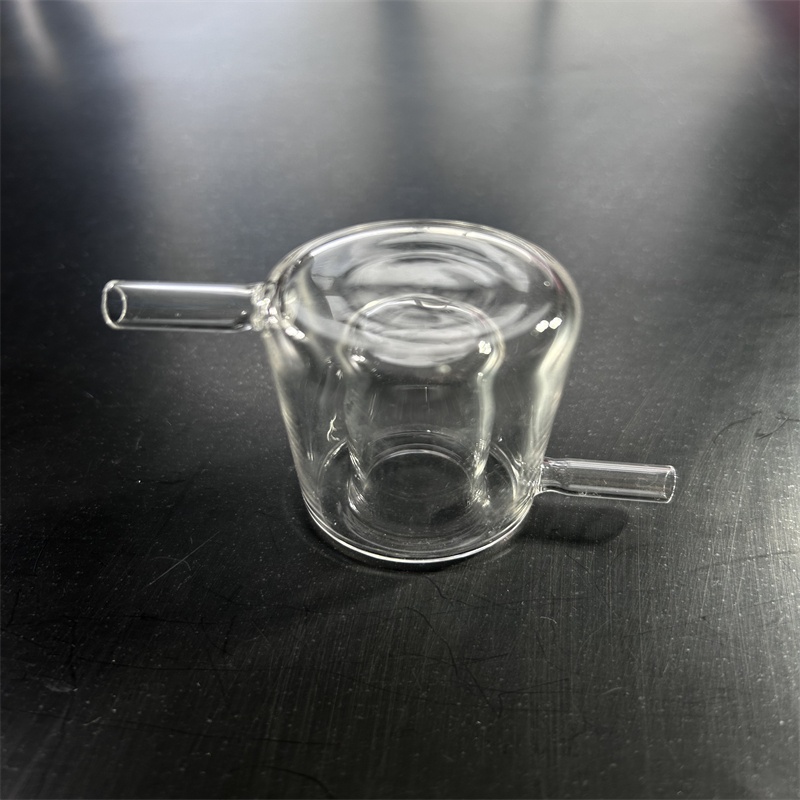
Why Australian Engineers & Procurement Teams Choose Zunex
Direct industrial supply from Donghai County—the global epicenter of natural crystal and high-purity fused silica extraction and refining.
Donghai Raw Material Cluster
Located directly at the source in Jiangsu, China, ensuring direct access to the highest chemical-grade crystalline silica and synthetic precursors with ≥99.99% purity and exceptionally low bubble classes.
Micron-Scale CNC Laser Finishing
Pioneering multi-axis CO₂ laser slicing, sub-millimeter precision hole drilling, beveling, step grooving, and surface double-side optical polishing (surface roughness Ra < 0.5 nm, flatness λ/4 to λ/10).
Custom CAD/STEP Synthesis
Full-spectrum engineering manufacturability review within 2 hours. Our experienced production technologists review thermal expansion coefficients, mechanical strain points, and edge-chipping limits prior to setup.
Secure Victoria Door-to-Door Logistics
Specialized shock-dampening layered foam, high-vacuum particulate sealing, and reinforced fumigated export wooden casing tailored for sea cargo to Port of Melbourne and air freight to Tullamarine.
High-Purity Optical Quartz Windows in Victoria, Australia
A technical assessment of transmission bands, localized engineering applications, and strategic supply chain dynamics across Melbourne, Geelong, and regional Victoria.
Across the state of Victoria, Australia, the demand for high-reliability optical quartz components has undergone rapid acceleration. Driven by significant public and private investments in the Clayton Innovation Precinct, Parkville's biotech research infrastructure, and Geelong's advanced carbon and materials manufacturing initiatives, research facilities and precision engineering firms require optical-grade access viewports that perform dependably under aggressive physical stresses. An optical quartz window is rarely a standardized commodity; it operates as a mission-critical optical interface where broadband transmission, thermal shock resistance, and minimal chemical reactivity are concurrently required.
Core Localized Application Scenarios Across Victoria
Industrial procurement in Victoria spans several distinctive sectors, each dictating specific spectral and mechanical tolerances:
Biomedical & Spectroscopy Analysis
Concentrated around the Melbourne Biomedical Precinct (Parkville), flow cytometry, fluorescence microscopy, and DNA sequencing equipment rely on JGS1 Synthetic Fused Silica windows to eliminate optical background auto-fluorescence down into deep UV wavelengths (185 nm–250 nm).
Photonics, Laser Slicing & Quantum Physics
From university research centers in Clayton to optical fabrication labs, high-power Nd:YAG, fiber lasers, and quantum computing prototypes utilize laser-grade fused silica flats with scratch-dig tolerances of 20/10 and wavefront distortions under λ/10 to prevent thermal lensing.
Heavy Chemical, Mining & Pyrometry
Industrial facilities in the Altona petrochemical precinct and mineral testing pilot plants throughout Latrobe Valley utilize robust JGS2 and JGS3 quartz sight glasses capable of handling sustained 1100°C temperatures and resisting hydrofluoric-adjacent chemical vapors.
Material Grade Selection Matrix: JGS1 vs. JGS2 vs. JGS3
Choosing the correct optical transmission grade is essential to prevent system attenuation, optical beam deformation, and premature component degradation. Fused quartz and fused silica, while chemically similar (SiO₂ ≥ 99.98%), differ significantly in synthetic production methodology and trace OH (hydroxyl) ion concentrations:
| Optical Grade | Material Type | Spectral Transmission Band | OH Content (ppm) | Primary Application in Victoria |
|---|---|---|---|---|
| JGS1 | Synthetic Fused Silica | 185 nm – 2500 nm (Deep UV & Visible) | < 5 to < 1200 (Grade Dependent) | UV laser viewports, analytical spectroscopy, lithography optics |
| JGS2 | Fused Natural Quartz | 220 nm – 2500 nm (Standard Optical) | ≤ 30 ppm | Reactor sight glasses, furnace observation ports, protective shields |
| JGS3 | Infrared Fused Silica | 260 nm – 3500 nm (Full IR Spectrum) | ≤ 5 ppm (Water-Free) | Infrared pyrometry viewports, thermal imaging optics, FTIR testing |
Emerging Market Trends in the Victorian Precision Engineering Sector
The manufacturing paradigm across the Melbourne-Geelong industrial corridor is transitioning toward high-mix, low-volume (HMLV) specialized hardware. Rather than procuring mass quantities of standardized circular blanks, Australian design engineers increasingly require hybrid geometries:
1. Direct Laser Micro-Machining: Modern optical housings demand internal step bevels, blind threaded holes, and micro-fluidic channels etched directly into quartz plates without inducing sub-surface micro-fractures.
2. Rapid Prototyping Lead Times: Victorian engineering firms can rarely tolerate long prototyping delays. With direct CAD-to-laser processing lines, Zunex bridges this lead-time gap, shipping fabricated custom blanks from Jiangsu to Tullamarine via air courier in under 7 business days.
3. Anti-Reflective (AR) Thin-Film Coatings: Integration of specialized PVD dielectric layers (such as BB-AR for 350–700 nm or 1064 nm YAG lines) applied directly onto fused quartz substrates to achieve transmission figures higher than 99.2% per surface.
Frequently Asked Questions by Victoria Buyers
Clear, direct answers regarding tolerances, material testing, shipping, and import considerations into Australia.
What documentation and material certificates do you provide for Australian border and laboratory verification?
How do you ensure zero transit breakage for fragile quartz glass shipped to Melbourne?
Can Zunex manufacture non-standard rectangular or stepped quartz windows directly from CAD files?
What are the typical customs and import considerations for goods landing in Victoria?
What are the practical maximum operating and thermal shock limits for your quartz windows?
What is your minimum order quantity (MOQ) for prototypes intended for Melbourne research institutions?
Ready to Order or Request a Custom Quartz Quote?
Send your drawings, required dimensions, or operating temperature requirements to our engineering team. We deliver manufacturability feedback and transparent factory-direct pricing within 2 hours.