Featured Industrial & Optical Fused Quartz Solutions
Every standard catalogue item and bespoke configuration is cut, flame-worked, CNC-milled, and laser-drilled in Donghai using ultra-pure synthetic fused silica (JGS1) and natural quartz (JGS2/JGS3) with tight tolerance validation.
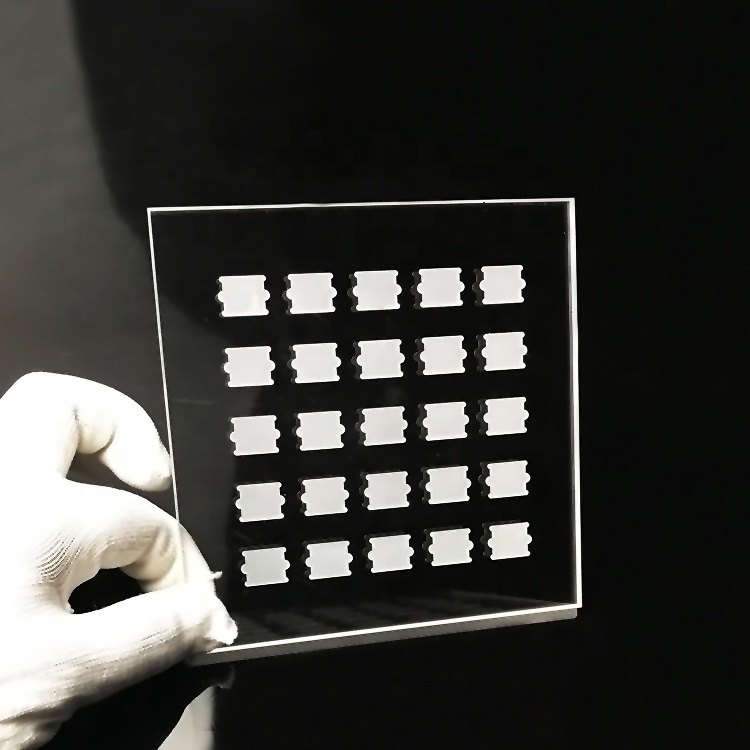
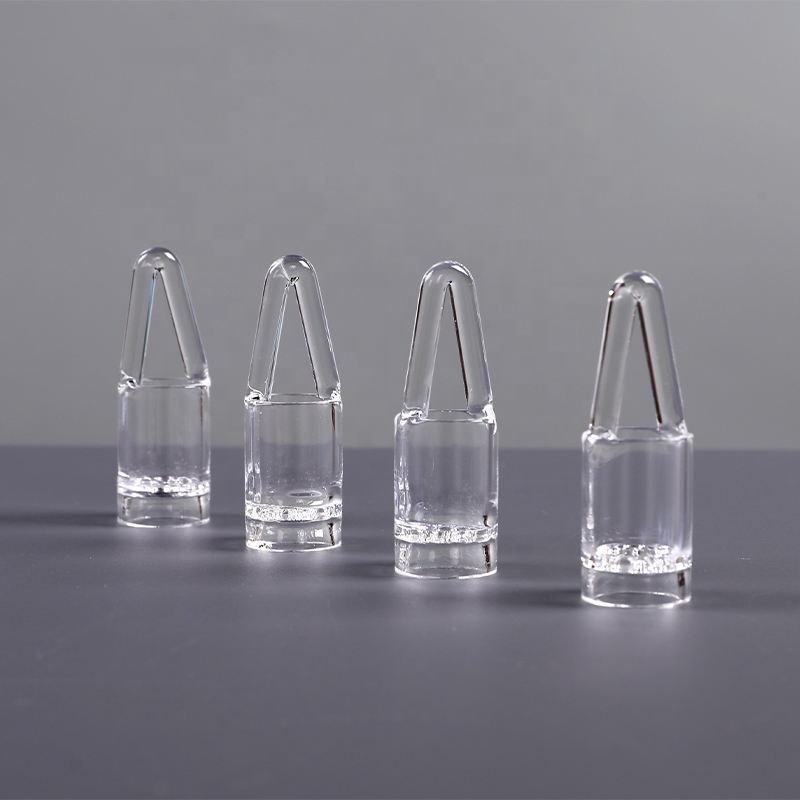
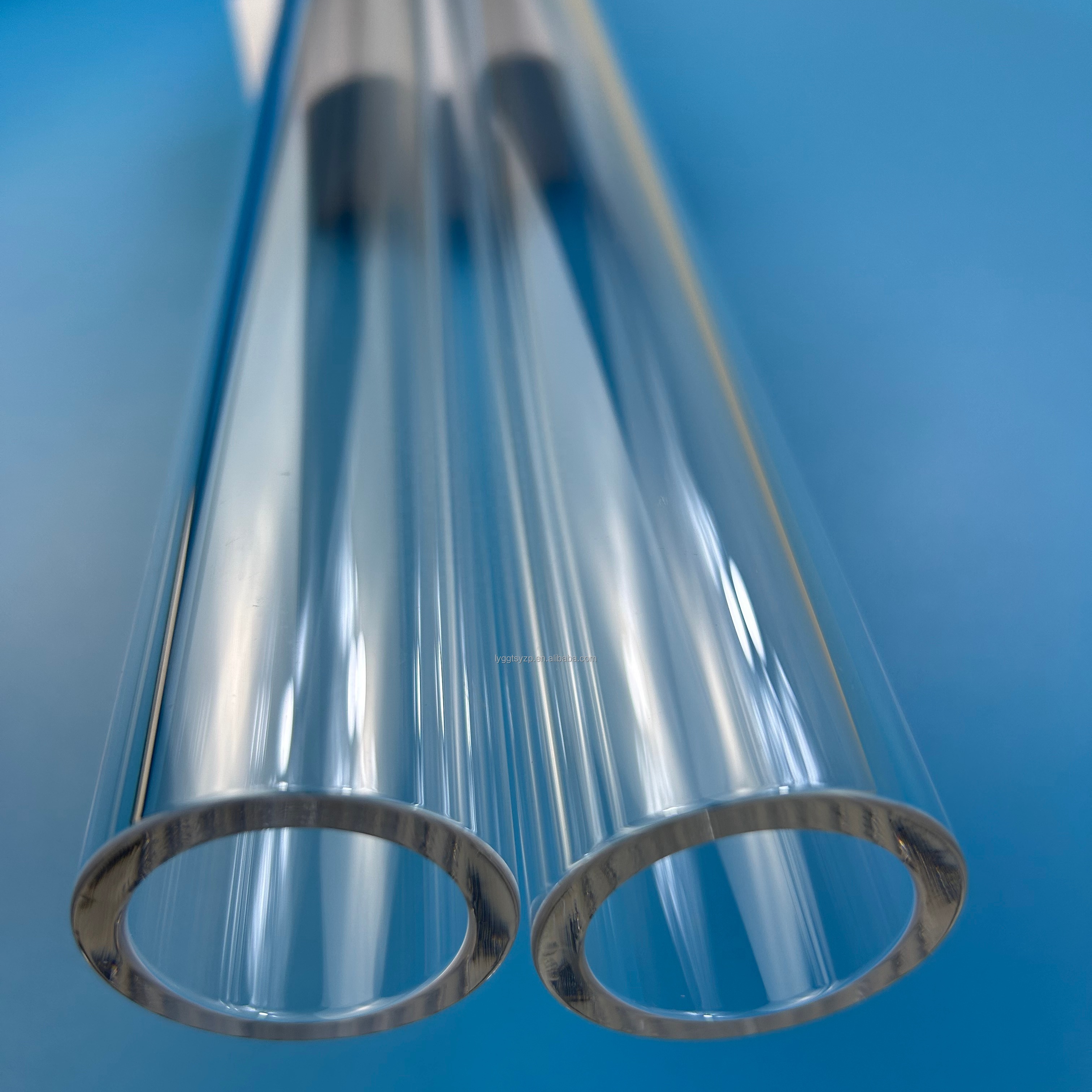
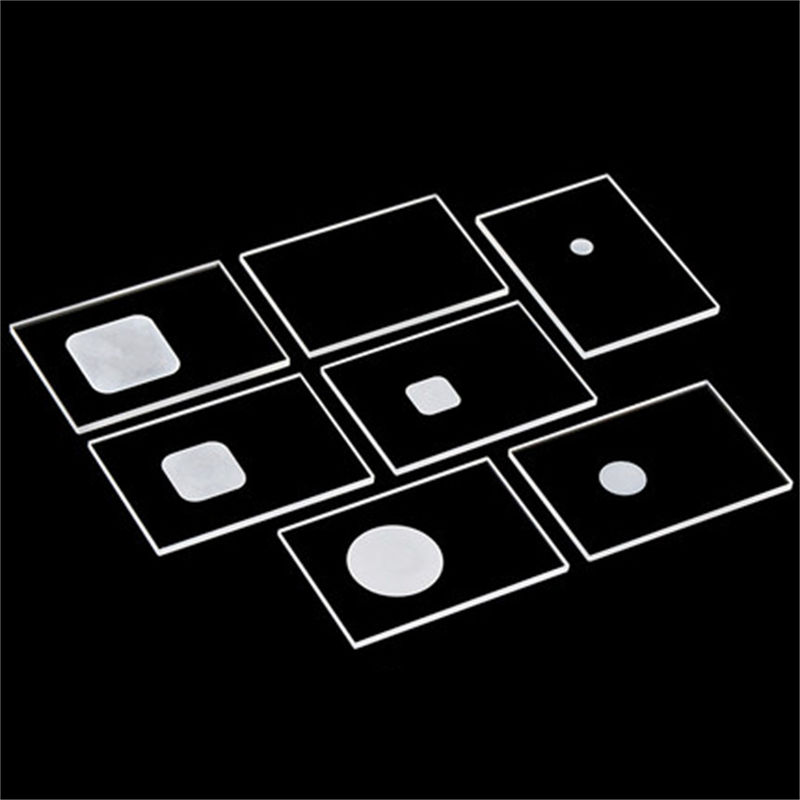
Advanced Quartz Capillary Tubes: Material Physics & Micro-Machining
Demystifying micro-bore drawing, synthetic fused silica transmission, and micron-level concentricity tolerances for instrumentation designers across Oregon’s Pacific Northwest technology corridor.
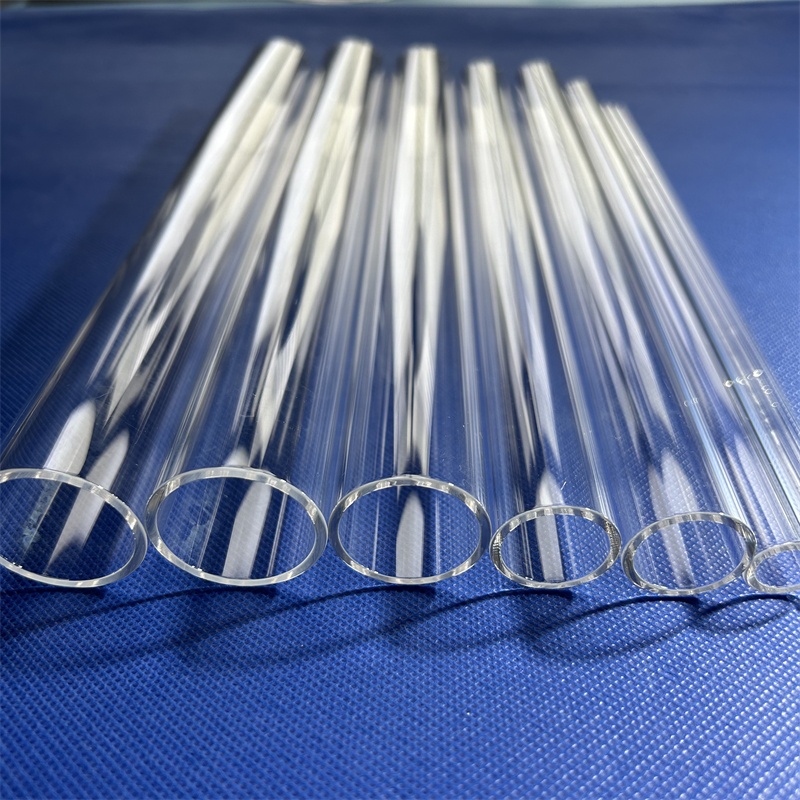
Fused silica and natural fused quartz capillary tubes represent the zenith of micro-fluidic, optical, and chromatographic fluid transport. Unlike borosilicate glass, which softens at roughly 820°C and contains substantial alkaline dopants (B2O3, Na2O, Al2O3), precision fused quartz capillary tubes produced by Zunex in Donghai County, Jiangsu deliver a silica content exceeding 99.99% (≥ 99.999% for synthetic grades like JGS1). This structural purity ensures near-zero background fluorescence, virtually inert chemical surfaces, zero trace metal leaching into sub-nanoliter mobile phases, and unmatched geometric stability under severe thermal shocks.
“Precision micro-capillary tubes intended for capillary electrophoresis (CE), sub-micron gas chromatography (GC), and wafer edge fluid dispensation require absolute concentricity (TIR ≤ 0.008 mm) and pristine inner surface roughness (Ra ≤ 0.05 μm). Any thermal micro-fissure or hydroxyl (OH−) absorption band can distort baseline sensor accuracy.”
When selecting fused quartz capillaries for advanced applications in the Portland metropolitan region—spanning high-density semiconductor fabrication in Hillsboro to genomic sequencing facilities along the Willamette River—materials engineers evaluate three core synthetic and natural quartz classifications:
JGS1 Synthetic Silica
Manufactured via SiCl4 flame hydrolysis. Free of bubbles and metallic impurities, transmitting down into the Deep Ultraviolet (185–2500 nm). Ideal for capillary UV detection windows, flow cytometry cells, and excimer laser beam delivery.
JGS2 Optical Quartz
Produced by continuous electric or gas fusion of refined natural crystal grains. Transmits between 220–2500 nm. The premier, cost-effective choice for furnace thermocouple protection sleeves, sight tubes, and standard analytical fluid routing.
JGS3 Infrared Grade
Vacuum-melted synthetic quartz with exceptionally low hydroxyl content (OH− < 2 ppm to < 5 ppm). Eliminates the characteristic 2.73 μm hydroxyl absorption valley, permitting seamless infrared transmission up to 3500 nm.
Comprehensive Metrology & Physical Property Benchmarks
The operational limits of Zunex fused quartz micro-capillary tubes surpass conventional industrial glasses across every thermomechanical parameter. Below is our verified technical datasheet benchmarked against ASTM and semiconductor capital equipment criteria:
| Physical / Optical Property | Standard Fused Quartz (Natural) | Synthetic Fused Silica (JGS1) | Borosilicate Comparative Baseline |
|---|---|---|---|
| Chemical Purity (SiO2) | ≥ 99.99% | ≥ 99.999% | ~ 81% (doped with B2O3, Na2O) |
| Continuous Operating Temp | 1100 °C | 1150 °C – 1200 °C | 450 °C – 500 °C max |
| Short-Term Max Peak Temp | 1300 °C | 1350 °C | 580 °C (Softening at ~820 °C) |
| Softening Point | approx. 1683 °C | approx. 1730 °C | 820 °C |
| Thermal Expansion (CTE) | 5.5 × 10⁻⁷ / °C (20–320°C) | 5.2 × 10⁻⁷ / °C | 32.5 × 10⁻⁷ / °C (6× higher) |
| Inner Diameter (ID) Range | 0.050 mm – 10.0 mm | 0.010 mm – 5.0 mm | Typically > 0.5 mm |
| Bore Tolerance Control | ± 0.005 mm to ± 0.020 mm | ± 0.002 mm to ± 0.008 mm | ± 0.050 mm |
| Refractive Index (nD @ 589nm) | 1.4585 | 1.4584 | 1.4730 |
| Dielectric Strength (20°C, 1MHz) | 25 – 40 kV/mm | 35 – 50 kV/mm | 15 – 20 kV/mm |
Quartz Capillary Applications in Portland’s High-Tech Economy
From Hillsboro’s leading wafer foundries to the biotech research corridors of South Waterfront, Portland relies on microscopic dimensional consistency and zero chemical interference.
Silicon Forest Semiconductor Metrology
The Silicon Forest semiconductor hub requires sub-micron quartz capillary nozzles and optical sensing light guides for chemical mechanical planarization (CMP) slurry dispensation, single-wafer wet etching tools, and extreme ultraviolet (EUV) photolithography gas bleed tubes where alkaline contamination causes wafer defects.
Biomedical Genomics & OHSU Research
Portland’s research ecosystem surrounding Oregon Health & Science University (OHSU) and adjacent bio-incubators deploys JGS1 synthetic silica micro-capillaries inside DNA capillary electrophoresis sequencers, micro-dialysis probes, and ultra-high-pressure liquid chromatography (UHPLC) capillary columns.
Precision Fiber Optics & Laser Collimation
Specialty photonics and sensor manufacturers spanning the Portland metro and Columbia River technology belt utilize customized multi-lumen capillary tubes and D-shaped quartz ferrule sleeves as optical fiber collimators, V-groove arrays, and micro-lens alignment housings requiring sub-micron bore concentricity.
Environmental & Air Quality GC Analysis
Pacific Northwest clean-tech enterprises and regional environmental laboratories tracking atmospheric volatile organic compounds (VOCs) and agricultural runoff rely on our deactivated capillary combustion liners and flame ionization detector (FID) quartz jet capillaries for analytical repeatability.
Photovoltaic Cell & Thin-Film R&D
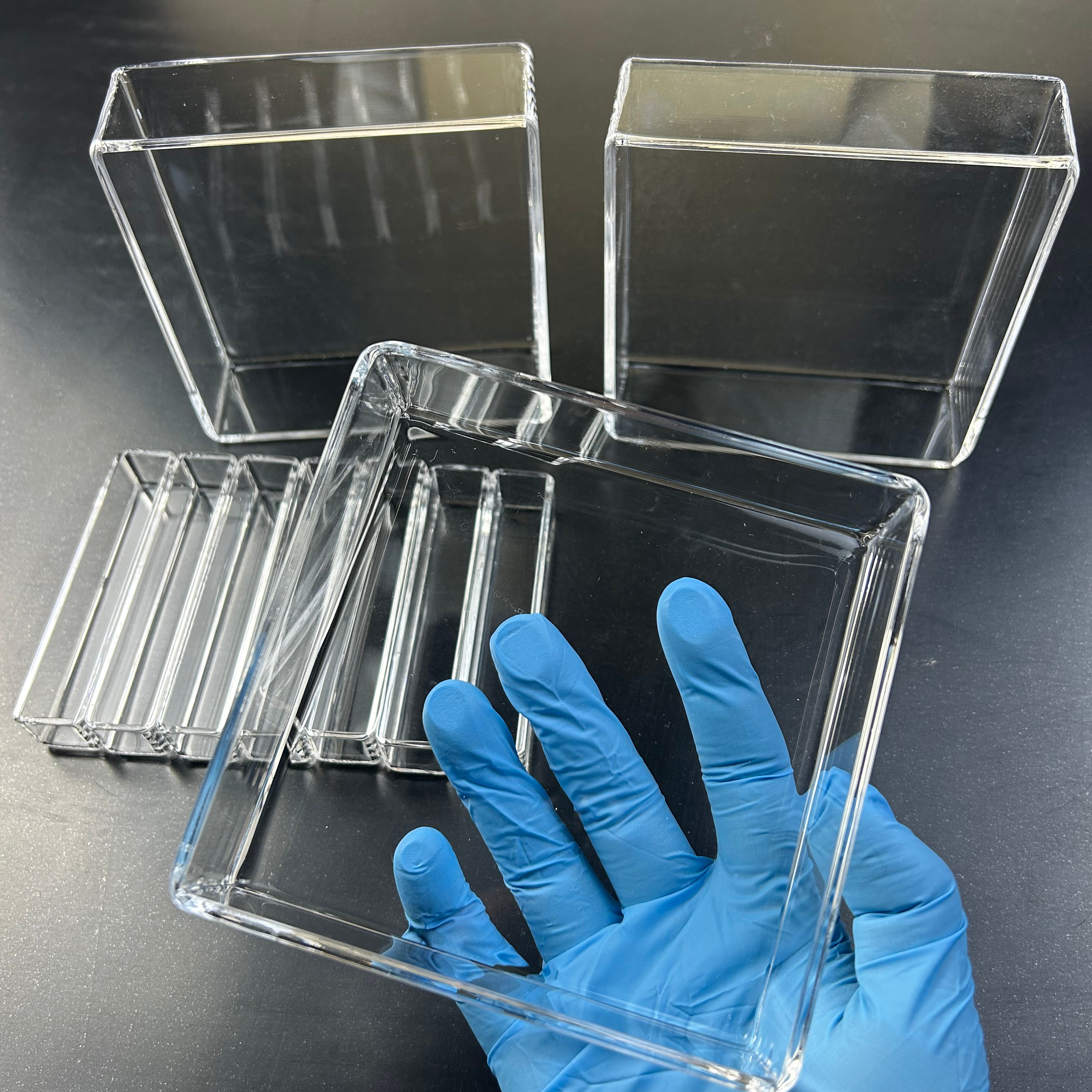
Solar cell prototyping facilities and advanced thin-film developers utilize high-temperature twin-bore capillary tubes and slotted sample carriers inside horizontal and vertical tube furnaces to inject dopant precursors (POCl3 and BBr3) without tube deformation at 1050°C.
High-Pressure Microfluidic Sensor Probes
Custom OEM sensor manufacturers in Gresham and Tualatin engineer fused quartz micro-capillary flow restrictors and differential pressure sensing capillaries that endure corrosive marine, aviation, and chemical environments without pitting or surface hydrolysis.
Localized Trends Accelerating Quartz Capillary Demand in Portland
How CHIPS Act investments, microfluidic automation, and high-frequency analytical testing are reshaping procurement benchmarks across Oregon.
The industrial landscape of greater Portland is undergoing unprecedented modernization. With billions of dollars in federal CHIPS and Science Act funding driving multi-phased expansions throughout Washington County’s semiconductor corridor, sub-fab component requirements are shifting toward hyper-purity consumables. Sub-contract machine shops and tier-1 OEM vendors in Hillsboro, Beaverton, and Tigard are migrating away from standardized commercial glassware to laser-machined fused quartz components to ensure wafer throughput repeatability.
Sub-Fab Tool Localization
Equipment builders servicing semiconductor giants are setting up localized sub-assembly hubs in Portland, requiring fast-turnaround quartz capillaries with custom ground bevels, polished flat tips, and certified ISO dimensional reports.
Lab-on-a-Chip Miniaturization
Portland bio-diagnostics startups are replacing bulk polymer tubing with round and square fused quartz micro-capillaries (inner bores down to 15 μm) to achieve electroosmotic flow control without solvent swelling.
Supply Chain De-Risking
Procurement directors are actively building direct-from-factory factory relationships with audited Donghai fabricators like Zunex to avoid domestic distributor markups (often exceeding 250%) while shortening custom tooling lead times.
Why Portland Engineers Choose Zunex Quartz
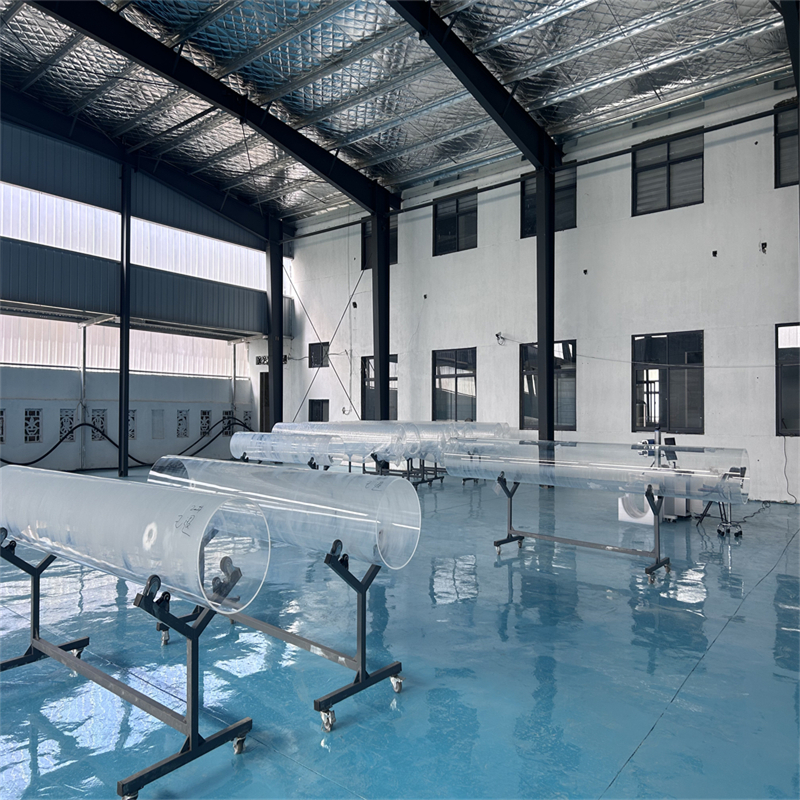
Directly integrated in Donghai County—China’s world-renowned crystal and fused quartz hub—Zunex Quartz Products Co., Ltd. fuses geological raw-material mastery with precision CNC laser engineering.


Verified on Alibaba.com supplier records; prompt engineering communication.
Direct drawing and manufacturability review by quartz technical engineers.
Sustained B2B partnerships with North American & European procurement teams.
US$2.5M – US$5.0M annual throughput across specialized fused quartz wares.
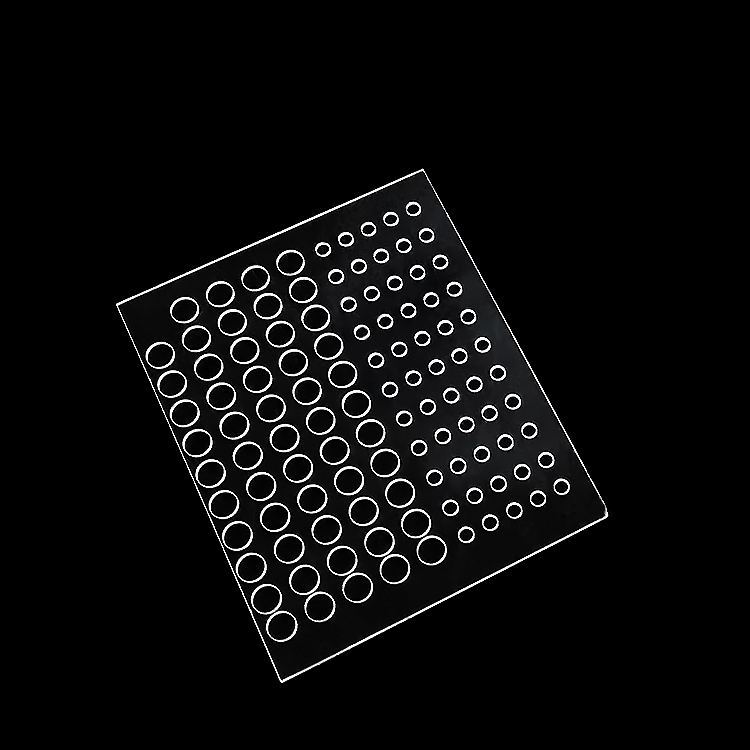
Unlike trading intermediaries that lack production oversight, Zunex operates dedicated hot-forming, precision cold-machining, and laser-finishing production lines. Our specialized laser-processing machines perform micro-drilling (apertures as fine as 0.05 mm), linear grooving, chamfering, and square-bore laser profiling with pristine, crack-free edges. Whether you require a single prototype micro-capillary flow cell for university testing in Portland or a recurring blanket order of 10,000 diffusion heater twin tubes, our export department guarantees certified material compliance, trace element certificates, and zero-defect shock-proof crating.
Frequently Asked Questions by Portland Buyers
Detailed answers regarding international freight directly into Oregon, dimensional tolerances, cleanroom handling, and custom drawing submission.
How are fragile quartz capillary tubes safely shipped from Donghai to Portland, Oregon? +
What dimensional tolerances can Zunex maintain on micro-bore capillary tubing? +
Can Zunex manufacture custom shapes, such as square capillaries, multi-lumen tubes, and flared ends? +
How do you assist with U.S. customs clearance, tariffs, and Incoterms for Oregon shipments? +
What documentation and purity certifications accompany our shipment? +
What is your Minimum Order Quantity (MOQ) and lead time for pilot prototypes? +
Accelerate Your Quartz Component Sourcing
Send your CAD drawings, required bore tolerances, and material specifications (JGS1, JGS2, JGS3). Our chief optical glass engineers review your request and provide a detailed DFM analysis and quotation within 2 hours.