

Whitepaper: Precision Quartz Glass Cells for Advanced Research & Industrial Systems in Estonia
As Estonia consolidates its global reputation as a premier digital nation, its scientific and industrial landscape is undergoing an aggressive technical expansion. Centered around world-class academic institutions such as the University of Tartu (Tartu Ülikool) and Tallinn University of Technology (TalTech), Estonia has established specialized clusters in photonics, ultrafast laser optics, biomedical diagnostics, environmental chemical monitoring, and cleantech energy devices. For researchers, optical instrument builders, and industrial test engineers across Tallinn, Tartu, Pärnu, and Narva, the integrity of spectroscopic analysis and laser optical performance depends fundamentally on the physical quality of the primary interface: fused silica and quartz glass optical cells.
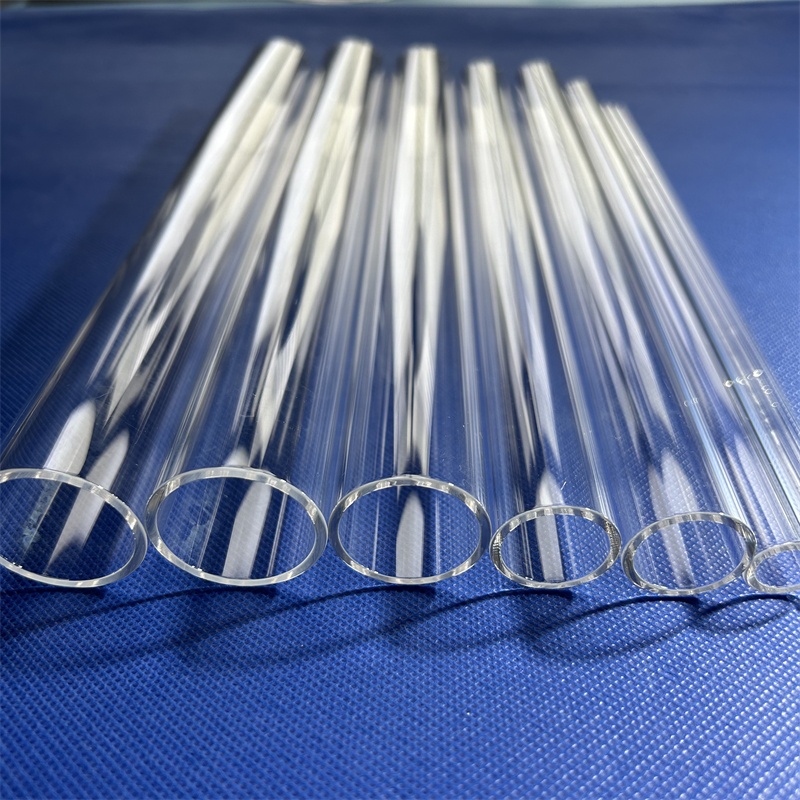
A quartz glass cell (cuvette, flow cell, absorption cell, or reaction chamber) must fulfill demanding physical criteria that standard borosilicate or soda-lime glass cannot sustain: zero optical distortion, deep UV-to-NIR transparency, extreme chemical resistance to corrosive organic and acid matrices, and the capability to withstand sudden thermal shocks without catastrophic fracturing. As China's leading specialized quartz glass manufacturer based in Donghai County—the globally recognized epicenter of quartz refining and crystal processing—Zunex Quartz Products Co., Ltd. delivers engineer-grade optical quartz components tailored directly to the Estonian market's rigorous research and industrial specifications.
Material Selection: JGS1 vs. JGS2 vs. JGS3 for High-Purity Optical Cells
The operational lifespan and accuracy of spectrophotometric and optical cells are defined by the underlying synthetic or natural fused silica stock. Selecting the proper Chinese optical grade standard ensures optimal spectral transmission while eliminating unnecessary material costs:
| Quartz Grade | Material Origin | Spectral Range | OH− Content | Primary Estonian Use-Cases |
|---|---|---|---|---|
| JGS1 | Synthetic Fused Silica (SiCl&sub4;) | 185 nm – 2500 nm (Deep UV) | ≤ 2000 ppm | UV-Vis spectroscopy cuvettes, excimer laser windows, photolithography research, Tartu University biosensors. |
| JGS2 | Purified Fused Natural Quartz | 220 nm – 2500 nm (Standard Optical) | ≤ 30 ppm | General analytical laboratory cuvettes, environmental water quality sensors, optical sight glasses, boiler viewports. |
| JGS3 | Dehydroxylated Fused Quartz | 260 nm – 3500 nm (Infrared Transmissive) | ≤ 5 ppm | Fourier-transform infrared (FTIR) cells, gas-phase laser absorption chambers, high-temperature thermal test tubes. |
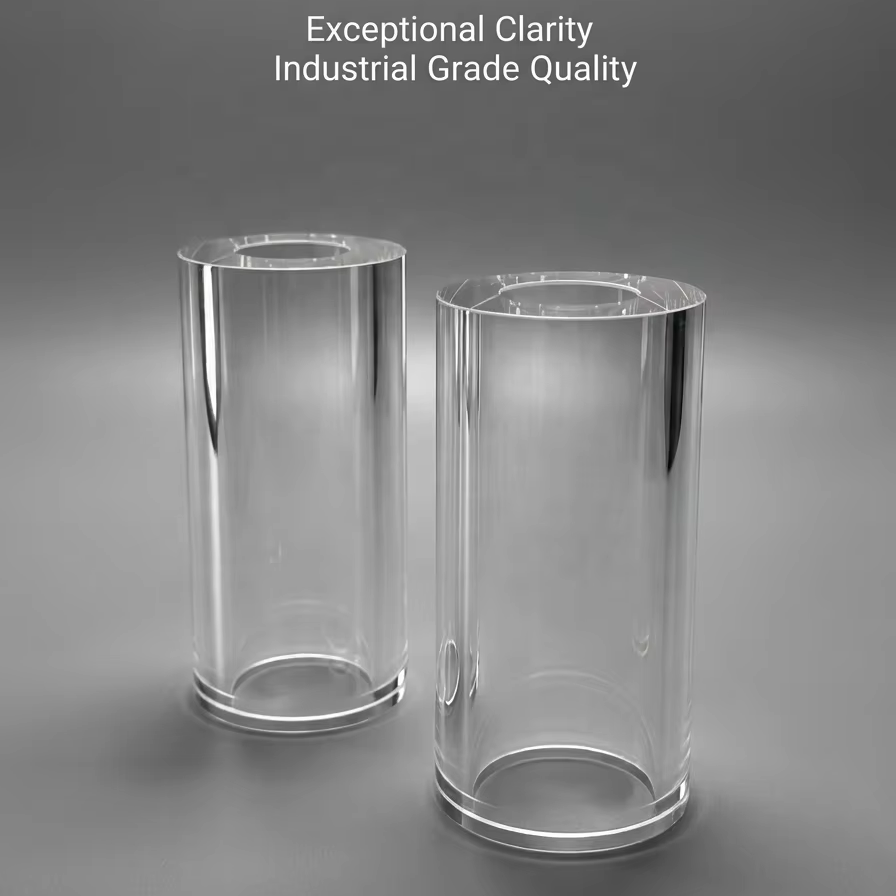
For applications where fluorescence interference must be kept strictly below detection thresholds—such as single-molecule biological assays or high-energy pulsed laser cavities—JGS1 synthetic fused silica provides an inclusion-free optical substrate with bubble class 0 (no visible bubbles or seeds under polarized stress inspection), total optical transmission exceeding 92% at 200 nm, and zero solarization degradation over prolonged exposure to high-intensity ultraviolet irradiation.
Ultrafast Laser & Photonics Clusters (Tallinn & Tartu)
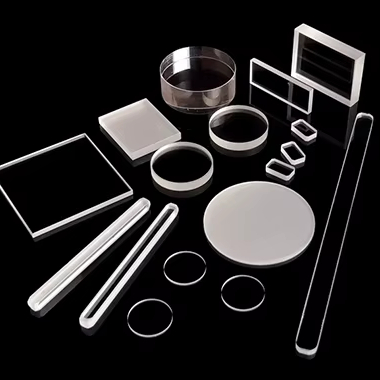
Estonia is home to internationally acclaimed researchers in femtosecond laser manipulation, non-linear optics, and optical frequency combs. Our custom JGS1 optical test cells and sample sheets deliver wavefront distortions below λ/10 with surface scratch-dig ratings of 20/10, preventing beam blooming and laser-induced damage (LIDT) in high-intensity laser cavities.
Biotechnology & Molecular Diagnostics
Tartu's life sciences accelerator and biotech firms rely on micro-volume spectrophotometer cuvettes, electrophoresis quartz microplates, and fluorescence flow cells. Fabricated via molecular diffusion bonding rather than chemical adhesives, our cells avoid solvent leaching when analyzing delicate proteins, DNA/RNA sequences, and pharmaceutical compounds.
BET Surface Area & Catalyst Chemisorption
Material research teams at TalTech analyzing metal-organic frameworks (MOFs), battery electrodes, and synthetic zeolites require custom BET sample twin tubes capable of withstanding thermal cycling between −196°C (liquid nitrogen) and +1100°C under high vacuum (≤ 10−5 mbar) without micro-porosity cracking or seal leakage.
Oil Shale, Cleantech & Environmental Monitoring
Estonian environmental agencies and chemical petrochemical centers monitoring water tables, marine Baltic ecosystems, and industrial flue gases utilize our high-pressure quartz flow-through cells. These cells resist prolonged exposure to hydrogen sulfide, sulfuric acid, and abrasive hydrocarbons at elevated line pressures.
Semiconductor, MEMS & Sensor Fabrication
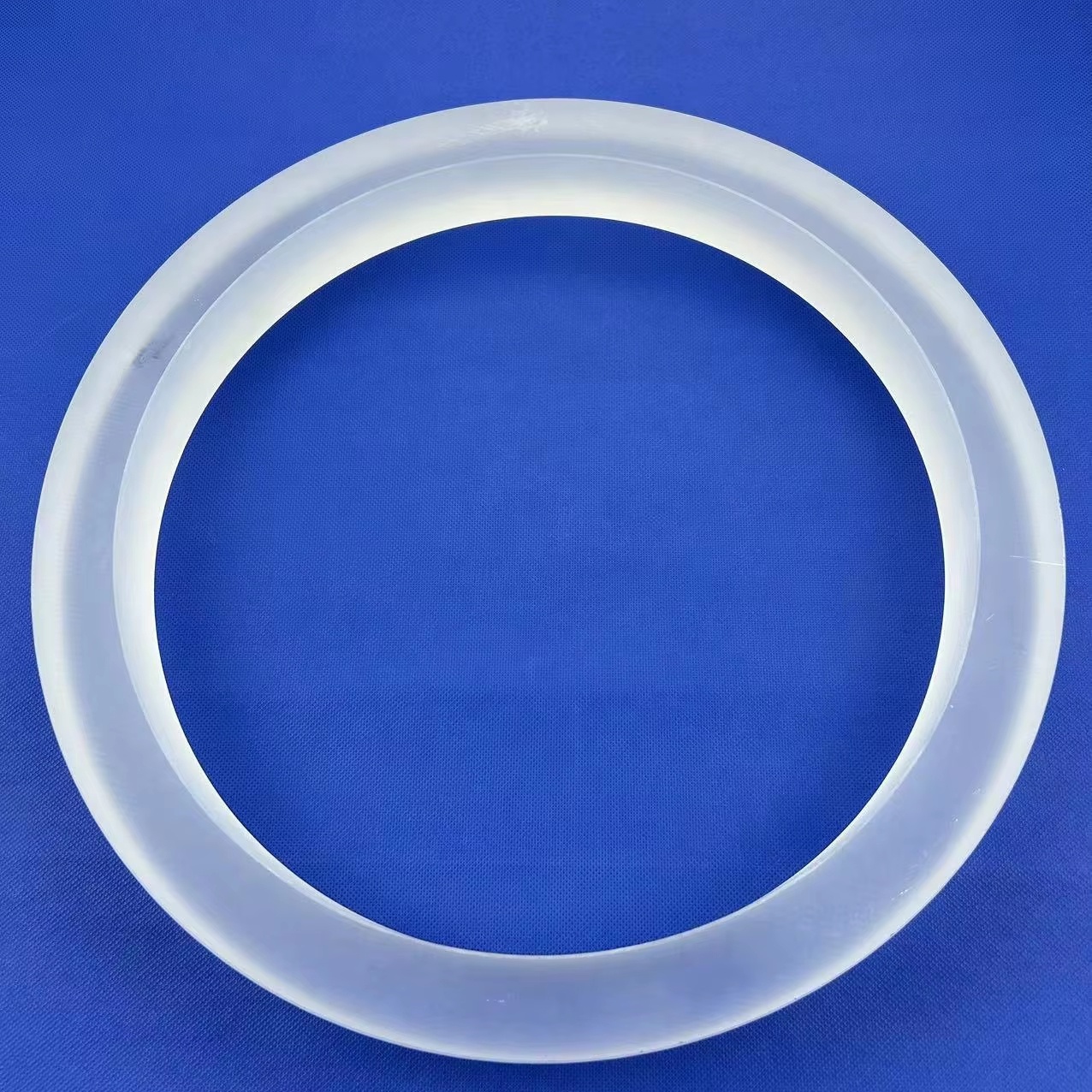
As Estonia integrates into the European Chips Act ecosystem, local cleanrooms handling thin-film deposition and chemical vapor deposition (CVD) require high-purity quartz rings, wafer boats, and slotted carrier cells with alkali metal contamination (Na, K, Li) kept strictly below 0.5 ppm.
Custom OEM Scientific Instrumentation
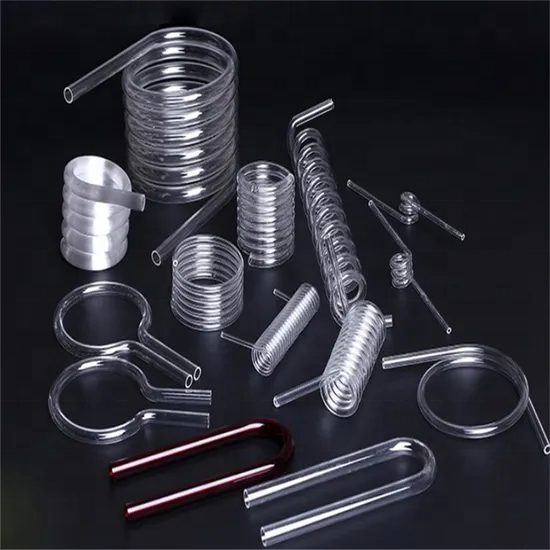
Estonian hardware startups and analytical device builders leverage our custom CAD/STEP-driven OEM manufacturing. Whether your proprietary instrument requires laser-grooved spiral flow chambers, multi-path optical flow cells, or sapphire hybrid windows, our shop delivers prototypes in days.
Estonian & Baltic Market Trends: Shifting Toward Direct Factory Precision Supply
Over the last five years, procurement paradigms in Estonia, Latvia, and Lithuania have evolved significantly. Historically, Baltic research labs and industrial entities acquired analytical quartzware through secondary German, Scandinavian, or UK lab catalogs. While quality was reliable, this intermediary model saddled Estonian procurement departments with 300% to 500% distributor markups, inflexible delivery lead times of 8 to 14 weeks for non-standard items, and insurmountable minimum order quantities (MOQs) for custom experimental cells.
The contemporary Estonian engineering culture values agility, speed, and direct supplier collaboration. By forging direct manufacturing links with our Donghai facility, Estonian buyers gain several decisive strategic benefits:
- Elimination of the "Catalog Tax": Procure custom-machined, optically verified cuvettes and reactor cells at direct Chinese manufacturing costs, saving departmental research grants and corporate operating budgets tens of thousands of Euros annually.
- Rapid Engineering Iterations: In Estonia's fast-moving startup environment, waiting two months for a modified prototype can stall an entire funding milestone. Our engineers review 2D/3D STEP drawings and confirm manufacturability within two hours, with rapid-prototyped custom cells leaving our shop in under 7 business days.
- Full Regulatory Compliance with EU Standards: All quartz shipments to Estonia are fully certified RoHS and REACH compliant, accompanied by accurate Material Safety Data Sheets (MSDS) and optical transmission spectrophotometer graphs verifying physical and chemical properties.
- Resilient Express Logistics to Estonia: Daily air cargo connections via Tallinn Airport (Lennart Meri Tallinn Airport - TLL) and consolidated sea freight through the Port of Muuga ensure door-to-door delivery within 4 to 6 business days for express parcels and reliable container transport for volume production.
Why Estonian Engineers & Procurement Officers Partner with Zunex Quartz
Located in Donghai County, Jiangsu Province—China's historic capital of high-purity silica mining and advanced quartz thermal synthesis—Zunex Quartz Products Co., Ltd. operates at the nexus of raw material supremacy and cutting-edge CNC cold machining. We combine generational quartz glassblowing artisans with automated 5-axis laser cutting, precision ultrasonic drilling, and computerized optical pitch polishing.
Sub-Micron Laser Finishing
Equipped with state-of-the-art ultrafast laser machining systems, we drill micro-apertures down to 0.1 mm, etch fluidic micro-channels, and bevel complex optical geometries with zero edge-chipping and negligible heat-affected zones (HAZ).
Optical Contact & Fire Fusion
We reject cheap UV-cured adhesives that yellow and dissolve in organic solvents. Our quartz cells are joined utilizing direct high-temperature thermal fusion or molecular optical contact bonding, ensuring the cell behaves as a single monolithic block of fused silica.
100% Quality & Defect Audit
Every single quartz cell exported to the EU is inspected for dimensional tolerances, optical pathlength accuracy (±0.01 mm), surface wavefront distortion, and bubble inclusions before entering our ISO 6 cleanroom packaging cell.
Our proven export metrics on third-party auditing platforms reflect this commitment: an average engineer quote response time of less than 2 hours, a 100% verified response rate, and an industry-leading 43% repeat-order rate from verified B2B instrumentation and laboratory buyers across Europe, North America, and Asia.
Request an Optical Quartz Engineering Quotation for Estonia
Send us your dimensional drawings, target optical grade (JGS1, JGS2, JGS3), pathlength specifications, and required quantities. An experienced quartz optical engineer will review your inquiry and provide a direct factory quotation with DFM feedback in under 2 hours.