Featured High-Performance Quartz Glassware Solutions
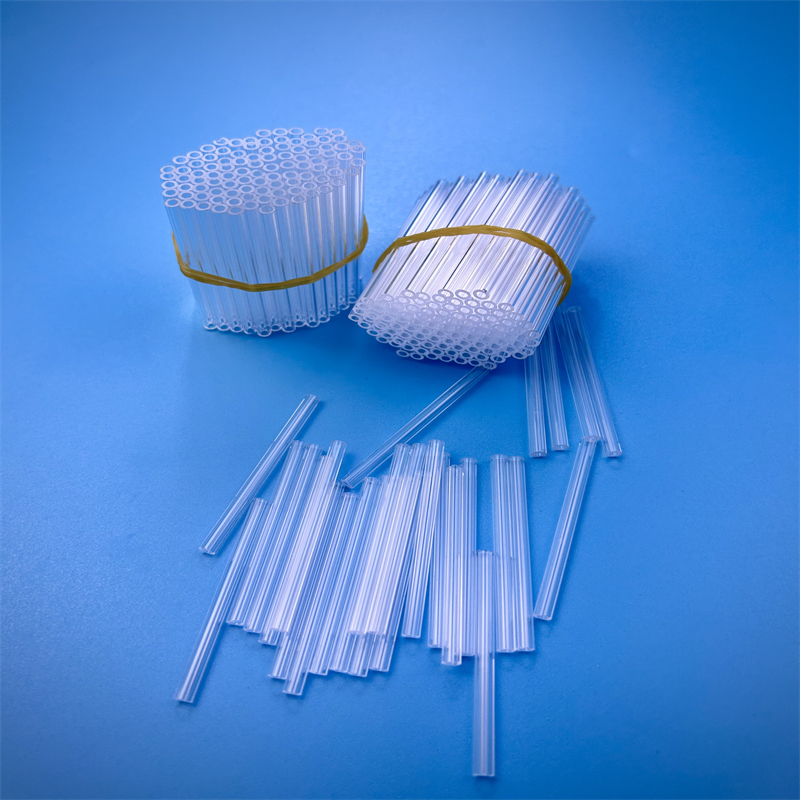
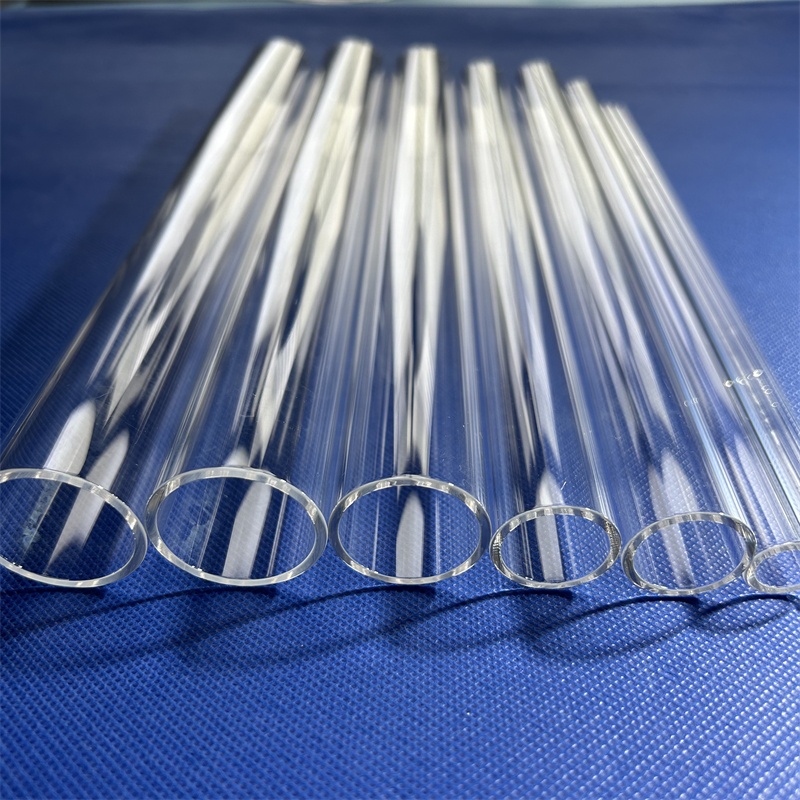
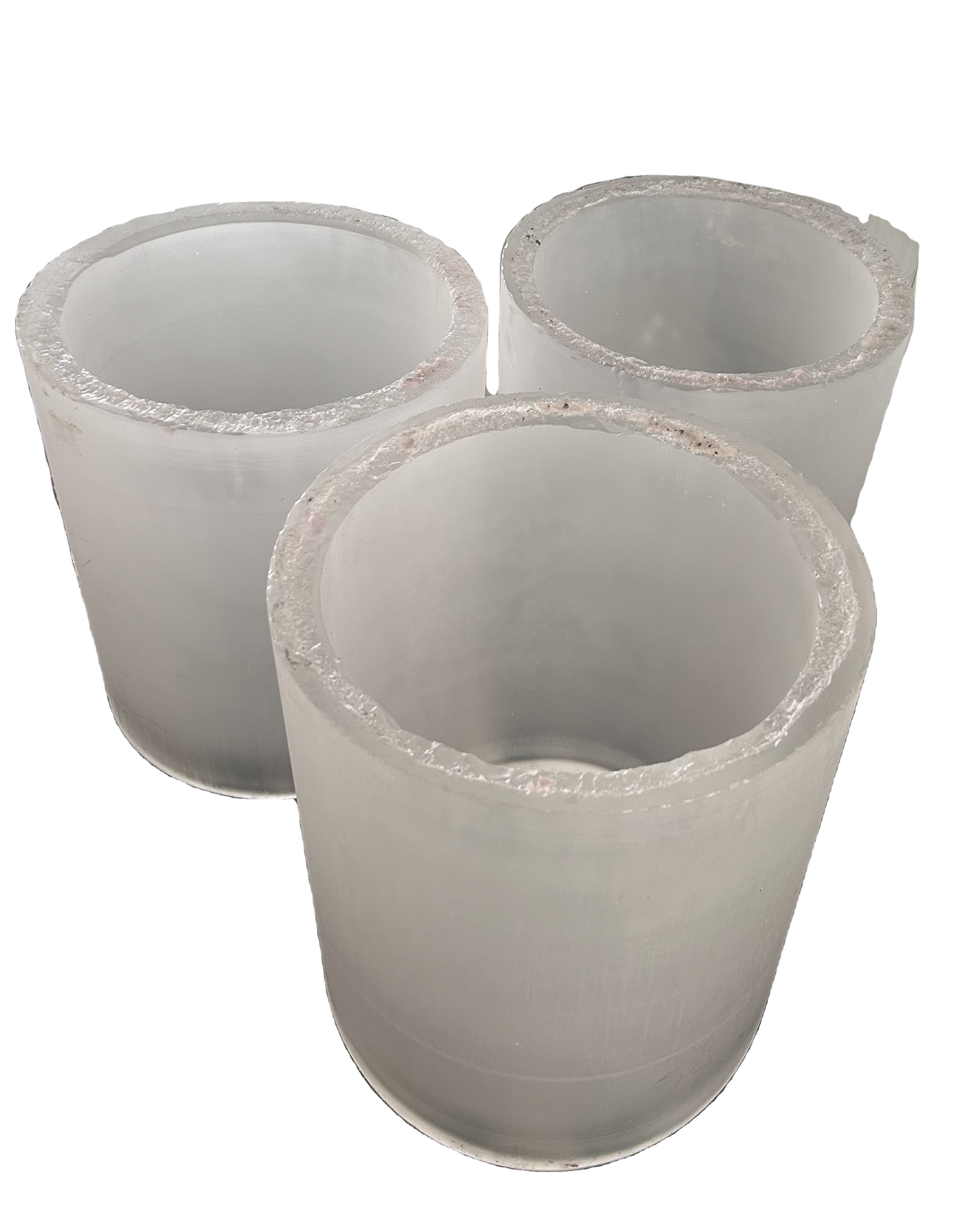
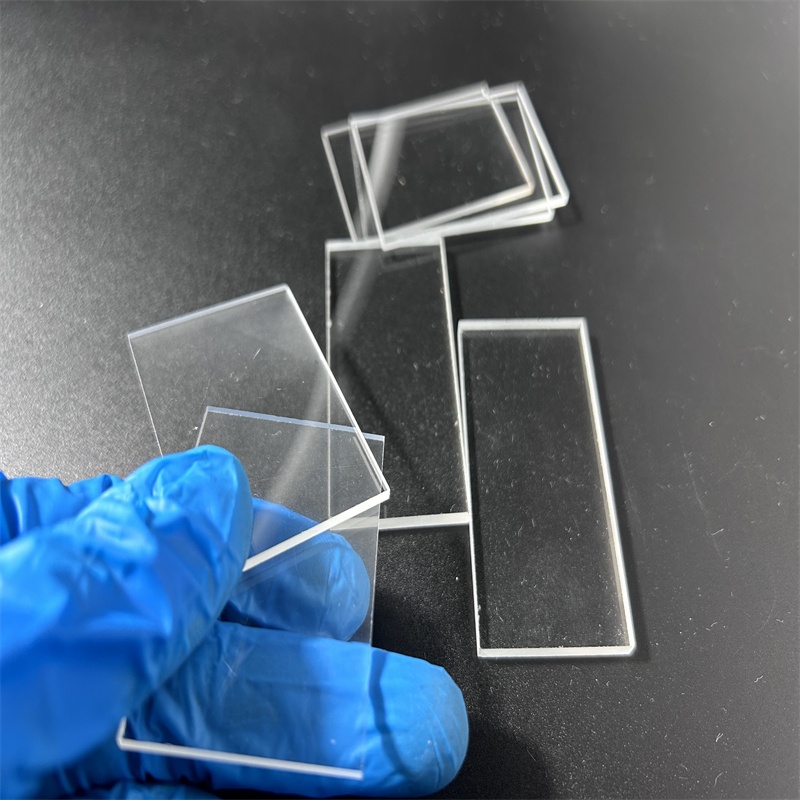
Direct factory fabrication utilizing synthetic SiO₂ and electric/flame-fused natural quartz, tailored to exact structural drawings, extreme thermal limits (≤ 1300 °C), and corrosive atmospheric tolerances.
Fused Silica Thermodynamics & Chemical Kinetics in Pyongyang Heavy Industries
An authoritative engineering assessment of vitreous silica behavior under elevated thermal gradients, severe acidic atmospheres, and rigorous mechanical tolerances.
In high-temperature thermal engineering, semiconductor furnace diffusion, and corrosive chemical synthetic loops, standard borosilicate or aluminosilicate glasses fail rapidly through devitrification, thermal shock fractures, and chemical erosion. Clear fused quartz tubes manufactured by Zunex Quartz Products Co., Ltd. are composed of non-crystalline silicon dioxide (SiO₂) possessing an amorphous tetrahedral network. This specific lattice configuration provides an extraordinarily low coefficient of thermal expansion, exceptional dielectric properties, and virtually absolute resistance to acute mineral acids (excluding hydrofluoric and hot phosphoric acids).
1. Devitrification Kinetics & Hydroxyl (OH⁻) Concentration Management
Devitrification is the crystallographic nucleation and growth phase transformation of metastable vitreous silica into crystalline high-cristobalite. This degradation typically begins at temperatures exceeding 1150 °C and is exacerbated by airborne alkali metal vapor contamination (sodium, potassium, lithium). In heavy furnace environments around Pyongyang, minimizing trace alkali impurities is essential to forestall opacity, micro-cracking, and structural brittle rupture.
At our Donghai synthesis and vacuum fusion works, incoming quartz concentrates undergo multi-stage hydrochloric-hydrofluoric chemical leaching, followed by high-vacuum melting that drives total alkali concentrations below 1.5 ppm. Furthermore, depending on the synthesis classification (continuous electric fusion vs. oxyhydrogen flame fusion), hydroxyl (OH⁻) concentrations are precisely adjusted. For applications involving high-frequency thermal emitters or infrared combustion monitoring, our JGS3 class delivers OH content < 5 ppm, eliminating the damaging 2.73 μm infrared water absorption band and maintaining continuous structural stability up to 1180 °C under constant duty cycles.
| Fundamental Property | Reference Metric (SI) | Operational Threshold / Significance |
|---|---|---|
| Purity Level (SiO₂) | ≥ 99.99% (Optical Grade: ≥ 99.999%) | Total heavy metals < 15 ppm; preserves plasma and melt purity |
| Density (ρ) | 2.20 ± 0.02 g/cm³ | High structural integrity, low mass-to-volume ratio |
| Mohs Hardness | 5.5 – 6.5 (Knoop: 620 kg/mm²) | Resistant to mechanical scratching, slurry scoring, and abrasion |
| Coefficient of Thermal Expansion (CTE) | 5.5 × 10⁻⁷ /°C (20°C – 320°C) | Virtual immunity to catastrophic thermal shock cracking |
| Strain Point / Annealing Point | 1075 °C / 1180 °C | Internal stress relief zone; critical for flame welding tubes |
| Softening Point | ~ 1683 °C ± 20 °C | Structural transformation ceiling under high vacuum pressures |
| Max Continuous Service Temp | 1100 °C – 1150 °C | Safe sustained operational boundary without sag or warp |
| Dielectric Strength (20 °C, 1 MHz) | 2.5 × 10&sup7; V/m | Superior high-voltage electrical insulator for induction heaters |
| Refractive Index (n_d at 589.3 nm) | 1.4585 | High clarity optical throughput from deep ultraviolet to near-IR |
2. Comparative Grade Classification: JGS1 vs. JGS2 vs. JGS3
Specifying the correct fused quartz substrate ensures that industrial enterprises in Pyongyang do not overspend on ultra-pure raw materials or, conversely, cause early mechanical failures due to thermal radiation re-absorption.
- JGS1 (Synthetic Fused Silica): Produced via vapor axial deposition or chemical vapor synthesis from SiCl⃤. Virtually free of bubbles, streaks, and metallic contaminants (total trace impurities < 1 ppm). Characterized by high optical transparency across deep UV wavelengths (down to 185 nm). Ideal for UV lithography, specialized optical window apertures, and advanced laser-spectroscopy sample tubes.
- JGS2 (Optical Grade Fused Quartz): Smelted from natural high-purity crystalline quartz sand using oxyhydrogen flame technology. Delivers excellent optical transmission across the 220 nm – 2500 nm spectrum with exceptional structural density. The premier choice for high-temperature sight glasses, diffusion processing tubes, chemical reaction vessels, and thermal boiler liquid indicators.
- JGS3 (Infrared Grade Fused Quartz): Synthesized using high-vacuum electrical fusion systems. The internal hydroxyl level is compressed to under 5 ppm, eliminating internal infrared photon attenuation bands. Highly suitable for high-intensity infrared radiating tubes, metallurgical furnace pyrometry sleeves, and vacuum induction heating chambers.
Localized Application Scenarios in Pyongyang & Surrounding Hubs
Addressing the rigorous procurement benchmarks of scientific institutes, heavy manufacturing plants, power generating stations, and specialized chemical complexes.
Metallurgical Smelting & Sintering
Pyongyang’s metallurgical research centers and regional alloy smelters require high-purity clear quartz tubes as vacuum furnace process liners, protective thermocouple shrouds, and pyrometric sight ports capable of withstanding molten slags, high vacuums, and sustained radiant temperatures above 1100 °C without wall collapse.
Chemical Synthesis & Fertilizer Plants
In chemical and agricultural fertilizer synthesis complexes along the Taedong River basin, our heavy-wall quartz tubing serves as corrosion-resistant sight meters, hot-acid bubbling columns, and chlorination gas conduits that resist aggressive hydrochloric, nitric, and sulfuric reagents at boiling temperatures.
Academic & Research Laboratories
Institutes affiliated with Kim Chaek University of Technology and the State Academy of Sciences utilize our custom-welded, precision-ground quartz glass apparatuses, zero-background XRD sample holders, BET adsorption tubes, and high-vacuum quartz ampoules for advanced crystallographic and catalytic materials characterization.
Thermal Power & Boiler Monitoring
Pyongyang thermal power stations demand boiler liquid level gauge glass tubes with strict wall-thickness uniformity. Our flame-polished quartz tubes maintain optical clarity under extreme steam pressures, resisting alkaline water etching and preventing explosive mechanical rupture under fluctuating boiler steam loads.
Semiconductor & Electronic Components
Fabrication lines for discrete semiconductors and electronic elements integrate our quartz tube reactors for thermal oxidation, LPCVD coatings, and wafer diffusion. Precision slotting on quartz boats and tight tolerances on tube ovality ensure repeatable, contamination-free processing yields.
Water Purification & Medical UV
Municipal water disinfection works and medical sterilization equipment in Pyongyang deploy our high-transmission JGS2 clear quartz sleeves. Providing over 90% transmission at the primary germicidal wavelength of 253.7 nm, they safeguard UV mercury lamps from hydraulic flow stresses and thermal dissipation shocks.
Industrial Modernization & Procurement Supply Chains in Pyongyang
Why regional technical enterprises are shifting away from fragmented trading intermediaries toward direct-from-factory partnerships with verified Chinese quartz manufacturers.
Technological Upgrading Demands Traceable Component Longevity
Under contemporary industrial renovation policies across the Democratic People's Republic of Korea, engineering teams in Pyongyang are prioritizing component operational longevity over low initial acquisition costs. In heavy chemical plants and precision thermal installations, replacing prematurely failing furnace tubes or sight glasses generates unacceptable production downtime, vacuum leaks, and safety hazards.
By engaging directly with Zunex Quartz Products Co., Ltd. in Donghai County, China—recognized globally as the “Crystal Capital” containing over 70% of Asia’s natural quartz processing capacity—procurement officers gain immediate access to fully traceable, spectrographically verified quartzware. Our direct rail and maritime shipping channels via Dandong and Nampho ensure rapid, intact logistics handling, bypassing costly secondary markups and guaranteeing strict adherence to ISO 9001 dimensional and chemical purity standards.
Engineering Supply Assurance
- Direct Sourcing from Donghai: Absolute control over raw quartz sand purities, high-vacuum electric fusion furnaces, and precision cold laser cutting lines.
- Engineered Thermal Shock Assurance: 100% annealing stress relief inspection under polarized light strain meters prior to crating.
- Robust Export Packaging: Custom vacuum-sealed poly sleeves, high-density impact-damping EPE foam, and steel-banded marine plywood crates engineered for multi-modal transport.
- Sub-2-Hour Direct Technical Reviews: Immediate direct liaison between procurement officers and experienced quartz fabrication engineers.
State-of-the-Art Processing & Finishing Capabilities
Bridging the gap between raw natural quartz sand and nanometer-toleranced industrial quartz components through integrated hot-working and precision cold-machining.
Hot Glassworking & Lathes
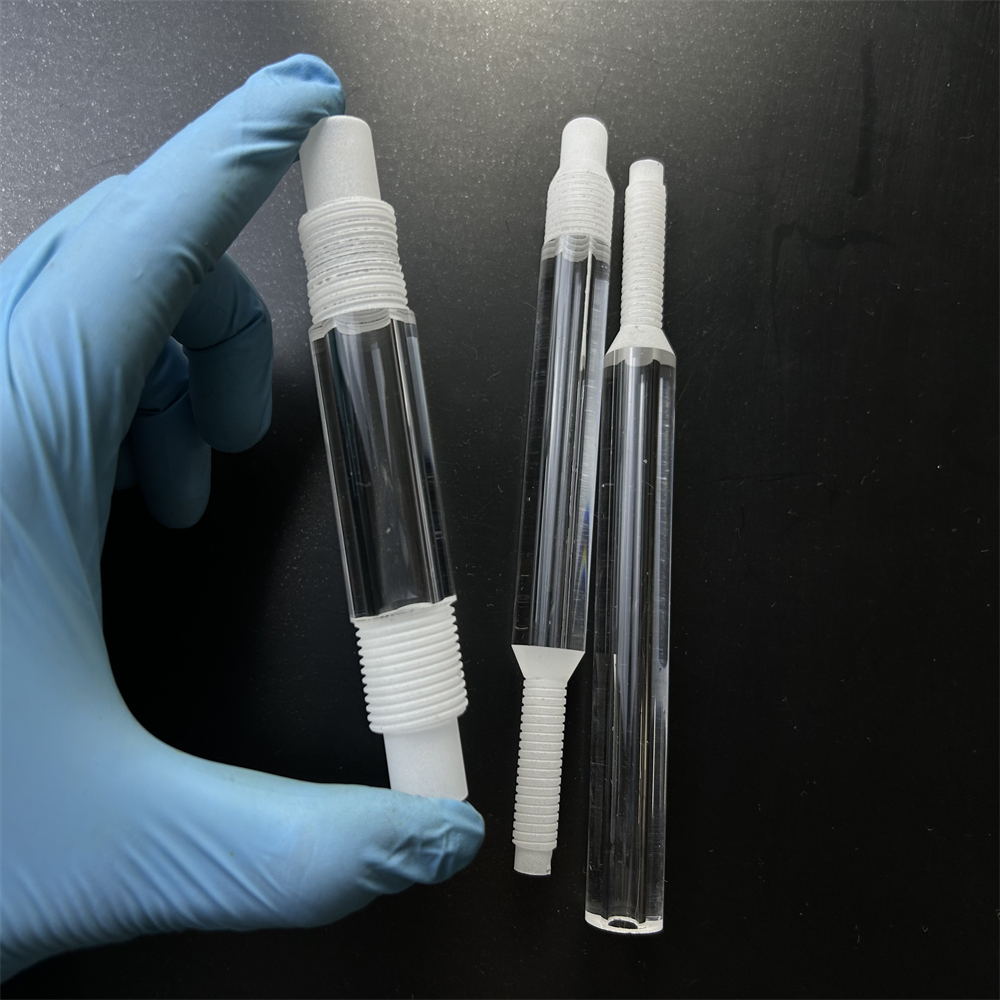
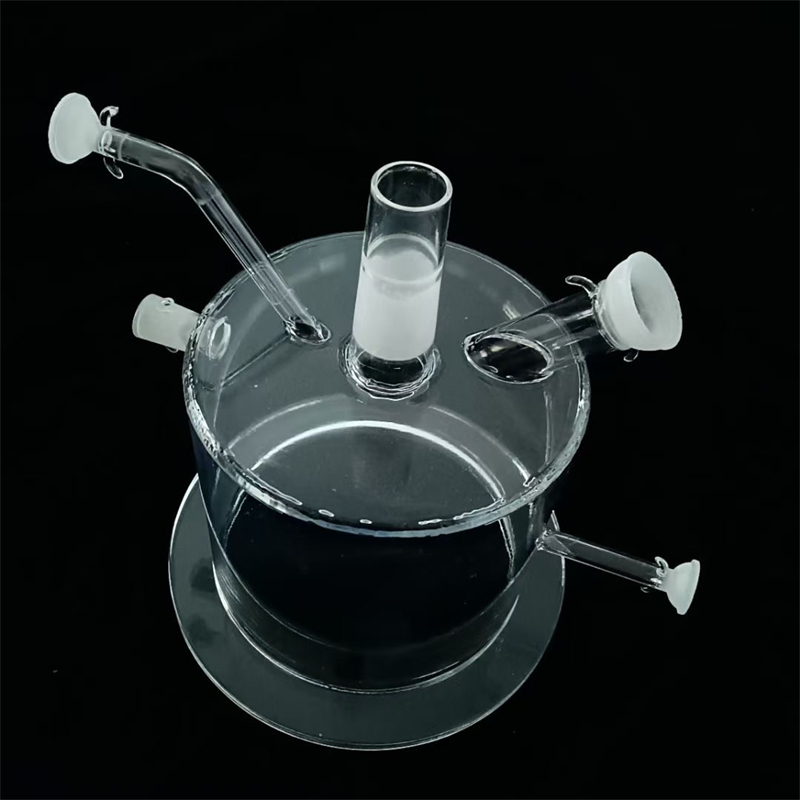
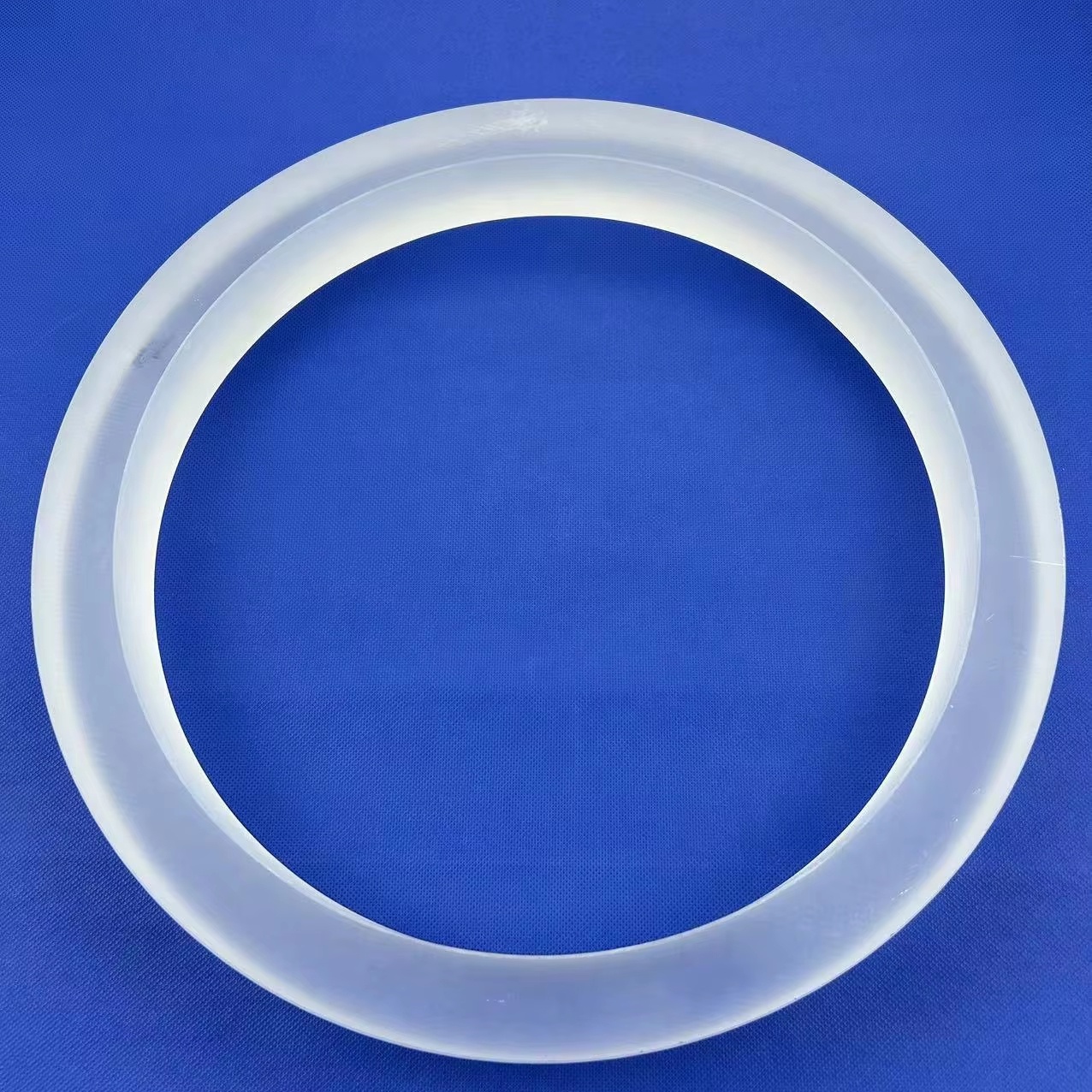
High-precision horizontal glassblowing lathes capable of processing tubes up to 500 mm OD. Services include domed bottoms, welded quartz flanges, ground ball/socket joints, reducers, and multi-pass U-bends.
CNC Cold Grinding & Milling
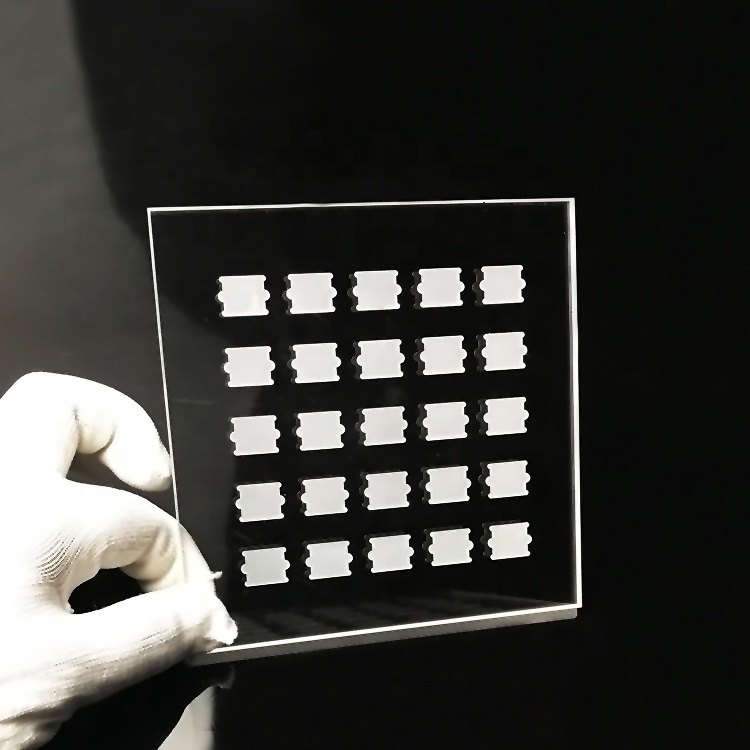
Four-axis CNC ultrasonic milling units deliver micro-toleranced slotted wafer boats, precision quartz blocks, guide slots, internal step flanges, and chamfered edges held to ±0.02 mm drawing specifications.
Quartz Laser Processing
State-of-the-art CO⃨ and ultra-fast picosecond laser drilling and cutting systems. Create micro-apertures down to 0.1 mm diameter without micro-cracking, chipping, or residual structural shear stresses.
Double-Sided Optical Polishing
Chemical-mechanical polishing (CMP) producing surface roughness Ra ≤ 0.5 nm, scratch-dig ratings of 40/20 or 20/10, and optical flatness of λ/4 for spectrometer viewports and laser output couplers.
Frequently Asked Questions for Pyongyang Buyers
Comprehensive engineering clarifications addressing dimensional tolerances, operating thresholds, chemical maintenance, and transit logistics.
What dimensional tolerances can Zunex achieve for customized clear quartz tubes?
How does fused quartz tube behave in sustained operating temperatures above 1100 °C?
What cleaning and chemical etching procedures are recommended prior to furnace installation?
Can Zunex provide custom flanged ends, ground joints, or threaded terminations?
How does your factory prevent breakage during international packaging and freight transit?
What information is required to receive a formal quotation and feasibility review?
Accelerate Your Industrial Quartz Procurement Today
Direct Donghai factory manufacturing, custom glassblowing to technical drawings, transparent pricing structures, and sub-2-hour technical engineering appraisals for organizations in Pyongyang and worldwide.