Precision Quartz Products & Components
Direct manufacturer supply conforming to international semiconductor, optical, and pyrometallurgical quality criteria.
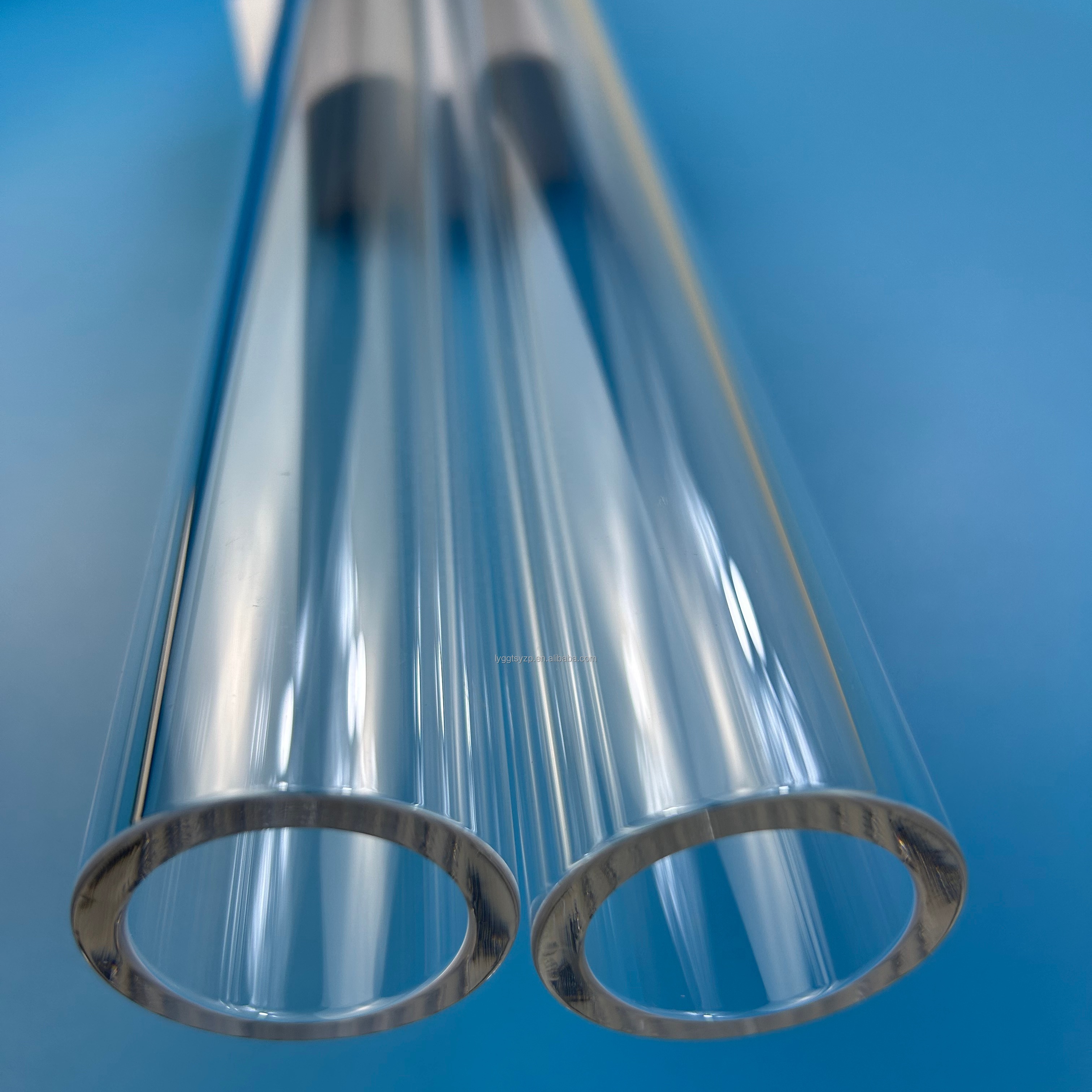
Polished Clear Quartz Twin Tube Ozone Free Heater
High-efficiency twin-bore quartz emitters for chemical laboratory heating chambers, furnace processing, and precision glass molding.
View Specifications →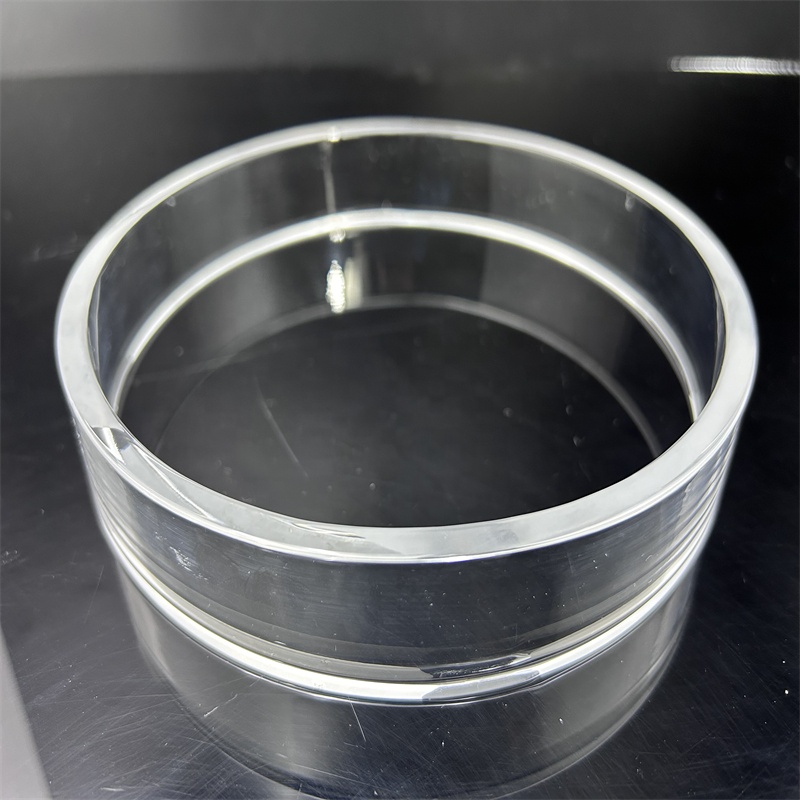
Custom High Purity Fused Quartz Glass Bell Jar
Corrosion-resistant chamber enclosures tailored for vacuum evaporation, LPCVD coating lines, and semiconductor crystal cultivation.
View Specifications →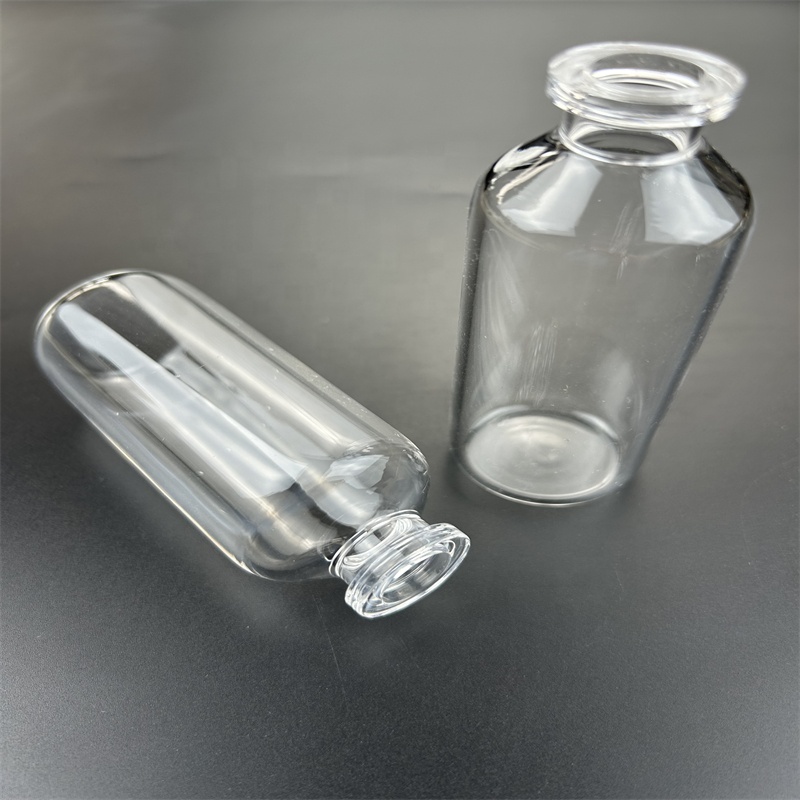
Custom High-Pressure Medical Quartz Glass Ampoules
99.99% pure ozone-free flame-sealed ampoules fabricated with specialized bending and welding for chemical synthesis and biomedical storage.
View Specifications →
Custom Size Clear Fused Quartz Glass Plate
Continuous 1100°C heat-resistant optical plate providing superior thermal shock resilience and laser beam transmission integrity.
View Specifications →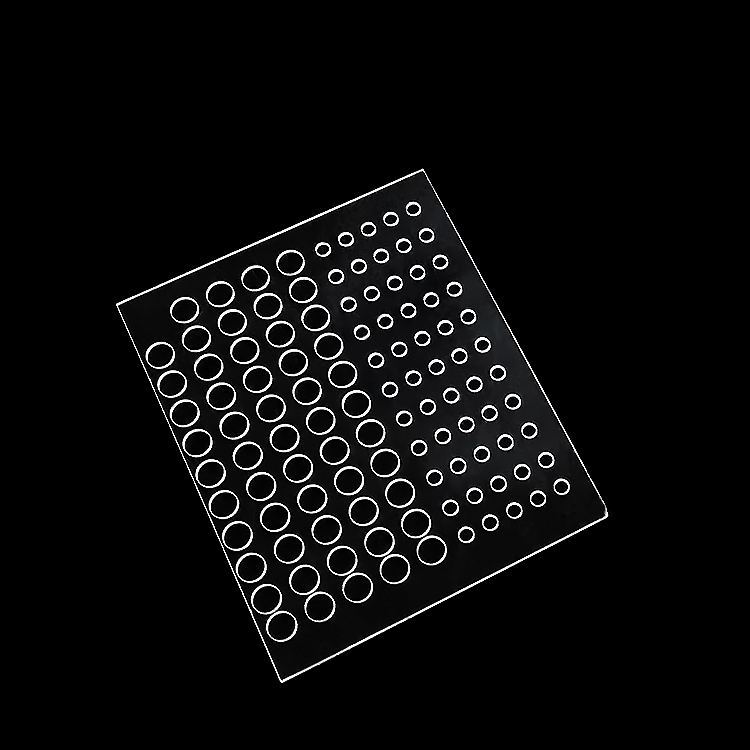
Optical Fused Quartz Glass Plate (JGS1/JGS2/JGS3)
Precision-ground viewing windows from 0.5mm to 100mm thickness, supporting laser grooving, beveling, and clean CNC cutting.
View Specifications →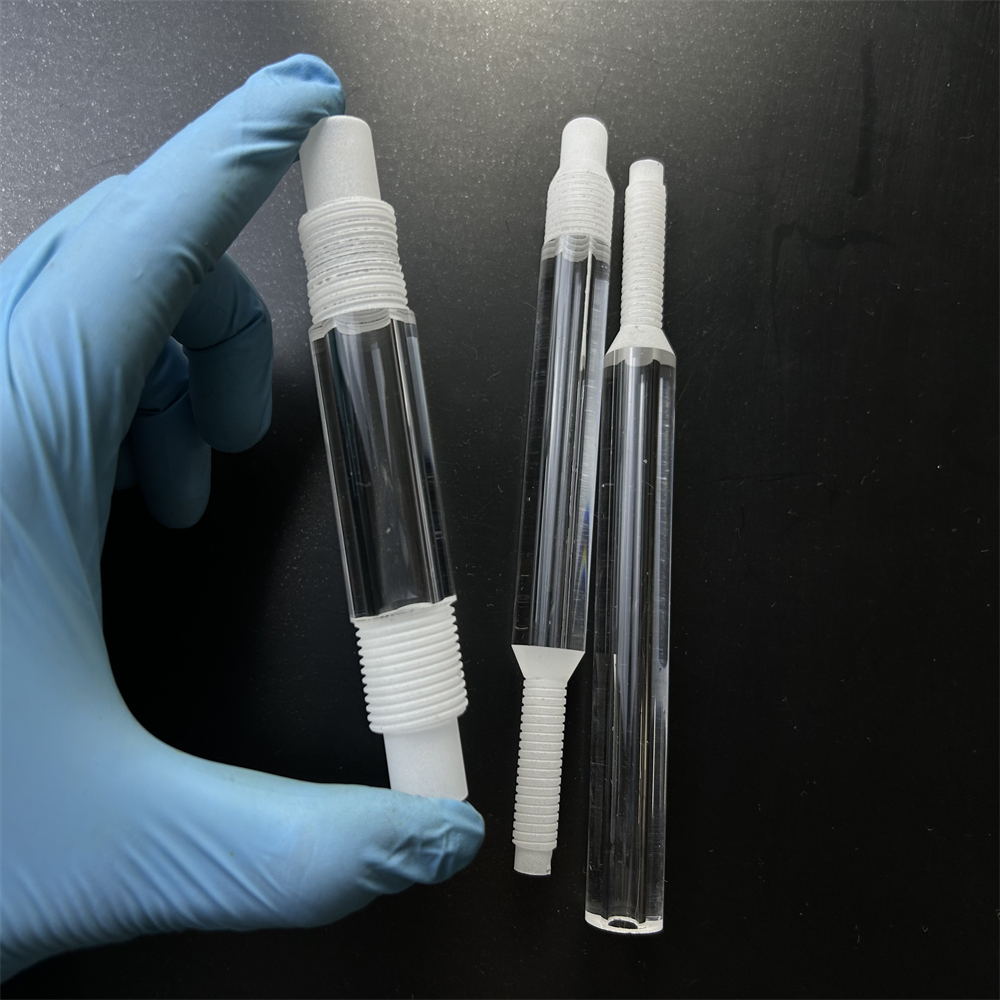
Threaded Transparent UV Quartz Glass Tube
High-pressure quartz containment tubes with precision thread tooling, welded flanges, and superior UV radiation transparency.
View Specifications →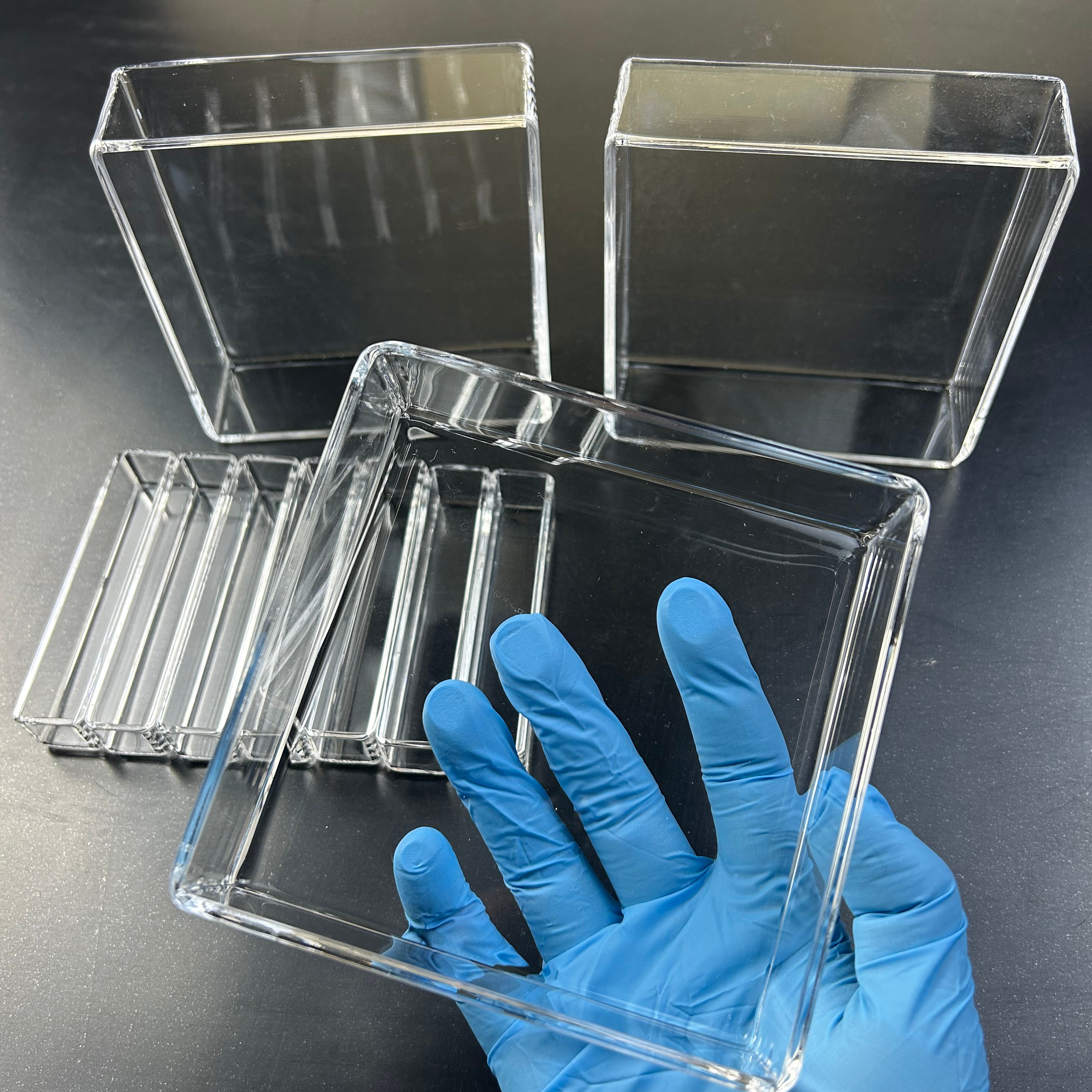
High-Temperature Fused Quartz Glass Crucible Tank
Cylindrical tanks and crucibles designed for non-ferrous metal smelting, polysilicon melting, and aggressive chemical acid digestion.
View Specifications →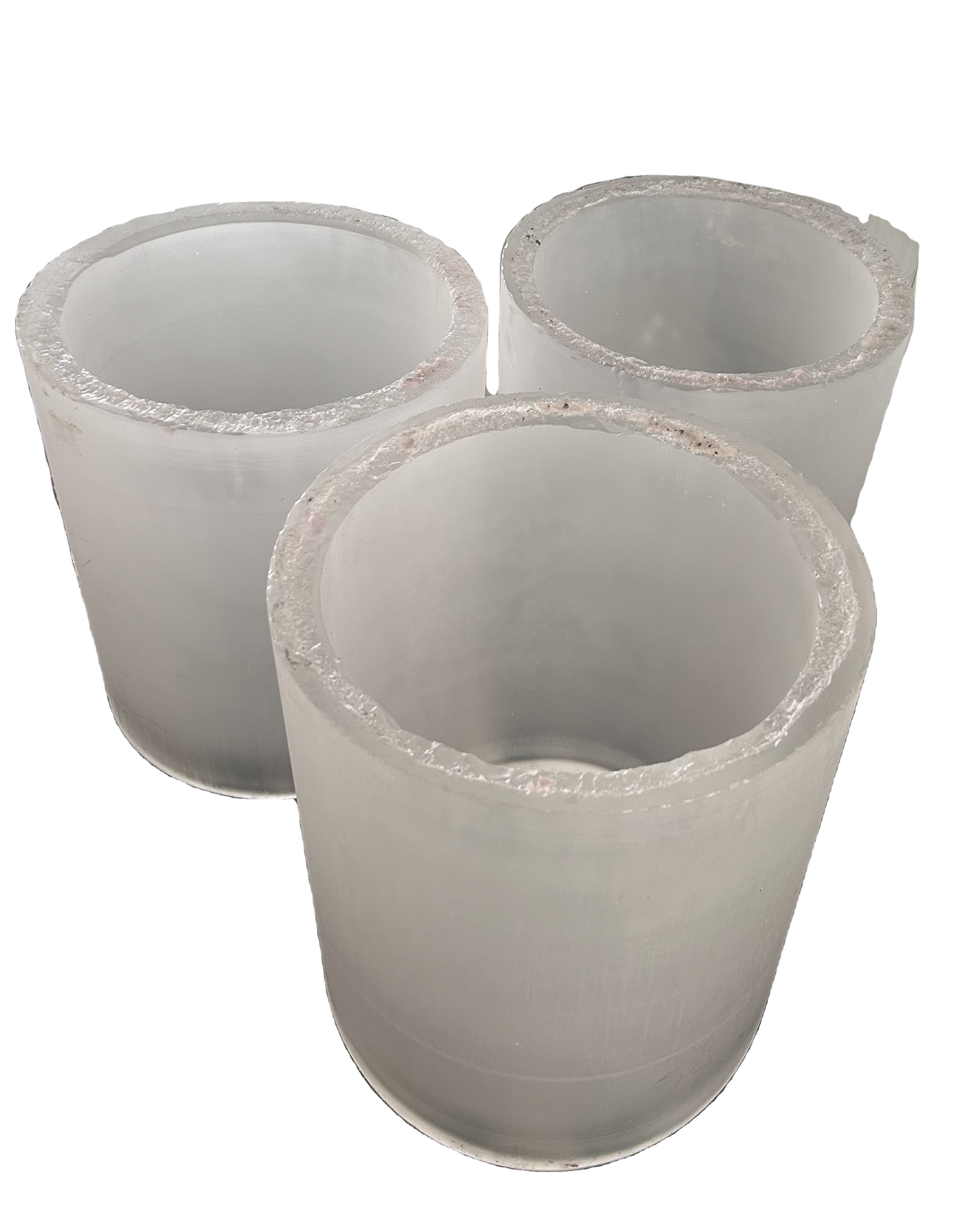
Open-Ended Fused Quartz Frosted Glass Cylinder
Diffused-surface quartz ingots and cylinders providing uniform Lambertian light scattering and exceptional thermal barrier properties.
View Specifications →Engineering Whitepaper: Fused Quartz Discs in High-Heat Environments
Advanced optical physics, surface modification techniques, and thermo-mechanical properties of amorphous silicon dioxide.
In advanced thermal engineering and precision optics, the Frosted Quartz Disc serves as a critical interface component. Fabricated from synthetic fused silica or natural high-purity crystalline quartz sand (SiO₂ ≥ 99.99%), these components undergo strict mechanical profiling followed by targeted surface treatments. Unlike ordinary borosilicate or soda-lime glass, fused quartz exhibits an exceptionally low linear coefficient of thermal expansion (5.5 × 10⁻⁷ /°C). This allows a custom OEM frosted quartz disc to undergo rapid thermal shocks—such as plunging from 1100°C directly into ice water—without catastrophic mechanical fracture or micro-crack propagation.
The frosted (matte) surface finish is achieved via two distinct methodologies: precision micro-abrasive sandblasting (using controlled aluminum oxide or silicon carbide grit under constant pneumatic pressure) or hydrofluoric acid chemical etching. Sandblasting induces uniform mechanical micro-pitting, generating a Lambertian light scattering pattern essential for optical diffusion, glare reduction, and hot-spot mitigation in infrared emitter arrays. Chemical etching, conversely, delivers a smoother, velvety frosted topology with rounded micro-cavities that retain maximum mechanical flexural strength while resisting particulates and moisture adhesion in high-humidity factory settings.
| Physical / Chemical Property | JGS1 (Synthetic Silica) | JGS2 (Optical Grade Quartz) | JGS3 (Infrared Grade Quartz) |
|---|---|---|---|
| SiO₂ Purity Level | ≥ 99.999% (< 1 ppm metal impurities) | ≥ 99.99% | ≥ 99.98% |
| Hydroxyl ([OH]⁻) Content | < 1200 ppm (High OH) | < 30 ppm (Standard OH) | < 5 ppm (Water-free IR) |
| Spectral Transmission Range | 185 nm – 2500 nm (Deep DUV) | 220 nm – 2500 nm (UV-VIS) | 260 nm – 3500 nm (Extended NIR) |
| Max Working Temperature | 1100°C (Continuous) / 1300°C (Short) | 1100°C (Continuous) / 1250°C (Short) | 1150°C (Continuous) / 1350°C (Short) |
| Surface Roughness (Frosted Ra) | Ra 0.8 μm – 3.2 μm (Custom Etched) | Ra 1.6 μm – 6.3 μm (Sandblasted) | Ra 1.6 μm – 4.5 μm (Diffused) |
| Thermal Expansion Coefficient | 5.5 × 10⁻⁷ cm/cm·°C (20°C–320°C) | 5.5 × 10⁻⁷ cm/cm·°C | 5.5 × 10⁻⁷ cm/cm·°C |
Lambertian Light Diffusion
Engineered micro-roughness disrupts direct optical beams, transforming harsh concentrated UV/IR hot spots into uniform hemispherical radiance without transmission degradation.
Total Chemical Inertness
Unreactive toward almost all acids (nitric, sulfuric, hydrochloric) at elevated temperatures, providing dependable viewport durability in corrosive gas and vapor exhausts.
Micro-Laser CNC Finishing
Custom disc edges can be CNC beveled, fire-polished, stepped, counter-bored, or drilled with tight laser tolerances (±0.02 mm) to match flanged industrial assemblies.
Localized Applications in Myanmar's Expanding Industrial Sectors
Delivering high-purity thermal and optical quartzware directly aligned with Myanmar's regional manufacturing, mining, and energy nodes.
Thilawa SEZ Electronics
Serving Japanese and regional electronics assemblers in Yangon’s Special Economic Zone with frosted diffusion discs for UV curing ovens, wire-bonding thermal stages, and optical sensors.
Mandalay & Shan Mining
Custom high-durability frosted quartz sight glasses used for furnace flame observation and pyrometallurgical assaying in copper, gold, and tin extraction facilities around Mandalay and Shan State.
Mogok Gem Enhancement
High-temperature corundum heat-treatment furnaces in Mogok require specialized thermal baffling discs that withstand prolonged soaking cycles up to 1350°C without devitrification or thermal crack failure.
Offshore Oil & Gas Ports
Explosion-proof frosted light covers and pipeline sight windows designed for maritime atmosphere resistance in Thanlyin refineries and offshore gas extraction terminals (Yadana and Shwe projects).
Trends Reshaping Myanmar's Optical & High-Temperature Processing
Evolving supply chains, industrial automation, and the demand for higher-specification raw quartz imports.
Myanmar's industrial landscape is undergoing a critical transition. While traditional manufacturing relied heavily on general borosilicate sight glasses and standard ceramic barriers, modern facilities in the Thilawa Special Economic Zone (SEZ) and the Mandalay Industrial Corridor are aggressively upgrading to semiconductor-grade fused quartz. The primary driver is process consistency: advanced automated thermal equipment cannot tolerate the thermal drift, micro-cracking, or yellowing associated with lower-grade glass during intense 24/7 operating cycles.
Furthermore, the rapid expansion of solar photovoltaic installation projects and mini-grid rural electrification initiatives in Upper Myanmar has generated increased local demand for specialized UV and infrared emitters. Manufacturers of solar cells and solar tracking equipment frequently utilize frosted quartz discs as optical homogenizers, diffusing concentrated solar simulators and laser-testing diodes to ensure standard test condition (STC) reliability. By sourcing directly from dedicated manufacturing hubs like Donghai, Chinese supply routes deliver high-precision custom quartz parts to Yangon Port with minimized lead times, circumventing expensive third-party distributor markups in Singapore or Bangkok.
Our Manufacturing Heritage & Factory Capabilities
Originating from Donghai County, China's quartz capital, delivering custom OEM fabrication directly to Myanmar.
Advanced CNC & Laser Facility
Equipped with 5-axis CNC ultrasonic milling, diamond edge beveling, and laser drilling machinery capable of producing intricate stepped discs, counter-bores, and custom aperture geometries down to ±0.02 mm.
Vacuum Export Packaging
Engineered for international shipping resilience: each frosted quartz disc is ultrasonically decontaminated, vacuum-sealed in anti-static humidity-barrier film, and cushioned within high-density custom EVA wooden crates.
Certified Quality Traceability
Every export batch is inspected for subsurface micro-fissures, geometric flat parallelism, and surface roughness (Ra). Spectral transmission charts and purity analysis certificates (COA) accompany all consignments.
Procurement & Technical FAQ for Myanmar Engineers
Practical guidance addressing customs clearance, drawing specifications, material selection, and logistics.
We accept standard engineering vector formats including DWG, DXF, STEP, IGES, and high-resolution PDF technical drawings. Please specify your critical tolerances, required surface roughness (Ra in micrometers), edge chamfer angles, and whether both faces or only one face requires the frosted treatment.
We employ shock-isolated export packaging. Individual discs are wrapped in lint-free protective film, separated by customized EVA foam pockets, and packaged inside fumigated plywood crates compliant with ISPM 15 standards. Shipments are handled via direct sea freight to Yangon Port/MITT or expedited air cargo to Yangon International Airport (RGN).
Sandblasting creates mechanical micro-fractures, producing a deeper diffusion (higher haze percentage), which is ideal for breaking up intense optical focal points in heaters. Chemical acid etching removes material at the molecular level, creating smooth, undulating micro-textures that offer superior cleanability, higher flexural strength, and reduced particulate shedding in cleanroom applications.
Yes. Fused quartz is completely chemically inert against acids like HCl, HNO₃, and H₂SO₄ even at elevated temperatures up to 1000°C. The only chemicals that attack fused quartz are hydrofluoric acid (HF) and concentrated phosphoric acid at temperatures exceeding 150°C, as well as strong alkaline solutions at boiling points.
Fused quartz plates, discs, and tubes are typically classified under HS Code 7002.39.00 or 7002.10.00 (Glass in balls, rods or tubes, unworked, of fused quartz or other fused silica). We provide complete export documentation including Commercial Invoices, Packing Lists, Certificates of Origin (Form E if applicable), and Material Test Reports for smooth customs clearance through the Myanmar Automated Cargo Clearance System (MACCS).
Yes. Our CNC ultrasonic machining and laser drilling workstations allow us to mill stepped mounting flanges (rabbet edges), central viewing apertures, threaded mounting holes, and water-jet cut notches while maintaining edge integrity and avoiding thermal edge cracking.
Request a Custom OEM Frosted Quartz Quotation
Connect with our senior technical engineering team today. Send us your dimensional drawings, target quartz grade (JGS1, JGS2, JGS3), and quantity requirements for a comprehensive review and DDP/CIF Yangon quote within 2 hours.