Technical Architecture & Material Purity in OEM Quartz Crucible Manufacturing
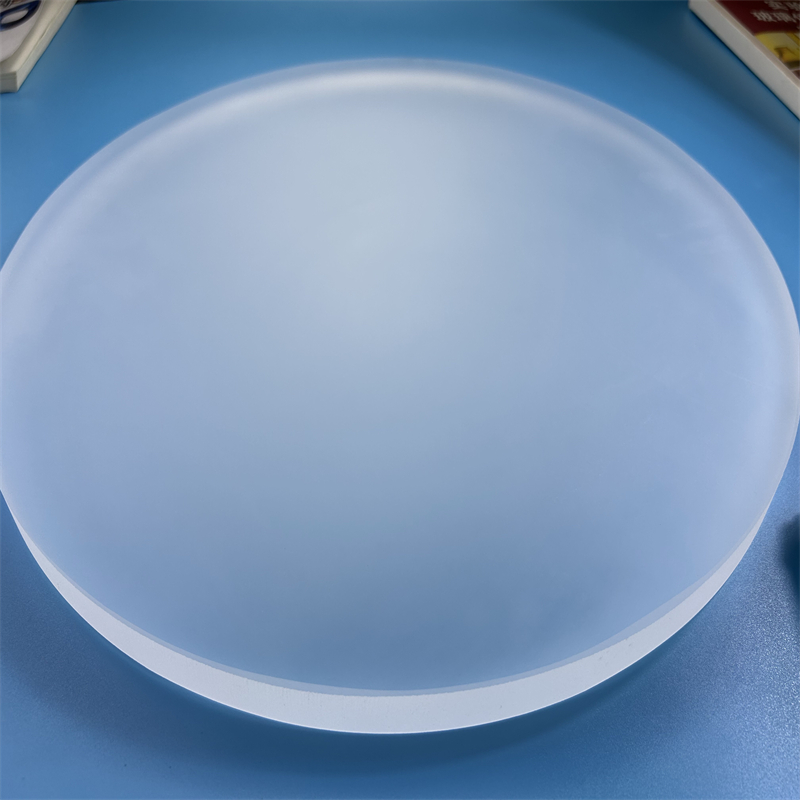
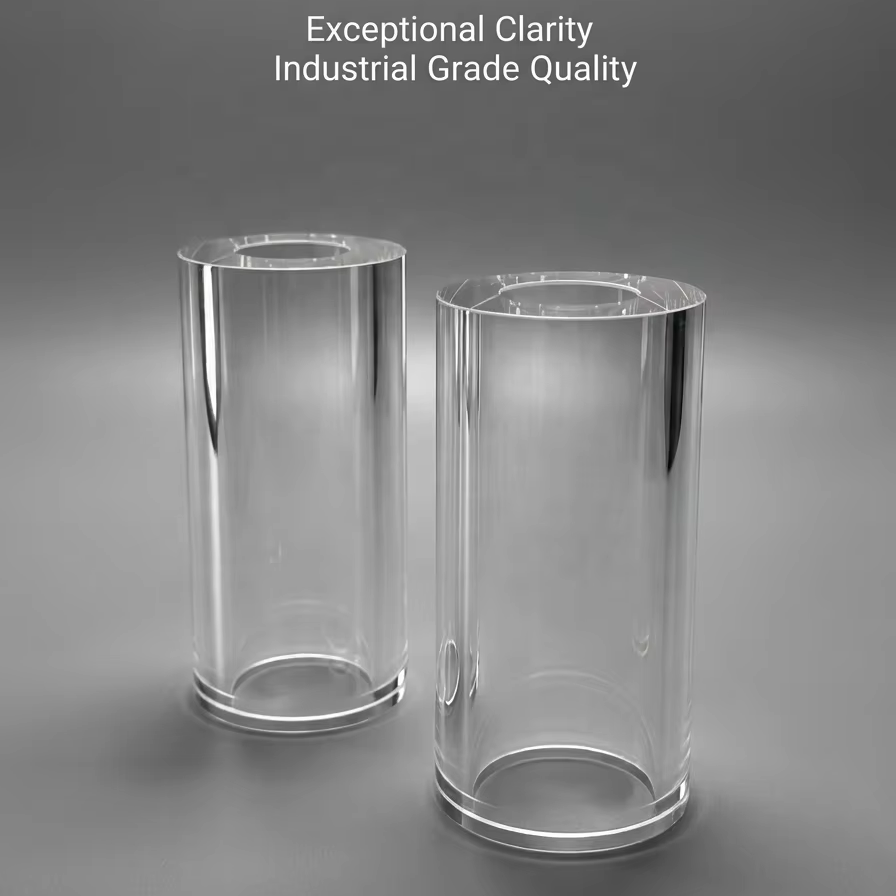
Fused quartz crucibles, reaction vessels, and diffusion apparatus represent the pinnacle of high-temperature refractory glass technology. Fabricated using high-purity natural quartz sand and synthetic fused silica via electric arc fusion and thermal vacuum reforming, these components provide near-zero thermal expansion (5.5 × 10⁻⁷ /°C), nonpareil chemical inertness, and structural resilience across aggressive chemical processing lines. In demanding thermal processing environments, the chemical purity of the quartz substrate is paramount: even trace concentrations of alkali metals (lithium, sodium, potassium) can accelerate devitrification, shifting the amorphous vitreous silica matrix into crystalline cristobalite above 1150°C and inducing micro-fractures under cyclical thermal loading.
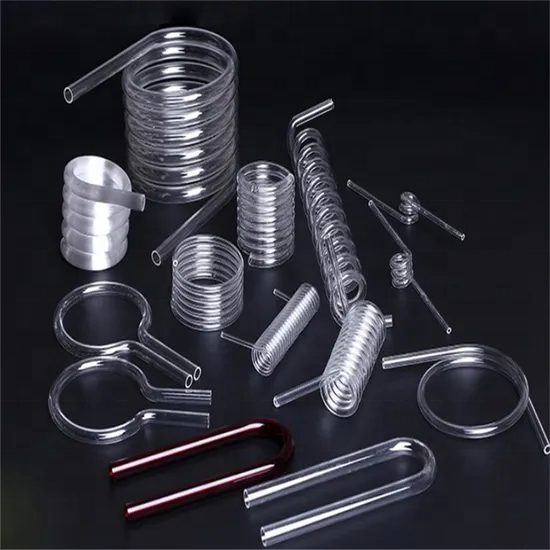
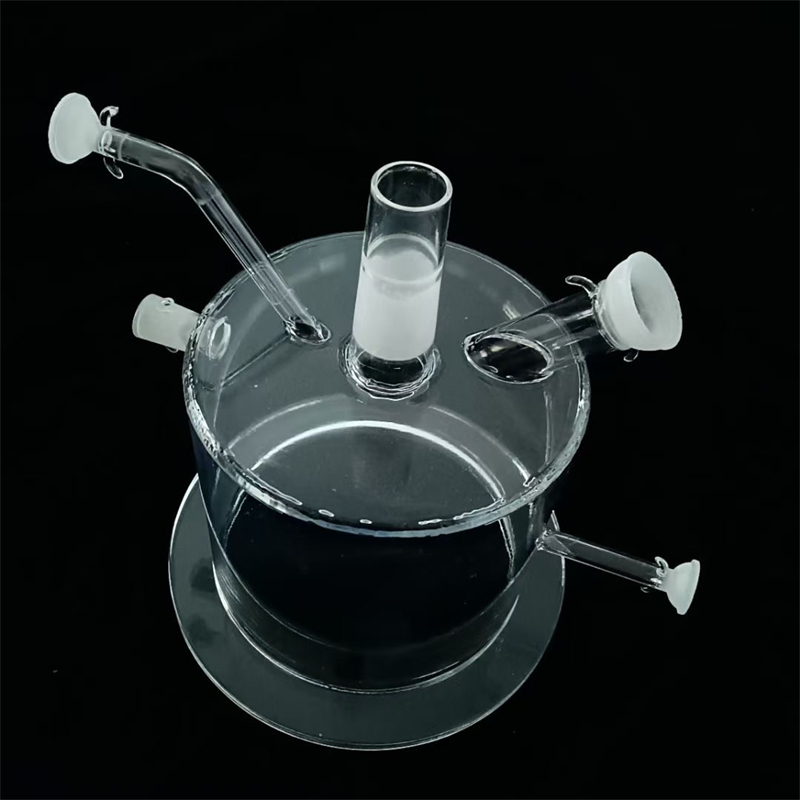
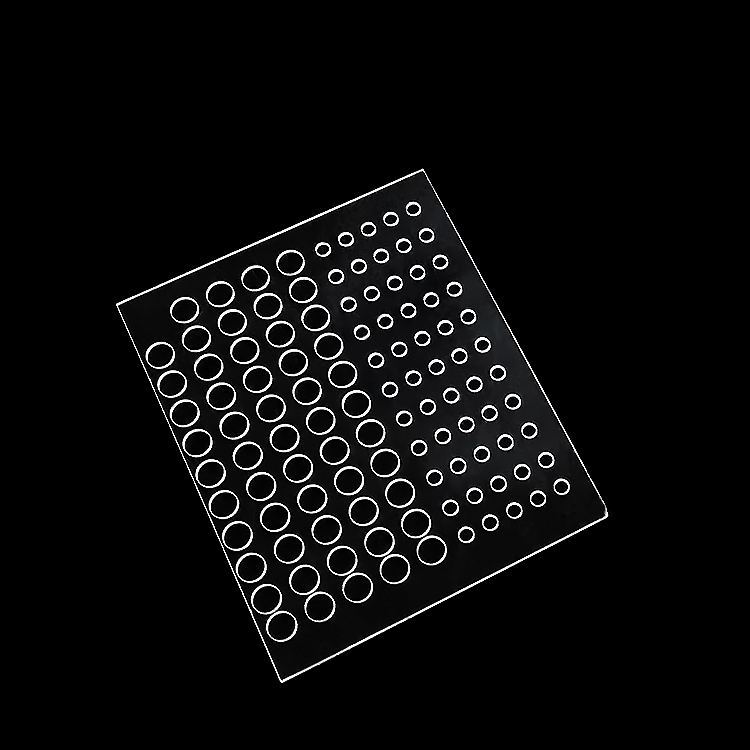
For operations requiring customized OEM configurations, our manufacturing plant in Donghai—China's recognized crystal processing capital—integrates multi-axis CNC cold diamond machining, specialized oxy-hydrogen flame welding, and automated laser drilling and grooving. This vertically integrated control ensures wall thickness uniformity, strict dimensional tolerances (±0.05 mm), and low OH content (under 20 ppm in JGS3 formulations), eliminating outgassing and thermal degradation during critical metallurgy, material analysis, and continuous vacuum operations.
Localized Industrial Applications in Cap-Haïtien & the Northern Corridor
As the commercial capital of northern Haiti, Cap-Haïtien (Okap) serves as an expanding logistics, academic, and light-manufacturing nexus anchored by the Port of Cap-Haïtien, regional tertiary laboratories, and proximity to the Caracol Industrial Park. Modernization within the northern corridor requires high-reliability thermal glass apparatus capable of withstanding electrical grid instability, coastal atmospheric salinity, and demanding continuous-duty cycles. Specialized fused quartz crucibles and associated wares fulfill rigorous technical applications across regional development nodes:
1. Precious Metals Assay, Smelting & Artisanal Metallurgy
Mineral exploration and gold assay workshops operating throughout the Massif du Nord rely extensively on high-density, thermal shock-resistant quartz melting crucibles. Unlike conventional clay-graphite or cast-iron crucibles, fused silica vessels do not introduce metallic contaminants or carbon inclusions during precious metal fluxing and fire assay operations, ensuring pristine analytical clarity and reproducible assay recoveries even under rapid torch heating cycles.
2. Quality Control & Analytical Testing in Agro-Industrial Distillation
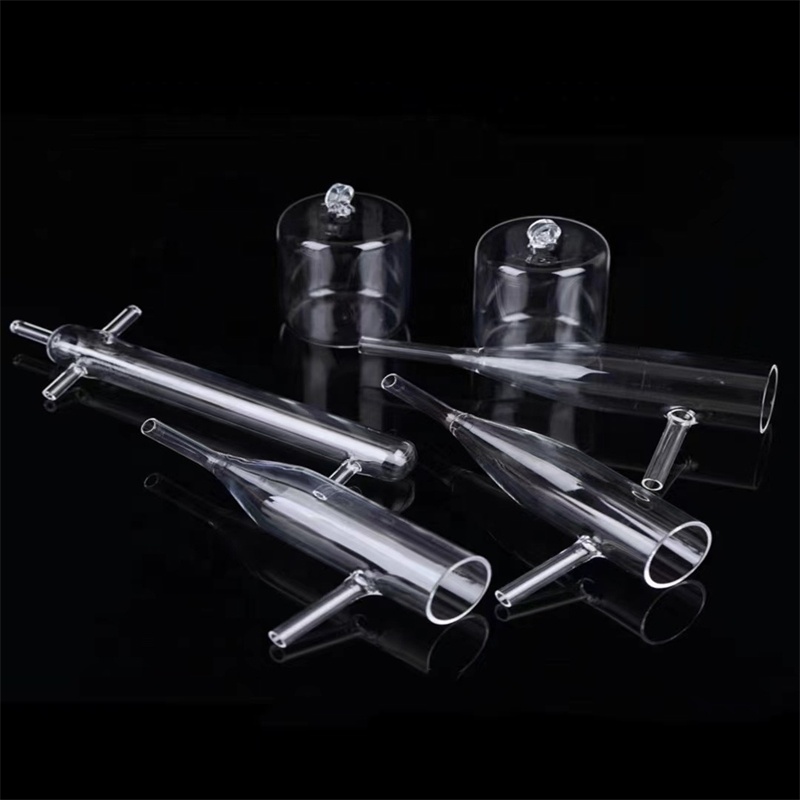
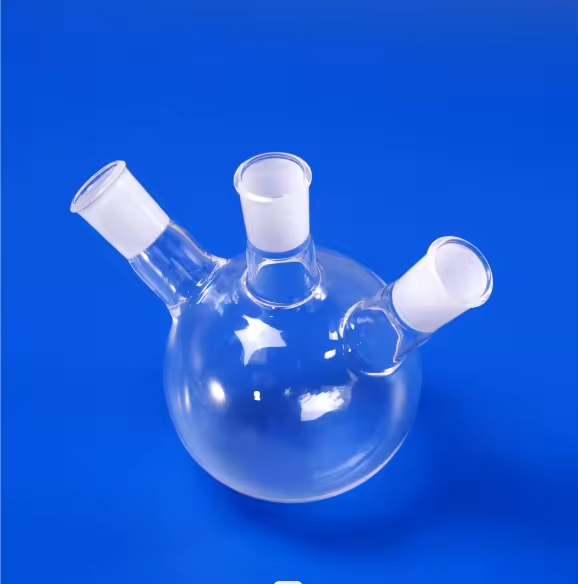
Northern Haiti's agricultural processing facilities—encompassing essential oil extraction (vetiver, citrus peel), molasses rectification, and commercial distillery operations—utilize custom twin-tube quartz flasks, digestion crucibles, and optical monitoring sight glasses. The complete resistance of fused silica to organic acids, hydrochloric acid, and nitric digestion solutions at boiling temperatures protects testing protocols against chemical leaching common in standard borosilicate glassware.
3. Water Purification, Municipal Testing & UV Disinfection Systems
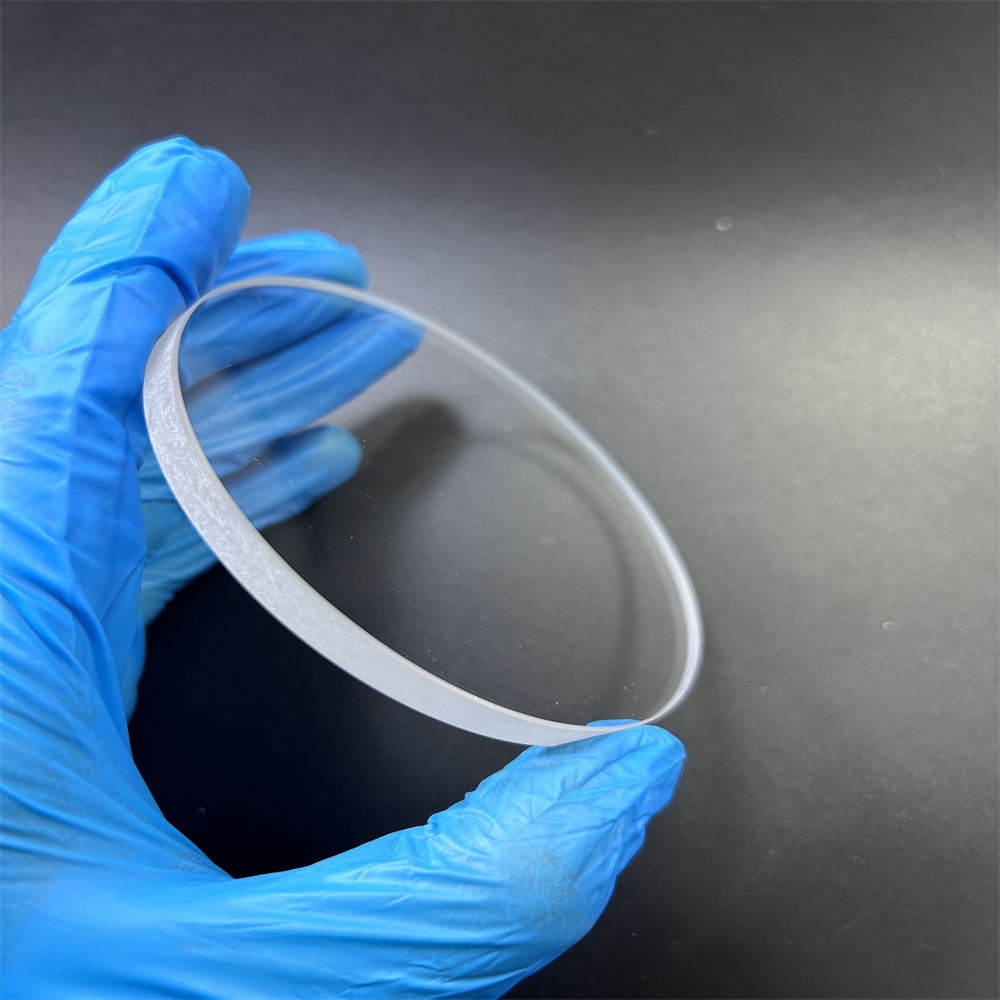
With infrastructure investments expanding across the Plaine du Nord, decentralized water safety testing and ultraviolet (UV-C) water purification stations utilize high-transmittance JGS1 and JGS2 optical quartz sleeves and sample cells. Fused quartz delivers greater than 90% transmission across the germicidal 254 nm wavelength band, preventing UV degradation or solarization that typically clouds inferior polymer or soda-lime glass sleeves.
4. Academic Research & Renewable Solar Thermal Projects
Educational laboratories at local northern universities (Campus Universitaire Roi Henri Christophe in nearby Limonade) and emerging solar energy validation programs demand CVD-grade quartz tubes, BET surface area analyzers, and high-vacuum quartz reaction boats for material science instruction, advanced catalytic testing, and sustainable energy development.
Procurement Trends & Industrial Development in Northern Haiti
The operational landscape for industrial supply procurement across the Caribbean and northern Hispaniola is evolving rapidly. Procurement heads and laboratory administrators in Cap-Haïtien face distinct geographic and economic dynamics that are reshaping fused quartz purchasing criteria:
- Demand for Extended Crucible Lifespan Under Thermal Cycling: Due to fluctuating power infrastructure in northern Haiti, furnace operations experience unexpected shutdowns and rapid temperature cycles. Facilities are transitioning away from inexpensive ceramic labware that suffers thermal shock fracturing to high-purity fused quartz crucibles that can be water-quenched from 1100°C without catastrophic failure.
- Direct-from-Manufacturer OEM Customization: Local engineering teams often retrofit legacy American and European furnace models. Rather than paying substantial markups for obsolete spare parts, procurement specialists are sourcing direct custom-to-drawing OEM quartz components with bespoke dimensions, ground-joint flanges, and laser-machined apertures.
- Port of Cap-Haïtien Logistics Integration: Direct maritime shipping routes connecting international processing hubs to the maritime port of Cap-Haïtien make ocean freight and expedited air shipments viable, reducing the transit risks and transshipment bottlenecks previously associated with centralized routing through Port-au-Prince.
- Specialized Shock-Proof Protective Export Packaging: Given transit conditions across island transport arteries, procurement mandates have elevated packing standards to multi-layer high-density polyethylene (EPE) foam dampening, individualized vacuum sealing, and fumigated reinforced wooden crating to guarantee 0% transit breakage.
Optical & Physical Specification Reference
| Physical / Chemical Property | JGS1 (Synthetic Fused Silica) | JGS2 (Fused Quartz UV/Vis) | JGS3 (Low-OH Fused Quartz IR) |
|---|---|---|---|
| Primary Spectral Range | 185 nm – 2500 nm (Deep UV) | 220 nm – 2500 nm (Standard Optical) | 260 nm – 3500 nm (Infrared) |
| SiO₂ Purity Content | ≥ 99.999% | ≥ 99.99% | ≥ 99.98% |
| Hydroxyl Content (OH⁻) | < 1200 ppm | < 150 – 200 ppm | < 20 ppm |
| Max Operating Temperature (Continuous) | 1100 °C | 1100 °C | 1150 °C |
| Max Short-Term Temperature | 1300 °C | 1300 °C | 1350 °C |
| Coefficient of Thermal Expansion | 5.5 × 10⁻⁷ /°C | 5.5 × 10⁻⁷ /°C | 5.5 × 10⁻⁷ /°C |