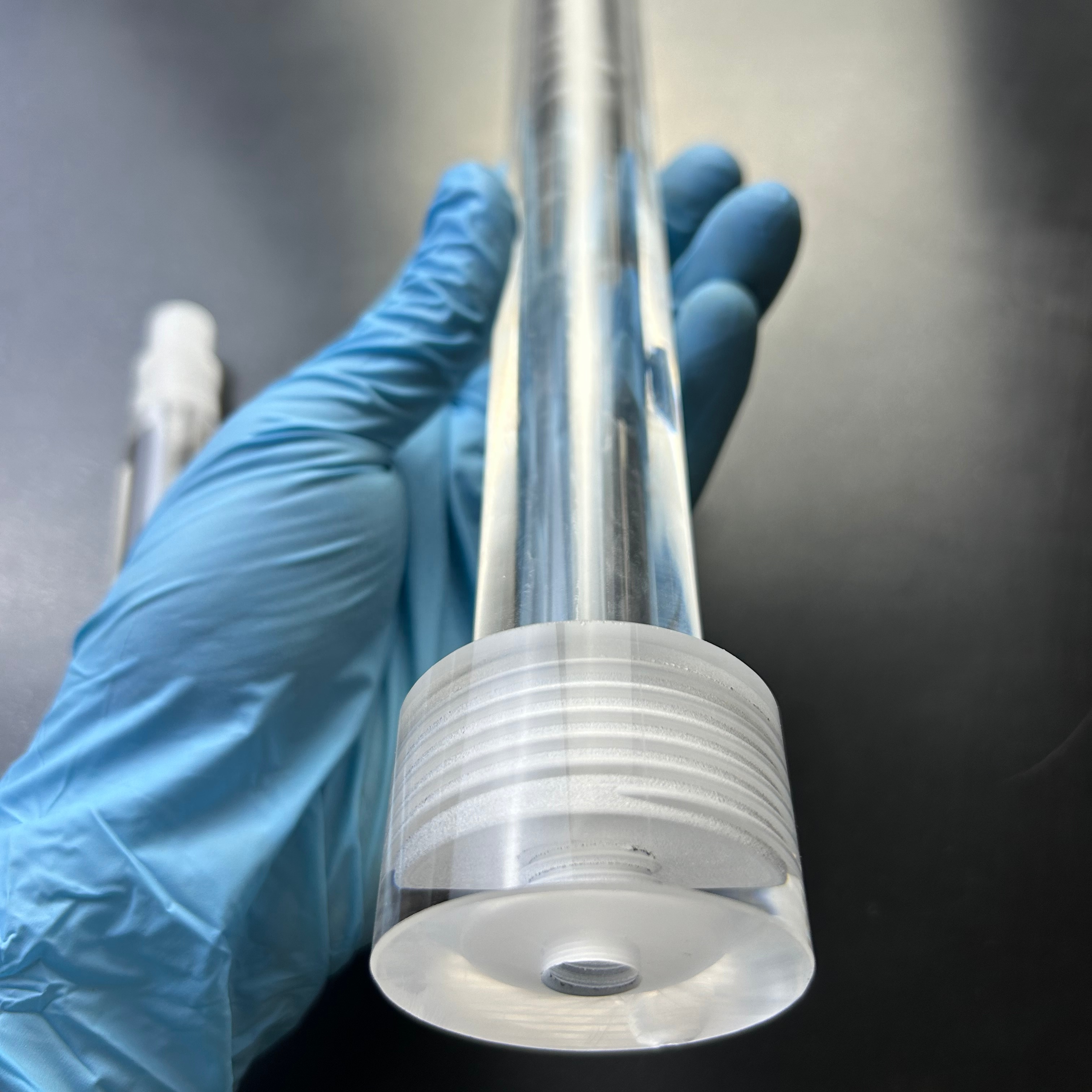
Customizable High Pressure 99.99% Pure Quartz Twin Tube
99.99% SiO₂ Purity
Flame Polished
Custom Twin Bore
Manufactured from high-purity quartz sands in Donghai County and precision-machined to exact dimensional specifications (±0.05 mm), ensuring reliable hydrolytic, high-pressure, and thermal endurance for rigorous Scandinavian testing standards.
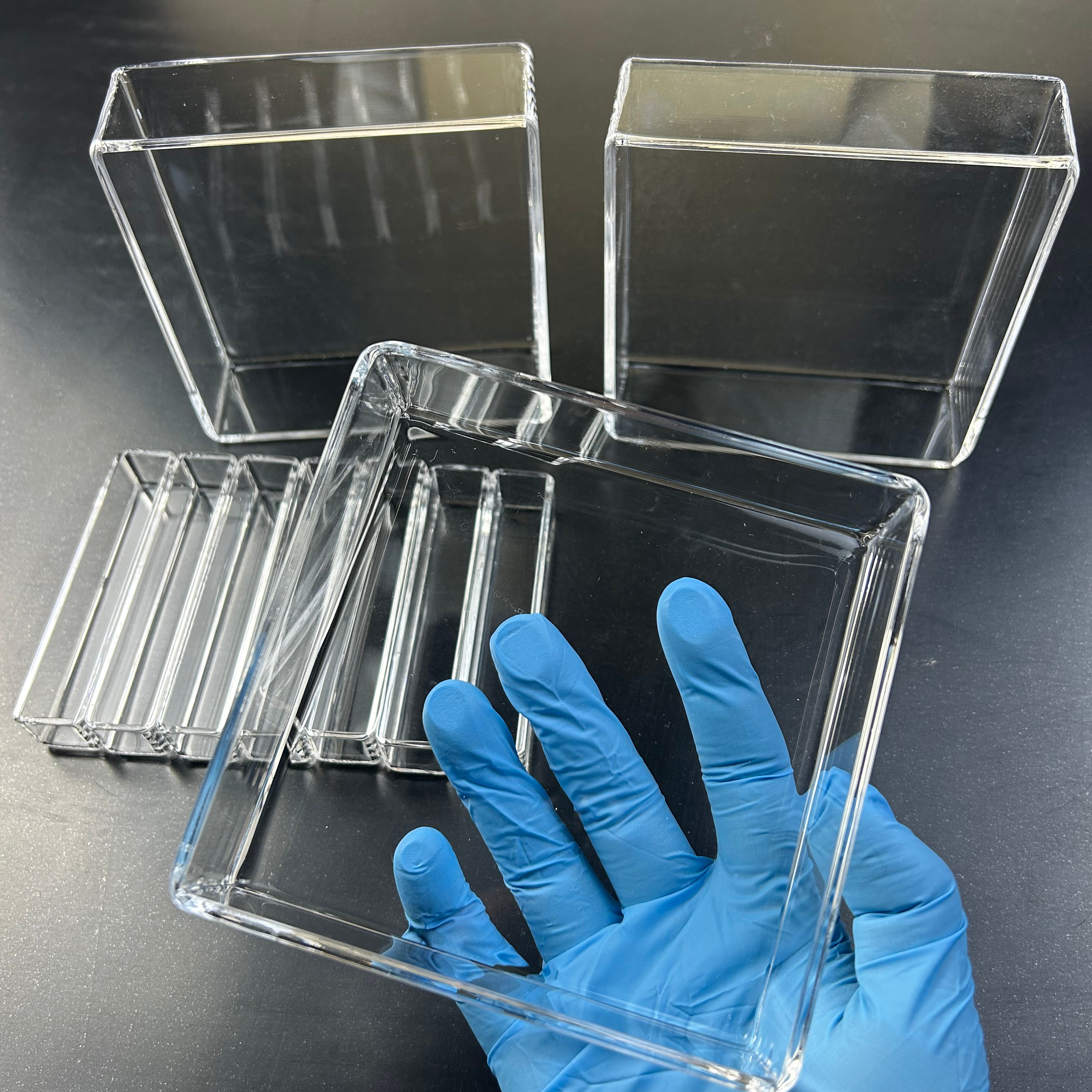
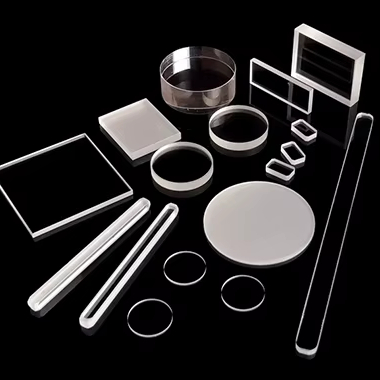
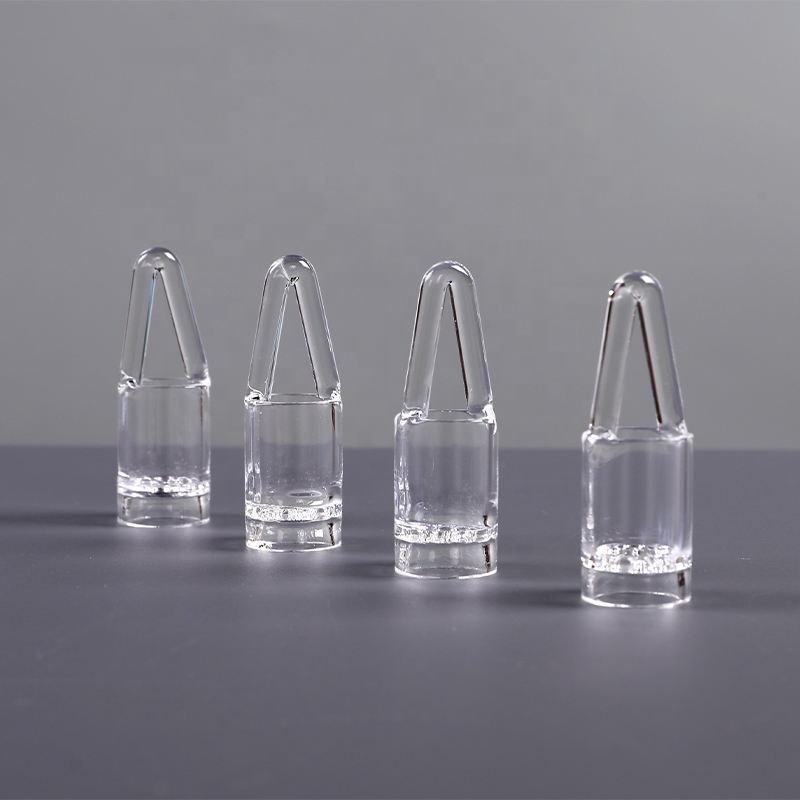
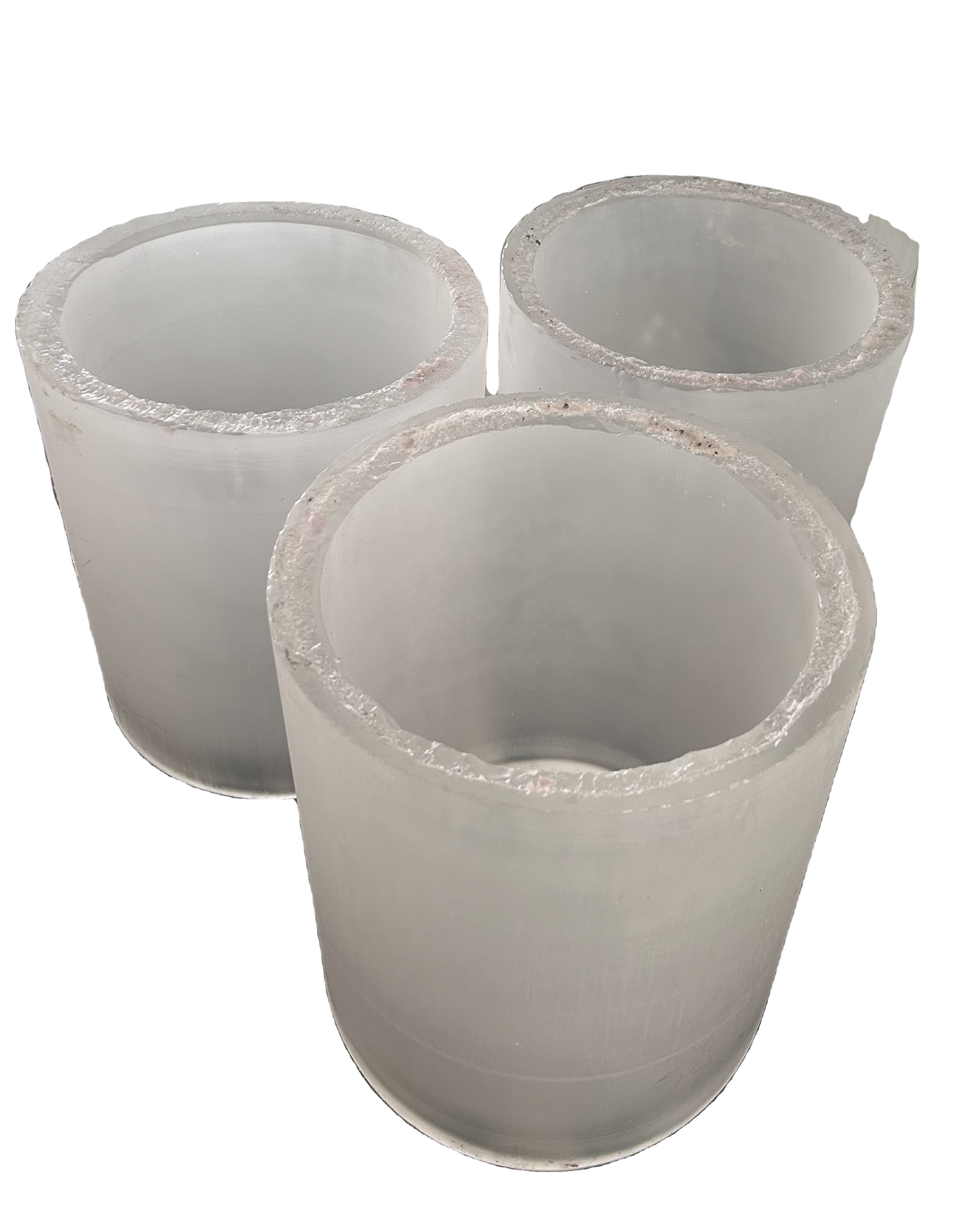
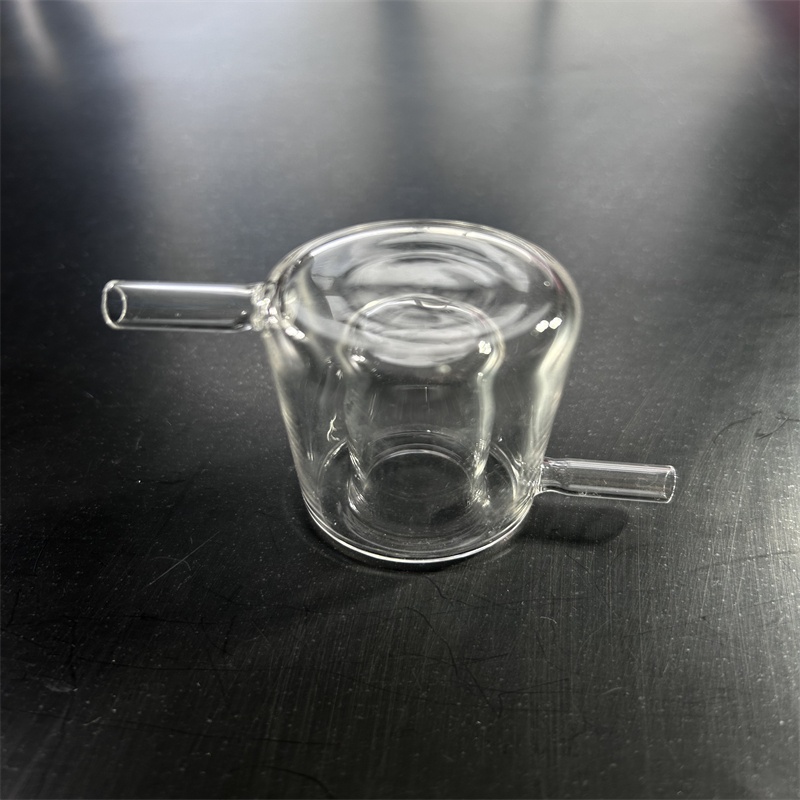
A rigorous chemical breakdown for process engineers, specifying optical grades (JGS1, JGS2, JGS3), thermodynamic thresholds, and geometric tolerances required for zero-failure high-pressure synthesis.
| Physical / Chemical Property | JGS1 (Synthetic Silica) | JGS2 (Optical Fused Quartz) | JGS3 (Infrared Fused Quartz) | Norwegian Testing Benchmark |
|---|---|---|---|---|
| SiO₂ Purity Ratio | ≥ 99.999% (≤ 1 ppm metals) | ≥ 99.99% (≤ 15 ppm metals) | ≥ 99.98% | ISO 17025 ICP-MS Verified |
| Hydroxyl [OH⁻] Content | < 1000 ppm (UV optimized) | < 150 ppm | ≤ 5 ppm (Infrared dry) | FTIR Spectroscopy (2.73 µm) |
| Spectral Transmission Band | 185 nm – 2500 nm | 220 nm – 2500 nm | 260 nm – 3500 nm | Shimadzu UV-3600 Plus / V-770 |
| Continuous Safe Work Temp | 1100 °C | 1100 °C | 1150 °C | DIN EN 1595 Pressure Systems |
| Short-Term Max Threshold | 1300 °C | 1300 °C | 1350 °C | Thermal Creep & Sagging Test |
| Thermal Expansion (CTE) | 5.5 × 10⁻⁷ / °C (20–320 °C) | 5.5 × 10⁻⁷ / °C | 5.4 × 10⁻⁷ / °C | Instant Quench from 1100°C into Water |
| Mechanical Annealing Point | 1180 °C – 1215 °C | 1210 °C | 1220 °C | Full Vacuum Oven Stress Relieved |
From the North Sea continental shelf to battery gigafactories and Arctic marine research stations, our custom OEM quartz reaction vessels satisfy the exacting operating criteria of Norway’s most demanding technological sectors.
Offshore installations operating in the Ekofisk, Troll, and Johan Sverdrup oil and gas fields require specialized autoclave sample tubes and HPHT (High-Pressure High-Temperature) quartz sight glasses. Our quartz reaction cylinders withstand brutal hydrocarbon mixtures containing aggressive hydrogen sulfide (H₂S) and wet carbon dioxide (CO₂) where conventional borosilicate glasses suffer stress corrosion cracking and opacity degradation.
As Norway accelerates its clean transition through investments in Western Norway (Vestland) and Porsgrunn, research institutions like SINTEF and IFE deploy our quartz photochemical twin-tubes and multi-port electrolysis cells. High spectral transparency in the deep UV spectrum (>90% at 254 nm) ensures maximum photon absorption during photo-catalytic water splitting and carbon capture, utilization, and storage (CCUS) validation trials.
Norway's emerging battery corridor in Arendal and Mo i Rana depends on contaminant-free thermal synthesis. Trace metallic impurities (such as iron, copper, and alkali metals) in standard reaction vessels can poison cathode precursor crystals. Zunex high-purity quartz crucibles (>99.99% SiO₂, total metals <15 ppm) deliver pristine thermal insulation and zero cross-contamination during calcination and lithium-silicon solid-state electrolyte development.
Home to global leaders in ultra-pure silicon (such as Elkem and REC Solar), Norwegian metallurgy clusters in Kristiansand and Trondheim rely on our heavy-wall quartz reaction tubes and reduction chambers. Our fused silica vessels resist violent thermal cycling from room temperature to 1100 °C without devitrification, allowing engineers to analyze fluidized bed silane gas pyrolysis and semiconductor-grade crystal pulling.
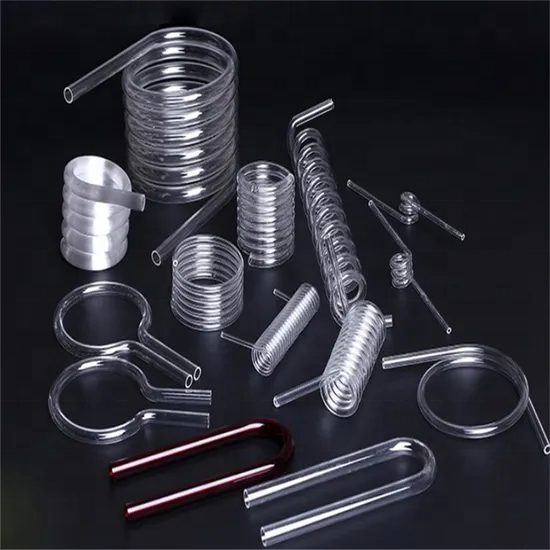
Marine research centers at UiT The Arctic University of Tromsø and aquaculture labs in Bergen cultivate specialized sub-polar microalgae and cold-water marine organisms. Our precision-blown spiral quartz reactors and jacketed culture vessels provide flawless internal surface smoothness, preventing biofilm adherence while transmitting precise visible and UV irradiation profiles crucial for bioactive compound extraction.
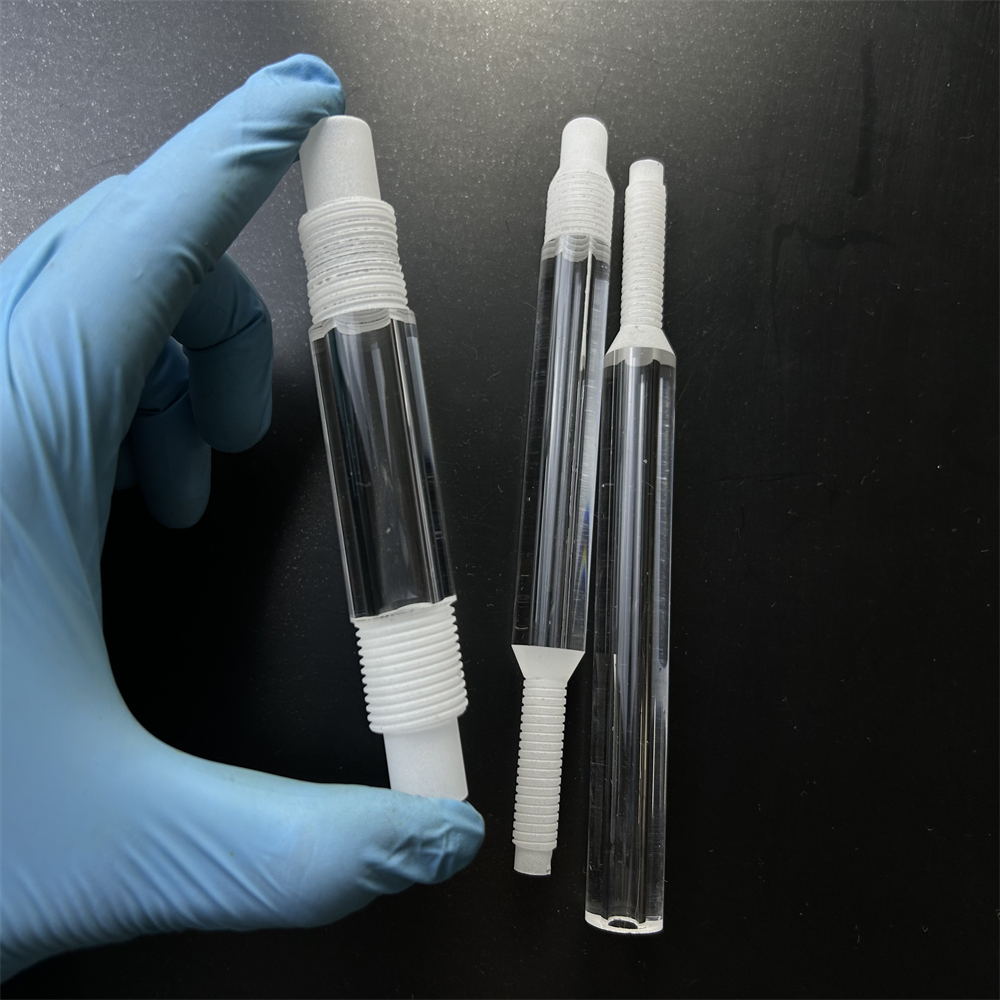
Research departments across NTNU (Trondheim) and the University of Oslo (UiO) require bespoke quartz reaction glassware designed strictly from CAD/STEP drawings. Whether configured with quartz ground-joints, thermocouple wells, internal porous quartz frit filters, or laser-slotted gas diffusers, Zunex provides rapid-turnaround custom scientific prototypes matching European research grant specifications.
How stringent EEA environmental protocols, high-pressure synthesis requirements, and automation shifts are redefining technical procurement standards for high-temperature containment vessels.
Norwegian chemical manufacturers and university procurement offices are subject to strict Norwegian Environment Agency (Miljødirektoratet) and European REACH regulations. Quartzware imported from overseas must carry comprehensive Certificate of Analysis (CoA) documentation detailing trace impurities. Buyers refuse uncertified glassware that could leach heavy metals (Pb, As, Cd) into micro-analytical systems. Zunex provides full material batch traceability and RoHS compliance on every consignment.
Traditional batch reaction tanks in pharmaceutical and specialty chemical synthesis are rapidly migrating toward continuous micro-channel reactors. In Norway’s high-cost labor environment, automated continuous micro-reactors optimize heat transfer and yield while drastically reducing reagent volumes. This transition demands high-precision quartz capillary coils, U-tubes, and twin tubes with internal dimensional tolerances within ±0.05 mm to prevent laminar flow irregularities.
With Norway spearheading massive carbon storage initiatives (e.g., the Northern Lights project), experimental reaction vessels must handle supercritical carbon dioxide (sCO₂) under pressures exceeding 150 bar. Standard quartz glass exhibits severe failure risks if thermal stress points or microscopic bubbles exist in the wall. Fabricators serving the Norwegian market must adopt vacuum flame fusion and rigorous optical polariscope inspections to ensure zero residual wall stress.
Located in Donghai County, Jiangsu Province—globally acknowledged as the primary crystal and high-purity quartz manufacturing hub—Zunex Quartz Products Co., Ltd. operates a vertically integrated production ecosystem. We seamlessly integrate raw quartz sand refining, automated thermal tube drawing, precision glassblower lathe fabrication, and multi-axis CNC laser finishing.
Rather than relying on third-party sub-contractors, every high-pressure quartz reactor tube, optical window, and customized flange is handled in-house. Our experienced glass artisans perform high-temperature flame annealing at 1215 °C to eliminate all structural stresses, guaranteeing that vessels exported to Norwegian clients perform under cyclical thermal shocks up to 1100 °C.
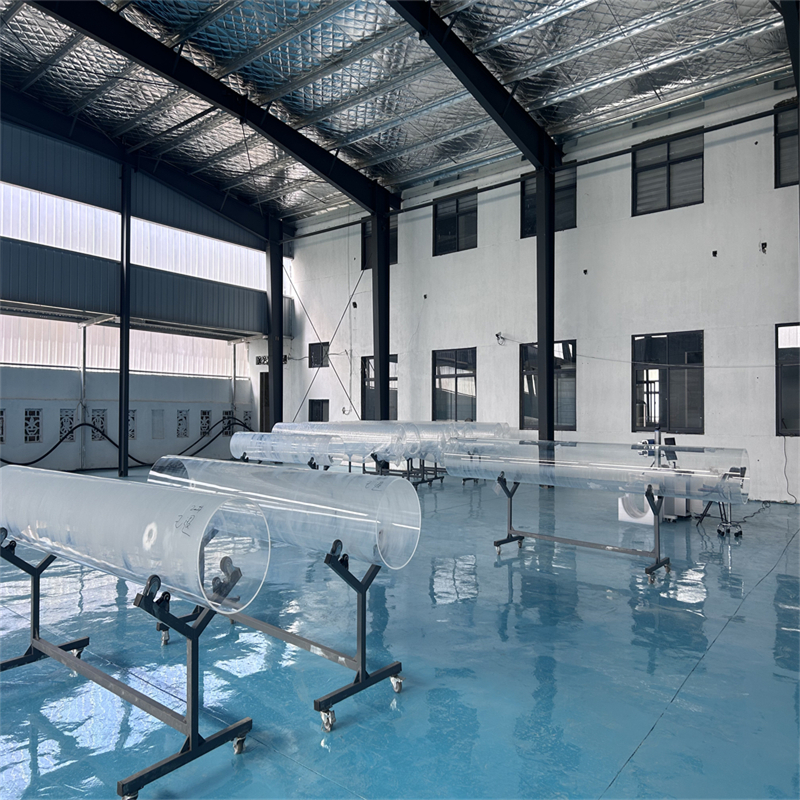 Thermal Lathe Shaping
 Optical Grinding & Lapping
 Quality Metrology Inspection
Direct engineer consultation on chemical compatibility & tolerancing
Essential trade details covering Norwegian import customs (Toll.no), DDP logistics to Oslo/Bergen/Stavanger, temperature-shock packaging, and material compliance certifications.
Send us your engineering drawings, process operating parameters, or custom vessel specifications. Our technical sales engineers review tolerances, thermal limits, and processing routes to provide a comprehensive quotation with delivery estimates within 2 hours.