Engineered Fused Quartz Solutions for Industrial Systems
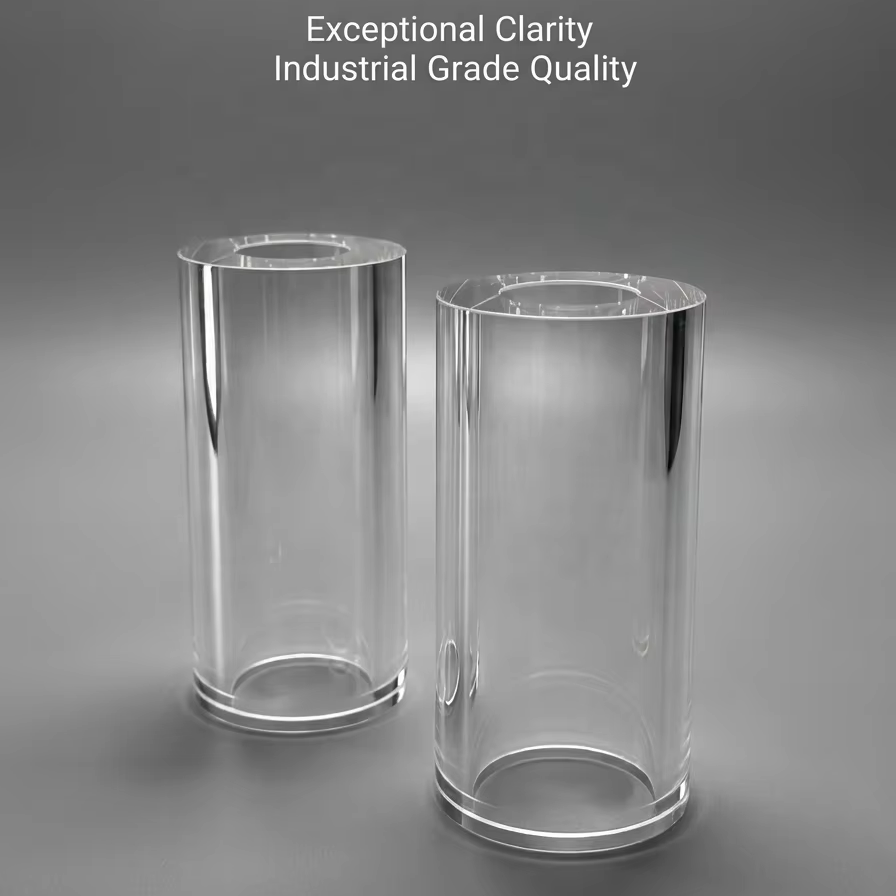
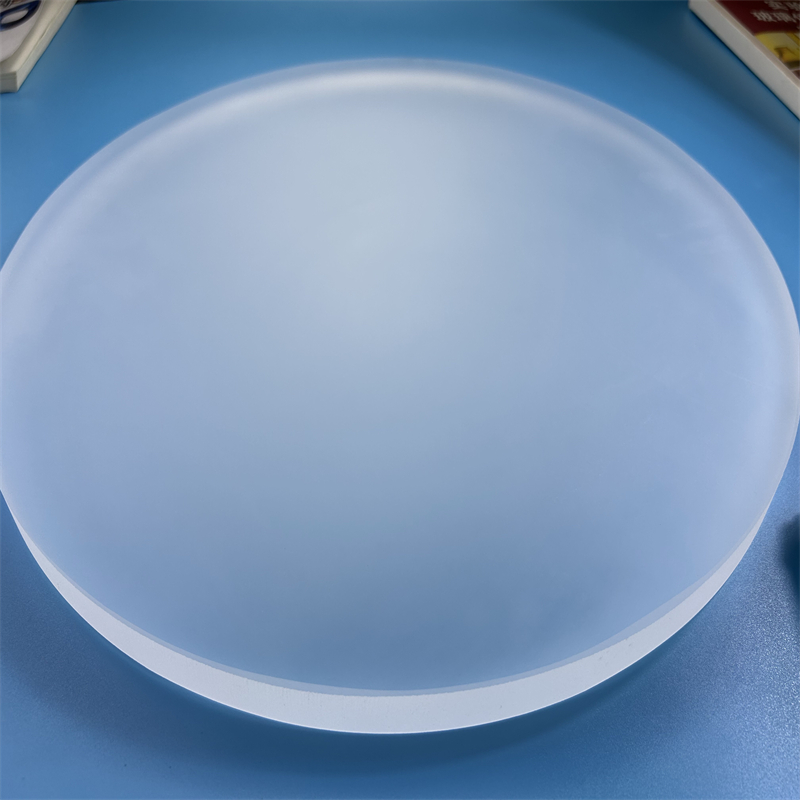
Manufactured from high-purity natural silica sand in Donghai County with strict dimensional tolerances, advanced laser micro-machining, and stress-relieved thermal annealing.

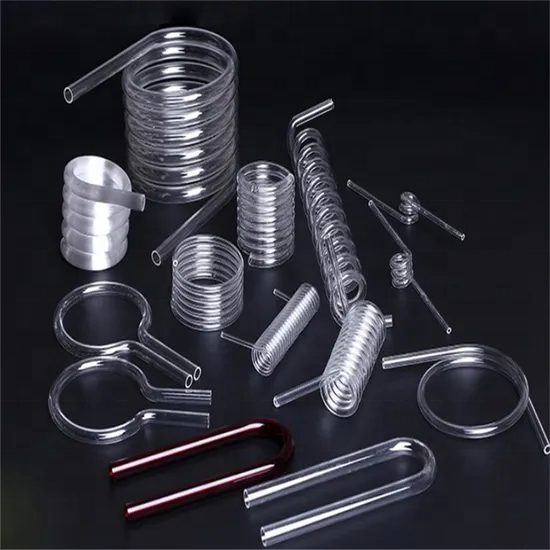
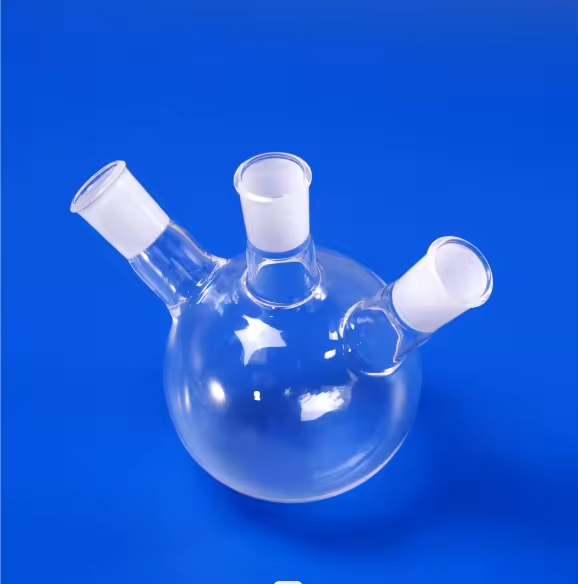
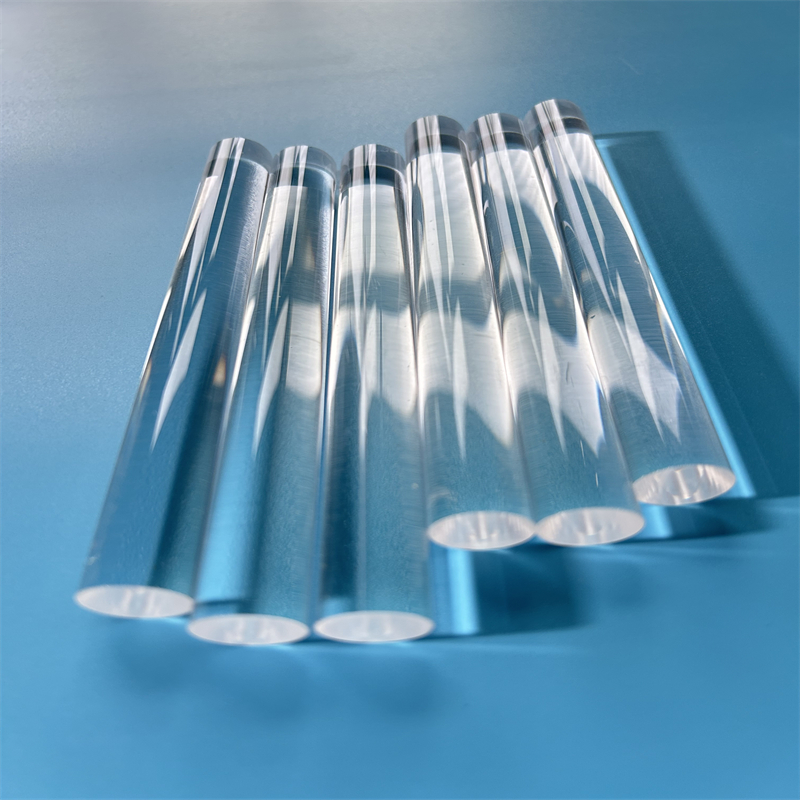
Deploying U-Bent Quartz Components in Busan's Industrial Hub
Busan is transitioning from a traditional port metropolis into a smart maritime manufacturing and green corridor, demanding quartz materials with near-zero thermal expansion and impervious chemical inertness.
Maritime Desulfurization & Scrubber Monitoring
Busan Port handles ultra-large container ships requiring compliance with IMO Tier III NOx and MARPOL sulfur emission limits. Our U-bent quartz tubes serve as continuous optical emission monitoring (CEMS) sensor sleeves and heated sampling manifolds, withstanding harsh sulfuric vapor condensation and localized salt spray without devitrification.
Industrial Clean-Air & Ballast UV Sterilization
The Korean shipbuilding ecosystem demands robust Ballast Water Management Systems (BWMS) and water sterilization channels. Precision-bent ozone-free quartz tubes and twin heating sleeves maximize 254 nm germicidal UV dosage while enduring intense hydrostatic pulsing and saline wash conditions across deep-water vessels.
Gyeongnam Power Semiconductor & R&D Hubs
With Busan’s Power Semiconductor Commercialization Center expanding SiC/GaN power electronics, thermal furnace tubes, CVD injector coils, and custom U-bends must maintain trace metal contamination below 5 ppm, preventing wafer lattice lattice breakdown under rapid thermal annealing (RTA).
Thermal Uniformity & Hot-Bending Metallurgy
Fabricating U-bent quartz requires acute control over wall-thinning dynamics and precise flame-working parameters to prevent stress concentration and optical distortion.
At Zunex Quartz Products Co., Ltd., bending fused silica glass is governed by controlled hydrogen-oxygen flame automation. When quartz reaches its softening zone (approx. 1683 °C), centrifugal and gravitational deformation must be countered with positive inert argon gas pressurization. This ensures the bend radius ovality remains under 3.5% and inner wall thickness is maintained within ±0.15 mm.
| Physical / Thermal Parameter | Standard Grade (Fused Natural Quartz) | Optical / Semi Grade (JGS1 / Synthetic Silica) | Testing Protocol |
|---|---|---|---|
| Purity (SiO₂ Weight %) | ≥ 99.98% | ≥ 99.999% | Inductively Coupled Plasma (ICP-MS) |
| Hydroxyl Content (OH⁻ ppm) | ≤ 30 ppm (standard) / ≤ 5 ppm (dehydroxylated) | ≤ 1 ppm (JGS3) to ≥ 1200 ppm (JGS1) | FTIR Spectrometry at 2.73 μm |
| Coefficient of Thermal Expansion (CTE) | 5.5 × 10⁻⁷ / °C (20 °C – 320 °C) | 5.4 × 10⁻⁷ / °C (20 °C – 320 °C) | ASTM E228 Dilatometry |
| Softening Point / Annealing Point | 1683 °C / 1215 °C | 1730 °C / 1180 °C | ASTM C338 / Fiber Elongation |
| Bending Wall Tolerance | ± 0.15 mm to ± 0.25 mm | ± 0.08 mm to ± 0.12 mm | Ultrasonic Non-Destructive Thickness Gauge |
Emerging Trends Across Busan's Maritime & Energy Sector
How local carbon neutrality targets, hydrogen-blend combustion tests, and next-generation power semiconductor infrastructure impact custom quartz component engineering.
Ammonia & Hydrogen Dual-Fuel Engine Testing
Busan-based marine research institutes are piloting hydrogen and cracked ammonia as zero-carbon engine fuels. Combustion chambers operating at elevated pressures require transparent U-bent quartz observation passages and high-purity optical tubes that resist hydrogen embrittlement and alkali gas erosion under cyclical stress.
Near-Shore Hydrogen Water Electrolysis
Busan's Eco Delta City and Port authority green hydrogen initiatives rely on high-temperature solid oxide electrolysis cells (SOEC). Custom multi-bent quartz twin tubes with precision fire-polished flanges serve as hermetic thermal shields and thermocouple protecting envelopes resisting thermal shock up to 1100 °C.
Localized Supply Security & Rapid Sourcing
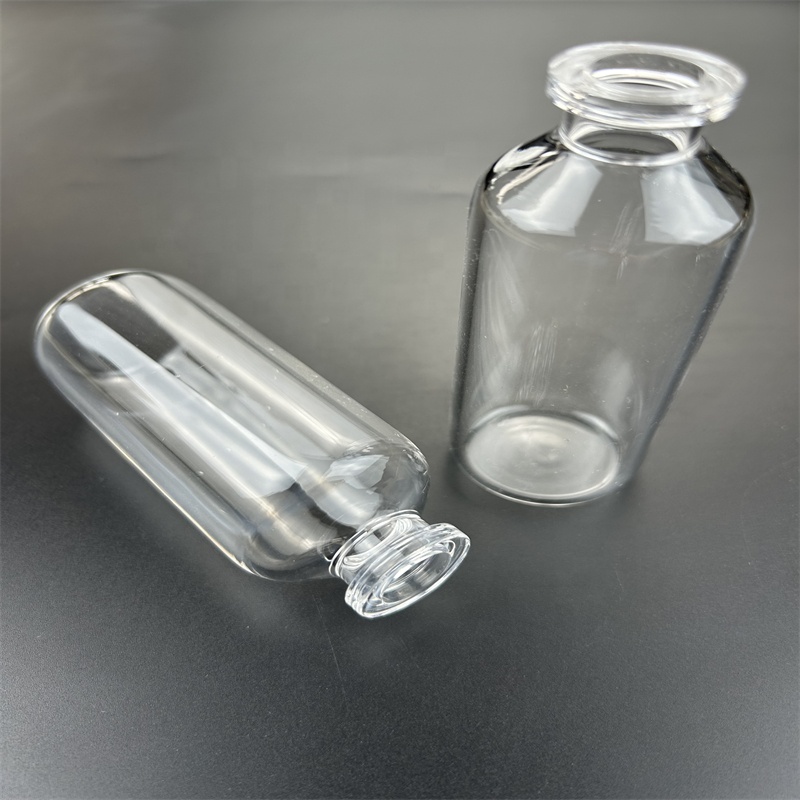
Korean manufacturing operations increasingly seek OEM partners capable of turning around CAD files into physical precision quartz within 10 to 14 business days, eliminating long supply chain delays for replacement furnace liners, twin-bore quartz tubes, and quartz glass ampoules.
Why Busan Engineers Source From Zunex Quartz
Direct from Donghai County—the world-recognized epicenter of natural crystal and silica glass processing—delivering factory-direct cost efficiency with global standards.
OEM to Detailed Technical Drawing
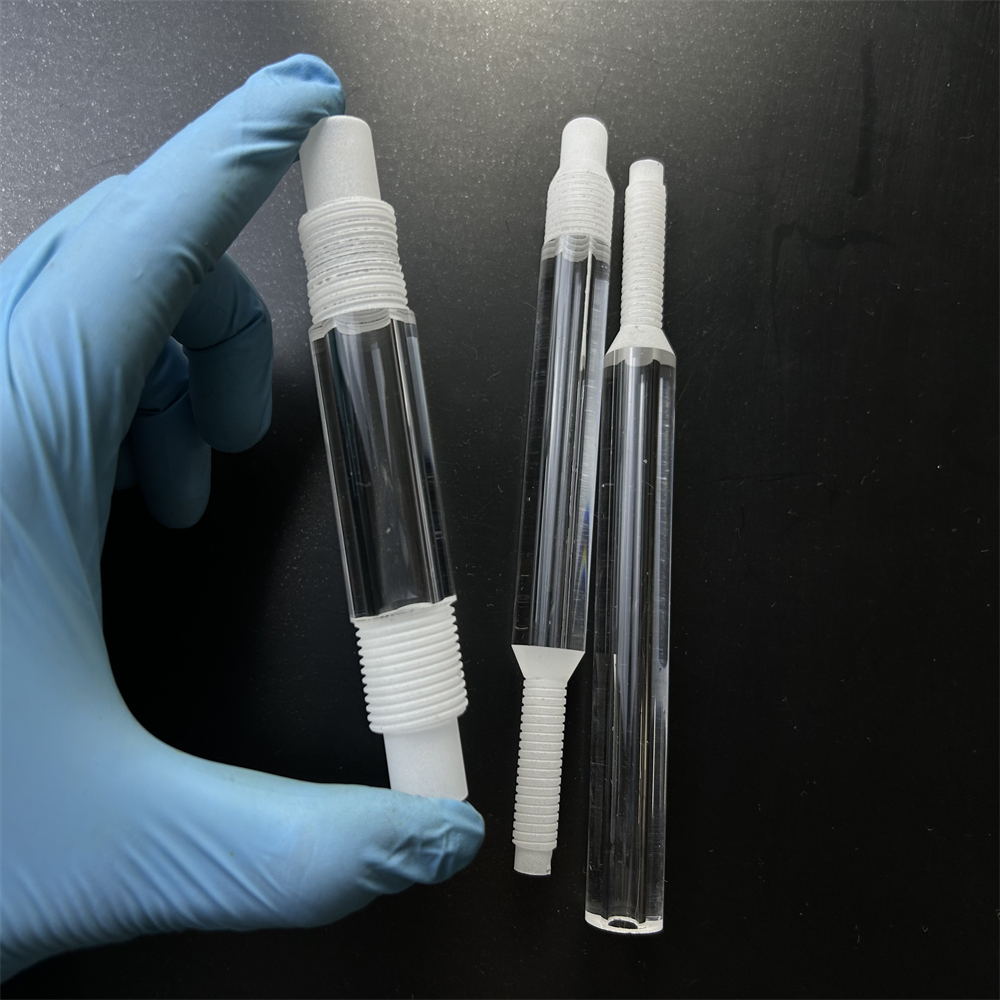
From CAD, STEP, or DWG schematics, our workshop handles flame hot-bending, laser precision drilling, internal threading, and CNC cold milling within micron-scale tolerances.
Rapid ≤ 2-Hour Engineering Response
Every commercial RFQ is audited by an experienced quartz glass engineer within two hours, confirming bend radii, thickness limits, and material grades (JGS1, JGS2, JGS3).
Shock-Proof Cleanroom Export Packing
All quartz bends and twin tubes undergo ultrasonic bath de-greasing, multi-layer bubble damping, vacuum poly-bagging, and reinforced fumigated export wooden crating.
Alibaba Verified Trade Track Record
Backed by US$2.5M to US$5M annual production capacity, 100% on-time delivery ratings, and an established 43% buyer repeat-order rate across major international markets.
Frequently Asked Questions by Busan Buyers
Answers to common queries regarding lead times, shipping through Busan Port, technical grades, and minimum order requirements.
What is the standard logistics timeline from your factory to Busan Port or Gimhae Airport?
Can you produce U-bent tubes with non-standard radius (R) and integrated fittings?
How does Zunex prevent devitrification (whitening) in high-temperature applications?
What are the differences between JGS1, JGS2, and JGS3 quartz for U-bent parts?
What is your Minimum Order Quantity (MOQ) for custom fabricated quartz pieces?
Need Custom Quartz Glass Bent to Your Precise Drawing?
Submit your CAD, STEP, or PDF specifications. Our engineers will audit thermal tolerances, review material compatibility, and return a competitive factory-direct quote within 2 hours.