Featured CVD Furnace Tubes & Engineered Quartzware
Engineered in our ISO-controlled Donghai facilities with automated flame fusion, precision CNC cold machining, and high-frequency laser drilling for high-temperature semiconductor, PV, and coating applications.
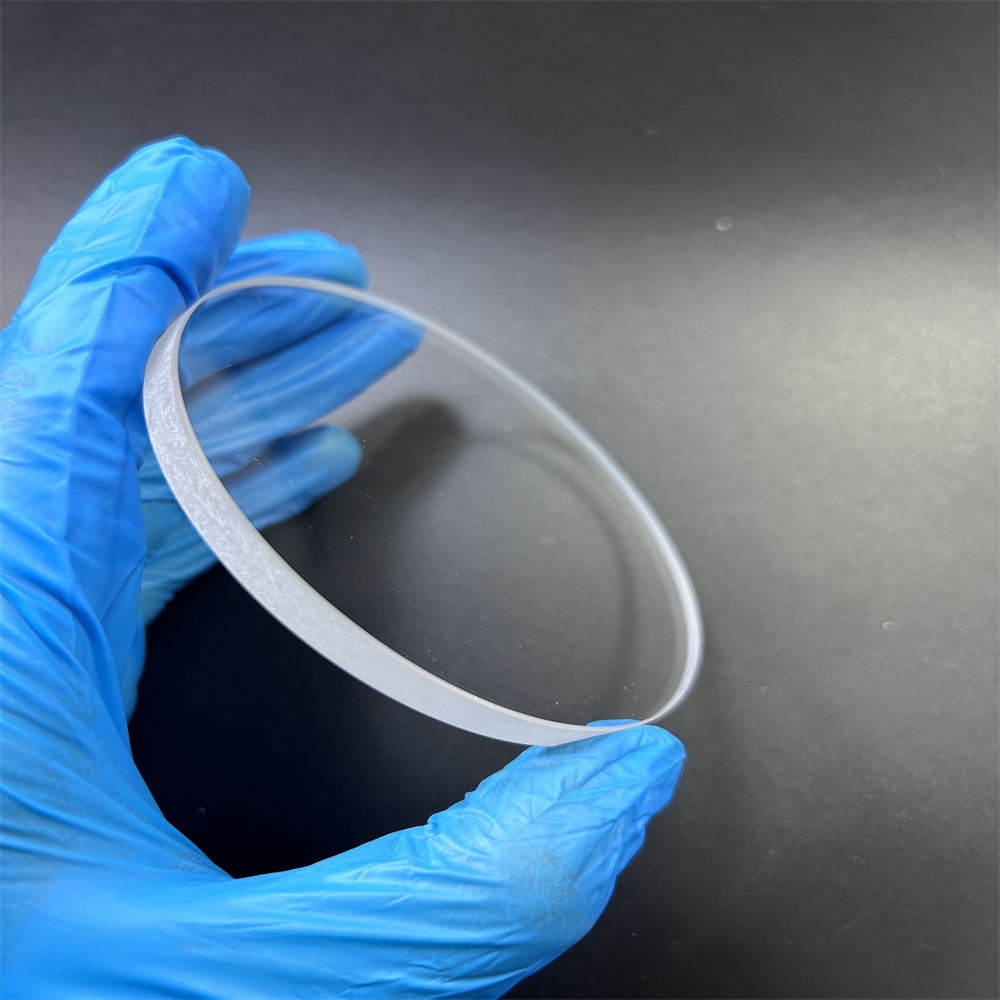
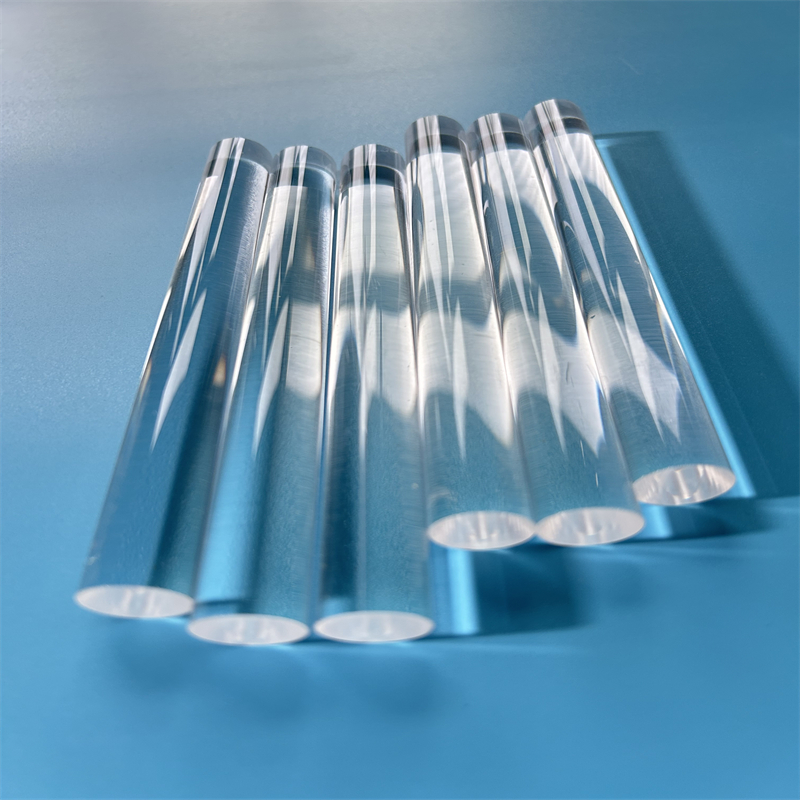
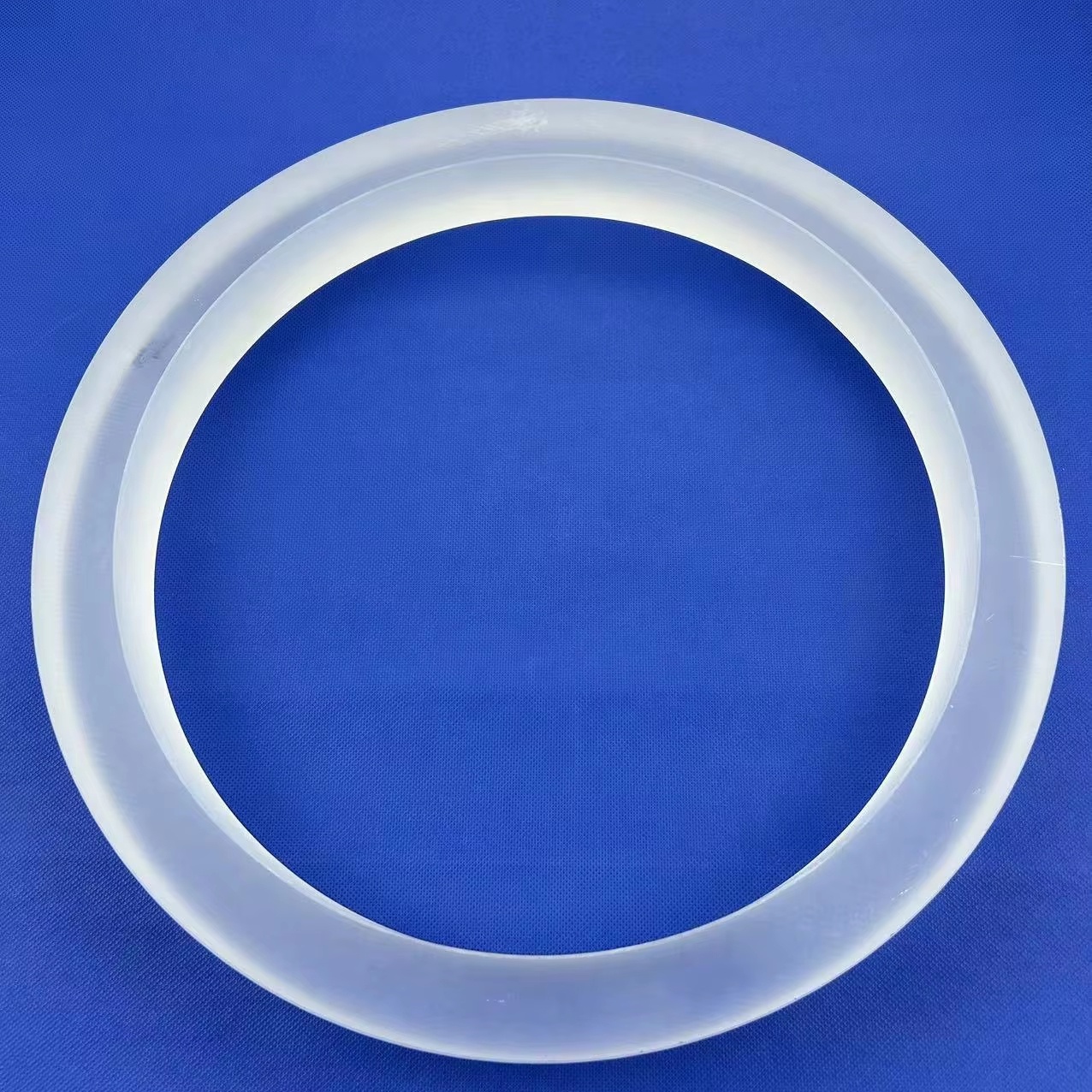
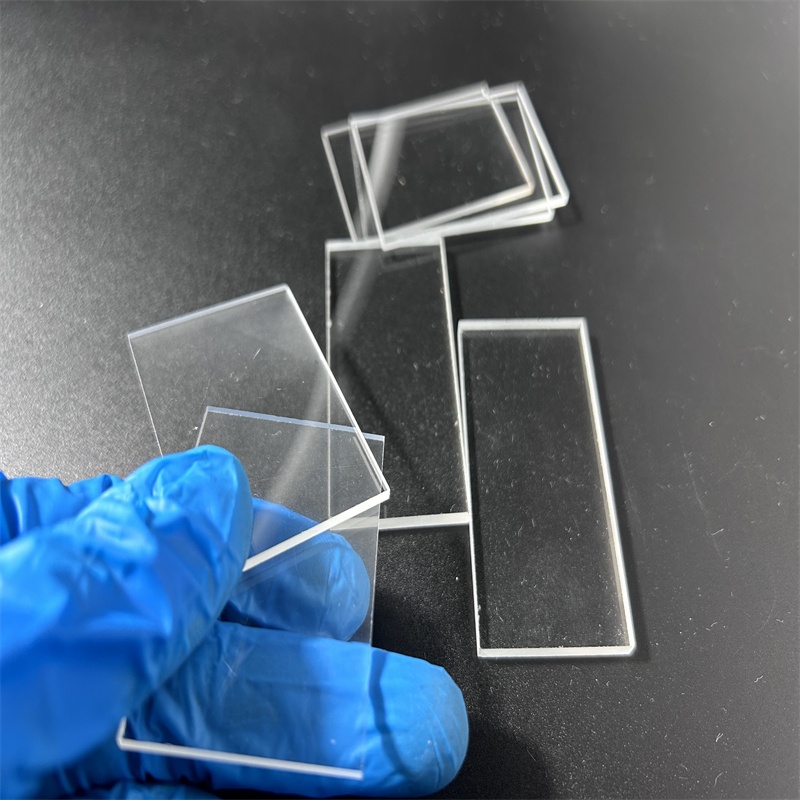
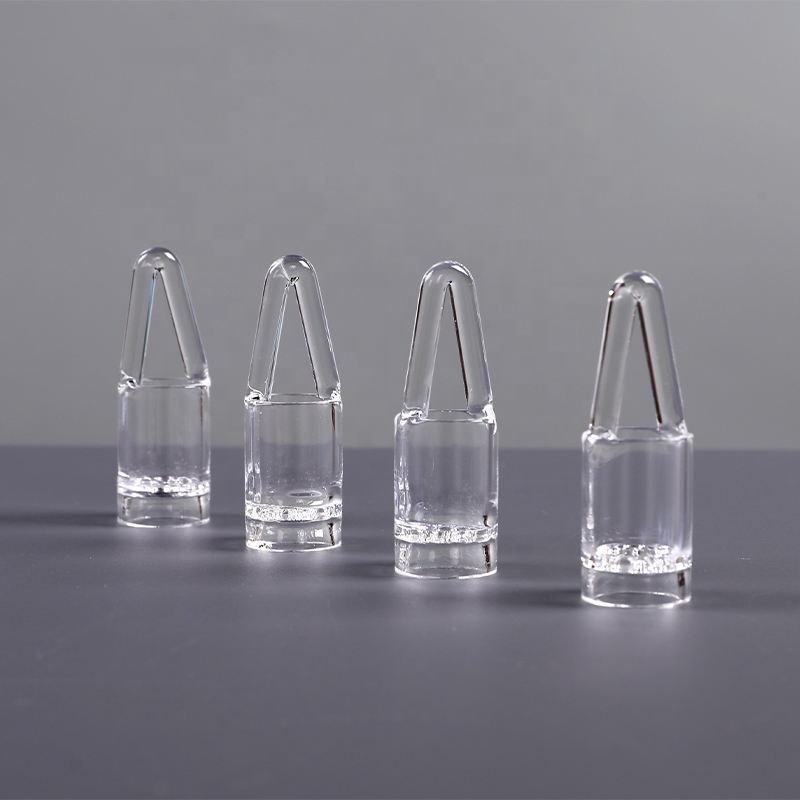
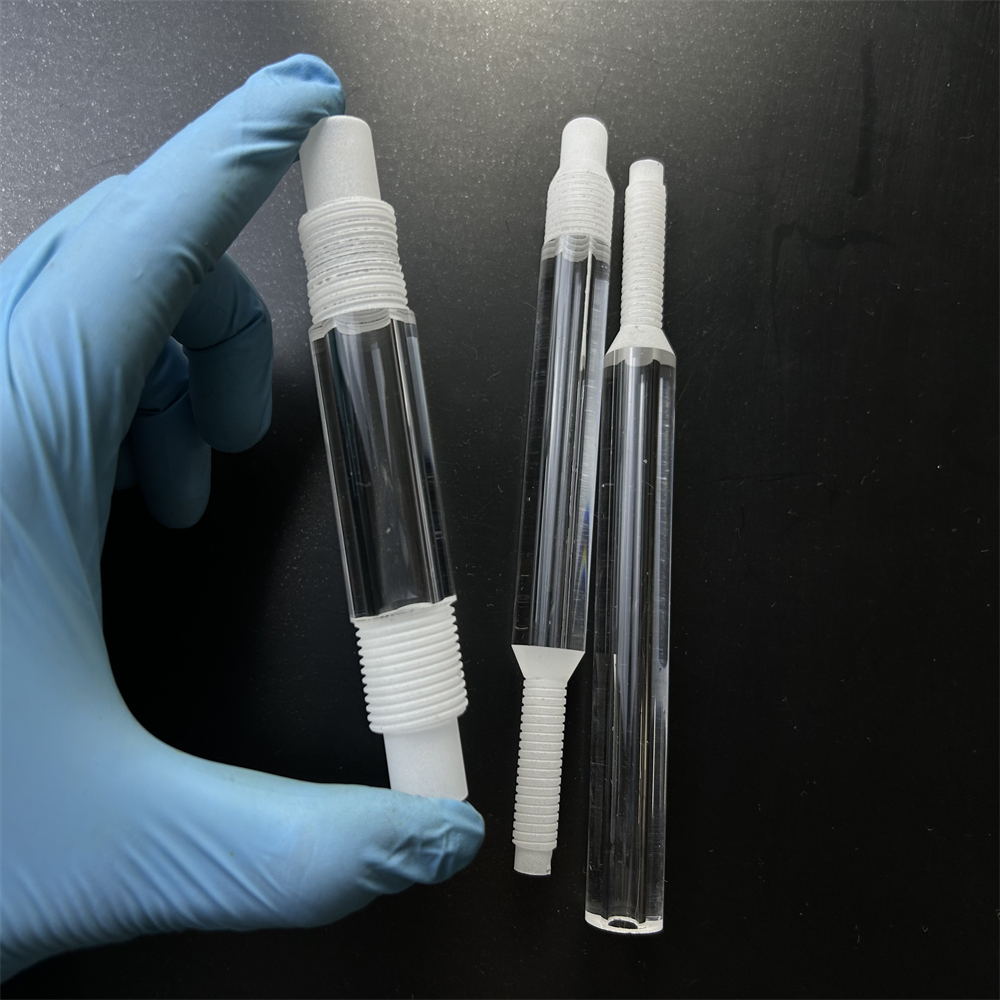
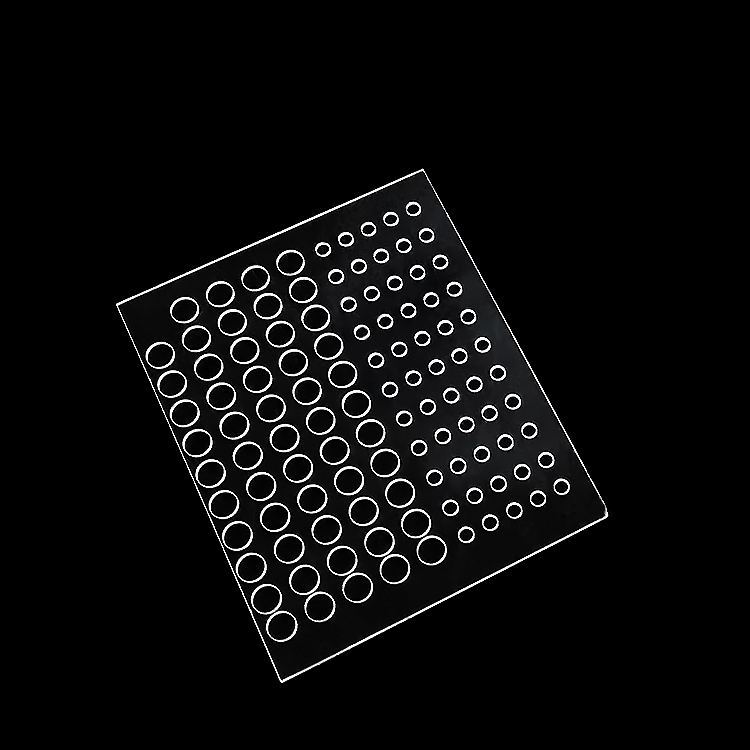
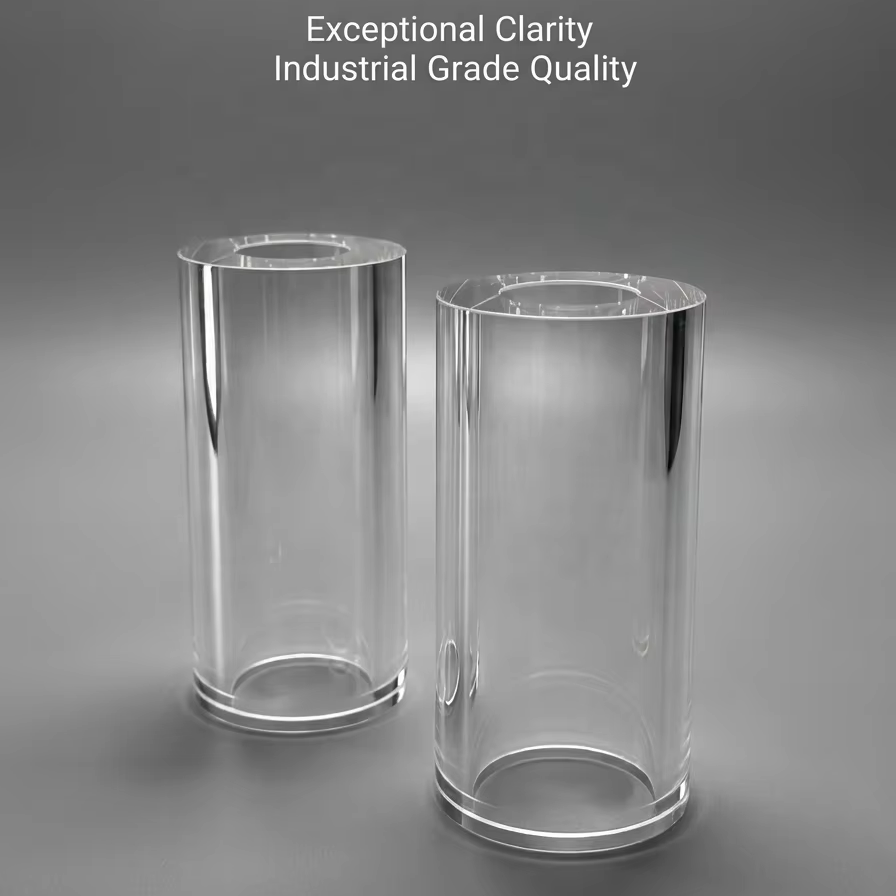
High-Purity Quartz Metallurgy in Monterrey’s Advanced Manufacturing Ecosystem
The Metropolitan Area of Monterrey, spanning Apodaca, Pesquería, Santa Catarina, Cienega de Flores, and San Pedro Garza García, has undergone a structural pivot from traditional metallurgical processing toward high-value semiconductor packaging, automotive power electronics, thin-film photovoltaics, and plasma vapor deposition (CVD/PVD). As tier-1 suppliers and multinational manufacturing clusters accelerate operations in Nuevo León under nearshoring dynamics, the demand for high-integrity refractory quartz hardware has transitioned from commodity glassware to micro-tolerance semiconductor-grade fused silica.
Chemical Vapor Deposition (CVD), Low-Pressure CVD (LPCVD), and Plasma-Enhanced CVD (PECVD) demand furnace chambers capable of enduring cyclic thermal ramping without lattice deformation or catastrophic devitrification. Operating at atmospheric pressures or high vacuum under silane (SiH₄), dichlorosilane (SiH₂Cl₂), ammonia (NH₃), and toxic organometallic precursors, process reactors require internal wall purity that prevents trace alkali migration (Na, K, Li, Fe). Even parts-per-billion contamination can compromise wafer gate oxides or degrade advanced optical coatings.
Technical Consideration for Nuevo León Fabs: Monterrey's semi-arid, high-ambient summer temperatures, coupled with regional grid fluctuations, require furnace tubes with exceptionally low thermal expansion coefficients (5.5 × 10⁻⁷ /°C) to withstand emergency power-cycle quench shocks without fracturing.
Localized Industrial Applications Across Monterrey Clusters
Within Apodaca’s precision electronics clusters and Santa Catarina’s thin-film coating facilities, quartz furnace tubes serve distinct mission-critical functions:
- Automotive Power Electronics (Silicon Carbide & GaN Epitaxy): High-temperature annealing and diffusion tubes fabricated to sustain 1100°C–1250°C environments for electric vehicle inverter wafer batches.
- Photovoltaic & Thin-Film Surface Modification: Large-diameter (OD 150mm to 450mm) horizontal quartz process chambers facilitating uniform gas distributions in anti-reflective coating lines.
- PVD/CVD Hard Coatings for Tooling: Monterrey's heavy metalworking and die-casting toolmakers utilize high-vacuum CVD furnace tubes for titanium aluminum nitride (TiAlN) and diamond-like carbon (DLC) surface treatments.
- University & R&D Research Centers: Materials science laboratories at institutions such as UANL (Universidad Autónoma de Nuevo León) and ITESM rely on customized BET quartz sample tubes, quartz combustion boats, and laser-drilled optical reaction viewports.
Fused Quartz Physical Properties & Grade Selection
Carefully selecting between synthetic fused silica (JGS1), optical grade fused quartz (JGS2), and low-hydroxyl infrared grade (JGS3) ensures structural longevity and eliminates process contamination.
| Material Property | Standard CVD Grade Fused Quartz | High-Purity Synthetic Fused Silica | Testing Protocol / Standards |
|---|---|---|---|
| SiO₂ Purity Level | ≥ 99.99% (Low metallic inclusions) | ≥ 99.999% (Trace metals < 0.1 ppm) | ICP-MS Spectrometry |
| Maximum Working Temperature | 1100°C (Continuous) / 1300°C (Peak) | 1150°C (Continuous) / 1350°C (Peak) | ASTM C385 Thermal Shock |
| Softening Point | 1683°C | 1730°C | Dilatometric Softening Analysis |
| Thermal Expansion (CTE) | 5.5 × 10⁻⁷ /°C (20°C – 320°C) | 5.2 × 10⁻⁷ /°C (20°C – 320°C) | Interferometric Dilatometry |
| Hydroxyl (OH⁻) Content | ≤ 30 ppm (Standard) / ≤ 5 ppm (Dry) | ≤ 1 ppm (Ultra-dry IR Grade) | FTIR Infrared Absorption |
| Dielectric Strength (20°C) | 25 – 40 kV/mm | 30 – 50 kV/mm | IEC 60243-1 High Voltage |
| Surface Finish & Edge Machining | Fire-polished / Ra 0.2 μm optical | Double-side CMP / Laser sliced | White Light Interferometry |
Custom Hot-Working & Laser Cold-Machining Capabilities
Direct OEM manufacturing in our Donghai plant ensures tolerance control that standard glass suppliers cannot achieve.
CNC Laser Micro-Drilling & Grooving
High-speed diamond grinding and CO₂ laser drilling allow sub-millimeter gas injection holes, slotted sensor slots, and thermocouple wells without micro-cracking or residual tensile stress.
Precision Flanging & Ground Joints
Flame-welded optical-grade quartz flanges, ISO-KF vacuum terminations, and precision-ground taper joints engineered to maintain ultra-high vacuum (< 10⁻⁶ Torr) across CVD thermal transitions.
Furnace Annealing & Stress Relief
Every processed CVD tube undergoes controlled 1150°C furnace annealing and polariscope birefringence scanning to eradicate internal thermal stress, guaranteeing longevity under continuous cycling.
Nearshoring Logistics & Delivery Framework for Nuevo León Plants
Purchasing mission-critical furnace components from an overseas factory requires uncompromising packaging reliability and clear customs transit protocols. Zunex Quartz has refined its export supply chain to supply manufacturing corridors across Monterrey, Saltillo, and Reynosa directly and securely.
Fragile quartz process tubes (often measuring up to 2.5 meters in length and exceeding 300 mm in diameter) are safeguarded with custom-molded high-density PE shock-absorption liners, vacuum seal barriers, and fumigated multi-layer export timber crates. Shipments enter Mexico swiftly via direct international air freight into Monterrey International Airport (MTY) for emergency fab maintenance, or consolidated ocean shipping through the Port of Manzanillo or Altamira, followed by expedited bonded ground transit into Nuevo León industrial parks.
All commercial consignments are delivered with complete documentation: certified material composition sheets, coordinate measuring machine (CMM) dimensional tolerance reports, and strict adherence to Mexican import classification standards under Chapter 70 (Glassware for Laboratory, Hygienic, or Pharmaceutical Use).
Monterrey Sourcing & Technical Procurement FAQs
Clear, actionable answers addressing engineering tolerances, logistics transit times, and custom fabrication from technical drawings.