Engineered Fused Quartz & Silica Solutions
Custom-machined from ultra-high purity silica ingots in Donghai and delivered with certified dimensional precision directly to engineering labs and industrial cleanrooms across Nice and Sophia Antipolis.
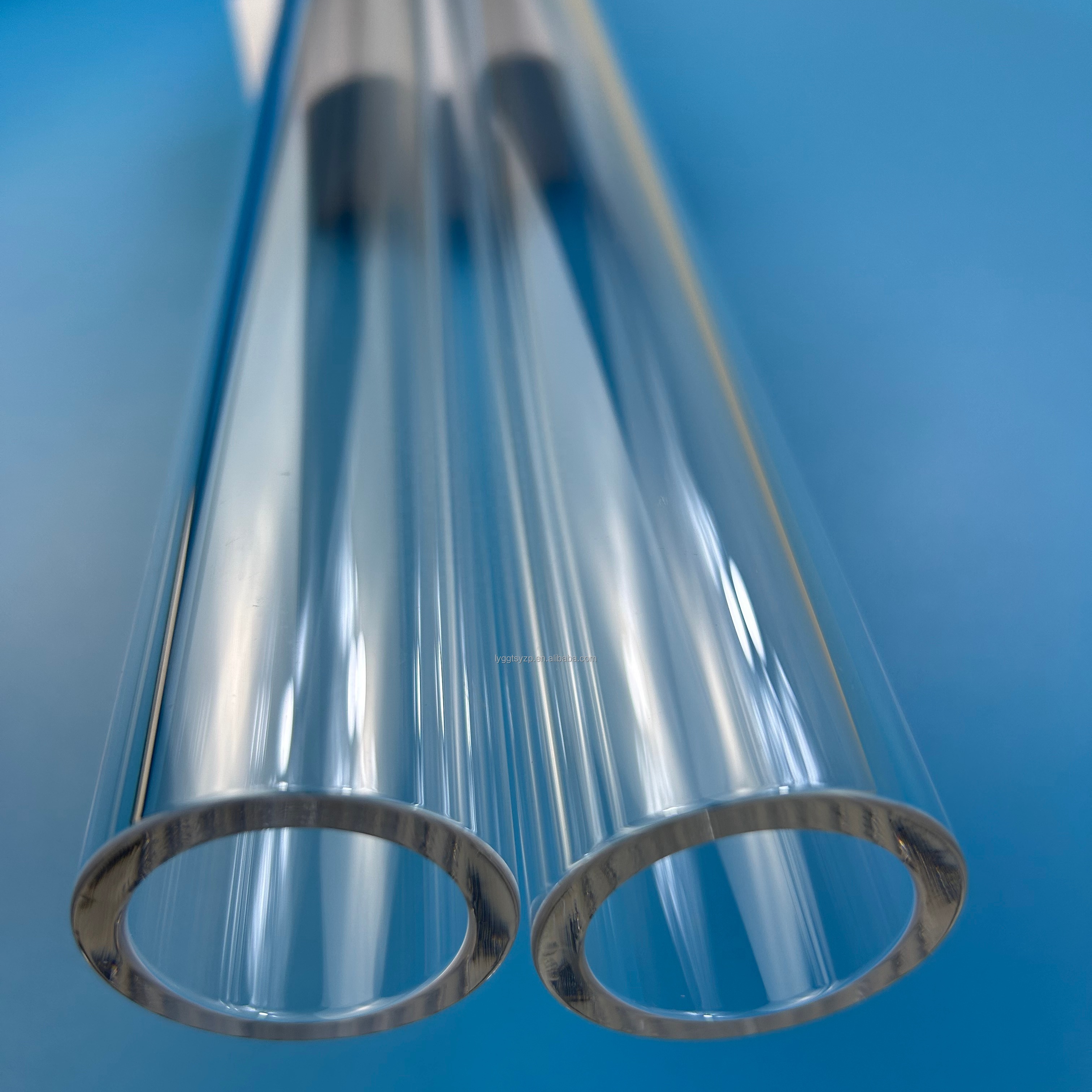
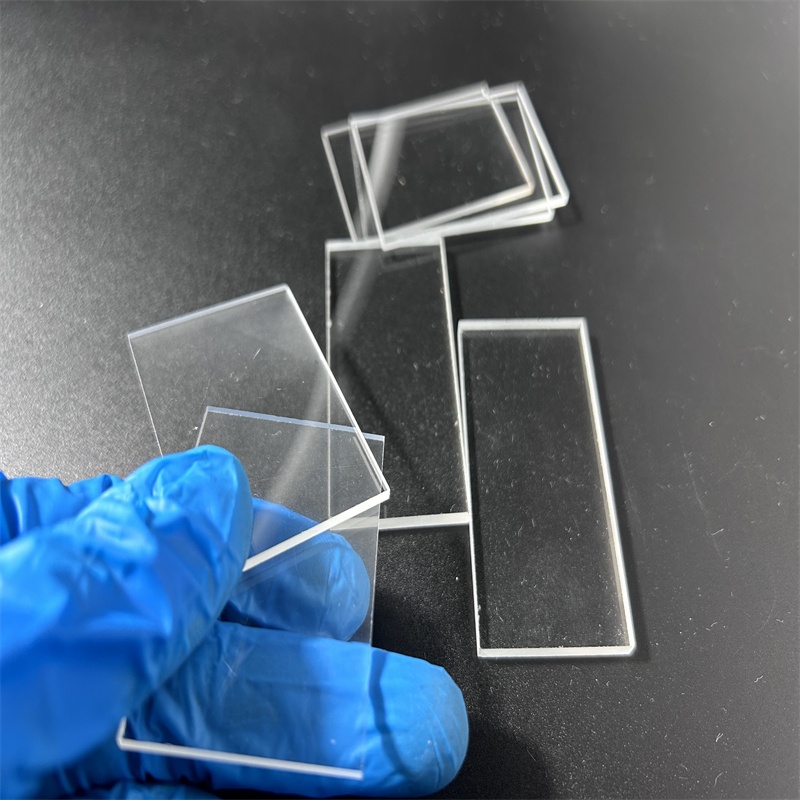

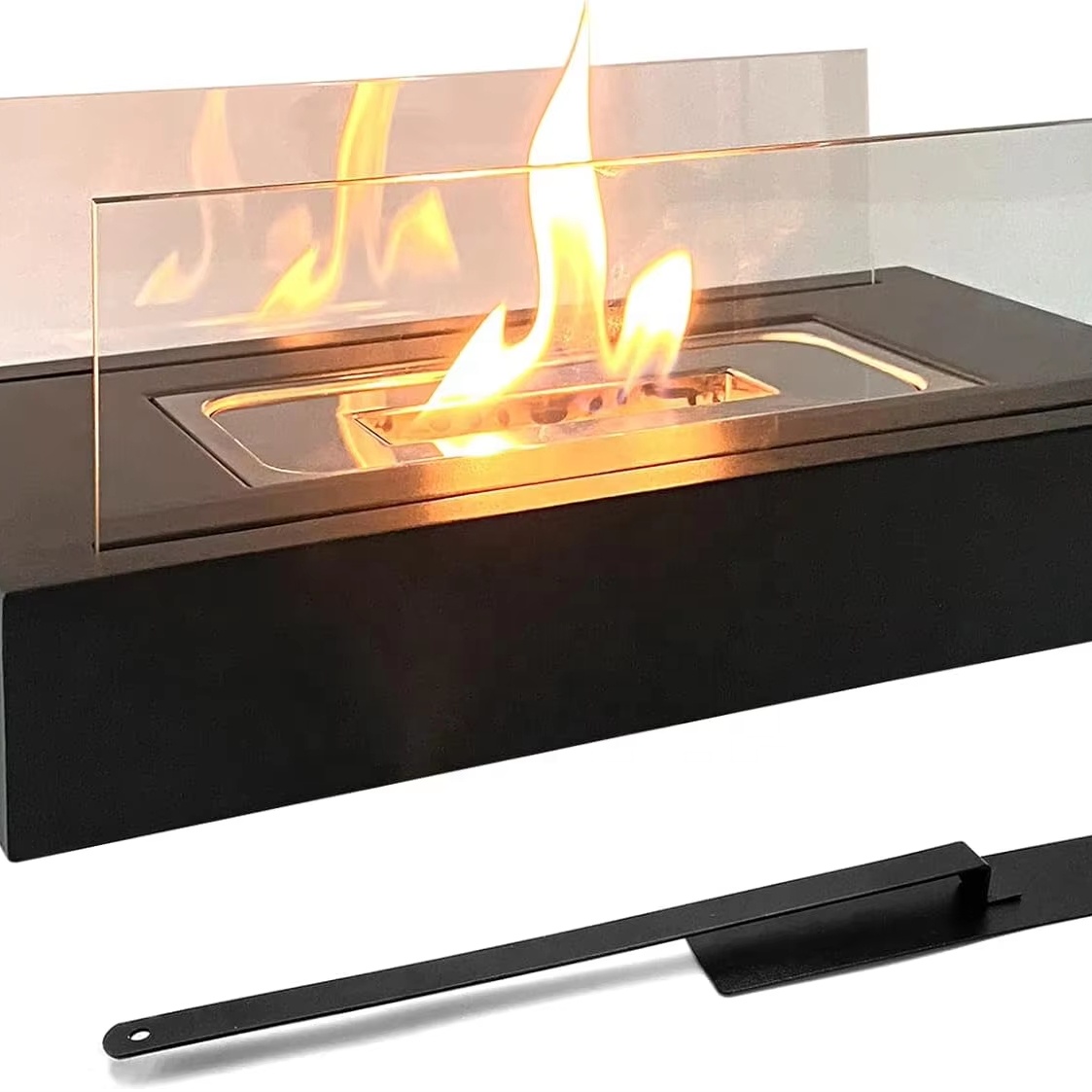
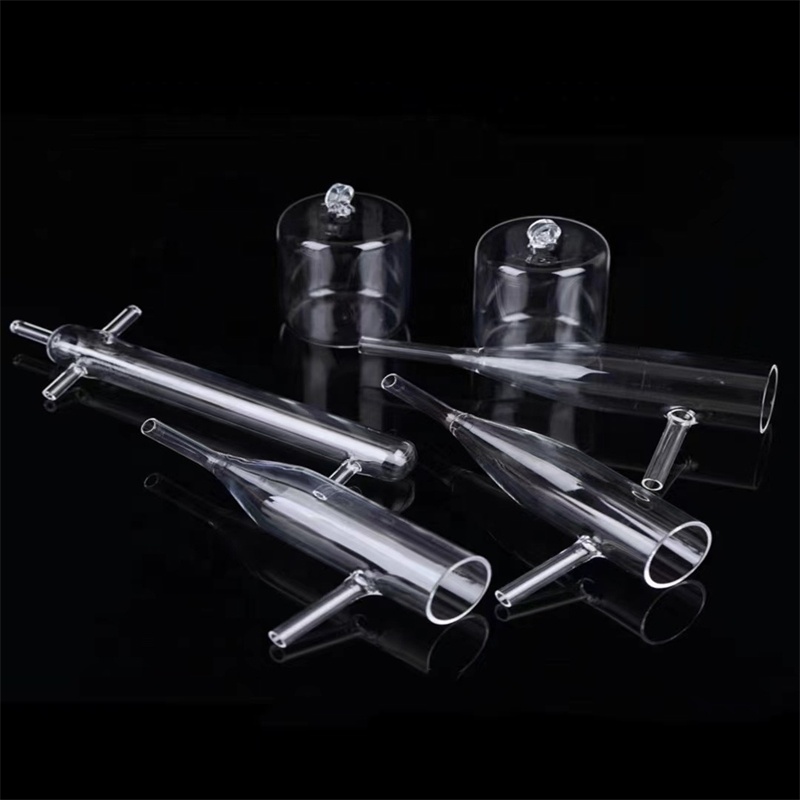
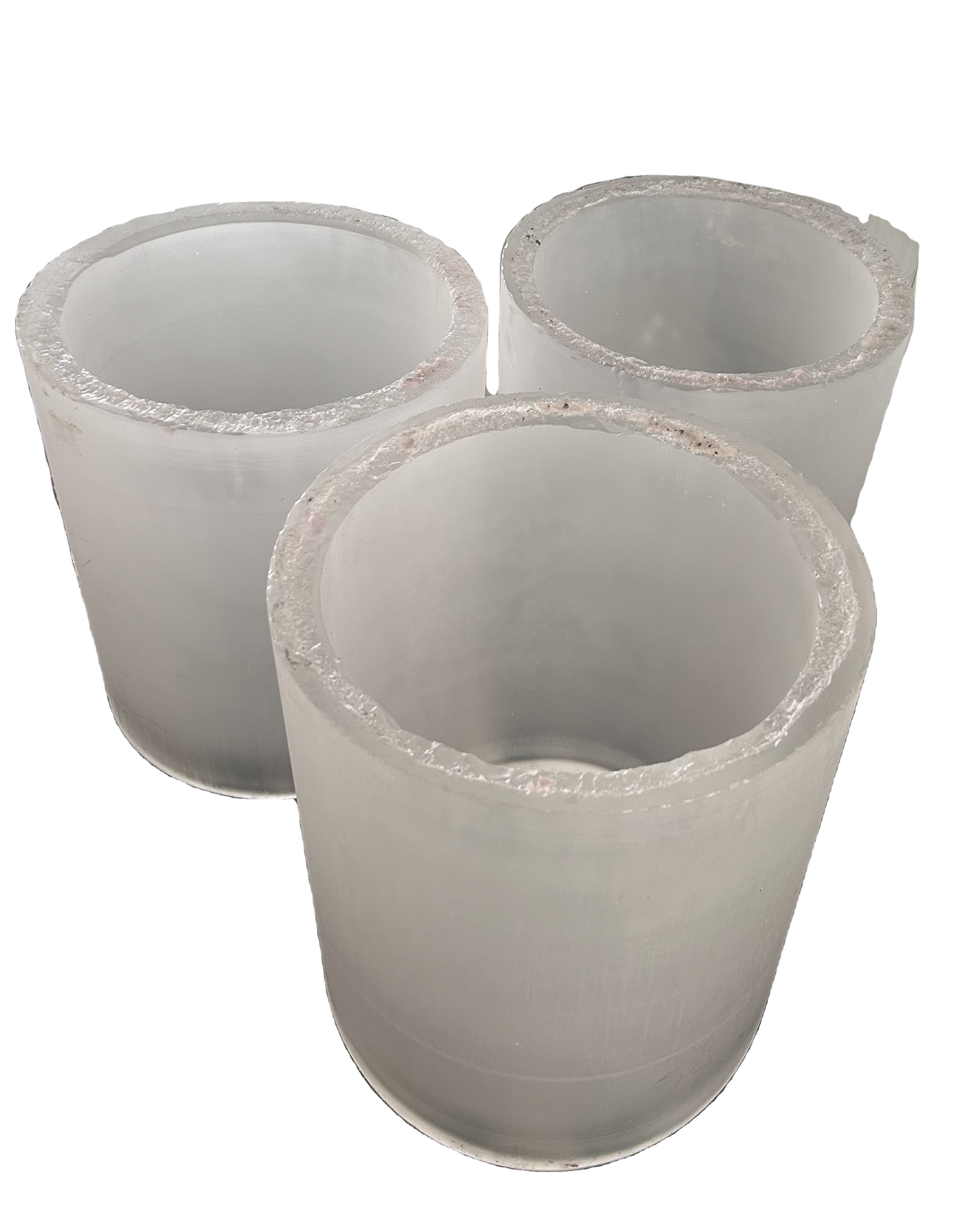
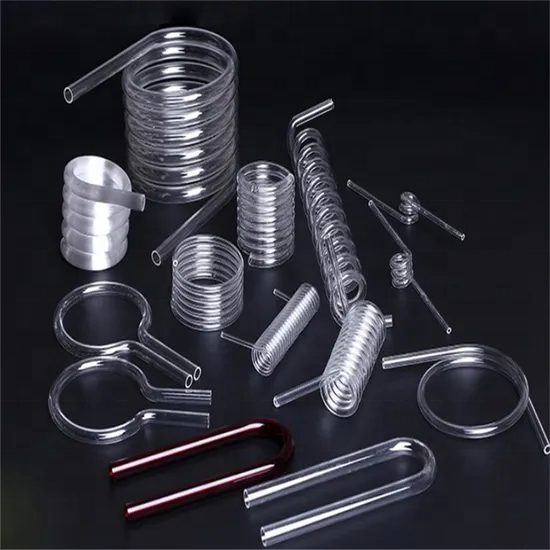
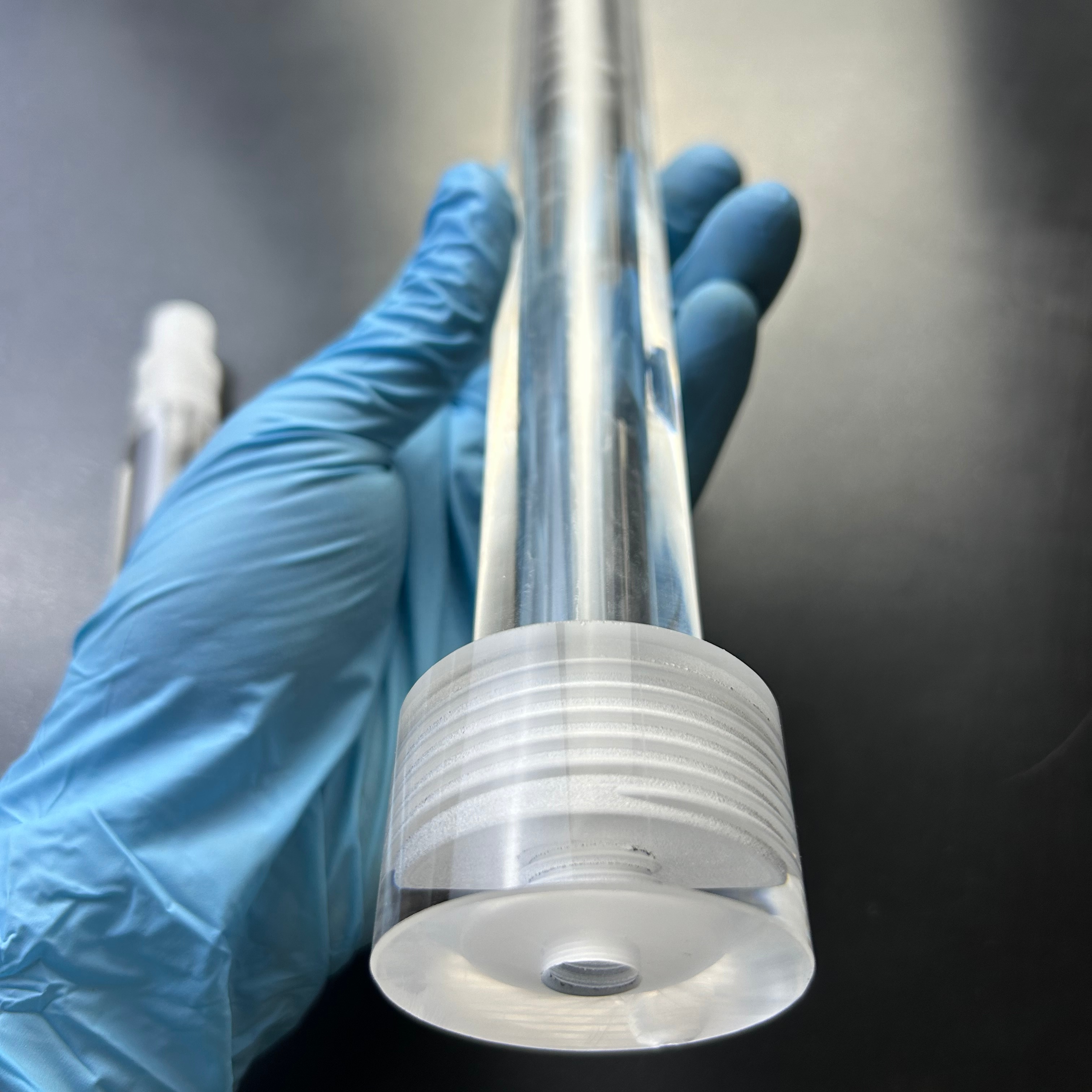
Fused Silica Window Material Specifications & Optical Transmittance
Understanding the fundamental distinction between synthetic fused silica and natural fused quartz is imperative for optical engineers working on high-power laser optics, vacuum sight glasses, and photolithography chambers.
In high-precision optical engineering, an optical window serves as an interface between two environments—often isolating ultra-high vacuum (UHV), high pressures, or reactive chemistry while permitting specific optical wavelengths to pass through with minimum wavefront distortion, minimal absorption, and negligible scatter. For researchers and industrial systems builders across Nice and the wider Provence-Alpes-Côte d'Azur (PACA) territory, choosing between synthetic fused silica (JGS1) and high-purity natural fused quartz (JGS2 / JGS3) determines system longevity and measurement fidelity.
Synthetic Fused Silica is manufactured through the vapor-phase hydrolysis of high-purity silicon tetrachloride (SiCl4) in an oxygen-hydrogen flame. This synthetic process yields an amorphous silicon dioxide matrix with virtually zero metallic impurities (Fe, Al, Ti < 0.1 ppm). Consequently, JGS1 exhibits outstanding transmission in the Deep Ultraviolet (DUV down to 185 nm) with negligible fluorescence under intense excimer UV irradiation. Conversely, electrically melted natural quartz (JGS3) is produced under vacuum conditions, minimizing the absorption of hydroxyl radicals (OH content < 2-5 ppm), which eliminates the 2.73 µm water band absorption and provides crystal-clear throughput across the Near-Infrared (NIR) spectrum up to 3500 nm.
| Optical Grade | SiO₂ Purity | Primary Transmittance Band | Hydroxyl (OH) Content | Typical Industrial Application |
|---|---|---|---|---|
| JGS1 (Synthetic Silica) | ≥ 99.999% | 185 nm – 2500 nm (Deep UV to Vis) | Typical ≈ 800 – 1200 ppm | Excimer laser viewports, UV photolithography, biomedical fluorescence analysis |
| JGS2 (Optical Fused Quartz) | ≥ 99.99% | 220 nm – 2500 nm (UV to Vis) | Typical ≈ 150 – 200 ppm | Observation viewports, furnace sight glasses, semiconductor process chambers |
| JGS3 (Infrared Fused Silica) | ≥ 99.99% | 260 nm – 3500 nm (Vis to NIR) | Low OH (< 2 – 5 ppm) | IR spectroscopy pyrometry, thermal imaging viewports, Nd:YAG laser envelopes |
Precision Window Applications in Nice & Côte d’Azur
How specialized quartz and synthetic silica components accelerate leading innovation sectors across the French Riviera’s leading tech cluster.
Sophia Antipolis Photonics & R&D
Providing custom polished synthetic silica windows (20/10 scratch-dig, λ/10 surface flatness) for photonic integrated circuit (PIC) characterization, telecom subsea transceivers, and optical computing prototypes developed within Europe's premier technology park.
Aerospace & Satellite Payloads (Cannes / Nice)
High-thermal-shock viewports and lightweight radiation-resistant fused silica substrates engineered for space simulation thermal vacuum chambers (TVAC), star tracker optical windows, and Earth observation instrumentation.
Marine Biology & Oceanographic Optics
Serving Villefranche-sur-Mer oceanography observatories and Mediterranean underwater robotic sensor assemblies with custom flanged, pressure-rated quartz plates capable of resisting 600+ bar hydrostatic pressure and chemical brine erosion.
Nice Biopharma & Perfumery Spectroscopy
High-precision BET quartz sample tubes, twin-tube reaction vessels, and low-fluorescence UV flow cells tailored for analytical chemisorption, volatile organic compound (VOC) vapor extraction, and chromatography quality control.
Semiconductor & Clean Energy Prototyping
Direct supply of vacuum flanged quartz bell jars, wafer boats, and high-temperature furnace twin-tubes supporting Gallium Nitride (GaN) and Silicon Carbide (SiC) epitaxy programs across regional cleanrooms.
High-Intensity Laser Processing Viewports
Custom AR-coated and uncoated fused silica protective windows installed on multi-axis laser welding and additive manufacturing cells across the Alpes-Maritimes industrial basins.
Emerging Industrial & Optical Demands in Alpes-Maritimes
How shifting research priorities and advanced industrial strategies across Southern France drive the evolution of optical quartz procurement.
Transition to Deep UV & Quantum Optics
Research labs connected to Université Côte d'Azur are actively expanding quantum computing and ion-trap research. These platforms demand synthetic fused silica windows with near-zero birefringence, surface roughness Ra < 0.5 nm, and transmission extended to the 200 nm vacuum threshold.
Micromachining & Complex Laser Trepanning
Nice photonics integrators require windows with internal stepped holes, edge chamfers, and precise laser grooving for integrated gas flow channels in lab-on-a-chip assemblies, replacing standard mechanical milling with non-contact laser etching.
Decarbonization & Green Energy Equipment
The southern France solar initiatives and clean chemistry laboratories require high-temperature furnace tubes up to 1300°C short-term endurance, featuring zero-bubble inclusion classes to maintain mechanical stability across hundreds of thermal cycles.
Direct Manufacturer Authority: Zunex Quartz
Rooted in Donghai County—the global epicenter of high-purity silica raw processing—combining deep material reserves with high-precision optical laser fabrication.
State-of-the-Art Laser Finishing
Specialized CNC laser micro-drilling, trenching, and profile cutting. We achieve microscopic tolerances down to ±0.02 mm without inducing micro-cracks or subsurface stresses characteristic of diamond grinding.
Comprehensive OEM to Drawing
Every drawing received in PDF, DWG, DXF, or STEP format is reviewed within 2 hours by manufacturing engineers. We evaluate dimensional geometric tolerance (GD&T), thermal expansion differentials, and polish specs prior to production.
Export-Grade Protective Packaging
Fragile optical components destined for France undergo multi-layer high-density EVA foam suspension packaging inside vapor-barrier vacuum foil, cased within rigid fumigated wooden crates with tilt/impact indicators.
Verified Alibaba Gold Standard
With an audited 100% inquiry response rate, a 43% repeat purchase rate, and an annual export volume of US$2.5M – $5M, our production conforms rigorously to international optical quality baselines.
Thermal Shock & Chemical Immunity
Coefficient of thermal expansion (CTE) of only 5.5 × 10⁻⁷ /°C enables rapid thermal cycling from red heat (1100°C) directly into cold water without fracture, alongside absolute resistance against all acids except HF.
Small Batch & Prototyping Flexibility
We actively support university research laboratories, spin-offs, and industrial incubators across Nice with one-off custom prototypes, maintaining the same engineering discipline as high-volume OEM wafer production.
Frequently Asked Questions: Purchasing Fused Silica in Nice
Direct technical and logistical answers addressing customs clearance, tolerance standards, and logistics for French procurement officers.
What are the standard delivery lead times for Nice and Sophia Antipolis?
Standard prototype and custom batches are typically machined and verified within 7 to 12 working days. We utilize expedited international air express (DHL/FedEx Priority) directly into Nice Côte d'Azur Airport (NCE) with transit taking approximately 3 to 5 business days, complete with automated airway bill tracking and clearance docs.
Do you supply full optical transmission and inspection certificates?
Yes. Upon request, we provide full spectrophotometer transmission curves across Deep UV, visible, or NIR spectra, alongside dimensional inspection reports (CMM), surface roughness certifications, and raw material chemical purity test data (SiO₂ purity ≥ 99.99%).
How do French buyers handle customs duties, VAT, and import documentation?
Orders are shipped under standard Incoterms (EXW, FOB, DAP, or DDP). We furnish compliant commercial invoices citing the precise HS Code (typically 7002.31 or 7006.00 for fused silica optical ware), packing lists, and certificate of origin to guarantee seamless EU customs clearance with French customs authorities.
What optical surface quality standards can your facility achieve?
We manufacture from commercial polished grades (60/40 scratch-dig) up to high-precision laser-cavity grades (20/10 or 10/5 scratch-dig) with surface flatness of λ/4 to λ/10 per 25 mm diameter at 632.8 nm, and edge beveling customized to prevent chipping during cleanroom assembly.
Can you fabricate custom mounting steps, grooves, and holes in quartz windows?
Absolutely. Equipped with high-precision CNC laser centers and diamond core trepanning systems, we execute countersunk mounting holes, O-ring sealing grooves, and step-index bevels directly according to your technical drawings with zero crack propagation.
Request Your Precision Quartz Specification Catalog
Connect immediately with our technical glass engineering team. Submit your dimensional drawings or performance tolerances to receive a detailed manufacturability review and competitive commercial offer within two hours.
Get Catalog