Engineered Quartz Components Available for Export
Fabricated from Donghai pristine silica crystals, custom-processed to exact architectural, scientific, and diagnostic parameters.
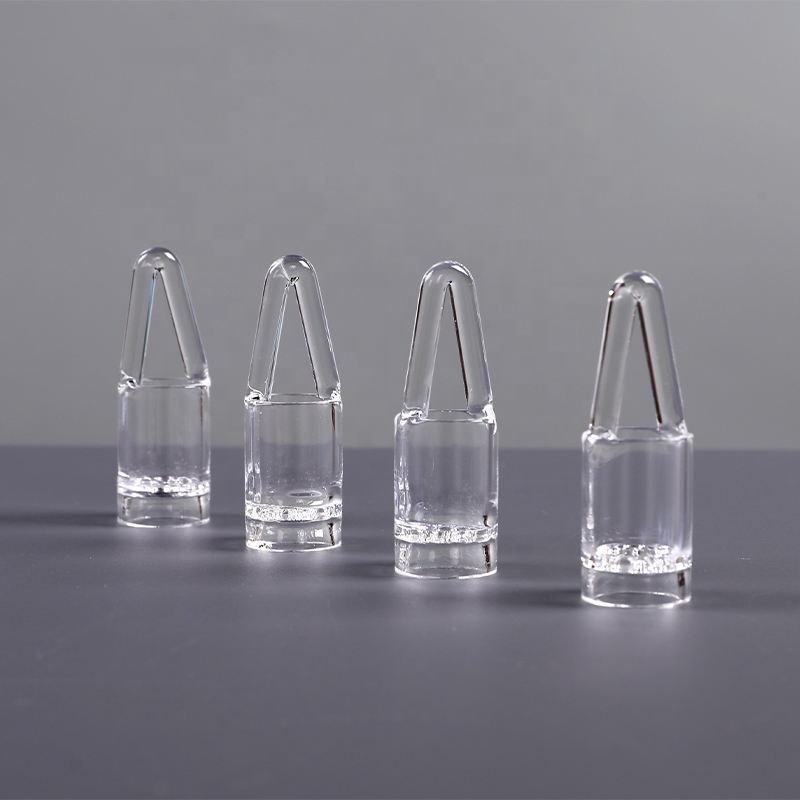
Factory Custom High Pressure 99.99% Pure Quartz Glass Tube Bending/Welding Ozone Free Polished Surface
Configure & Spec →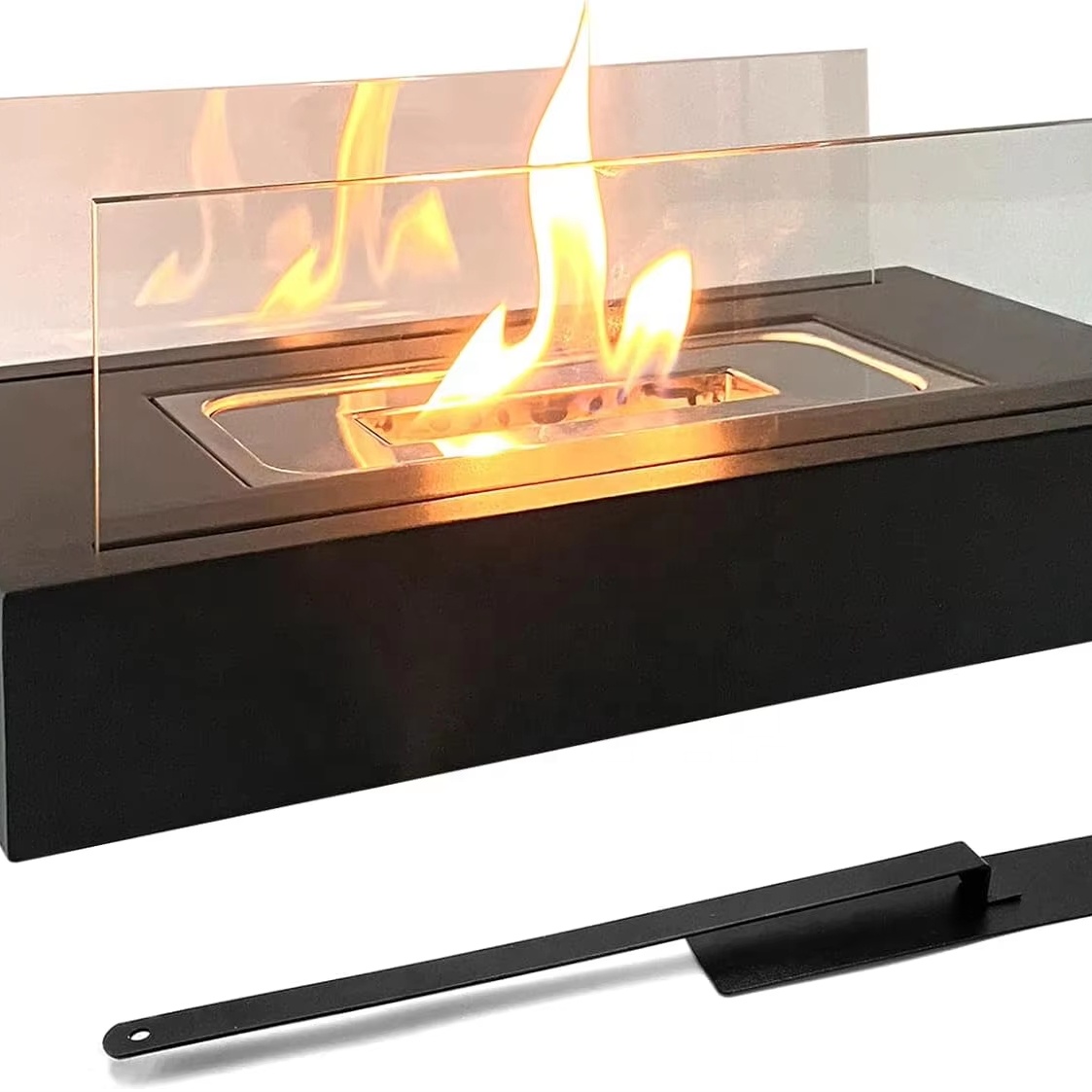
Factory Customization Outdoor High Temperature Clear Transparent High Precision Optical Grade Quartz Glass
Configure & Spec →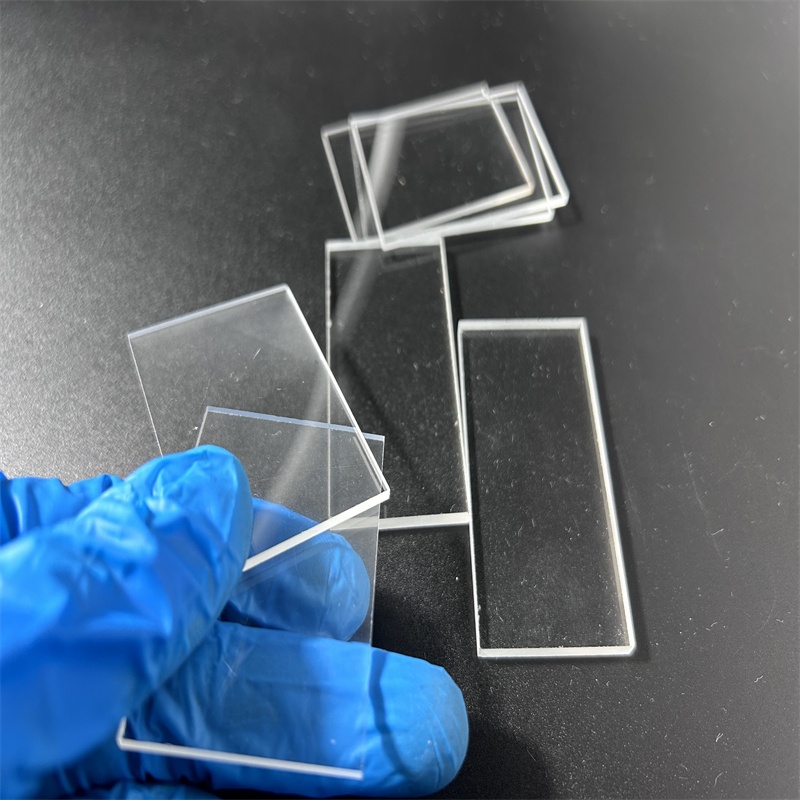
Customized High Temperature Transparent Fused Quartz Glass Sheet Welding Cutting Services Clear Plate Custom Sizes Optics Grade
Configure & Spec →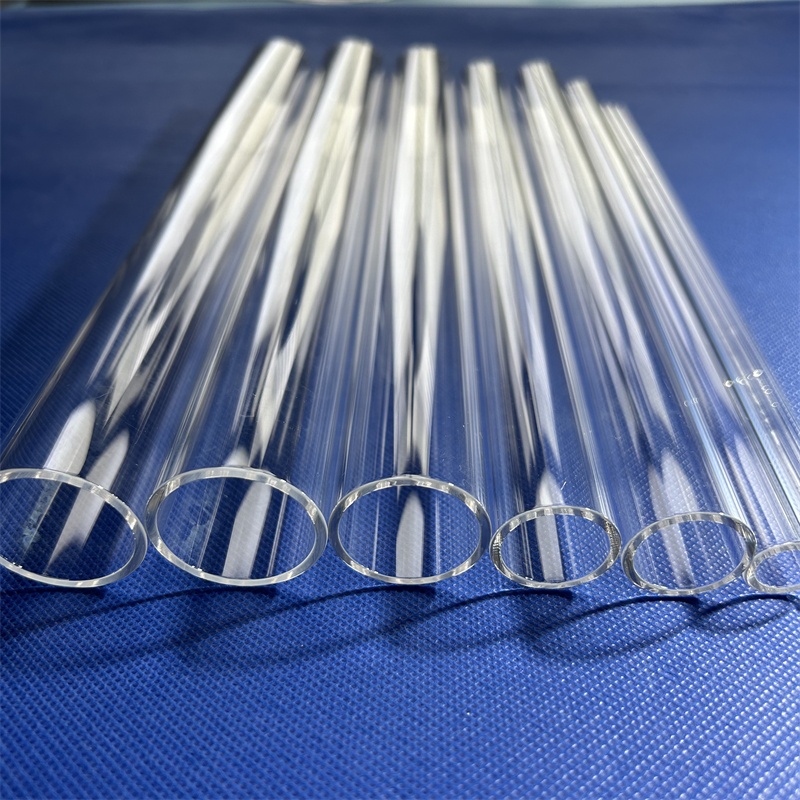
Transparent High Pressure 99.99% Pure Quartz Glass Tube Furnace Boiler Chemical Applications Corrosion Bending Moulding
Configure & Spec →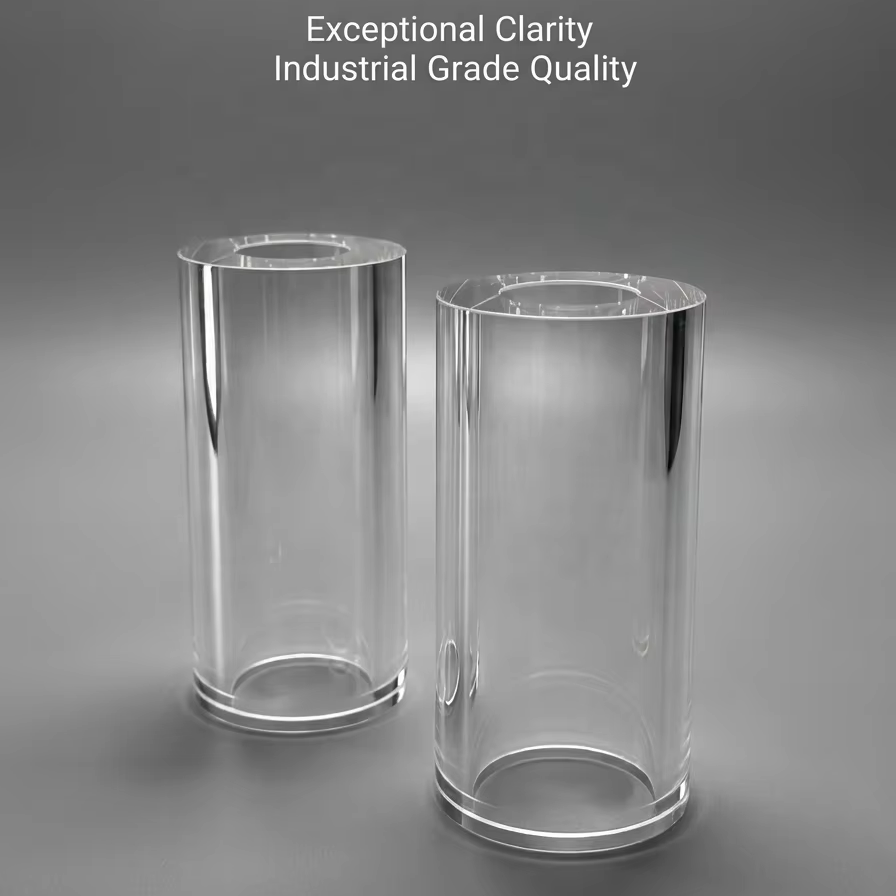
Factory Custom Both Ends Polished High Purity Transparent Quartz Twin Tube Bending Moulding Welding Cutting Capabilities
Configure & Spec →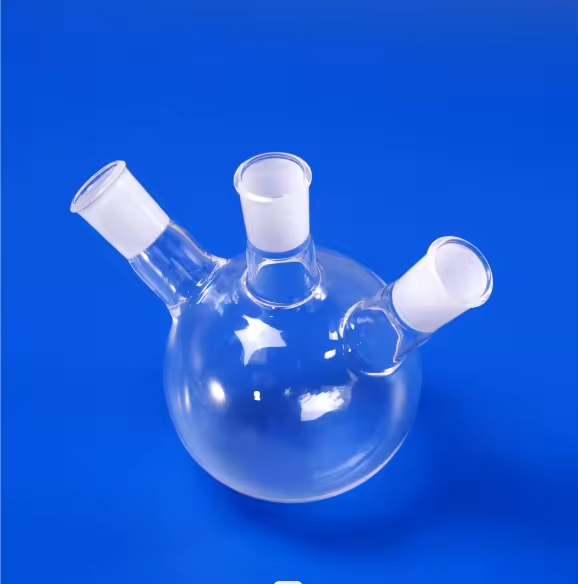
High Temperature Resistance Transparent Quartz Glass Twin Tube Bottom Flask Bending/Welding/Cutting/Moulding Services Lab Use
Configure & Spec →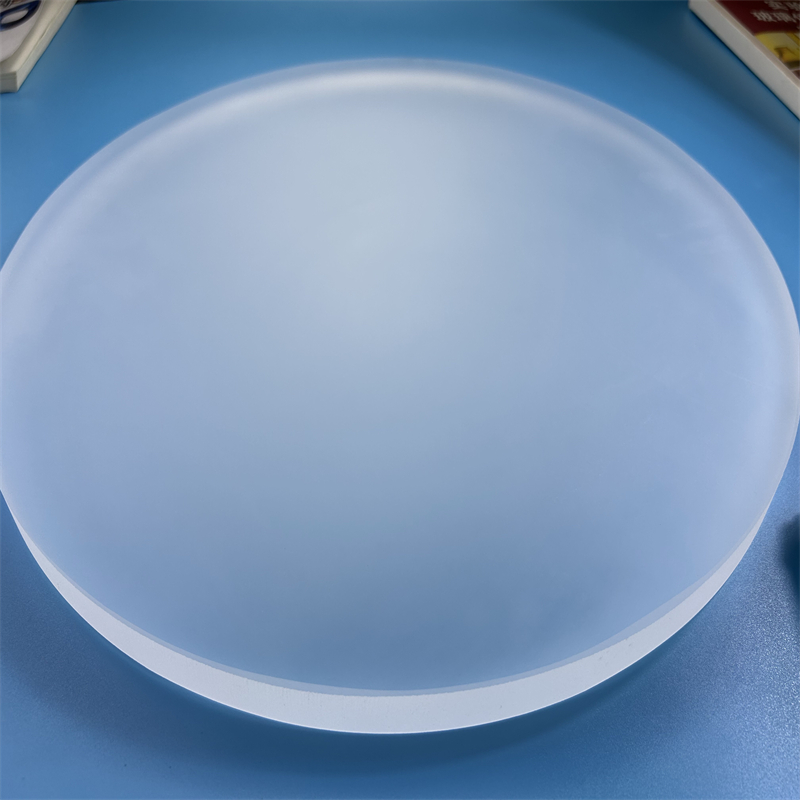
High Temperature Resistance Frosted Quartz Disc/Plate Semiconductor Applications Welding Cutting Custom Sizes Fused Quartz
Configure & Spec →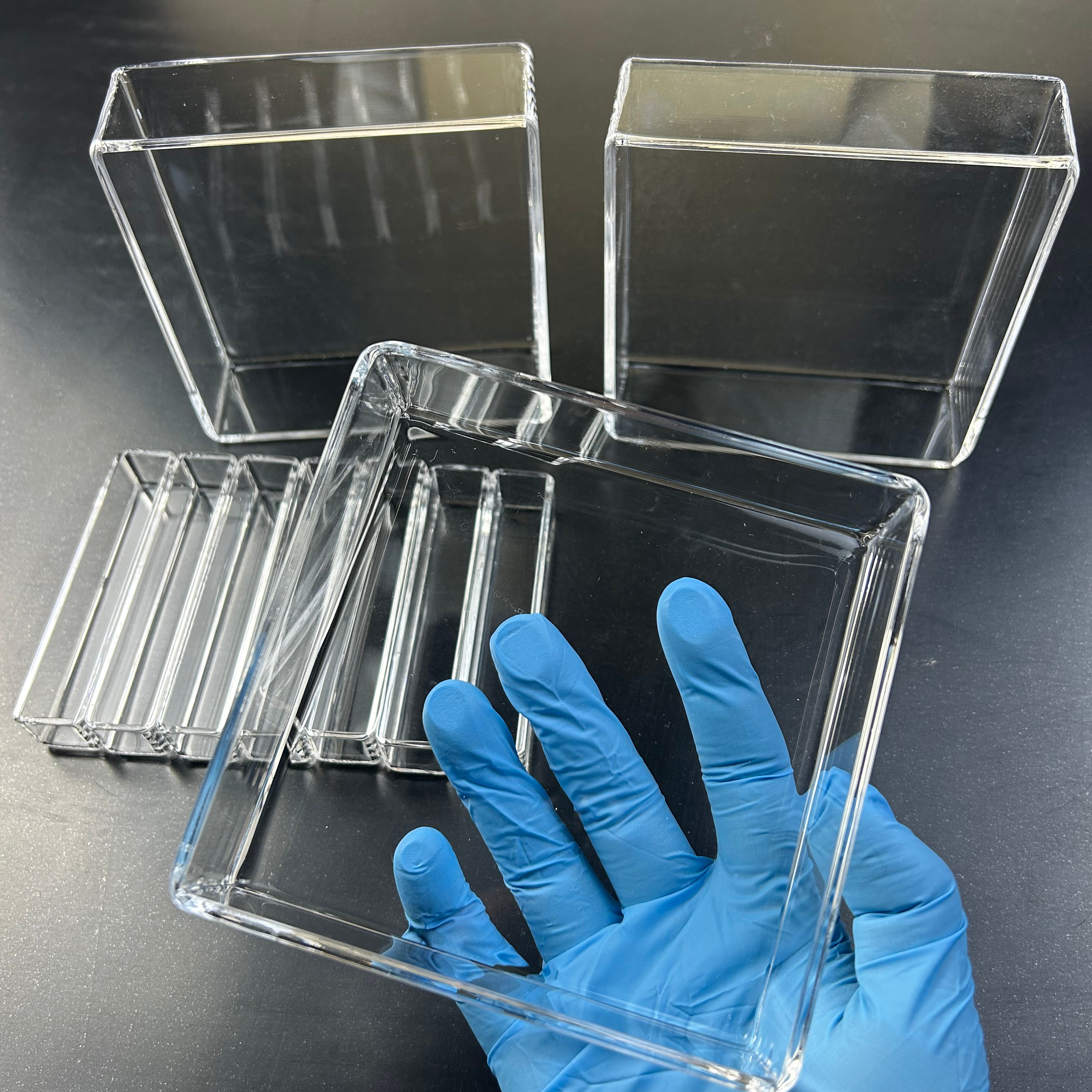
Manufacturers Customized Fused Quartz Glass High Temperature Resistant Circular Cylinder Crucible Tank Welding Cutting Custom
Configure & Spec →Technical Whitepaper: Engineering High Purity Fused Quartz for Vatican City & European Institutional Frameworks
The sovereign territory of the Holy See (Vatican City State) presents one of the most distinctive procurement ecosystems in Southern Europe. While not an industrial manufacturing enclave, Vatican City, alongside its extraterritorial jurisdictions in Rome, operates advanced scientific, archival, and preservation infrastructures. Institutions such as the Vatican Apostolic Archive (Archivio Apostolico Vaticano), the Vatican Apostolic Library, the Pontifical Academy of Sciences, and the diagnostic conservation laboratories of the Vatican Museums (Musei Vaticani) utilize analytical equipment requiring uncompromising material purity.
High-purity fused silica (SiO₂ ≥ 99.99%) represents a critical enabler within these demanding environments. Standard borosilicate or commercial soda-lime glasses fail under the precise conditions required for multi-spectral artifact diagnostics, conservation pigment micro-spectrometry, and ultraviolet sterilization protocols designed to inhibit microbial degradation of millennium-old papyri, parchments, and fresco masonry.
Material Classifications: JGS1 vs. JGS2 vs. JGS3 Transmission Mechanics
Precision scientific endeavors within the Vatican enclave necessitate distinct optical transmittance tiers. Our Donghai fabrication line refines raw crystal down into three distinct industrial optical grades:
| Grade Designation | Material Synthesis Method | Spectral Wavelength Window | Primary Institutional Applications |
|---|---|---|---|
| JGS1 (Synthetic Silica) | Chemical vapor deposition of silicon tetrachloride (SiCl₄) | 185 nm – 2500 nm (Deep Ultraviolet) | UV luminescence spectroscopy, multi-spectral manuscript inspection, excimer laser ablation diagnostics. |
| JGS2 (Optical Fused Quartz) | Electric arc fusion of high-purity natural quartz gravel | 220 nm – 2500 nm (UV-Visible Range) | Analytical sight glasses, protective archival sensor casings, furnace observation ports. |
| JGS3 (Infrared Fused Quartz) | Vacuum electro-thermal fusion with low-hydroxyl ([OH] ≤ 5 ppm) | 260 nm – 3500 nm (Near-to-Mid Infrared) | Fourier-transform infrared (FTIR) spectroscopy sample cells, high-temperature environmental test chambers. |
Physical & Thermodynamic Reliability Matrix
The structural preservation of ancient manuscripts and frescoes inside subterranean repositories requires long-term environmental control. Microclimate sensors, heating crucibles, and gas chromatography analysis tubes must maintain total geometric integrity under continuous operations.
Fused silica boasts an exceptionally low thermal expansion coefficient of 5.5 × 10⁻⁷ /°C. In practical terms, a Zunex 99.99% pure quartz tube heated to 1100 °C can be immediately quenched into ice water without structural rupture or stress micro-fracturing. This parameter ensures zero risk of mechanical catastrophic failure when monitoring irreplaceable sacred art pieces or handling reactive chemical syntheses.
Localized Application Scenarios in Vatican City
Where high-purity fused quartz directly serves conservation science, architectural upkeep, and technical installations.
Art & Manuscript Diagnostic Conservation
The Restoration Laboratories of the Vatican Museums and the Vatican Secret Archives leverage custom double-polished quartz plates and hollow sample tubes for non-destructive X-ray diffraction (XRD), Raman spectroscopy, and UV fluorescence. The non-fluorescent optical transmission of JGS1 fused silica prevents background scatter, enabling definitive spectral validation of organic pigment varnishes and ink binders dating back millennia.
Subterranean Sterilization & Microclimate Control
Deep beneath Saint Peter's Basilica, the Vatican Necropolis (Scavi) and ancient archival chambers demand specialized UV-C germicidal irradiation systems to counter airborne fungal spores and bacterial colonies. Zunex ozone-free clear quartz glass sleeves house high-output 254 nm germicidal emitters, maximizing radiation delivery while shielding sensitive masonry from degrading ambient ozone generation.
Scientific Heritage & Pontifical Astronomy
Scientific entities such as the Specola Vaticana (Vatican Observatory) utilize precision quartz blanks, high-pressure sight tubes, and custom thermocouple protection sheaths. When designing analytical furnace hardware or high-vacuum optical housings, our flame-polished, dimensionally stabilized fused quartz parts ensure zero thermal drift across extreme operating temperature gradients.
Procurement & Technological Trends Serving the Vatican State Market
Procuring specialized technical hardware for the Vatican City State requires adhering to stringent procedural oversight governed by the Secretariat for the Economy and local Italian-European cross-border logistics treaties. Over the past five years, noticeable shifts have transformed institutional requirements:
1. Shift Toward Non-Invasive Diagnostics: Traditional destructive sampling of historical artifacts has been almost universally replaced by micro-analytical optical systems. This transition places unprecedented demand on optical quartz windows, twin-tube analytical reactors, and custom capillary sample carriers capable of accommodating tiny fragment samples under ultra-high spectral clarity.
2. Transition to Laser-Finished Modular Geometries: Conventional mechanical grinding introduces microscopic fissures and micro-notches along tube margins, which can propagate into catastrophic failure when subjected to cyclic vacuum pressure. Today, preservation technologists and analytical chemists mandate CO₂ laser-cut edges, precision laser drilling (±0.05 mm), and flame-annealed finishes to guarantee maximum mechanical fracture resistance.
3. Traceability and REACH / RoHS Compliance: Institutional buyers operating within Vatican City require comprehensive material purity documentation to align with European chemical and safety mandates. Zunex provides independent trace metal impurity test certificates (ICP-MS) and dimensional metrology inspection reports with every delivery consignment.
Zunex Factory Advantages: Engineering Purity
Headquartered in Donghai County — the world's premier center for crystalline quartz processing — we merge pristine raw minerals with cutting-edge optical finishing.
Donghai Crystal Capital Heritage
Direct access to pristine silicon dioxide mineral reserves enables strict supply-chain consistency, maintaining continuous raw material traceability and zero supply disruptions for specialized institutional batches.
High-Precision Laser Finishing
Beyond traditional hot-flame manipulation, our manufacturing floor integrates advanced computer-controlled CO₂ laser drilling, surface grooving, cutting, and CNC profile grinding for tolerances within ±0.05 mm.
Verified Global Logistics & Export Packaging
Fragile quartz tubing requires protective logistics engineering. Our multi-layer vacuum shock-mount packaging, custom wood crates, and air-express transit ensure 100% breakage-free arrival into the Rome/Vatican metropolitan area.
Rapid Engineering Feedback (≤ 2 Hours)
Procurement teams communicate directly with experienced ceramic glass engineers. We evaluate STEP, DWG, and PDF technical drawings, confirming thermal load tolerances and material suitability within 120 minutes.
Frequently Asked Questions: Procuring Fused Quartz for Vatican City & Italian Enclaves
Clear, direct technical responses addressing customs coordination, material resilience, and design customizations.
How are shipments managed for delivery into Vatican City State (00120)?
What specific quartz grade is advised for archival UV preservation and sterilization?
Can Zunex manufacture small batch prototypes or single replacement tubes for legacy lab equipment?
What thermal shock limitations apply to Zunex high-pressure tubes?
What documentation is provided to satisfy institutional compliance requirements?
Initiate a Technical Quartz Fabrication Inquiry
Submit your component dimensions, tolerance parameters, or CAD schematics. Our optical engineering team provides comprehensive manufacturability reviews and firm export pricing within two hours.
Inquire Now