Featured Engineering Quartz Solutions & Cold Trap Precursors
Direct from our specialized Donghai manufacturing facility: explore high-temperature furnace tubes, optical grade windows, vacuum-grade bell jars, and custom twin tubes configured to European scientific specifications.
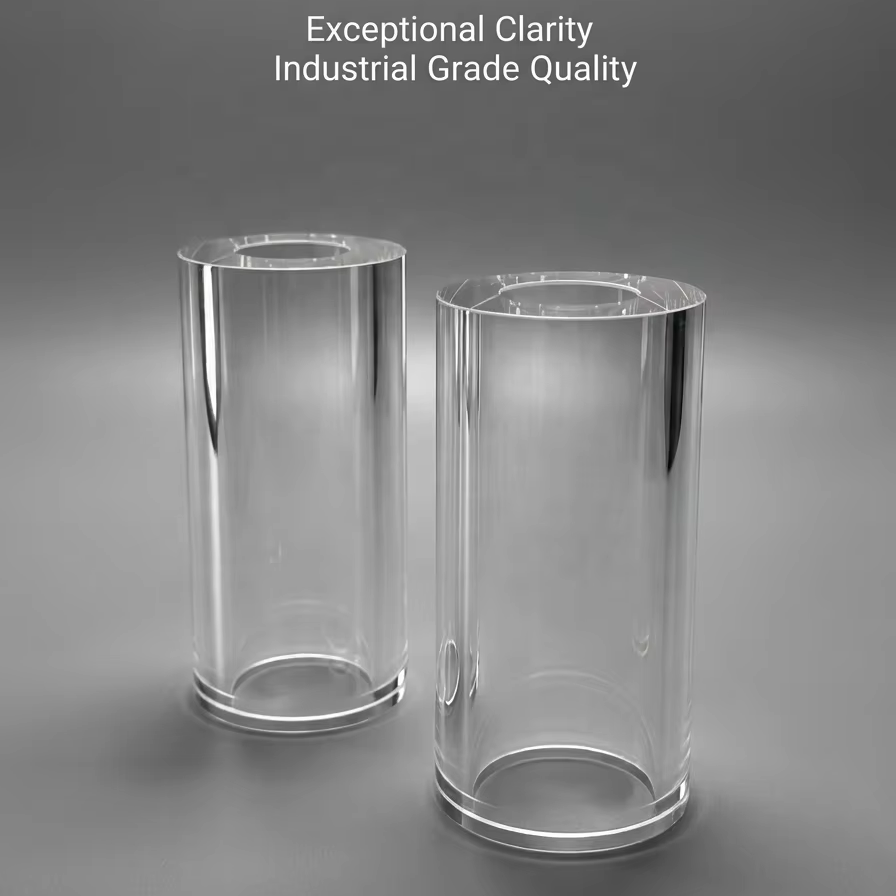
Factory Custom Both Ends Polished High Purity Transparent Quartz Twin Tube
Explore Specifications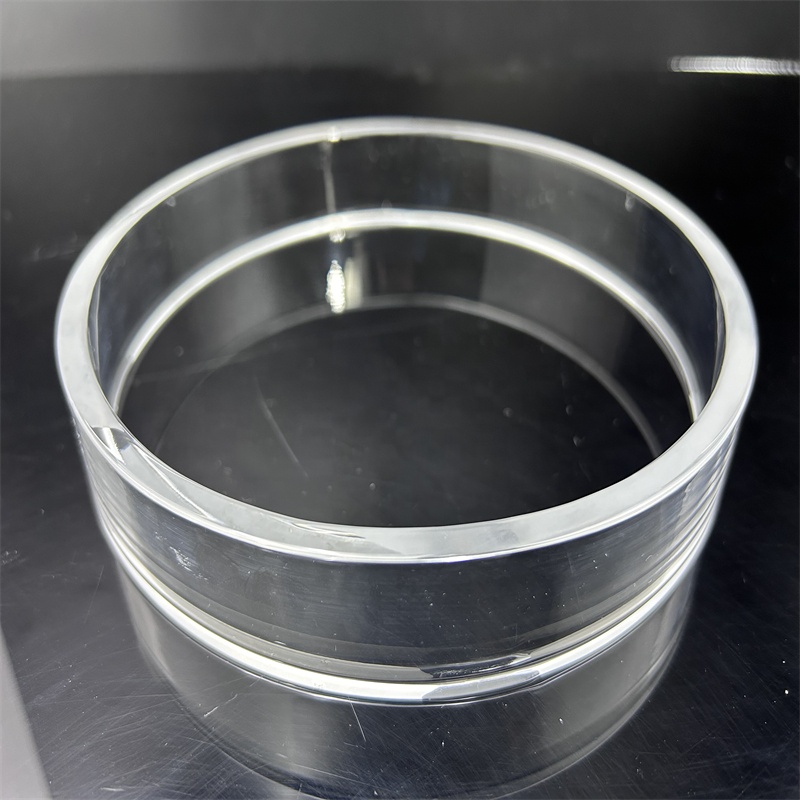
High Transparent Corrosion-Resistant Fused Quartz Bell Jar for High Vacuum
Explore Specifications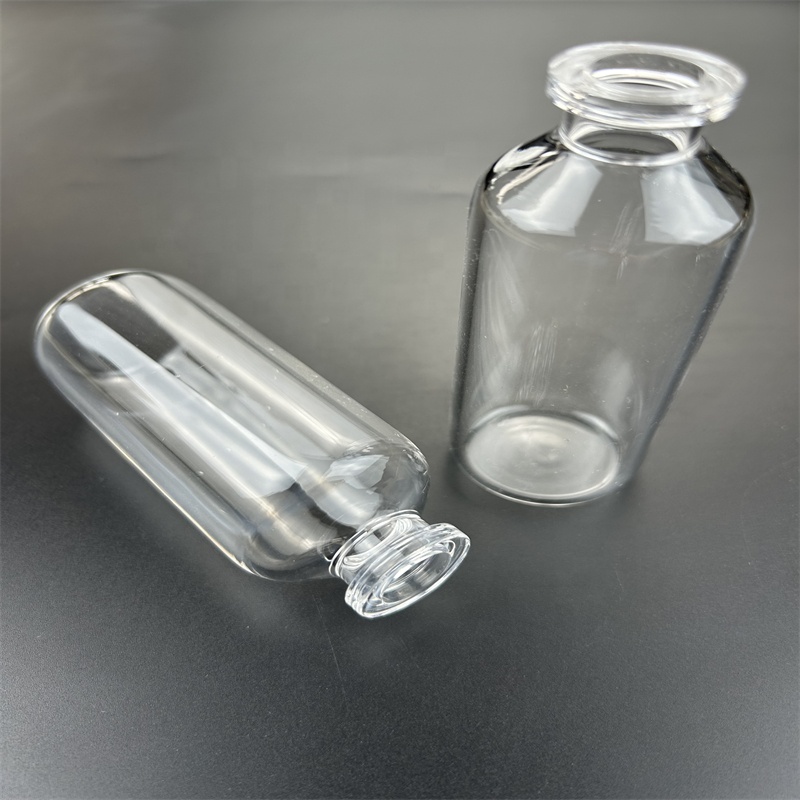
Custom High Pressure Corrosion Resistant 99.99% Pure Quartz Ampoules
Explore Specifications
High Temperature Clear Transparent Optical Grade Fused Quartz Glass
Explore Specifications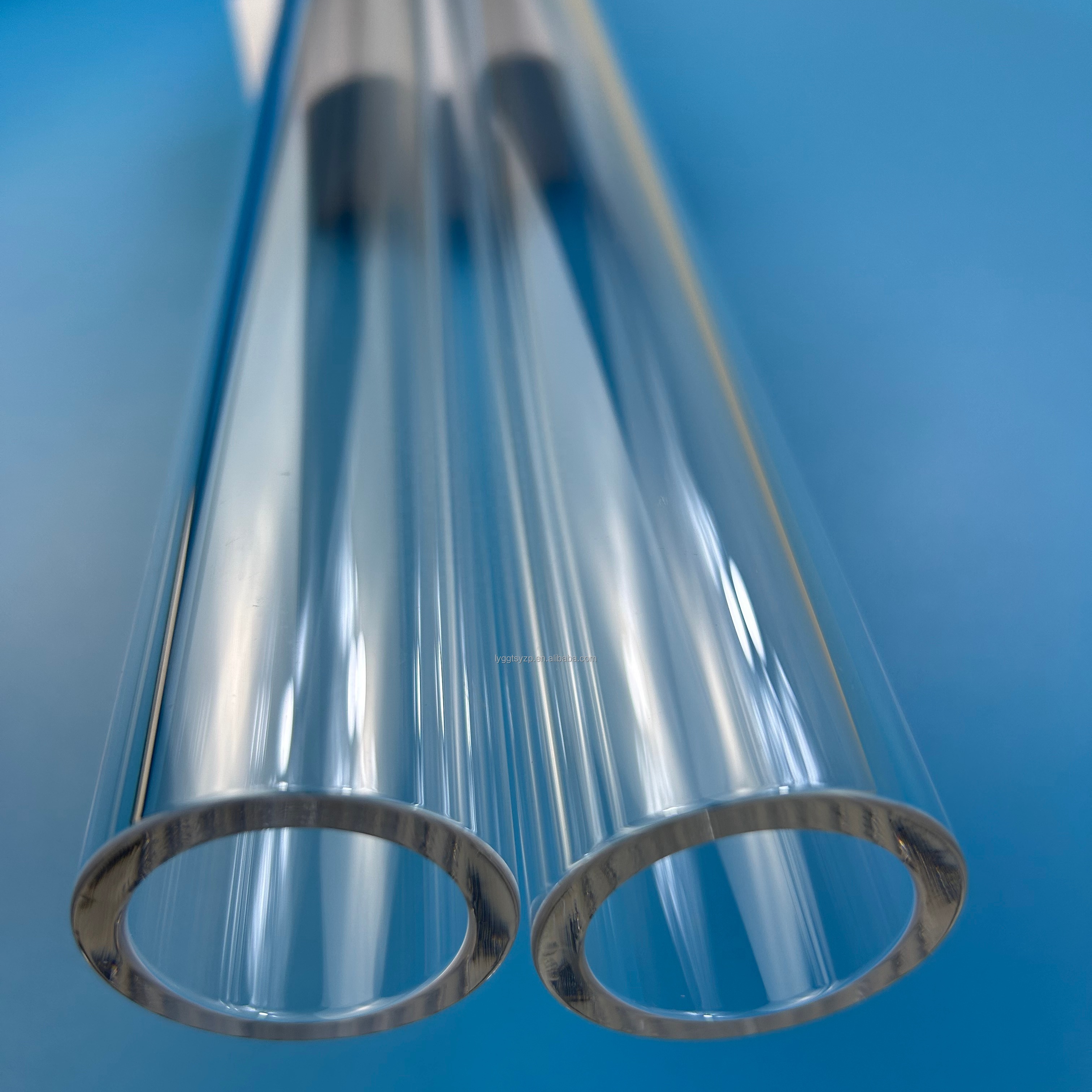
Polished Clear Quartz Twin Tube Chemical Lab & Furnace Components
Explore Specifications
High Temperature Polished Fused Quartz Disc & Plate for Optics 1100°C
Explore Specifications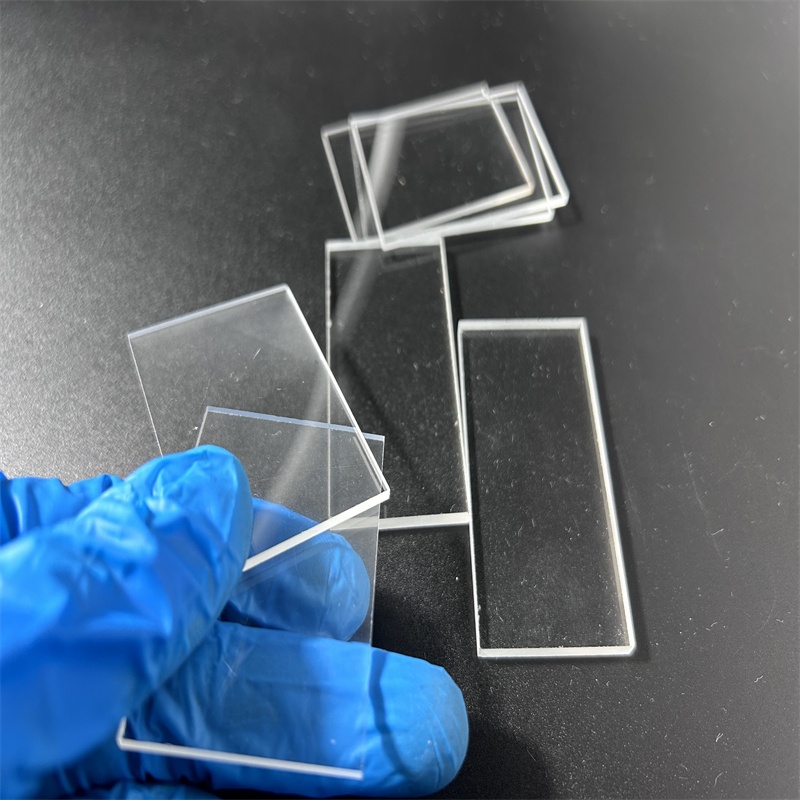
Customized Optical Grade Fused Quartz Glass Sheet Welding & Cutting
Explore Specifications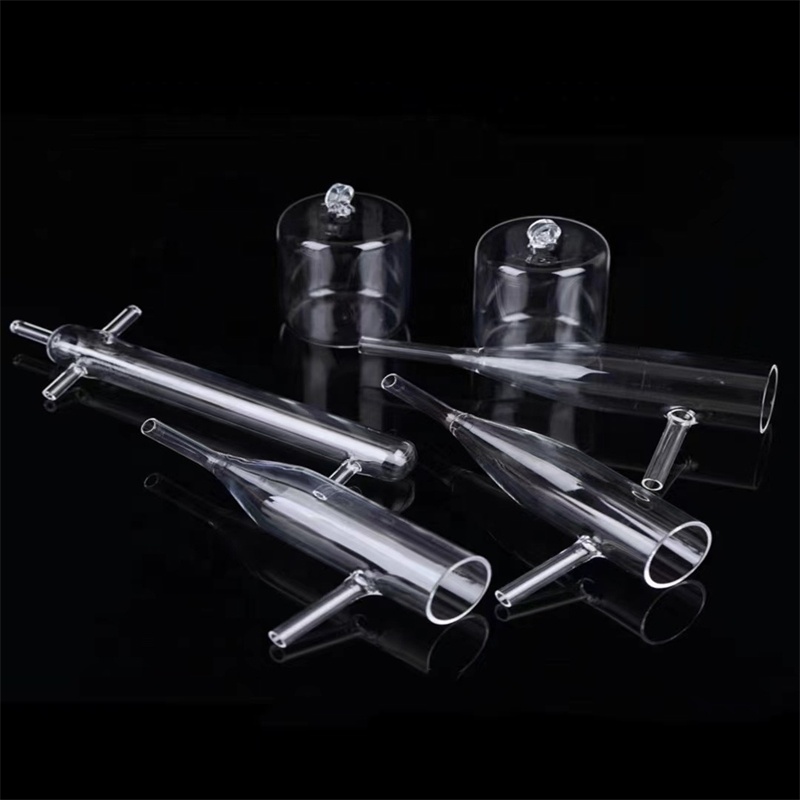
Clear Laboratory Twin Tube 99.99% Pure Quartz for Vacuum CVD & Trap Arrays
Explore SpecificationsEngineering Principles of Quartz Cold Traps in High-Vacuum Systems
A critical metallurgical and thermodynamic comparison for vacuum systems engineers, pilot plant operators, and research directors across Jelgava and the wider Zemgale region.
In modern vacuum technology, the cold trap functions as the first line of defense between high-temperature reaction chambers and sensitive vacuum pumping infrastructure (turbomolecular pumps, scroll pumps, and rotary vane oil pumps). While conventional Borosilicate 3.3 glass has served general benchtop chemical apparatus for decades, severe operating environments demand an upgrade to synthetic fused silica and fused quartz (SiO₂). Zunex Quartz Products Co., Ltd. manufactures OEM/ODM fused quartz cold traps with continuous mechanical resilience up to 1100°C, zero risk of thermal shock cracking during liquid nitrogen immersion (-196°C), and negligible heavy metal outgassing under ultra-high vacuum (< 10⁻⁷ mbar).
Near-Zero Thermal Expansion
Fused quartz exhibits an extraordinarily low coefficient of thermal expansion (CTE) of 5.5 × 10⁻⁷ /°C, approximately one-sixth of borosilicate glass (33 × 10⁻⁷ /°C). This allows Jelgava lab operators to quench a cold trap directly from an oven into liquid nitrogen (-196°C) or dry ice/acetone baths (-78°C) without catastrophic shatter.
Chemical Inertness & Acid Resistance
Composed of ≥ 99.98% pure silicon dioxide, our fused quartz traps resist virtually all aggressive reagents, concentrated acids (including hot sulfuric, nitric, and hydrochloric acids), and volatile organic solvents commonly condensed during synthesis, with hydrofluoric acid being the sole notable exception.
Ultra-High Vacuum (UHV) Compatibility
Borosilicate contains fluxing elements (boron, sodium, potassium, aluminum oxides) that cause outgassing and micro-ion migration under molecular drag conditions. Fused quartz features non-porous vitreous density (2.20 g/cm³) with micro-void gas permeation rates up to three orders of magnitude lower than commercial soft glasses.
Thermodynamic Condensation Mechanics in Cryogenic Traps
The fundamental duty of a vacuum cold trap is to establish a localized saturation vapor pressure surface lower than the upstream process vessel. When condensable vapors (water vapor, solvent traces, pump oil backstreaming vapors, acid mists) traverse the annular geometry of our dual-chamber Dewar quartz traps, heat is rapidly drawn out across the precision ground quartz wall. Because fused quartz retains structural rigidity up to its softening point (~1683°C) and annealing temperature (~1215°C), custom traps can be baked out in situ with radiant heat guns to desorb stubborn organic volatiles before initiating sub-zero condensation cycles.
Quartz Cold Trap Applications Across Jelgava’s Industrial & Academic Clusters
How high-purity quartz traps safeguard process efficiency, vacuum equipment longevity, and environmental regulatory compliance in Jelgava, Latvia.
Bio-Refining & Food Extraction Pilots
In partnership with agricultural chemistry researchers and pilot bio-ethanol plants around Jelgava, quartz cold traps isolate sub-zero terpenes, ethanol distillates, and volatile plant lipids without leaching alkali ions into pure extracts.
Vacuum Lyophilization & Pharma Freeze-Drying
Local chemical and biotechnical labs require cryogenic quartz condensers upstream of oil-sealed rotary pumps to freeze water vapor down to -80°C, preventing oil emulsification and vacuum degradation in continuous cycles.
LBTU Analytical Research & Synthesis
Laboratories at Latvia University of Life Sciences and Technologies utilize custom Schlenk line quartz cold traps to capture aggressive organometallic vapors and fluorinated solvents during air-sensitive chemical syntheses.
Rotary Evaporation & Solvent Reclamation
Manufacturing facilities handling volatile hazardous reagents integrate double-walled vertical quartz cold traps cooled by continuous glycol chillers, maximizing reclaim yield while complying with EU IPPC emission thresholds.
Fused Quartz vs. Borosilicate 3.3 for Cold Trap Fabrication
Empirical mechanical, thermal, and optical baseline metrics verified through Chinese National Crystal & Quartz Inspection Standards and international ISO/DIN norms.
| Physical / Chemical Property | Zunex Fused Quartz (JGS2 / Semiconductor Grade) | Standard Laboratory Borosilicate 3.3 | Operational Impact for Jelgava Engineers |
|---|---|---|---|
| Silicon Dioxide (SiO₂) Content | ≥ 99.99% by weight | ~ 81.0% (balance B₂O₃, Na₂O, Al₂O₃) | Zero heavy metal leaching into condensed high-purity samples. |
| Continuous Service Temperature | 1100 °C | 450 °C - 500 °C | Supports high-temperature vapor traps and direct torch flame bakeouts. |
| Short-Term Peak Temperature | 1300 °C | 520 °C | Withstands direct exothermal hot gases without plastic deformation. |
| Thermal Expansion Coeff. (CTE, 20-300°C) | 5.5 × 10⁻⁷ /°C | 33 × 10⁻⁷ /°C | Sixfold greater thermal shock resistance; uncrackable by liquid N₂. |
| Softening Point | ~ 1683 °C | ~ 820 °C | Trap joint geometries will not warp during intense vacuum bakeout. |
| Dielectric Constant (at 1 MHz) | 3.75 - 3.80 | 4.60 - 4.90 | Superior RF/Microwave transparency for plasma-assisted traps. |
| Spectroscopic Range Transmission | 185 nm - 3500 nm (JGS1/JGS2/JGS3 dependent) | 320 nm - 2500 nm | Allows in-line UV/VIS spectroscopic tracking of condensed film layers. |
Procurement Modernization in the Jelgava & Baltic Vacuum Sectors
Strategic dynamics transforming cold trap specifications from legacy European standard borosilicate to customized Chinese high-purity fused silica glass.
Transition to ISO-KF Quick-Clamp Flanges
Jelgava procurement managers are progressively replacing fragile conical ground joints (such as NS 29/32) with stainless steel to fused quartz graded seals or direct quartz KF25/KF40 flanges. This simplifies integration with modern dry scroll and turbomolecular vacuum pump ports, cutting leak rates below 1 × 10⁻⁹ mbar·l/s.
Automated Closed-Loop Cryo-Trapping
Due to rising industrial gas costs in the Baltic region, laboratory pilot lines are turning away from manual liquid nitrogen top-ups toward mechanical closed-loop cryocoolers. Custom fused quartz inner-well traps, manufactured by Zunex with micro-millimeter tolerance, fit cold fingers seamlessly with high thermal conductance.
Strict EU VOC & Worker Safety Compliance
Under tightening European Chemical Agency (ECHA) and REACH guidelines, industrial plants in Jelgava require secondary safety cold traps to arrest volatile carcinogenic vapors before vacuum exhaust meets municipal ductwork. Fused quartz ensures zero pinhole pitting even during months of continuous corrosive exposure.
Why Jelgava Engineers Partner with Zunex Quartz
Engineered in Donghai County—China’s premier quartz capital—backed by third-party verified Alibaba manufacturing credentials and responsive European logistics.
Tailored to CAD / STEP Drawings
From single prototype units for academic research to multi-hundred unit batches for OEM machine integrators, our glassblowing and CNC technicians fabricate directly to your PDF, DWG, or 3D STEP drawings with tolerances within ±0.05 mm.
Advanced Laser Precision Finishing
Equipped with laser drilling, CNC core grooving, and precise torch flame-polishing, we create leak-free glass transitions, threaded GL connectors, ground standard tapers (NS 14/23, 29/32, 45/40), and vacuum O-ring grooves free of micro-cracks.
≤ 2-Hour Response Time
We maintain an audited 100% inquiry response rate with an average turnaround under two hours. Jelgava technical buyers receive rapid manufacturability feedback and transparent factory-direct pricing without distributor overhead.
Zero-Breakage Baltic Packaging
Fragile quartz equipment requires specialized export transit. Every order bound for Latvia is cushioned in custom-molded high-density EPE foam, moisture-sealed in anti-static sleeves, and crated in heavy-duty plywood cases with air freight tracking to Riga.
Frequently Asked Questions for Jelgava Buyers
Clear technical, logistic, and regulatory answers addressing common questions from Latvian vacuum engineers and procurement officers.
What are the key design choices when specifying an OEM quartz cold trap?
Can Zunex fabricate custom traps to our internal CAD or university drawing?
How do quartz cold traps perform under rapid liquid nitrogen cycling?
What customs paperwork, tariffs, and CE compliance apply for delivery to Latvia?
How does Zunex prevent transit breakage on shipments to Jelgava?
What is the minimum order quantity (MOQ) and production lead time?
Upgrade Your High-Vacuum Trapping Systems
Send us your design specifications, process requirements, or CAD drawings. Our quartz engineering team reviews tolerances, vacuum connections, and thermal parameters, providing a detailed quotation within two hours.