Precision Quartz Reaction Components & Advanced Vessels
Custom-fabricated quartz configurations meeting strict geometric tolerances, extreme thermal operational demands (≤ 1300 °C), and chemically inert profiles for Veneto's chemical synthesis and marine restoration laboratories.
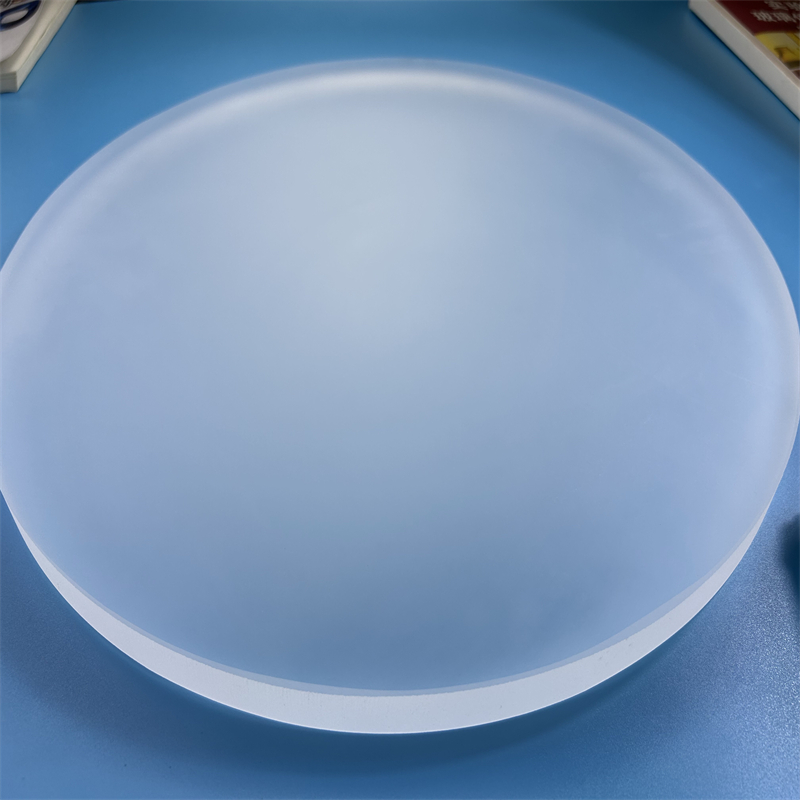
High Temperature Resistance Frosted Quartz Disc/Plate for Reaction Vessel Flanges
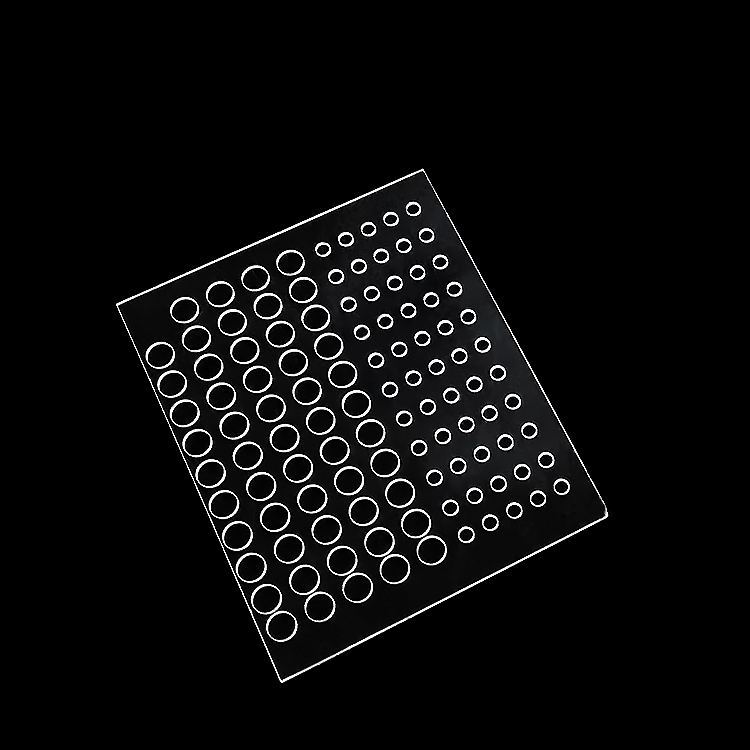
Optics Grade Fused Quartz Glass Plate for Direct Spectroscopic Monitoring Windows
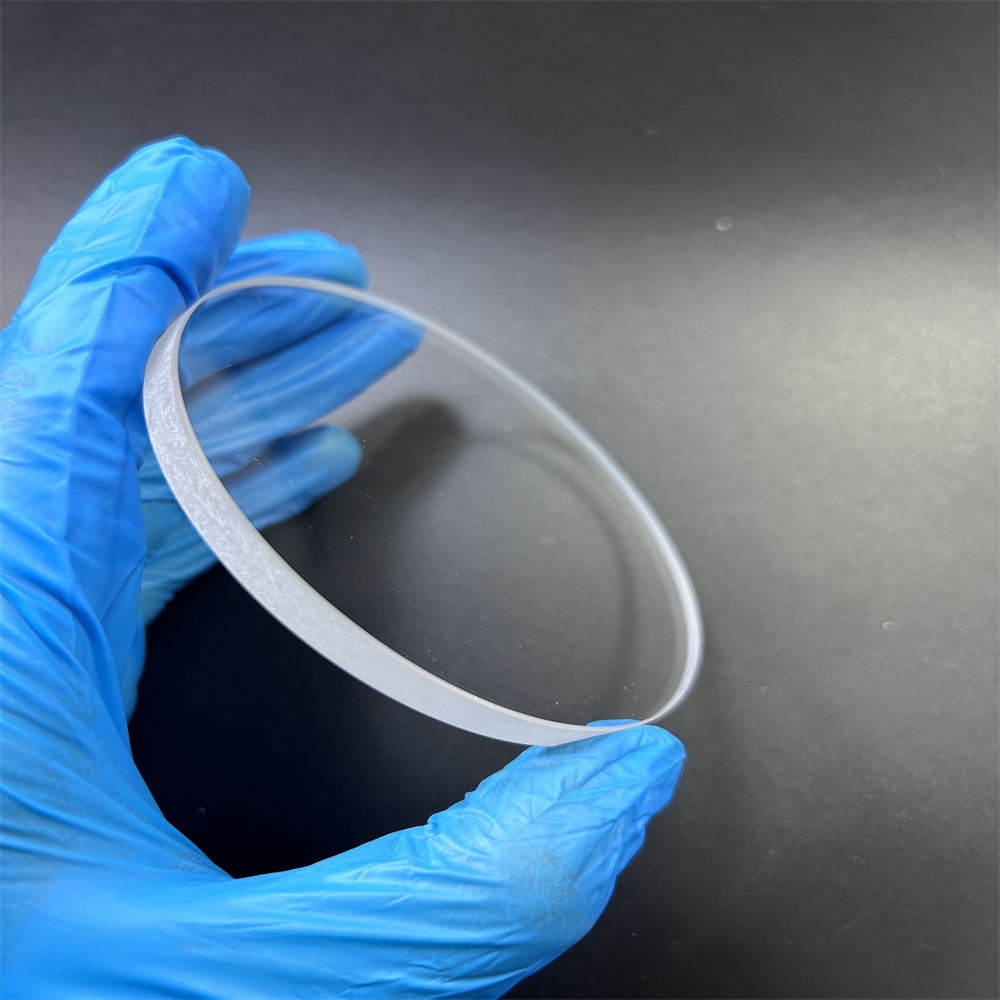
High Pressure Fused Silica Quartz Glass Wafer with CNC Micro-Machining Services
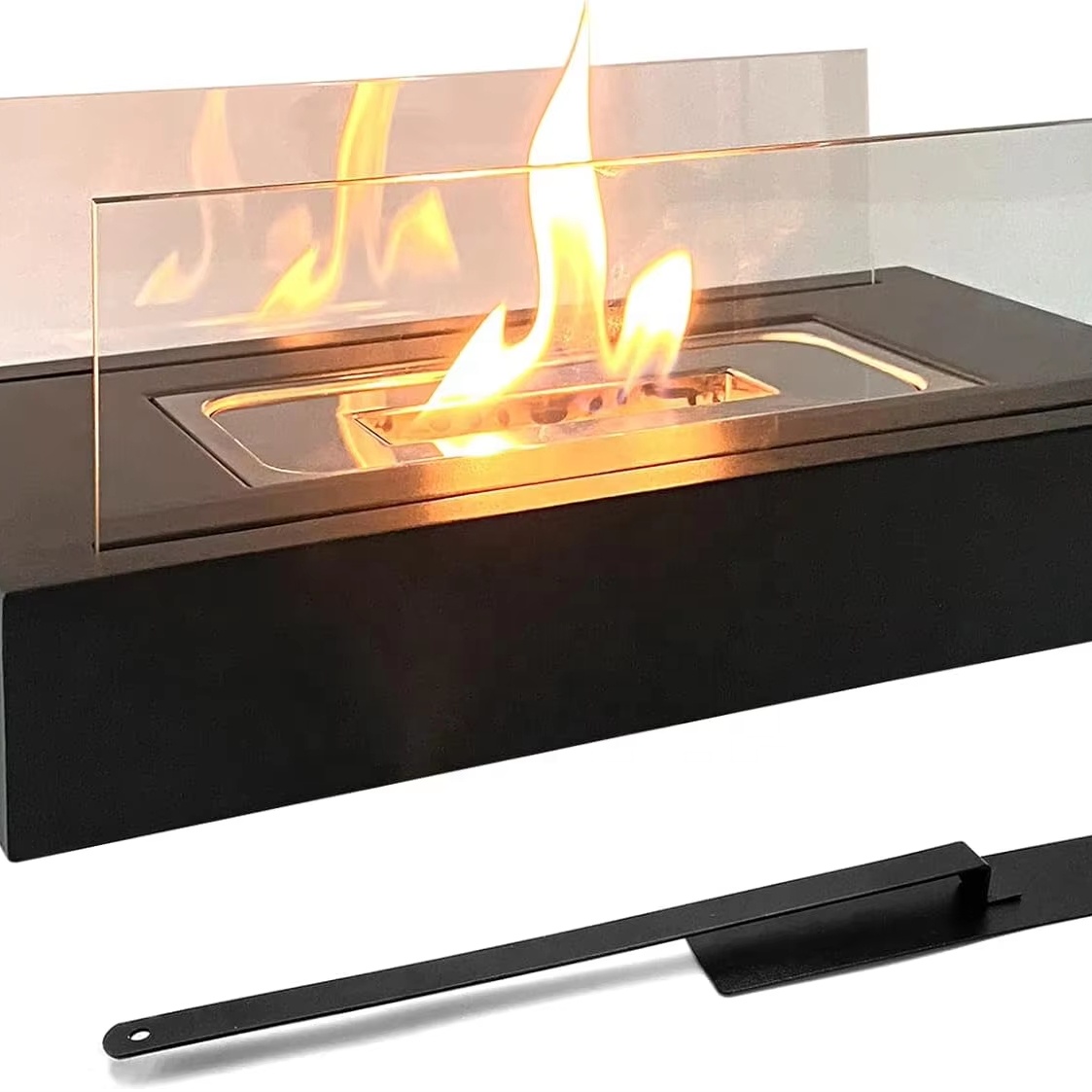
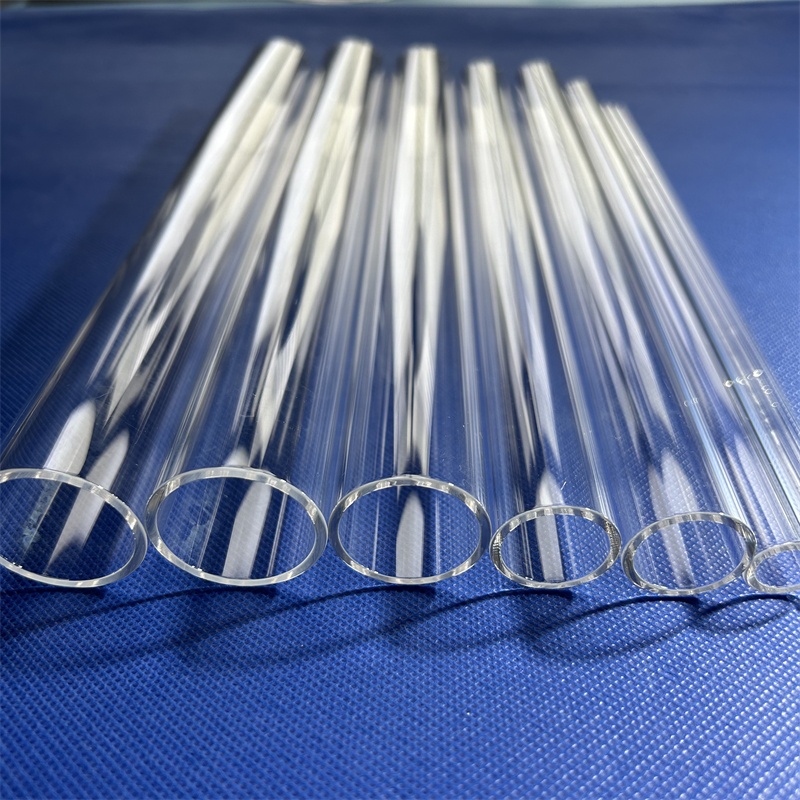
High Temperature Clear Transparent Optical Grade Quartz Glass Chambers
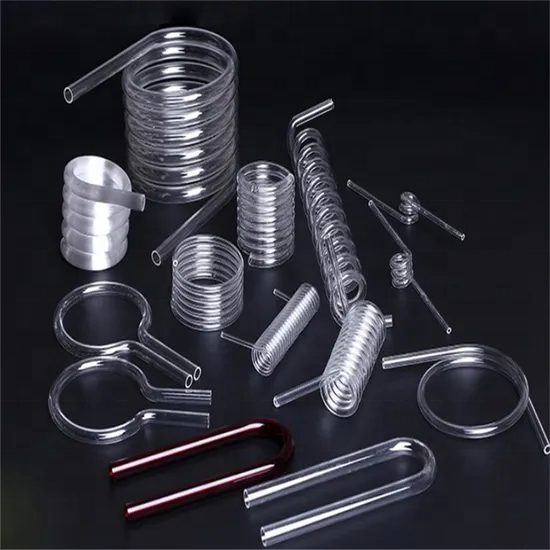
Custom U-Bent Quartz Glass Spiral Cooling/Heating Condenser Coils for Reactors

XRD Sample Tank Testing Slotted Carrier Fused Quartz Sheets (Rated ≤ 1100 °C)
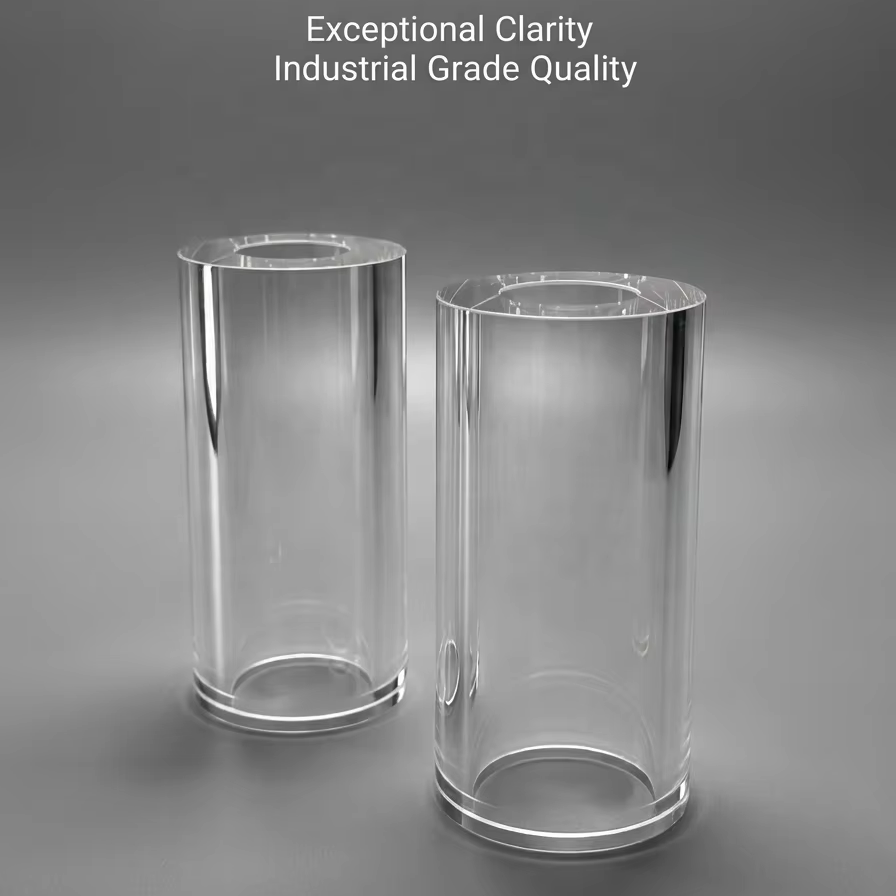
Both Ends Polished High Purity Transparent Quartz Twin Tube for Photochemical Reactions
Technical Whitepaper: Engineering Quartz Reaction Vessels for Veneto's Scientific & Industrial Landscape
Venice and the wider Veneto region present an extraordinary intersection where ancient vitreous craftsmanship converges with advanced material science. Modern industrial clusters surrounding Porto Marghera, along with academic research clusters at Università Ca' Foscari and the Venetian Lagoon environmental monitoring stations, demand reaction vessels capable of enduring extreme hydrothermal conditions, acid digestion, and photocatalysis.
While borosilicate laboratory glassware has traditionally dominated industrial labs, high-throughput chemical synthesis, high-pressure oxidation, and ultra-trace spectroscopy require superior structural integrity. Fused quartz (>99.99% SiO₂) features a thermal expansion coefficient of only 5.5 × 10⁻⁷/°C—roughly one-sixth that of standard borosilicate glass. This allows vessels to withstand instantaneous thermal shock from 1100 °C down to ambient water quenches without failure.
Zero Leachable Boron & Heavy Metals
Trace digestion within Venetian biological research demands vessels free of alkali and boron contamination. Our high-purity natural and synthetic quartz vessels preserve trace sample integrity during sub-boiling acid purifications.
Photochemical UV Transmission (185–2500 nm)
Utilizing JGS1 deep-UV synthetic silica, our custom photoreaction vessels maintain >90% transmission at 254 nm and 185 nm. This makes them ideal for UV-driven photochemical organic synthesis and advanced water remediation experiments.
Hydrothermal & Pressure Resistance
Reaction vessels feature thick-walled cylindrical profiles, precision-annealed joints, and custom ground flat-flange closures engineered to support high autoclave pressures for hydrothermal mineral crystallization.
| Performance Specification | JGS1 Synthetic Fused Silica | JGS2 Optical Fused Quartz | JGS3 Low-OH Infrared Quartz | Industrial Borosilicate 3.3 |
|---|---|---|---|---|
| Optical Spectral Band | 185 nm – 2500 nm (Deep UV) | 220 nm – 2500 nm (UV-Vis) | 260 nm – 3500 nm (IR-Optimized) | 310 nm – 2200 nm |
| Continuous Safe Working Temp | 1150 °C | 1100 °C | 1100 °C | 490 °C |
| Maximum Short-Term Temp | 1350 °C | 1300 °C | 1300 °C | 525 °C |
| Thermal Expansion (CTE) | 5.5 × 10⁻⁷ /°C | 5.5 × 10⁻⁷ /°C | 5.5 × 10⁻⁷ /°C | 33 × 10⁻⁷ /°C |
| Hydroxyl [OH⁻] Content | ≤ 10 ppm (VUV variants) | 150 – 200 ppm | ≤ 5 ppm | Not applicable |
| Acid Resistance (except HF/H₃PO₄) | Class 1 / Superior inertness | Class 1 / Superior inertness | Class 1 / Superior inertness | Class 1 |
Localized Use-Cases: Engineering Demands Across the Venice Lagoon
The application of high-purity quartz reaction ware across Venice spans multiple demanding domains:
Porto Marghera Petrochemical & Specialty Polymers
Venice's main mainland industrial zone runs continuous batch polymerizations and catalytic crackers. Custom double-walled quartz reaction jackets allow operators to visually assess catalyst activation under direct optical or infrared camera diagnostics without risk of vessel deformation up to 1000 °C.
Lagoon Biogeochemical & Trace Heavy Metal Analysis
Researching sedimentation cores and marine toxicity requires digestion vessels that will not leach lead, cadmium, zinc, or silica into hot aqua regia solutions. Fused silica autoclaves provide certified parts-per-billion baseline detection limits.
Artisan Restoration & Sol-Gel Coating Synthesis
Conserving Venice's historic stone, brick, and mosaic heritage relies on sol-gel hydrophobic coatings. Producing clear nano-titania and silica aerogels requires UV photoreactors that ensure uniform light penetration without yellowing or solarization over thousands of process hours.
Regional Procurement Shifts: Fused Silica Adoption in Northern Italy
Italian engineering clusters in Veneto and Lombardy are steadily shifting from standard borosilicate glass to high-purity fused silica for critical process equipment. Several clear drivers explain this migration:
Miniaturization & Continuous Microreactors
Instead of large multi-liter batches, Venetian chemical engineering firms are shifting toward quartz flow microreactors. These feature laser-drilled microchannels, offering precise heat transfer and reduced reagent waste.
Green Hydrogen & High-Temperature Pyrolysis
With industrial decarbonization across Northern Italy, pilot plants are testing methane pyrolysis inside transparent quartz tubes, relying on resistance to coke adhesion and stability above 1100 °C.
Direct OEM/ODM Drawing Customization
Standard catalog labware rarely fits bespoke academic and pilot plant setups. Procurement teams now require fast CAD-to-prototype cycles (DWG, STEP, or PDF) delivered in short lead times, rather than waiting months for non-custom parts.
Zunex Quartz: Direct Manufacturing Heritage & Technical Capabilities
Headquartered in Donghai County—internationally recognized as the crystal and silica capital—Zunex Quartz Products Co., Ltd. combines raw material access with modern hot-flame and CNC cold-working operations.
Our facility houses dual-process manufacturing: precision hot-working for torch-formed reaction vessels, domed bases, and high-vacuum flanges, alongside high-precision CNC multi-axis grinding, ultrasonic laser drilling, and slotting. Every vessel ships with tight dimensional tolerances (±0.05 mm on critical surfaces) and optical finishes compliant with semiconductor requirements.
Custom Tooling to Drawing
Send your 2D PDF or 3D STEP drawings. Our engineers review wall thickness, thermal gradients, and flanging interfaces, delivering clear manufacturing assessments in under two hours.
Laser Finishing & Micro-Grooving
Specialized laser-machined ports, sensor-well penetrations, thermocouple wells, and ground flat joints without the edge micro-fissuring that can cause premature thermal shock failures.
Shock-Proof Export Packaging
Fragile quartz equipment travels via custom-cut polyethylene foam cases and certified wooden packaging, backed by an established export network into Italy and wider European ports.
Frequently Asked Questions for Italian & European Buyers
Direct answers to questions regarding material specifications, shipment integrity, and custom fabrication workflows.