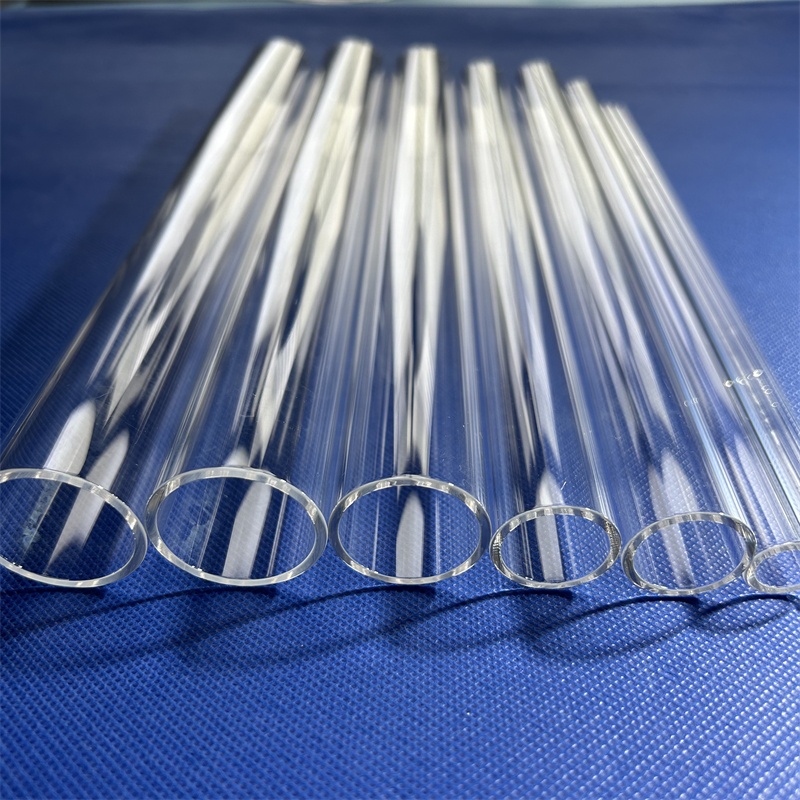
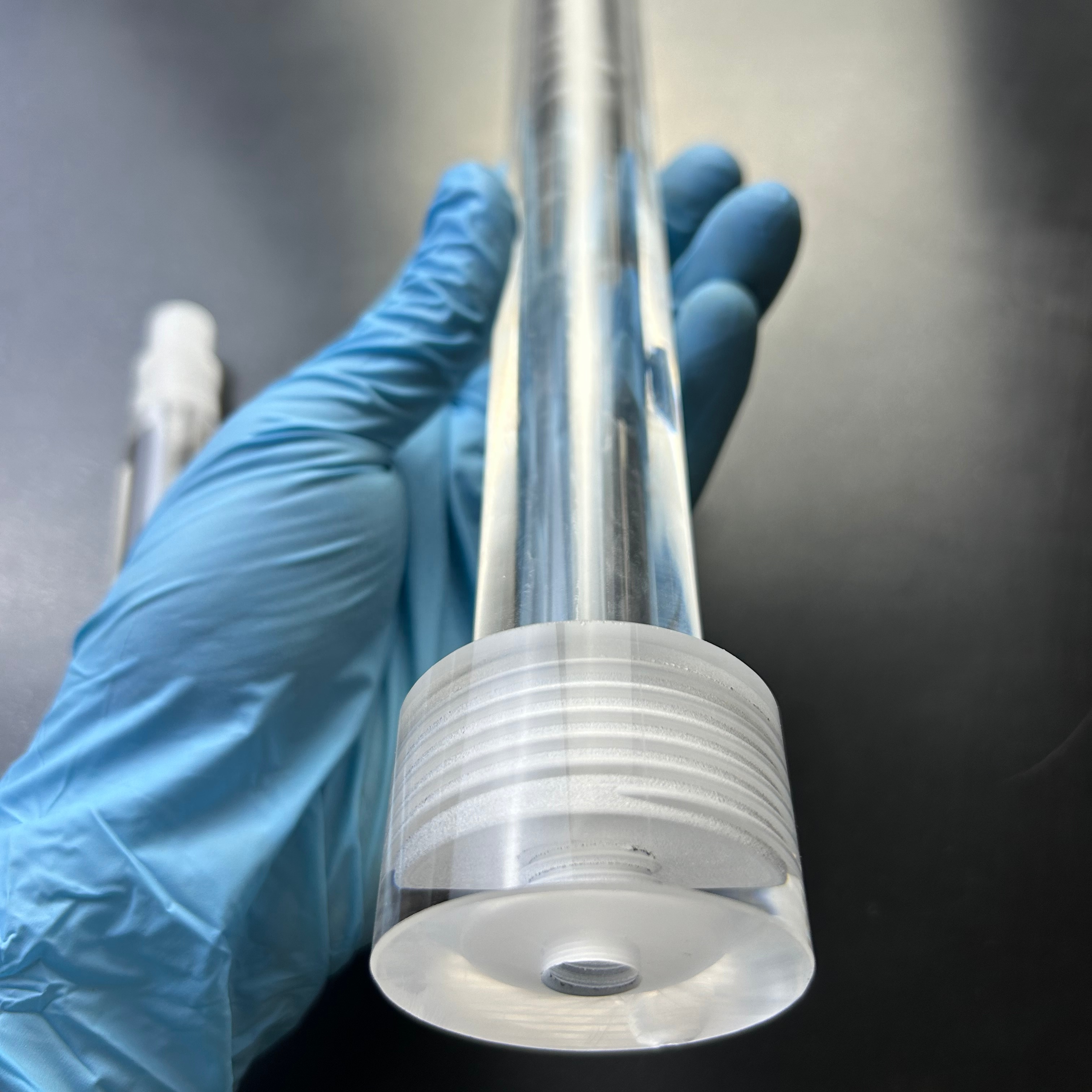
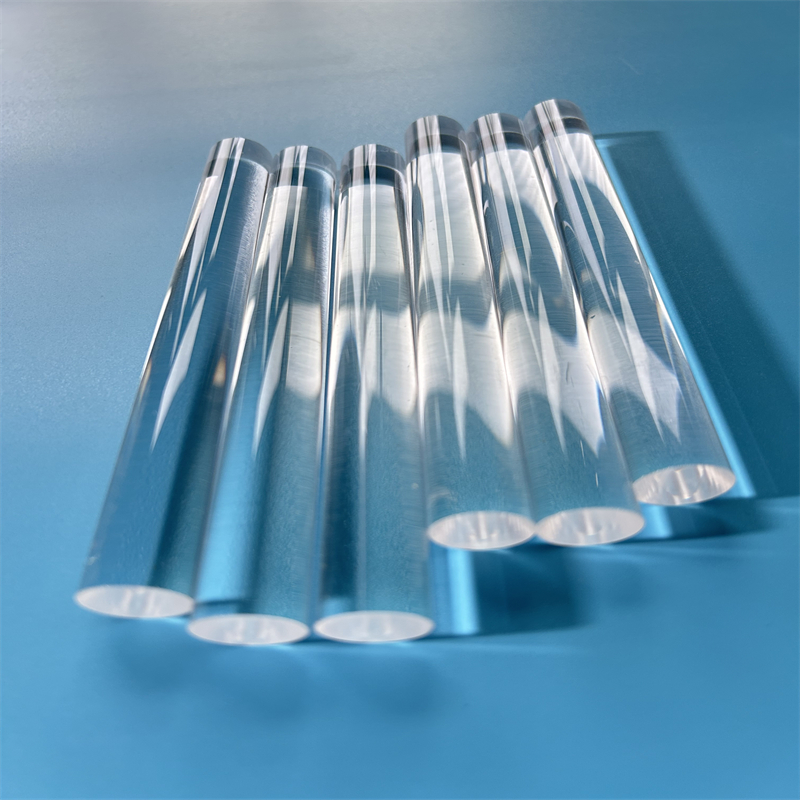
Engineering Portfolio: 8 High-Precision Quartz Reactor Components
Manufactured using optical and semiconductor-grade synthetic silica and high-purity natural fused quartz with trace metal impurities strictly controlled below sub-ppm thresholds.
100%
Verified In-Time Response Rate
≤ 2.0h
Average Drawing Technical Review
43%
Repeat-Order Rate from Global Buyers
≥ 99.99%
Silicon Dioxide (SiO₂) Material Purity
Technical Whitepaper: Precision Quartz Reactor Fabrication for the Japanese High-Tech Corridor
The Japanese semiconductor, compound power device (SiC/GaN), and advanced chemical synthesis ecosystems represent some of the world's most exacting supply chain specifications. In critical thermal processes—such as LPCVD (Low Pressure Chemical Vapor Deposition), PECVD, rapid thermal annealing (RTA), atomic layer deposition (ALD), and epitaxy—the quartz reactor serves not merely as a structural containment vessel, but as an active boundary condition that directly determines wafer yield, batch uniformity, and crystalline film integrity.
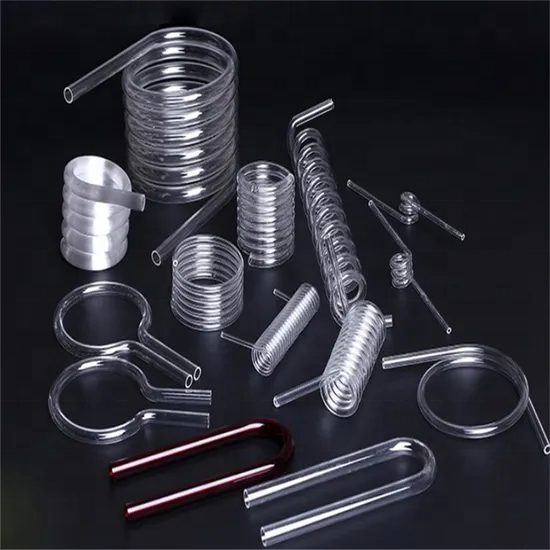
Located in Donghai County, China—globally acknowledged as the premier hub for quartz raw materials and fused silica craftsmanship—our facility combines domestic raw crystal reserves with high-end synthetic silicon tetrachloride feedstock. Through advanced flame fusion, hydrogen-oxygen horizontal thermal lathes, CNC ultrasonic multi-axis glass milling, and precision laser cutting, we manufacture bespoke quartz reactors engineered to survive sustained thermal operational envelopes up to 1100°C without mechanical sagging or micro-devitrification.
| Critical Parameter |
JGS1 (Synthetic Fused Silica) |
JGS2 (Fused Natural Quartz) |
Semiconductor High-Purity Grade |
| SiO₂ Content |
≥ 99.999% (5N) |
≥ 99.99% (4N) |
≥ 99.995% to 99.999% |
| Hydroxyl [OH⁻] Content |
High (< 1200 ppm) or Dry (< 1 ppm) |
Approx. 150 – 200 ppm |
Strictly controlled (≤ 5 – 30 ppm) |
| Spectral Transmission |
185 nm – 2500 nm (Deep DUV/UV) |
220 nm – 2500 nm (UV-VIS) |
260 nm – 3500 nm (Broadband/IR) |
| Devitrification Resistance |
Exceptional at > 1150°C |
Standard at 1100°C continuous |
Enhanced through acid pickling & annealing |
| Total Metallic Impurity |
< 0.5 ppm total (Fe, Cu, Na, K, Li) |
< 15 ppm total |
< 1.0 ppm (Heavy metals non-detectable) |
For Japanese engineering procurement departments (资材调达部) across Kumamoto, Tohoku, Kansai, and Kyushu clusters, supply chain continuity depends on low thermal expansion coefficients, absence of internal micro-bubbles (Grade 0/1 bubble classes), and sub-millimeter geometric accuracy. Our manufacturing line applies state-of-the-art dimensional laser scanning to maintain wall-thickness tolerance within ±0.1 mm, preventing uneven thermal gradient stresses that lead to mechanical fracture during rapid heating or high-vacuum gas evacuation cycles.
Localized Industrial Applications: Targeting Japan's Advanced Sectors
Custom OEM/ODM reactor designs matched to the stringent engineering practices of Japanese fabs, research institutes, and chemical producers.
Kyushu & Kumamoto Semiconductor Fabs
Vertical and horizontal furnace quartz process tubes, wafer carrier boats, gas injector lances, and outer quartz vacuum bell jars. Engineered with ultra-low alkali metal (Na, K, Li) content to eliminate ionic wafer contamination in 28nm to advanced sub-7nm CMOS logic and DRAM fabrication processes.
SiC & GaN Power Semiconductor Lines
High-thermal-shock quartz reactor liners and reaction chambers developed for wide-bandgap (WBG) epitaxy. Optimized for continuous 1100°C–1250°C operation in corrosive chlorinated/fluorinated gas chemistries, withstanding rigorous RF induction thermal cycles.
Tsukuba & National University R&D Laboratories
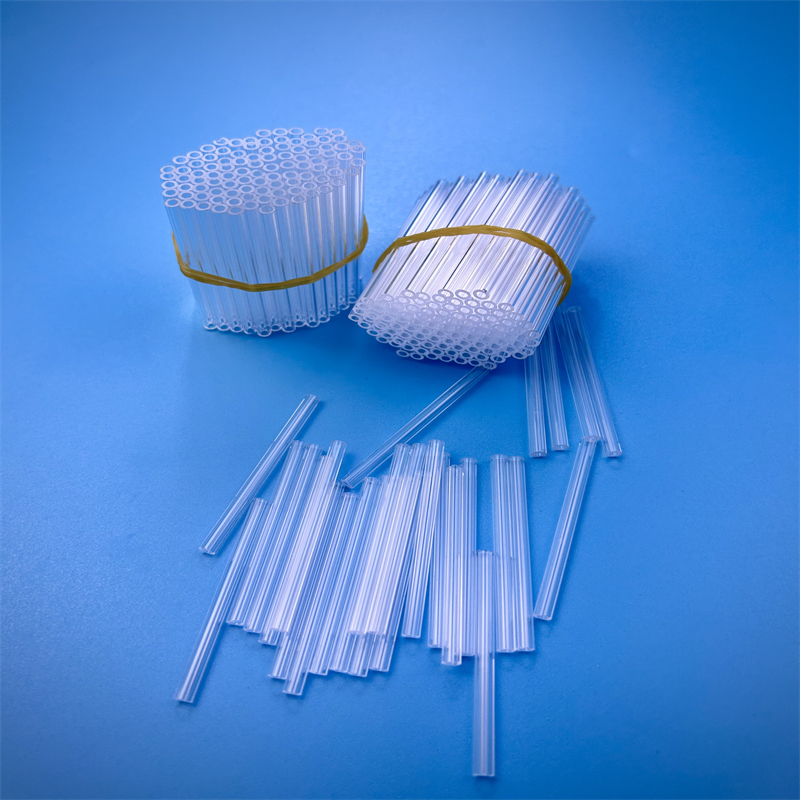
Custom micro-channel quartz reactors, photochemical vessels, UV decomposition flow cells, and BET adsorption analyzer sample chambers. Fabricated precisely to individual STEP/DWG drawings for synthesis experiments where glass inertness and optical transparency are non-negotiable.
Market Trends: Evolution of Quartzware Sourcing Across Japan (2025–2030)
The revitalization of Japan's domestic semiconductor foundry ecosystem—marked by large-scale foundry investments in Kumamoto (JASM), the rapid buildout of next-generation 2nm pilot lines in Hokkaido (Rapidus), and expanded silicon carbide power device manufacturing across Nagano and Gunma—has triggered unprecedented demand for high-reliability quartzware components.
Historically, Japanese tier-1 equipment manufacturers relied solely on a closed domestic vendor ecosystem. However, rising lead times for raw fused quartz, steep energy surcharges, and limited local secondary glassworking capacity have accelerated a strategic shift toward qualified overseas OEM/ODM partners. Today, Japanese procurement executives prioritize dual-sourcing frameworks that provide traceable material certs, automated laser micro-processing, and flexible small-batch custom tooling without compromise on dimensional stability. By offering responsive Chinese factory pricing with comprehensive dimensional validation reports, our manufacturing operations seamlessly bridge this cross-border requirement.
Engineering Competencies: Why Japanese Procurement Teams Partner With Us
Verified manufacturing infrastructure, agile CAD/CAM processing, and meticulous export-grade logistics.
Donghai Crystal Capital Advantage
Located in Donghai County, Jiangsu, direct source of premium quartz ores and specialized processing cluster, providing raw material cost efficiency and rapid replenishment.
Quartz Laser Finishing Capabilities
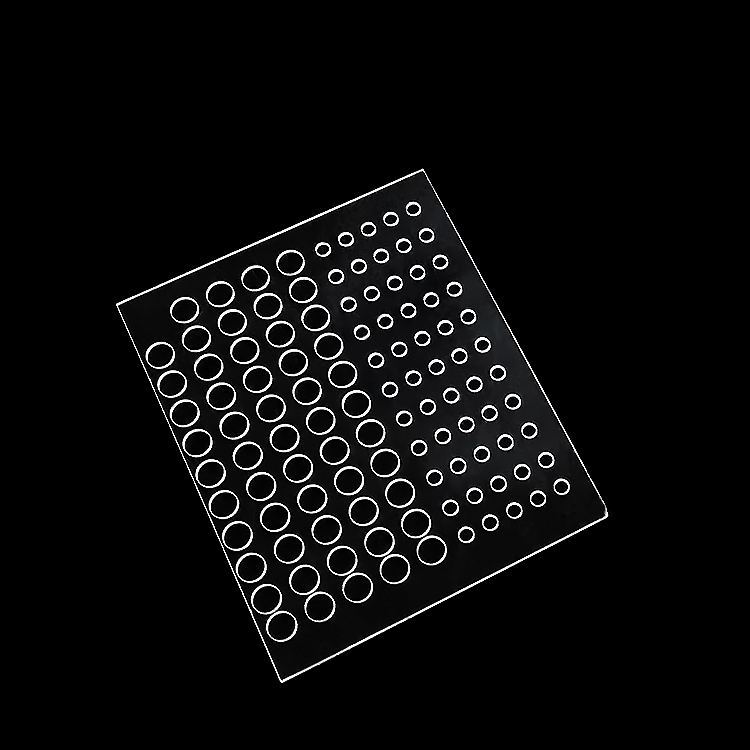
Proprietary laser drilling, microscopic slotting, edge chamfering, and contour cutting. Eliminates subsurface micro-fissures and thermal micro-cracking common in traditional mechanical grinding.
Rapid Technical Review (≤ 2 Hours)
All incoming drawings (PDF, DWG, STEP) are evaluated directly by materials and glass-forming engineers, guaranteeing feasibility confirmation and quotes within 120 minutes.
Zero-Breakage Export Packaging
Engineered shock-absorbing EPE multi-layer foam cutouts encased in fumigated plywood cases, tailored for rapid air and maritime logistics to Narita, Haneda, Kansai, and Fukuoka ports.
Frequently Asked Questions: Procurement & Quality Compliance for Japan
Key technical, dimensional, and trade parameters addressed for Japanese purchasing and quality assurance teams.
Q1 Can you produce customized quartz reactors according to our Japanese JIS engineering drawings?
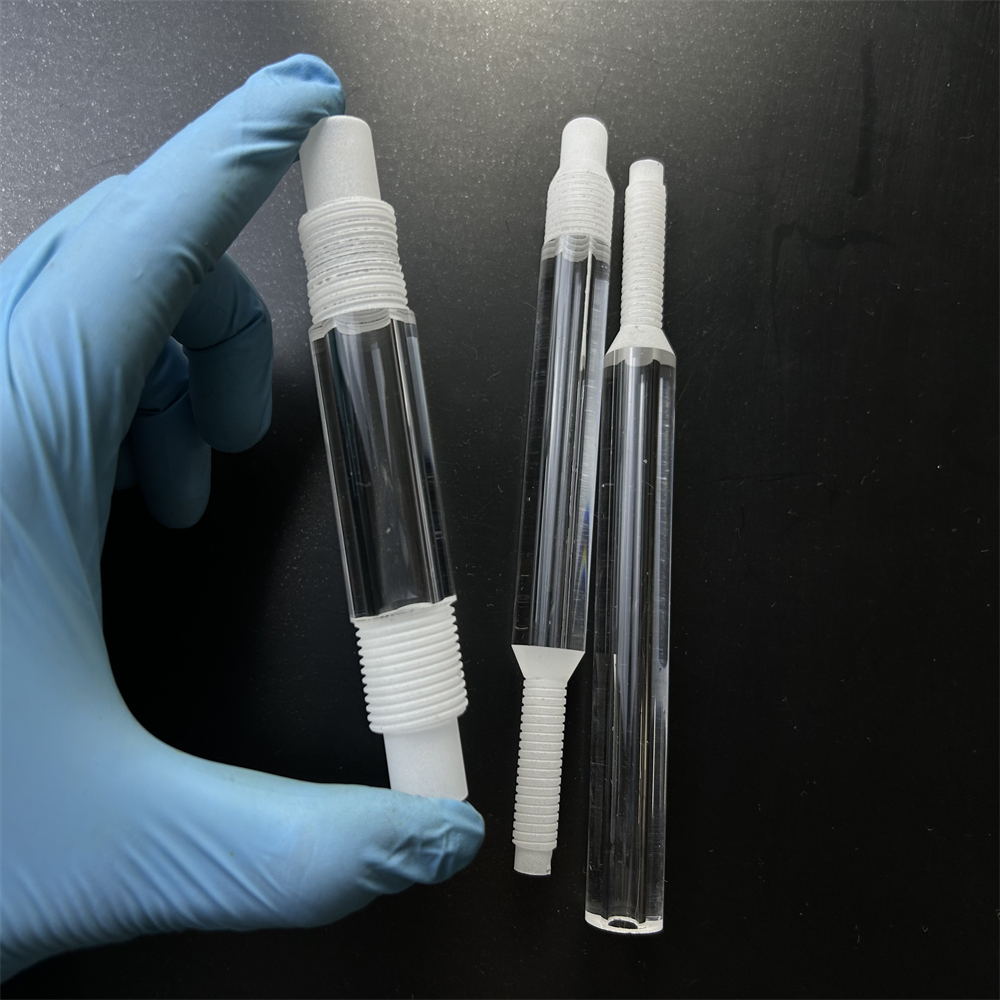
Yes, absolutely. Processing to drawing is our core OEM/ODM competency. We regularly interpret Japanese CAD mechanical specifications (JIS B 0001 standards), including strict geometric dimensioning and tolerancing (GD&T), fire-polished bevels, thread pitches, and precision ground flanges. Simply send your PDF, DWG, or 3D STEP models, and our engineering staff will verify production feasibility and provide a formal quote.
Q2 How do you guarantee the chemical purity and avoid heavy metal contamination in semiconductor processes?
Our raw quartz tubes, ingots, and plates are synthesized from high-purity natural silica or synthetic silicon precursors with SiO₂ concentrations reaching 99.99% to 99.999%. Trace metal ions such as Fe, Cu, Ni, Cr, and mobile alkali ions (Na, K, Li) are monitored rigorously via ICP-MS analysis. Finished reactors undergo multi-stage acid washing (HF/HNO₃ pickling) and DI water ultrasonic neutralization in cleanroom conditions before hermetic vacuum packaging.
Q3 What are the thermal threshold boundaries for continuous and intermittent operation?
Standard fused quartz components feature a continuous service temperature limit of ~1100°C and can withstand short-duration temperature peaks up to 1300°C without geometric distortion, owing to our annealing control near 1215°C and an ultimate softening point of approximately 1683°C. With an ultra-low thermal expansion coefficient of 5.5 × 10⁻⁷ /°C, our quartz vessels exhibit exceptional thermal shock resistance, handling rapid insertion and withdrawal cycles without thermal shatter.
Q4 How does your factory handle delivery times and safe transport to major industrial ports across Japan?
Given the close geographic proximity between Eastern China and Japan, custom quartz reactor orders typically clear express air freight (EMS/DHL/FedEx) to Narita, Haneda, or Kansai international airports within 2 to 4 days post-fabrication. High-volume reactor assemblies are shipped via scheduled container lines directly to Tokyo, Yokohama, Osaka, or Hakata ports. Every batch is secured inside custom-molded shockproof foam inserts and export-standard wooden crates.
Q5 What documentation and quality inspection certifications do you supply with the delivery?
Each delivery can be accompanied by a comprehensive Quality Inspection Certificate, comprising dimensional CMM measurement sheets, spectrophotometric UV-VIS-IR transmission curves (for JGS1/JGS2/JGS3 optical materials), and ICP-MS chemical composition certificates. Before dispatch, high-resolution photographic inspection records of the finished pieces and sealing surfaces are forwarded to the customer's engineering desk for advance approval.
Initiate Your Quartz Reactor Project Today
Submit your CAD blueprints, chemical medium parameters, or bespoke thermal reactor requirements. Our precision glass-blowing master technicians and laser machining engineers are prepared to review manufacturability immediately.
Inquire Now