Engineered Quartz Solutions for Advanced Chromatography & Industrial Systems
Custom-fabricated capillary conduits, optical cylinders, precision wafers, and heavy-duty reaction tubes engineered to micron-grade tolerances.
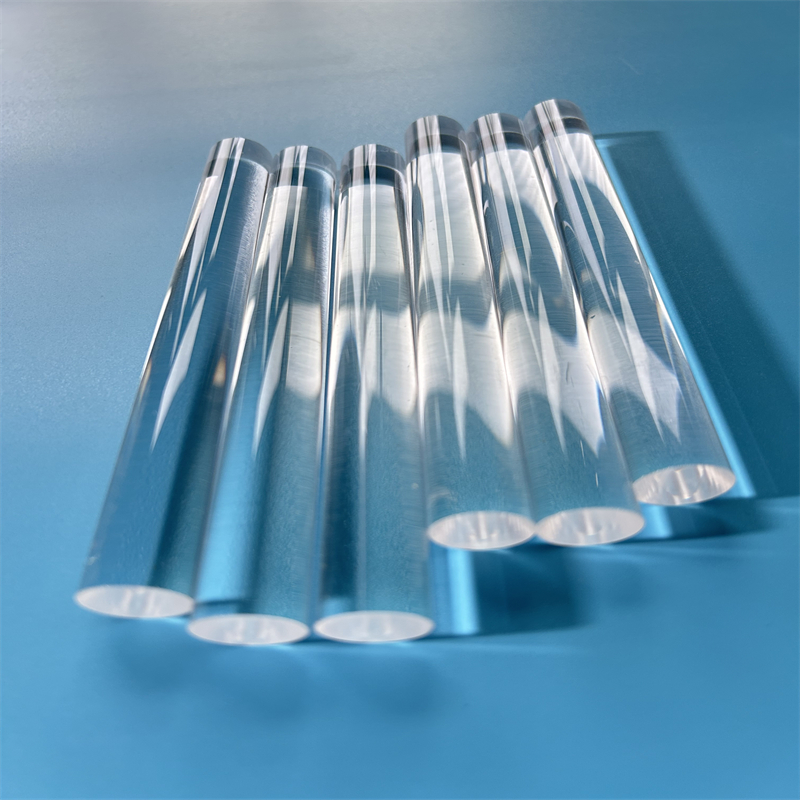
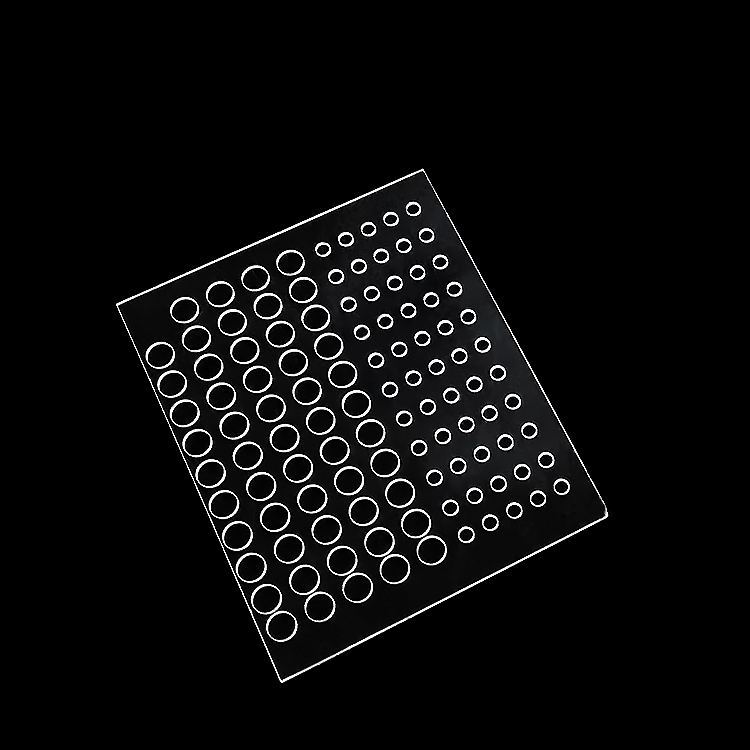
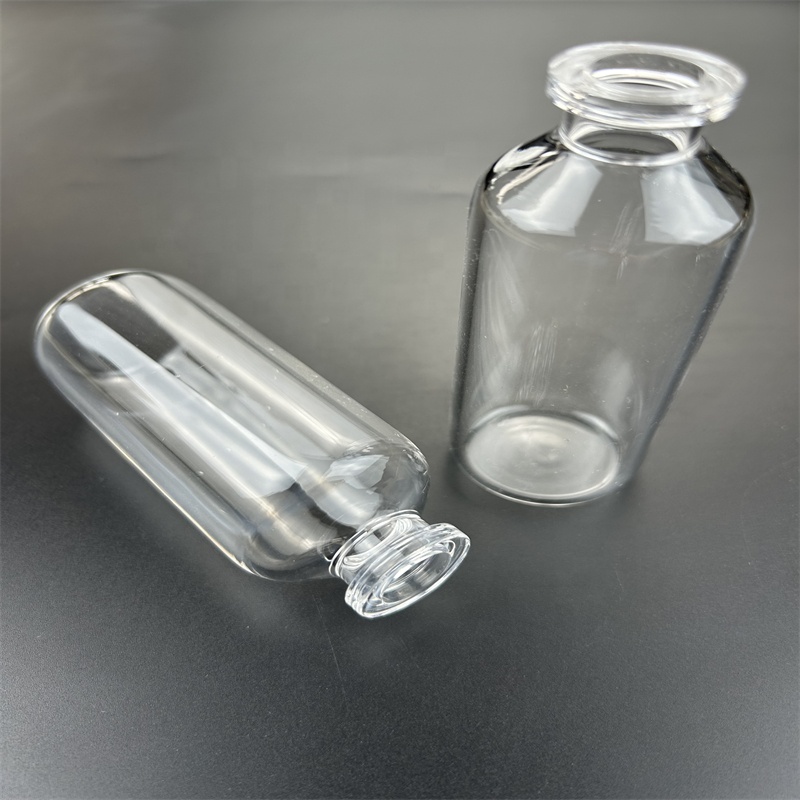
High-Purity Quartz Capillary Tubing in Western Flanders Industry
Examining thermodynamic integrity, micro-fluidic transport kinetics, and chemical surface stabilization across Bruges maritime laboratories, Ghent-Bruges biotech corridors, and chemical facilities.
Synthetic Fused Silica Purity (SiO₂ ≥ 99.99%)
Fused silica capillary tubing engineered for analytical chromatographs features near-zero trace elemental presence. Transition metals such as iron (Fe), copper (Cu), and titanium (Ti) remain strictly below 0.1 ppm. This prevents analyte adsorption during gas chromatography (GC) and capillary zone electrophoresis (CZE), ensuring ultra-repeatable baseline signals.
Sub-Micron Dimensional Uniformity
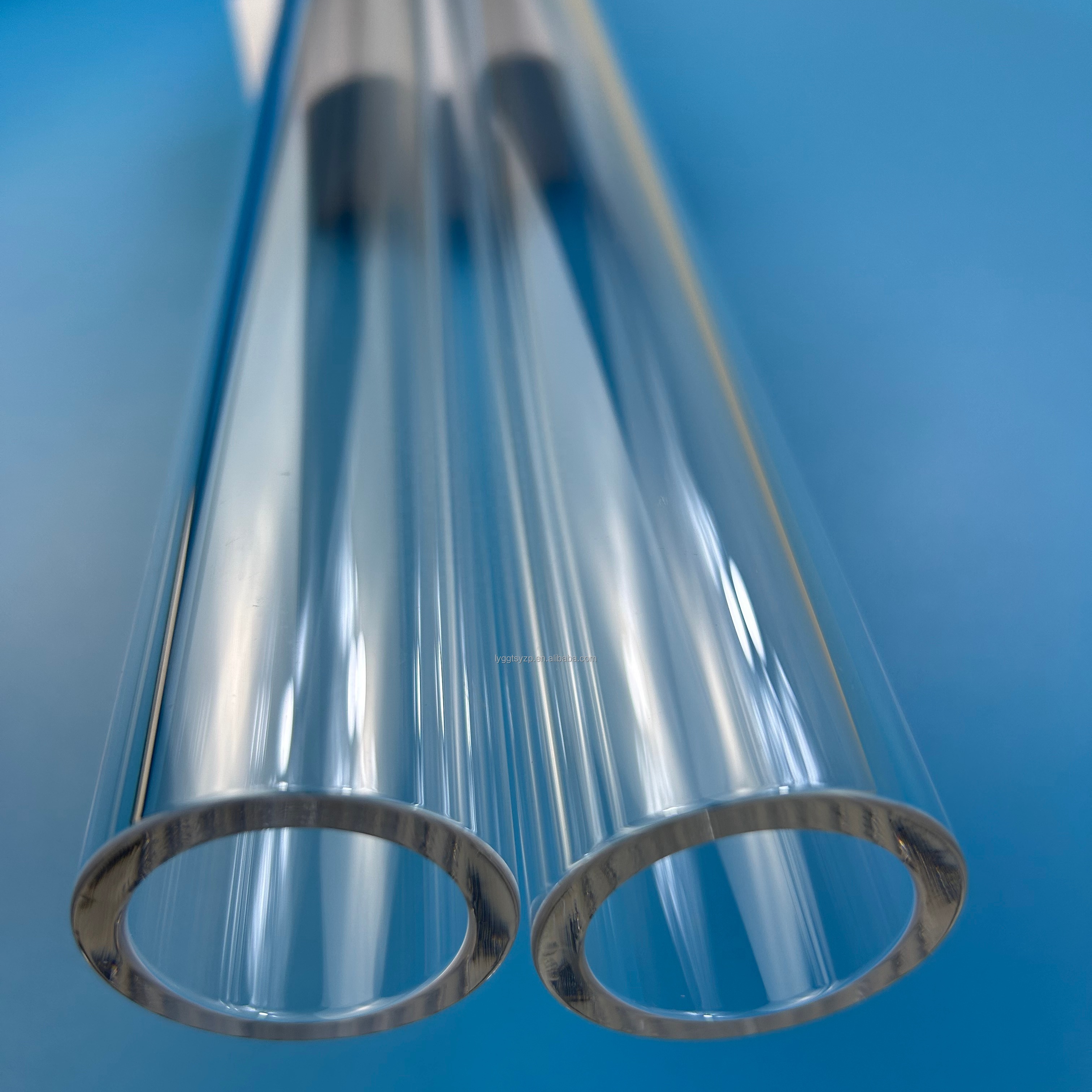
Manufactured using computer-governed down-draw pulling towers in Donghai, our capillary tubes feature inner diameters (ID) spanning 5 µm to 1500 µm with concentricity margins tighter than ±1.5%. Circularity tolerance is controlled to 99.8%, eliminating erratic flow-resistance profiles in ultra-high-pressure liquid chromatography (UHPLC) applications.
Thermal Shock & Mechanical Resilience
Featuring a thermal expansion coefficient of only 5.5 × 10⁻⁷ /°C from 20 °C to 1000 °C, our quartz capillary tubing withstands immediate temperature swings exceeding 1100 °C without mechanical failure. Thin-wall formulations withstand hydrostatic burst pressures above 600 bar, matching strict European pharmaceutical testing benchmarks.
Localized Industrial Applications in the Bruges & Flanders Ecosystem
How specialized quartz capillaries power maritime chemistry, biomedical diagnostics, petrochemical refining, and optical communications across Western Belgium.
Marine & Environmental Analytics
Operating near the Port of Antwerp-Bruges (Zeebrugge hub) requires stringent seawater diagnostics. Capillary quartz channels serve as continuous flow-through optical cells for spectrophotometric detection of nitrates, phosphates, and micro-pollutants along the Belgian North Sea shelf without salt corrosion or optical degradation.
Biopharma & Flanders Biotech
Biomedical institutions in nearby Ghent and Bruges utilize fused silica capillary tubes for high-resolution Capillary Gel Electrophoresis (CGE) and DNA sequencing. Deactivated inner capillary walls limit protein sorption, maintaining analytical reproducibility for pharmaceutical validation under EMA guidance.
Petrochemical & LNG Chromatography
The Zeebrugge maritime gas terminal leverages specialized fused quartz capillary columns for on-line gas chromatography. Capillary assemblies separate light hydrocarbons, sulfur mercaptans, and volatile impurities under continuous thermal programming up to 420 °C with low bleed rates.
Precision Photonics & Fiber Splicing
In the West Flanders high-precision electronics industry, micro capillary quartz sleeves function as fiber-optic alignment ferrules. Tight mechanical tolerance (±0.001 mm on custom lines) ensures insertion loss remains beneath 0.05 dB across trans-oceanic telecommunication connections.
Emerging Trends Driving Capillary Tube Sourcing in Bruges
Analyzing procurement shifts, decarbonization initiatives, and engineering changes throughout European supply chains.
1. Microfluidics & Lab-on-a-Chip Miniaturization
Research centers in the Bruges-Kortrijk-Ostend innovation corridor are moving from conventional analytical hardware toward microfluidic chips. Fused silica capillaries provide the primary fluidic interconnects because of their chemical passivity, high pressure containment, and transparency across the deep UV spectrum down to 190 nm (JGS1 synthetic grade).
2. EU Green Deal & REACH Traceability Mandates
Stringent compliance with European chemical legislation (REACH Regulation EC 1907/2006 and RoHS Directive 2011/65/EU) forces Belgian procurement teams to eliminate heavy metals and uncertified borosilicate glass formulas. Our synthetic fused silica is 100% heavy-metal-free, with complete trace element assays provided for batch-level verification.
3. Direct-from-Factory Supply Chain Resiliency
Belgian precision engineering firms are increasingly bypassing intermediaries in favor of direct manufacturer relationships with Donghai quartz facilities. This shift shortens delivery times, reduces per-unit costs by 30-45%, and enables custom OEM adjustments such as precise laser cutting, micro-grooving, and custom inner diameter drawings.
Fused Quartz Capillary Technical Specification Matrix
Comparative properties for optical, thermal, and mechanical engineering assessments in high-spec laboratory setups.
| Property Parameter | Synthetic Fused Silica (JGS1) | Optical Fused Quartz (JGS2) | IR Fused Quartz (JGS3) | Standard Borosilicate 3.3 |
|---|---|---|---|---|
| SiO₂ Purity Ratio | ≥ 99.999% | ≥ 99.99% | ≥ 99.98% | Approx. 81% |
| Useful Optical Bandwidth | 185 nm – 2500 nm (Deep UV) | 220 nm – 2500 nm (UV-Vis) | 260 nm – 3500 nm (Low OH Infrared) | 310 nm – 2200 nm |
| Hydroxyl (OH⁻) Content | ≤ 1200 ppm (variable) | ≤ 150 – 200 ppm | ≤ 5 – 8 ppm (Dry) | Not quantified |
| Continuous Working Temp | 1100 °C | 1100 °C | 1150 °C | 450 °C |
| Softening Point | 1730 °C | 1683 °C | 1680 °C | 820 °C |
| Coefficient of Expansion (CTE) | 5.5 × 10⁻⁷ / °C | 5.5 × 10⁻⁷ / °C | 5.4 × 10⁻⁷ / °C | 33 × 10⁻⁷ / °C |
| Refractive Index (nD 589 nm) | 1.4584 | 1.4585 | 1.4586 | 1.4730 |
Why Bruges Engineering Teams Partner with Zunex Quartz
Direct from Donghai County—the Crystal Capital—to the Western Flanders logistics corridor.
Custom Fabrication to CAD / STEP
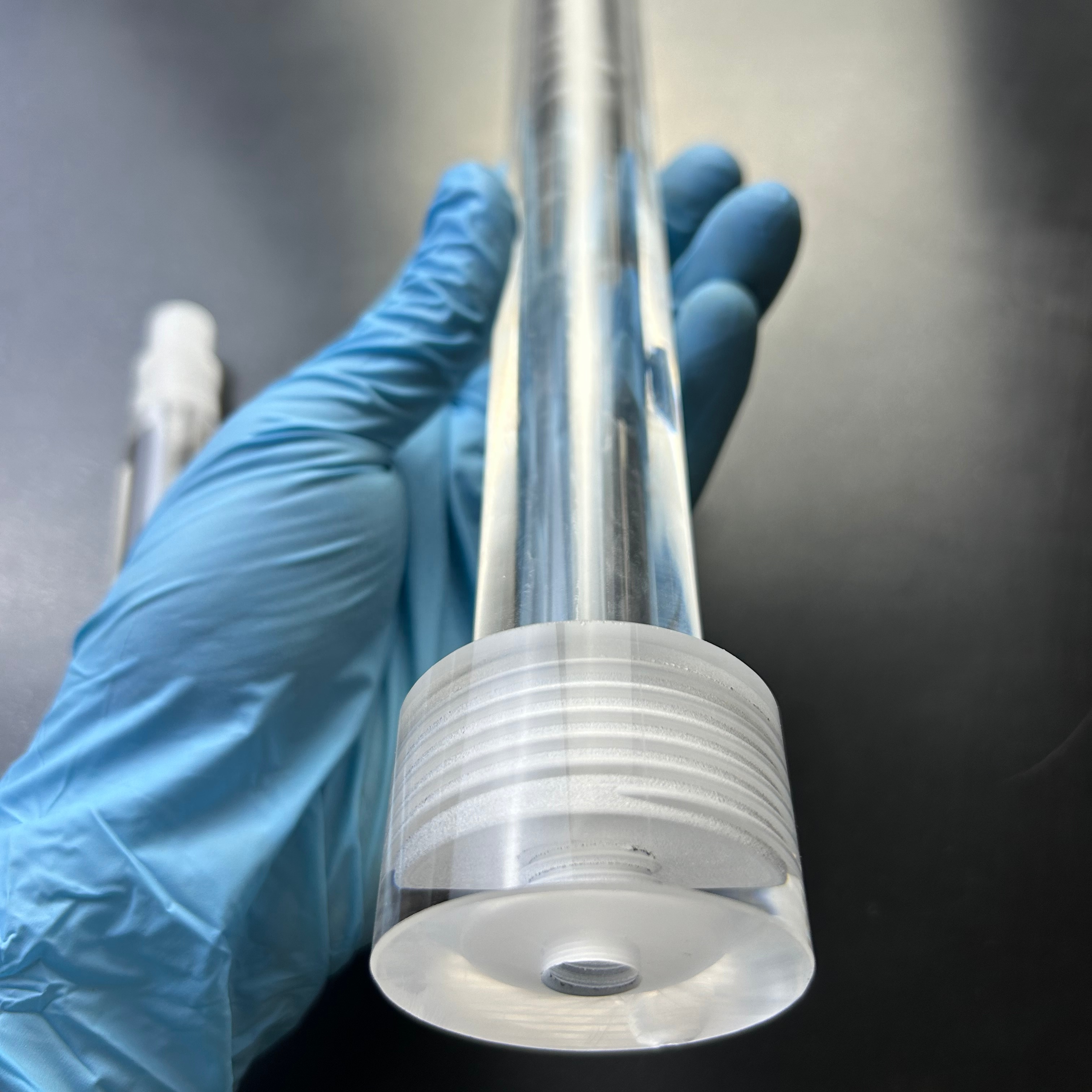
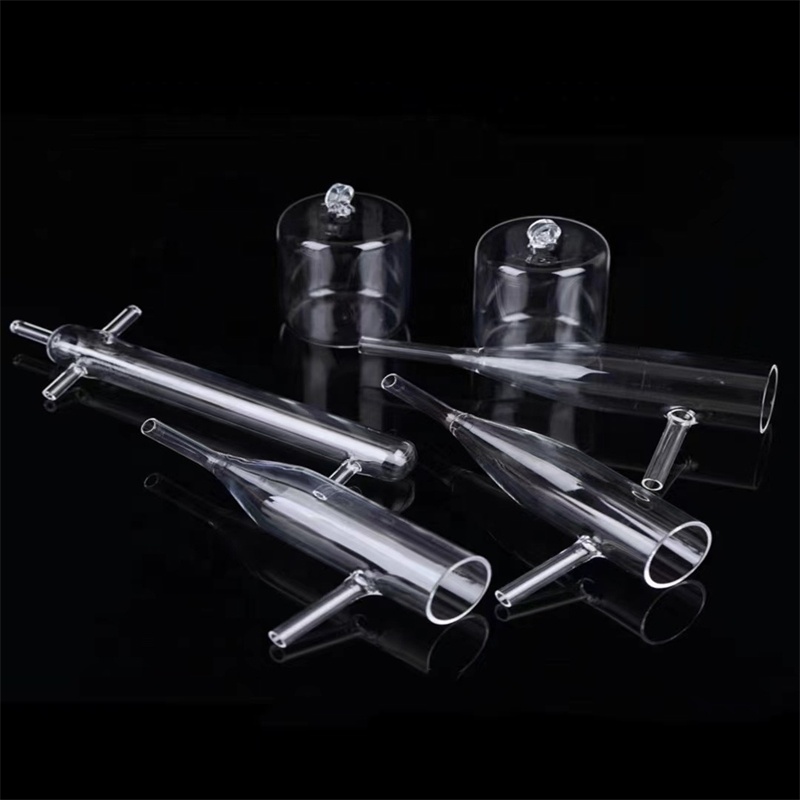
We process quartz tubing to customer drawings. Whether your project requires custom capillary arrays, windowed detection cells, square capillaries, or flame-drawn micro-tips, our engineering team inspects file geometry before production begins.
Precision Quartz Laser Finishing
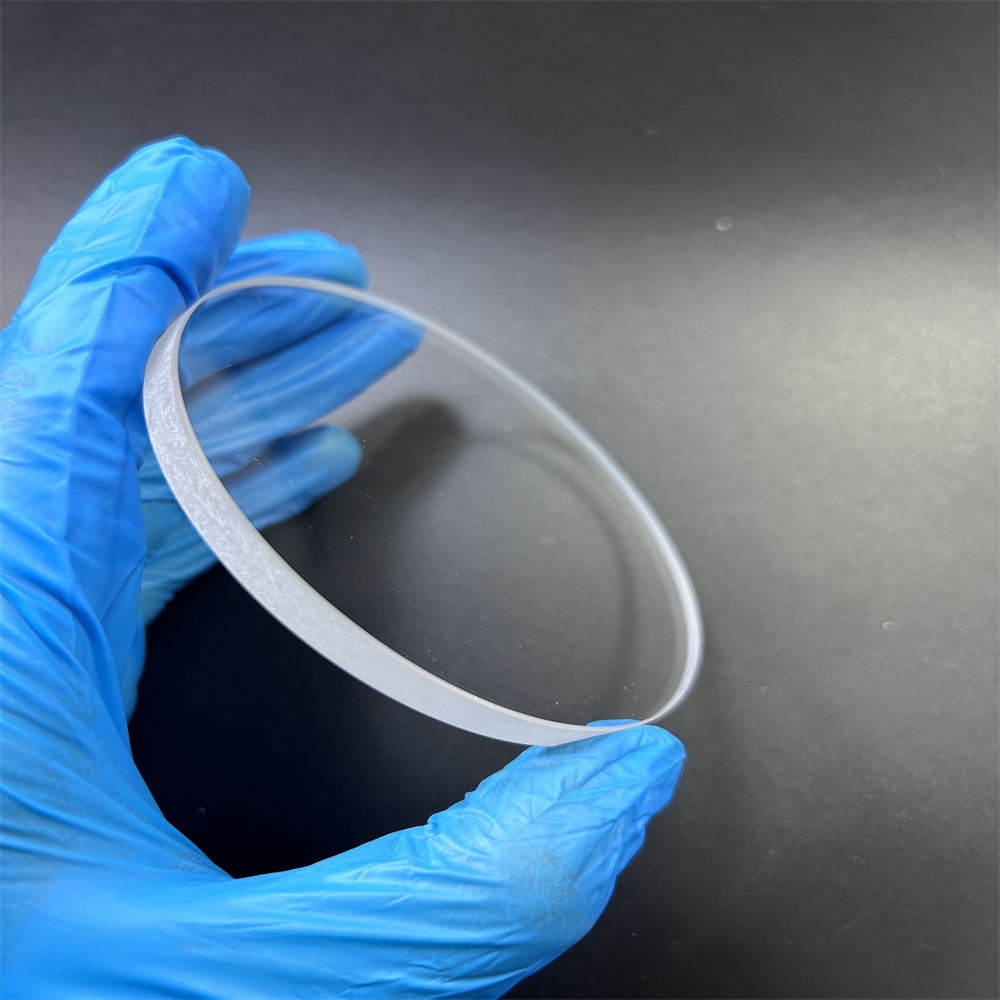
Our workshop utilizes ultra-short pulse picosecond and femtosecond lasers for micro-drilling, orifice cutting, and lateral slit grooving down to ±2 µm tolerances without thermal micro-fracturing or edge chipping on delicate capillary tubes.
Rapid Global Export & Custom Packaging
With a verified average response time under 2 hours and an export packaging system that uses cleanroom antistatic polyethylene tubes and shock-absorbing foam cases, orders arrive at Bruges and Zeebrugge destinations without breakage.
Frequently Asked Questions: Sourcing Quartz Capillary Tubes in Bruges
Practical guidance on imports, customs processing, dimensional tolerances, and material specifications for Belgian procurement managers.
What are the typical customs tariffs and VAT protocols when importing quartz capillary tubes into Belgium?
Can you manufacture quartz capillaries with custom inner and outer diameters according to CAD drawings?
How do you choose between JGS1, JGS2, and JGS3 quartz for analytical chemistry equipment?
What internal burst pressures can high-purity quartz capillary tubing tolerate?
How do you ensure fragile quartz capillary tubes do not break during shipment to Belgium?
What is your minimum order quantity (MOQ) for prototypes and pilot research batches?
Request a Technical Drawing Review & Quotation
Connect directly with our fused silica engineering team. Submit your diameter specifications, tolerances, and material requirements to receive a comprehensive quote and DFM report within 2 hours.
Send an Inquiry