Precision Process Vessels
High-Purity Quartz Solutions for Toulouse Cleanrooms
Engineered to withstand aggressive chemical etching, thermal cycling, and megasonic excitation across Occitanie's leading research and fabrication facilities.


Industrial Whitepaper Depth
Material Purity & Mechanical Integrity in Quartz Tank Fabrication
In the ultra-clean processing environments of Toulouse's semiconductor corridors, aerospace satellite integration rooms, and biotechnology microfluidic cleanrooms, the choice of wet-bench material dictates yield rates and cross-contamination metrics. Fused quartz cleaning tanks represent the pinnacle of contamination-free chemical containment. Unlike conventional fluoropolymer tanks (such as PTFE or PFA), which can suffer from micro-porosity, organic outgassing, and chemical permeation at elevated bath temperatures, pure fused silica (SiO₂ ≥ 99.99%) ensures zero metallic ion leaching, absolute chemical inertness against concentrated acids, and uncompromised structural rigidity under intense ultrasonic excitation.
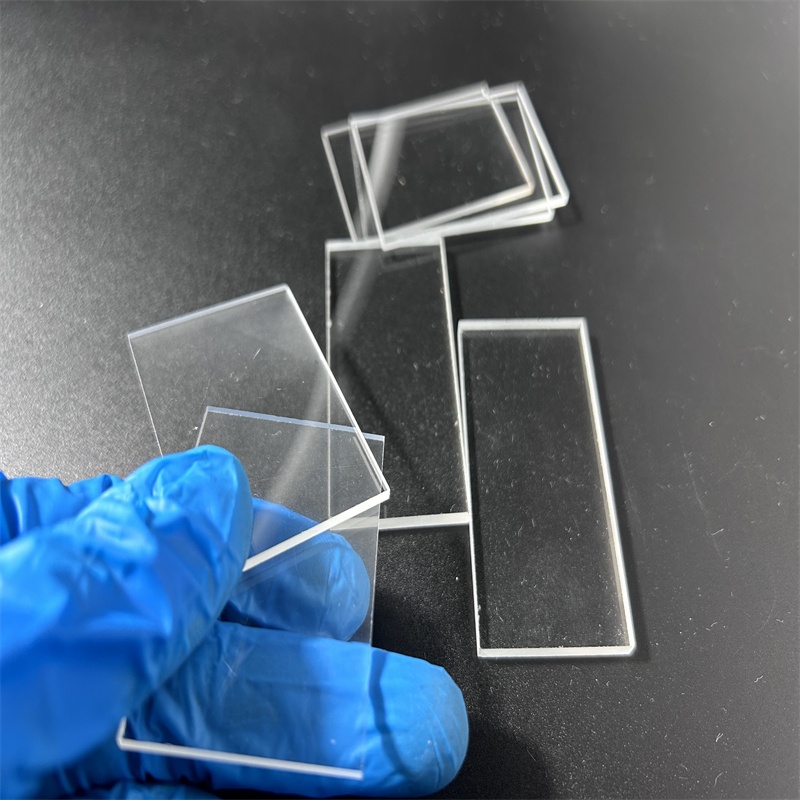
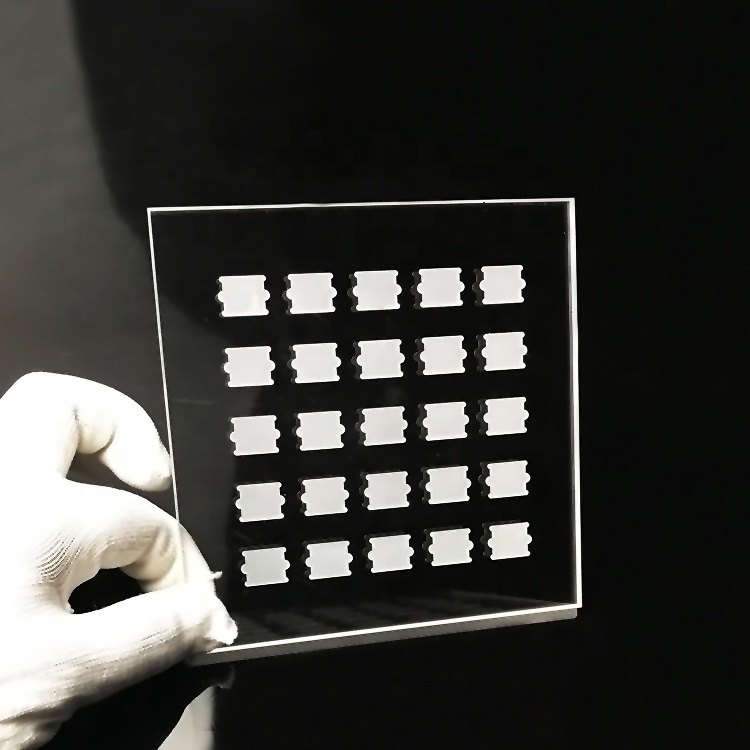
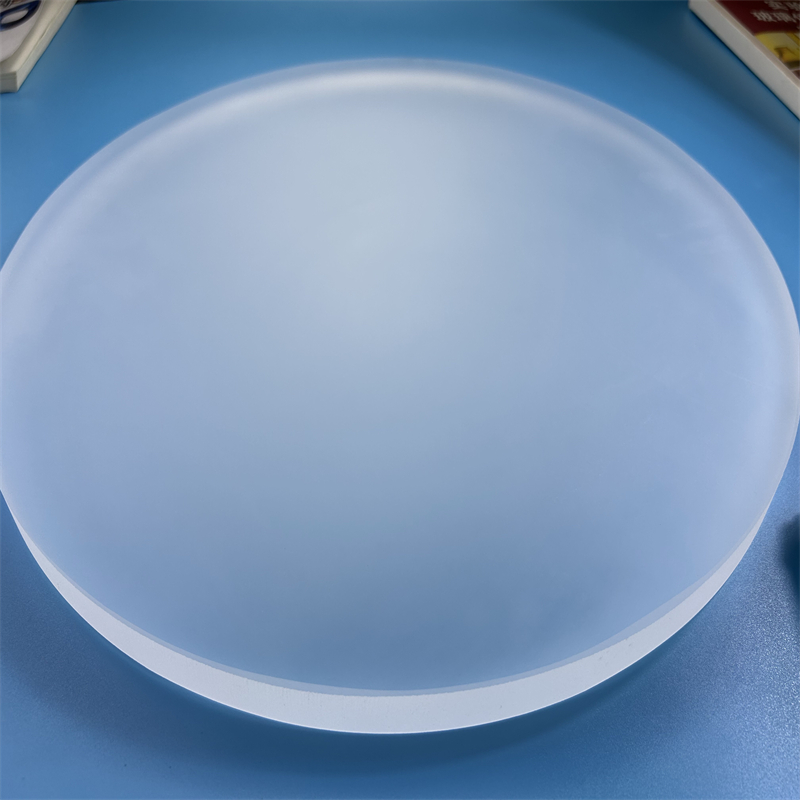
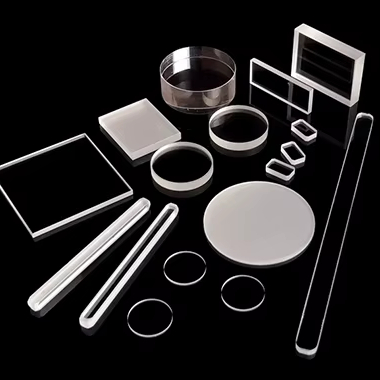
As an established manufacturer exporting directly from Donghai—the world's preeminent crystal and raw quartz refining epicenter—we produce quartz cleaning tanks through thermal fusion welding and seamless CNC machined plate assemblies. Every bath is custom-built according to precise European technical drawings, providing semiconductor wafer fabricators and aerospace optical coaters with seamless joints, stress-relieved weld seams, and fire-polished transitions that prevent micro-bubble entrapment and particulate aggregation.
JGS1 / JGS2 Synthesis
Utilizing high-purity synthetic silica and refined natural quartz, achieving total metallic impurity profiles lower than 15 ppm for sensitive microelectronics wet etching.
Thermal Shock Proof
An exceptionally low thermal expansion coefficient (5.5 × 10⁻⁷/°C) enables instant fluid shifts from ambient cold deionized water to boiling nitric or sulfuric acid without micro-fracturing.
Megasonic Compatibility
Precision-milled base walls (tolerance within ±0.05 mm) ensure efficient, uniform transducer acoustic transmission during 40 kHz to 2 MHz megasonic cavitation cleaning routines.
Stress-Relief Annealing
Tanks undergo an extensive continuous 1150°C annealing cycle to eliminate internal thermal stresses introduced during torch-welding, preventing premature tank failure.
| Physical / Chemical Property | High-Purity Fused Quartz (JGS2) | Synthetic Fused Silica (JGS1) | Operational Relevance in Wet Benches |
|---|---|---|---|
| Purity (SiO₂ Content) | ≥ 99.99% | ≥ 99.9999% | Eliminates heavy metal cross-contamination during RCA cleans |
| Continuous Operating Temp | 1100 °C | 1200 °C | Exceeds Piranha (Caro's acid) and high-temp strip bath thresholds |
| Coefficient of Thermal Expansion | 5.5 × 10⁻⁷ / °C | 5.2 × 10⁻⁷ / °C | Resists thermal shock during rapid chemical exchange cycles |
| Acid Resistance (Except HF) | Class 1 (DIN 12116) | Class 1 (DIN 12116) | Zero corrosion from aqua regia, hot H₂SO₄, HNO₃, and HCl |
| Alkali Resistance | Class 2 (ISO 695) | Class 1 (ISO 695) | Withstands periodic alkaline degreasing and SC-1 cleans |
| Ultrasonic Attenuation | Extremely Low (< 0.1 dB/cm) | Negligible | Maximizes acoustic power transfer from piezoelectric transducers |
Regional Industrial Ecosystem
Quartz Cleaning Tank Applications Across Toulouse & Occitanie
From the Aerospace Valley engineering centers to CNRS nanotechnology facilities, our custom quartz equipment supports critical high-reliability processes.
Satellite Optics & Spacecraft Payloads
Toulouse serves as Europe's space capital, housing giants such as Airbus Defence and Space, Thales Alenia Space, and CNES. Spacecraft optical mirrors, laser telemetry prisms, and star tracker lenses demand non-destructive, residue-free particulate extraction. Our quartz tanks are used in ultrasonic degreasing and solvent wash systems to ensure optical substrates achieve sub-micron particulate cleanliness before vacuum physical vapor deposition (PVD) coating.
Advanced Nanotechnology & LAAS-CNRS Wet Benches
Occitanie's academic and industrial semiconductor laboratories—spearheaded by the LAAS-CNRS micro/nano cleanrooms in Toulouse—conduct advanced microfabrication on Silicon, Gallium Nitride (GaN), and Silicon Carbide (SiC) wafers. Our tanks are deployed in RCA cleaning stations (SC-1 and SC-2), hot phosphoric acid etching (for silicon nitride stripping), and Piranha organic removal baths where high temperatures (120°C–160°C) degrade polymers.
Oncopole Biotechnology & Microfluidics
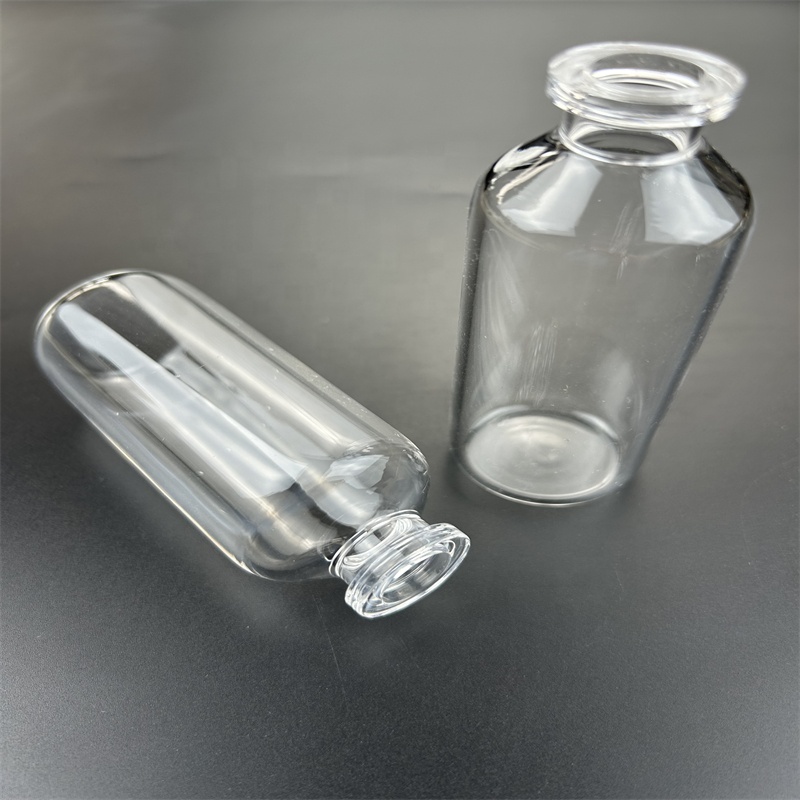
The Toulouse Cancer Campus (Oncopole) and adjacent biotechnology incubators develop cutting-edge bio-MEMS, microfluidic quartz chips, and medical implants. Our medical-grade fused quartz ampoules, sample holders, and precision-welded cleaning basins provide an autoclavable, non-cytotoxic, chemically non-reactive vessel for harsh enzymatic sanitization, ozone immersion, and acid passivation protocols.
Future Outlook
Emerging Wet-Process Technology Trends in Occitanie
How the evolution of aerospace electrification and sub-micron compound semiconductors shapes quartz processing requirements in South-West France.
Third-Generation Wide-Bandgap Power Electronics
As Toulouse leads aeronautical decarbonization initiatives (such as hybrid-electric aircraft actuators and electric propulsion research), the regional demand for high-voltage SiC and GaN devices is surging. These substrates require high-temperature acid baths during wet oxidation and surface preparation, driving replacement of conventional PVDF equipment with ultra-pure quartz tanks.
NewSpace Constellation Payload Miniaturization
Toulouse's flourishing NewSpace satellite startup ecosystem demands batch production of compact optical payloads. Cleaning tanks equipped with custom quartz wafer carriers and internal fluid circulating manifolds ensure laminar chemical flow, preventing localized eddy currents and ensuring uniform particle extraction across tight-pitch optical assemblies.
Stringent REACH & Cleanroom Eco-Regulations
European environmental compliance under EU REACH regulations mandates closed-loop solvent containment and zero volatile organic emission inside industrial facilities. Our quartz tanks are designed with fire-polished overflow weirs, precision-ground lip seals, and laser-drilled exhaust integration ports that interface directly with French exhaust scrubbing manifolds.
Manufacturer Credentials
Why Aerospace & Semiconductor Engineers Partner with Zunex
Combining Donghai raw silica sourcing with high-precision CNC laser finishing and direct export logistics to France.
Tailored to CAD Drawings
Whether you require standard 100 mm to 300 mm wafer cassettes or complex multi-bath cascade overflow tanks, our engineering team works directly from STEP, DWG, or PDF specifications, verifying thermal expansivity and seam stresses prior to torch fabrication.
Donghai Raw Purity Core
Situated in China's quartz capital, we possess primary access to premium crystalline silica deposits. This regional foundation guarantees uniform refractive index, bubble-free optical clarity, and competitive pricing without raw material middleman markups.
Engineered Shockproof Packaging
Fragile quartz tanks intended for Toulouse and wider European delivery are secured using multi-layer high-density EVA custom shock absorption padding, vacuum-sealed PE moisture bags, and reinforced fumigated export wooden crates built for air freight and multimodal logistics.
Full Metrology & Quality Audit
Every fabricated tank undergoes polarized optical stress analysis to verify the absence of residual stress along weld junctions, helium leak testing for dual-containment vessels, and laser coordinate dimensional verification prior to outbound dispatch.
Procurement Guidelines
Frequently Asked Questions: Sourcing Quartz Tanks in Toulouse
Essential guidance covering technical specifications, delivery terms, ultrasonic bonding, and compliance protocols for French procurement officers.
1. Can you manufacture quartz cleaning tanks with built-in megasonic or ultrasonic transducer bonding plates?
Yes. We regularly fabricate quartz cleaning tanks engineered explicitly for direct bonding of piezoelectric megasonic transducers (frequencies ranging from 40 kHz up to 2 MHz) or for immersion plate configurations. We precisely machine the bottom quartz base plate to a flat tolerance within ±0.05 mm and finish the external surface with optical lapping and polishing. This uniformity eliminates acoustic cavitation dead spots and guarantees balanced acoustic energy propagation throughout the acid volume.
2. How do you handle delivery logistics, customs, and import duties to Toulouse-Blagnac or regional facilities?
We provide streamlined international trade terms (Incoterms) including EXW, FOB, CIF, and door-to-door DAP / DDP directly to your facility in Toulouse, Blagnac, Labège, or Montaudran. For urgent prototype verification and production line maintenance, we utilize express air freight via DHL, FedEx, or dedicated air cargo into Toulouse-Blagnac Airport (TLS) or Paris Charles de Gaulle (CDG), clearing French customs with full commercial documentation, HS code optimization, and CE / Certificate of Conformity compliance.
3. What is the difference between welded quartz plate tanks and single-piece molded tanks?
Single-piece molded quartz tanks are typically restricted to standard small catalog dimensions and can present slight draft angles on interior vertical walls. In contrast, our plate-welded quartz tanks are constructed from precision CNC-sawn, bevel-edged fused quartz plates joined through specialized oxy-hydrogen flame welding. This technique allows 100% custom aspect ratios, vertical 90-degree internal corners, integrated overflow weir channels, and tailored fluid inlet/drain ports. Following welding, the entire structure is fully annealed at 1150°C to ensure the welded joints exhibit the same mechanical strength and chemical resilience as the parent plates.
4. Are your fused quartz tanks compatible with hot Hydrofluoric Acid (HF) and Piranha solutions?
Quartz tanks exhibit outstanding, near-infinite chemical resilience against Piranha solution (H₂SO₄ + H₂O₂ at 120°C–160°C), Aqua Regia, hydrochloric acid, and hot concentrated nitric acid without leaching or surface degradation. However, all fused silica reacts with Hydrofluoric Acid (HF) and hot concentrated phosphoric acid above 150°C. For dilute HF processes (0.5% to 2% at room temperature), quartz can be utilized for controlled rinse cycles with measurable sacrificial etch rates, but for long-term hot concentrated HF etch baths, we advise alternative fluoropolymer materials or sacrificial quartz liners.
5. What material purity grade should we specify for our Toulouse cleanroom (JGS1 vs JGS2 vs JGS3)?
For general semiconductor wet cleaning (RCA, solvent degreasing, ultrasonic stripping), high-purity natural fused quartz (JGS2) provides the optimal balance of ultra-low metallic impurities (≤ 15 ppm), structural rigidity, and thermal resilience. For advanced deep-UV optical monitoring viewports, excimer laser exposure baths, or sub-5nm wafer contamination protocols, synthetic fused silica (JGS1) is recommended due to its virtually zero metallic profile (< 1 ppm) and superior deep-UV transmission down to 185 nm. JGS3 is selected when specialized infrared heating integration is required.
6. How do you prevent internal mechanical stress and cracking around welded seams?
Local thermal stress is an inherent consequence of torch-welding high-temperature quartz (> 1700°C flame temp). To prevent micro-cracking during service, our manufacturing protocol mandates an exhaustive post-weld annealing process in a computerized electric chamber furnace. The tank is gradually heated to the annealing point (approx. 1150°C–1215°C), soaked for several hours to relieve molecular lattice strain, and cooled at a controlled rate below 1°C/minute. Every vessel is subsequently verified using cross-polarized photoelastic stress inspection instruments.
7. Can you integrate quartz fluid fittings, drain valves, and weir overflow baffles into the tank?
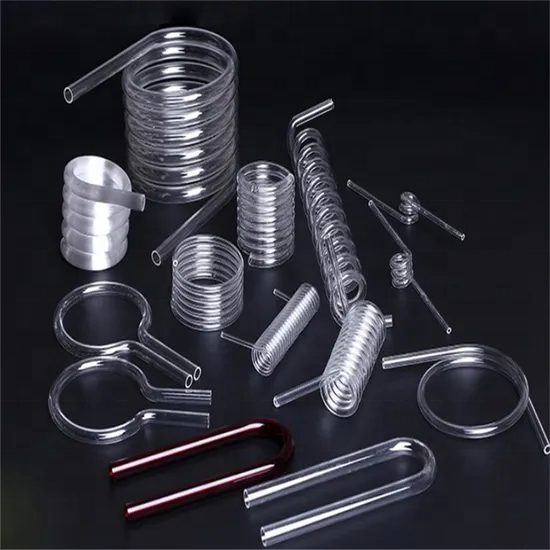
Absolutely. We provide end-to-end quartz fabrication including flame-welded quartz NPT/flanged connection nipples, flared tubing connections, serrated hose barbs, knife-edge overflow weir perimeter lips for continuous particulate skimming, and slotted wafer support bridges. All fittings are precision fire-polished to prevent glass chipping during external fluoropolymer plumbing installation.
8. What is the standard quoting and production lead time for custom quartz tanks?
Our verified sales engineering team maintains a 100% response rate with an average review time under two hours. Upon submission of your CAD drawing or technical sketch, we evaluate machinability and deliver a firm quotation within 24 hours. Fabrication typically spans 10 to 20 working days depending on dimensional complexity, annealing cycles, and quantity, followed by expedited priority air delivery to France within 5 to 7 business days.
Ready to Engineer Your Cleanroom Quartz Solutions?
Whether you require standard wafer cleaning baths, specialized ultrasonic tanks, or bespoke high-temperature quartz carriers for your Toulouse facility, our engineering team is available to review your drawings and specifications.