High-Purity Fused Quartz Components for High-Vacuum & Pyrometallurgical Systems
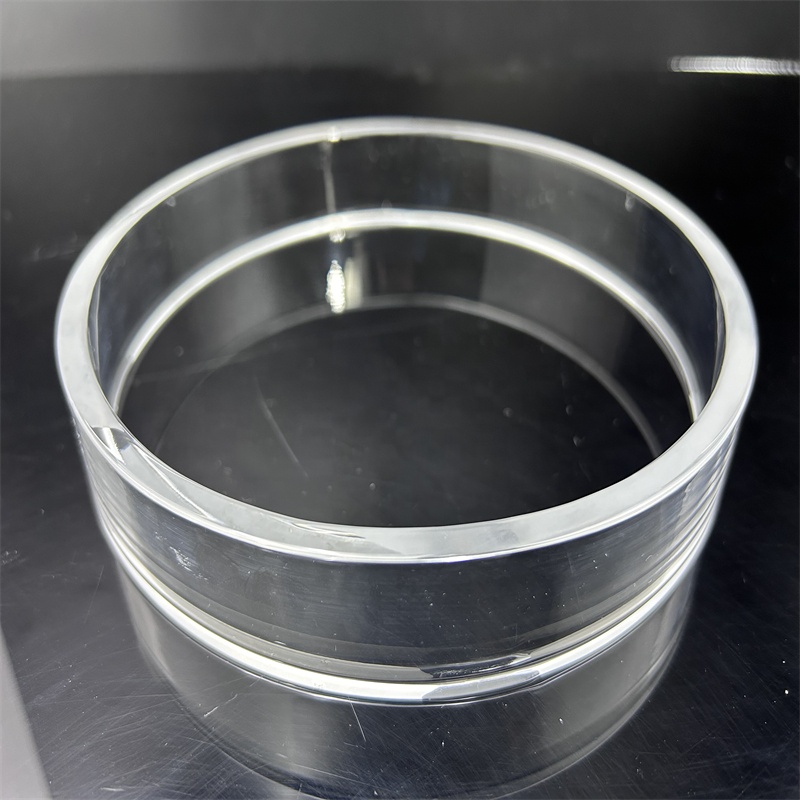
Manufactured from ultra-pure natural quartz silica (≥99.99% SiO₂) in Donghai, China, with laser micro-machining, precision joint grafting, and thermal shock resistance engineered for the extreme temperature differentials of Mongolian industrial environments.

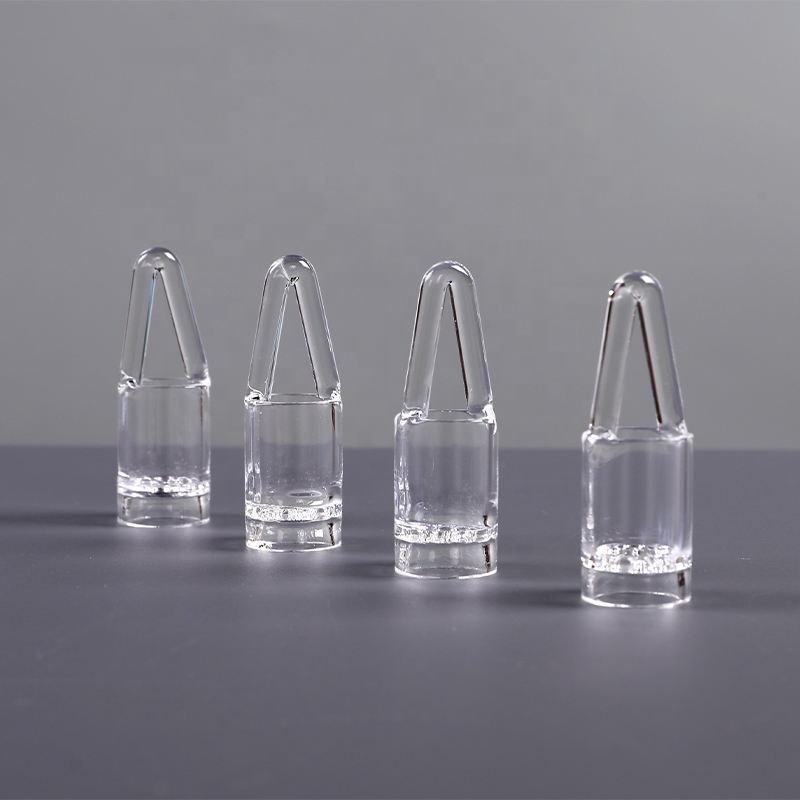
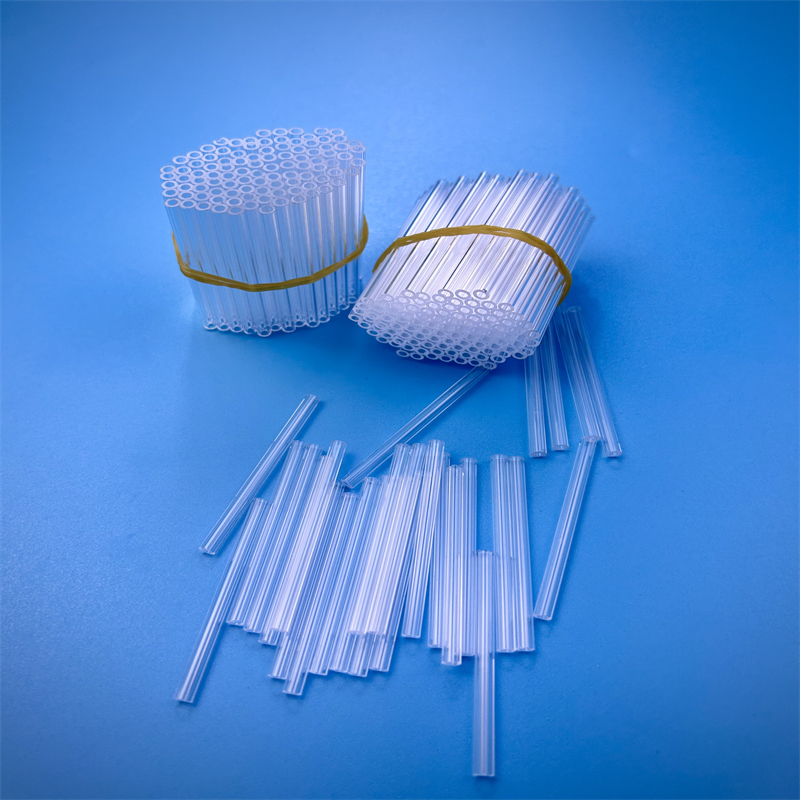
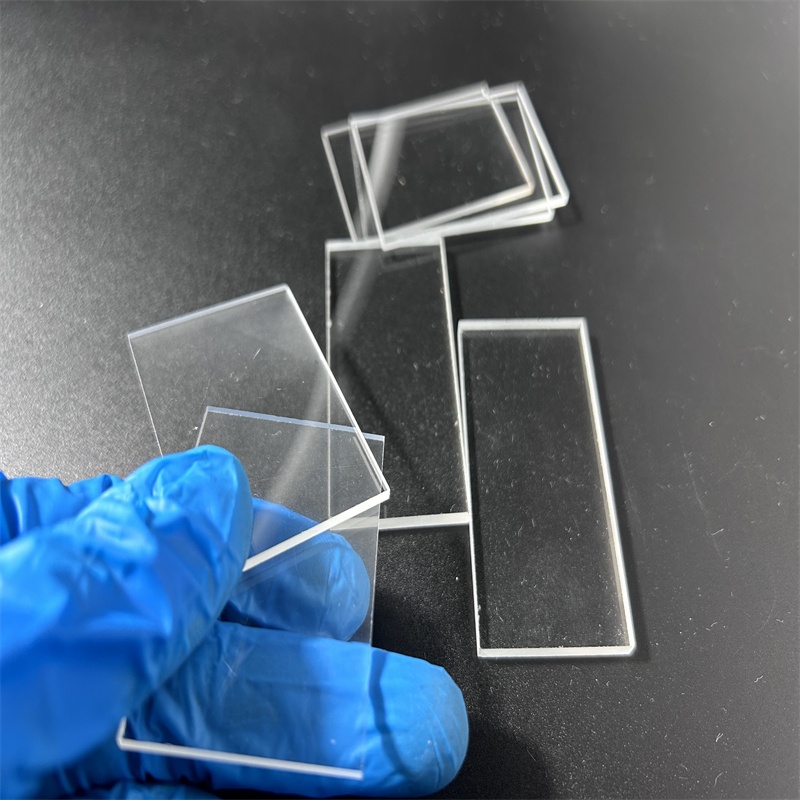
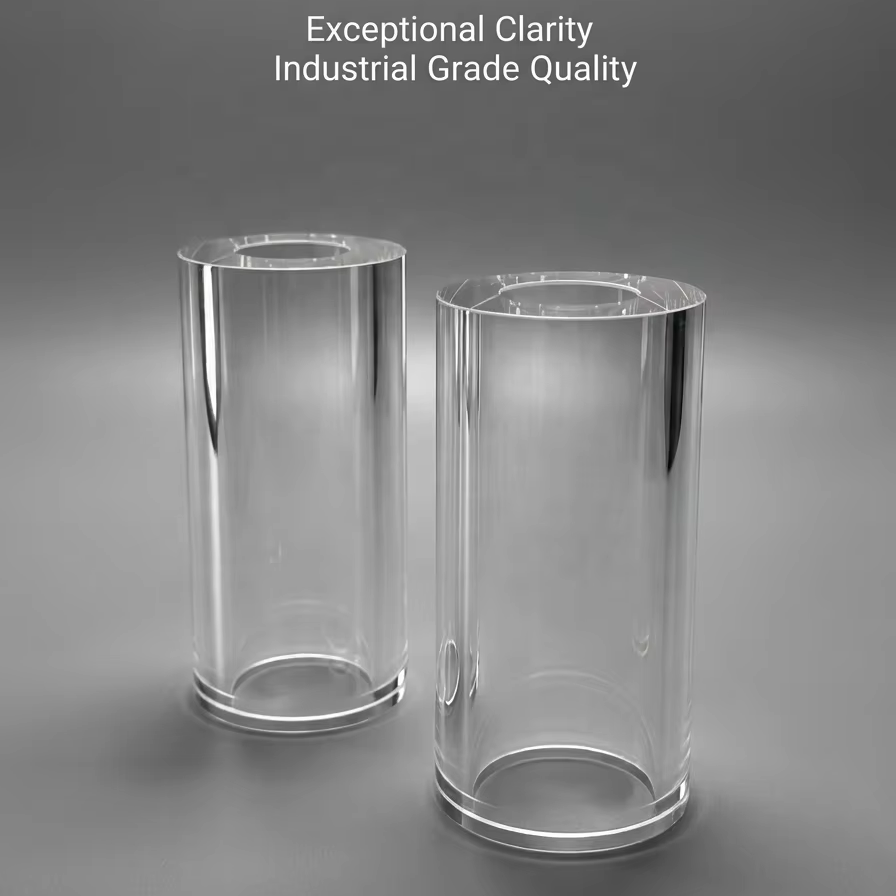

Engineering Quartz Cold Traps for Erdenet's Copper-Molybdenum Ecosystem
Erdenet, situated in Orkhon Province, hosts one of the largest copper-molybdenum concentration complexes on earth. Laboratory operations, vacuum pyrometallurgy lines, and mineral processing facilities in this sub-arctic climate require specialized cryogenic condensation glassware capable of handling aggressive chemical off-gases without micro-cracking or thermal fatigue.
Pyrometallurgical Off-Gas & Sulfur Trapping
During the thermal decomposition, roasting, and fire assaying of chalcopyrite (CuFeS₂) and molybdenite (MoS₂) concentrates from the Erdenet open-pit deposit, massive volumes of sulfur dioxide (SO₂), sulfur trioxide (SO₃), and volatilized heavy metal chlorides evolve into analytical gas streams.
- Thermal Resilience: Direct collection from 1000°C tube furnace exhaust without devitrification.
- Acid Corrosion Immunity: Zero reaction with condensed wet sulfurous/sulfuric acids at sub-zero temperatures.
- Vapor Fractionation: Prevents sulfur compounds from entering roughing vacuum pumps, extending pump oil lifespan fivefold.
Liquid Nitrogen (LN₂) Cryogenic Condensation
Mineralogical assay laboratories in Orkhon Province require ultra-deep vacuum environments (≤ 10⁻⁵ mbar) for high-resolution gas chromatography, mass spectrometry (GC-MS), and ICP-OES sample preparation where trace hydrocarbons and atmospheric moisture compromise baseline stability.
- Extreme Cryogenic Shock: Rapid immersion into liquid nitrogen baths (-196°C) while handling incoming 250°C vapors.
- Ultra-Low Expansion: Thermal expansion coefficient of 5.5 × 10⁻⁷/°C eliminates structural shattering common to borosilicate 3.3.
- Double-Walled Insulation: Optional vacuum-jacketed cold fingers maintaining thermal isolation and reducing cryogen boil-off.
Flotation Reagent Assaying & Solvent Extraction
Erdenet’s concentration plant consumes vast quantities of organic flotation collectors including potassium amyl xanthate (PAX), sodium isopropyl xanthate (SIPX), and thionocarbamates. Testing residual reagents in tailing streams requires solvent extraction and vacuum distillation apparatus.
- Pure SiO₂ Matrix: Zero organic leachables, plasticizer contamination, or alkali metal exchange during low-pressure reflux.
- Laser-Precision Joint Tolerances: Hermetic ground taper (24/40, 29/32) and spherical ball joints preventing VOC fugitives.
- Rapid Solvent Deposition: Optimized vapor path geometry maximizes surface condensation velocity for benzene, hexane, and kerosene.
Modernization Trends in Erdenet & Northern Mongolia's Mineral Processing
The industrial landscape of Orkhon and Selenge provinces is undergoing rapid technological advancement. The transition from legacy Soviet-era apparatus to high-throughput, automated, ISO 17025-compliant analytical workflows is reshaping glassware procurement priorities.
Transition to Automated Pyrometallurgy & LECO Analyzers
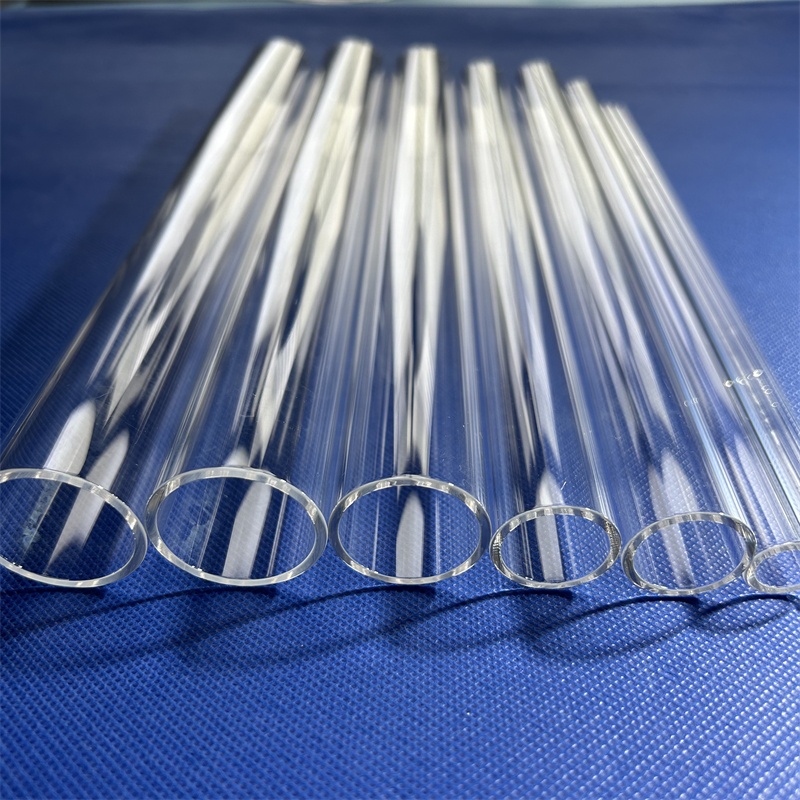
Mining laboratories across Erdenet are retiring manual wet-chemical titration benches in favor of high-frequency induction furnaces and combustion carbon-sulfur determinators. These automated systems require heavy-wall quartz combustion tubes, U-shaped quartz traps, and dust condensation vessels capable of operating unassisted through hundreds of 1350°C thermal cycles.
Strict Environmental Emission Audits & Off-Gas Scrubbing
Under strengthened Mongolian environmental mandates along the Selenge river basin, metallurgical smelters and calcination kilns must implement continuous emission monitoring systems (CEMS). Quartz cold traps serve as unreactive sample conditioning filters, freezing out volatile sulfur chlorides and acid mists before sample gases reach optical infrared sensors.
Consolidated Direct China-to-Mongolia Rail Logistics
Mining operators in Erdenet are bypassing fragmented European middleman distributors in favor of direct manufacturer partnerships in China's quartz capital (Donghai, Jiangsu). Utilizing direct container rail links through Erenhot/Zamiin-Uud straight into Erdenet minimizes transit time to 7–10 days and drastically slashes broken glass risks via customized shockproof foam crating.
Fused Quartz vs. Borosilicate 3.3 in Cryogenic Vacuum Condensation
Understanding the mechanical and physical property advantages of optical-grade fused silica (JGS1/JGS2) over conventional Pyrex-type laboratory borosilicate glass under Erdenet’s -40°C sub-arctic ambient winter baselines and sudden thermal excursions.
| Performance Parameter | High-Purity Fused Quartz (Zunex JGS2) | Standard Borosilicate 3.3 | Engineering Benefit for Erdenet Facilities |
|---|---|---|---|
| Thermal Expansion (CTE, 20–300°C) | 5.5 × 10⁻⁷ / °C | 33.0 × 10⁻⁷ / °C | 6x lower expansion. Can be submerged from 1000°C furnace straight into ice water without breakage. |
| Max Continuous Service Temp | 1100 °C | 450 °C | Allows direct mounting to molybdenum/copper roaster exhaust ports without sagging. |
| Softening Point | 1683 °C | 820 °C | Withstands emergency overheating spikes during industrial furnace upset conditions. |
| Cryogenic Shock Threshold | ΔT > 1000 °C sudden | ΔT ≈ 120 °C limit | Prevents explosive failure during sudden LN₂ (-196°C) cold-trap backfill operations. |
| Resistance to Acid Vapor (SO₃, HCl) | Hydrolytic Class 1 / Zero Leaching | Hydrolytic Class 1 / Trace Leaching | Eliminates boron and sodium extraction into ultra-pure ICP analysis condensates. |
| Dielectric Loss & RF Transparency | < 0.0001 (10⁶ Hz) | 0.0037 (10⁶ Hz) | Superior for microwave plasma-assisted gas cracking and high-frequency induction traps. |
Why Mongolian Mining Engineers Partner with Zunex Quartz
Combining the mineral resource superiority of Donghai County with aerospace-level CNC laser machining, automated flame glassblowing, and multi-tier quality inspection.
Direct Crystal Capital Manufacturing
Situated in Donghai County, Jiangsu, Zunex draws upon the world’s premier silica refining ecosystem. We control the supply chain from raw crystalline quartz beneficiation to automated tube drawing and optical disk polishing, ensuring factory-direct pricing with zero broker markups.
Laser Finishing & Custom Joint Fabrication
Our workshop integrates state-of-the-art CO₂ laser cutting, micro-hole drilling (±0.05 mm), precision grooving, and master lathe flame-welding. We graft standardized DIN/ISO conical joints, spherical O-ring ball joints, or heavy-duty quick-release vacuum flanges according to your CAD drawings.
Zero-Breakage Export Packaging Guarantee
Fragile quartz apparatus demands specialized trans-Eurasian transport protection. Every cold trap undergoes customized multi-density polyethylene (EPE) contour foaming, inner carton floating suspension, and reinforced marine/rail wooden case crating engineered to absorb shunting shocks.
Frequently Asked Questions by Erdenet Engineering Buyers
Expert answers addressing the unique operational, dimensional, and logistical realities of sourcing high-purity laboratory and process quartzware for northern Mongolian installations.
How do Zunex quartz cold traps tolerate Erdenet's severe -35°C to -45°C winter climate?
Unlike ordinary borosilicate glass which accumulates high localized stress gradients under steep internal-versus-external temperature swings, fused quartz possesses a near-zero coefficient of thermal expansion (5.5 × 10⁻⁷/°C). A cold trap pre-chilled to ambient winter sub-zero temperatures can receive instantaneous 800°C furnace exhaust gas without preheating, completely free from risk of brittle fracture.
Can you manufacture quartz cold traps matching legacy Soviet (GOST) vacuum line standards?
Yes. Many legacy operational units in Erdenet utilize Russian GOST ground joints (such as GOST 8682 cone tapers or spherical joints). Our technical team routinely produces custom transition adapters and cold traps featuring GOST dimensions on one port and international DIN/ISO standard taper ground joints (e.g., 24/29, 29/32, 45/50) or KF/NW vacuum flanges on the opposite port.
What joint seals and clamping mechanisms do you recommend for cryogenic vacuum traps?
For high-vacuum lines down to 10⁻⁶ mbar, we fabricate precision ground joints with integrated Viton or Kalrez O-ring grooves. Standard hydrocarbon grease freezes and cracks under liquid nitrogen temperatures; our greaseless O-ring joint designs guarantee an airtight vacuum seal even when the cold finger reservoir is immersed in LN₂ or dry ice/acetone slurries.
How are products shipped to Erdenet, and what is the typical transit duration?
We provide two optimized freight routes: expedited international air freight into Chinggis Khaan International Airport (UBN) in Ulaanbaatar (transit: 3–5 days) followed by bonded express courier to Erdenet; or cost-effective rail freight directly through the Erenhot–Zamiin-Uud border crossing along the Trans-Mongolian railway corridor directly into Erdenet railway terminal (transit: 7–12 days).
How do your quartz traps resist hot sulfuric and hydrofluoric acid vapors?
Fused silica is chemically inert to almost all inorganic and organic acids, including concentrated boiling sulfuric acid (H₂SO₄), nitric acid (HNO₃), and hydrochloric acid (HCl). Note: only hydrofluoric acid (HF) and hot phosphoric acid (>150°C) attack silica glass. For trace HF environments in fluorite processing, we provide special heavy-wall configurations and sapphire lining options.
Can you build one-off prototypes or replacement components from damaged samples or hand sketches?
Absolutely. Over 60% of our production is custom fabrication. Erdenet maintenance engineers can provide a simple dimensional hand sketch, PDF, DWG, or 3D STEP model. If an existing imported trap has cracked, simply email us key dimensions (tube OD, wall thickness, overall height, and joint numbers); our engineering team will provide a production drawing within 2 hours.
Procuring High-Performance Quartz Glassware for Erdenet Facilities?
Consult directly with our Donghai manufacturing engineers. Whether you require custom cold finger traps, heavy-wall quartz combustion tubes, or optical viewports, we provide comprehensive technical drawings and quotations within 2 hours.