High Pressure
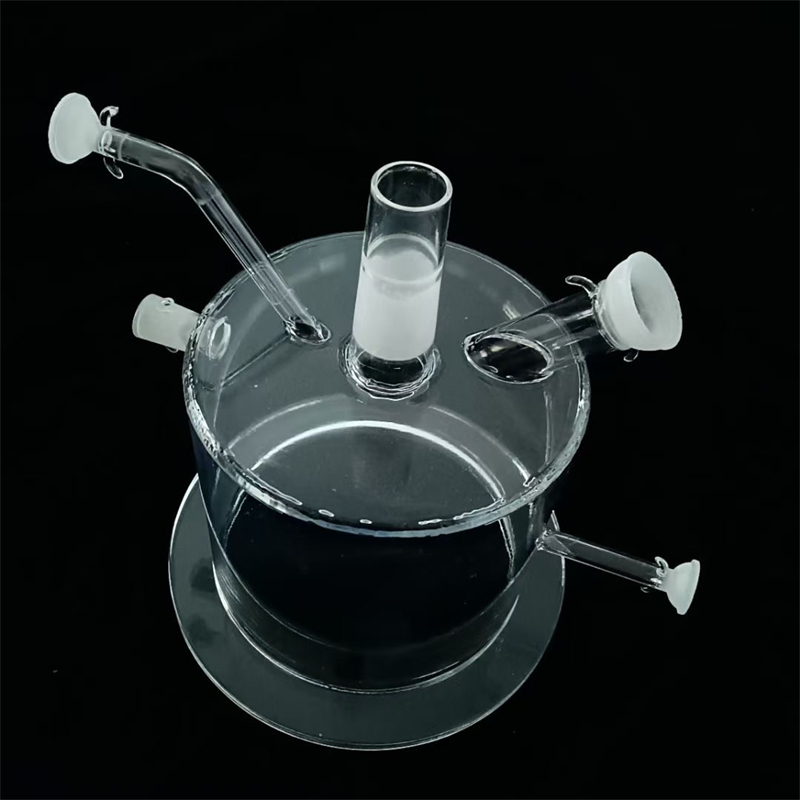
Customized High Pressure Clear Quartz Glass Tube Bending/Welding/Cutting
99.99% Pure
Ozone-Free
Polished
From high-vacuum semiconductor diffusion and deep-UV spectroscopy to corrosive acid synthesis, review our standardized and custom-fabricated quartz portfolio manufactured directly from crystalline quartz hubs.
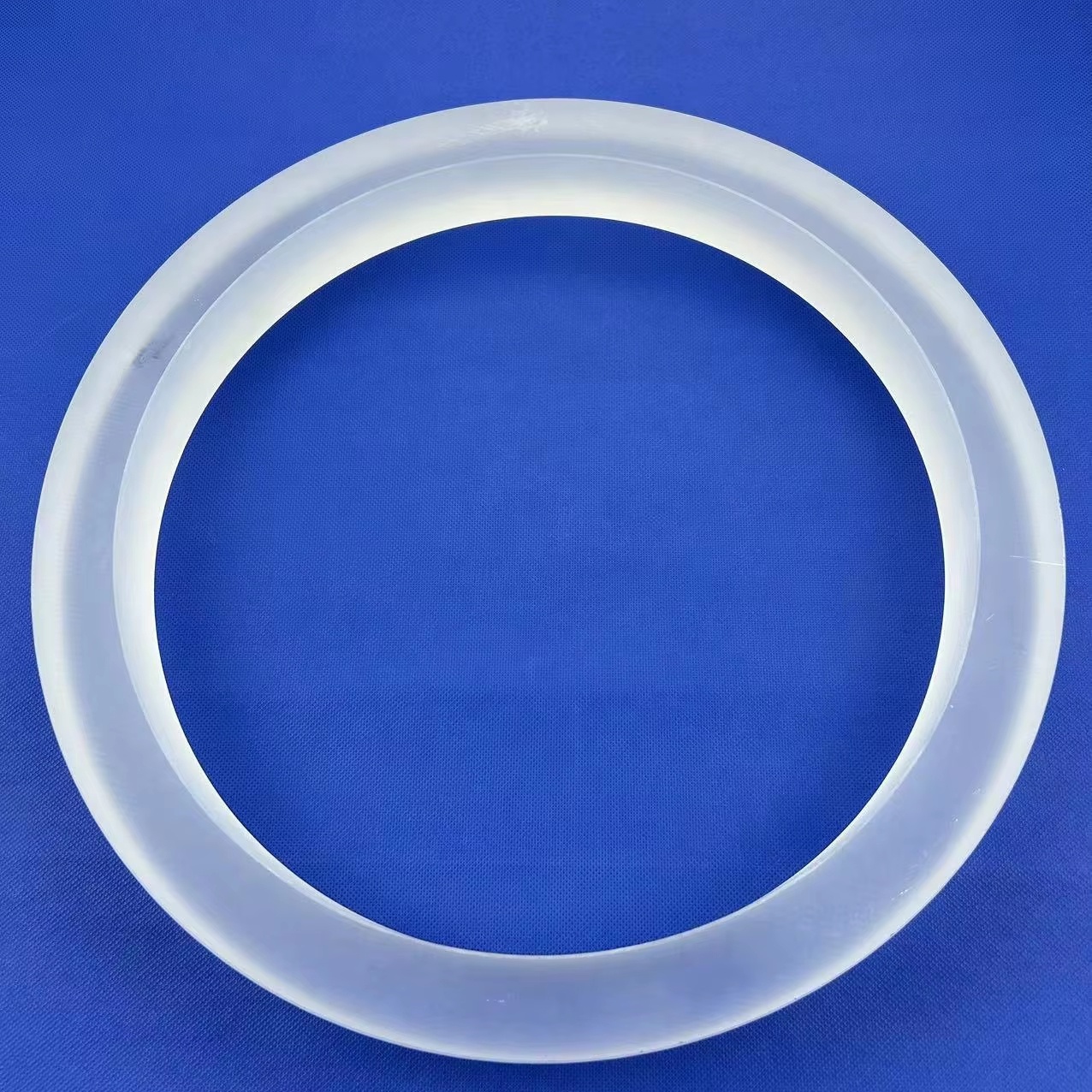
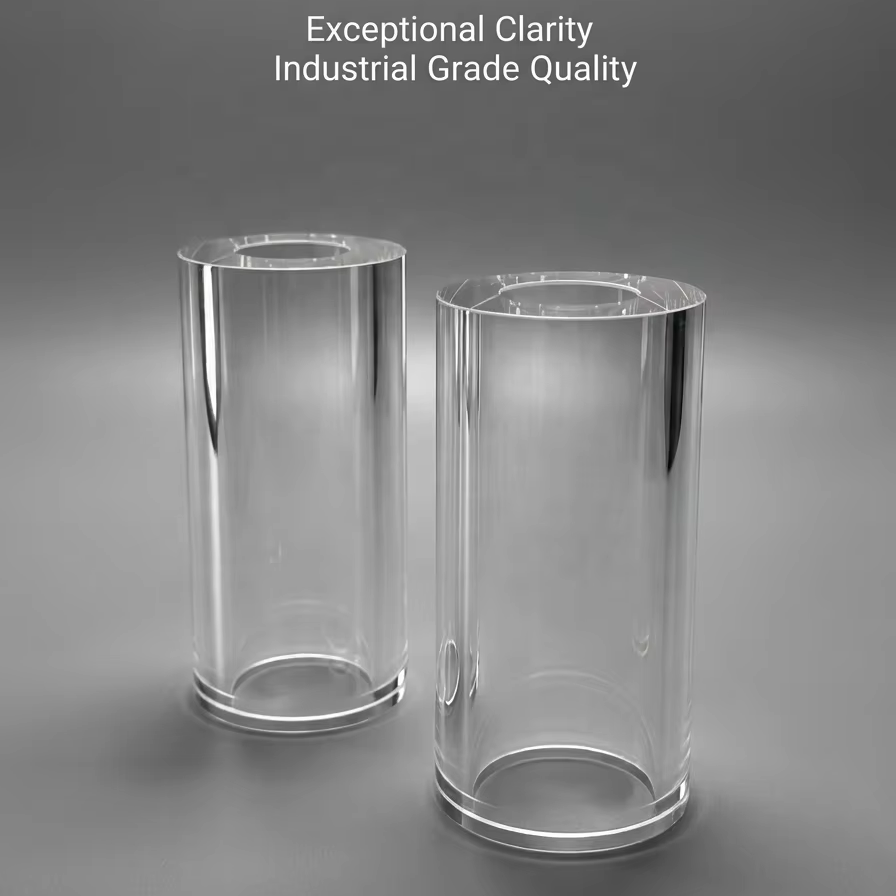

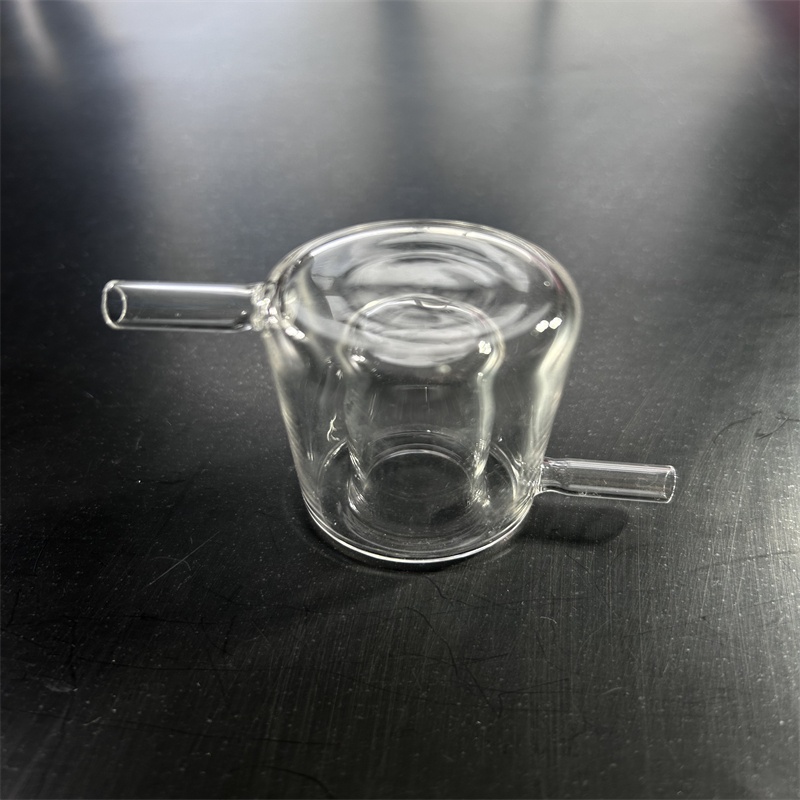
The industrial and academic corridor of Kingston represents a nexus of advanced materials characterization, clean technology acceleration, electrochemical storage research, and specialized chemical synthesis. Facilities operating across institutional testbeds, university-affiliated innovation hubs, and advanced manufacturing spin-offs require specialized vitreous silica hardware capable of enduring hyper-thermal, corrosive, and vacuum-intensive parameters.
Unlike standard borosilicate or aluminosilicate glasses, vitreous fused quartz (≥ 99.99% amorphous silicon dioxide, SiO₂) delivers an ultra-low linear coefficient of thermal expansion (CTE of 5.5 × 10⁻⁷/°C). For Kingston engineers conducting rapid thermal processing (RTP), pyrolysis experiments, chemical vapor deposition (CVD), and atomic layer deposition (ALD), fused quartz eliminates thermal shock failures when switching between cryogenic nitrogen flushes and extreme process stages operating at 1100°C to 1300°C.
Procurement teams in Kingston often face process inefficiencies when glass substrates are specified solely by general thickness or outside diameter without accounting for trace hydroxyl (-OH) concentrations and spectral transmission envelopes. Our factory engineers manufacture and certify fused quartz across three distinct synthetic and natural fused silica classifications:
| Optical / Thermal Metric | JGS1 (Synthetic Silica) | JGS2 (Optical Fused Quartz) | JGS3 (Infrared Fused Quartz) |
|---|---|---|---|
| Transmission Range | 185 nm – 2500 nm (Deep DUV) | 220 nm – 2500 nm (UV to Vis) | 260 nm – 3500 nm (Near to Mid IR) |
| Hydroxyl (-OH) Content | ≤ 1200 ppm (High Purity) | ≤ 150 – 200 ppm | ≤ 5 – 10 ppm (Water Free) |
| Absorption Peak at 2730 nm | Strong absorption band | Moderate absorption band | Virtually zero absorption |
| Trace Metal Impurities | < 2 ppm total | < 20 ppm total | < 15 ppm total |
| Primary Kingston Applications | Excimer lasers, photolithography, DUV spectroscopy viewports | Furnace sight glasses, UV reactor liners, UV-C sanitation monitoring | Infrared heating tubes, thermal pyrometry, high-vacuum furnace shells |
For high-temperature vacuum reactors installed in Kingston research facilities, understanding the hydroxyl value is crucial. Higher -OH concentrations slightly depress the strain point (approx. 1070°C) and annealing point (approx. 1180°C) while enhancing deep ultraviolet photon throughput. In contrast, electrical fusion techniques utilized in producing JGS3 strip trace hydroxyl down to sub-10 ppm levels, raising the effective annealing threshold past 1215°C and ensuring that furnace tubes subjected to continuous structural loading do not sag or devitrify into cristobalite prematurely.
Our OEM components are fabricated to drawing to address specific application sectors throughout the greater Kingston and surrounding regional supply chains:
Continuous hydrothermal reactors, calcination boats, and lithium-ion cathode synthesis tubes that require complete resistance to halogen and acidic vapor attacks without leaching heavy metals.
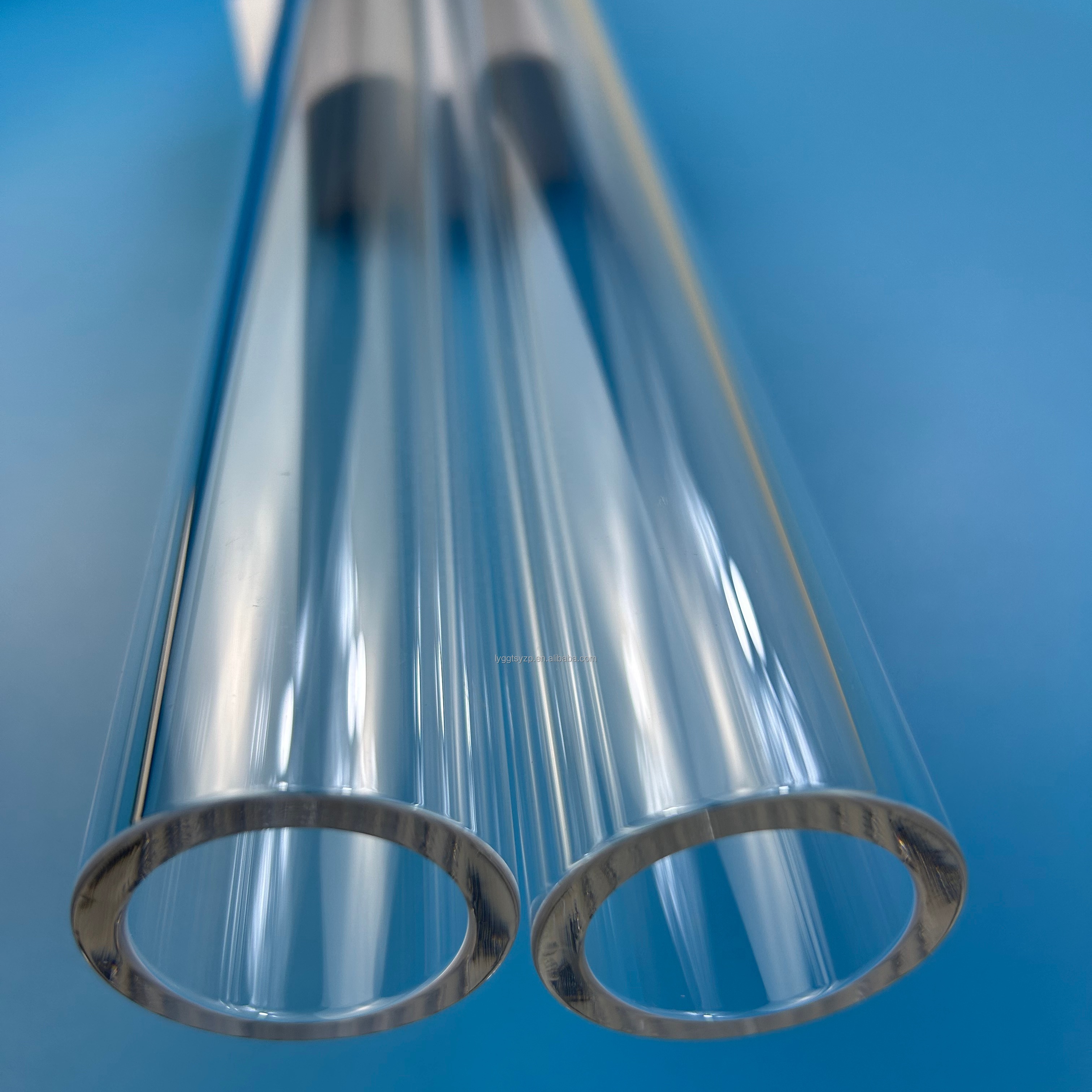
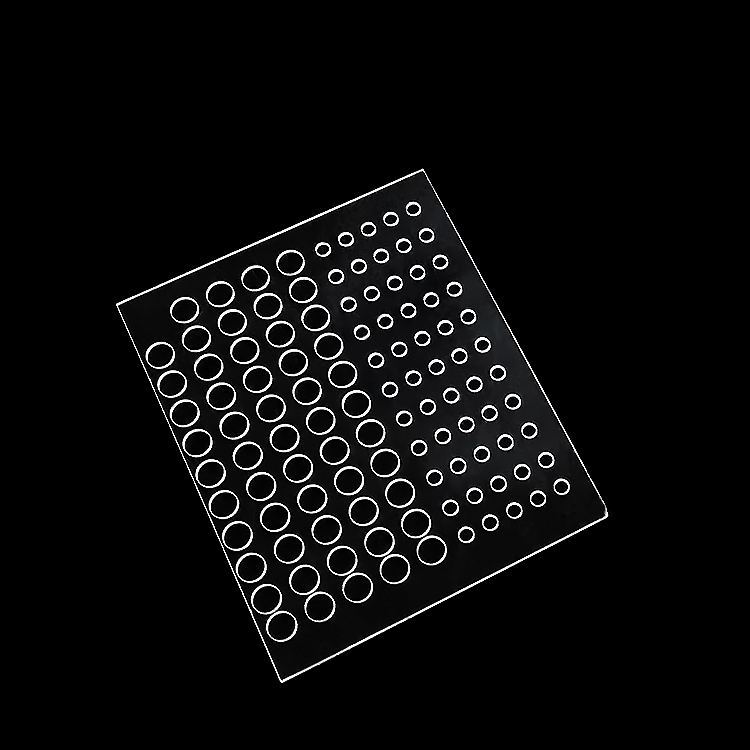
Optical flats, brewster windows, beam splitters, and laser-drilled spatial filtering discs for femtosecond laser laboratories, Raman spectroscopy cells, and optical breadboard test benches.
Custom-blown double-jacketed quartz reactors, bubblers, coil condensers, and distillation headers allowing real-time visual inspection of exothermic chemical kinetics at high operational temperatures.
Over the past three fiscal cycles, Kingston's research corridors have experienced distinct supply chain pressures, driven by shifts in local industrial output:
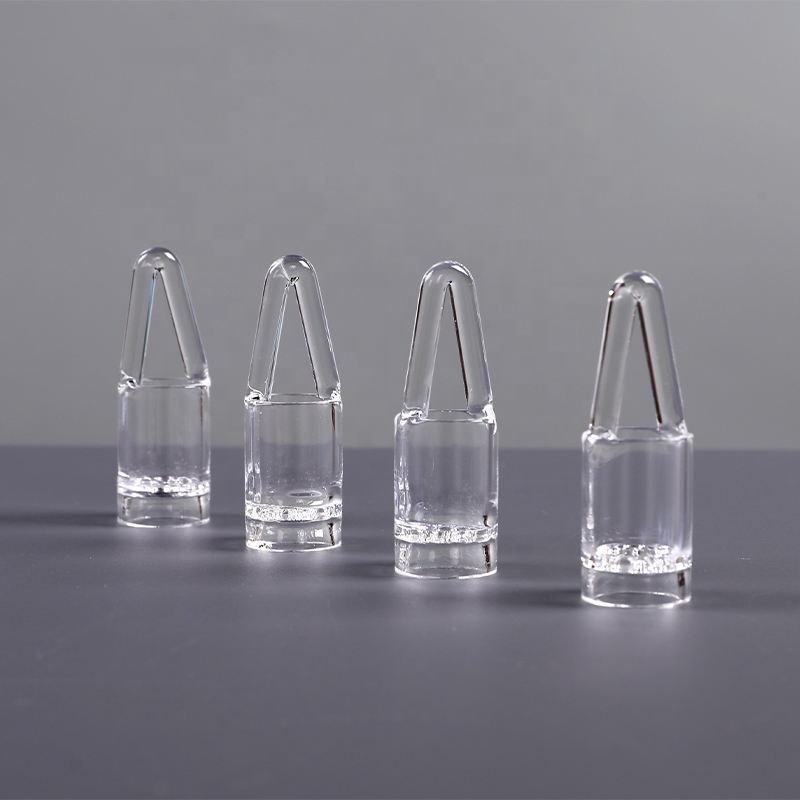
Operating from Donghai County—the globally acknowledged crystalline silica refinement hub—our facilities bridge primary quartz processing with modern CNC cold working, laser perforation, and precision glass blowing. While traditional workshops struggle with micro-fissuring during machining, our computer-controlled diamond grinding and laser ablation systems execute intricate geometries with zero micro-fracturing:
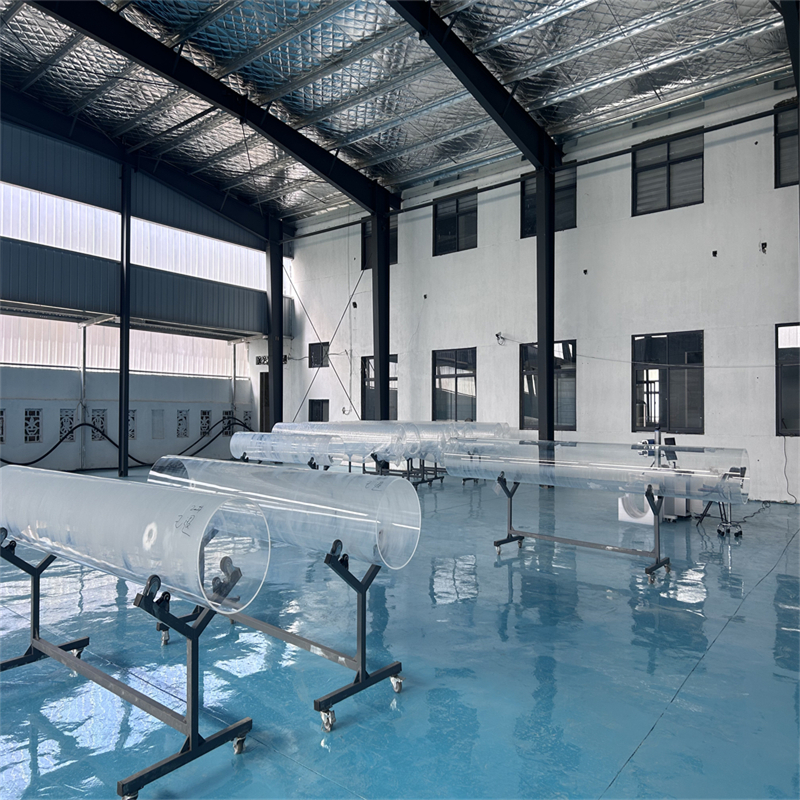


Our engineering division produces components tailored to stringent mechanical constraints:
Combining primary quartz raw material access with direct export processing, we offer speed, cost efficiency, and certified quality controls verified by global trade benchmarks.
Technical RFQs sent from Kingston receive immediate evaluation by dedicated glasswork engineers. We confirm manufacturability, raw stock availability, and tolerances within 2 hours or less, accelerating project timelines.
Whether you require single prototype combustion tubes for academic research or repetitive batches of CVD wafer boats, our flame working and CNC departments manufacture precisely according to PDF, DWG, or STEP files.
Based in Donghai County, China, our manufacturing line integrates directly with the source supply of high-grade quartz crystal sand. We eliminate intermediate traders, reducing procurement expenses for Kingston organizations by 25% to 40%.
Each component undergoes ultrasonic decontamination, cleanroom vacuum packaging, and multi-layer shock absorption crating designed specifically for trans-continental logistics, backed by a 100% safe-arrival guarantee.
Common questions addressed by our engineering and logistics teams regarding material thresholds, export clearances, tolerances, and custom ordering protocols.
Submit your 2D/3D component drawings, dimension specifications, or prototype requirements today. Our engineers will provide a formal technical feasibility review and competitive quotation within two hours.