Precision Components for Industrial & Analytical Infrastructure
Fabricated from ultra-pure fused quartz (≥99.99% SiO₂) using thermal micro-welding, laser drilling, and precision optical polishing for maximum optical clarity and thermal shock resistance.
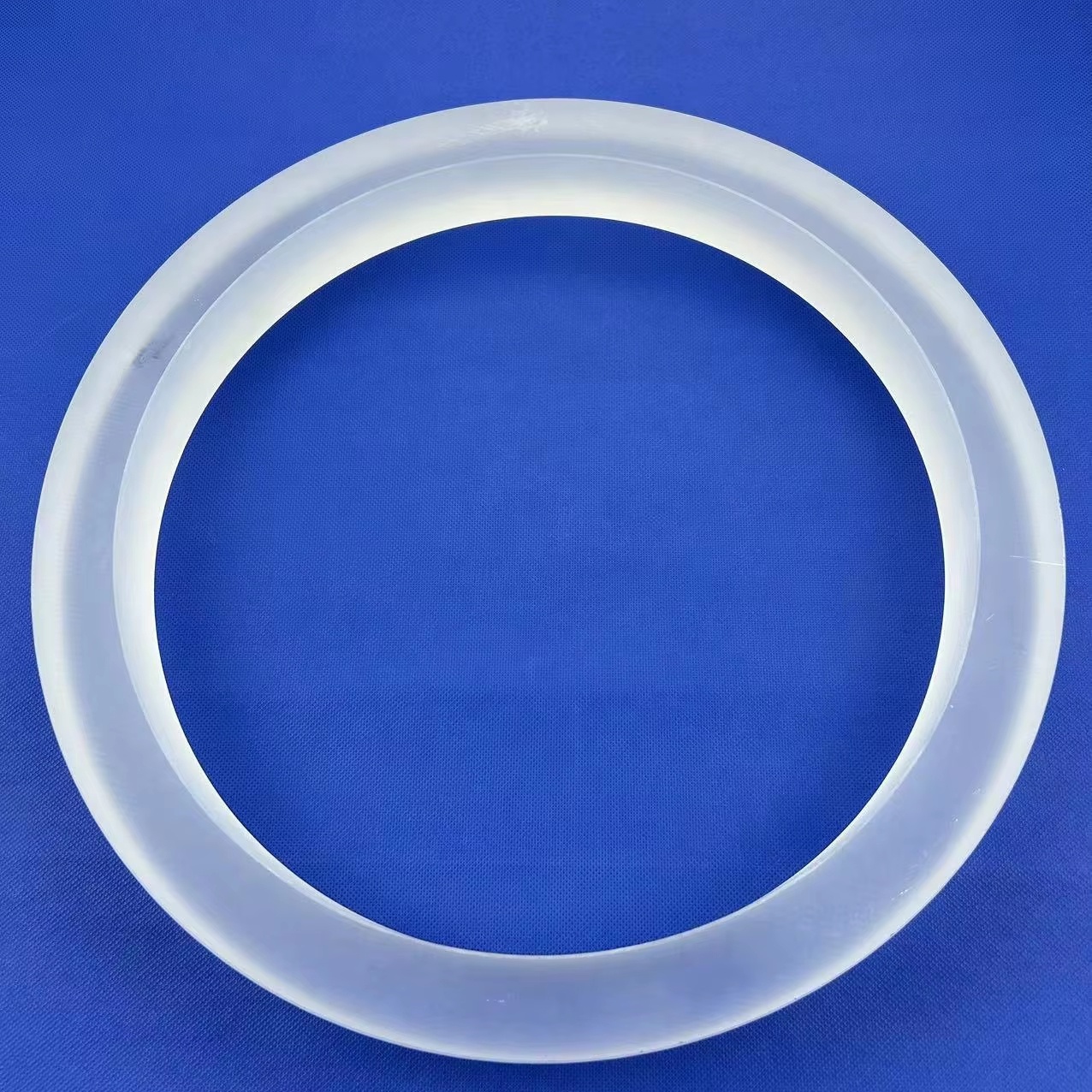
Custom Coated 99.99% Pure Quartz Rings for Semiconductor CVD Optics Applications
High Temperature Clear Transparent Optical Grade Quartz Glass Sheet & Windows
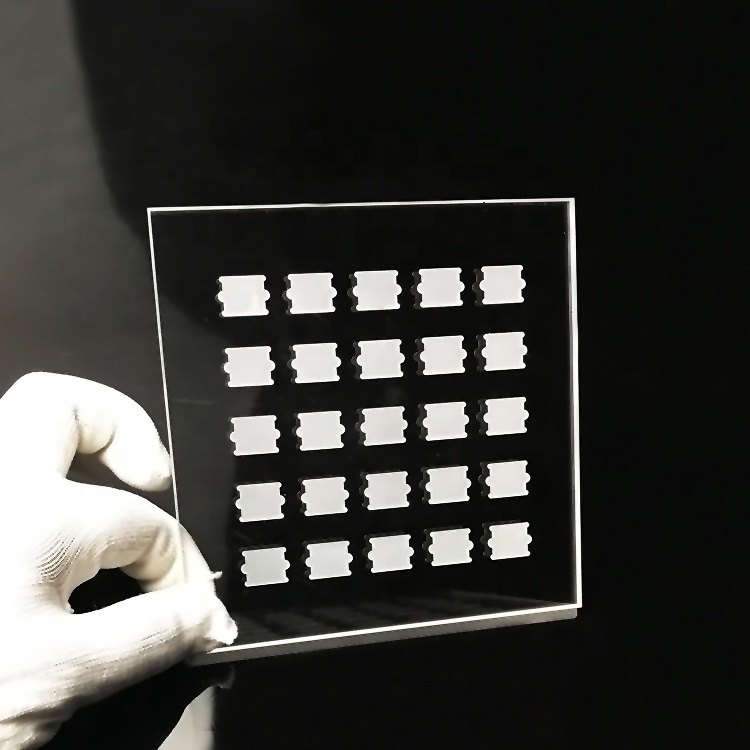
Factory Custom Fused Quartz Glass Circular High Temperature XRD Sample Holder

Custom Size Clear Fused Quartz Plate Premium Quality High Temperature Resistance
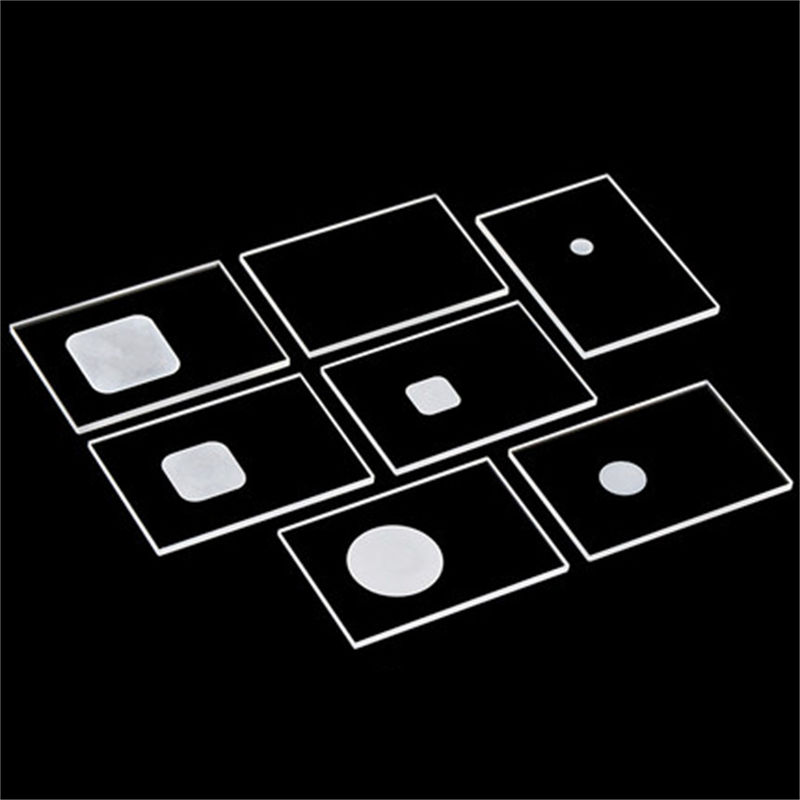
High Temperature Quartz Glass Sheet for XRD Tank Testing Slotted Carrier
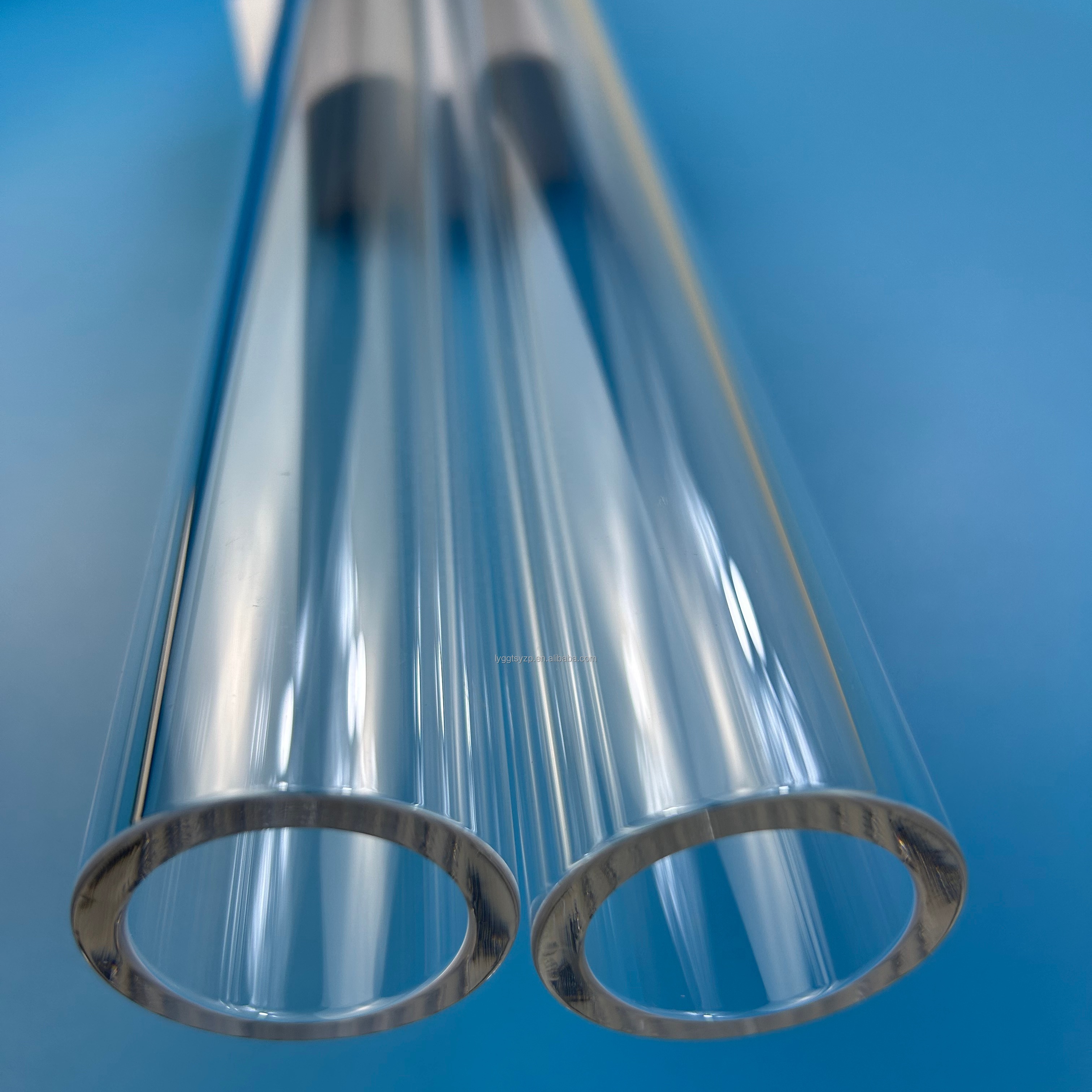
Polished Clear Quartz Twin Tube Ozone-Free Chemical Lab Equipment Heaters
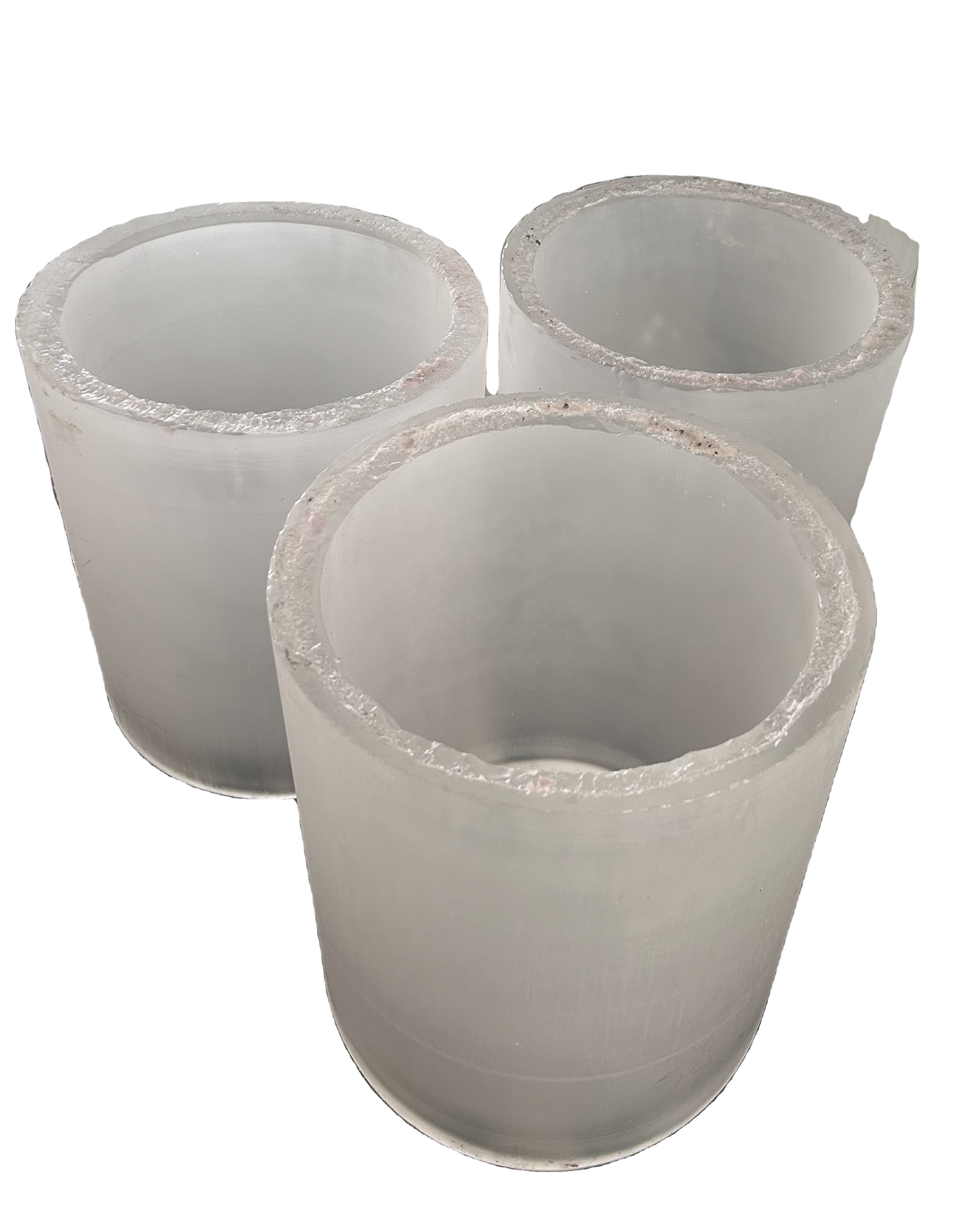
Open Ended Fused Quartz Frosted Glass Cylinder Ingot with Moulding Services
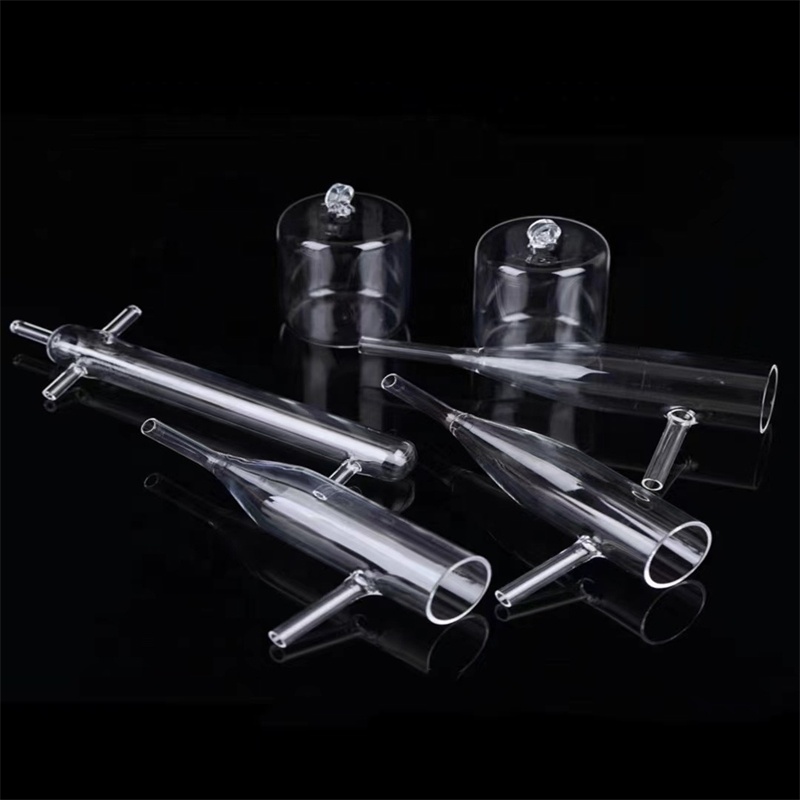
Custom Clear Laboratory High Temperature Twin Tube 99.99% CVD Vacuum Glass
Empowering Constanța's Industrial Testing & Marine Environmental Infrastructure
Constanța stands as Romania's foremost maritime gateway and an evolving center for European intermodal transit, petrochemical processing, and naval marine research. From the sprawling refinery operations at Petromidia Navodari and the logistics corridors flanking the Port of Constanța to the National Institute for Marine Research and Development "Grigore Antipa" (INCDM), precision spectrophotometric analysis forms the operational bedrock of compliance and processing integrity.
In analytical spectrophotometry (UV-Vis-NIR), optical components cannot simply be viewed as passive consumables; they represent critical optical calibration standards. Conventional borosilicate or soda-lime glass cuvettes display severe solarization and optical absorption below 320 nm, making them unsuitable for testing aromatic hydrocarbons, heavy crude fractionation markers, and marine trace contaminants. Zunex Quartz Products engineers and supplies high-precision quartz spectrophotometer cuvettes, optical flow cells, and fluorometer absorption cells directly optimized for Constanța's most demanding operational theaters.
By employing optical grade JGS1 synthetic fused silica (transparent down to 185 nm) and JGS2 high-grade fused quartz (220 nm – 2500 nm), our manufacturing ensures an unmatched optical path length tolerance within ±0.005 mm and optical transmission exceeding 82% across the deep ultraviolet spectrum. Every absorption cell undergoes optical fusion bonding—eliminating epoxy or polymer glues that degrade, dissolve, or leach when exposed to harsh organic solvents like hexane, toluene, sulfuric acid, and chlorinated aromatic fractions typical in Black Sea port inspection laboratories.
Specialized Integration Across Constanța's Key Industrial Sectors
Addressing the stringent technical tolerances demanded by local testing laboratories, offshore oil platforms, and institutional marine science hubs.
Petrochemical Refining & Fuel Quality Control
In refining plants across Midia and Navodari, our standard 10mm and micro-volume quartz absorption cells withstand corrosive organic hydrocarbons during continuous ASTM D2007, ASTM D1840 (naphthalene hydrocarbons in aviation fuels), and sulfur content spectroscopy.
Maritime & Ballast Water Compliance
Constanța Port operations mandate rigorous enforcement of the IMO Ballast Water Management Convention (D-2 Standard). Our low-fluorescence synthetic quartz fluorometer cuvettes deliver pristine signal-to-noise ratios required for detecting active chlorophyll fluorescence and microalgal viability in marine ballast discharges.
Marine Environmental & Black Sea Ecosystem Research
In marine biology labs at Ovidius University and INCDM, assessing eutrophication, heavy metal complexes, and organic pollutants requires transparent JGS1 optical windows and XRD sample holders that exhibit absolute chemical passivity against hypersaline coastal brine.
Fused Silica & Quartz Specification Spectrum
Direct technical reference for laboratory managers, procurement heads, and quality assurance engineers selecting transmission grades.
| Optical Material Grade | Spectral Transmission Range | Primary Manufacturing Technique | OH Content (Hydroxyl) | Primary Constanța Application |
|---|---|---|---|---|
| JGS1 Synthetic Fused Silica | 185 nm – 2500 nm (Deep UV-Vis) | Synthetic SiCl⃨ Vapor Deposition | ≤ 20 ppm | Deep-UV Photometry, Nucleic Acids, Fluorometry, Aromatic Testing |
| JGS2 Optical Fused Quartz | 220 nm – 2500 nm (Standard UV-Vis) | Electric / Oxyhydrogen Fusion | 150 – 300 ppm | Industrial Colorimetry, Water Effluent Monitoring, Furnace Windows |
| JGS3 Optical Fused Quartz | 260 nm – 3500 nm (Full NIR Transmission) | High-Vacuum Electro-Thermal Fusion | ≤ 5 ppm | Near-Infrared (NIR) Spectrometry, Moisture Analyzers, Thermal Emitters |
| Standard Optical Glass (BK7) | 340 nm – 2200 nm (Visible Only) | Multi-component Glass Smelting | N/A | Routine Visible Light Chemistry (Unsuitable for UV Testing) |
Market Dynamics: Transition Towards Automated Photometric Sampling
Constanța's analytical landscape is experiencing a pronounced shift toward automated, online environmental and process diagnostics. Driven by modern EU Industrial Emissions Directives (IED) and Romanian National Environmental Guard scrutiny, industrial facilities along the Danube-Black Sea Canal are migrating from batch manual sampling toward flow-through spectrophotometric installations.
This structural change escalates the technical demands placed on quartz components:
- Continuous Pressure Integrity: Flow-through cuvettes and observation windows must handle pulsating hydraulic pressures up to 10 bar without optical window distortion or micro-fissuring.
- Extreme Thermal Shock Resistance: With thermal expansion coefficients at an exceptionally low 5.5 × 10⁻⁷/°C, our fused quartz parts withstand sudden 1000°C thermal gradients during high-temperature gas and process effluent analysis.
- Anti-Solvent Stability: Direct fusion joining without foreign binders guarantees no spectral drift caused by adhesive leaching during petrochemical solvent flushing cycles.
As offshore natural gas extraction ventures expand in the Black Sea basin, demand for explosion-proof high-pressure optical sight glasses and specialized quartz tubes for trace gas chromatographic monitoring is projected to grow by over 14% annually through 2028.
Why International Laboratories Partner with Zunex Quartz
Operating from China's premier crystal and quartz manufacturing cluster in Donghai County, we bridge high-volume cost efficiency with rigorous European laboratory quality standards.
Fully Customized to Drawing
We fabricate precision cuvettes, slotted carriers, and multi-bore tubes tailored precisely to PDF, DWG, or STEP files, holding dimensional tolerances to ±0.02 mm.
Advanced Laser Finishing
Equipped with sub-millimeter laser cutting, micro-grooving, and zero-stress laser drilling to deliver pristine edges free from structural micro-cracks.
Rapid ≤ 2-Hour Technical Response
Direct communication with quartz manufacturing engineers ensures technical manufacturability evaluations and comprehensive quotes in record time.
Shock-Proof Export Packaging
Custom-cut high-density EPE foam cradles and fortified outer timber crates guarantee zero breakage for fragile optical glass en route to Romania.
Frequently Asked Questions by Constanța Buyers
Practical answers concerning shipping logistics, international quality compliance, customization parameters, and material longevity.