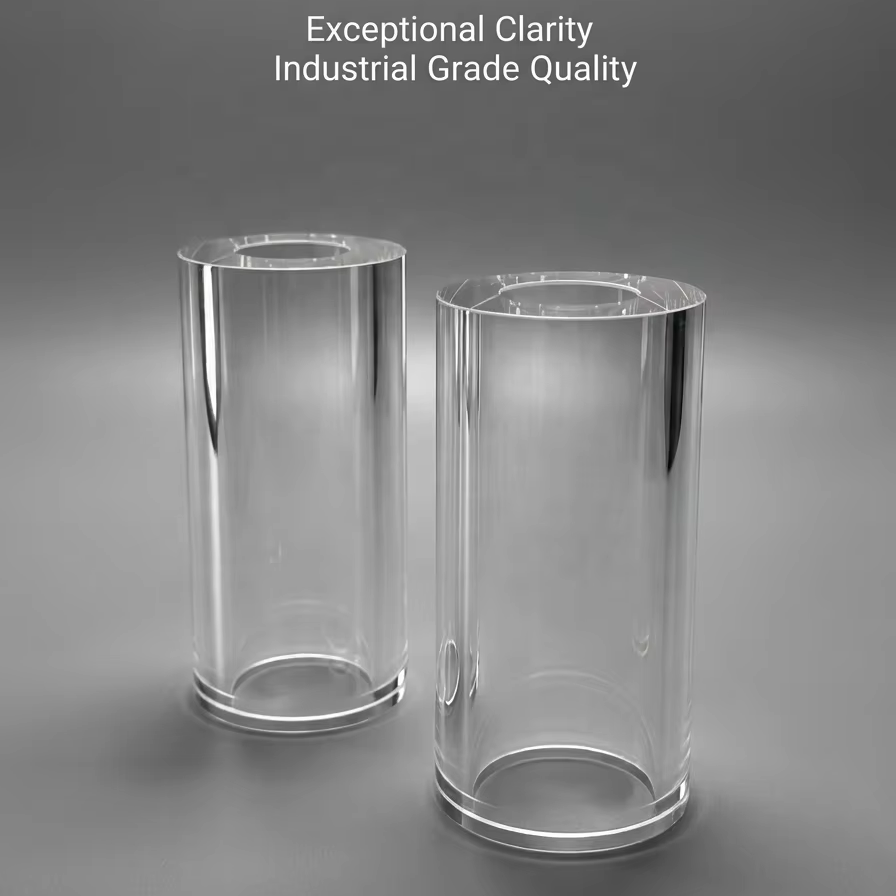
Direct From Source
Engineered Quartz Components Ready for Szeged Delivery
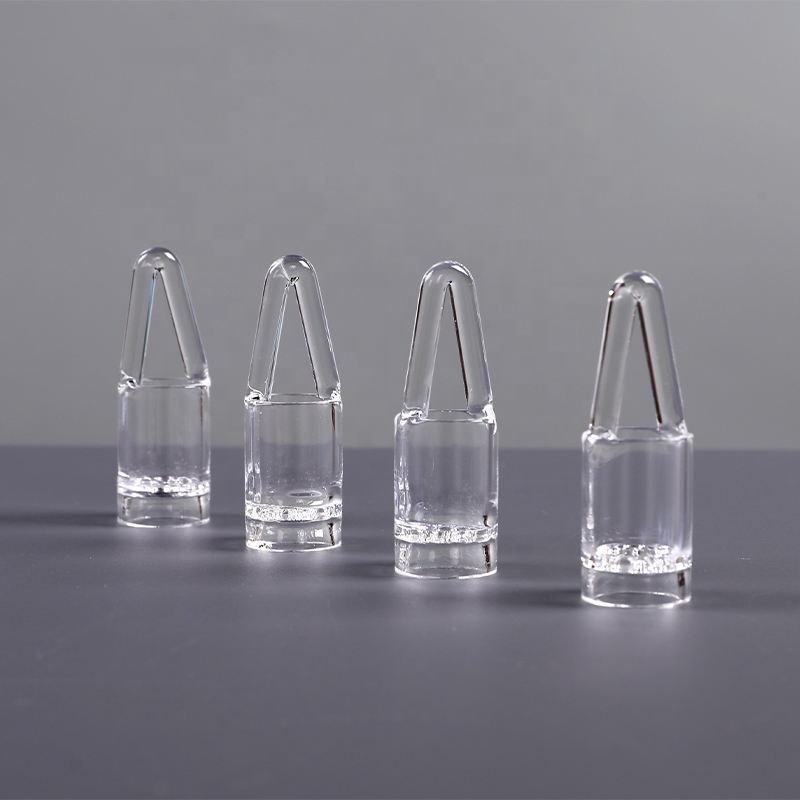
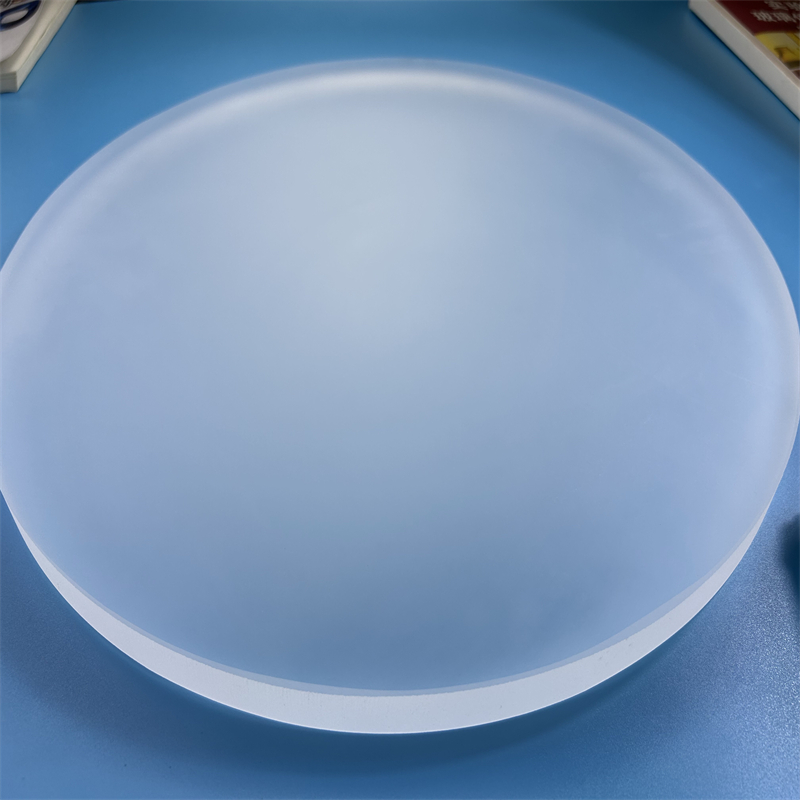
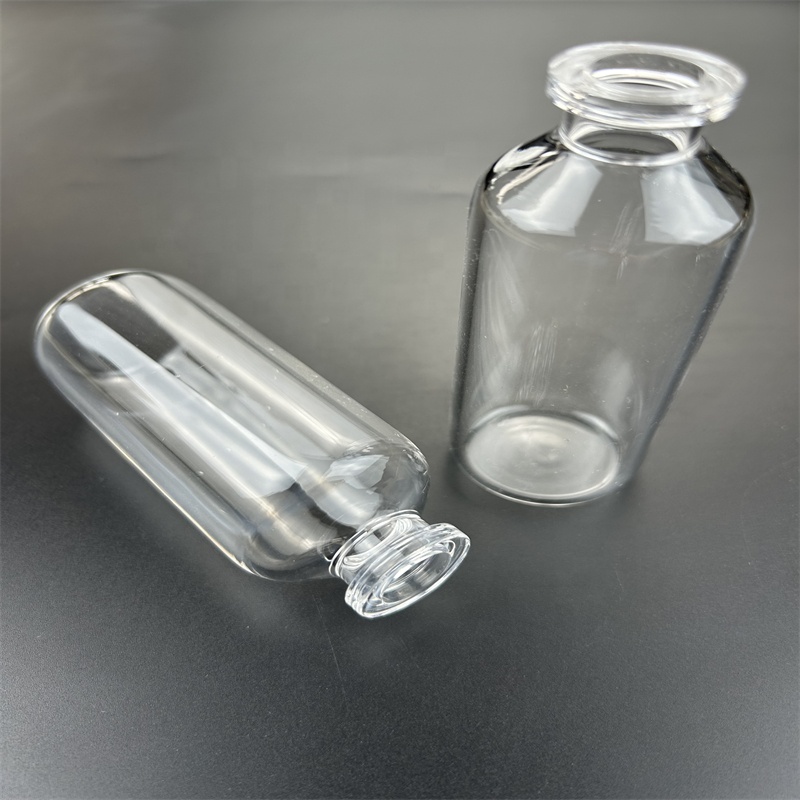
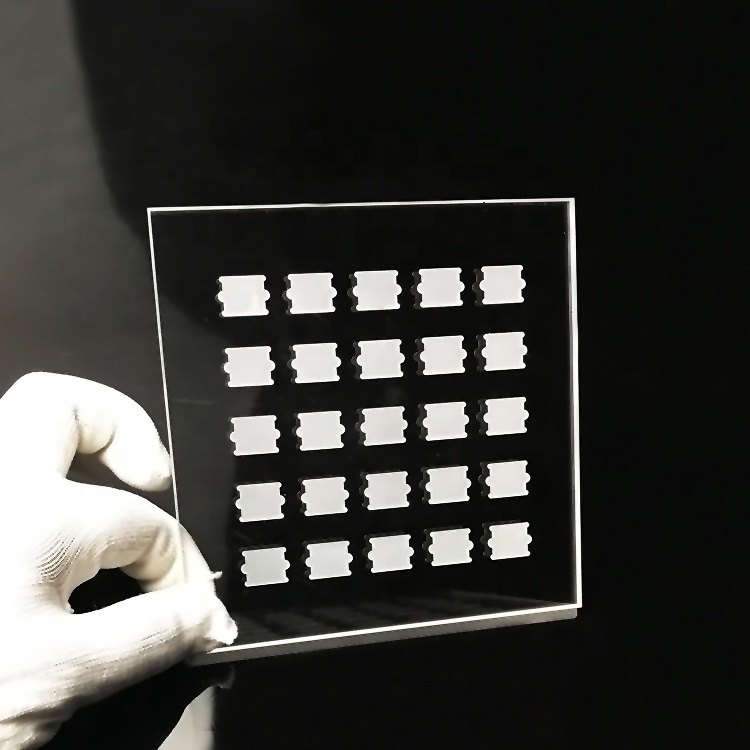
Explore our top-tier fused silica assemblies, custom flanges, and reactor vessels manufactured in our certified facility with micron-level tolerances.
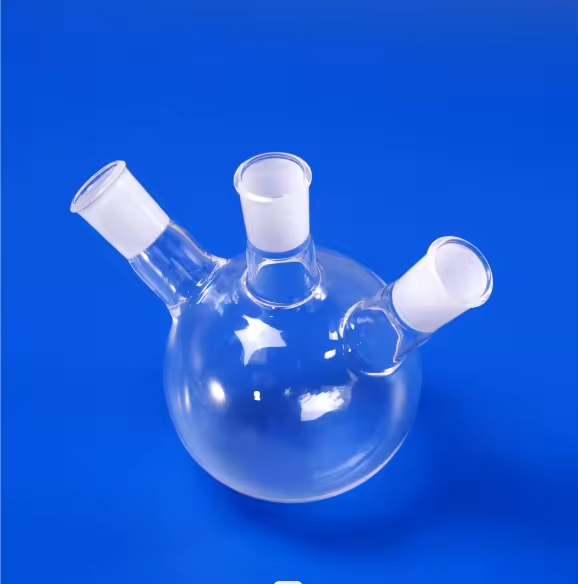
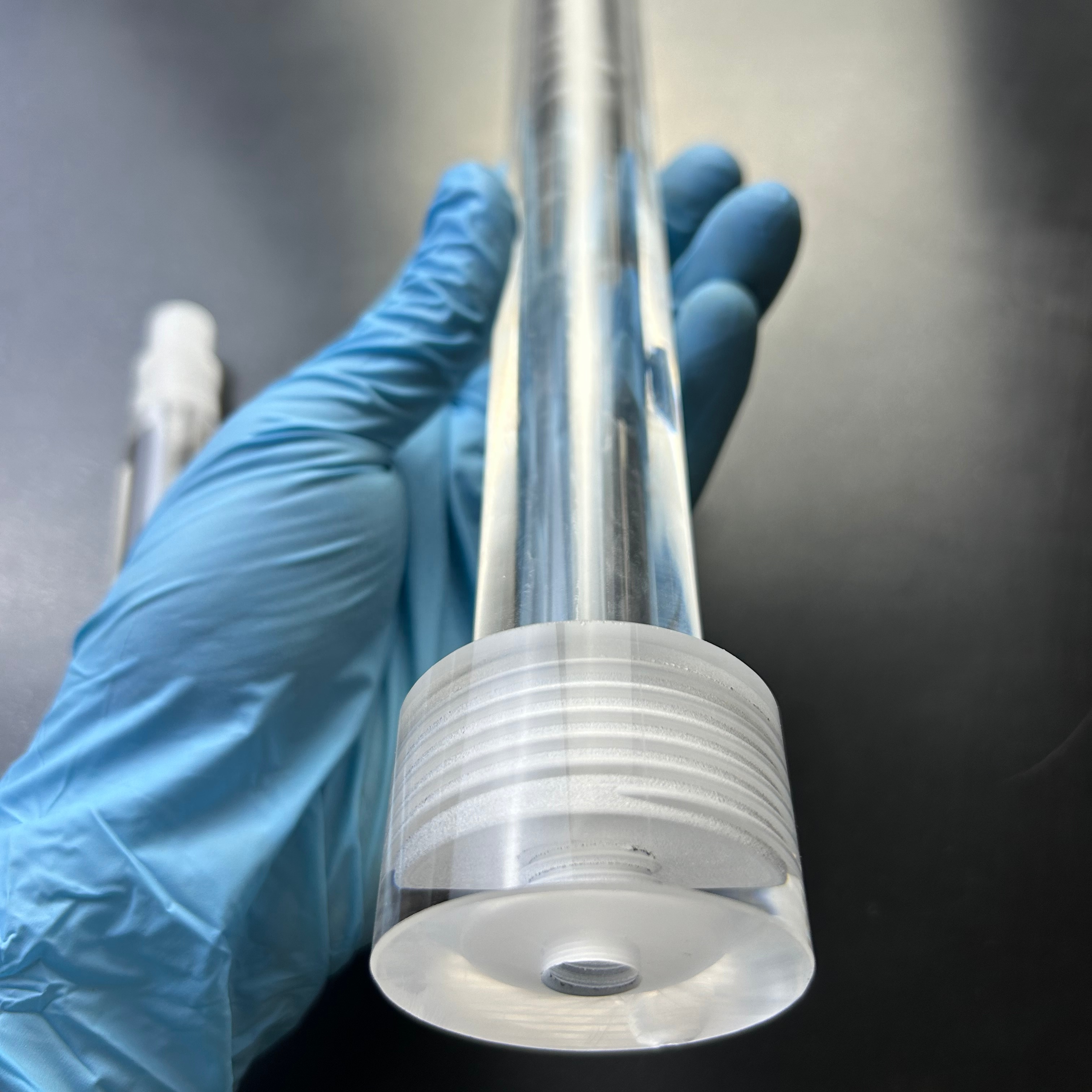
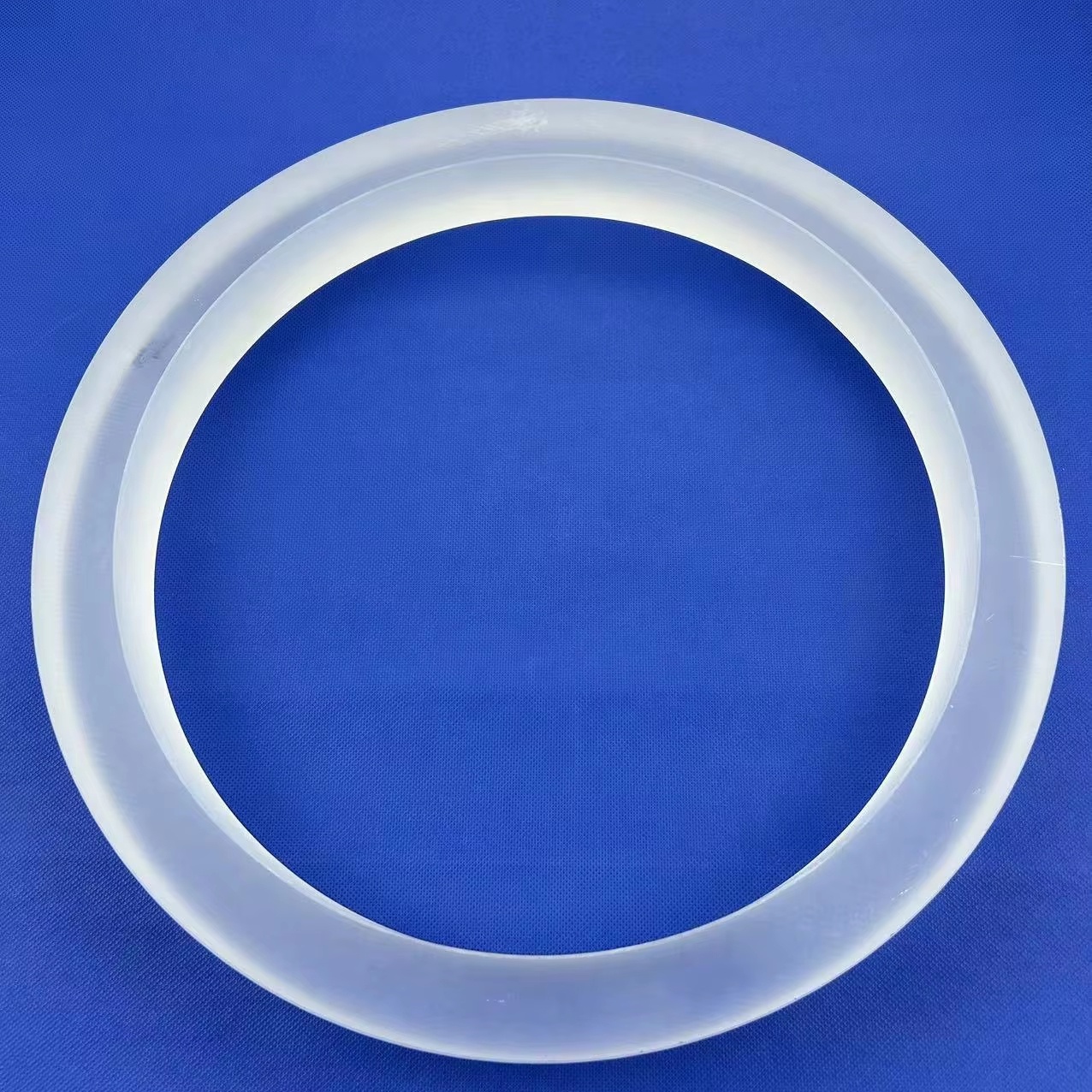
Technical Whitepaper
Engineering High-Precision Quartz Flanges for Szeged’s Scientific & Industrial Frontlines
As the seat of Csongrád-Csanád county and home to landmark research facilities like the ELI ALPS (Extreme Light Infrastructure Attosecond Light Pulse Source) and the University of Szeged (SZTE), the city of Szeged represents one of Central Europe's most rigorous environments for high-purity glass mechanics. Whether engineering ultra-high vacuum (UHV) viewports, plasma deposition chambers, or high-throughput biochemical reactors, conventional borosilicate glass regularly falls short. As a dedicated quartz flange factory & direct supplier serving Szeged, Zunex Quartz bridges precision Chinese crystal manufacturing with Hungary’s premier scientific standards.
Thermal Resilience & Vacuum Integrity
Standard optical chambers deployed in pulsed laser physics endure rapid thermal shocks. Fused quartz features an exceptionally low coefficient of thermal expansion (CTE) of 5.5 × 10⁻⁷ /°C, ensuring that quartz flanges subjected to temperature spikes up to 1100°C suffer near-zero dimensional distortion. In UHV setups within Szeged’s ELI ALPS laser laboratories, knife-edge ground quartz flanges paired with metal gaskets consistently achieve leak rates beneath 1 × 10⁻¹⁰ mbar·l/s.
Our Donghai production line utilizes CNC planetary face grinding to deliver flange contact planes with flatness ratings within λ/4 (150 nm) per inch. This eliminates microscopic capillary pathways that cause virtual leaks in high-vacuum chamber couplings.
Chemical Inertness & Optical Purity
In Southern Hungary's expanding chemical and biotechnology clusters, our quartz flanges serve as durable coupling joints in hot acid reflux columns and organic solvent synthesis systems. Unlike metallic or lower-grade glass fittings, synthetic fused silica remains non-reactive across virtually all aggressive reagents (except hydrofluoric and hot phosphoric acid), preserving reagent purity.
Furthermore, for analytical applications requiring simultaneous in-situ optical monitoring, our flanges can be integrated with synthetic JGS1 grade fused silica viewports, maintaining exceptional transmission (>90%) deep into the deep ultraviolet (DUV) range down to 185 nm.