≥ 99.99%
SiO₂ Purity Standard
1100°C / 1300°C
Continuous / Peak Rating
≤ 2 Hours
Engineering RFQ Reply
43%
Global Verified Reorder Rate
Specialized Fused Quartz Crucibles, Tubes & Critical Components
Custom-fabricated thermal and optical elements directly supplied to research and industrial facilities across the Greater Houston Metropolitan Area.
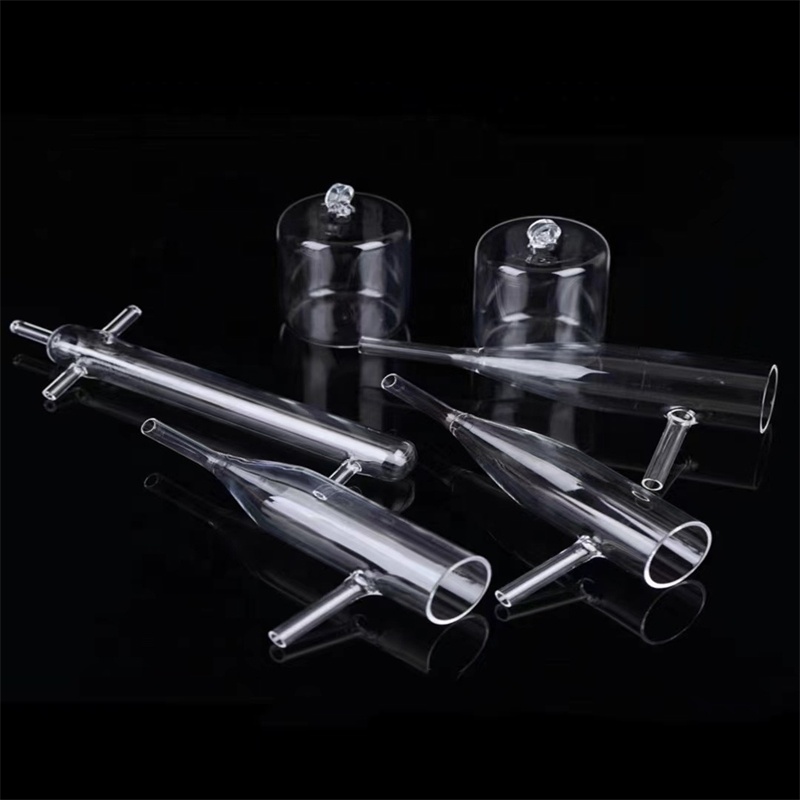
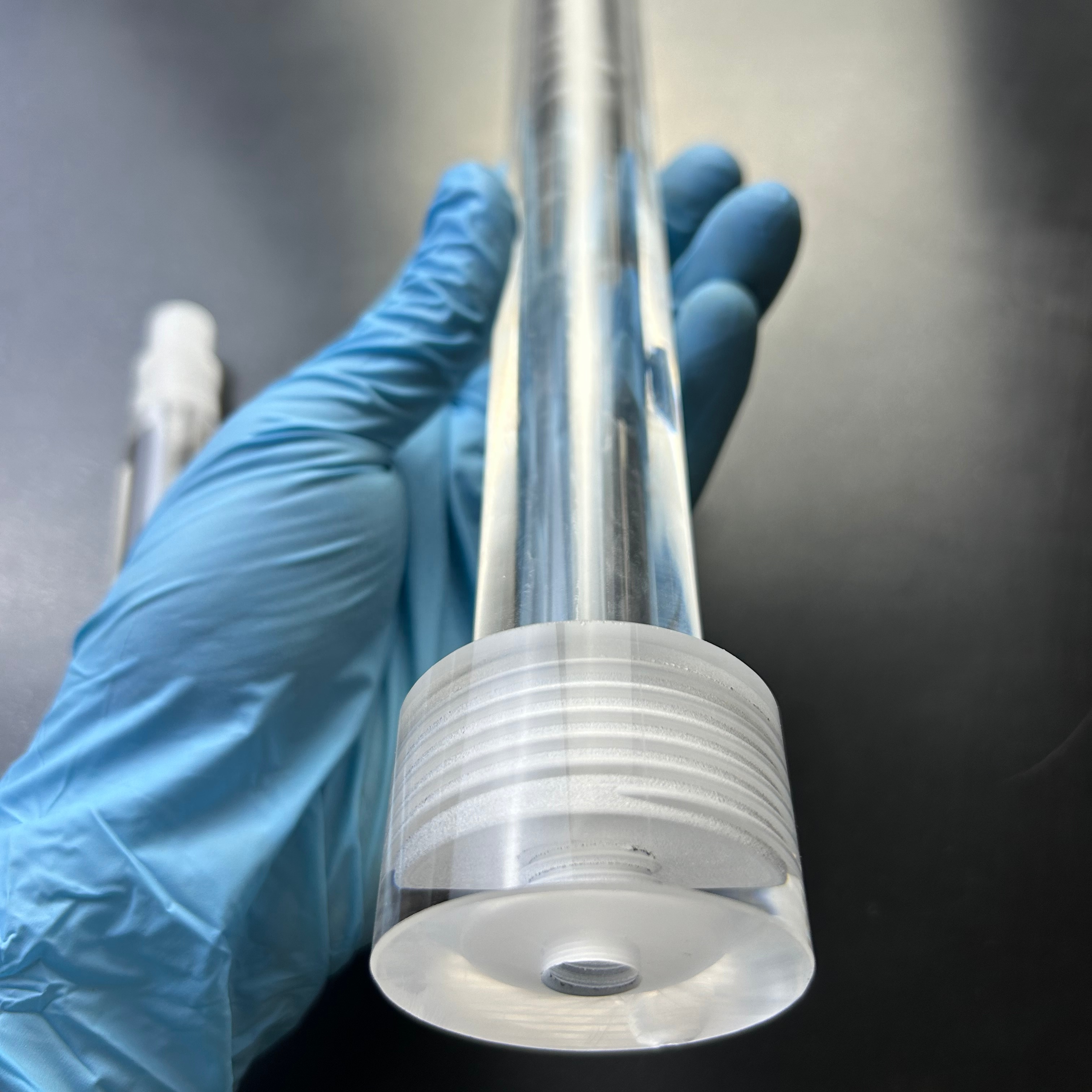
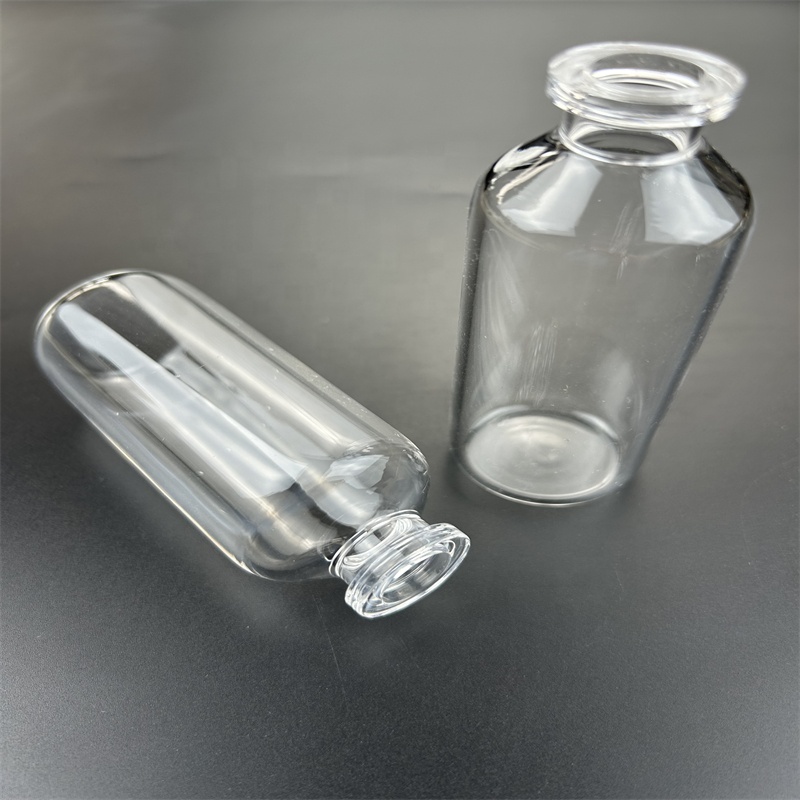
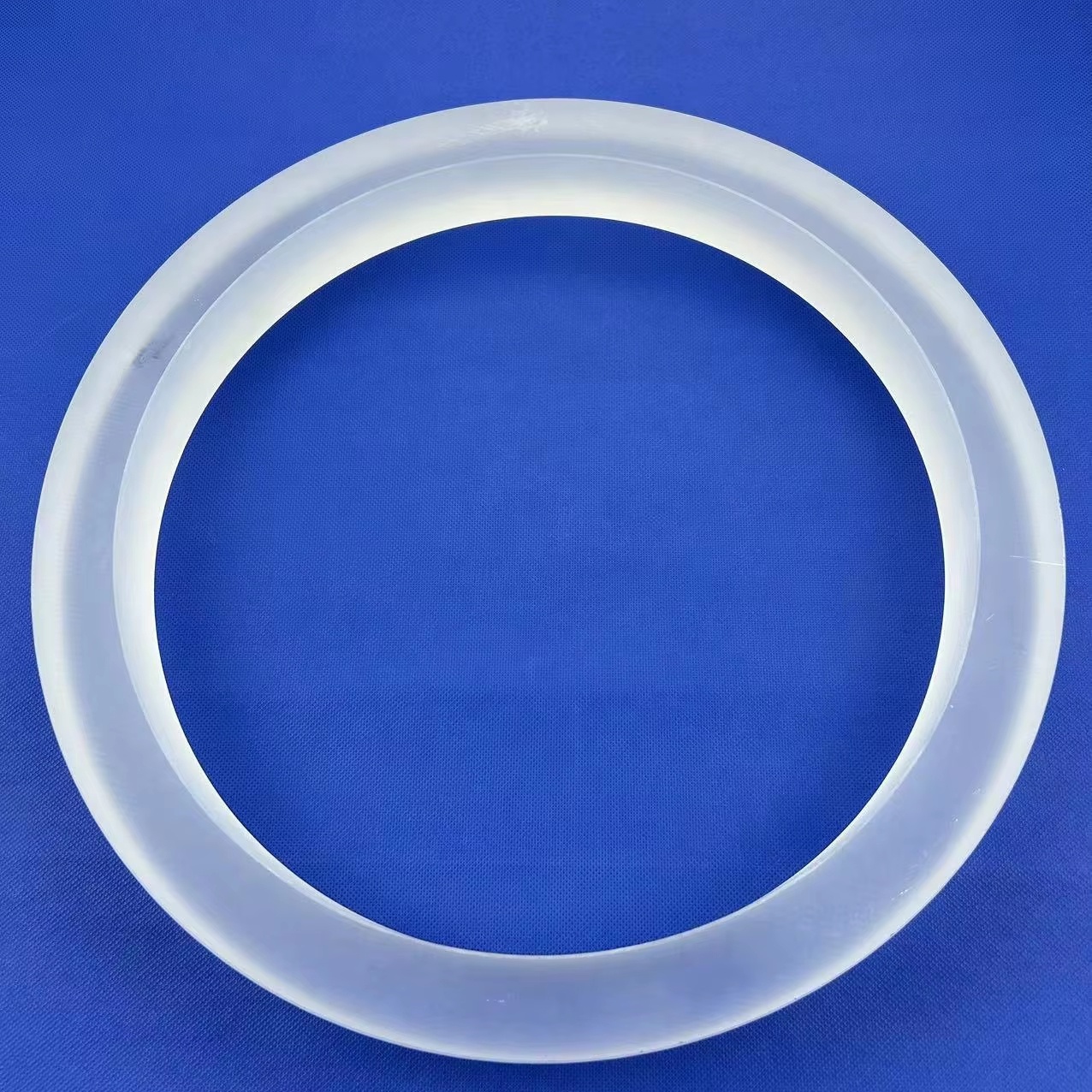
Houston Industrial Integration: Thermal Stability Meets Downhole & Petrochemical Rigors
The industrial infrastructure of Houston, Texas—stretching from the Houston Ship Channel refining corridor to the technological corridors along the Energy Corridor and The Woodlands—places extreme demands on material integrity. Quartz glass crucibles, thermal reaction vessels, and associated optical fused silica components represent critical infrastructural consumables in these continuous processing sectors. Unlike standard borosilicate or aluminosilicate glasses, synthetic and high-purity natural fused quartz (SiO₂ ≥ 99.99%) delivers near-zero thermal expansion coefficients (5.5 × 10⁻⁷ /°C), preventing thermal shock failure when cycle temperatures shift precipitously between ambient conditions and 1100°C continuous operations.
For Houston downstream refining plants, polymer manufacturers, and high-pressure/high-temperature (HPHT) oilfield tool designers, crucibles and ampoules fabricated by Zunex Quartz serve critical testing and synthesis roles. In catalysis research labs along Highway 225, quartz crucibles withstand aggressive mineral acids (excluding HF and concentrated H₃PO₄ at high temperatures), maintaining elemental baseline integrity without leaching trace boron, alumina, or sodium into precious catalytic matrices.
| Property Parameter | JGS1 (Synthetic Fused Silica) | JGS2 (Optical Fused Quartz) | JGS3 (Infrared Fused Quartz) |
|---|---|---|---|
| Primary Transmission Spectrum | 185 nm – 2500 nm (Deep UV) | 220 nm – 2500 nm (UV-VIS) | 260 nm – 3500 nm (Visible to IR) |
| Hydroxyl (OH⁻) Content | ≤ 1200 ppm | ≤ 150 – 200 ppm | ≤ 5 – 10 ppm (Waterless) |
| Continuous Heat Resistance | 1100 °C | 1100 °C | 1150 °C |
| Softening Point Temperature | Approx. 1683 °C | Approx. 1680 °C | Approx. 1700 °C |
| Thermal Expansion (0–300°C) | 5.4 × 10⁻⁷ /°C | 5.5 × 10⁻⁷ /°C | 5.5 × 10⁻⁷ /°C |
| Houston Application Profile | Photolithography, UV analysis, spectroscopy | Sight glasses, furnace viewports, standard crucibles | HPHT downhole sensor optics, IR furnace lines |
In HPHT downhole drilling sensor housings engineered across Northwest Houston and Sugar Land, low hydroxyl (OH⁻) JGS3 quartz components prevent absorption bands in the infrared spectrum, enabling precise downhole fluid spectrometry under temperatures approaching 300°C and pressures exceeding 20,000 psi.
Engineered for Greater Houston's Demanding Environments
Deploying specialized quartz crucible and tube geometries across key regional sectors.
Petrochemical & Refinery Pyrolysis
Utilized inside refinery laboratories across Baytown, Pasadena, and Texas City for high-temperature catalyst synthesis, ash determination, and sulfur testing. Crucibles endure continuous cycling without dimensional slumping, mitigating risk during automated furnace loading.
Materials Synthesis & Nanotechnology
Academic and private materials institutes around Rice University and the Texas Medical Center employ custom quartz crucibles and CVD furnace twin-tubes for carbon nanotube growth, single-crystal semiconductor pulling, and controlled vapor deposition sequences.
Energy Storage & Green Hydrogen
As Houston leads the global clean hydrogen hub initiatives along the Gulf Coast, our quartz combustion tubes and high-purity reaction boats serve in high-temperature solid oxide electrolyzer cell (SOEC) testing and battery cathode material calcination.
Houston Procurement & Sourcing Trends: Quality Verification and Supply Line Resiliency
The industrial sourcing ecosystem in Houston has entered a phase of structural transition. Procurement heads at engineering, procurement, and construction (EPC) conglomerates and specialized testing laboratories are systematically moving away from multi-tier domestic distributors in favor of direct manufacturer relationships backed by certified quality verification.
1. Direct Factory Traceability: Houston laboratory managers demand material origin certificates confirming SiO₂ purity levels (≥ 99.99%) and trace metal analysis (Fe ≤ 0.2 ppm, Al ≤ 14 ppm, Ti ≤ 1.1 ppm). Direct engagement with manufacturer facilities eliminates unauthorized resin-fused lookalikes that fail violently under rapid furnace ramping.
2. CAD-to-Flame Rapid Prototyping: With extensive R&D spending concentrated in local energy clusters, the necessity for custom-to-drawing prototyping (accepting DWG, DXF, and STEP formats) with turnaround times under two weeks has outpaced standard off-the-shelf catalog ordering.
3. Protective Container Freight Solutions: Given Houston's proximity to Port Houston and George Bush Intercontinental Airport (IAH), direct-from-factory air and ocean shipping with multi-layer shock-absorption crating guarantees intact delivery, avoiding common local distribution markups.
Engineered in China's Crystal Capital for Houston's Industrial Frontline
Direct technical oversight, precision laser finishing, and verifiable commercial integrity.
Donghai Manufacturing Core
Headquartered in Donghai County, Jiangsu—the premier hub for silica synthesis—we direct-source premium raw quartz rocks, maintaining complete cost and purity control from melt to inspection.
Precision Laser Finishing
Proprietary laser drilling, grooving, and ultra-fine profiling capabilities eliminate micro-fissures and stress points along crucible rims and custom flange mounts, extending operating lifetimes.
Certified Engineering Reviews
Every RFQ submission from Houston technical buyers is reviewed directly by application engineers within 2 hours, analyzing wall thicknesses, draft angles, and thermal cycle requirements prior to fabrication.
Verified Export Credentialing
With an annual revenue range between US$2.5M – US$5M and an independently verified 43% repeat-order rate, our global operations offer zero-defect shock-proof wooden crating for direct transit to Texas.
Houston Procurement & Technical FAQ
Direct answers addressing high-temperature quartz crucible selection, tolerances, and international logistics.
Q: How do your quartz crucibles perform under sudden thermal shock in induction heating?
Fused quartz possesses an extremely low coefficient of thermal expansion (5.5 × 10⁻⁷ /°C). A crucible heated to 1100°C can be repeatedly water-quenched without structural fracture, provided it has not undergone devitrification due to surface contaminants or prolonged exposure above 1200°C.
Q: Can Zunex fabricate crucibles and boats according to custom CAD models?
Yes. Custom fabrication to drawing is our core operational focus. Houston engineering teams frequently submit DWG, STEP, or PDF blueprints specifying wall thickness, internal radiuses, and laser-drilled porting. Quotations and manufacturability assessments are issued within two hours.
Q: What is the difference between transparent fused quartz and opaque silica crucibles?
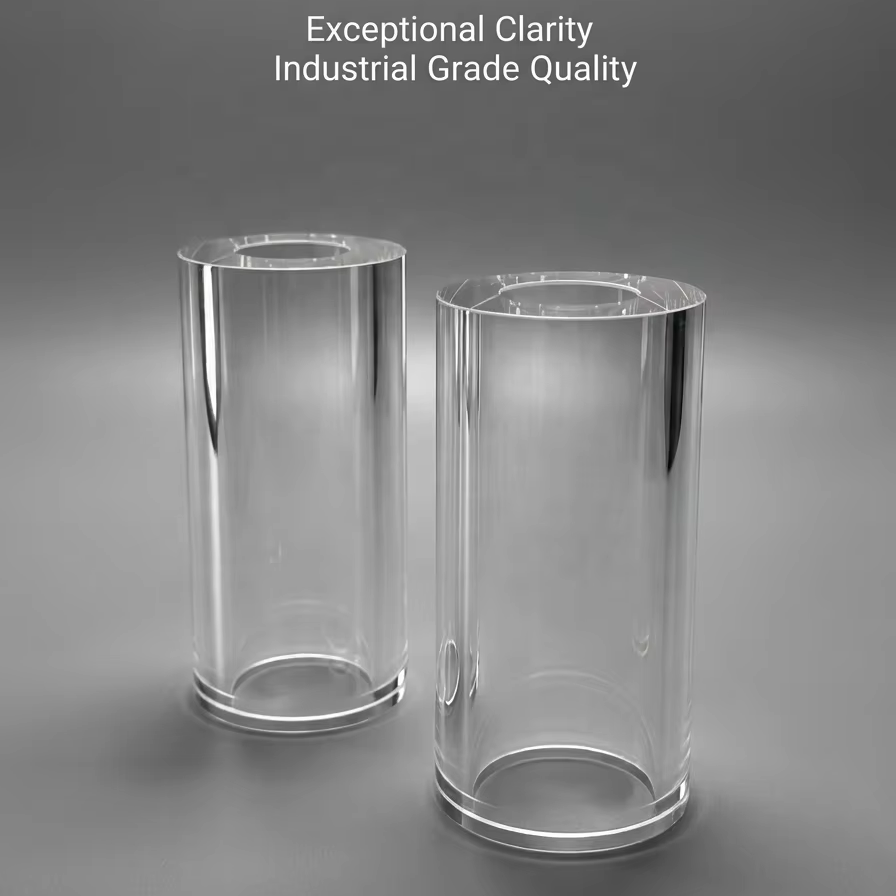
Transparent crucibles are fabricated from completely fused crystal grains, offering total optical clarity, lower bubble counts, and higher mechanical tensile strength for analytical testing. Opaque crucibles contain micro-air bubbles that scatter light and provide exceptional thermal insulation for large-volume metallurgical melts.
Q: How are fragile quartz items protected during shipment to Houston?
We deploy a multi-stage export packaging system: each component is individually wrapped in anti-static expanded PE foam, suspended in high-density impact-absorption matrix cartons, and sealed inside reinforced fumigated wooden crates built for ocean freight or express air transit to IAH.
Q: How do trace impurities affect high-temperature reactions in downstream oil analysis?
Trace alkali metals (Na, K, Li) act as fluxing agents at elevated temperatures, catalyzing the devitrification of quartz into cristobalite and causing opacity and micro-cracking. Our high-purity crucibles maintain alkali metal counts below 1.5 ppm, preventing catalytic poisoning and premature vessel failure.
Q: Can you produce quartz crucibles with customized pour spouts, handles, or threaded necks?
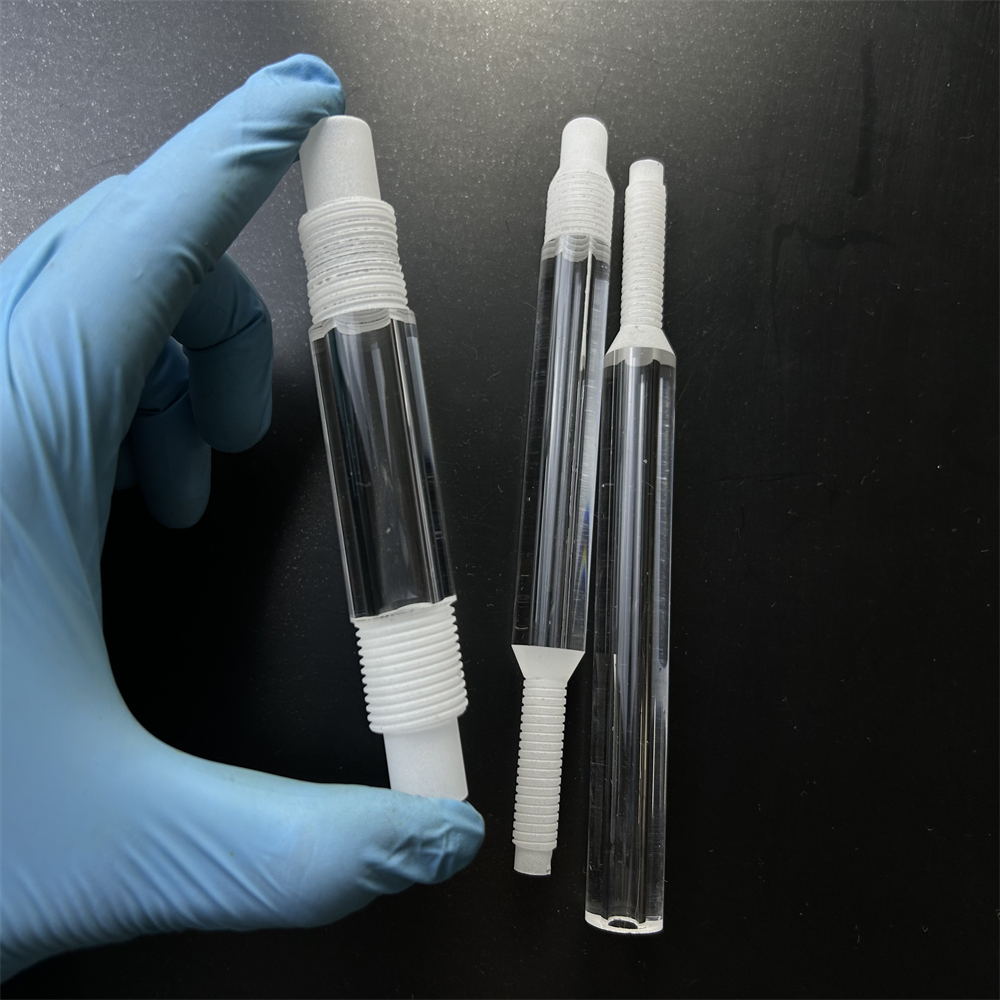
Yes. Our hot-working master glassblowers execute precision flame-forming, fusing threaded quartz necks, ground joints, pouring spouts, and heavy-wall stabilizing bases directly to custom vessels based on your chemical reactor specifications.
Connect with Our Technical Quartz Engineering Team
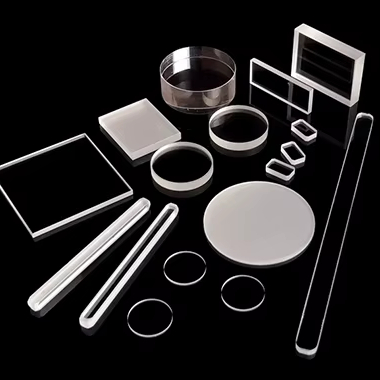
Whether configuring high-temperature crucibles for refining reactors, optical-grade test discs for downhole sensor viewports, or custom-dimensioned furnace tubes, request a direct factory engineering evaluation and price quote today.
Get a Quote