High-Purity Quartz Glass & Spectrophotometric Optical Ware
Engineered to drawing in Donghai County with direct, crash-proof door-to-door delivery into Copenhagen, Lyngby, and the Medicon Valley research corridor.
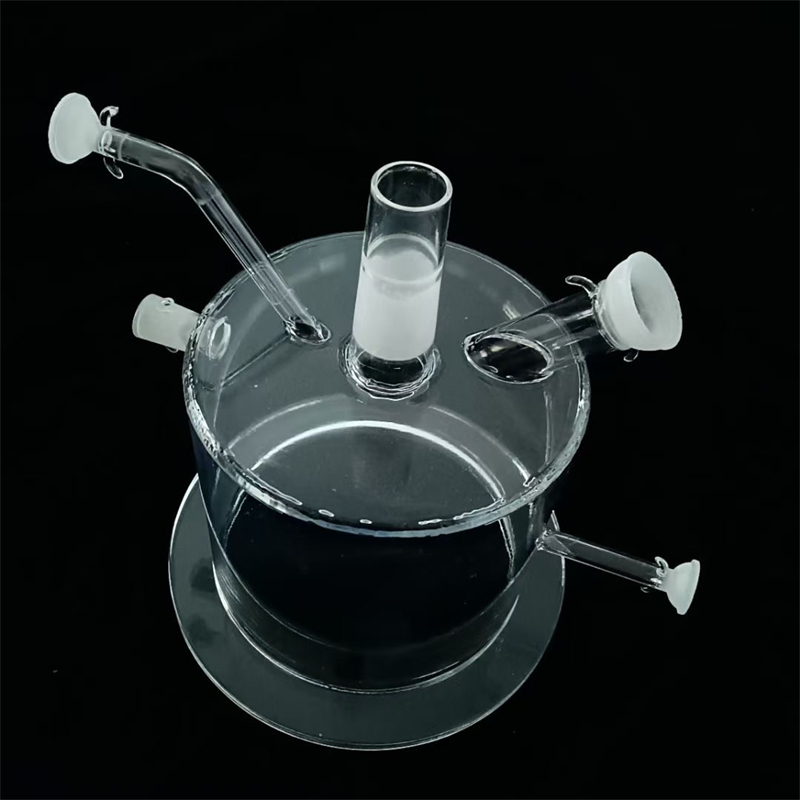
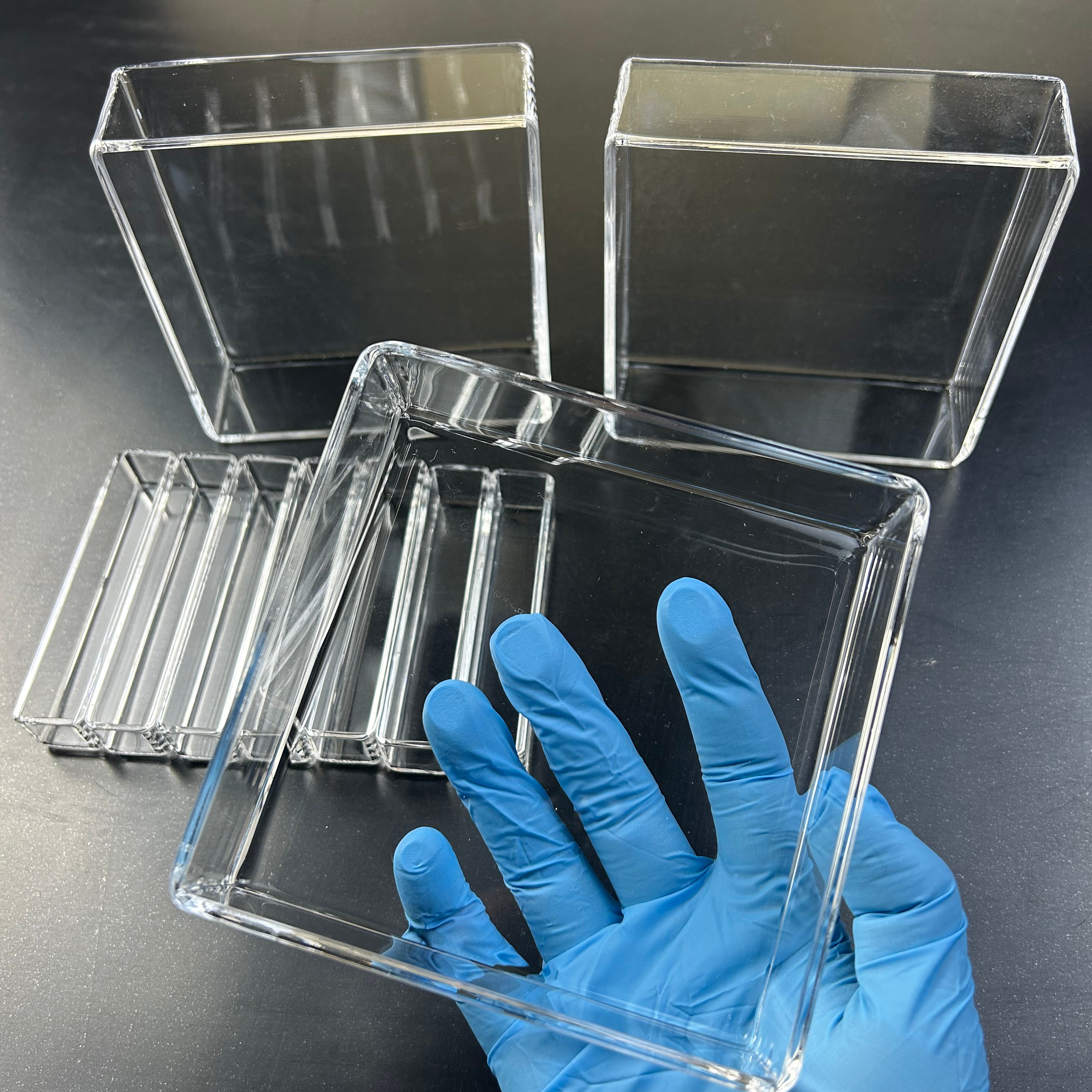
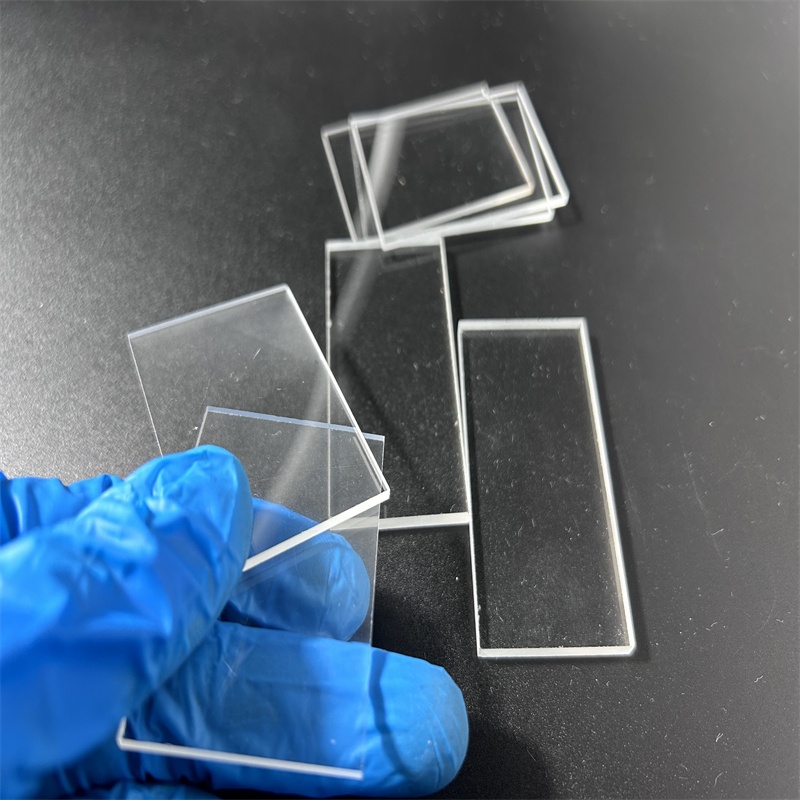
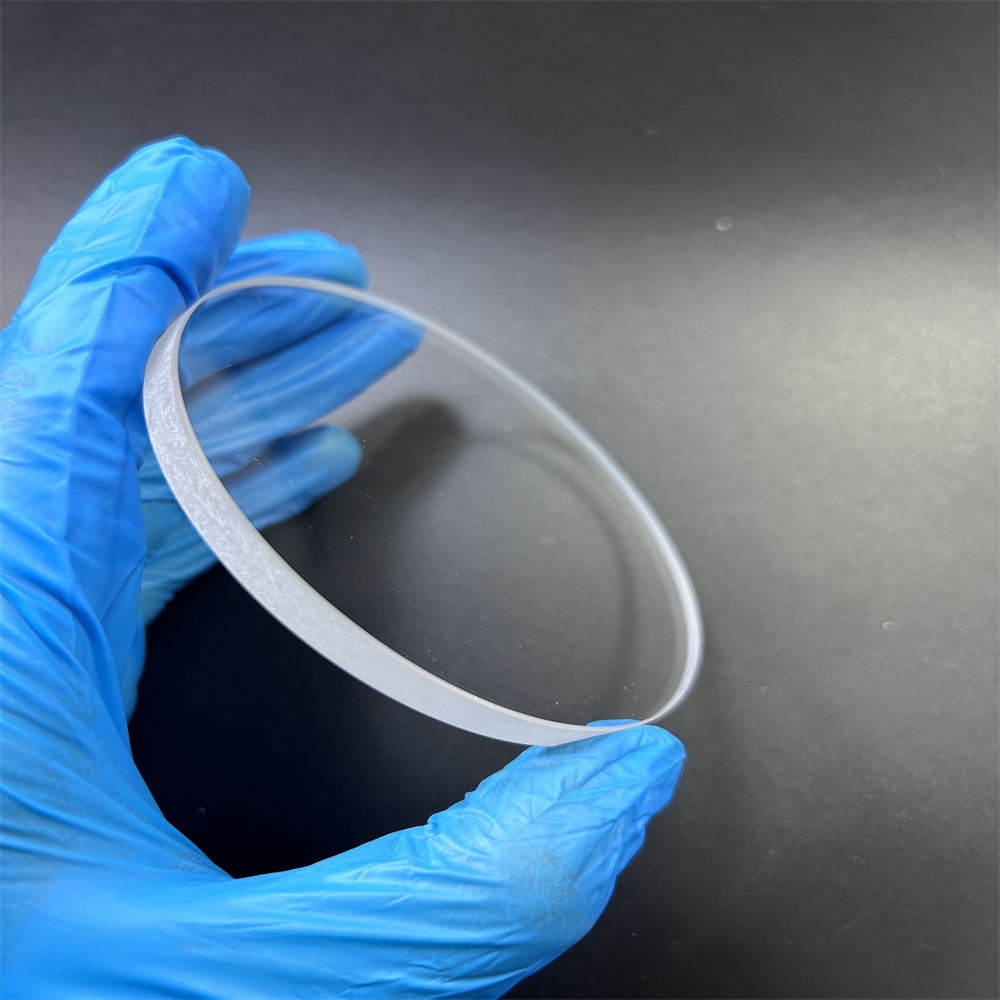
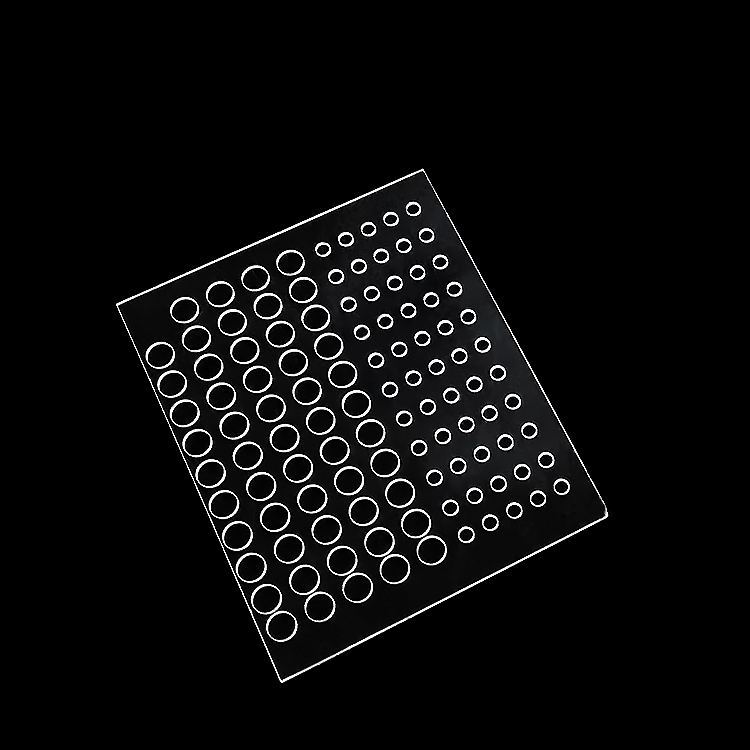
The Physics of Spectrophotometric Cuvettes: Optical Homogeneity, OH- Content, and Thermal Shock Resistance
In analytical spectroscopy, spectrophotometric accuracy depends on the primary interface where light encounters the analyte: the quartz optical cuvette. Spectrophotometer instruments installed across Copenhagen's pharmaceutical and academic facilities rely on strict transmission parameters. When conducting quantitative measurements down to the deep ultraviolet (DUV) range of 190 nm—essential for peptide bonds, DNA/RNA quantification at 260/280 nm, and active pharmaceutical ingredient (API) validation—standard borosilicate or plastic cuvettes fail due to severe UV absorbance cutoffs and scattering.
As a specialized fused silica and quartz glass cuvette factory, our facility in Donghai County operates with high-purity natural and synthetic silicon dioxide (SiO₂) powders, maintaining raw purity levels exceeding 99.99%. Every optical cuvette, absorption cell, and flow-through cell is crafted to eliminate striations, internal stress inclusions, and micro-bubbles that disrupt light beams.
Material Selection: JGS1 Synthetic Silica, JGS2 UV-Grade, and JGS3 Infrared Silica
Spectroscopic precision requires matching fused silica grades with excitation wavelengths:
JGS1 (Far UV Synthetic Silica)
Synthesized from SiCl₄ gas with virtually zero metallic impurities. Transmits effortlessly from 185 nm to 2500 nm without solarization. Ideal for circular dichroism, deep-UV nucleic acid analysis, and excimer laser monitoring in Danish life sciences.
JGS2 (Optical Grade Quartz)
Produced from high-purity natural crystal quartz sands. Offers balanced optical performance across the 220 nm to 2500 nm spectrum. Engineered for standard UV-Vis spectrophotometers, routine colorimetric assays, and pharmaceutical assay quality testing.
JGS3 (Infrared Fused Quartz)
Refined via specialized vacuum melting to depress hydroxyl radical (OH⁻) content below 5 ppm. Eliminates the strong absorption band at 2.73 µm, allowing transmission up to 3500 nm for near-infrared (NIR) spectroscopy and non-destructive biochemical assays.
| Physical & Optical Parameter | Standard UV Quartz (JGS1) | Standard Optical Grade (JGS2) | IR Grade Silica (JGS3) |
|---|---|---|---|
| Wavelength Transmission Range | 185 nm – 2,500 nm | 220 nm – 2,500 nm | 260 nm – 3,500 nm |
| SiO₂ Purity Level | ≥ 99.999% | ≥ 99.99% | ≥ 99.99% |
| Hydroxyl (OH⁻) Content | < 1,200 ppm (High OH) | 150 – 300 ppm | < 5 ppm (Water-Free) |
| Optical Pathlength Tolerance | ±0.005 mm (Standard: 10mm) | ±0.01 mm | ±0.01 mm |
| Window Parallelism | < 15 arcseconds | < 30 arcseconds | < 30 arcseconds |
| Surface Figure / Flatness | λ/4 at 632.8 nm | λ/2 at 632.8 nm | λ/2 at 632.8 nm |
| Coefficient of Thermal Expansion (CTE) | 5.5 × 10⁻⁷ / °C | 5.5 × 10⁻⁷ / °C | 5.4 × 10⁻⁷ / °C |
| Softening Point | 1,683 °C | 1,680 °C | 1,710 °C |
Precision Quartz Applications Across Copenhagen's Life Science Hub
Serving laboratories, bioreactors, and optical manufacturing centers across Greater Copenhagen, the Capital Region (Region Hovedstaden), and the Øresund cross-border life-science cluster.
Medicon Valley Biopharma Validation
Copenhagen houses global leaders in therapeutic peptides, diabetes research, monoclonal antibodies, and enzyme synthesis (centered around Bagsværd, Glostrup, and Hørsholm). Our high-precision 10 mm pathlength quartz absorption cells and fluorometer cuvettes ensure baseline stability during chromatographic fraction purity audits and circular dichroism secondary structure validation.
DTU & KU Advanced University Research
The Technical University of Denmark (DTU) in Kongens Lyngby and the University of Copenhagen (Københavns Universitet - SUND & SCIENCE faculties) drive cutting-edge microfluidic, quantum photonics, and biophysical kinetics research. We engineer custom micro-cuvettes, sub-micro flow cells with apertures down to 50 µL, and laser-drilled quartz wafers designed to custom STEP/CAD tolerances.
Cleantech & Marine Environmental Sensing
With Copenhagen’s rigorous sustainability targets and Øresund environmental monitoring, our UV quartz sensor windows, cylindrical water monitoring absorption tubes, and industrial quartz flow cells are deployed in automated water monitoring devices detecting per- and polyfluoroalkyl substances (PFAS), total organic carbon (TOC), and micro-pollutants.
Procurement Transformations in Denmark: High-Throughput Microfluidics and Sustainable Labware
Procurement policies within Danish public institutions, corporate CROs, and industrial biotech facilities are undergoing significant transformations governed by European Green Deal directives, ESG tracking, and heightened automation requirements:
1. Transition from Disposable Polymeric Cells to Reusable Optical Quartz: For years, laboratory workflows turned to single-use PMMA or polystyrene cuvettes to accelerate sample turnaround. However, in line with Denmark’s national circular economy mandates and carbon reduction frameworks, major biotech and hospital laboratories in Copenhagen are transitioning back to autoclavable, reusable high-purity quartz cuvettes. Beyond ecological considerations, the signal-to-noise ratio in fluorescence spectroscopy using JGS1 synthetic silica is dramatically superior, eliminating the autofluorescence and pathlength distortion common to molded plastic cells.
2. Downscaling Sample Volumes (Sub-Micro and Microfluidic Integration): With high-value peptide and genetic therapies, Danish drug development facilities cannot afford 3.5 mL sample waste per analysis. Our workshop specializes in laser-milled black-walled masked cuvettes that isolate sample apertures to volumes between 10 µL and 100 µL. By absorbing scattered light through integrated black fused quartz walls, these specialized cuvettes enable zero optical interference in high-throughput screening plate readers and micro-spectroscopy setups.
3. Demand for Integrated Flow-Through Cells in Continuous Biomanufacturing: Denmark is a pioneer in continuous bioprocessing. Real-time process analytical technology (PAT) demands high-pressure quartz flow-cells placed directly into automated bioreactor feedlines. These cells demand burst pressures up to 10 MPa and seamless laser-welded capillary quartz connectors, moving beyond standard batch labware into integrated production components.
Integrated Donghai Manufacturing with Direct Exporter Reliability
Eliminate intermediary markups and communication delays. Work directly with experienced quartz manufacturing engineers who understand optical specifications, mechanical tolerances, and international logistics.
Precision CNC & Laser Finishing
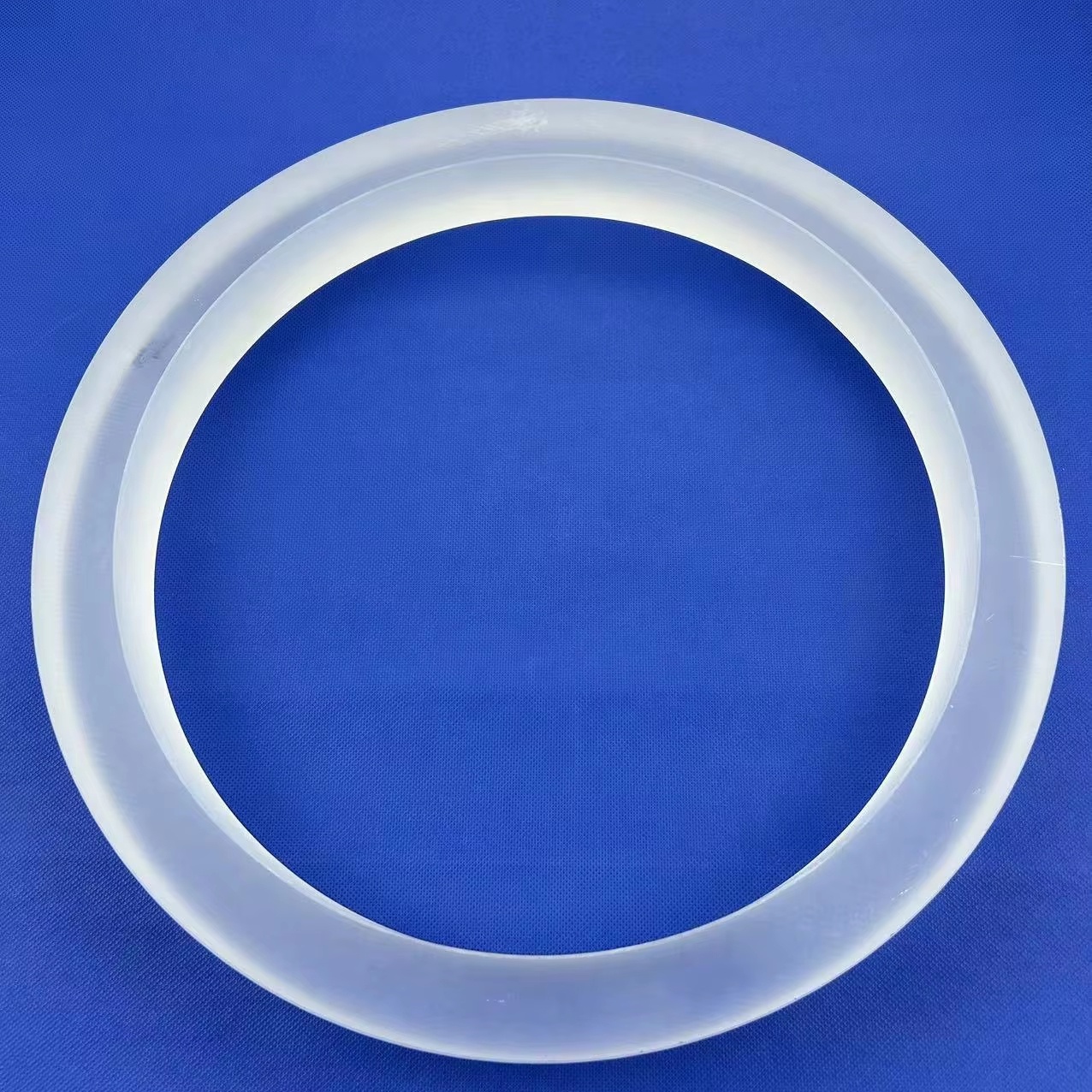
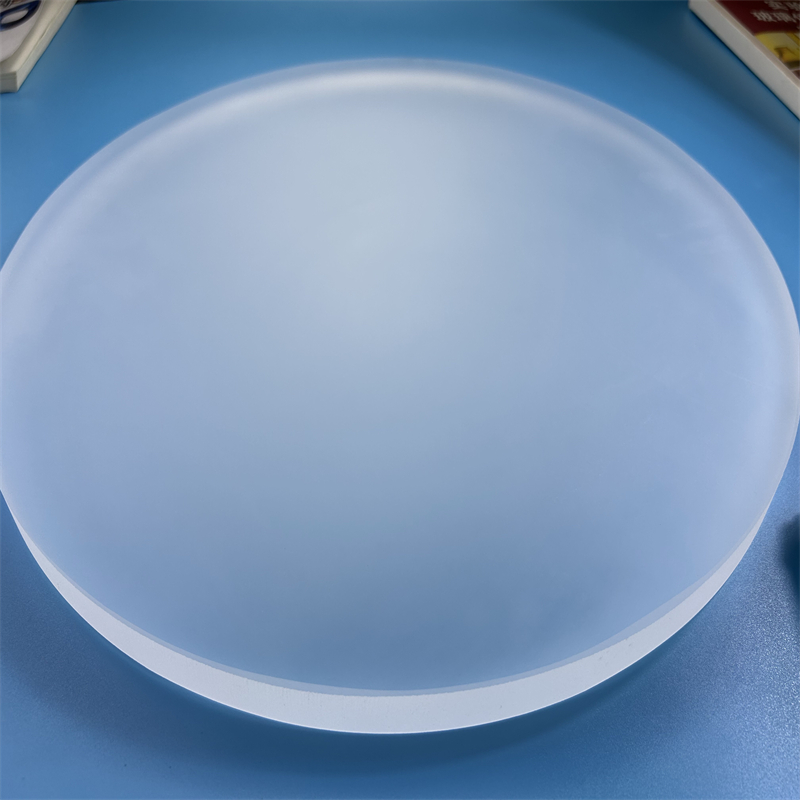
We combine computerized CNC slicing, diamond-lap optical polishing, and laser micro-drilling. Whether you require custom micro-grooves, dual optical ports, or specialized step-jointed quartz discs, our machines achieve mechanical tolerances down to ±0.01 mm.
Fabrication Direct to Drawing
Send your sketches, CAD models (PDF, DWG, DXF, or STEP), or damaged reference parts. Our engineering department reviews manufacturability, optical clearances, and thermal constraints, returning verified technical drawings and quotes in two hours or less.
Breakage-Free Copenhagen Logistics
Exporting thin optical quartz walls requires specialized handling. Every cuvette batch is isolated in shock-absorbing foam molds, vacuum-sealed to prevent airborne contamination, and packaged in reinforced export wooden cases. We guarantee 100% arrival integrity via DHL/FedEx Express direct to Copenhagen Airport (CPH) or regional logistics depots.
Frequently Asked Questions by Danish Procurement Officers
Essential answers regarding customs clearance in Denmark, European quality documentation, tolerances, and ordering procedures.
How are import customs duties and VAT (Moms) handled when shipping quartz cuvettes to Denmark?
What documentation do you provide for GMP and GLP compliance in Copenhagen pharmaceutical labs?
Can you manufacture custom-dimension cuvettes for proprietary spectrophotometers and HPLC detectors?
What is the standard lead time for prototypes versus batch orders destined for Copenhagen?
How should quartz optical cuvettes be cleaned and maintained after use with organic proteins?
Connect Directly with Our Quartz Engineering Team
Send your dimensional drawings, technical specifications, or optical inquiries today. Receive manufacturability feedback and transparent factory-direct pricing within 2 hours.