Featured Industrial & Analytical Quartz Glass Solutions
Precision fabricated fused quartz components delivered directly to institutions, processing plants, and research laboratories across Mawlamyine and lower Myanmar.
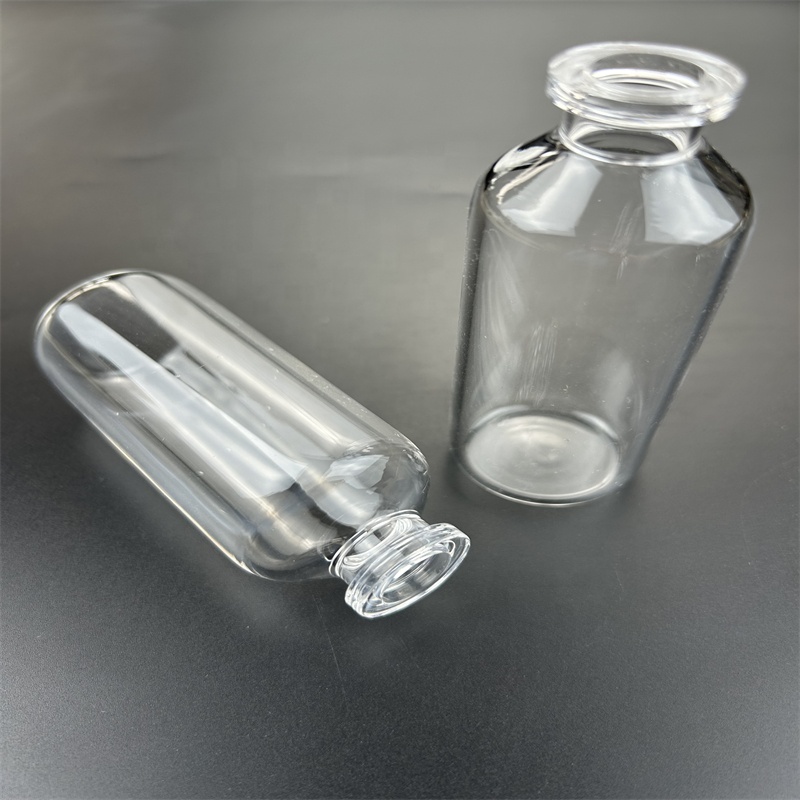
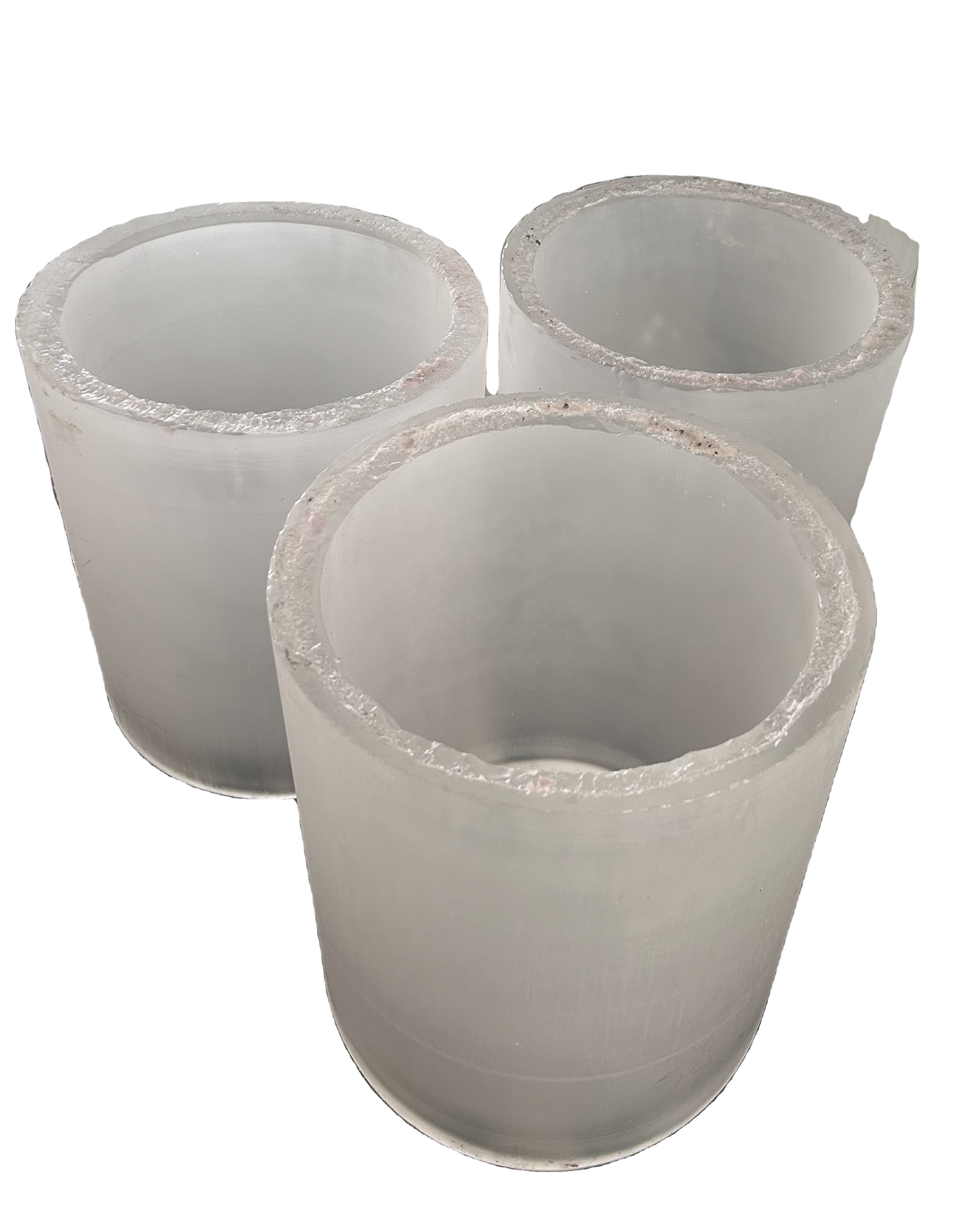
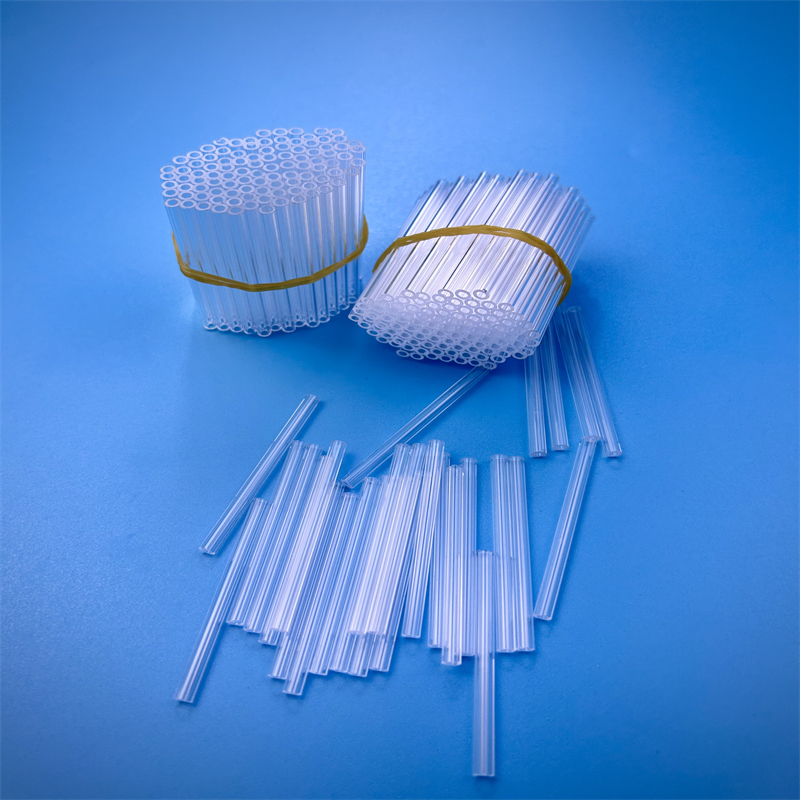
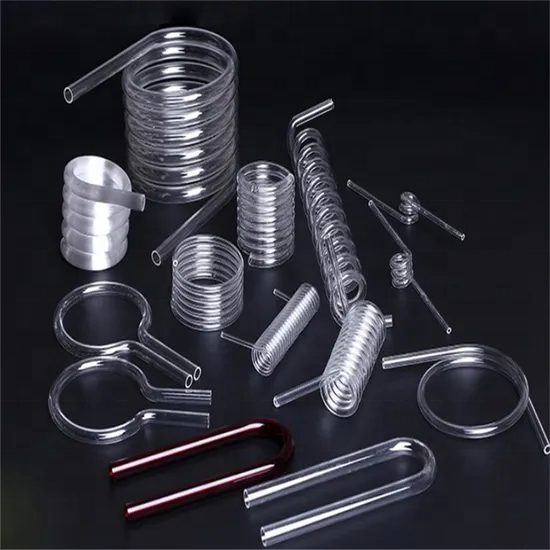
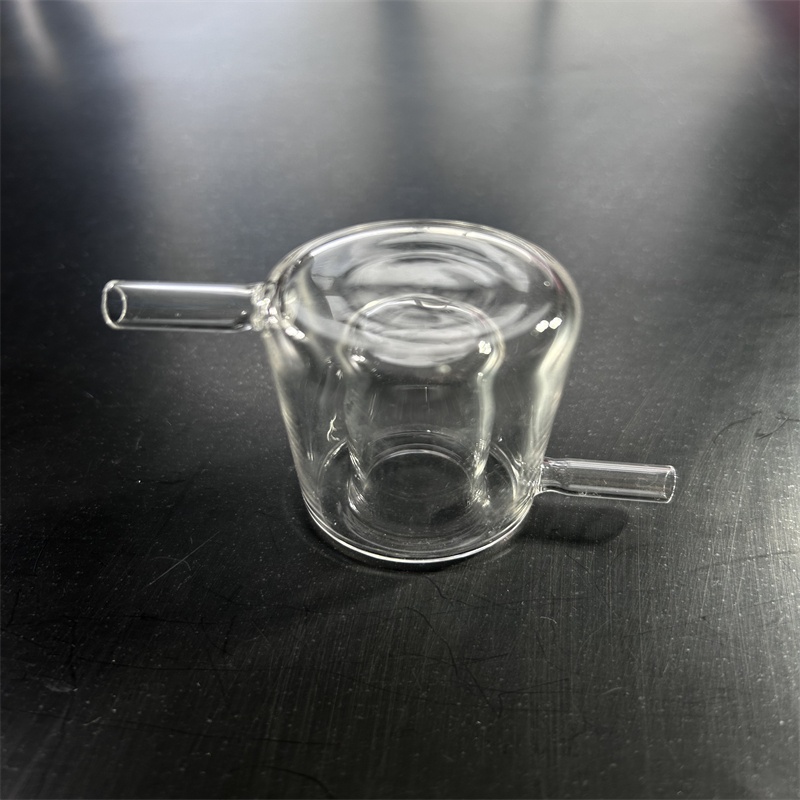

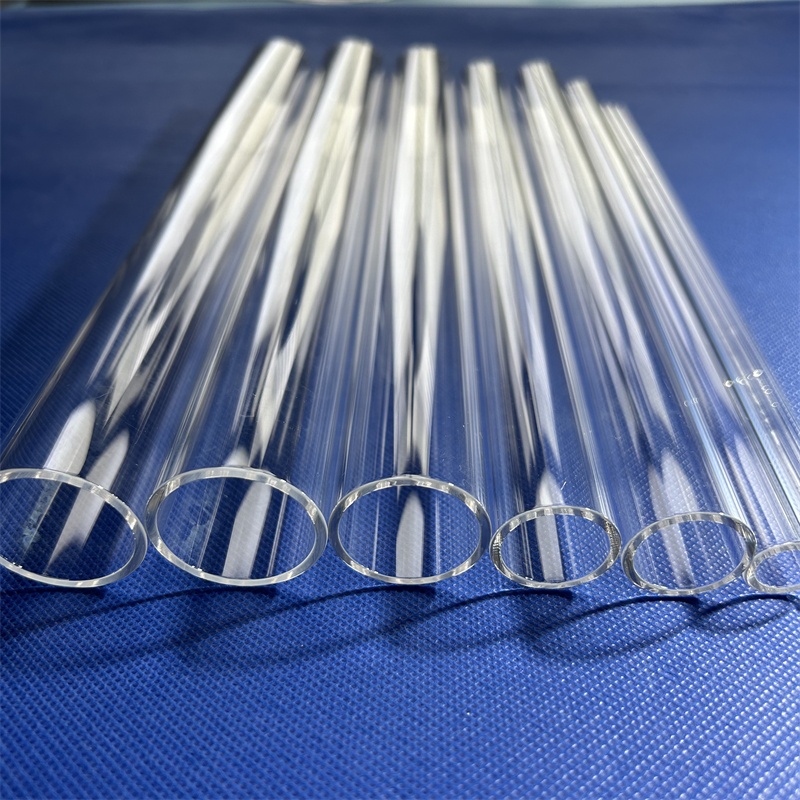
High-Precision Quartz Glass Cuvettes & Optical Cells: Meeting Mawlamyine's Laboratory Demands
In analytical spectroscopy, photometer precision is entirely bounded by the optical transparency, dimensional parallelism, and photochemical inertia of the sample vessel. For researchers, quality-control chemists, and analytical laboratory technicians operating in Mawlamyine (Moulmein)—the economic and intellectual capital of Myanmar's Mon State—procuring spectrophotometric cuvettes that endure rigorous testing protocols without spectral aberration is a primary operational objective.
Zunex Quartz Products Co., Ltd., situated in Donghai County, Jiangsu, China—globally recognized as the silicon and crystal fabrication hub—manufactures and exports premium-grade fused quartz and synthetic silica cuvettes tailored for high-accuracy UV-Vis-NIR spectroscopy, fluorometry, colorimetry, and dynamic flow-through spectrometry. Unlike conventional optical borosilicate glass or disposable polystyrene vessels which exhibit severe light absorption below 340 nm, our quartz cuvettes fabricated from JGS1 deep ultraviolet synthetic fused silica provide uncompromised optical transmission exceeding 83% across the critical 190 nm to 2500 nm range.
Whether your laboratory requires standard 10 mm path-length rectangular absorption cells, micro-aperture black-walled cuvettes for microliter biomedical samples, or custom jacketed thermostatic flow cells for continuous environmental monitoring, our facility manufactures custom units to mechanical drawings with tolerances as tight as ±0.01 mm.
Standard UV-Vis Cuvettes
Two polished optical windows with two frosted non-optical handling faces. Optical path lengths ranging from 1 mm, 5 mm, 10 mm, 20 mm, to 100 mm. Designed for absorption spectroscopy, quantitative assay calibration, and general chemical analysis.
Fluorometer 4-Window Cells
All four vertical walls precision-polished to optical finish for right-angle excitation-emission fluorescence spectroscopy. High surface flatness (λ/4 at 632.8 nm) minimizes parasitic light scatter and maximizes low-concentration analyte detection.
Micro & Flow-Through Cells
Self-masking black quartz walls to eliminate internal reflections. Specially engineered for sample conservation (volumes down to 50 μL) and automated industrial process analyzers requiring continuous high-pressure fluidic flow without leakage.
Localized Application Scenarios in Mawlamyine and Mon State
Mawlamyine sits at the confluence of the Thanlwin (Salween), Gyaing, and Attayan Rivers, serving as the commercial gateway of Southern Myanmar. The region’s dynamic industrial mix—spanning maritime trade, agro-commodity processing, rubber vulcanization testing, and higher education—relies heavily on analytical instruments that require dependable optical glassware. Zunex Quartz customizes and supplies quartz cuvettes designed for specific regional operations:
Mawlamyine University & Academic Research
Supporting the Departments of Chemistry, Marine Science, and Botany at Mawlamyine University. High-transmission JGS1 cuvettes are deployed in spectrophotometric determination of organic compounds, molecular biology assays, protein quantitation at 280 nm, and nucleic acid purity checks at 260/280 nm ratios.
Natural Rubber & Latex Quality Testing
Mon State is Myanmar's rubber heartland. Standard laboratory testing of latex concentrate purity, volatile fatty acid (VFA) indices, trace heavy metal contamination (copper, manganese), and dry rubber content (DRC) requires optical cuvettes that resist organic extraction reagents without hazing.
Thanlwin River Basin Hydrology
Monitoring seasonal salinity intrusion, agricultural runoff, nitrate/phosphate concentrations, chemical oxygen demand (COD), and turbidity along the Thanlwin River and Gulf of Mottama. Long-pathlength (50 mm and 100 mm) quartz cuvettes enable micro-trace spectroscopic detection in environmental water samples.
Aquaculture & Marine Product Export
Seafood processing and frozen fish/shrimp exporters around Mawlamyine Port verify chemical safety, antibiotic residues, formalin levels, and total volatile basic nitrogen (TVB-N) through colorimetric assay cuvettes compliant with international sanitary standards.
Clinical Diagnostics & Healthcare
Laboratories serving hospitals and private diagnostic clinics in Mon State depend on matched pair quartz cuvettes for clinical chemistry analyzers, ensuring zero deviation (≤0.1% transmission delta) in enzymatic, blood serum, and metabolic metabolite profiling.
Food Processing & Agricultural Byproducts
Mawlamyine's rice mills, palm oil processing plants, and food processors implement photometric cuvettes for free fatty acid (FFA) values, peroxide titration testing, and pigment quantification, safeguarding export quality for ASEAN supply chains.
Regional Modernization & Procurement Trends in Mon State
The analytical landscape in Mawlamyine is experiencing a distinct technical transformation. Historical reliance on uncalibrated borosilicate glassware is being systematically replaced by precision fused silica due to three key regional drivers:
1. Laboratory Accreditation and Export Harmonization: As agricultural, marine, and processed goods from Mon State enter competitive international markets (Thailand, China, Vietnam, and the wider RCEP block), testing facilities are upgrading toward ISO/IEC 17025 conformity. This transition mandates traceable, optically matched quartz cuvettes with certified path-length tolerances (±0.01 mm) to eliminate measurement uncertainty in export certificates.
2. Climate Resilience in Tropical High-Humidity Marine Environments: Mawlamyine experiences heavy southwest monsoon rains from June through October, resulting in prolonged relative humidity levels surpassing 85-90%. Inferior optical glass containing alkaline oxides is susceptible to surface hydration, atmospheric leaching, and glass disease ("solarization" or milky cloudiness). In contrast, high-purity synthetic quartz glass (99.99% SiO₂) exhibits complete hydrolytic resistance (DIN 12111 Class 1) and absolute stability against mold growth and moisture-induced micro-pitting.
3. Expansion of Downstream Industrial Refining: The shift from exporting raw rubber latex and unrefined agricultural output to high-grade technical rubber goods and refined foodstuffs demands higher spectrophotometric sensitivity. Automated flow cells, temperature-controlled water-jacketed cuvettes, and micro-volume fluorometer cells are increasingly sourced by industrial quality assurance centers along the Yangon-Mawlamyine-Dawei development corridor.
Optical Grade Specifications Matrix: Quartz vs. Standard Glass
| Material Designation | SiO₂ Purity | Transmission Bandwidth | Typical Applications | Resistance to Solarization |
|---|---|---|---|---|
| JGS1 (Synthetic Fused Silica) | ≥ 99.999% | 185 nm – 2500 nm (Deep UV) | DNA/RNA purity, HPLC detectors, fluorescence, excimer lasers | Exceptional; Zero UV solarization degradation |
| JGS2 (Standard Fused Quartz) | ≥ 99.99% | 220 nm – 2500 nm (UV-Vis) | Routine spectrophotometry, chemical titration, water analysis | High stability under long-term UV irradiation |
| JGS3 (Infrared Fused Quartz) | ≥ 99.98% | 260 nm – 3500 nm (Vis-IR) | NIR spectroscopy, petroleum testing, moisture content analysis | Moderate UV; ultra-low OH- content for NIR clarity |
| Optical Borosilicate Glass (DG) | ~80% SiO₂ | 340 nm – 2500 nm (Visible only) | Standard school educational labs, basic colorimeters | Poor; opaque below 320 nm; prone to chemical etching |
Engineered in Donghai: The Zunex Quartz Advantage for B2B Importers
Purchasing quartz cuvettes from intermediaries or generic resellers often results in inconsistent path lengths, brittle glued seams, and erratic transmittance curves. Zunex Quartz Products Co., Ltd. offers direct factory collaboration backed by certified manufacturing credentials:
Thermal Shock & Laser Precision
Our cuvettes withstand continuous operating temperatures up to 1100 °C and intermittent thermal shocks up to 1300 °C. Advanced laser machining and micro-grooving capabilities allow customized flow-cell channels without micro-fracturing along cell margins.
Diffusion Bonding Technology
All four-sided and two-sided optical cuvettes are produced via direct high-temperature molecular sintering. Cuvette windows will not separate when exposed to aqua regia, concentrated hydrochloric acid, ethanol, acetone, or heated organic solvents.
Export-Grade Shockproof Packaging
We understand the transit challenges across the Yangon-to-Mawlamyine transport route. Each cuvette is encased in individual Teflon/velvet cases, encased in high-density customized foam inserts, and vacuum-sealed inside reinforced wooden export cases with zero transit breakage guarantee.
Frequently Asked Questions (FAQ) for Mawlamyine Buyers
Addressing critical logistical, optical, chemical, and commercial specifications for laboratory directors, purchasing managers, and distributors in Mon State.
The choice depends strictly on your lower wavelength cut-off. If your spectroscopic experiments involve UV-absorbing nucleic acids (DNA/RNA at 260 nm), aromatic amino acids (280 nm), peptide bonds (205-214 nm), or gas chromatography/photolysis below 220 nm, JGS1 (synthetic silica, 185-2500 nm) is mandatory. If you are conducting routine environmental testing, soil assays, or latex chemical testing in the 220 nm to 1100 nm visible spectrum, JGS2 (fused quartz) provides outstanding optical transmission at lower cost.
Standard express orders (air express via DHL, FedEx, or SF International) typically arrive in Mawlamyine within 5 to 9 business days via Yangon International Airport transshipment. For bulk commercial shipments (full laboratory retrofits or distributor orders), sea freight to Yangon Port (MITT/AWPT) followed by bonded overland trucking to Mawlamyine takes approximately 18 to 24 days. Full customs documentation (Form E, CO, commercial invoice, packing list) is provided for smooth clearance.
Yes. In dual-beam spectrophotometers, baseline drift occurs if the reference cuvette and sample cuvette exhibit transmission variances. Zunex Quartz provides certified "Matched Pairs" (2 pcs) and "Matched Sets" (4 or 8 pcs) sorted using laser spectrophotometric profiling. Our matched cuvettes guarantee a maximum transmission difference of less than 0.1% to 0.3% at 200 nm, 220 nm, and 546 nm across all windows.
Fused quartz possesses near-absolute chemical inertness against almost all organic solvents, mineral acids (including sulfuric, nitric, and hydrochloric acid), and aqua regia even at boiling temperatures. However, hydrofluoric acid (HF) and hot concentrated phosphoric acid (>150 °C) rapidly dissolve SiO₂. Strong basic solutions (pH > 10) can also gradually etch the polished optical surface at elevated temperatures. For routine alkaline cleaning, neutral laboratory detergents or mild 0.1 M nitric acid baths are recommended.
Yes. Custom manufacturing to engineering drawings is our primary core competence. We fabricate specialized cuvettes including triangular cells, demountable cells, jacketed temperature-regulated flow cells, anaerobic screw-cap septum cuvettes, and micro-volume flow cells with custom thread fittings (e.g., 1/4-28 UNF). Simply submit your PDF, DWG, or STEP drawings to our engineering team.
Never clean optical quartz surfaces with abrasive polishes or metallic tools. Rinse immediately after testing with spectroscopic grade ethanol, acetone, or deionized water. Avoid leaving proteinaceous or biological solutions inside the cell, as dried residues cause optical hazing. Store clean cuvettes inverted on lint-free support pads inside airtight, desiccated containers to prevent tropical airborne fungal spore deposition on the optical faces.
For standard catalog cuvettes (such as 10 mm standard UV rectangular cuvettes), our MOQ is as low as 1 pair (2 pieces) to accommodate academic researchers and clinical trial laboratories. For custom laser-drilled or non-standard welded flow-cells, typical MOQs range from 5 to 10 pieces depending on dimensional complexity.
We employ a three-tier protective packing system. Individual cuvettes are nested in shock-absorbing Teflon-lined cases. These cases are grouped inside multi-layer expanded polyethylene (EPE) foam dampeners. Finally, consignments are encased in moisture-proof, shrink-wrapped double-wall corrugated cartons or fumigated export plywood crates. Our verified transit damage rate on cross-border shipments to Southeast Asia is under 0.05%.
Standard Cleaning & Quality Maintenance Procedure for Quartz Optical Cells
To preserve optical clarity and ensure measurement repeatability across longitudinal studies in Mawlamyine, laboratory technicians should adhere to the following certified maintenance protocol:
1. Immediate Post-Analysis Decontamination: Rinse the optical cell at least five times with high-purity deionized water immediately following spectrophotometric reads. If hydrophobic polymers, organic latex, or petroleum residues were evaluated, rinse thoroughly with high-purity HPLC-grade isopropanol or acetone before aqueous flush.
2. Chemical Immersion Protocol: For stubborn inorganic deposits or biological biofilms, immerse the cuvette in a 2% to 5% neutral laboratory detergent bath (such as Hellmanex III or Contrad 70) for 15 to 30 minutes at room temperature. Alternatively, soak in 1 M nitric acid (HNO₂) for up to two hours. Strictly avoid alcoholic KOH or caustic soda solutions, which permanently degrade optical surface flatness through alkaline silanol etching.
3. Drying and Handling: Never wipe optical transmission faces with paper towels or non-optical fabrics. Allow cuvettes to dry spontaneously in a laminar flow hood or purge gently using filtered, dry nitrogen gas. Always handle cuvettes by their frosted ground-glass side walls or top edges using powder-free nitrile gloves.
Procure Certified Quartz Cuvettes for Your Mawlamyine Facility
Whether you require standard 10 mm path-length matched spectrophotometer cells, specialized fluorometer cuvettes, or custom quartz reactor tubes built to CAD drawings, our engineers review every inquiry within 2 hours. Factory direct pricing, certified raw materials, and guaranteed damage-free delivery to Mon State.