High-Precision Quartz Ware Tailored for European Industry
Manufactured to drawing in Donghai with micron-level tolerances, CNC 5-axis edge grinding, and laser micro-drilling. Ready for cleanroom deployment across Graz, Raaba-Grambach, and greater Styria.
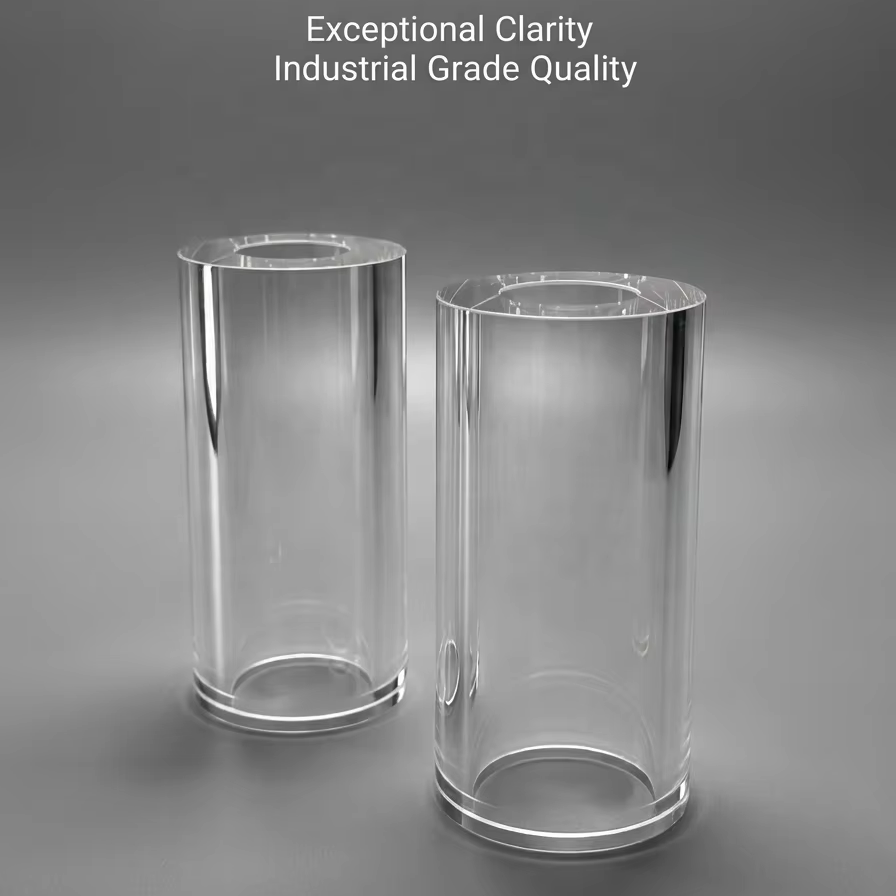
Custom High Purity Quartz Twin Tube (Bending, Moulding, Welding)
- Dual-bore chamber: 11x23mm / 15x33mm
- Working temp: 1100°C continuous
- Flame-polished airtight ends
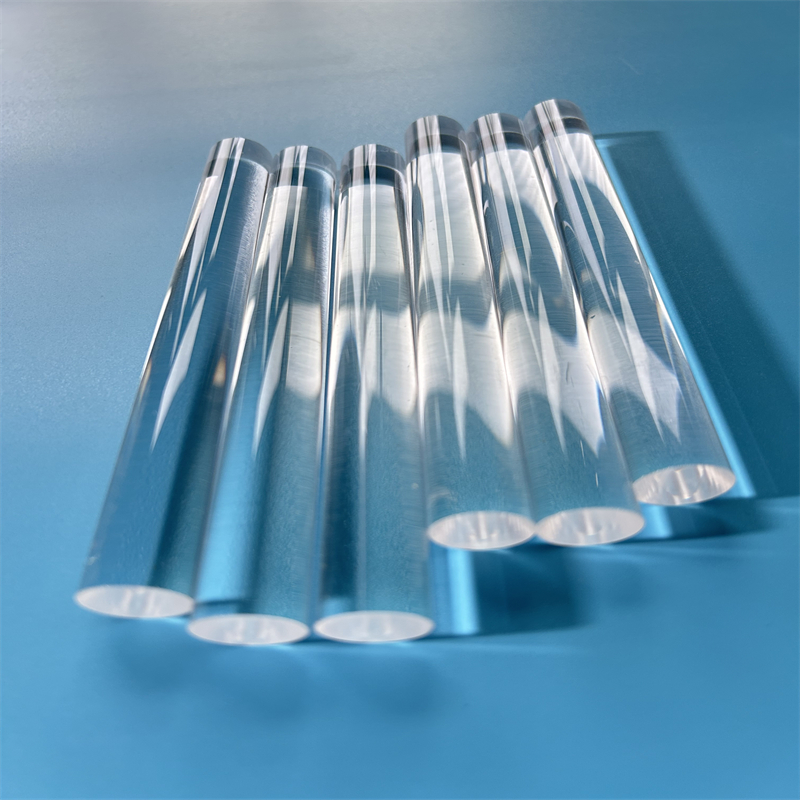
High Purity Optical Quartz Light Guide Rod (Semiconductor / Optical)
- Total internal reflection index: 1.458
- Zero bubble line, bubble-free core
- Optically fire-polished perimeter
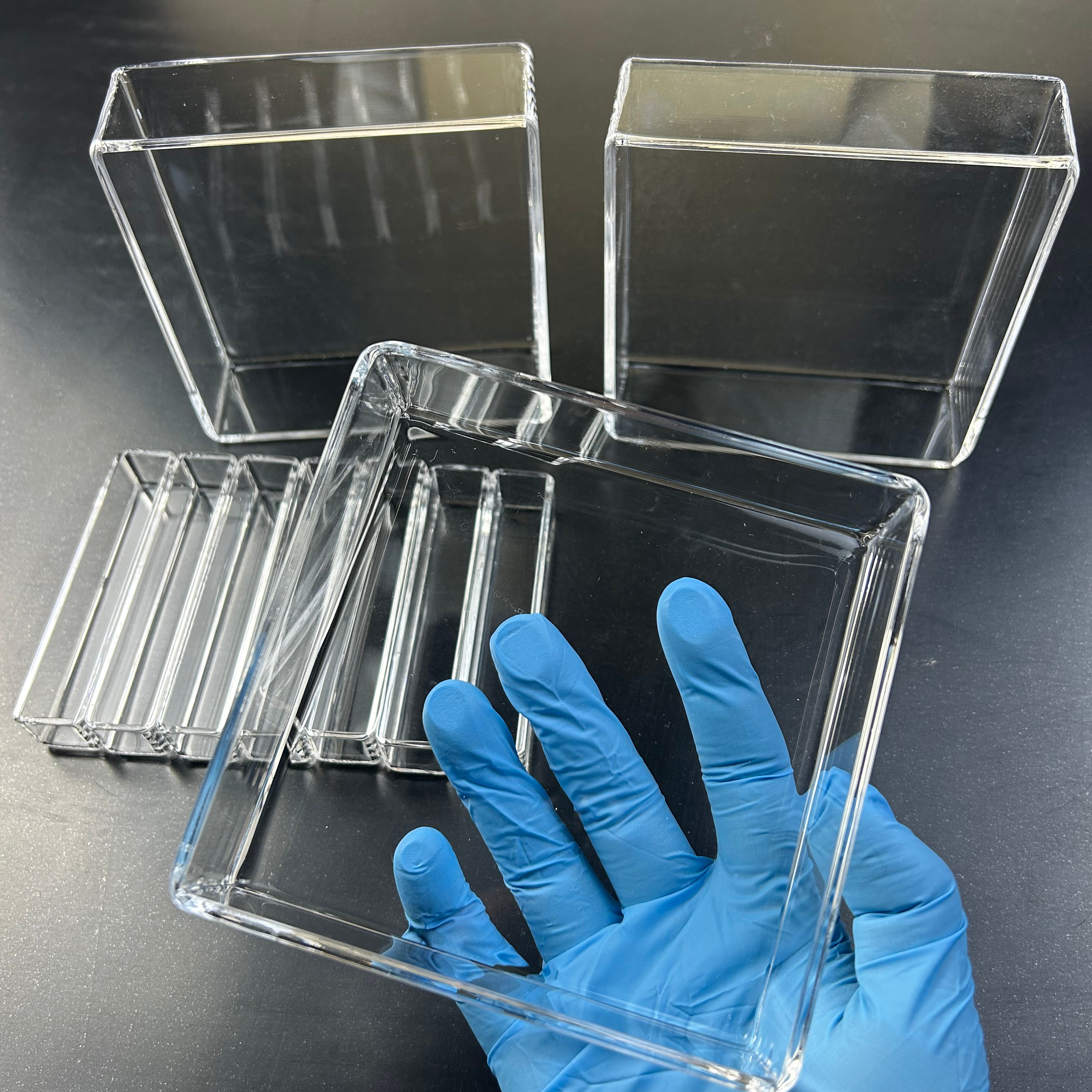
Fused Quartz High-Temp Cylinder Crucible & Reaction Tank
- Resists HF-free acids & halogens
- Softening point: 1683°C
- Available in flat or hemispherical bottoms
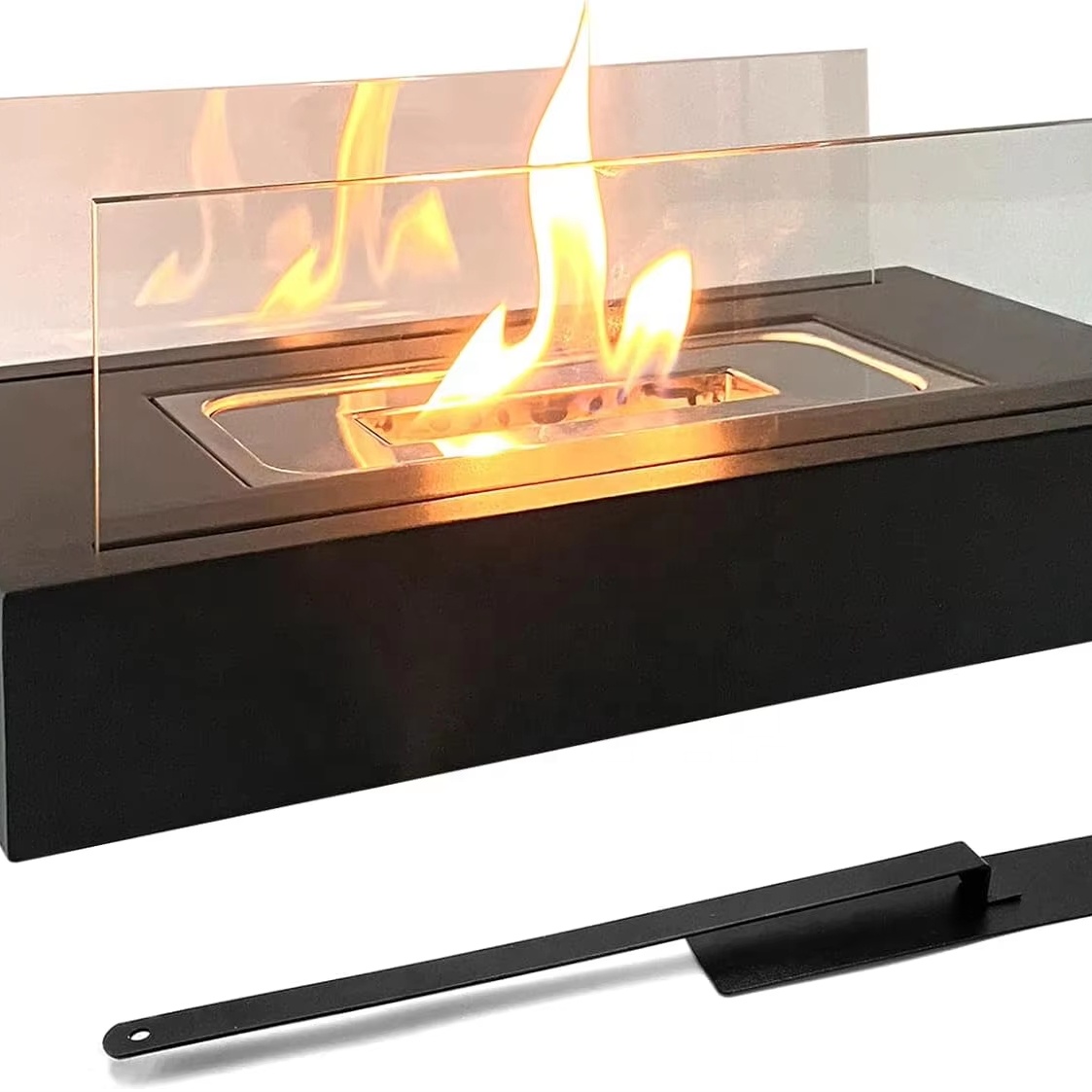
High Precision Optical Grade Quartz Glass Plates & Viewports
- Surface roughness: Ra < 0.5nm
- Flatness: λ/4 to λ/10 @ 632.8nm
- Scratch-Dig 40-20 / 20-10

Clear Fused Quartz Glass Plates (1100°C Heat Resistant Sheet)
- Thickness range: 0.5mm to 50mm
- Thermal expansion: 5.5 x 10^-7 /°C
- CNC laser chamfered safe edges
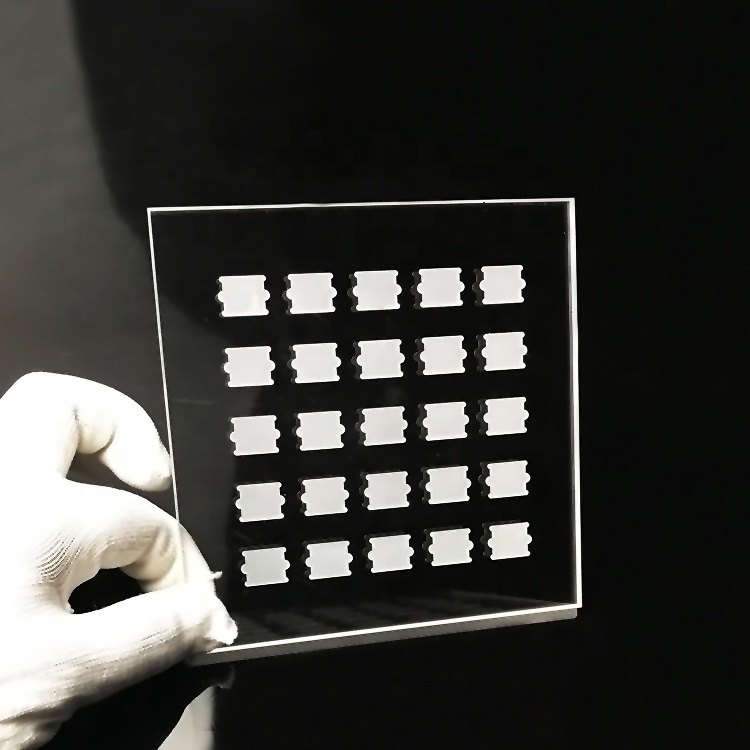
Circular Fused Quartz XRD Sample Holder for Crystallography
- Zero background amorphous signal
- Micro-cavity depth accuracy: ±0.01mm
- Fit for Bruker, Malvern Panalytical
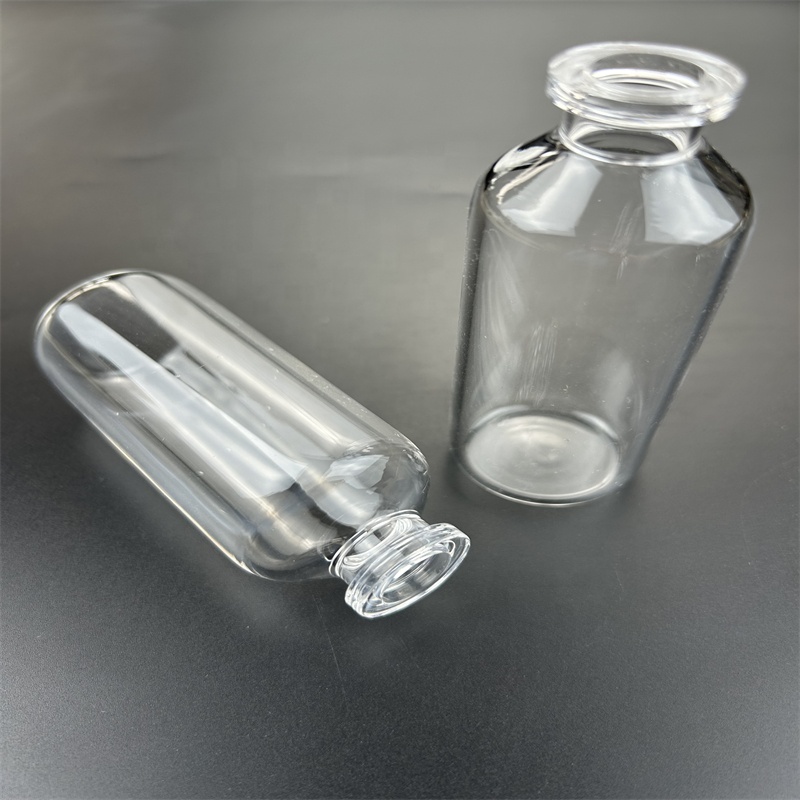
High-Pressure Ozone-Free Quartz Glass Ampoules & Cells
- Hydrolytic class 1 medical glass
- Heavy wall pressure burst > 35 bar
- Flame-sealed hermetic encapsulation
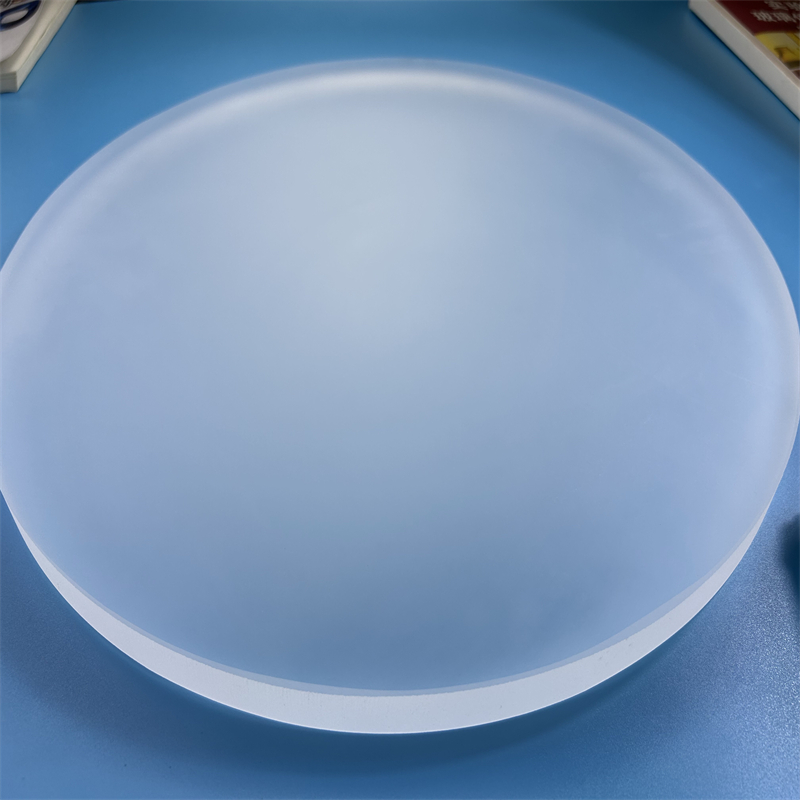
Frosted Fused Quartz Disc & Diffuser Flange for Etch & CVD
- Even sandblasted matte finish (Grit #80-320)
- Suppresses plasma arcing in chambers
- Custom CNC notch & hole milling
High-Purity Quartz Integration in Graz's Innovation Corridor
A technical assessment of fused quartz silica consumption across microelectronics fab lines, automotive testbeds, and academic cleanroom infrastructures in southern Austria.
Graz, anchoring the federal province of Styria, has transformed into one of Central Europe's most concentrated centers for microelectronics design, green propulsion systems, and photonic sensor instrumentation. Encompassing research clusters around Graz University of Technology (TU Graz), Joanneum Research, and Silicon Austria Labs (SAL), local research and production entities demand optical components and thermal process glassware that exhibit stringent elemental purity, negligible coefficient of thermal expansion, and mechanical integrity under aggressive chemical processing. High-purity fused quartz (SiO2 ≥ 99.99%) acts as an foundational raw substrate enabling these operations without introducing ionic contamination into sensitive silicon or wide-bandgap (SiC, GaN) crystalline matrices.
As semiconductor research accelerates along Graz's Inffeldgasse tech campus and through commercial fabs in neighboring Unterpremstätten, equipment engineers routinely require custom fused quartz tooling. Sub-micron laser grooving, fire-polished tube orifices, high-temperature diffusion carriers, and laser viewports must adhere strictly to ISO 9001 and ISO 14644 cleanroom standards. Zunex Quartz bridges direct Chinese raw quartz synthesis and high-precision CNC laser micro-fabrication directly to Graz procurement departments, eliminating domestic intermediary surcharges while maintaining rigorous verification protocols.
Where Our Quartz Products Operate in Styria
From automotive propulsion R&D centers to microchip pilot lines, explore practical application scenarios deployed across the Graz industrial basin.
Semiconductor & Sensor Processing
Silicon Austria Labs and nearby fab lines rely on quartz wafer boats, chemical wet-etch bath tanks, and high-purity diffusion furnace tubes that withstand chlorine and fluorine atmospheres without outgassing metallic impurities.
Wafer Carriers & Quartz LinersAutomotive & Propulsion Diagnostics
Graz's world-leading mobility engineering complexes (including AVL List testbeds) utilize optical-grade fused silica combustion viewports, endoscopic light guides, and heat-resistant quartz windows to visually monitor fuel spray and combustion dynamics at >1000°C.
High-Pressure Viewports & RodsAcademic Analytical Crystallography
Laboratories within Karl-Franzens-Universität Graz and TU Graz apply customized XRD zero-background sample plates, spectroscopic cuvettes, and vacuum-sealed quartz ampoules for sensitive powder X-ray diffraction and radical kinetic synthesis.
Zero-Background XRD HoldersPhotocatalysis & Green Hydrogen
Within Styria's Green Tech Valley eco-cluster, researchers developing solar-driven water splitting and CO2 conversion employ high-transmission JGS1 synthetic silica reactor tubes to maximize deep UV-A and UV-B optical penetration into catalyst slurries.
JGS1 DUV Photoreaction TubesIndustrial IR Drying & Thermoforming
Plastic component molders and battery electrode coaters south of Graz install custom double-bore (twin) quartz heating tubes to support rapid mid-wave infrared emitter filament installations with minimum heat warping.
Clear & Gold-Coated Twin TubesSterile Biopharma & Synthesis Inoculation
Biomedical testing facilities in Graz utilize hydrolytic Class 1 medical quartz ampoules, ozone-free UV sterilization sleeves, and quartz beakers resistant to rapid thermal cycling without leaching alkali metal ions into sensitive biological buffers.
Hydrolytic Class 1 LabwareEmerging Technology Vectors Reshaping Graz's Quartz Demand
How the European Chips Act, green hydrogen rollouts, and integrated photonics are driving tighter precision tolerances in fused quartz glass procurement.
Silicon Austria & The European Chips Act
Austria’s participation in the Important Project of Common European Interest on Microelectronics (IPCEI ME) has driven major fab expansions and cleanroom upgrades around Styria and Carinthia. This boom creates consistent demand for replacement quartz furnace liners, wafer paddles, and carrier discs with sub-ppm elemental purity, ensuring zero metal migration during high-temperature thermal oxidation.
Green Energy & Decarbonization R&D
With Styria positioned as Austria's "Green Tech Valley", substantial funding is channeled into hydrogen combustion, high-temperature solid oxide electrolysis cells (SOEC), and fuel cell durability testing. Fused silica tubular test reactors and high-pressure viewing ports are critical components capable of handling hydrogen gas and high-pressure steam up to 1100°C without mechanical fatigue.
Transition to Integrated Photonics & LiDAR
Automotive sensor developers in Graz are moving swiftly into solid-state LiDAR, micro-optics, and photonic wire bonding. Optical components require synthetic fused silica (JGS1) windows featuring laser micro-drilled alignment holes, polished edges, and anti-reflective surfaces with wavefront distortions under λ/8, ensuring laser transmission stability under extreme temperature excursions.
Fused Quartz Specification Matrix for Design Engineers
Compare optical transmission grades, physical constants, and thermal resilience benchmarks before releasing production drawings to manufacturing.
| Optical / Material Grade | Primary Spectral Band | Transmission Bandwidth | Hydroxyl [OH⁻] Content | Typical Graz Industrial Use Case |
|---|---|---|---|---|
| JGS1 Synthetic Silica UV Grade | Deep Ultraviolet (DUV) | 185 nm – 2500 nm | ≤ 1200 ppm (or < 5 ppm dry) | Excimer laser windows, lithography alignment, UV photocatalysis reactors |
| JGS2 Fused Quartz Standard Optical | Ultraviolet – Visible (UV-VIS) | 220 nm – 2500 nm | ≤ 150 ppm – 200 ppm | Combustion sight glasses, UV disinfection sleeves, furnace viewing ports |
| JGS3 Fused Silica Infrared Grade | Infrared (IR) – Visible | 260 nm – 3500 nm | ≤ 5 ppm – 8 ppm | FTIR sample cells, pyrometry windows, gas analyzer viewports |
| Opaque / Frosted Quartz Thermal Barrier | Broadband Scattering | Diffused light transmission | Standard natural quartz trace | Semiconductor heat shields, thermal baffles, sandblasted plasma diffusers |
Thermal Shock Resistance
Fused quartz exhibits an exceptionally low coefficient of thermal expansion of 5.5 × 10⁻⁷ /°C. A standard test coupon heated to 1100°C can be immediately plunged into room temperature water (20°C) without micro-fracturing or catastrophic shattering.
Chemical Purity & Acid Inertness
With an SiO2 baseline ≥ 99.99%, impurity concentrations of elements like Fe, Al, Cu, Na, and K are held below 15 ppm total. Our quartz is entirely unaffected by nitric, sulfuric, hydrochloric, and perchloric acids at boiling temperatures, dissolving only in hydrofluoric and hot concentrated phosphoric acid.
Mechanical & Dielectric Performance
Offering a Mohs hardness of 5.5 to 6.5, a compressive strength of 1150 MPa, and a dielectric constant of 3.75 @ 1 MHz, quartz serves as an exceptional high-temperature electrical insulator for high-frequency induction furnaces and semiconductor RF chuck pedestals.
Why Austrian Procurement Teams Partner with Zunex Quartz
Direct manufacturer integration located in China’s crystal capital, delivering factory-direct cost efficiency with verified European trade compliance.
Advanced Laser Machining
Equipped with state-of-the-art CO2 and ultrafast laser tooling for chip-free micro-hole drilling (Ø ≥ 0.2mm), precision perimeter profiling, slot grooving, and stepped contouring down to ±0.01mm tolerance.
Full OEM to CAD Drawing
Direct fabrication from customer PDF, DXF, DWG, or 3D STEP files. Every quotation undergoes preliminary Design for Manufacturability (DFM) verification by our senior quartz glass technicians within 2 hours.
Breakage-Proof Air Freight
Fragile quartzware is packed in individual vacuum cleanroom bags, suspension custom pearl-foam molds, and multi-layer wooden export crates. Direct express door-to-door courier to Graz (Flughafen Graz or direct factory dock).
Transparent Audit Credentials
Audited by third-party testing agencies via Alibaba.com with 100% verified response compliance, a 43% buyer repeat order rate, and complete material batch inspection sheets accompanying all optical shipments.
Graz Buyer's Technical & Procurement FAQ
Key information regarding international logistics, Austrian import duties, material certification, and custom prototype turnaround times.
How does Zunex deliver quartz products safely to Graz and Styria?
We partner with DHL Express, FedEx Priority, and air cargo forwarders routing through Vienna International Airport (VIE) or Graz Airport (GRZ). Shipments feature customized multi-layer EPE foam enclosures, shock-absorbent cushioning, and fumigated plywood crating with Drop-N-Tell shock indicator tags. Door-to-door delivery typically arrives within 5 to 7 business days following manufacturing release.
What documentation accompanies quartz shipments for Austrian customs clearance?
All export shipments to Austria contain comprehensive commercial invoices, detailed packing lists, Certificates of Origin (upon request), and Material Inspection Test Sheets listing chemical purity (SiO2 ≥ 99.99%) and transmission spectrophotometer curves. Goods are classified under EU TARIC code 7002.31.00 (fused quartz tubes) or 7017.10.00 (laboratory quartzware), streamlining EU import processing.
Can you machine non-standard prototypes or single-piece orders for university labs?
Yes. We regularly produce one-off and small-batch prototypes for academic institutions such as TU Graz, Karl-Franzens-Universität, and specialized research institutes. Send your 2D PDF drawing or 3D STEP file with defined dimensional tolerances, edge finish requirements, and optical grades. Our engineering staff provides quotation reviews and manufacturability feedback within two hours.
How do JGS1, JGS2, and JGS3 compare for laser and optical sensor applications?
JGS1 is synthetic fused silica engineered specifically for the deep UV spectrum (transmitting down to 185nm with no bubble inclusions), making it optimal for excimer lasers and optical sensors. JGS2 is high-purity natural fused quartz with balanced UV-VIS transmission (220nm–2500nm), suited for viewports and lamp envelopes. JGS3 has exceptionally low hydroxyl (OH⁻ < 5ppm), eliminating water absorption bands at 2.7µm for uninterrupted infrared optics up to 3500nm.
What dimensional tolerances can you hold on laser-cut or ground quartz components?
Standard CNC machining achieves linear tolerances of ±0.05mm. For precision optical discs, wafer carriers, and sensor substrates, fine diamond grinding and laser CNC profiling can achieve tolerances as tight as ±0.01mm. Surface flatness of λ/4 to λ/10 and parallelism < 30 arcseconds can be specified for high-performance laser viewports.
What is the standard production lead time for customized quartzware orders?
Standard customized prototypes and small batch fabrication typically require 7 to 12 working days depending on complexity (such as hot-flame welding, specialized tube bending, or laser grooving). Production runs of standard size quartz plates, discs, and furnace tubes can be dispatched within 3 to 5 business days.
Ready to Engineer Your Custom Quartz Glass Solution?
Send your CAD drawings, dimensional specifications, or optical requirements to our engineering desk. Receive an engineer-reviewed manufacturing feasibility assessment and price quotation within two hours.