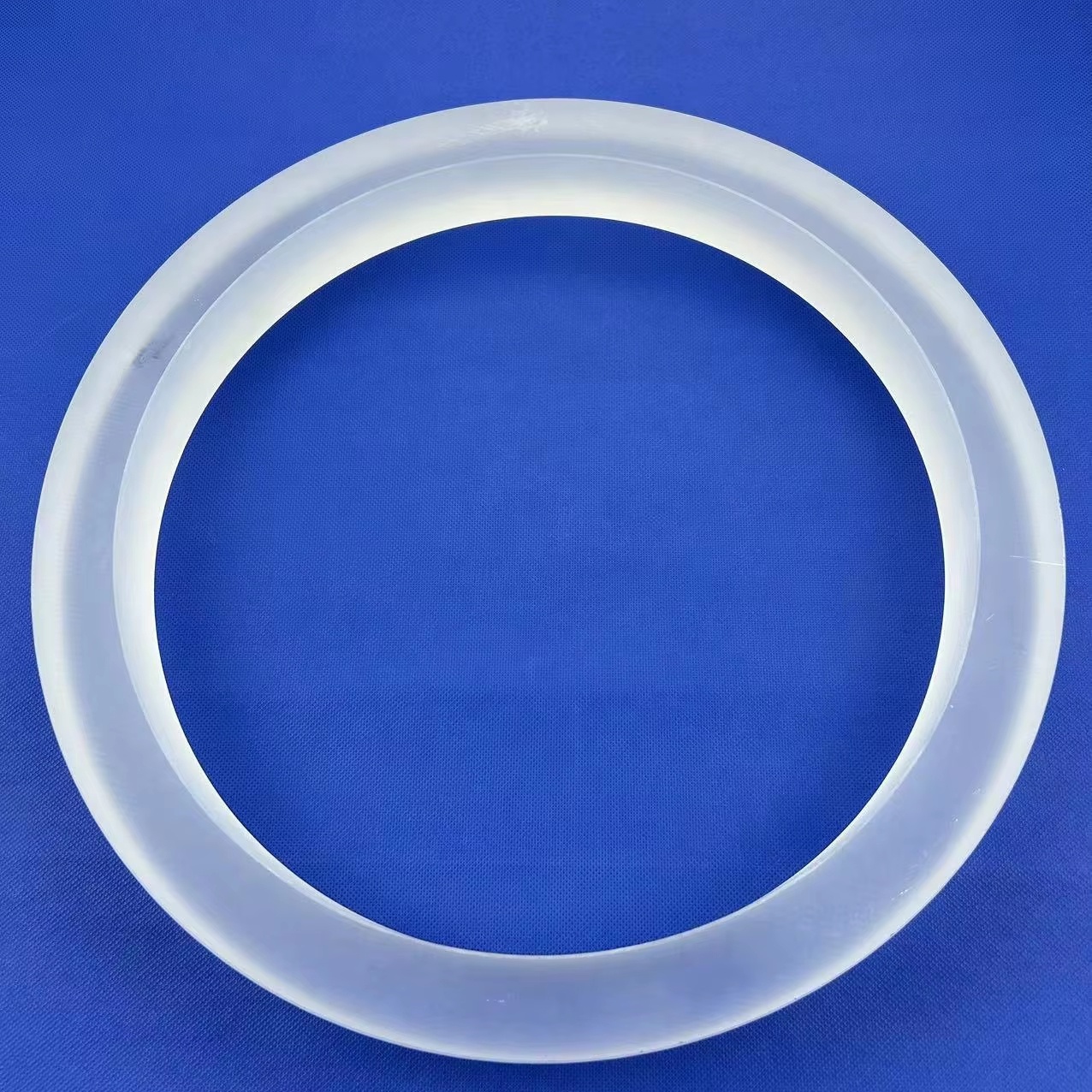
High-Purity Quartz Glass Rings & Custom Fabrications
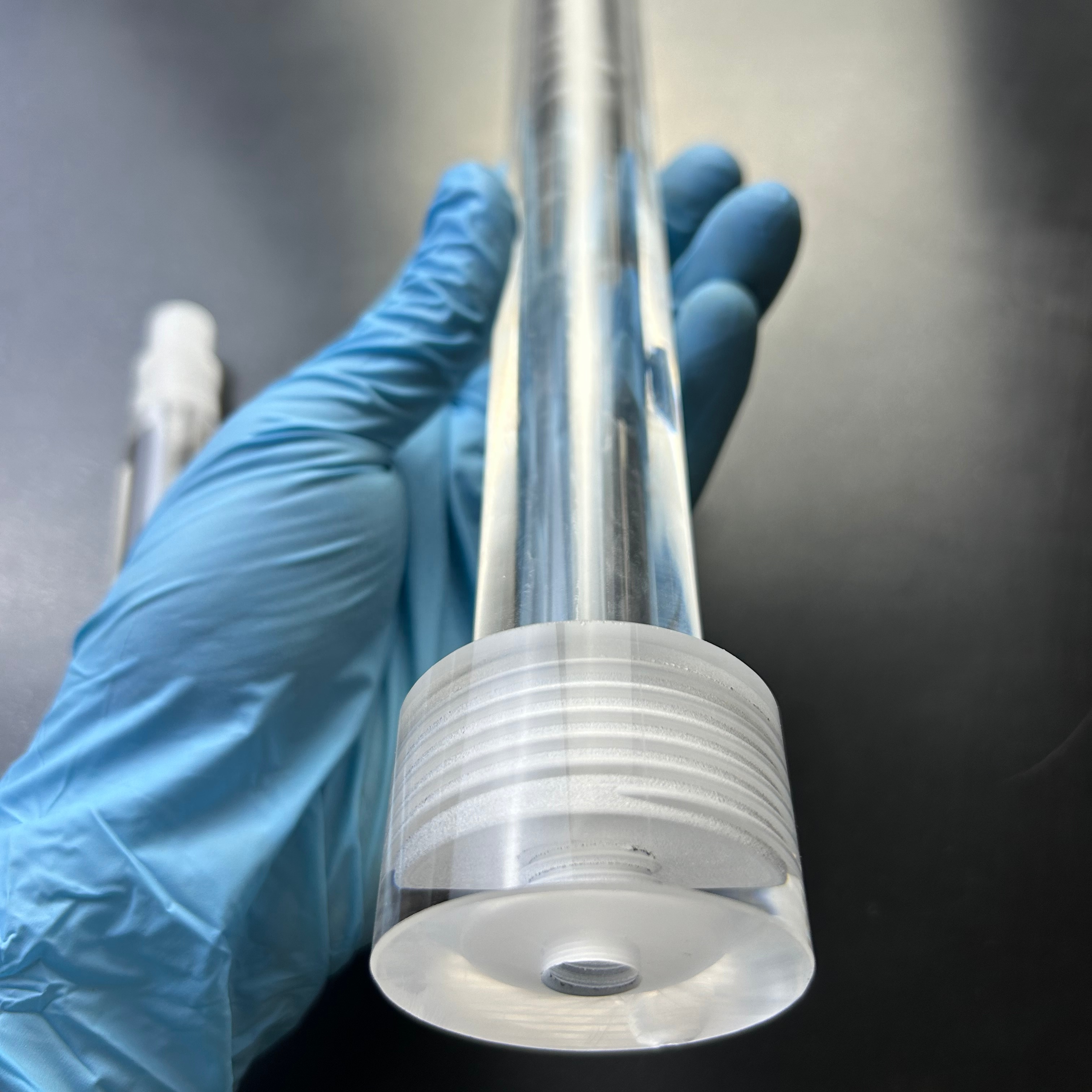
Engineered from raw crystal reserves in Donghai with custom laser micro-machining, precision lapping, flame polishing, and thermal stress relief to ISO 9001 quality benchmarks.
Industrial White Paper: Quartz Glass Ring Precision Engineering in Luxembourg
The Grand Duchy of Luxembourg represents one of Western Europe’s most technologically specialized ecosystems. Characterized by high capital intensity, pioneering cleanroom research institutions, advanced sensor engineering, automotive electronics, and a burgeoning space resources sector, Luxembourg demands zero-failure component integration. Within this demanding framework, quartz glass rings, dielectric flange collars, optical retaining rings, plasma etching confinement rings, and wafer carrier annular disks operate not as generic hardware, but as core process-enabling consumables.
Sourcing high-reliability fused silica components within Luxembourg has historically presented logistical and dimensional bottlenecks. Precision manufacturing facilities located throughout Belval, Esch-sur-Alzette, Bascharage, Contern, and Wiltz require components manufactured with sub-millimeter geometric accuracy, near-zero hydroxyl content, and certified trace-element immobility. As a premier direct manufacturer located in Donghai—China’s global crystal capital—Zunex Quartz Products Co., Ltd. bridges precision glass fabrication and the European Union’s micro-technological supply chains, delivering engineered quartz rings and specialized labware that adhere to stringent ISO 9001 and CE directives.
Strategic Information Gain: Unlike standard commercial borosilicate or soda-lime glass, industrial quartz glass rings consist of ≥99.99% amorphous silicon dioxide (SiO₂). In semiconductor diffusion chambers, inductive plasma etching, and high-frequency analytical systems, the presence of metallic impurities (Fe, Na, K, Li) exceeding single-digit parts-per-million (ppm) can lead to catastrophic dielectric breakdown, devitrification at temperatures exceeding 1000°C, or cross-wafer ionic contamination.
Material Grades: JGS1 vs. JGS2 vs. JGS3 in Modern Ring Fabrication
Understanding optical and thermal transmission thresholds is paramount for engineering managers and procurement specialists selecting quartz glass rings for Luxembourg operations:
- JGS1 (Synthetic Fused Silica): Synthesized via chemical vapor deposition of silicon halides. It is virtually bubble-free, displays extraordinary ultraviolet transmission from 185 nm to 2500 nm, and possesses extremely low hydroxyl ([OH]− ≤ 10 ppm). JGS1 rings are primarily designated for deep-UV excimer laser viewports, photolithography mask aligners, and precision spectrophotometry sensors.
- JGS2 (UV-Visible Natural Fused Quartz): Smelted from refined natural quartz crystal reserves. JGS2 provides continuous transmittance across the 220 nm to 2500 nm spectrum. It represents the global benchmark for semiconductor diffusion rings, LPCVD furnace liners, thermal thermocouples, and cleanroom furnace sight glass assemblies.
- JGS3 (Infrared-Grade Fused Silica): Melted under controlled vacuum or electrical heating mechanisms to strip structural hydroxyl radicals ([OH]− ≤ 2–5 ppm). JGS3 eliminates the destructive 2.73 μm water absorption band, making it the choice for high-power infrared heaters, IR thermography viewports, space telemetry instrumentation, and vacuum pyrometry sensors.
Material Science Benchmarks & Trace Chemical Analysis
The survivability of a quartz glass ring under continuous mechanical load, thermal cyclic shock, and hydrofluoric or nitric acid immersion is governed by intrinsic crystalline morphology and stoichiometric purity. Fused quartz features an exceptionally tight tetrahedral bonding lattice, resulting in one of the lowest coefficients of thermal expansion (CTE) known in solid-state materials science.
| Physical / Chemical Parameter | Certified Value | Test Protocol / Standard | Operational Relevance in Industry |
|---|---|---|---|
| Purity Level (SiO₂) | ≥ 99.99% (≥ 99.999% upon request) | ICP-MS Spectroscopic Assay | Prevents substrate dopant contamination in semiconductors |
| Density (ρ) | 2.20 ± 0.01 g/cm³ | DIN EN ISO 1183 | Structural mass optimization for aerospace & optics |
| Annealing Point | 1215 °C ± 20 °C | ASTM C598 | Complete release of internal manufacturing residual stress |
| Softening Point | 1683 °C ± 25 °C | ASTM C338 Dilatometry | Withstands transient extreme heat spikes without sagging |
| Continuous Service Temp | 1100 °C | Continuous In-Furnace Validation | Standard threshold for thermal oxidation & diffusion lines |
| Thermal Expansion (CTE) | 5.5 × 10⁻⁷ / K (20°C – 320°C) | Interferometric Dilatometry | Permits 1000°C water-quenching without thermal shock crack |
| Refractive Index (nd) | 1.4585 at λ = 589.3 nm | Abbe Refractometry | Precision optical ray collimation and laser beam stability |
| Dielectric Strength | 25–40 kV/mm (at 20°C) | IEC 60243-1 High Voltage Test | Provides high-voltage breakdown protection in RF plasma rings |
In vacuum furnace engineering and plasma-enhanced chemical vapor deposition (PECVD), trace alkali metals act as nucleation sites for cristobalite phase transformation (devitrification). Zunex strictly governs chemical impurity limits via induction-coupled plasma mass spectrometry (ICP-MS), maintaining trace metals within microscopic parameters: Aluminum (Al) ≤ 12.0 ppm, Calcium (Ca) ≤ 0.8 ppm, Iron (Fe) ≤ 0.2 ppm, Sodium (Na) ≤ 0.7 ppm, Potassium (K) ≤ 0.5 ppm, and Lithium (Li) ≤ 0.3 ppm.
Localized Application Scenarios across Luxembourg Industrial Ecosystems
Luxembourg's transition into a European center of excellence for high-value research and advanced manufacturing has transformed the requirements for quartz glass components. Rather than purchasing standard commodity dimensions, technical purchasers across the canton require bespoke ring geometries designed around specialized regional application sectors:
Cleanroom Microelectronics & Sensor R&D
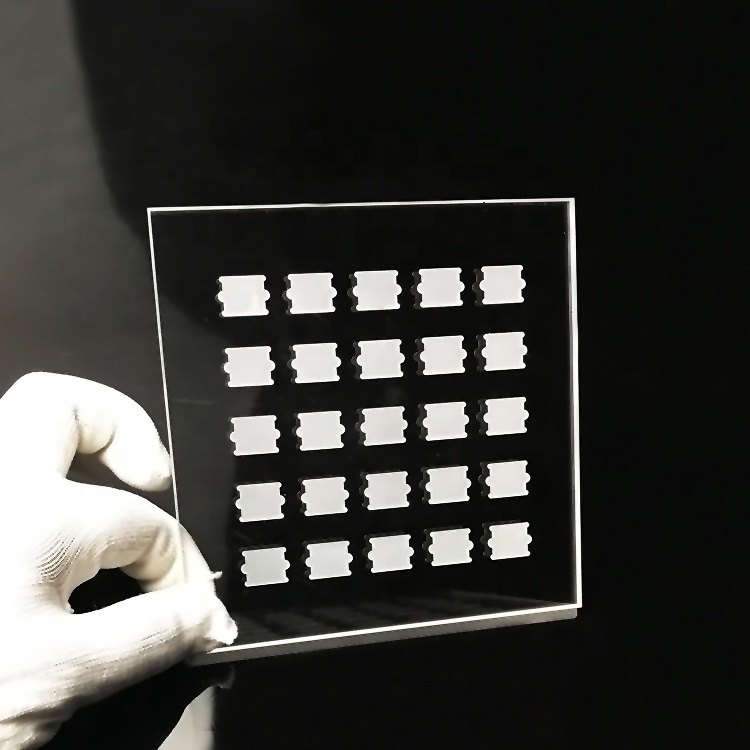
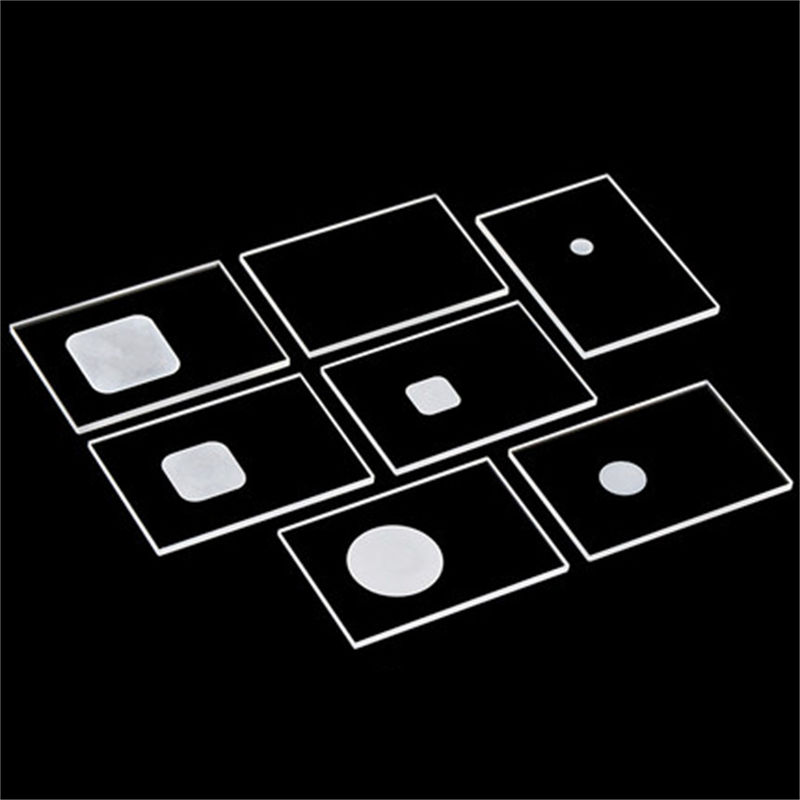
Operating in university labs and state-backed research institutes such as the Luxembourg Institute of Science and Technology (LIST) in Belval, researchers deploy our laser-slotted quartz rings and zero-background XRD sample holders for nanomaterial synthesis, 2D material deposition, and thin-film transistor characterization.
Space Resources & Satellite Component Testing
Through entities connected to the European Space Resources Innovation Centre (ESRIC) and local aerospace suppliers in Luxembourg City and Betzdorf, our low-hydroxyl JGS3 quartz rings serve as vacuum viewing ports and thermal radiation shields inside simulated lunar regolith vacuum chambers and plasma thruster test beds.
Advanced Automotive & Glass Coating Lines
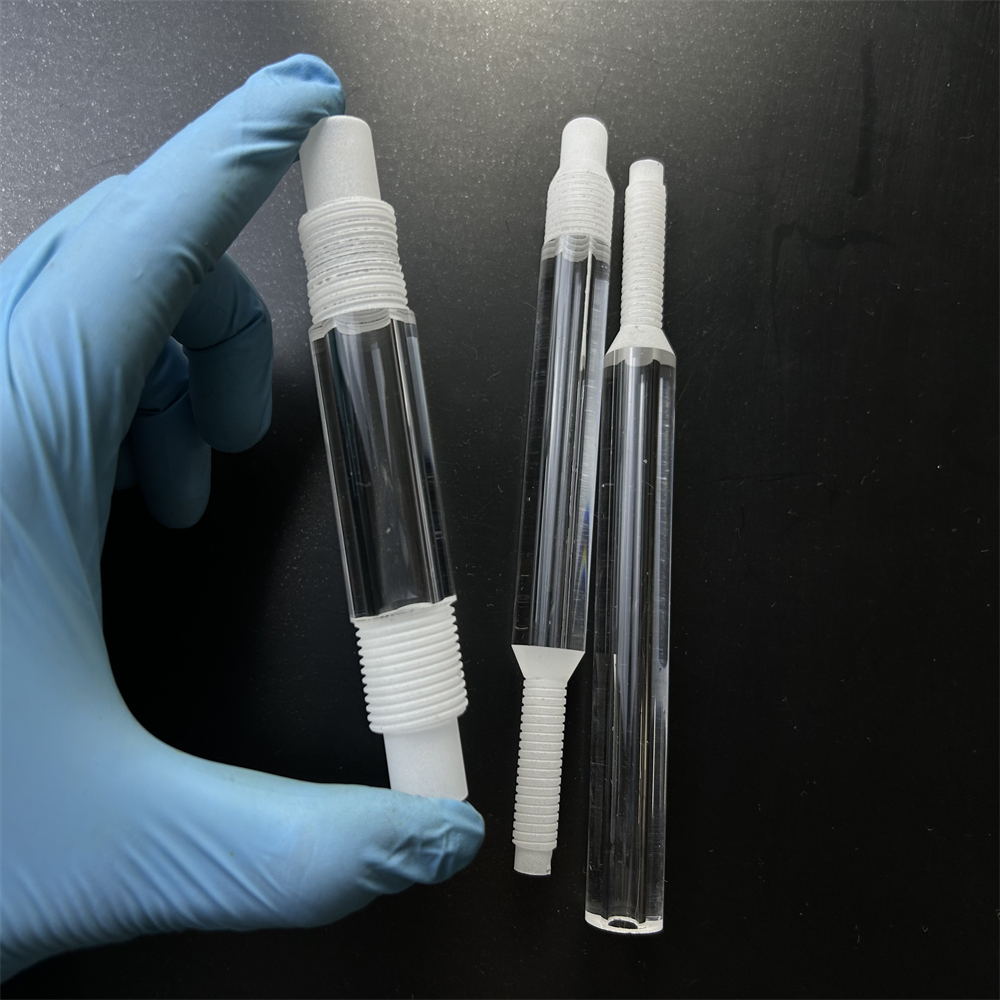
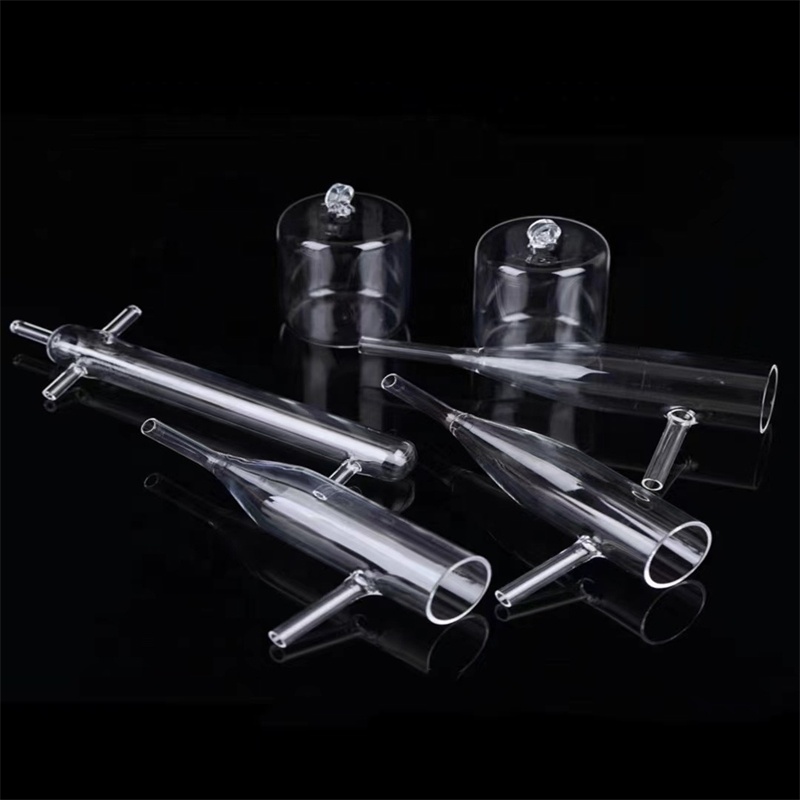
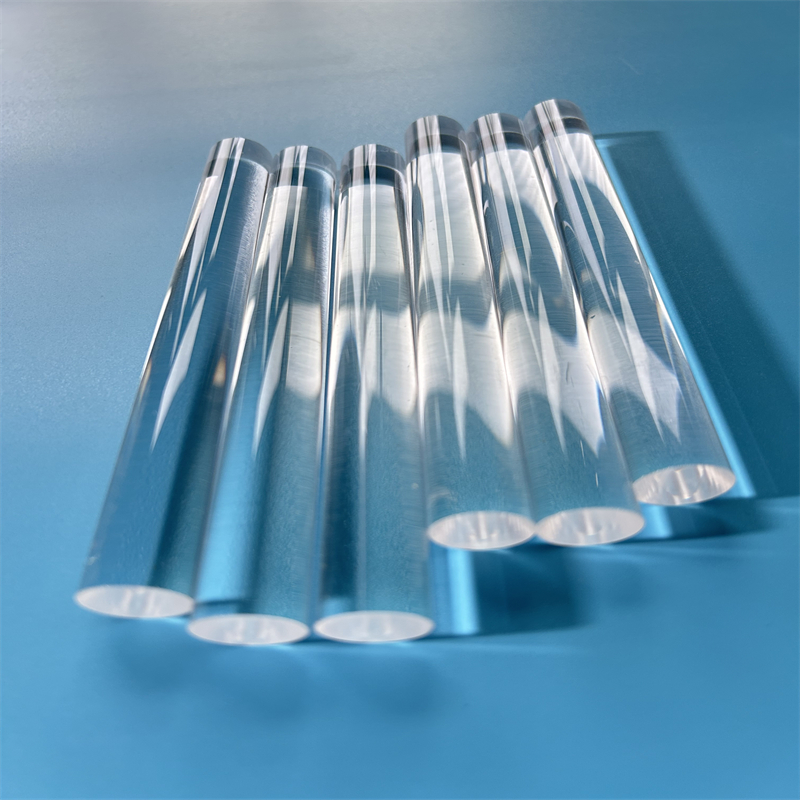
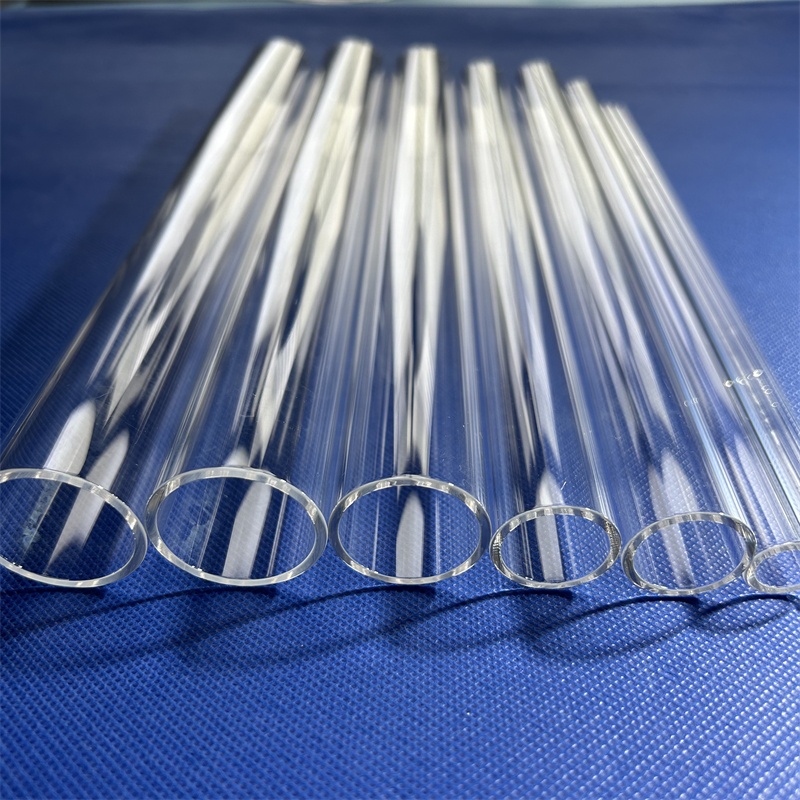
Major automotive component developers located in Bascharage and industrial glass coating installations in Dudelange integrate our twin-tube emitters, optical quartz light guides, and precision quartz rings for ultra-fast infrared curing of specialized polymeric coatings and radar radome sensors.
High-Temperature Metallurgy & Pyrolysis
Aligned with the research divisions of corporate entities such as ArcelorMittal’s global R&D center in Esch-sur-Alzette, quartz combustion rings and heavy-wall containment tubes are utilized in inert-gas carbon/sulfur combustion analyzers and experimental hydrogen-based direct reduced iron (DRI) pilot lines.
Procurement Trends in Luxembourg: EU Chips Act Alignment & Sustainability
Procurement behaviors in the Grand Duchy of Luxembourg and the wider Benelux corridor have witnessed substantial transformation between 2023 and 2025. Key geopolitical and technological vectors are shaping corporate purchasing strategies:
1. Resilience Under the European Chips Act Framework
With the European Union aggressively funding semiconductor autonomy through the European Chips Act, Tier-2 and Tier-3 suppliers supporting ASML, STMicroelectronics, and IMEC networks are expanding auxiliary supply lines across the Greater Region (Luxembourg, Lorraine, Saarland, Wallonia). Luxembourgish facilities are focusing on qualified secondary sourcing channels to eliminate sole-supplier dependencies. Zunex provides complete material traceability, certificates of conformity (CoC), and batch-level dimensional inspection sheets required by strict European cleanroom quality assurance programs.
2. Stringent Demand for Sub-Micron Laser Finishing
Mechanical diamond grinding often introduces micro-fractures (<50 μm) along the kerf edge of quartz rings, which propagate under thermal stress into catastrophic fissures. Luxembourg technical buyers increasingly demand non-contact CO₂ and picosecond laser drilling, slotting, and flame fire-polishing. Fire-polishing melts microscopic edge stress fractures, raising the ring’s mechanical burst strength under vacuum pressure differential by over 300%.
3. Circular Economics and Re-Machining Protocols
Environmental, Social, and Governance (ESG) compliance is exceptionally rigorous across Luxembourg enterprises. Companies are actively requesting modular quartz ring designs that can be detached, acid-leached, re-lapped, and returned to service rather than discarded after single CVD thermal campaigns. Zunex works directly with customer CAD/STEP data to specify minimum wall-thickness allowances that permit future surface lapping cycles.
Why Luxembourg Procurement Teams Partner with Zunex Quartz
Zunex Quartz Products Co., Ltd. combines the economic efficiency and supply chain concentration of Donghai County, China—the undisputed epicenter of quartz extraction and refinement—with global commercial discipline:
Full-Cycle Drawing-to-Part Capability
Whether supplied with a conceptual sketch, a 2D PDF with DIN ISO 2768-m tolerances, or a STEP/DWG assembly model, our engineering group assesses thermal manufacturability, chamfer constraints, and tooling paths prior to order confirmation.
Rapid Engineering Turnaround (≤ 2 Hours)
We maintain an independently verified 100% response rate with an average initial inquiry review window under two hours. Luxembourg buyers never wait days to resolve critical dimensional or material queries.
Zero-Breakage Packaging for Air Freight
Quartz rings feature delicate aspect ratios vulnerable to transit vibration. Every part ships isolated in custom-cut, dust-free expanded polyethylene (EPE) foam, enclosed in vacuum moisture-barrier bags, and crated in heavy-duty plywood crates built to withstand international intermodal logistics into Luxembourg Findel Airport (LUX).
Frequently Asked Questions for Luxembourg Procurement & Engineering Teams
Detailed technical guidance addressing the commercial, regulatory, and mechanical concerns most frequently raised by plant engineers and supply chain directors across Luxembourg: