Engineered Quartz Windows, Tubes & Specialized Chambers
Direct-from-factory optical and thermal quartz solutions configured to customer STEP/DWG drawings for industrial furnaces, vacuum chambers, and research facilities across the Sheffield and Don Valley corridors.
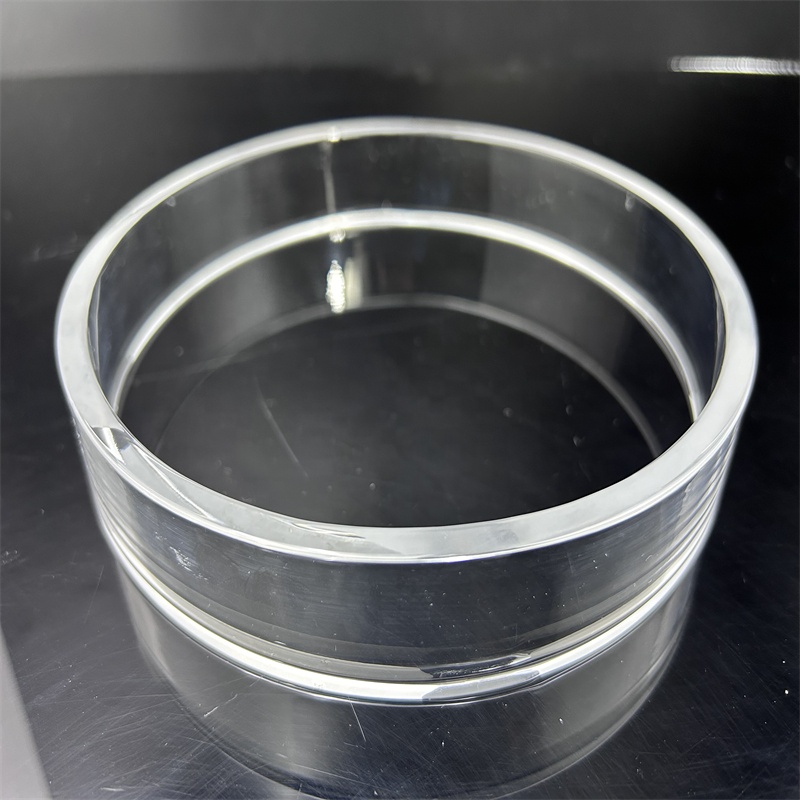
High Purity Fused Quartz Bell Jar for Semiconductor & Vacuum Metallurgy
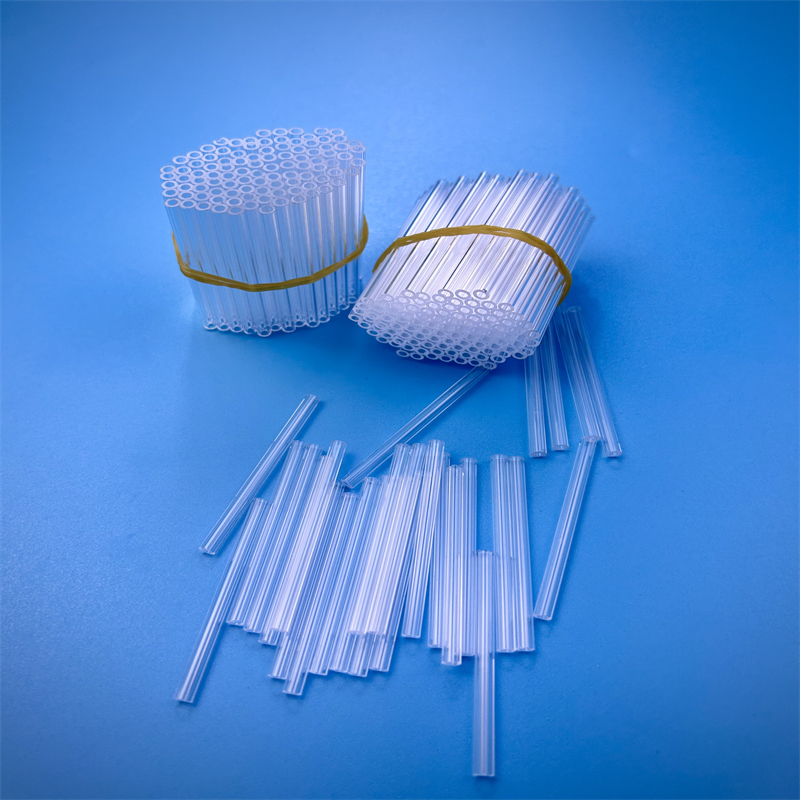
High-Purity Transparent U-Bent Quartz Tube Processing Services

Custom Clear Fused Quartz Plate for 1100°C Thermal Sight Glass
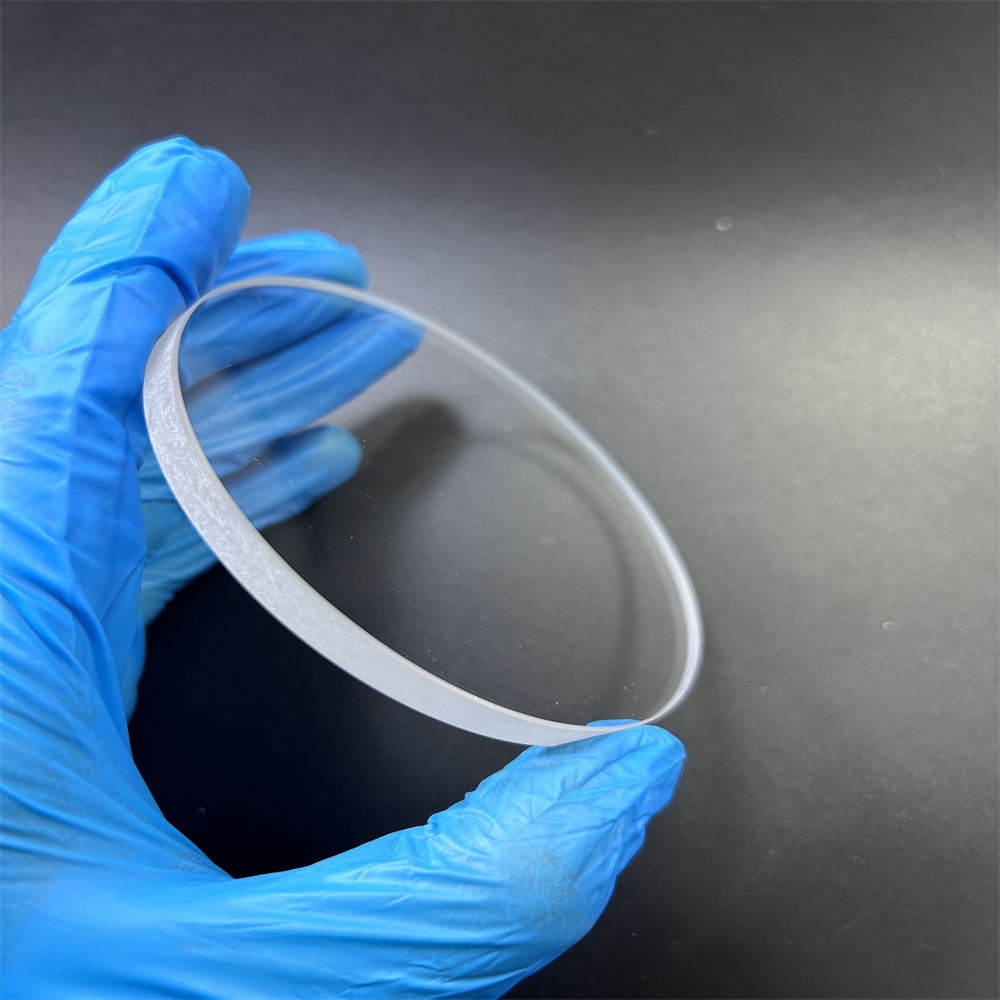
High-Pressure Fused Silica Quartz Glass Wafer for UV Spectroscopy

High-Temperature Transparent UV Quartz Disc with Laser Beveling
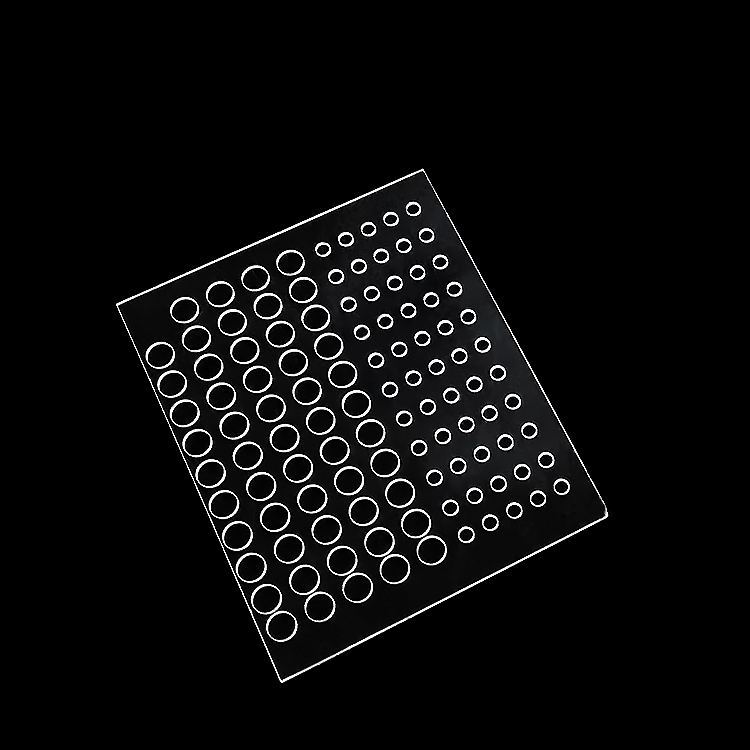
Optical Grade Fused Quartz Window Plates (JGS1 / JGS2 / JGS3)
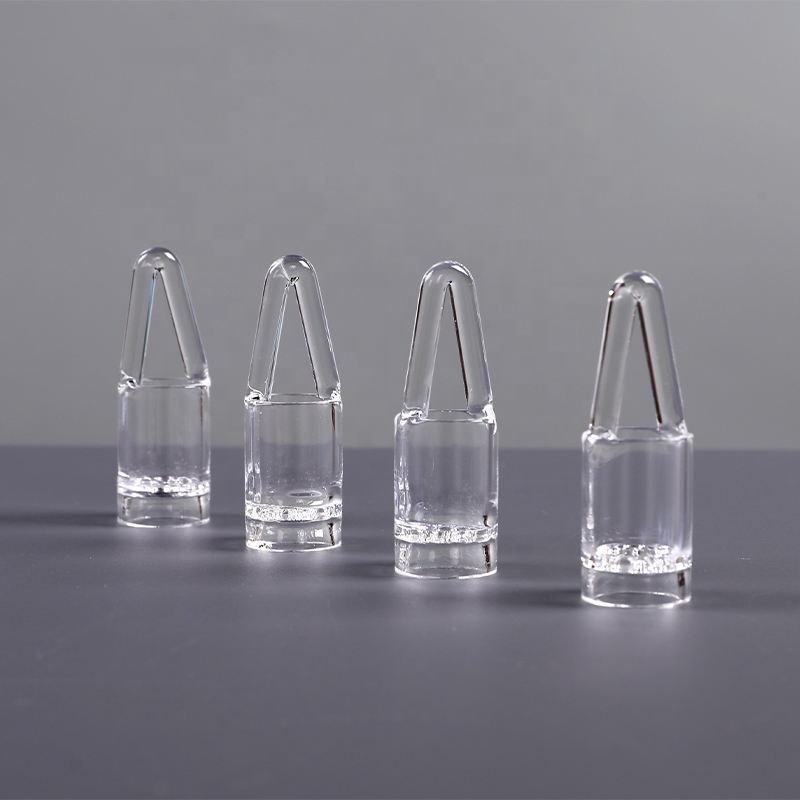
High-Pressure Fused Quartz Sight Glass Tube & Reactor Cylinders
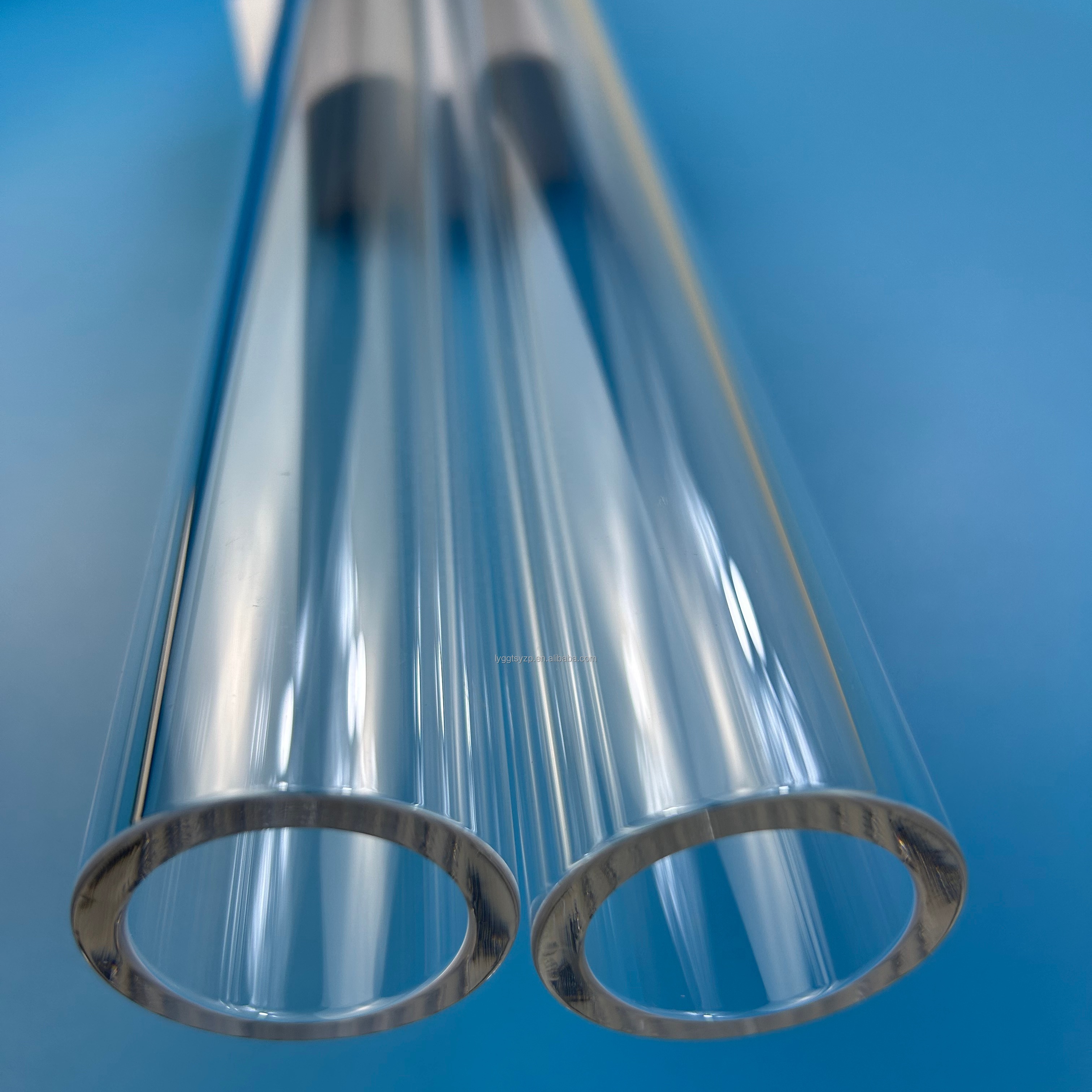
Polished Clear Quartz Twin-Tube for Rapid Thermal Processing
The Sheffield Advanced Materials Hub: Why Engineered Quartz Matters
Sheffield’s historical identity as the world capital of crucible steel has transformed into a high-technology frontier comprising advanced powder metallurgy, titanium aerospace casting, and directed energy deposition.
Vacuum Metallurgy & VAR Chambers
South Yorkshire leads the UK in Vacuum Arc Remelting (VAR), Vacuum Induction Melting (VIM), and electron-beam cold hearth refining for nickel superalloys and aerospace titanium. Viewport windows must resist extreme radiant flash temperatures without thermal shock failure while preserving pristine optical transmission for pyrometric infrared monitoring above 1400°C.
Additive Manufacturing & Laser AM
At research institutions such as the Advanced Manufacturing Research Centre (AMRC with Boeing) and local tier-1 aerospace suppliers, Laser Powder Bed Fusion (L-PBF) and Directed Energy Deposition (DED) require multi-wavelength laser protective viewports. Fused silica window discs maintain ultra-low beam wavefront distortion and damage thresholds exceeding 10 J/cm².
Epitaxy & Cleanroom Diagnostics
With premier facilities like the EPSRC National Epitaxy Facility in Sheffield, semiconductor thin-film deposition and molecular beam epitaxy (MBE) require ultra-clean reaction tubes, high-purity bell jars, and synthetic quartz substrate holders exhibiting negligible heavy-metal trace impurities (< 0.1 ppm) to prevent cross-doping in compound semiconductors.
Fused Quartz vs. Fused Silica: Grade Selection Matrix for UK Procurement
Selecting optical sight glass materials requires understanding the distinction between natural electrically fused quartz, gas-fused quartz, and synthetic chemical vapor deposition (CVD) fused silica.
| Material Grade | Manufacturing Route | Spectral Transmission | Hydroxyl [OH⁻] Content | Max Working Temp | Primary Sheffield Applications |
|---|---|---|---|---|---|
| JGS1 Synthetic Silica | Chemical Vapor Deposition (SiCl₄ Flame Hydrolysis) | 185 nm – 2500 nm (Deep Ultraviolet) | High OH (800 – 1200 ppm) | 1050°C continuous / 1250°C short-peak | UV laser cladding windows, lithography viewports, excimer laser diagnostic sight glasses. |
| JGS2 Optical Fused Quartz | Gas-Oxygen Refined Natural High-Purity Crystal | 220 nm – 2500 nm (Standard Optical) | Moderate OH (100 – 200 ppm) | 1100°C continuous / 1300°C short-peak | Industrial heat treatment sight glasses, optical furnace tubes, chemical reaction viewing ports. |
| JGS3 Infrared Silica | Vacuum Electric Melting of Quartz Crystal | 260 nm – 3500 nm (Extended Infrared) | Ultra-Low OH (< 5 ppm, Water-Free) | 1150°C continuous / 1350°C short-peak | Pyrometric monitoring viewports, thermal imaging sight glasses, CO₂ laser monitoring optics. |
| Commercial Borosilicate 3.3 | Float Tank Glass Melting | 320 nm – 2000 nm (Visible only) | N/A (Contains B₂O₃, Na₂O) | 450°C continuous / 500°C short-peak | Low-temperature non-critical wash glass, chemical drainage visual pipe segments. |
Thermal Shock Resilience
With a coefficient of thermal expansion (CTE) of only 5.5 × 10⁻⁷ /°C between 20°C and 1000°C, fused quartz possesses nearly 1/10th the thermal expansion of standard soda-lime glass and 1/6th that of borosilicate 3.3. This enables Sheffield technicians to cycle furnace sight glasses from red-hot 1100°C directly into cold liquid sprays without fracture.
Dielectric & Microwave Clarity
Fused quartz exhibits an ultra-low dielectric constant (ε ≈ 3.75 at 1 MHz) and minimal loss tangent (< 0.0001). For advanced induction sintering, high-frequency plasma synthesis, and microwave-assisted sintering in metallurgical research, it provides transparency to RF energy without parasitic heating.
Hydrolytic & Chemical Immunity
Inert to nearly all concentrated inorganic acids (hydrochloric, sulfuric, nitric, and boiling aqua regia) even at elevated operational temperatures. Only hydrofluoric acid (HF) and concentrated hot phosphoric acid above 150°C react with fused silica, making it indispensable for chemical refining analysis.
State-of-the-Art Processing: From Donghai Factory to UK Production Lines
Headquartered in Donghai County—China’s premier quartz processing capital—Zunex Quartz combines primary melting with sub-micron CNC grinding, laser machining, and optical polishing.
Laser Drilling & Grooving
Advanced UV and picosecond laser drilling for microscopic gas ports, stepped countersinks, and O-ring sealing grooves without edge micro-cracking. Diameters from Φ0.3 mm up to Φ500 mm with positional precision within ±0.01 mm.
Double-Sided Lapping
High-precision planetary lapping machines achieve optical flatness down to λ/4 per inch and surface parallelism below 10 arcseconds. Scratch-dig standards of 40/20 or 20/10 per MIL-PRF-13830B tailored for critical aerospace viewports.
Thermal Stress Annealing
All machined viewports, thick sight glass discs, and welded assemblies undergo closed-loop computerized annealing cycles holding at 1120°C to release residual mechanical stresses, ensuring zero birefringence and long working lifetimes.
Purity Quality Verification
Every batch is verified through spectrophotometric transmission scans, laser particle detection, and inductively coupled plasma mass spectrometry (ICP-MS) certifying total metallic contaminants under 15 ppm.
Streamlined B2B Procurement & Door-to-Door Logistics for Sheffield
International factory-direct sourcing requires total reliability in packaging, lead times, import customs clearance, and product compliance.
Direct Sheffield Deliveries
We provide complete Incoterms coverage including DDP (Delivered Duty Paid) directly to manufacturing sites in Attercliffe, Tinsley, Rotherham, Parkway, and Dinnington. UK customs declarations, import VAT, and clearance logistics are handled end-to-end.
Industrial Shock-Proof Packaging
Export optics require specialized protection. We employ custom vacuum-sealed cleanroom polyethylene wrapping, multi-density high-recovery polyethylene (EPE) foam cushioning, and reinforced ISPM-15 compliant plywood crates capable of withstanding rough international transit.
Rapid Prototype to Bulk Cadence
Custom drawing reviews and DFM feedback within 2 hours. Prototype samples dispatched via express air freight (DHL/FedEx) reaching South Yorkshire within 4–6 business days; volume production orders routed efficiently via air or direct sea routes to Southampton, Felixstowe, or Hull.
Frequently Asked Questions by Sheffield Engineering & Sourcing Teams
Key technical, regulatory, and commercial considerations when importing fused quartz sight glasses, wafers, and optical components into the United Kingdom.
Engineering Principles: Viewport Mounting & Thermal Stress Mitigation
Even high-purity fused silica can fail if mounted improperly inside rigid steel or titanium vacuum viewport flanges. Follow these engineering guidelines to prevent premature mechanical shear.
Differential Thermal Expansion
Austenitic stainless steels (e.g., 304, 316L) commonly used in vacuum flanges expand at approximately 16 × 10⁻⁶ /°C, whereas fused silica expands at only 0.55 × 10⁻⁶ /°C. A direct metal-to-quartz bolted clamp will exert immense compressive shear as temperatures rise. Always utilize calibrated Grafoil, virgin PTFE, or specialized fluoroelastomer (FKM/FFKM) cushion gaskets to absorb differential expansion.
Even Bolt Torque Distribution
Point loading is the leading cause of brittle fracture in optical sight glasses. Viewport retaining rings must be tightened utilizing criss-cross torque sequences with precision torque wrenches (typically 2.5 to 5.0 Nm depending on gasket durometer and flange rating). Belleville disc spring washers are recommended to maintain uniform seating pressure through repeated thermal heating cycles.
Pressure Differential Calculation
For viewport discs subjected to positive pressure or high vacuum, calculate minimum thickness using standard glass mechanical formulas: t = d × √((C × ΔP) / σ), where d is unsupported diameter, ΔP is design pressure differential, C is boundary mounting factor, and σ is allowable design stress with a minimum safety factor of 8 to ensure zero catastrophic failure.
Require Precision Quartz Glass Windows for Your Sheffield Facility?
Submit your technical drawings or dimensional parameters. Our engineering team reviews grade suitability, tolerances, edge bevels, and thermal demands—returning verified quotations with manufacturing lead times within 2 hours.
Inquire Now