Engineered Quartz Solutions for Demanding Nordic Operations
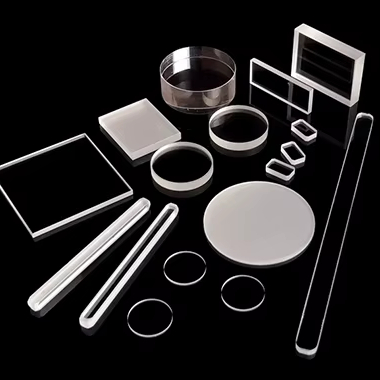
Manufactured from high-purity crystalline quartz with flame-worked finishing, tight dimensional tolerances, and high thermal shock endurance from -30°C arctic environments up to 1300°C continuous process loads.

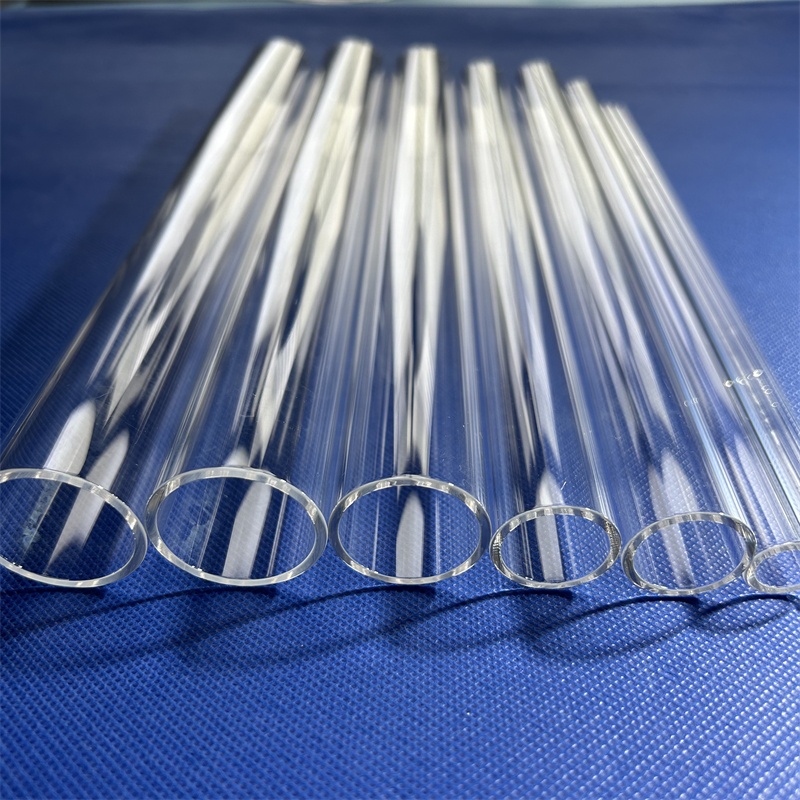
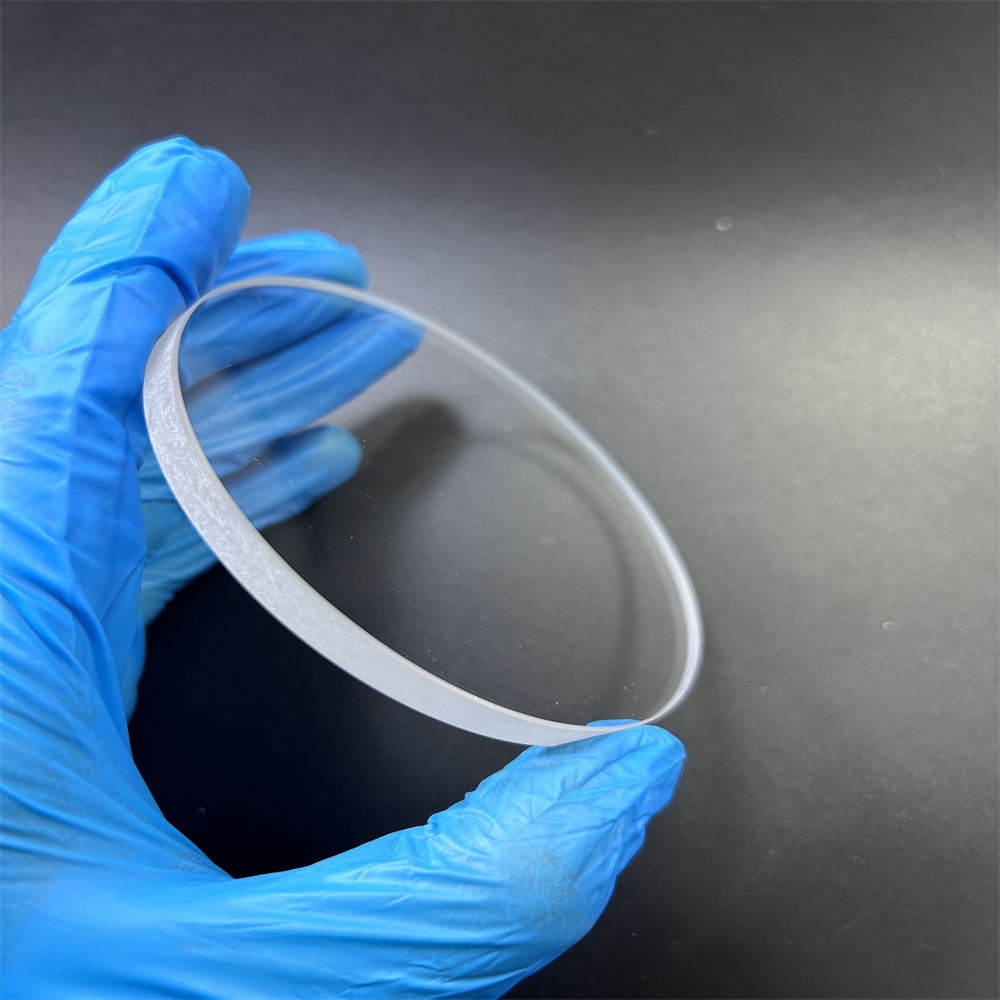
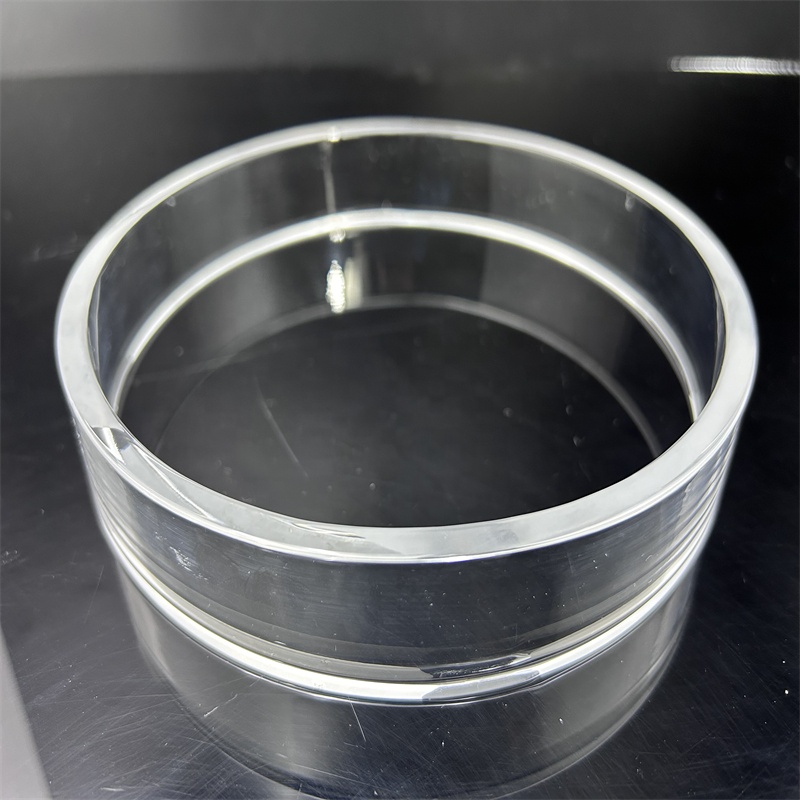
Thermodynamic Reliability of Fused Quartz in Iceland's Extreme Environments
Addressing the specific physical and chemical degradation mechanisms encountered in North Atlantic sub-arctic industrial processing.
Industrial heating within the Republic of Iceland operates under distinct environmental boundary conditions unlike continental Europe. The combination of an island power grid dominated by low-cost geothermal and hydroelectric generation, continuous exposure to sub-zero ambient maritime winds, and pervasive airborne sulfur compounds (primarily hydrogen sulfide, $H_2S$, and sulfur dioxide, $SO_2$) places unprecedented demands on process heating hardware. Conventional metal-sheathed heating elements (e.g., Incoloy or AISI 316L) routinely suffer from accelerated grain boundary sulfidation, high-temperature pitting, and catastrophic scaling when deployed in drying, smelting, or geothermal steam reheat loops.
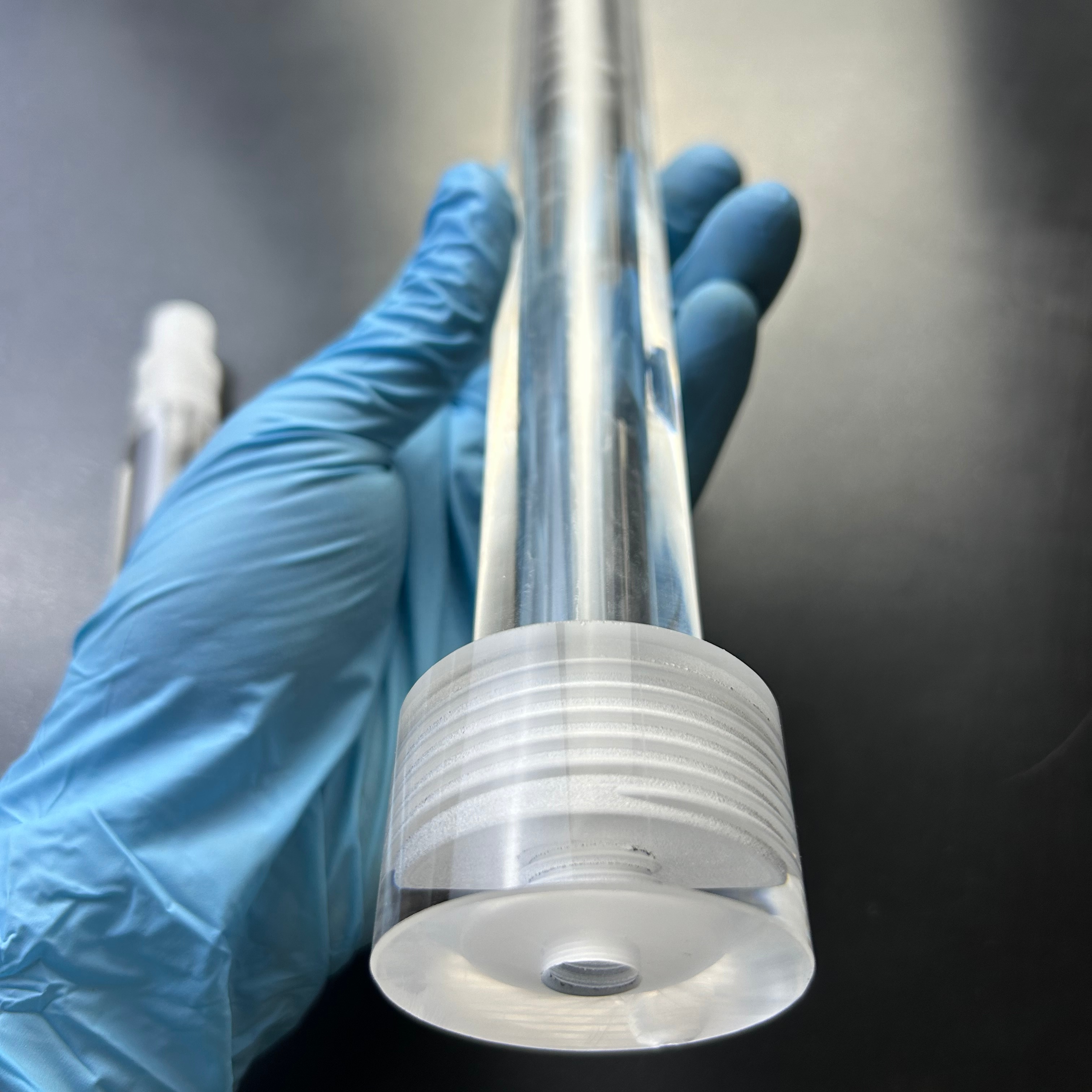
Fused quartz glass (α-amorphous silicon dioxide, $SiO_2 \ge 99.99\%$) represents the pinnacle of thermal engineering for these specific challenges. Owing to its cross-linked tetrahedral molecular lattice, fused quartz possesses an ultra-low linear coefficient of thermal expansion ($\alpha = 5.5 \times 10^{-7}\text{ K}^{-1}$ across the 20°C to 1000°C interval). This property endows high-purity quartz heating tubes with virtually immune thermal shock resistance: an energized tube glowing at 1100°C can be quenched directly by cold sub-arctic ocean spray without structural cleavage or mechanical fracturing.
Key Thermodynamic Advantage for Icelandic Industry
Unlike conventional convection systems that lose extensive energy to high-volume ambient air exchange in sub-polar processing facilities, quartz infrared emitters transfer radiant thermal flux directly to target materials across short-wave (0.8–1.4 μm) and fast medium-wave (1.4–2.0 μm) spectrums. This ensures over 85% instantaneous radiative transfer efficiency, reducing parasitic electrical consumption on Iceland's heavily utilized industrial grids.
Furthermore, synthetic fused quartz features profound chemical inertness. It remains completely inert to nitric, sulfuric, and hydrochloric acids at elevated temperatures, attacked only by hydrofluoric acid ($HF$) and concentrated phosphoric acid above 300°C. In the presence of geothermal non-condensable gases (NCGs) rich in carbon dioxide ($CO_2$) and hydrogen sulfide ($H_2S$), quartz heating tubes and protective sight cylinders retain total optical clarity and dielectric strength without devitrification or surface embrittlement.
| Material Specification | High-Purity Fused Quartz (Zunex) | Borosilicate Glass 3.3 | Stainless Steel 316L Sheath |
|---|---|---|---|
| Thermal Shock Resistance (ΔT) | > 1100 °C Rapid Delta | ~ 150 °C Max Delta | High (Subject to Warping) |
| Continuous Service Temperature | 1100 °C (1300 °C Short Term) | 450 °C Max | 750 °C (Oxidation Limits) |
| Resistance to Geothermal H₂S / Acid Gas | Complete Chemical Inertness | Moderate (Surface Clouding) | Severe Sulfidation & Pitting |
| Infrared Radiation Efficiency | > 90% (Instant Emitter) | Moderate (Structural Absorption) | Convection Bound (Slow Response) |
| Dielectric Strength (20 °C) | 25 – 40 kV/mm | 15 – 20 kV/mm | Conductor (0 kV/mm) |
| Linear Expansion (×10⁻⁷/K) | 5.5 | 33.0 | 160.0 |
Localized Engineering Application Scenarios
Custom quartz components and emitter tubes tailored specifically for Iceland's prime manufacturing, energy, and extraction sectors.
Geothermal Energy & Mineral Carbonation
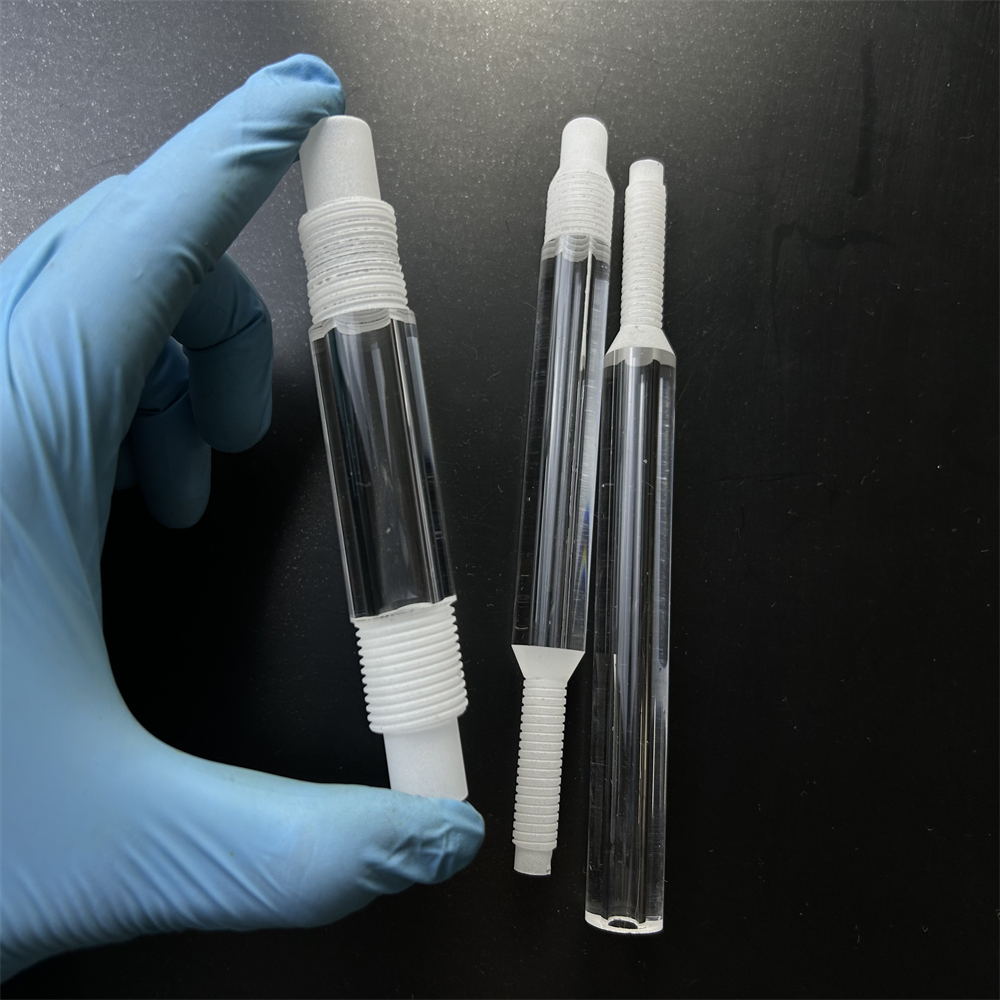
Deployed in geothermal plants across Hellisheiði, Reykjanes, and Krafla. Quartz heating tubes superheat pilot gas sample streams, while transparent quartz viewports and sensor wells endure aggressive high-pressure two-phase geothermal brine containing silica, chlorides, and dissolved $H_2S$. Crucial for pilot monitoring in Carbfix carbon-mineralization direct capture systems.
Primary Aluminum Smelting & Anode Baking
Iceland produces over 800,000 metric tons of aluminum annually in facilities such as Alcoa Fjarðaál, Century Aluminum Grundartangi, and Rio Tinto Straumsvík. High-temperature quartz heating sleeves and radiation tubes serve in anode pre-heat ovens, cathodic bus-bar curing stations, and automated spectrographic bath-chemistry sampling assemblies.
Pelagic Fisheries & Marine Biotech Drying
Icelandic processing of capelin, cod, and salmon demands precise dehydration without heat damage. Medium-wave twin-tube quartz emitters emit precise 2.7–3.0 μm wavelengths that directly target the resonance frequency of water molecules, desiccating fish meal, dried fish flakes (Harðfiskur), and bioactive marine collagen peptides without denaturing heat-sensitive amino acids.
Geothermally Heated CEA Greenhouses
In horticultural zones like Hveragerði, commercial horticultural facilities operating through sub-arctic polar nights rely on custom quartz radiant tubes for localized soil-root bed warming. Quartz glass sleeves also protect high-output UV-C water sanitizers that disinfect recycled closed-loop agricultural runoff against bacterial and fungal pathogenetic outbreaks.
Silicon Metal & Nanomaterials Beneficiation
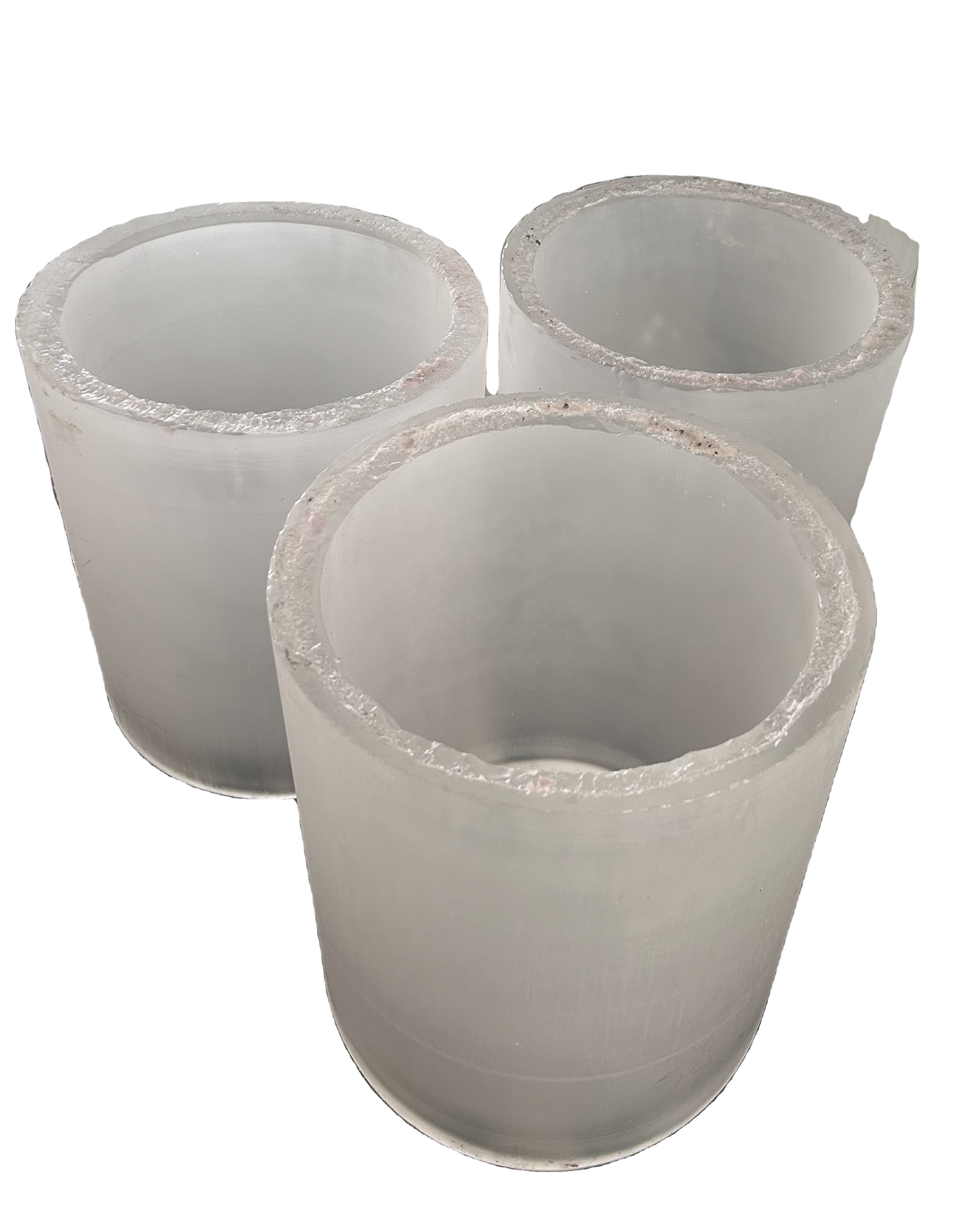
Iceland's clean electrical power fuels high-capacity silicon metal plants, including operations at Bakki in Húsavík. Our oversized frosted quartz tubes, crucibles, and bell jars supply induction refining stages and furnace exhaust gas monitoring where resistance to elemental silicon vapor attack and thermal degradation is imperative.
Land-Based Recirculating Aquaculture (RAS)
Iceland's massive investments in land-based Atlantic salmon and arctic char smolt facilities require uninterrupted biocidal UV sterilization. Heavy-wall transparent quartz sleeves house ultraviolet lamps, resisting seawater biofouling, thermal expansion stress, and turbulent pressure transients in offshore pump houses.
Icelandic Technological Trends Driving Quartz Component Adoption
Key industrial shifts shaping the transition toward precision quartz heating elements in the North Atlantic region.
Electrification of Heavy Food & Algae Processing
As Iceland moves to fully eliminate fuel-oil boilers across its marine and microalgae bioproduct sectors, manufacturers are replacing fossil-fired dryers with high-density quartz infrared radiator modules. The instant on/off capability of carbon-filament and halogen quartz tubes allows seamless synchronization with dynamic industrial automated drying belts, cutting energy waste by up to 34%.
Deep Borehole Geothermal Exploration (IDDP)
The Iceland Deep Drilling Project (IDDP) targets supercritical fluid reservoirs reaching 400°C to 600°C under extreme hydraulic pressure (>220 bar). Standard instrument enclosures fail catastrophically under these superheated conditions. Downhole measurement rigs increasingly integrate thick-wall optical fused quartz tubes and wafers for geophysical telemetry downhole viewports.
Directional Twin-Tube Radiator Standardization
Process engineers in Icelandic plants are upgrading from standard circular quartz tubes to twin-tube formats featuring integral 23-karat gold or white diffuse ceramic backing reflectors. The geometry concentrates 95% of the emitted infrared radiation onto the process workpiece, shielding machine framing and reducing cooling loads in enclosed processing halls.
Stringent Trace Impurity & Purity Controls
Advanced metallurgy and high-tech mineral recovery in Iceland demand components free from copper, iron, and alkali metal contaminants. Zunex quartz heating tubes fabricated from natural and synthetic silica maintain iron ($Fe$) impurities below 1.5 ppm and sodium ($Na$) below 1.0 ppm, eliminating molten bath contamination during metallurgical refining.
Factory Direct Advantages Serving Exporters to Iceland
Combining the mineral heritage of Donghai with precision laser micro-machining and rigorous export qualification.
Donghai Silicon Hub
Directly situated in China's quartz capital, securing high-purity natural silica sand (≥99.99% SiO₂) at stable, highly competitive direct factory prices.
Laser Micro-Finishing
Advanced quartz laser drilling, grooving, profiling, and precision flame welding capable of maintaining mechanical tolerances within ±0.05 mm.
Sub-Arctic Crating
Reinforced multi-tier packaging: hermetic vacuum bags, high-density EPE shock absorption, and custom ISPM-15 fumigated timber cases for North Atlantic sea freight.
≤ 2h Fast Engineering Quote
100% verified inquiry response rate with comprehensive engineering manufacturability review of PDF, DWG, and STEP drawings before quoting.
Frequently Asked Questions by Icelandic Buyers
Direct, technically verified answers addressing engineering constraints, freight logistics, and material resilience.
How do Zunex quartz heating tubes resist atmospheric hydrogen sulfide ($H_2S$) in Icelandic geothermal zones?
Can quartz tubes withstand sudden exposure to sub-zero arctic air during shutdown?
What lead times and logistical pathways are available for shipments to Reykjavík and Akureyri?
What is the difference between JGS1, JGS2, and JGS3 quartz grades for thermal and optical usage?
Can Zunex manufacture quartz components directly from custom engineering drawings?
How does Zunex guarantee zero-breakage delivery for fragile quartz across long ocean voyages?
Need Custom Quartz Heating Tubes or Components for Iceland?
Submit your CAD drawing, technical specifications, or operational parameters. Our technical engineering team will review manufacturability, verify tolerances, and provide an official quotation within 2 hours.