Featured Industrial Fused Quartz Labware
Precision furnace equipment, CVD process glassware, and optical test components manufactured with 99.99% ultra-pure silicon dioxide for high-temperature resistance up to 1300°C.
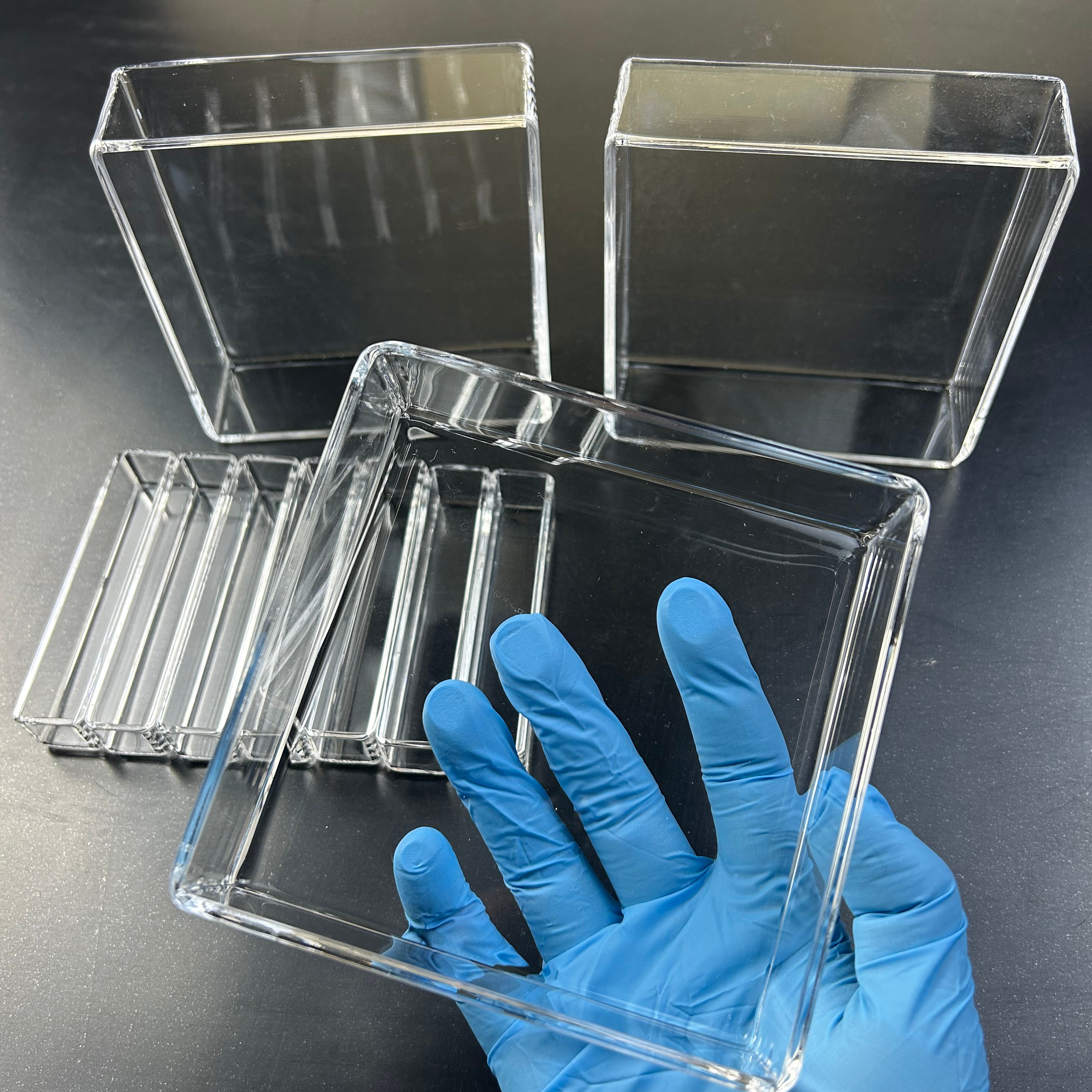
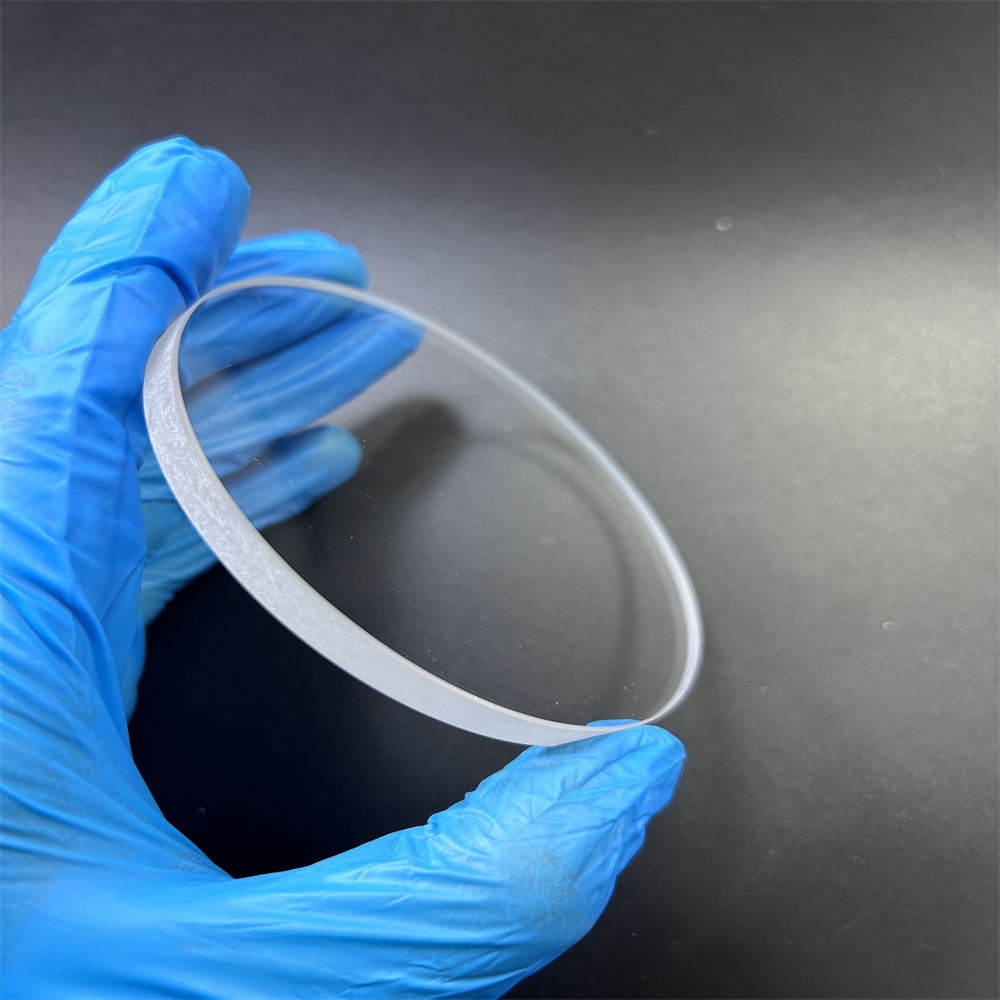
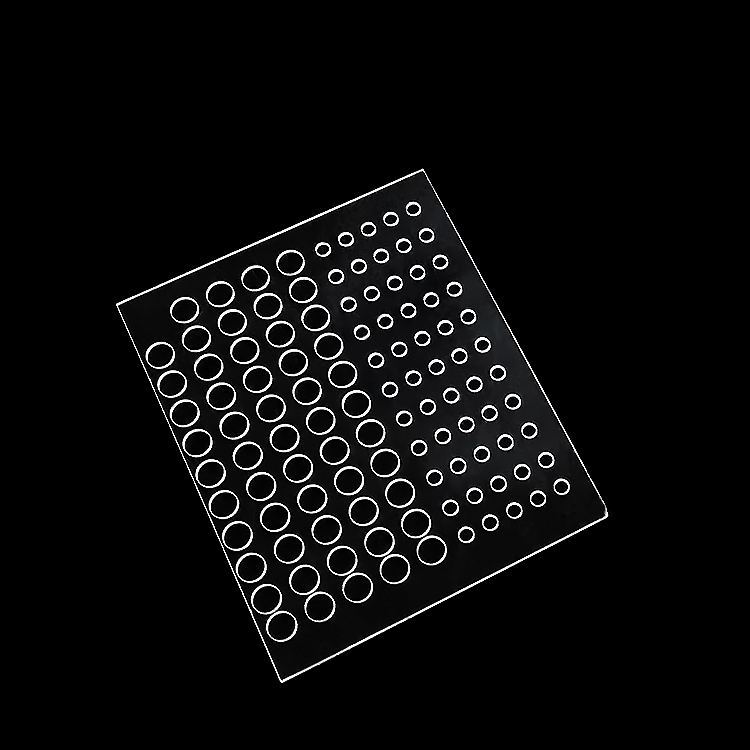
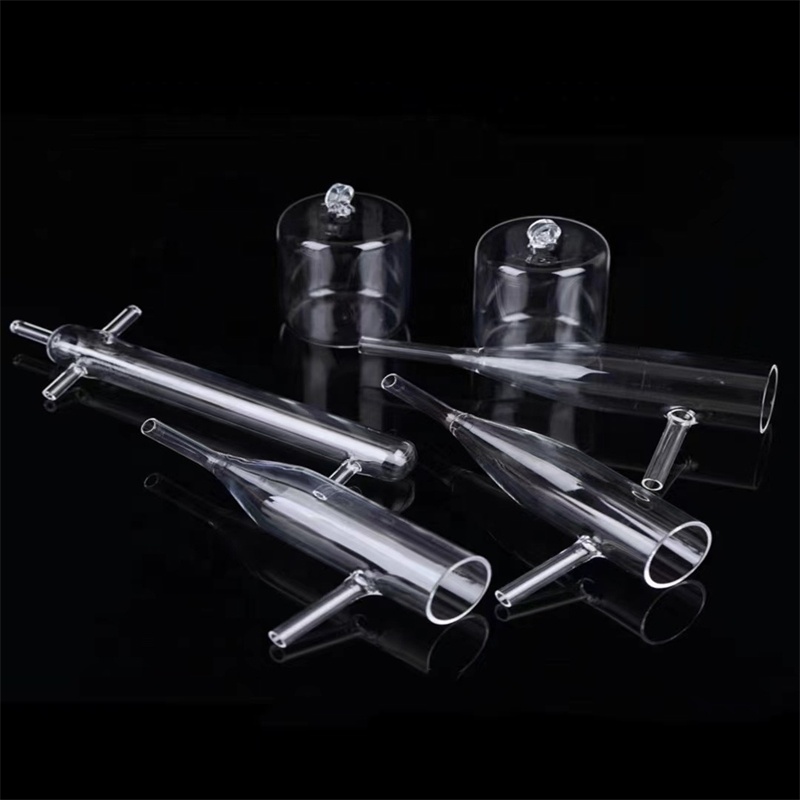
Engineering Quartz Labware for the Industrial Infrastructure of Choloma
As the primary manufacturing engine within the Sula Valley (Valle de Sula) of Honduras, Choloma hosts a dense nexus of export-oriented manufacturing, synthetic and cellulosic textile wet-processing factories, polymer synthesis plants, and specialized quality assurance laboratories. In these high-intensity settings, ordinary borosilicate 3.3 laboratory glass persistently fails under severe thermal cyclic shock, concentrated hydrofluoric-adjacent acid digestion, and continuous elevated pyrolytic operations.
Our direct quartz production facility provides regional engineers and procurement managers throughout Choloma and surrounding industrial corridors (including San Pedro Sula and Puerto Cortés) direct factory access to customized fused quartz ware and synthetic silica optics. Engineered directly from natural high-purity crystalline quartz sand in Donghai—the world-recognized crystal capital—our products exhibit an extraordinarily near-zero coefficient of thermal expansion (5.5 × 10⁻⁷ /°C). This allows critical laboratory components to be repeatedly cycled between ambient room temperatures and 1100°C without mechanical failure, crystallization, or deformation.
Localized Industrial Application Scenarios in Choloma
Laboratory testing standards in Choloma require rigorous compliance with international export protocols (such as ASTM, AATCC, ISO 17025, and WRAP certifications). Our specialized fused quartz labware provides the physical properties required across localized manufacturing sectors:
Textile Dye Chemistry & Ashing
Thermal decomposition crucibles and digestion vessels capable of enduring concentrated sulfuric and nitric acid boiling during heavy metal dye residues analysis.
Polymer & Chemical Synthesis
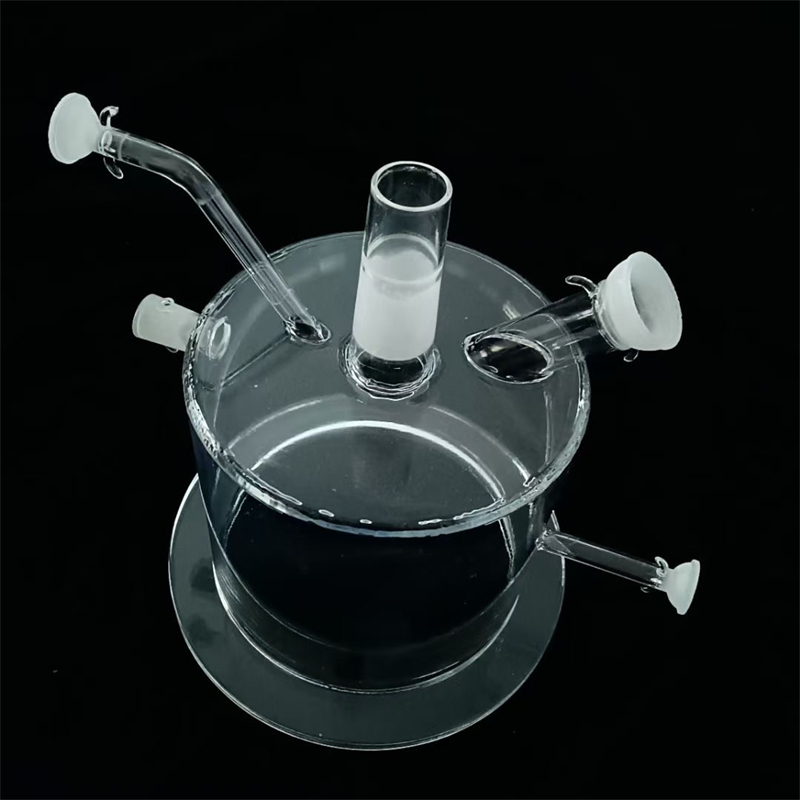
Reaction autoclaves, quartz condenser coils, and twin-tube heater covers resilient against prolonged exposure to synthetic polymer additives and solvents.
Industrial Effluent Spectroscopy
Deep-ultraviolet transmission spectrophotometer cuvettes (JGS1 synthetic fused silica) calibrated for wastewater environmental monitoring across industrial parks.
Biomass & Thermal Boilers
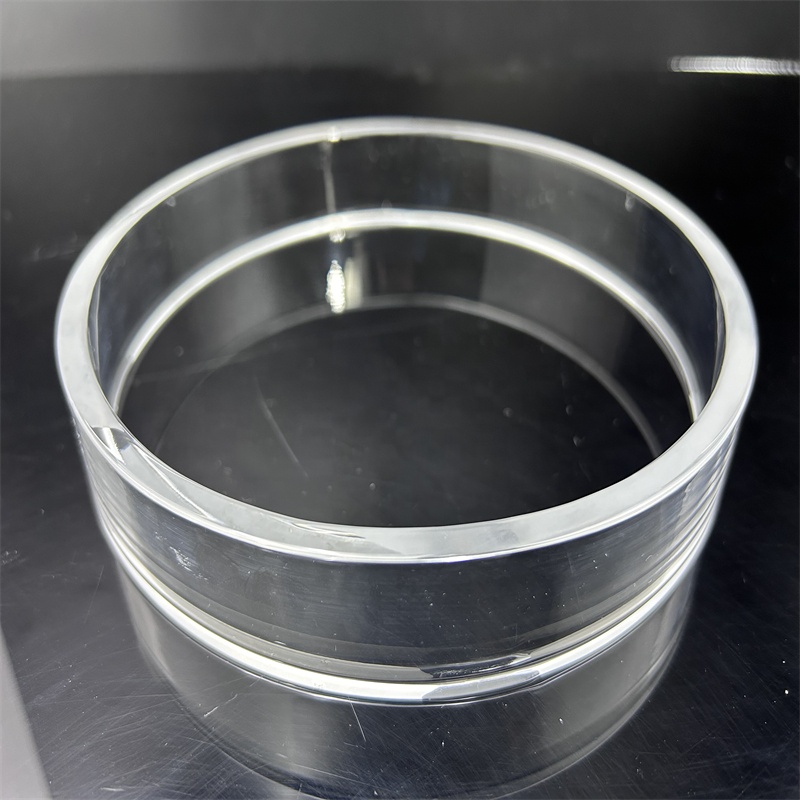
High-pressure liquid level sight glasses, optical viewing ports, and infrared combustion tubes operating continuously in co-generation power plants.
Material Comparison: Borosilicate vs. Fused Quartz Glassware
When selecting laboratory vessels and processing reaction chambers, engineers must balance thermal resilience, optical spectrum transmission, and contamination thresholds. The data below outlines why heavy industrial operations in Central America are upgrading their processing infrastructure to pure fused quartz.
| Performance Characteristic | Standard Borosilicate 3.3 Glass | Industrial Fused Quartz (Zunex Standard) | Synthetic Fused Silica (JGS1 Optical Grade) |
|---|---|---|---|
| SiO₂ Purity Content | ~80% to 81% | ≥ 99.98% | ≥ 99.999% |
| Max Continuous Temperature | 450 °C – 500 °C | 1100 °C | 1200 °C |
| Short-Term Thermal Threshold | 520 °C (Softening begins) | 1300 °C | 1450 °C |
| Thermal Expansion (CTE) | 3.3 × 10⁻⁶ /°C | 5.5 × 10⁻⁷ /°C (6x More Resistant) | 5.2 × 10⁻⁷ /°C |
| Thermal Shock Resistance | ΔT ≈ 100 °C – 150 °C | ΔT > 1000 °C (Water quench tested) | ΔT > 1100 °C (Instant quench) |
| Spectral Transmission Range | 310 nm – 2200 nm | 220 nm – 2500 nm (JGS2) | 185 nm – 2500 nm (Deep UV Transmissive) |
| Acid Corrosion Resistance | Degrades in basic and strong acids | Impervious to all acids except HF / H₃PO₄ | Zero trace leaching; ultra-pure grade |
Emerging Industrial & Procurement Trends in the Choloma Region
The manufacturing ecosystem in Choloma is transitioning beyond conventional low-value cut-and-sew maquiladora operations. Driven by regional industrial restructuring, green hydrogen exploration, and modern centralized wastewater treatment directives, local operational facilities are adopting automated thermal and chemical testing protocols.
Key localized trends impacting laboratory glassware and thermal component procurement include:
- Transition toward Automated Continuous Quality Inspection: High-throughput textile processing mills increasingly implement spectrophotometric online monitoring systems. These setups require UV-transparent quartz windows that resist mechanical scratching and eliminate spectral distortion during continuous automated optical density evaluations.
- Stricter Wastewater Environmental Regulatory Audits: Industrial parks are subjected to rigorous compliance monitoring. Analytical laboratories rely on ultra-pure, acid-digested quartz vessels to eliminate background trace metal contamination during atomic absorption spectroscopy (AAS) and inductively coupled plasma (ICP) preparation.
- Direct-from-Manufacturer Supply Chain Rationalization: Local engineering departments in Choloma frequently encountered extended lead times and inflated markups when sourcing specialized quartz components via regional generalist distributors. Direct procurement with specialized manufacturers allows direct factory CAD-to-product machining, custom flange fabrication, and rapid replenishment cycles.
Factory Engineering Strengths: Why Global Buyers Trust Zunex
Rooted in Donghai County—the epicenter of global quartz processing—Zunex Quartz Products Co., Ltd. combines advanced cold mechanical processing, thermal glassblowing, and laser micro-machining under one ISO-managed quality management roof.
Custom CAD Processing
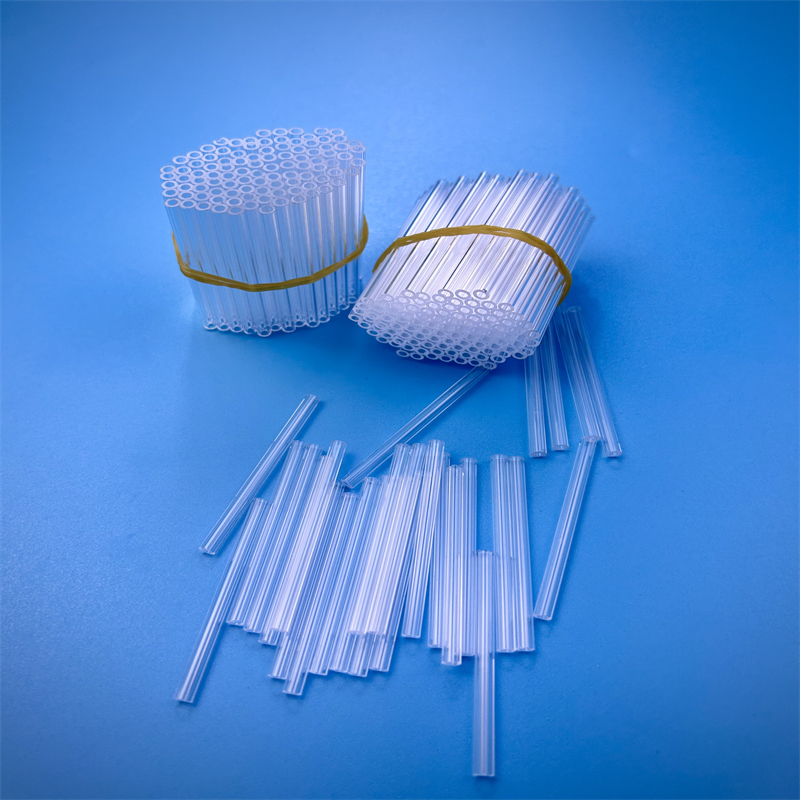
Every drawing received via PDF, DWG, or STEP format is reviewed by a specialized glass technician. We maintain tolerances down to ±0.05 mm on laser-cut quartz sheets, CNC-milled crucibles, and multi-bore twin furnace tubes.
Advanced Laser Machining
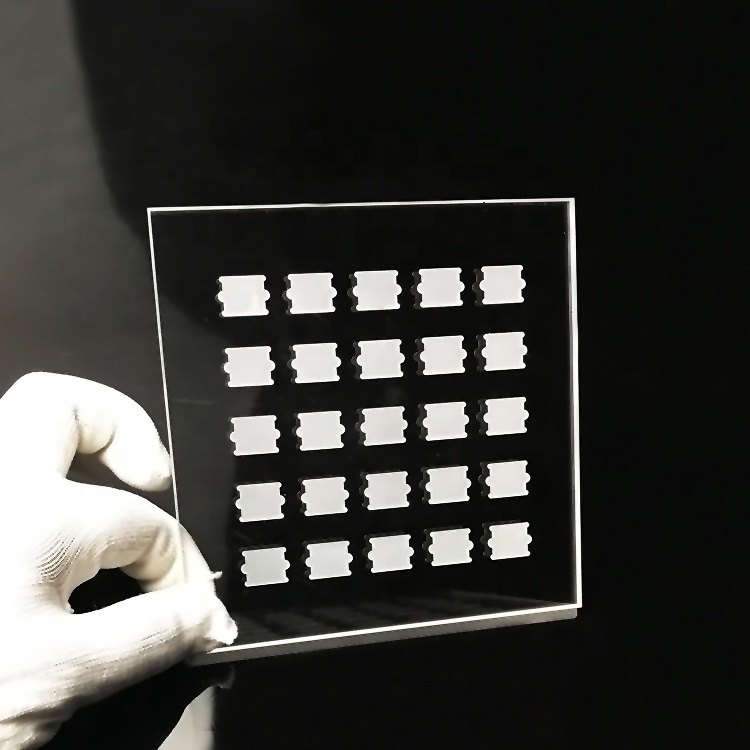
Equipped with non-contact industrial CO₂ and picosecond laser drilling and cutting systems, we eliminate micro-cracking and chipping at the edges of observation windows, filter plates, and semiconductor wafer boats.
Export Shock-Proof Packaging
Fragile quartz equipment intended for international shipment to Honduras is secured using multi-layer high-density molded EPE foam and reinforced, customs-cleared wooden crates designed to withstand transatlantic and multimodal logistics.
Frequently Asked Questions for Choloma Procurement Managers
Clear, direct technical answers to assist local plant managers, lab technicians, and purchasing agents when procuring quartz glass instruments.