Precision Fused Quartz & Silica Solutions for Nordic OEM Engineering
Manufactured from premium crystal silica ingots in Donghai, certified to withstand continuous 1100°C loads, cryogenic cycles, and high optical flux.

Custom Size Clear Fused Quartz Plate Premium Quality High Temperature Resistance (1100C) Glass Sheet for Optics Welding
View Specifications →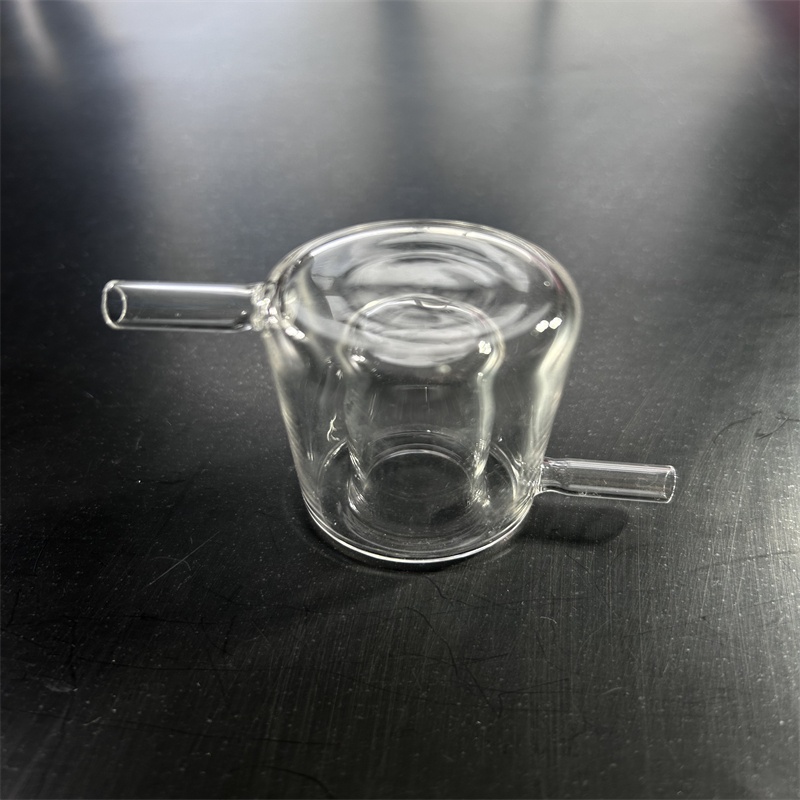
Custom 99.99% Pure Ozone Free High Temperature Resistant Quartz Glass Reactor Twin Tube Bending Welding Services for Laboratory
View Specifications →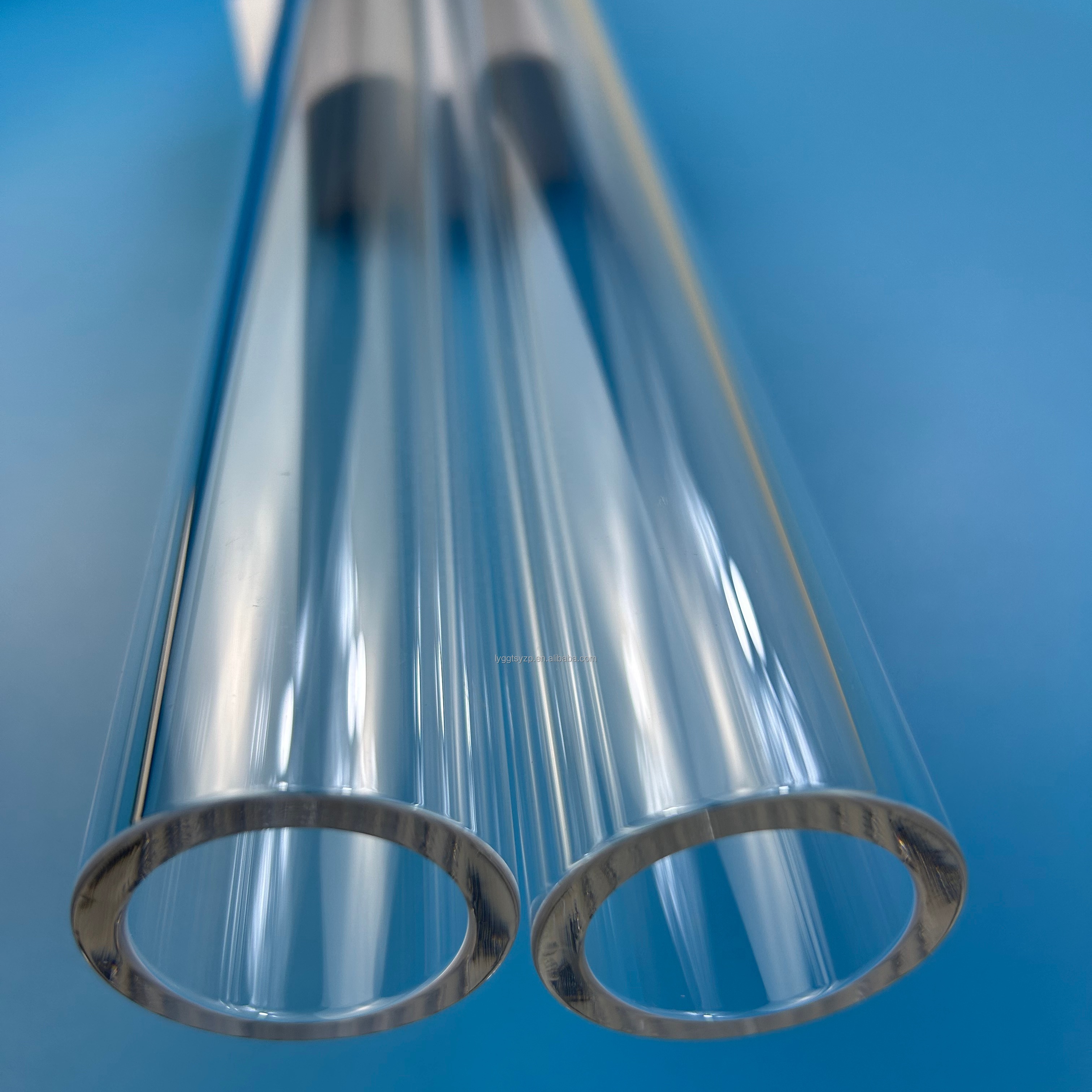
Polished Clear Quartz Twin Tube Ozone Free Heater Chemical Lab Equipment Semiconductor Furnace Tubes Welding Moulding Bending
View Specifications →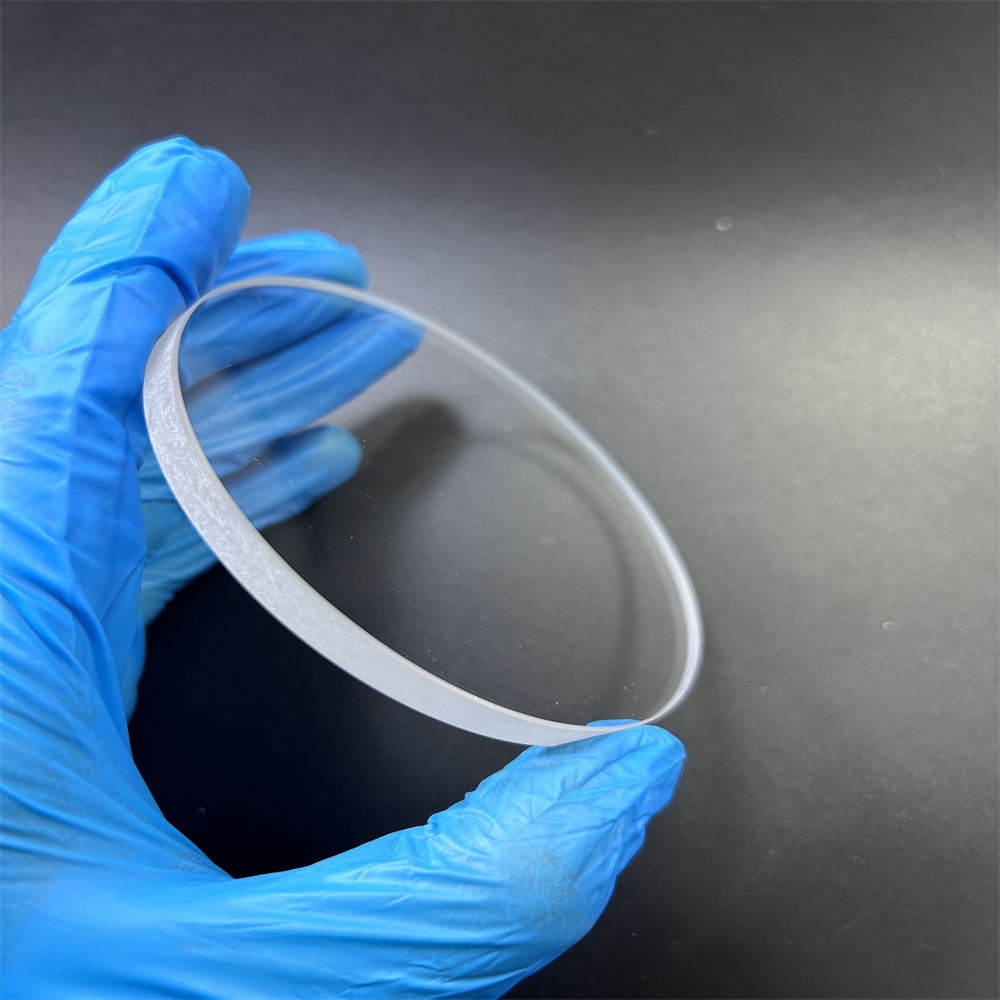
High Pressure Fused Silica Quartz Glass Wafer Transparent UV Sheet High Precision Cutting Custom Sizes Optical Welding
View Specifications →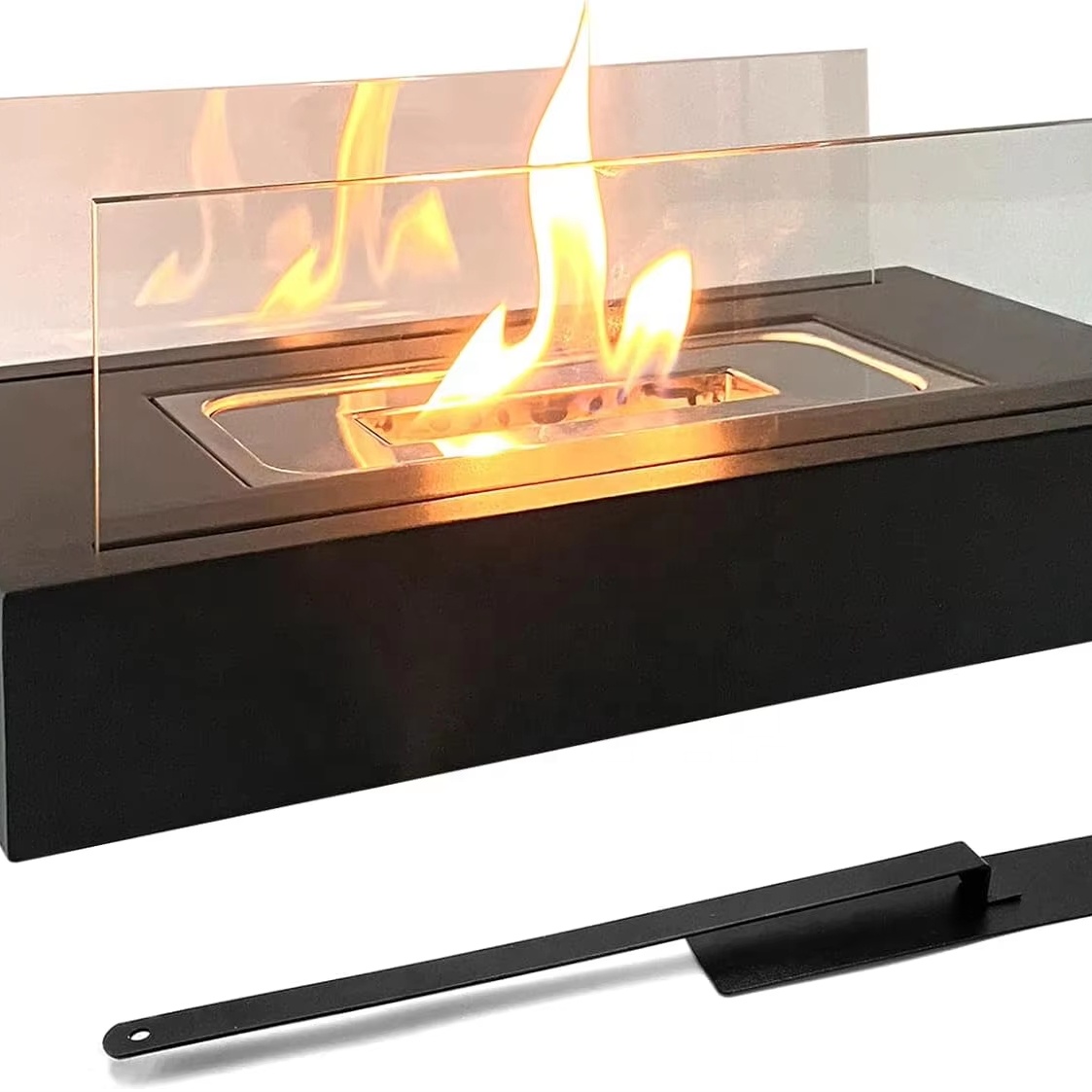
Factory Customization Outdoor Camping Portable High Temperature Clear Transparent High Precision Optical Grade Quartz Glass
View Specifications →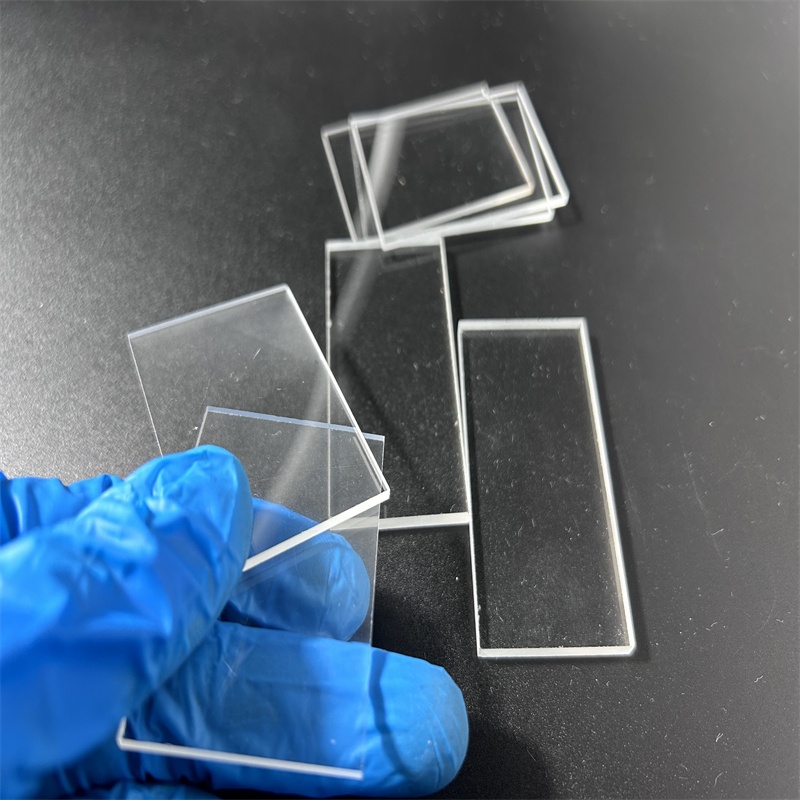
Customized High Temperature Transparent Fused Quartz Glass Sheet Welding Cutting Services Clear Plate Custom Sizes Optics Grade
View Specifications →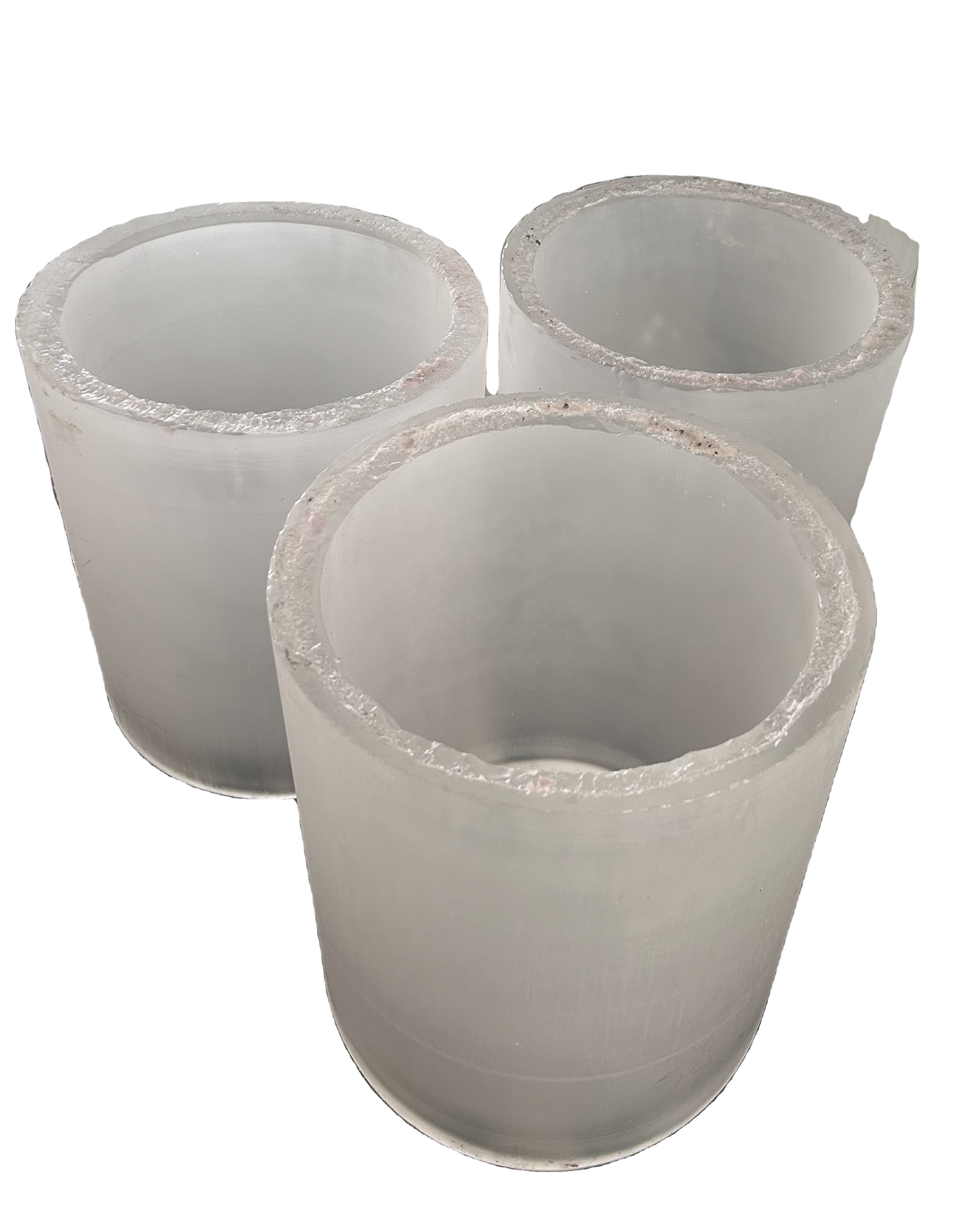
Open Ended Fused Quartz Frosted Glass Cylinder Ingot with Moulding Welding Cutting Services Custom Sizes for Optics Applications
View Specifications →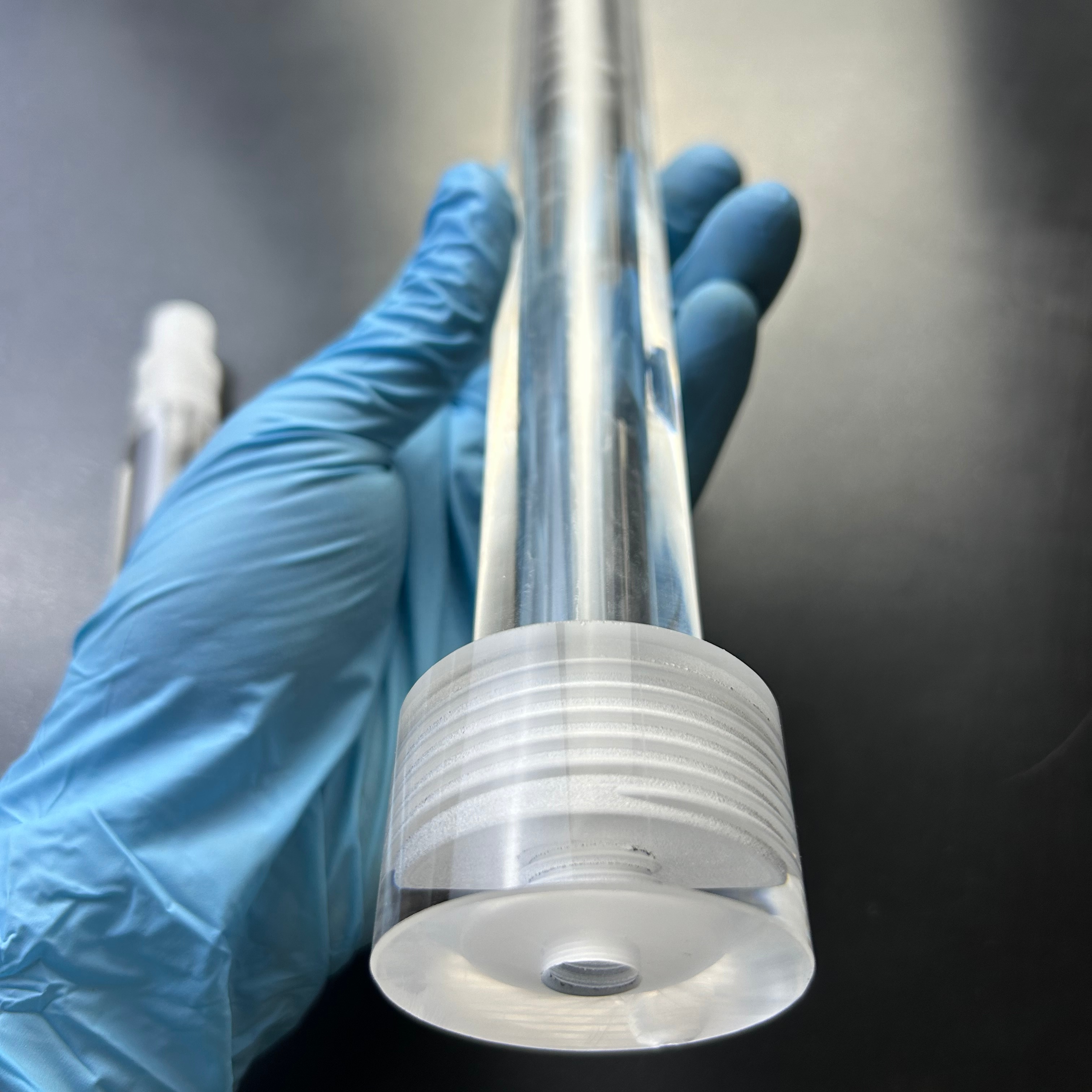
Customizable High Pressure High Quality Polished Clear Transparent 99.99% Pure Quartz Glass Twin Tube Bending/Welding/Cutting
View Specifications →Technical Whitepaper: Sourcing Fused Quartz Light Guides for Oslo's Advanced Industries
As Norway accelerates its transformation into a high-technology knowledge hub across the Greater Oslo region—spanning the biotech clusters in Gaustad, oceanographic innovation in Lysaker, and high-precision quantum photonics at the University of Oslo (UiO) and SINTEF MiNaLab—the demand for precision optical components has evolved dramatically. Among these, fused quartz light guides and high-purity optical waveguides represent an indispensable tier of physical architecture. Unlike standard borosilicate or optical crown glass, fused silica and synthetic quartz offer an ultra-broad transmission continuum spanning from deep ultraviolet (UV 185 nm) through visible to the short-wave infrared (SWIR up to 3500 nm), combined with near-zero thermal expansion and impervious chemical inertness.
Procurement engineers and scientific researchers across Oslo face strict performance hurdles: high optical fluence from industrial UV-curing LEDs, severe thermal cycling in subsea inspection sensors deployed in cold North Sea waters, and vacuum-grade hermeticity in analytical spectrometers. Sourcing directly from specialized Chinese quartz manufacturing clusters—specifically Donghai County, known globally as the capital of crystal and high-purity quartz—bridges the technical capability gap by offering sub-micron laser processing, customized CAD profiling, and optical grade certification at a highly advantageous total cost of ownership.
Optical Transmission Spectra: JGS1 vs. JGS2 vs. JGS3 Selection Guide
When engineering light guides, solid light rods, and optical conduits for deployment in Scandinavian research and OEM projects, choosing the proper material grade is decisive. Chinese optical silica standards designate synthetic and fused quartz into three distinctive crystalline matrix tiers:
| Grade | Material Type | Primary Spectral Band | Key Oslo Application Focus | Hydroxyl (OH) Content |
|---|---|---|---|---|
| JGS1 | Synthetic Fused Silica (VAD/CVD) | Deep UV: 185 nm – 2500 nm | Biotech fluorescence, laser lithography, excimer UV curing, UV germicidal systems | High OH (≤ 1200 ppm) / Zero bubble inclusions |
| JGS2 | High Purity Fused Quartz (Electric fusion) | UV-Visible: 220 nm – 2500 nm | Industrial viewports, level gauges, general light guides, solar cell testing | Medium OH (30 – 150 ppm) |
| JGS3 | Dehydroxylated Fused Quartz (Gas fusion) | Visible to Infrared: 260 nm – 3500 nm | IR heating modules, subsea thermal imaging, optical gas sensors, furnace pyrometry | Ultra-low OH (≤ 5 ppm) / No water absorption band at 2.73 μm |
For demanding life-science diagnostics at Oslo University Hospital (Rikshospitalet) or flow cytometry analyzers, JGS1 is strictly prescribed due to its absence of fluorescence and virtually zero bubble or striation defects. Conversely, for process heating in chemical facilities across the Grenland industrial corridor south of Oslo, JGS3 provides superior IR power throughput without hydroxyl-induced thermal dissipation.
Where Quartz Light Guides Excel in Oslo's Technological Landscape
Engineered for Norway's specialized marine, clean energy, life science, and semiconductor initiatives.
Subsea Sensor Optics & Oceanography
Oslo's maritime engineering firms rely on solid quartz light guides to transmit pulsed laser and LED illumination into extreme subsea environments. With a compressive mechanical resistance exceeding 1100 MPa and non-reactive stability against corrosive saline waters, quartz conduits enable real-time subsea pipeline inspection, hydrocarbon fluorescence spectrometry, and autonomous underwater vehicle (AUV) optical telemetry.
Biomedical Diagnostics & Flow Cytometry
Within Oslo Cancer Cluster and regional research laboratories, deep-UV fused silica light guides channel excitation wavelengths (266 nm, 355 nm, 405 nm) directly into microfluidic chips. Zunex Quartz custom-machines light guide tips with flame-polished micro-radii to eliminate optical scatter and ensure maximum signal-to-noise ratio in DNA sequencing, single-cell analysis, and medical endoscopy apparatus.
High-Speed Industrial UV Curing
Norway's packaging, maritime composite manufacturing, and electronics assembly facilities are rapidly replacing mercury lamps with energy-efficient UV-LED curing bars. High-transmittance quartz light guides deliver uniform 365 nm, 385 nm, and 395 nm energy across complex 3D profiles without degradation, solarization, or thermal deformation over tens of thousands of operating hours.
Quantum Photonics & Semiconductor Cleanrooms
Micro- and nanotechnology laboratories at MiNaLab in Oslo utilize our precision-ground quartz waveguides for optical coupling, laser beam homogenizing, and wafer alignment stages. With tolerances down to ±0.02 mm and laser-drilled apertures, these components operate seamlessly within ultra-high vacuum (UHV) chambers without gas desorbing or contamination.
Green Energy & Battery Research
Oslo's green energy incubators focusing on next-generation gigafactories and fuel cells incorporate fused silica sight ports and light guiding pyrometry rods to measure internal cell reaction temperatures in real-time. The thermal isolation capacity and dielectric strength of quartz prevent electrical shorting while channeling accurate thermal luminescence to external sensors.
Environmental Water Treatment & Aquaculture
Protecting Norway's coastal fjords and world-renowned aquaculture facilities requires immense volumes of ozone-free, UV-C water purification. Fused quartz sleeves and guide tubes direct 254 nm germicidal irradiation through high-flow marine water treatment loops, eradicating pathogens while resisting bio-fouling and mineral scaling.
Emerging Trends Driving Oslo's Quartz Procurement in 2025–2030
A strategic overview of environmental compliance, supply chain agility, and technological modernization across Scandinavia.
The Green Transition & High-Efficiency UV-LED Systems
Norway is at the global forefront of environmental legislation, pushing industries to eliminate hazardous heavy-metal consumables. Traditional mercury-vapor curing lamps are facing rapid phase-outs in favor of solid-state UV-LED curing arrays. Because UV-LED systems emit at focused narrow wavelengths (365–405 nm) with high localized power densities, conventional optical plastics melt or yellow rapidly under intense exposure.
Oslo equipment integrators are standardizing on pure synthetic fused quartz light rods and homogeneous mixing blocks that deliver 99%+ optical transmission without degradation, significantly cutting factory power consumption while aligning with Norwegian net-zero carbon mandates.
- Elimination of mercury waste in accordance with European Minamata directives.
- Significant electrical energy reduction compared to broad-spectrum arc lamps.
- Zero solarization damage over >20,000 continuous operating hours.
Direct-from-Factory Customization via Digital Engineering
Norwegian engineering teams operate with lean, agile prototyping methodologies. Instead of stocking expensive standard off-the-shelf components from European catalog distributors, Oslo procurement managers are establishing direct relationships with verified Chinese manufacturing centers equipped with advanced CNC and laser machining capabilities.
By leveraging direct CAD/STEP file imports, Zunex Quartz cuts design-to-prototype cycles down to 7–10 working days, eliminating multi-tier distributor markups while delivering custom multi-faceted light guides, tapered fiber-coupling cones, and precision-slotted mounts tailored for direct integration into proprietary systems.
- Zero minimum order quantities (MOQ 1 pc) for R&D and pilot series.
- Precision laser micro-drilling (holes ≥ 0.2 mm) and fine slot grooving.
- Substantial cost savings of 40–60% over traditional European middlemen.
Direct Quartz Manufacturing Engineered in Donghai, China
Combining the raw material advantages of China's primary crystal quartz hub with aerospace-grade laser finishing, ultra-clean flame polishing, and stringent export verification.
Laser Finishing & Micro-Machining
We deploy high-speed CO₂ and femtosecond laser processing alongside 5-axis CNC ultrasonic carving. We achieve clean-edge laser drilling, micro-grooving, internal taper drilling, and complex prism profiling with zero micro-cracking and edge chips < 0.05 mm.
Engineering-Driven Quoting (≤ 2 Hours)
Inquiries received from Oslo engineers are reviewed immediately by optical and mechanical fabrication specialists. We verify material thermal tolerance, birefringence parameters, and optical edge polish (80/50, 60/40, or 20/10 scratch-dig) before quotation.
Comprehensive Purity Certification
Every export batch is backed by certified raw material spectral analysis. Our fused silica features SiO₂ content ≥ 99.99%, low bubble count conforming to DIN 3140 / ISO 10110 standards, and verified transmission curves for ultraviolet and infrared integrity.
Flame Working & Annealing Relieving
Our workshop houses master glassblowers capable of complex U-bends, multi-bore manifold welding, and flange fusing. All fabricated light guides undergo precision computer-controlled annealing at 1215°C to completely eliminate internal thermal stress birefringence.
Export-Standard Shockproof Packing
Fragile quartz light guides bound for Oslo Gardermoen or Port of Oslo travel inside custom-molded high-density EVA foam cushions, sealed within moisture-barrier anti-static packaging and heavy-duty reinforced wooden shipping crates for 100% zero-breakage transit.
Full Traceability & Alibaba Trade Verified
With an annual export turnover of US$2.5M – US$5M and an independently verified 43% buyer repeat-order rate, Zunex Quartz offers total contract reliability, transparent trade capacity, and formal European supply compliance (RoHS & REACH).
Frequently Asked Questions by Norwegian Buyers in Oslo
Direct technical and commercial clarifications to accelerate your international sourcing cycle.
What are the key considerations when importing quartz light guides into Oslo (Customs, MVA, DDP terms)? +
When purchasing from Zunex Quartz for delivery to Oslo or elsewhere in Norway, Norwegian buyers typically utilize either DAP (Delivered at Place) or DDP (Delivered Duty Paid) via express couriers (DHL, FedEx, UPS) or direct air freight to Oslo Gardermoen Airport (OSL). Note that Norway is outside the EU Customs Union, meaning all shipments are subject to Norwegian Value Added Tax (MVA - 25%). Our experienced export documentation department generates precision commercial invoices, packing lists with correct HS codes (typically 7002.31 or 7002.39 for quartz tubes and rods), and Certificates of Origin to ensure seamless clearance with the Norwegian Customs Authority (Tolletaten) without logistical holds.
Can you produce custom light guides directly from our proprietary CAD drawings (DWG, DXF, STEP)? +
Yes. Custom machining to client drawings is our core capability. We accept 2D drawings in PDF/DWG/DXF format with specified tolerances, as well as 3D solid models in STEP or IGES files. Our engineering department can handle non-standard profiles including hexagonal homogenizing rods, tapered light pipes for optical concentration, curved or bent guides, polished end faces with chamfers, and anti-reflective (AR) optical coatings. Non-disclosure agreements (NDAs) can be executed prior to blueprint submission to safeguard your proprietary intellectual property.
How do you protect fragile optical quartz light rods against breakage during air and sea transit to Norway? +
Because optical quartz components feature high mechanical hardness but brittle ceramic-like fracture sensitivity, we utilize a specialized multi-tier protective packaging protocol. Each individual light guide is wrapped in cleanroom dust-free tissue, sealed inside shock-absorbing polyethylene tubing, and embedded in custom-cut high-density EPE/EVA foam compartments. The exterior packaging consists of heavy-duty double-corrugated export cartons or vacuum-sealed fumigated wooden crates. Through thousands of international shipments to Northern Europe, our damaged-in-transit incident rate remains below 0.05%.
Which surface polish and dimensional tolerances can you guarantee on light guide end faces? +
Light guide performance heavily depends on internal total reflection and end-face transmission efficiency. We provide mechanical grinding, diamond-lapping, and fire-polishing options depending on optical requirements. For critical optical coupling, we achieve double-sided optical polishing with scratch-dig standards of 60/40 or 40/20, end-face parallelism < 30 arcseconds, and surface flatness down to λ/4 at 632.8 nm. Standard dimensional diameter tolerances range from ±0.05 mm to ±0.02 mm, with length tolerances controlled within ±0.1 mm.
How do JGS1 synthetic fused silica light guides handle deep-UV solarization and laser damage? +
Solarization is the degradation of UV transmission caused by defect centers (such as oxygen deficiency or impurity traps) when exposed to high-energy UV photons (e.g., 193 nm, 248 nm, 254 nm, or high-power UV-LED arrays). Our JGS1 synthetic silica is synthesized via chemical vapor deposition of silicon halides, resulting in metallic impurity levels below 1 ppm and high, controlled OH content. This chemical structure prevents color-center formation, ensuring sustained transmission above 85% at 200 nm without optical clouding or solarization even after prolonged high-fluence operational life.
Ready to Request a Quote or Engineering Review?
Send us your dimensional drawings, required optical transmission grade (JGS1, JGS2, JGS3), surface finish specifications, and project quantities. Our engineering team guarantees a formal review and competitive factory-direct quote within 2 hours.