Precision Quartz Optical Plates & High-Temperature Components
Direct-from-factory custom processing to engineering drawings. Micron-level laser micro-machining, optical lapping (PV < λ/10), and high-purity thermal forming for Kawasaki industrial end-users.
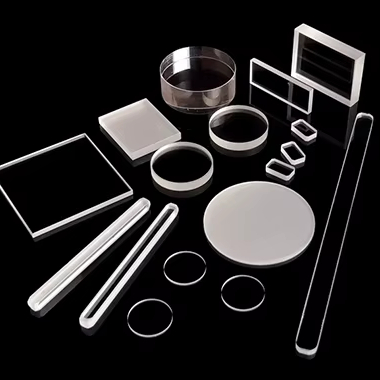
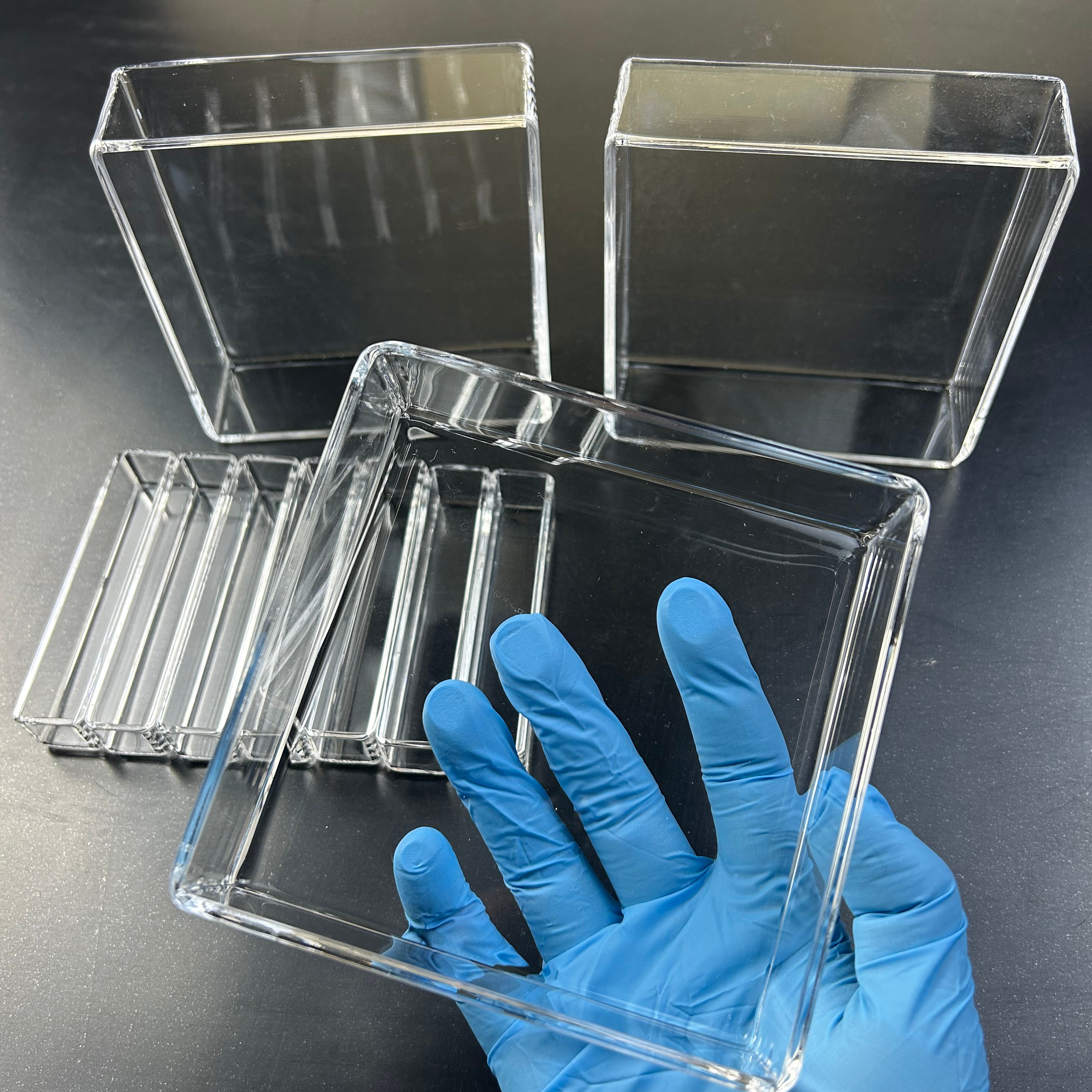
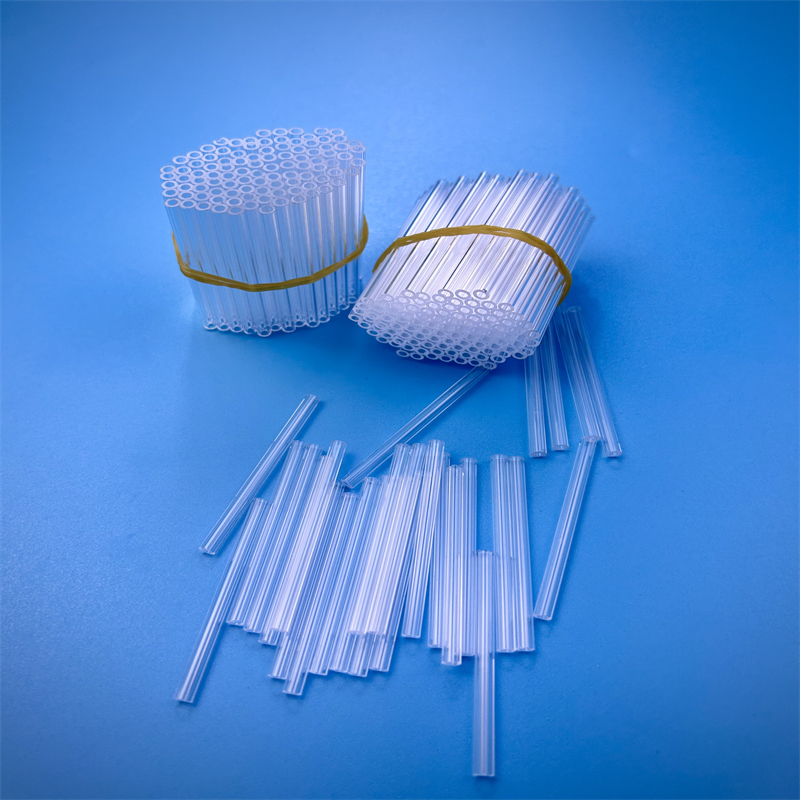
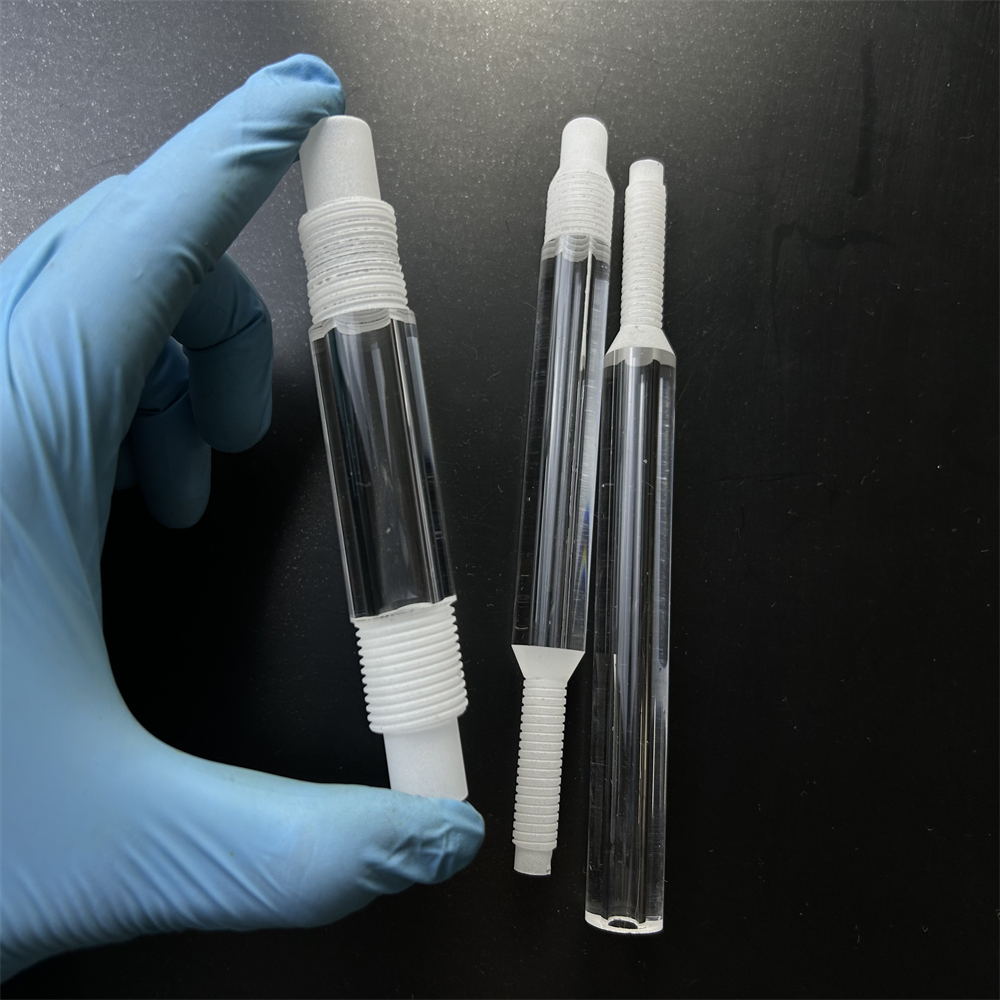
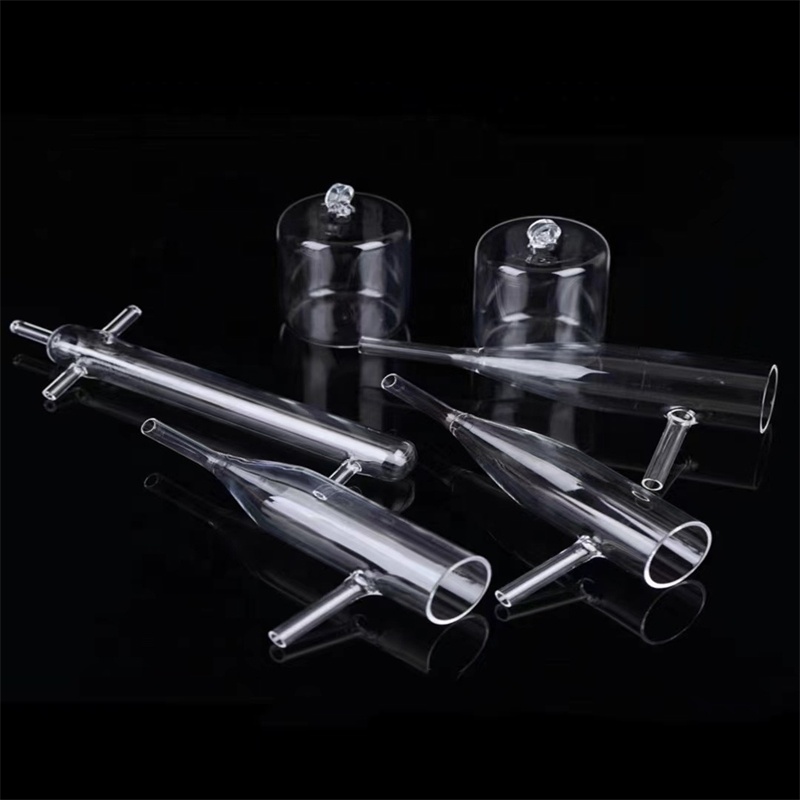
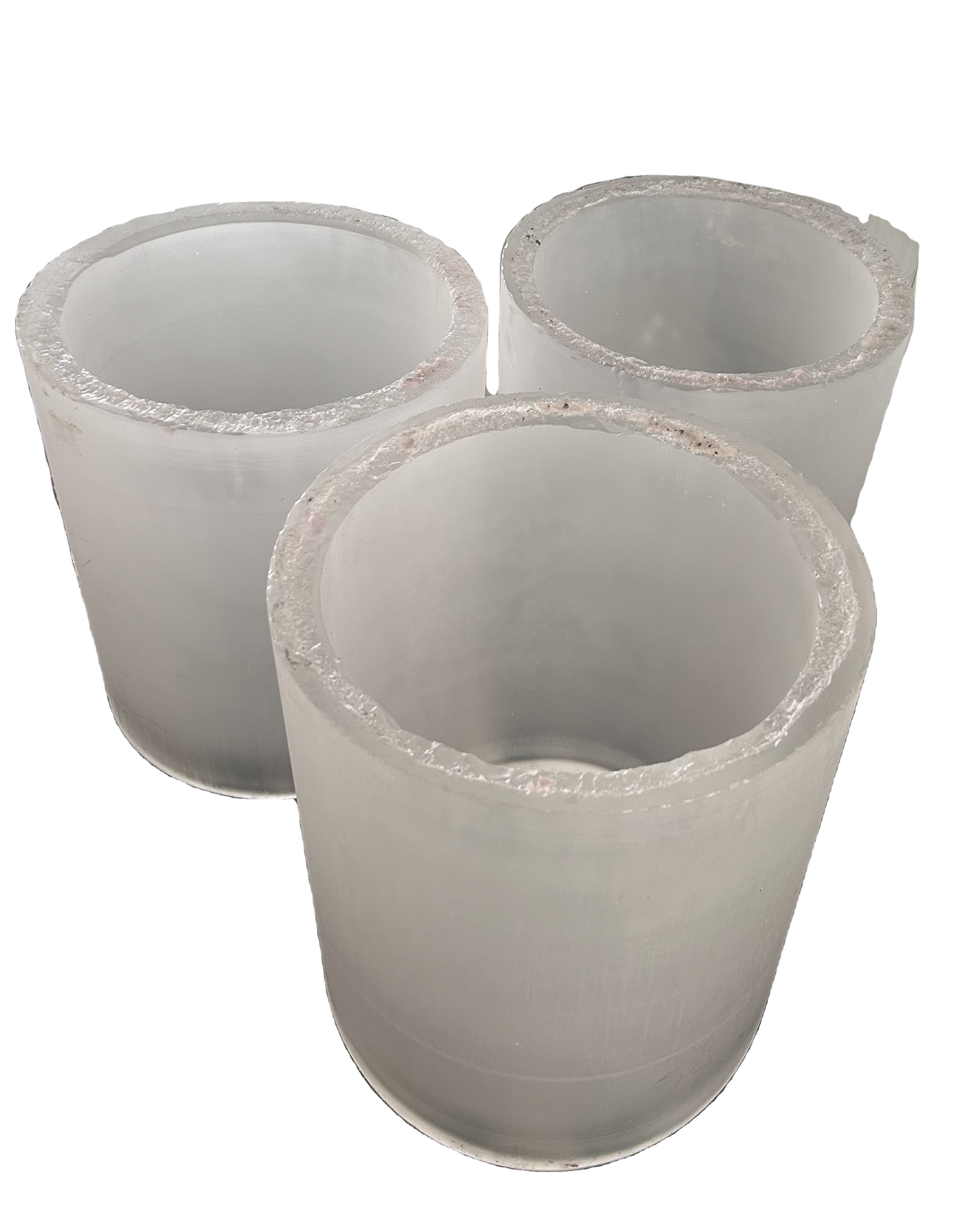
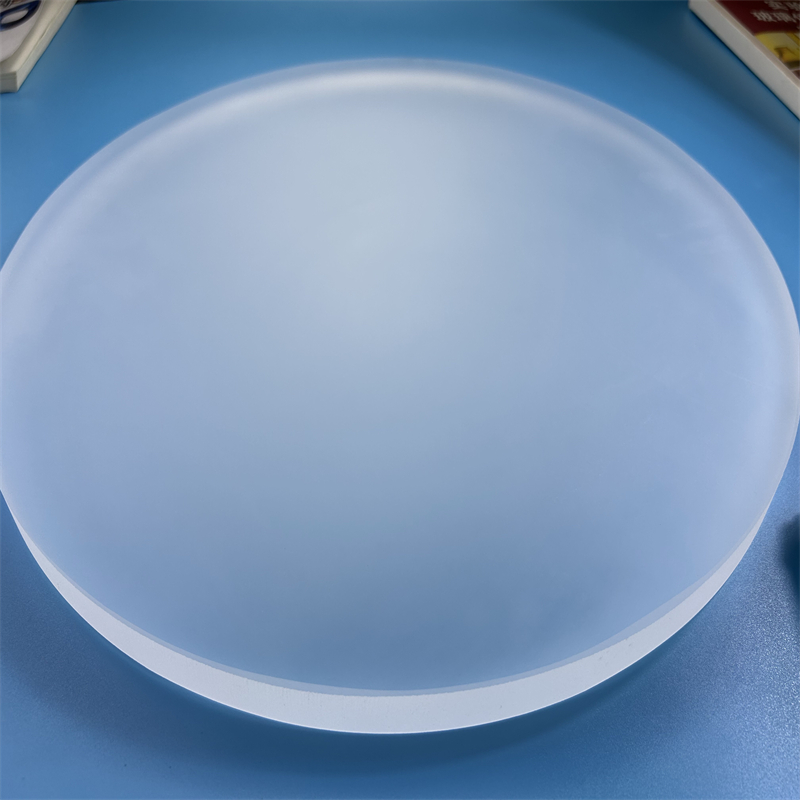
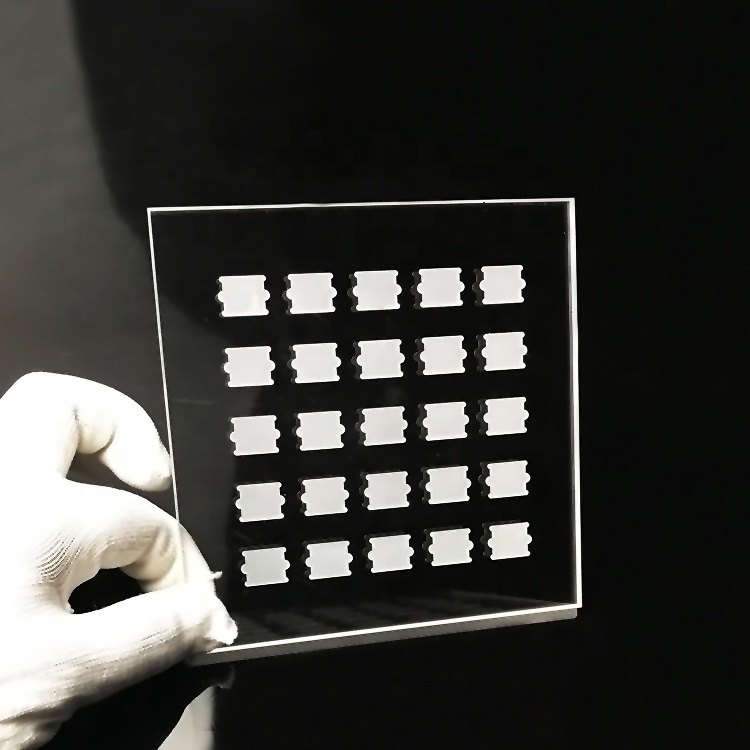
Precision Optical Quartz Glass Classification & Metrology Standards
In modern industrial fabrication across the Tokyo Bay industrial corridor, selecting the correct fused quartz or synthetic fused silica substrate determines the optical transmission fidelity, thermal shock survivability, and chemical endurance of cleanroom instrumentation. Fused silica plates are non-crystalline forms of silicon dioxide (SiO₂) possessing exceptional dimensional stability under thermal stress due to a near-zero coefficient of thermal expansion (α ≈ 5.5 × 10⁻⁷/°C from 20°C to 320°C). Understanding the elemental distinctions between standard synthetic quartz and electrical-arc melted quartz allows Kawasaki procurement managers to balance optoelectronic requirements with procurement budgeting.
Synthetic Fused Silica (JGS1) vs. Optical Quartz (JGS2) vs. Infrared Grade (JGS3)
Optomechanical systems utilize three core domestic Chinese glass standards (JGS1, JGS2, and JGS3), which correspond precisely to global international equivalents such as Corning 7980, Suprasil, and Herasil:
| Grade Designation | Raw Material Origin | Spectral Bandwidth | Hydroxyl [OH⁻] Content | Typical Kawasaki Applications |
|---|---|---|---|---|
| JGS1 (Far UV Grade) | Synthetic SiCl№ gas phase hydrolysis | 185 nm – 2,500 nm | > 800 – 1200 ppm | Excimer laser optics, 193/248nm lithography viewports, UV-C sanitation monitoring, photomask substrates |
| JGS2 (Standard Optical) | High-purity natural quartz crystal | 220 nm – 2,500 nm | < 30 – 150 ppm | Sight inspection windows, high-temp observation ports, plasma display calibration plates, optical flats |
| JGS3 (Infrared Grade) | Electrically vacuum-fused natural quartz | 260 nm – 3,500 nm | < 5 ppm (Water-free) | FTIR spectroscopy windows, pyrometric thermal imaging, CO₂ laser protection covers, mid-IR pyrometry |
For precision metrology applications, Zunex Quartz controls bubble classes in compliance with DIN 3140 and ISO 10110 standards. Our optical-grade plates achieve Bubble Class 0, featuring zero internal inclusions, zero gaseous pockets, and minimal birefringence (≤ 5 nm/cm internal stress retardation), critical for polarization-sensitive laser interferometer paths deployed in precision tool manufacturing.
Extreme Thermal Shock Resilience
Thermal stability up to 1100°C continuous and 1300°C peak. Can withstand quenching from 1100°C into cold water at 20°C without catastrophic structural failure or optical micro-cracking.
Plasma & Halogen Chemical Inertness
Unsurpassed resistance to aggressive acids (except hydrofluoric and hot phosphoric acid >300°C). Highly tolerant against fluorine- and chlorine-based plasma etch radicals (CFℚ, SF₆, NF₃) in dry-etch chambers.
Sub-Nanometer CMP Surface Finish
Double-sided planetary chemical mechanical polishing (CMP) delivers surface roughness Ra < 0.3 nm – 0.5 nm, with surface quality reaching military-grade 20/10 scratch-dig for laser optics and XRD stages.
Engineered Quartz Deployments in Kawasaki's Key Sectors
From the high-tech bio-nanotechnology clusters at King SkyFront to the heavy industrial zones of the Keihin coastal area, custom quartz optical plates perform critical roles across Kawasaki's innovation centers.
King SkyFront Life-Science & Nanotechnology
Located in Tonomachi, the King SkyFront international open innovation cluster utilizes high-purity JGS1 fused silica microfluidic plates, laser flow cytometry cell plates, and deep UV fluorescence analysis windows. With ultraviolet cutoff below 185 nm, our plates eliminate background optical fluorescence, allowing single-molecule detection and gene sequencing without signal degradation.
Keihin Coastal Semiconductor & Electronics
The semiconductor fabrication lines, electronic component packaging factories, and wafer test facilities lining Kawasaki Ward require vacuum viewports for plasma etching, optical pyrometry windows for rapid thermal processing (RTP), and high-purity quartz wafer carriers. Our plates maintain optical transmission under harsh ionizing radiation and reactive halogen plasmas.
Ukishima Petrochemical & Green Energy Research
Kawasaki's Ukishima industrial district hosts leading petroleum refining, polymer synthesis, and hydrogen carrier testbeds. In these facilities, JGS3 infrared viewports and thick quartz high-pressure sight glasses withstand corrosive syngas, explosive volatile organics, and pressures exceeding 15 MPa while providing continuous spectroscopic combustion monitoring.

Advanced Quartz Finishing to Japanese Engineering Standards
Japanese engineering offices demand strict dimensional conformance and micro-crack-free edge treatment. Zunex Quartz operates five-axis CNC ultrasonic milling, non-thermal picosecond laser drilling, and planetary optical polishing machines to deliver:
- Diameter & Length Tolerance: ±0.02 mm achievable through diamond CNC grinding.
- Thickness Uniformity: Down to ±0.01 mm with parallelism ≤ 10 arcseconds.
- Laser Non-Thermal Micro-Drilling: Crack-free micro-apertures from Ø0.1 mm with smooth fire-polished walls.
- Edge Profiles: 45° protective beveling, C-cut chamfers, pencil ground edges, or flame-glazed ends to prevent chipping during cleanroom installation.
Kawasaki Industrial Evolution: Optical Quartz Supply Chain Trends
The manufacturing ecosystem in Kawasaki is undergoing a profound transformation. As part of Kanagawa Prefecture's initiative to lead in carbon neutrality and advanced semiconductors, the Keihin Industrial Area is pivoting toward high-value-added innovation. Understanding these macro trends allows corporate procurement and supply chain officers to build resilient sourcing pipelines.
1. Integration of Extreme Ultraviolet (EUV) & Deep UV (DUV) Subsystems
Semiconductor testing and inspection facilities in Kawasaki are scaling up capabilities to support sub-3nm node manufacturing. In these cleanrooms, legacy borosilicate or low-grade quartz glass plates can no longer withstand the high photon energies of excimer UV lasers without solarization and color-center darkening. Procurement teams are mandating JGS1 synthetic fused silica with hydroxyl radical concentration optimized above 1,000 ppm to maintain internal transmittance τi ≥ 90% at 193 nm over thousands of operational hours.
2. Green Transformation (GX) and Hydrogen Combustion Monitoring
With Kawasaki City's aggressive pursuit of the "Zero Carbon City" mandate, the petrochemical industrial plants along Tokyo Bay are transitioning conventional cracking furnaces to ammonia and hydrogen co-firing systems. The flame temperature of hydrogen combustion exceeds that of natural gas, while emitting severe moisture vapor and intense ultraviolet radiation. Engineers are replacing standard furnace sight glasses with high-purity, thick-walled JGS1 and JGS2 quartz discs (≥15mm to 30mm thickness) capable of surviving sustained thermal shock and high-pressure steam environments.
3. Supply Chain Near-Shoring & Express Direct-from-Factory Logistics
Modern Kawasaki procurement strategies emphasize reducing reliance on multi-tiered domestic distribution agencies that inflate component markups by 40% to 70%. By partnering directly with manufacturers situated in Donghai County—the global epicenter of raw quartz silica mining and processing—Kawasaki engineering buyers secure factory-direct pricing with specialized custom drawings turned around in under 7 working days. Thanks to direct container routes between Lianyungang/Shanghai and the Port of Kawasaki or Tokyo Bay, door-to-door delivery typically completes within 48 to 72 hours via DHL/FedEx Express with full customs declarations.
| Evaluation Parameter | Zunex Direct Factory Production | Conventional Trading Intermediaries | Local Japanese Domestic Stockists |
|---|---|---|---|
| Pricing Model | Direct source factory manufacturing | Multiple intermediary markup (+40-80%) | High local warehouse overhead (+100-200%) |
| Drawing Review Speed | Engineering review ≤ 2 hours | 24 – 72 hours communication delay | 1 – 2 business days |
| Custom Dimension Range | Ø2 mm micro-optics up to Ø650 mm plates | Limited to catalog standard dimensions | Primarily standardized stock shapes |
| Laser Micro-Processing | In-house 5-axis laser hole, slot, and step cut | Subcontracted out to third parties | High setup charges for prototype batches |
| Quality Traceability | 100% batch spectrometer & dimension report | Variable documentation | Standard domestic certificate |
Why Kawasaki Industry Chooses Zunex Quartz
Combining raw quartz mineral access from Donghai with state-of-the-art optical fabrication technologies, Zunex Quartz serves top-tier technology producers worldwide.
Source of Global Crystal Capital
Headquartered in Donghai County, Jiangsu, China—the undisputed raw crystal capital—our direct access to pristine quartz mineral deposits guarantees raw purity >99.99% SiO₂, keeping material cost exceptionally competitive without sacrificing optical purity.
Verified 100% Technical Response Rate
On verified global B2B procurement portals, Zunex maintains an audited 100% response rate with average technical review times under 2 hours. Our direct engineering desk evaluates your DWG, STEP, or PDF drawings to ensure manufacturability before commercial quotation.
Zero-Breakage Export Packaging
Quartz glass is fragile, but our logistics process is not. Every plate is individually sealed in antistatic cleanroom pouches, cushioned inside high-density shock-absorbing EPE custom modules, and encased in export-grade reinforced wooden crates with tilt/impact indicators.
Interferometric Inspection & Spectrophotometer Validation
Every optical plate intended for precision Japanese research institutions and semiconductor fabrication undergoes rigorous multi-stage quality assurance:
- Wavefront Distortion: Zygo laser interferometers verify surface transmitted wavefront error ≤ λ/4 (λ/10 available on custom specification).
- Spectral Transmittance Validation: PerkinElmer UV-Vis-NIR spectrophotometer verification runs from 185 nm to 3,500 nm ensure no OH absorption bands in critical windows.
- Cleanliness & Particle Count: Cleaned in ultrasonic automated deionized water cascades (resistivity > 18 MΩ·cm) and packed under Class 1,000 cleanroom hoods.

Frequently Asked Questions by Japanese Buyers
Clear answers addressing tolerance conformance, material certification, shipping to Kanagawa, and commercial payment terms.
Can you manufacture quartz plates directly from our Japanese CAD/STEP files?
Yes. We routinely process manufacturing orders from engineering drawings in PDF, DXF, DWG, and STEP/IGES format. Our engineers check geometric dimensioning and tolerancing (GD&T) according to JIS B 0021 standards before entering the production queue.
What documentation and inspection certificates are supplied with orders?
Each delivery includes a complete Inspection Quality Certificate containing dimensional CMM measurements, spectrophotometric transmittance graphs across specified wavelengths, and RoHS/REACH compliance declarations confirming zero hazardous heavy metal contamination.
How fast can custom optical plates be delivered to Kawasaki?
Prototype samples and small batches typically ship within 5 to 8 working days. Via priority air couriers (FedEx, DHL, or SF Express International), transit time from our facility to Tokyo Narita or Haneda Airport takes only 2 to 3 days, clearing directly to Kawasaki Ward.
Can you provide Anti-Reflective (AR) optical thin film coatings?
Yes. Upon request, our optical thin-film deposition chambers apply single-layer or multi-layer dielectric AR coatings tuned for specific laser lines (e.g., 193nm, 266nm, 355nm, 532nm, 1064nm) or broadband visible spectra (BBAR 400–700nm) with surface reflection R < 0.5%.
What is your minimum order quantity (MOQ) for custom prototypes?
We welcome small-batch research and development prototype orders with an MOQ of just 1 to 5 pieces. This allows universities, research institutes at King SkyFront, and startup labs to validate components before committing to high-volume blanket manufacturing orders.
What are the payment methods and trade conditions for Japanese firms?
We support standard international B2B terms including T/T telegraphic transfers, Letters of Credit (L/C at sight), and Trade Assurance online orders with multi-currency settlement (USD, JPY, EUR). Repeat long-term procurement partners are eligible for flexible credit settlement terms.
Connect Directly with Our Quartz Optical Engineers
Ready to optimize your equipment bill of materials with certified JGS1, JGS2, or JGS3 optical plates? Submit your dimensions, material grades, or PDF/CAD drawings today. Our senior engineering team in Donghai will provide a detailed manufacturability review and formal quotation within 2 hours.