Whitepaper: Engineered Quartz Reaction Vessels in Industrial & Scientific Syntheses
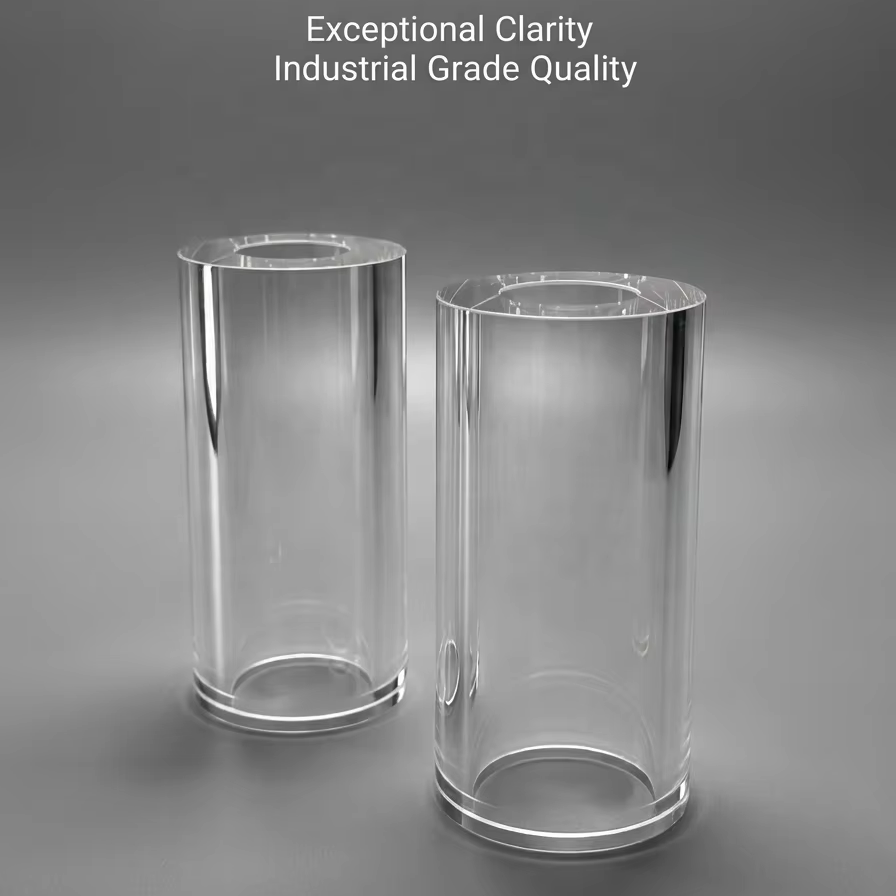
In high-pressure synthetic chemistry, photochemical processing, and petrochemical refining, chemical stability and mechanical integrity dictate operational uptime. Fused quartz (fused silica) serves as a benchmark material for demanding laboratory and industrial vessels. As a primary exporter supplying European technical markets, Zunex Quartz Products delivers reaction bodies manufactured from refined silica sourced in Donghai County, China.
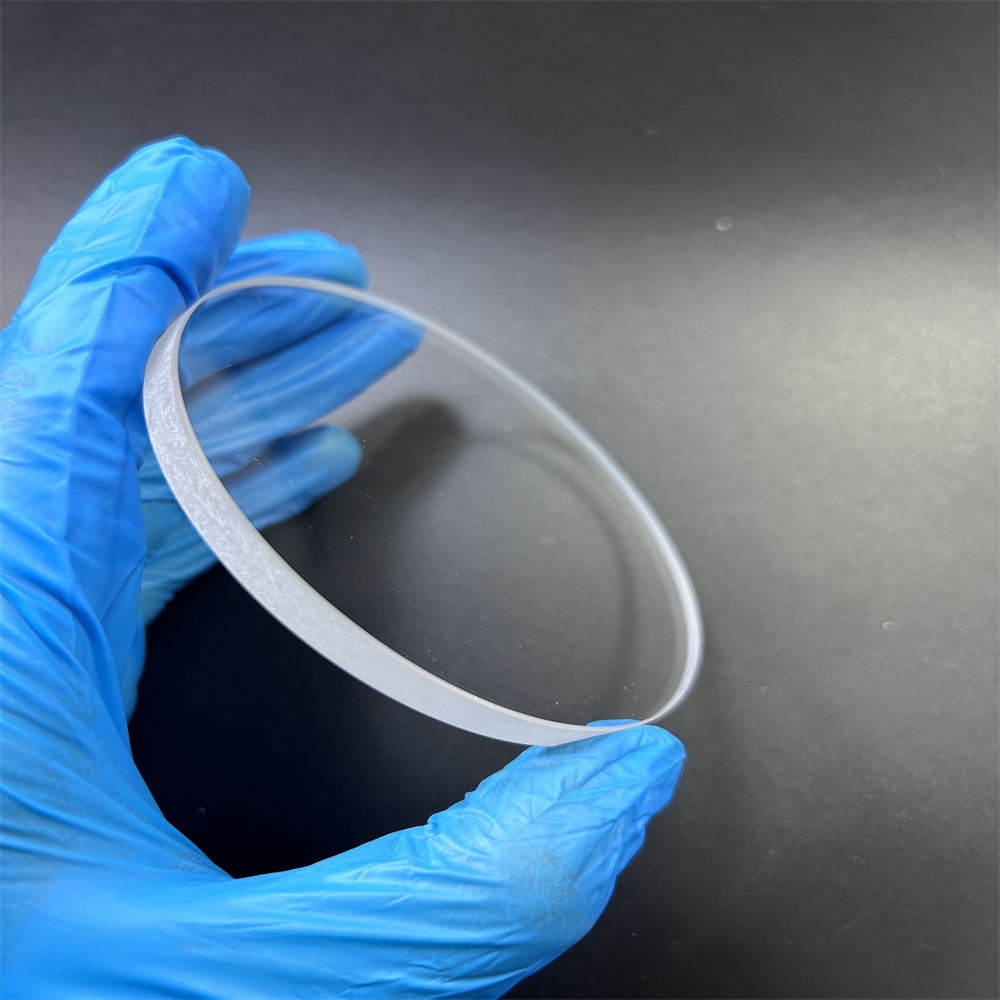
Compared to borosilicate glass, which degrades around 500°C and releases trace alkali ions under acidic conditions, fused quartz provides an exceptionally broad thermal envelope and high chemical inertness. It withstands continuous operation at 1100°C, handles brief excursions to 1300°C, and has a softening point near 1683°C. Its near-zero thermal expansion coefficient (5.5 × 10⁻⁷/°C) ensures thermal shock resistance, allowing red-hot quartzware to be quenched in cold water without structural degradation.
Optical & Spectral Transmission Foundations
Selecting the right material grade ensures process viability in photochemical reactions. Synthetic Fused Silica (JGS1) maintains high transmittance across deep ultraviolet wavelengths (185 nm – 2500 nm), facilitating photochemical cross-linking, advanced oxidation processes (AOP), and marine organic synthesis. JGS2 provides balanced optical performance for visible light experiments (220 nm – 2500 nm), while low-hydroxyl JGS3 extends performance into infrared zones (up to 3500 nm), supporting high-temperature catalytic pyrolysis and pyrometry observation.
| Physical / Material Metric | Synthetic Fused Silica (JGS1) | Optical Fused Quartz (JGS2) | Infrared Fused Quartz (JGS3) |
|---|---|---|---|
| Purity (SiO₂ Content) | ≥ 99.999% | ≥ 99.99% | ≥ 99.98% |
| Spectral Transmission Range | 185 nm – 2500 nm (Deep UV) | 220 nm – 2500 nm (Standard UV-Vis) | 260 nm – 3500 nm (Infrared Low-OH) |
| Hydroxyl [OHˉ] Concentration | ≤ 1200 ppm | ≤ 150 – 200 ppm | ≤ 5 – 10 ppm |
| Coefficient of Thermal Expansion | 5.4 × 10⁻⁷ / °C | 5.5 × 10⁻⁷ / °C | 5.5 × 10⁻⁷ / °C |
| Transformation / Anneal Temp | 1075 °C / 1180 °C | 1120 °C / 1215 °C | 1140 °C / 1225 °C |
Localized Industrial Applications in Bergen & Vestland County
Bergen operates as the core hub for Norway’s maritime economy, offshore energy exploration, and ocean research. Precision glass and quartz exporters must design products that align with the specific operational demands of Vestland County's laboratories, test beds, and pilot-scale processing lines:
Subsea & Offshore Hydrocarbon Processing
Offshore engineering testing on the Norwegian continental shelf requires quartz reaction chambers capable of withstanding acidic gas mixtures (H₂S, CO₂), high pressures, and high temperatures without micro-cracking or trace-element contamination.
Marine Bioprospecting & Cold-Water Aquaculture
Research facilities associated with the University of Bergen and the Institute of Marine Research rely on inert quartz autoclaves and UV digestion vessels for deep-water marine microbial studies, lipid cracking, and bioactive peptide extraction.
Green Hydrogen & CCUS Pilot Systems
Vestland's transition toward clean hydrogen fuel and maritime Carbon Capture, Utilization, and Storage (CCUS) demands custom quartz tube reactors for catalyst characterization, gasification kinetics, and chemical absorption testing.
Emerging Technology Trends in the Western Norway Region
Industrial developments across Bergen and neighboring industrial zones like Mongstad and Ågotnes are shifting component specifications for process engineering equipment. Three distinct trends influence quartz procurement:
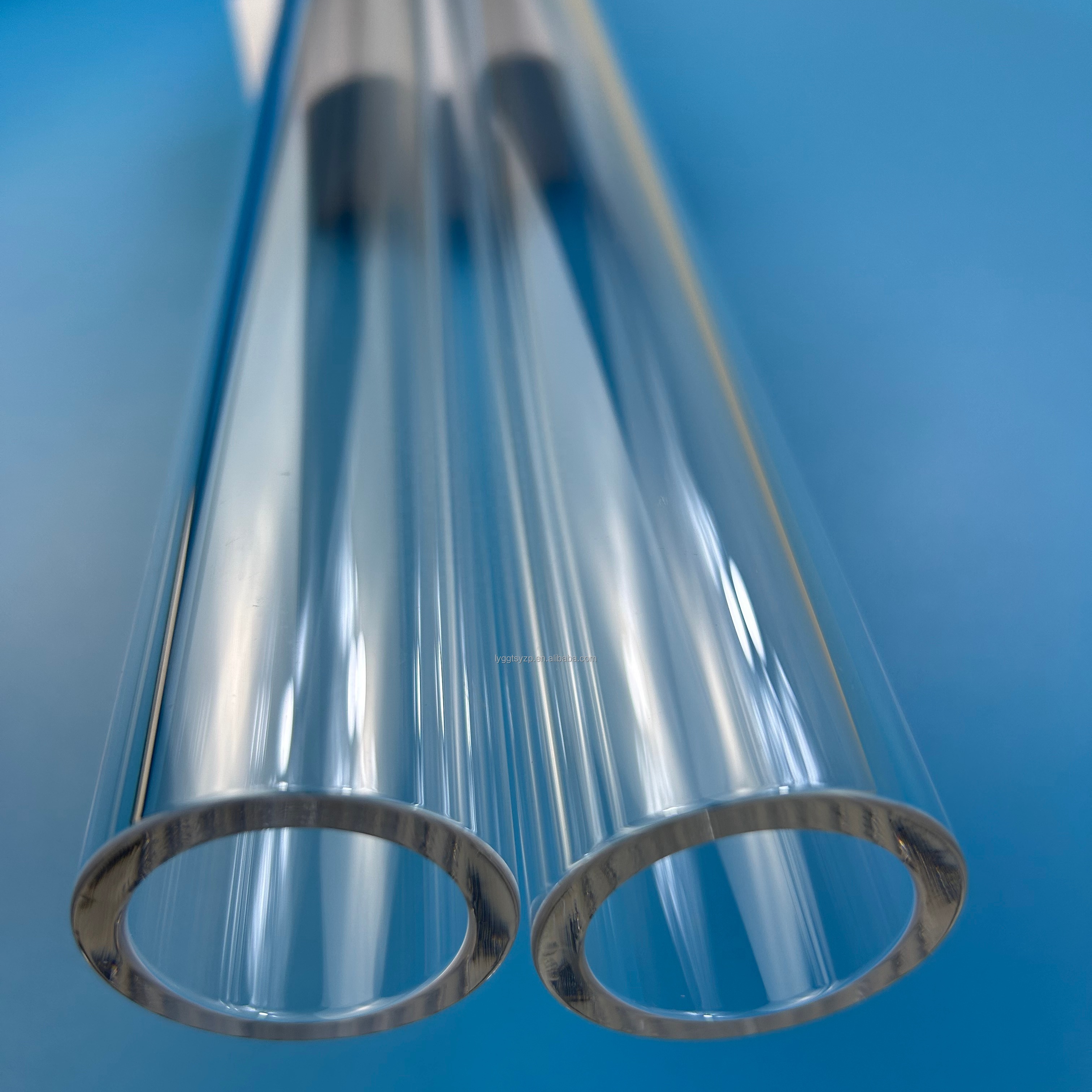
1. Electrification and Zero-Emission Process Heating: In alignment with Norway’s aggressive climate goals, traditional gas-fired cracking and drying setups are shifting to infrared electric heating. Transparent quartz twin-tubes and multi-bore quartz heaters support fast heat-up and direct thermal penetration into flowing reactants, matching the clean power profile of Norway's national grid.
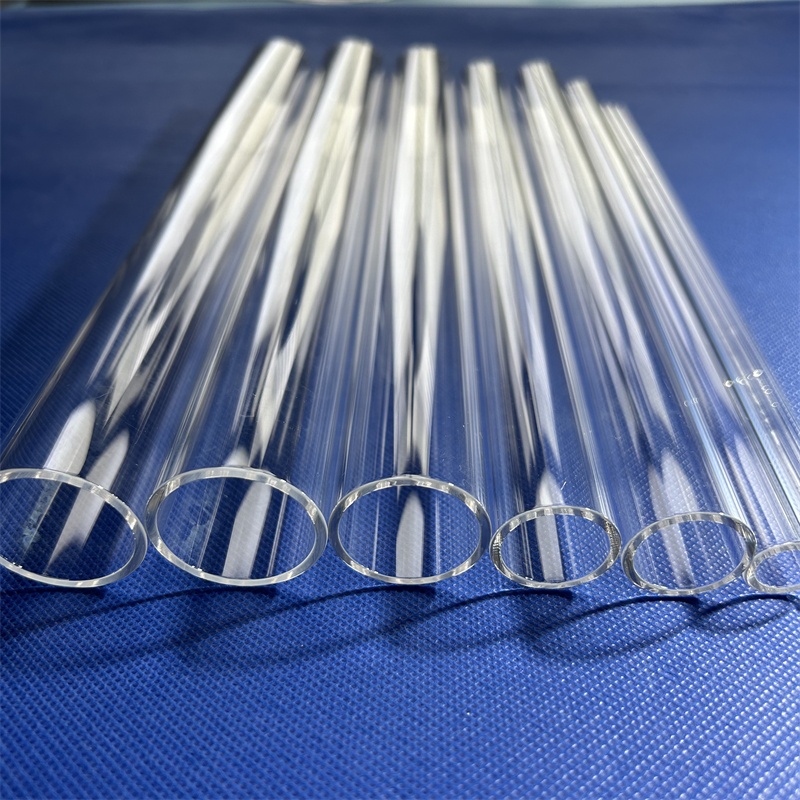
2. Microfluidic and High-Throughput Reaction Platforms: Researchers are increasingly replacing standard stirred autoclaves with continuous-flow micro-reactors. This requires tight manufacturing tolerances. By combining quartz laser cutting, micro-grooving, and laser drilling with traditional flame blowing, we produce micro-reaction channels without thermal stress cracking or internal chips.
3. Trace-Metal Limits in Ocean Chemistry Analysis: Testing trace elements in marine Arctic environments requires lab vessels with minimal background contamination. High-purity fused silica (total metallic impurity content < 20 ppm, with Fe ≤ 0.2 ppm) provides clean-blank baselines for ICP-MS and emission spectroscopy digestion vessels.
Manufacturing Execution: From Raw Ingot to Final Inspection
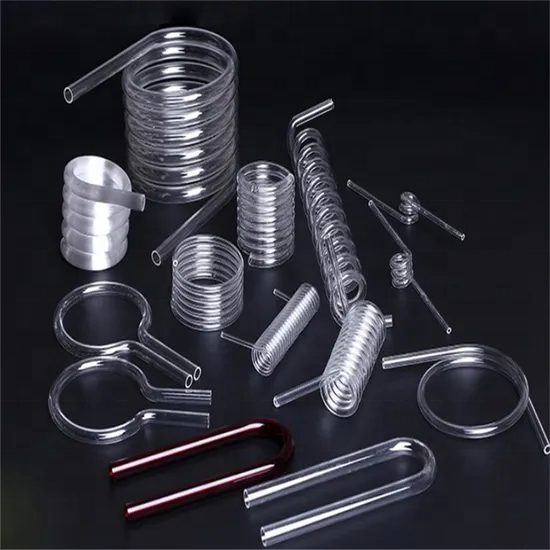
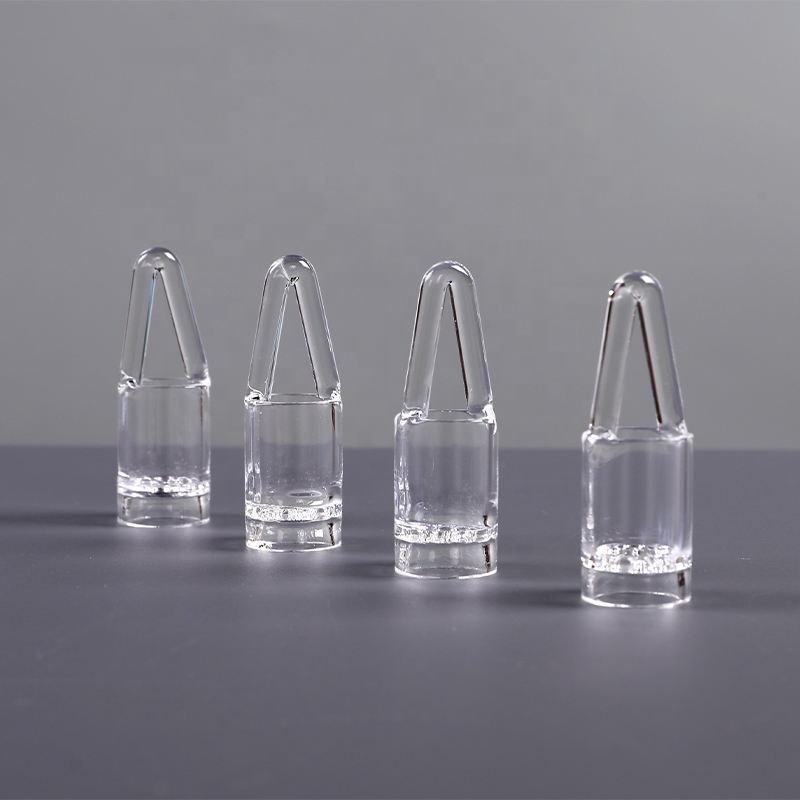
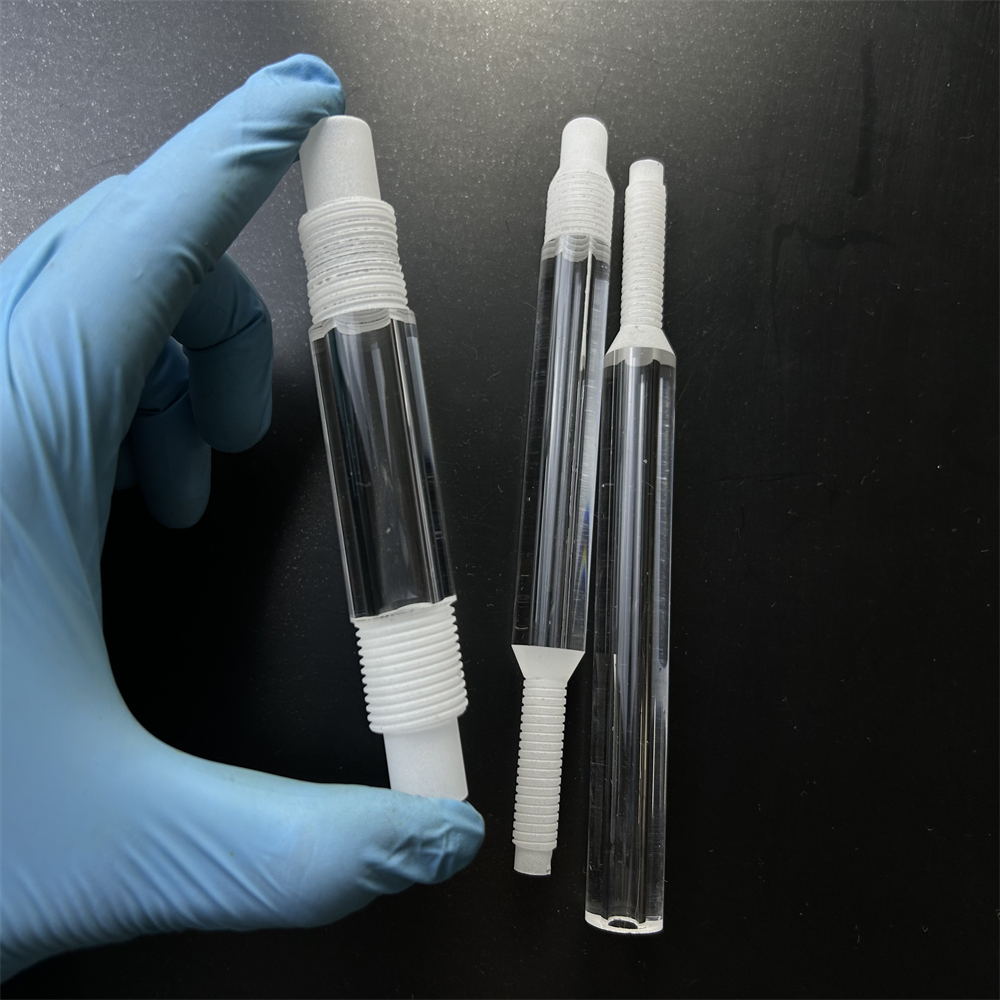
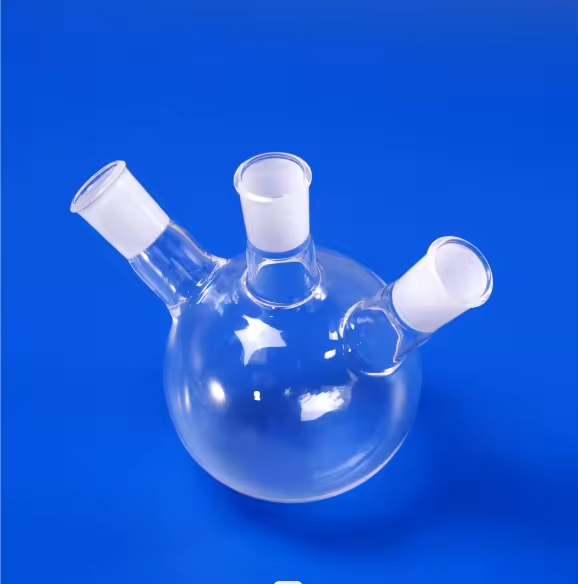
Every quartz reaction vessel undergoes stress-relief annealing at 1150°C – 1215°C followed by controlled cooling to prevent residual wall strain. Custom configurations—such as ground joints, flat ground flanges, thread adapters, GL caps, and thermowells—are joined with precision hydrogen-oxygen flames, ground on CNC lathes, and checked using polariscope strain meters to ensure structural reliability.
Why Norwegian Industry Relies on Zunex Quartz
Exporting fragile scientific quartzware across global routes to Northern Europe requires engineering depth, robust packing, and responsive communication. Zunex Quartz Products Co., Ltd. serves international research institutes and process plant procurement teams through direct factory capabilities:
Fast Technical Review (≤ 2 Hours)
Every RFQ sent with STEP, DWG, or PDF drawings is reviewed by quartz fabrication engineers within two hours. We verify wall thickness, pressure ratings, and thermal parameters prior to quote generation.
Laser Finishing & Micro-Machining
Our workshop pairs conventional flame blowing with industrial quartz laser drills and cutting benches, allowing us to machine precision bypass slots, sensor ports, and wafer carriers without micro-cracking.
Shock-Proof Export Logistics
We pack finished quartz assemblies using multi-layer molded EPE foam and treated wooden export cases. Products ship with end-to-end air express or consolidated sea freight directly to Bergen port or Flesland (BGO).