Precision Silica Engineering for the Greater Tokyo Technology Metropole
The Greater Tokyo industrial ecosystem—stretching across the Ota precision machining clusters, the Kawasaki industrial node, and the Kanagawa-Chiba high-temperature research belts—imposes the world’s most stringent operational metrics on synthetic vitreous quartz components. As semiconductor nodes advance through sub-3nm architectures and power-electronics manufacturing transitions to 200mm Silicon Carbide (SiC) and Gallium Nitride (GaN) substrates, raw material tolerances for hydroxyl ion (OH-) content, bubble classification (DIN 58927 standards), trace alkali-metal thresholds (ppb scale), and thermal strain points become fundamental determiners of operational yields.
Zunex Quartz Products Co., Ltd. bridges the critical supply corridor between Donghai’s crystalline mineral synthesis resources and the stringent procedural parameters demanded by Tokyo’s corporate procurement offices, R&D laboratories in Tsukuba, and automated wafer fabs throughout Kanto. Integrating proprietary hot-work vacuum flame drawing, sub-micron CNC profile machining, laser grooving, and deep optical fire-polishing, our engineering facilities deliver ultra-pure fused quartz rods, ingots, reaction vessels, and specialty assemblies designed to mitigate devitrification risk under prolonged >1100°C operational exposure.
High-Performance Quartz Solutions for Tokyo Fabs & Labs
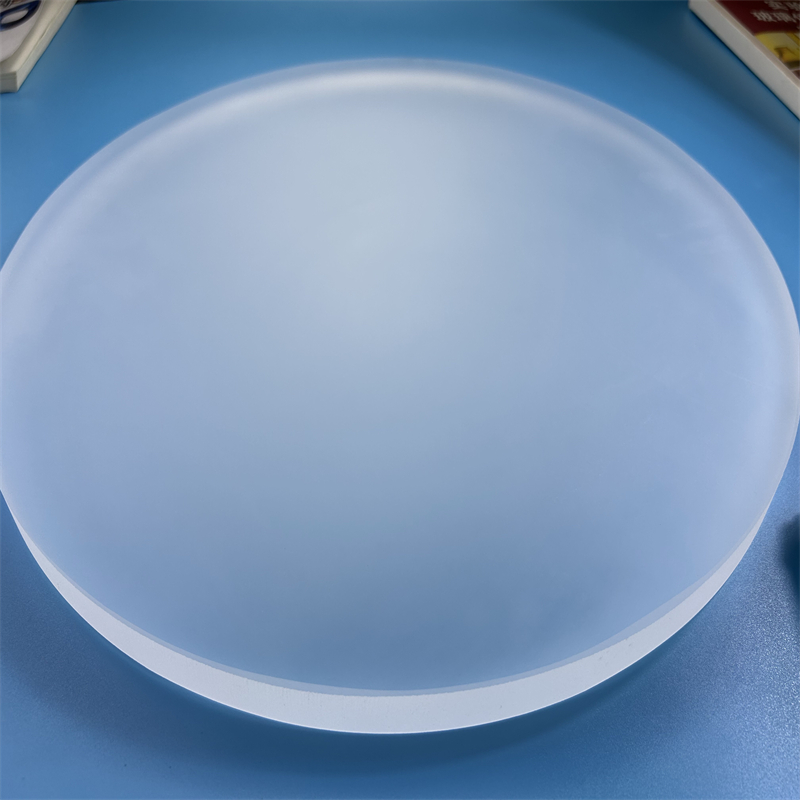
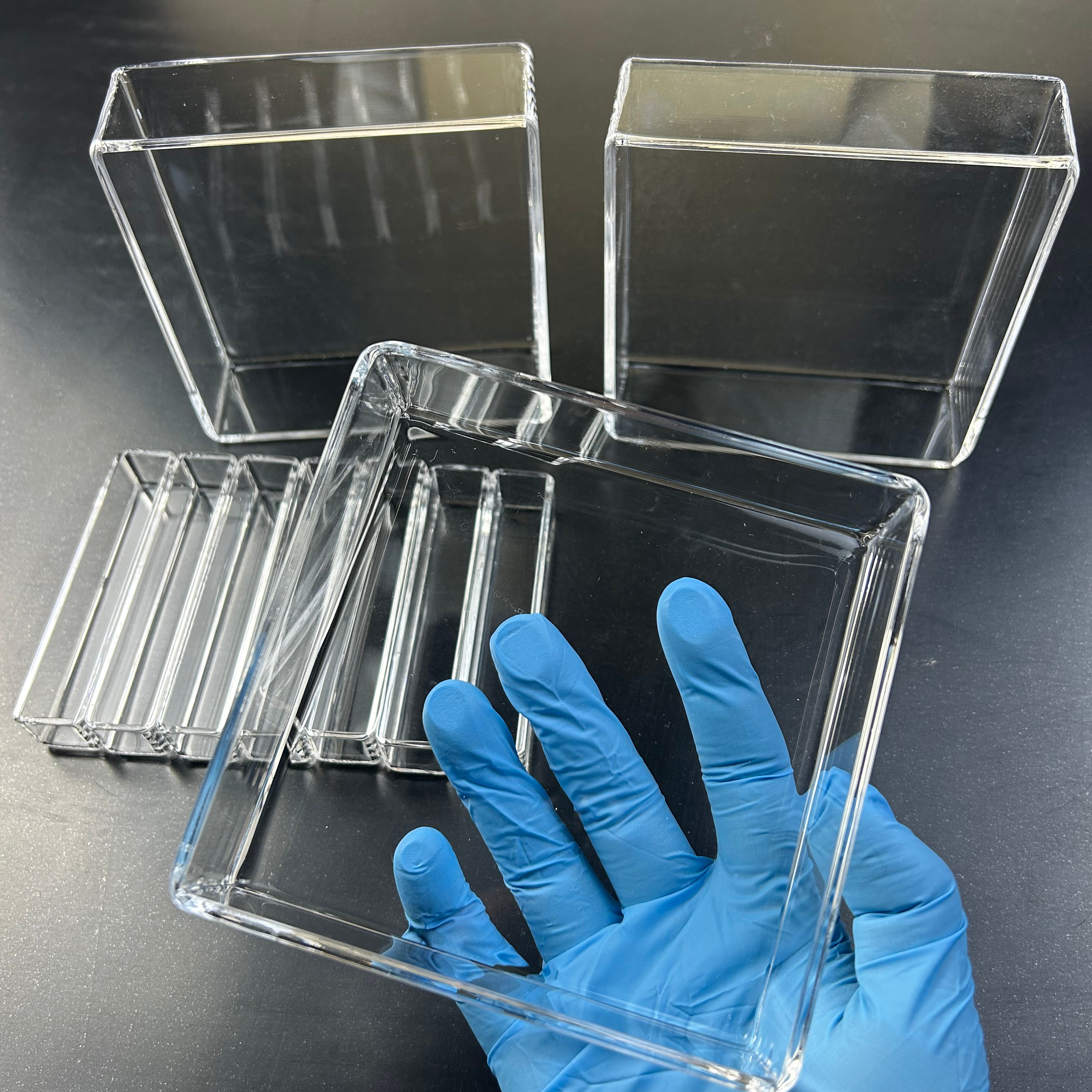
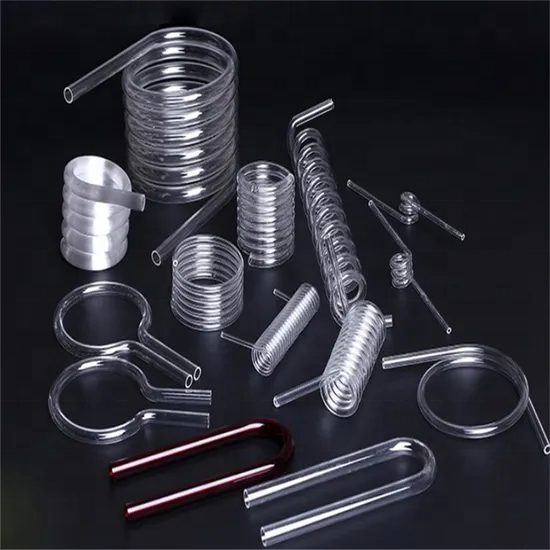
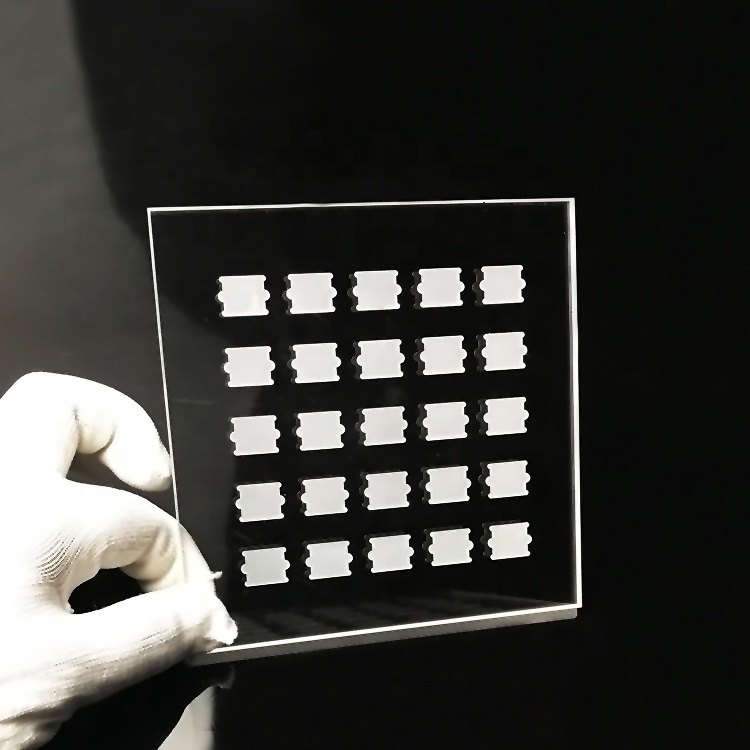
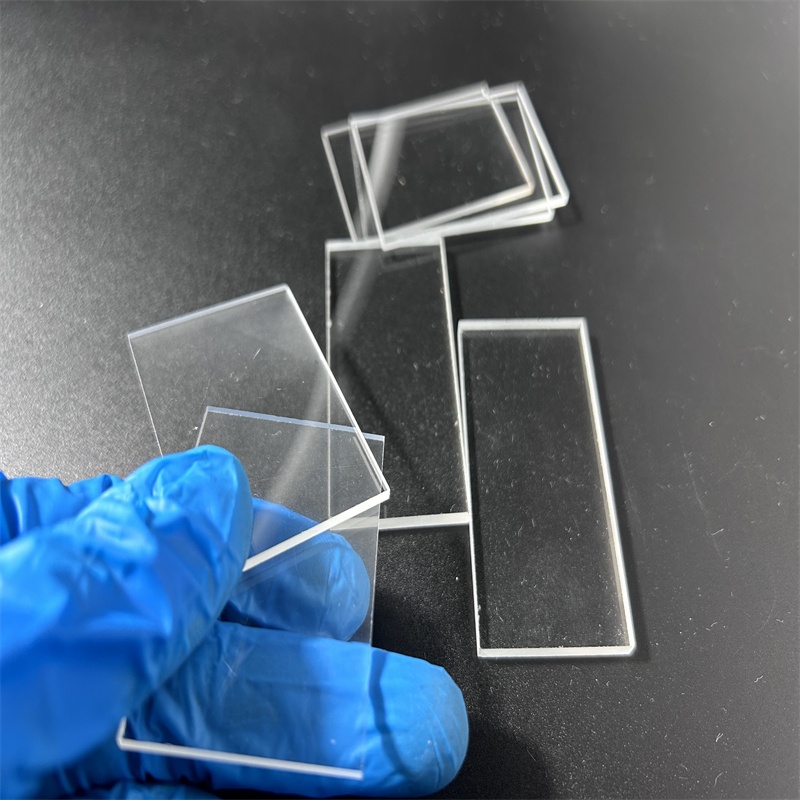
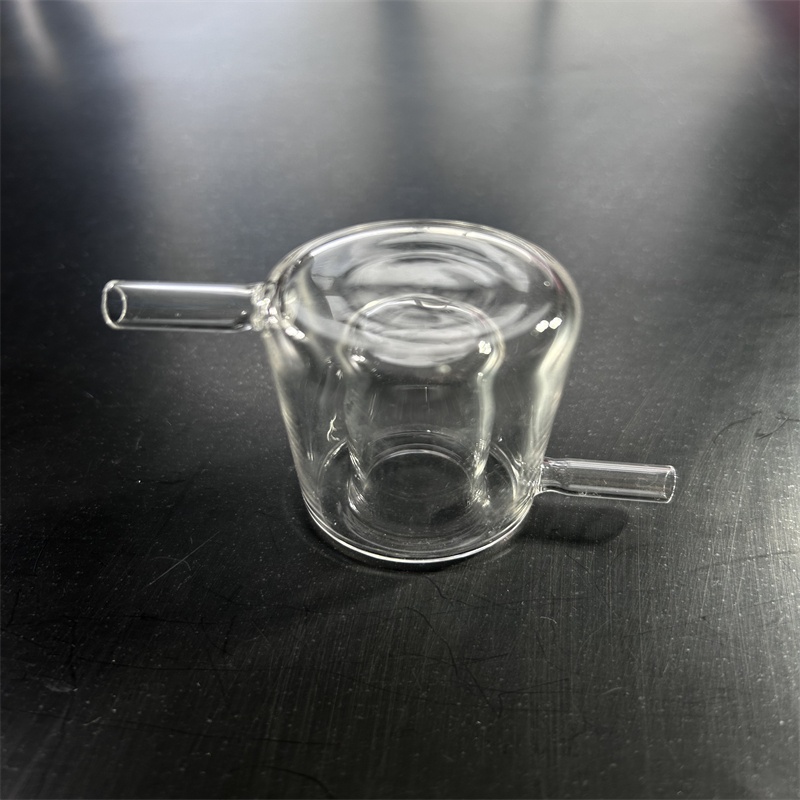
Procure fully certified optical plates, circular cylinders, reactor tubes, and custom-formed quartzware engineered to rigorous CAD/STEP schematics.

High-Purity Quartz Rod Applications across Tokyo Hubs
Meeting the specialized engineering standards of semiconductor manufacturing, fiber optics, and advanced instrumentation throughout Japan’s leading industrial prefecture.
Diffusion Furnace Paddles & Substrate Push Rods
Within the microchip packaging and wafer processing corridors of Kanagawa and northern Kanto, fused quartz rods serve as mechanical pushers, cantilever paddles, and substrate carriers inside oxidation and diffusion furnaces operating consistently above 1150°C. Their minimal thermal expansion (5.5 × 10⁻⁷ /°C) guarantees precise linear alignment without mechanical jamming or warp-induced wafer dislocation.
Fiber Optic Preforms & High-Transmittance Light Guides
Synthesized with minimal striae and class-leading optical bubble classes, Zunex precision-drawn quartz rods serve Tokyo photonics research teams as light guides in ultraviolet (UV) curing, spectrometry channels, and fiber redraw perform pre-stages. Exceptional transmission extending through deep UV (185nm) to near-infrared spectra prevents chromatic absorption and signal degradation.
Plasma Etch Chamber Structural Pins & Lift Assemblies
Tokyo electronics manufacturers utilizing reactive ion etching (RIE) systems require inert structural components that withstand halogen gas plasmas (CF₄, CHF₃, Cl₂). Solid fused quartz rods fabricated with ultra-low trace sodium (<0.5 ppm) and copper (<0.05 ppm) prevent catastrophic cross-wafer contamination while providing the electrical resistivity required for dielectric isolation.
Emerging Trends Shaping Tokyo’s Quartz Material Procurement
Analysis of strategic macroeconomic shifts, fab upgrades, and regional engineering standards across Japan’s primary technology centers.
Surging Demand from Wide-Bandgap (SiC/GaN) Power Electronics
Tokyo automotive tier-1 suppliers and power module innovators are heavily scaling compound semiconductor facilities. Because Silicon Carbide epitaxy and annealing cycles require sustained thermal cycles exceeding 1250°C, traditional vitreous quartz faces rapid devitrification unless manufactured from synthetic fused silica characterized by hydroxyl (OH) counts strictly managed below 5-30 ppm.
Adoption of Ultra-Tight Tolerance CNC & Laser-Processed Rods
Legacy manual flame-polished quartz rods no longer meet the dimensional automation requirements of robotic wafer-handling clusters in Tokyo. Procurement specifications have rapidly transitioned toward strict outer diameter (OD) tolerances of ±0.02 mm, surface roughness metrics of Ra <0.2 µm, and centerless mechanical ground finishes with clean-cut chamfered edges to eliminate particulate generation.
Near-Shore Resilient Sourcing & Direct-to-Factory Engineering
Japanese supply chain leaders in Kanto are diversifying risk away from traditional domestic conglomerates whose lead times frequently exceed 16–24 weeks. By collaborating directly with verified Chinese high-purity manufacturers who guarantee direct engineering reviews within two hours and air-express freight options to Haneda and Narita, Tokyo purchasing divisions achieve dramatic capital cycle velocity.
Vitreous Silica Grade Matrix for Precision Japanese Applications
| Material Property / Grade Standard | JGS1 (Synthetic Fused Silica) | JGS2 (High-Purity Fused Quartz) | JGS3 (Low-OH Infrared Quartz) |
|---|---|---|---|
| Primary Spectral Bandwidth | 185 nm – 2500 nm (Deep UV/Vis) | 220 nm – 2500 nm (UV/Visible) | 260 nm – 3500 nm (Extended IR) |
| Hydroxyl (OH⁻) Ion Content | < 1200 ppm (Hydrated Synthesis) | < 150 – 200 ppm (Standard) | < 5 ppm (Electrically Fused Vacuum) |
| Transformation & Softening Point | 1075°C / 1730°C | 1120°C / 1683°C | 1150°C / 1710°C |
| Coefficient of Thermal Expansion | 5.5 × 10⁻⁷ /°C (20°C–320°C) | 5.4 × 10⁻⁷ /°C | 5.5 × 10⁻⁷ /°C |
| Typical Tokyo Engineering Application | Excimer Photolithography, Laser Guides | Diffusion Rods, CVD Windows, Sight Glass | Epitaxy Heating, IR Pyrometry, Sensors |
Why Tokyo Engineering Buyers Partner with Zunex
Combining Donghai’s world-renowned raw quartz reserve advantage with world-class cleanroom laser fabrication and rapid-response export protocols.
Geographic Crystal Reserve Advantage
Situated in Donghai County, Jiangsu—the internationally recognized crystal and quartz capital of China—our direct factory operations benefit from integrated access to premium raw silica ore, enabling stringent control over ppm-level contamination before the first heat treatment begins.
Advanced Laser Micro-Finishing
Beyond traditional grinding, our factory specializes in proprietary laser drilling, slotting, and contour cutting. This non-contact optical process prevents subsurface micro-cracks and shear micro-fissures, dramatically increasing component lifespan in extreme pressure or vacuum thermal environments.
Verified Trade Reliability & Rapid Response
Verified as an established direct manufacturer on Alibaba.com with annual revenues between US$2.5M and US$5.0M. Backed by a proven 100% response rate, guaranteed technical reviews within ≤ 2 hours, and a 43% repeat-order record from professional B2B clients worldwide.
Frequently Asked Questions by Japanese Engineers & Buyers
Addressing documentation, customs, JIS compliance, and custom dimensional execution for Tokyo-based corporate accounts.
How does Zunex ensure compliance with Japanese JIS quartz standards and cleanroom specs?
Can you manufacture custom quartz rods and structural carriers directly from our CAD or STEP files?
What is the typical shipping lead time and customs procedure from your Donghai factory to Tokyo?
How do you guarantee that fragile quartz rods survive cross-border transport without micro-fissures?
What are your minimum order quantities (MOQ) for custom prototypes destined for Japanese university and R&D labs?
Accelerate Your Tokyo Quartz Project Today
Submit your CAD schematics, dimensional tolerances, and operational thermal thresholds. Our direct engineering desk will assess material grades (JGS1, JGS2, JGS3) and provide a technical quotation within two hours.