Engineered Quartz Products & Custom Thermal Processing
From optical inspection sample plates to high-vacuum twin furnace tubes, explore our precision-fabricated fused silica solutions tailored to exact technical drawings and rigorous industrial standards.
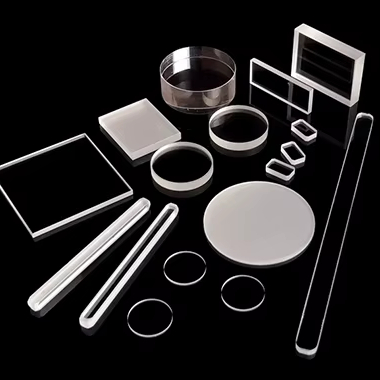
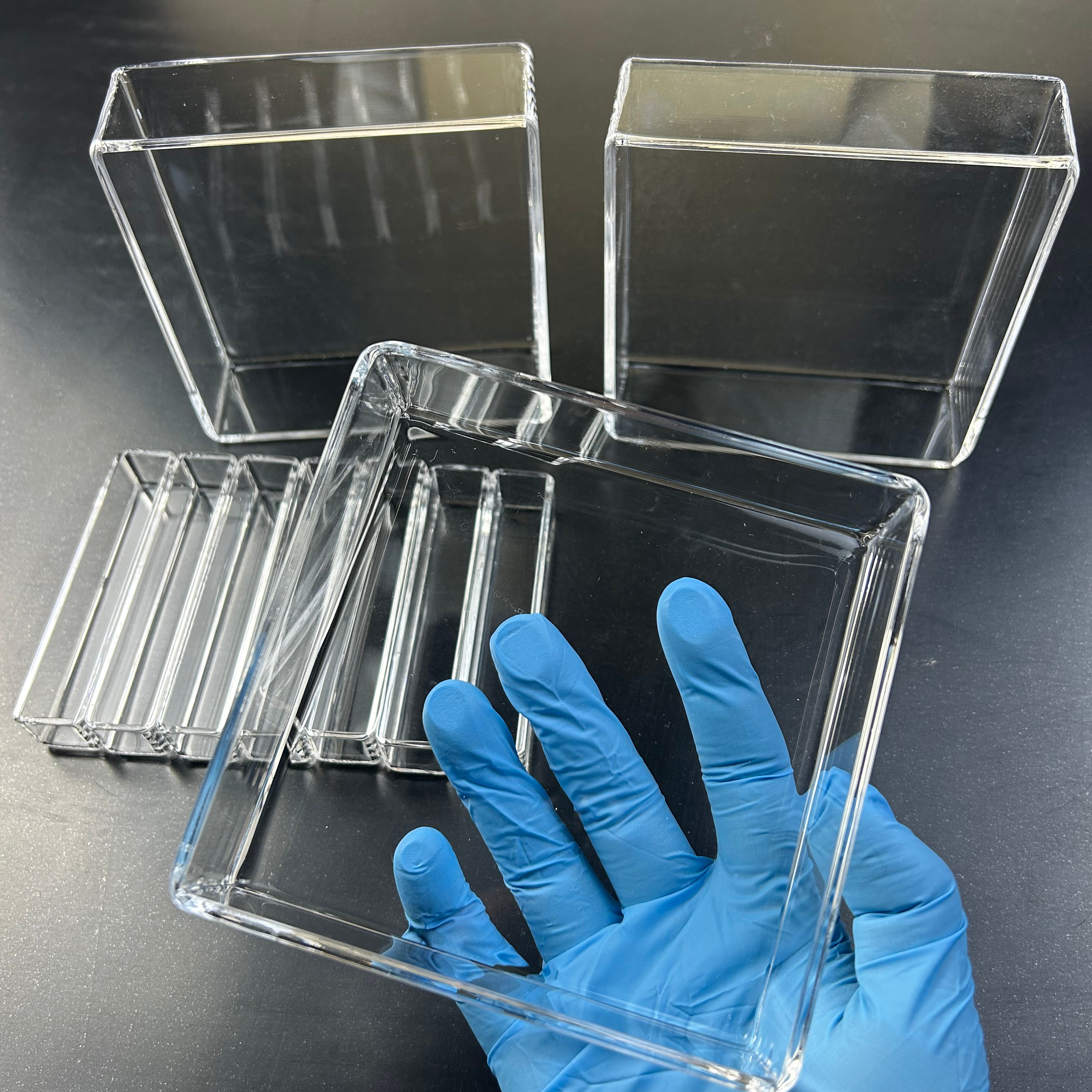
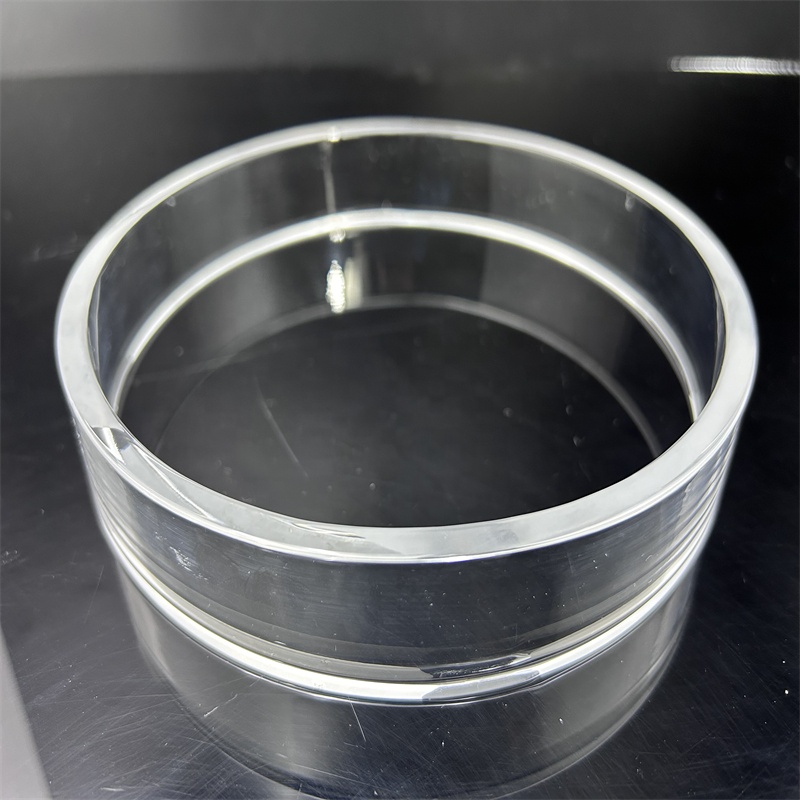

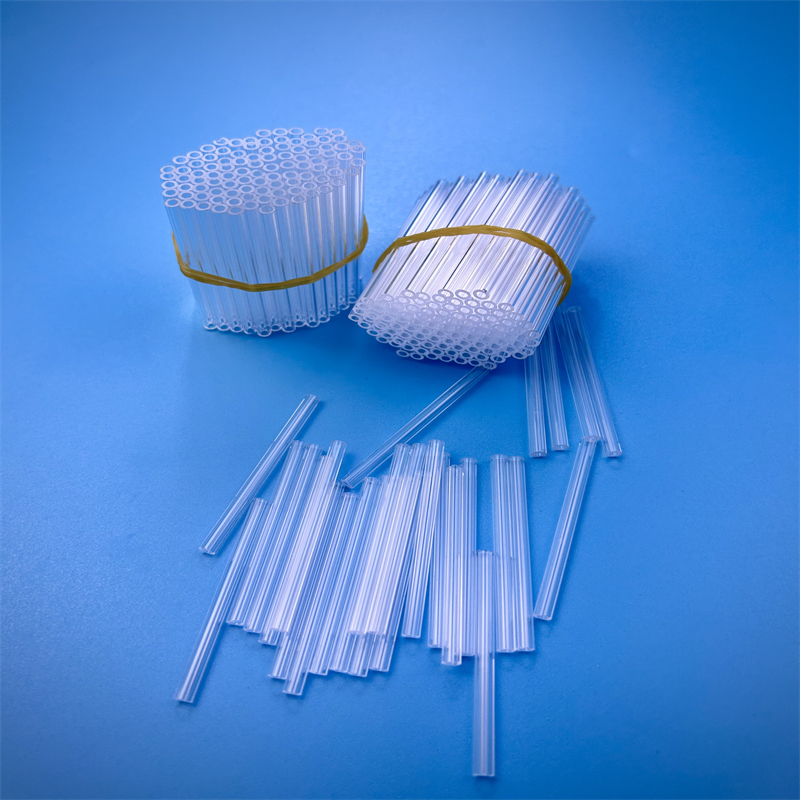
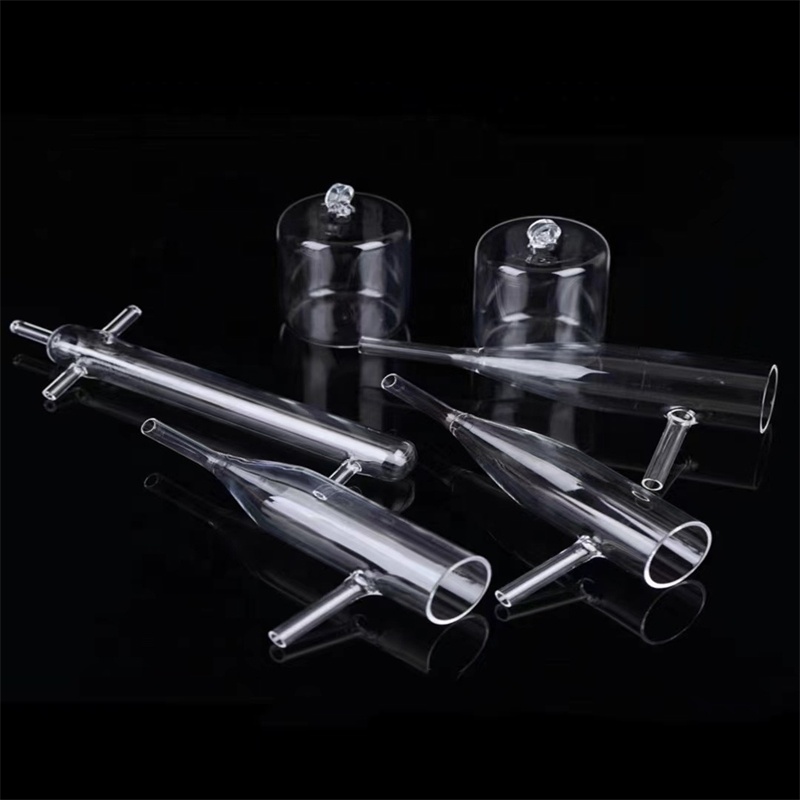
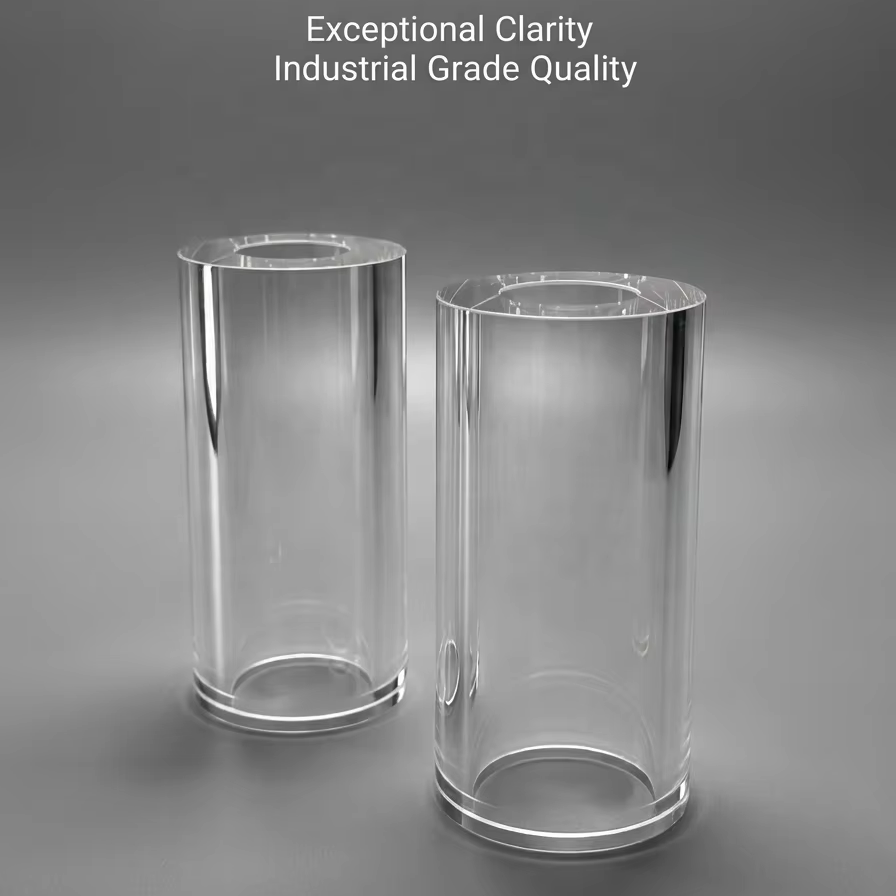
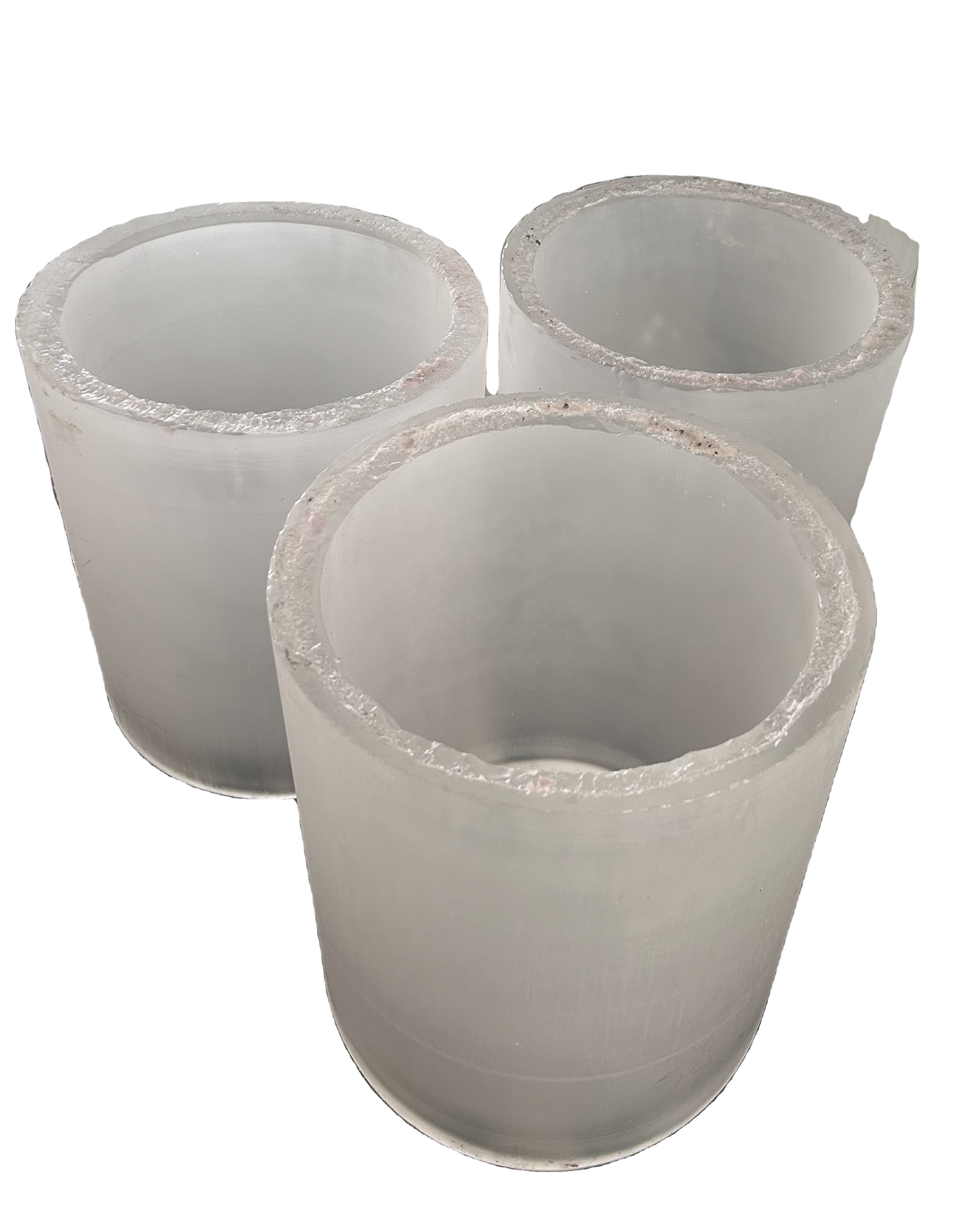
1. Technical Excellence: Fused Quartz Stirring Rods in Precision Agitation
When engineering chemical agitation and thermal mixing workflows, selecting the correct material substrate dictates the longevity of the tool and the purity of the end chemical matrix. In standard industrial labs, borosilicate 3.3 stirring rods have long served general dissolution purposes. However, high-temperature metallurgy, synthetic organic extraction, wet-chemical acid leaching, and photovoltaic silicon etching necessitate a transition to ultra-pure fused quartz stirring rods (≥99.99% SiO₂).
Manufactured by melting natural crystal sands of superior purity in vacuum or hydrogen furnaces at over 2000°C, quartz stirring rods exhibit an extraordinarily low coefficient of thermal expansion (5.5 × 10⁻⁷/°C). This structural stability enables operators to plunge a red-hot quartz stirring rod directly into ice-cold aqua regia without micro-fracturing or flaking. For facilities located in Central Java, particularly across Semarang's diverse manufacturing estates, quartz agitation tools eliminate catastrophic batch contamination caused by ion leaching from low-grade borosilicates.
Corrosion Immunity
Completely inert against high-concentration HCl, HNO₃, and H₂SO₄ at boiling temperatures, as well as aggressive organic solvents, ensuring trace elements remain under ≤1-5 ppm.
Thermal Shock Defense
Rated for continuous thermal operation at 1100°C and short-peak thermal spikes up to 1300°C. Fire-polished rounded tips eliminate vessel scratching and edge shearing.
Custom Mechanical Finishing
Available in solid cylindrical geometries, paddle-bladed ends, triangular spatulas, or hollow stirring shafts with internal thermocouple wells calibrated to user drawings.
2. Comparative Metallurgy & Material Benchmark
To assist laboratory procurement managers and plant engineers in evaluating procurement requirements, the following technical dataset delineates the structural and chemical tolerances of fused quartz rods against conventional industrial alternatives:
| Physical / Chemical Property | High-Purity Fused Quartz (Zunex) | Borosilicate Glass 3.3 | PTFE (Polytetrafluoroethylene) |
|---|---|---|---|
| Purity Composition | ≥ 99.99% SiO₂ (Trace metals < 20 ppm) | ~81% SiO₂, 13% B₂O₃, 4% Na₂O | Fluorocarbon Polymer (-CF₂-CF₂-)n |
| Max Working Temperature | 1100°C continuous / 1300°C intermittent | 450°C continuous / 500°C intermittent | 260°C continuous |
| Thermal Expansion (CTE) | 5.5 × 10⁻⁷ / °C (Exceptional Shock Resistance) | 33 × 10⁻⁷ / °C (Moderate Shock Resistance) | 100-150 × 10⁻⁷ / °C |
| Acid Resistance | Immune to all mineral acids (except HF & hot H₃PO₄) | Susceptible to hot alkaline attacks & leaching | Broad resistance, susceptible to fluorine gas |
| Bending & Mechanical Rigidity | High flexural modulus; zero flex at high heat | Deforms softening near 560°C | High flexibility, creeps under mechanical load |
| Optical Clarity / Transmission | Deep UV through near IR (185 - 2500 nm) | Cuts off at ~310 nm (No UV-C clarity) | Opaque white |
3. Localization: Applications Across the Semarang and Central Java Industrial Landscape
Semarang, strategically poised with the Tanjung Emas seaport and anchored by modern master-planned developments such as the Kawasan Industri Wijayakusuma (KIW), Kawasan Industri Terboyo, Candi Industrial Estate, and the adjacent Kendal Industrial Park (KIK), is undergoing a pivotal industrial evolution. Once dominated by light garment manufacturing and food processing, Central Java is attracting heavy chemical processing, synthetic resins, specialized textile dyeing, API pharmaceuticals, battery components, and clean energy enterprises.
Within this transforming industrial ecosystem, standard off-the-shelf labware frequently fails under strict quality assurance regimes. The local demand for fused quartz stirring rods, reaction tubes, and heating crucibles is driven by several high-growth verticals:
Pharmaceutical & Oleochemical Synthesis
Processing active pharmaceutical ingredients and palm oil fractions requires inert quartz stirrers that eliminate sodium and boron contamination during hot acid catalyzation.
Specialty Chemical & Industrial Coatings
Synthetic resins and automotive finishing plants along the Semarang-Demak corridor deploy quartz paddles to homogenize high-viscosity corrosive monomers under heating cycles.
Textile Wet Processing & Analytical Testing
Modernized textile labs in Kendal and Ungaran rely on clear quartz stirring rods to test caustic wash formulations and dye bath reactions without chromatic aberration.
Photovoltaic & Battery Materials Research
As Central Java scales renewable energy manufacturing, acid leaching of battery black mass and polysilicon synthesis require zero-metal impurity mixing instruments.
University & Public Testing Laboratories
Research hubs like Universitas Diponegoro (UNDIP) and regional calibration labs utilize certified JGS1 and JGS2 optical quartz rods for spectroscopic fluid monitoring.
High-Temperature Foundry & Glass Testing
Foundry casting plants in Semarang utilize heavy-gauge quartz rods for sampling and dross-skimming of non-ferrous molten aluminum and zinc alloys without thermal failure.
4. Strategic Trends in the Semarang Market (2025–2030)
The manufacturing landscape around Semarang is influenced by three primary economic catalysts: the implementation of Industry 4.0 standards across Indonesian manufacturing, supply chain localization initiatives under TKDN (Tingkat Komponen Dalam Negeri), and infrastructure integration linking Tanjung Emas to the Trans-Java tollway.
First, local testing facilities are migrating from subjective batch testing to automated analytical workflows. In automated digestors and robotic titration stations, mechanical tolerances on quartz rods (straightness ≤0.1 mm/100 mm, tight outer diameter constraints) are critical to avoid robotic arm jamming. Second, international export certifications (ISO/IEC 17025 conformity) demanded of Semarang's food, pharmaceutical, and electronic component exporters mean raw material batch records and traceability certificates for lab quartzware are no longer optional. Finally, near-port warehousing and expedited air-courier customs channels between China's raw quartz manufacturing center in Donghai and Semarang allow industrial procurement heads to bypass protracted tier-3 reseller markups, cutting acquisition cycles from months to under 10 business days.
5. Enterprise Advantages: Why Zunex Quartz is the Trusted Partner for Indonesian Importers
Originating from Donghai County, Jiangsu—globally acknowledged as the crystalline capital for quartz processing—Zunex Quartz Products Co., Ltd. combines raw mineral supply advantages with advanced fabrication technologies. When purchasing for Semarang operations, working directly with our manufacturing facilities delivers key strategic advantages:
OEM to Detailed Drawing
Precision flame-working, CNC cold machining, centerless grinding, and laser cutting to micron-level CAD tolerances (PDF, DWG, STEP).
Two-Hour Fast Response
Every commercial or technical inquiry is reviewed by quartz application engineers within ≤ 2 hours with manufacturability feedback.
Zero-Breakage Export Packing
Custom shock-absorbent multi-layer EVA foam molds, vacuum shrink-wrapping, and fumigated reinforced wooden crates for maritime or air transit.
Verified Trade Integrity
100% verified response metrics, 43% buyer repeat order rate, and complete material conformity inspection reports accompanying every production lot.