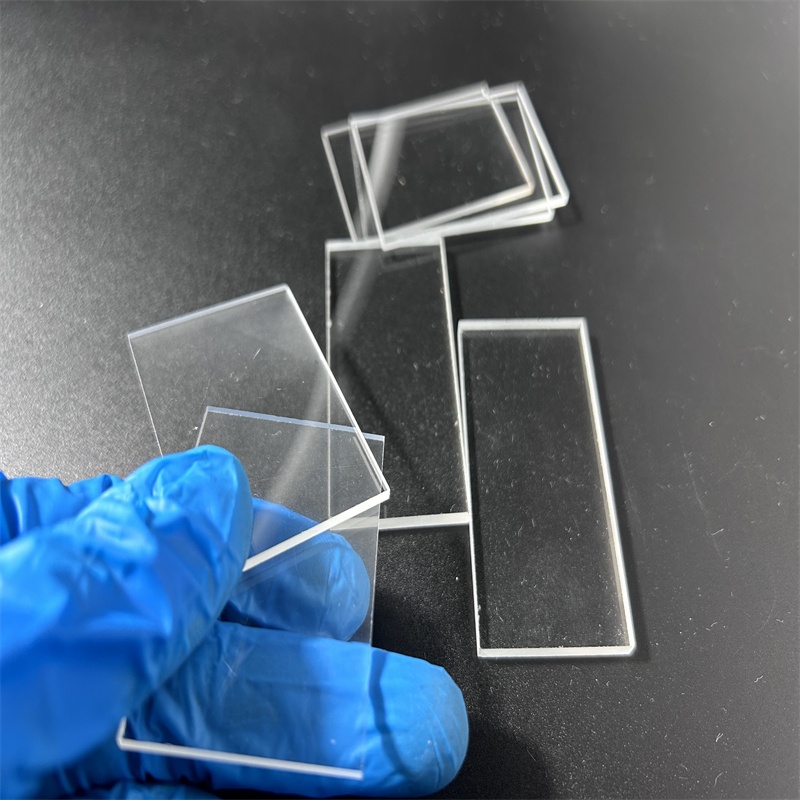
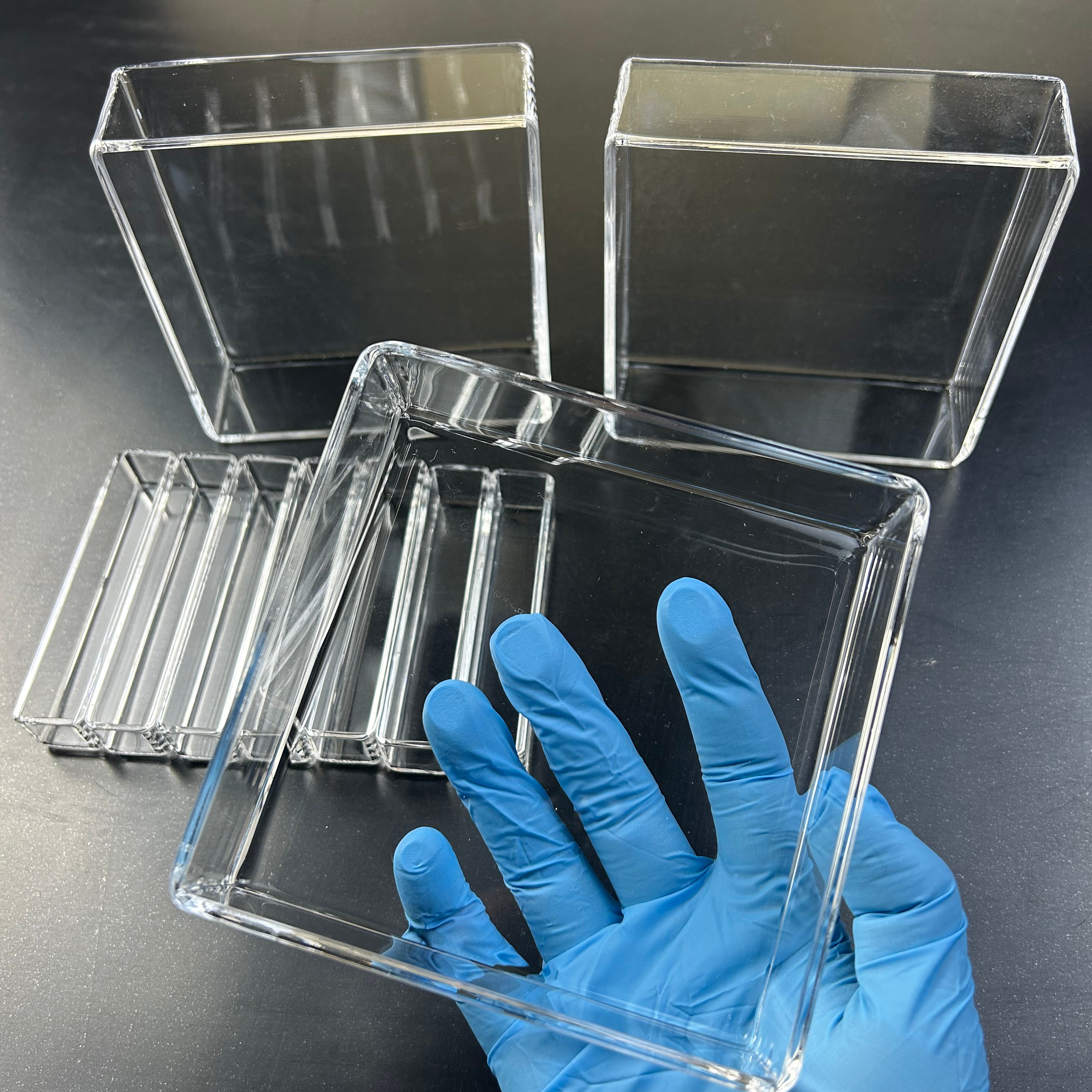
High-Purity Fused Quartz Sleeves & Precision Optics
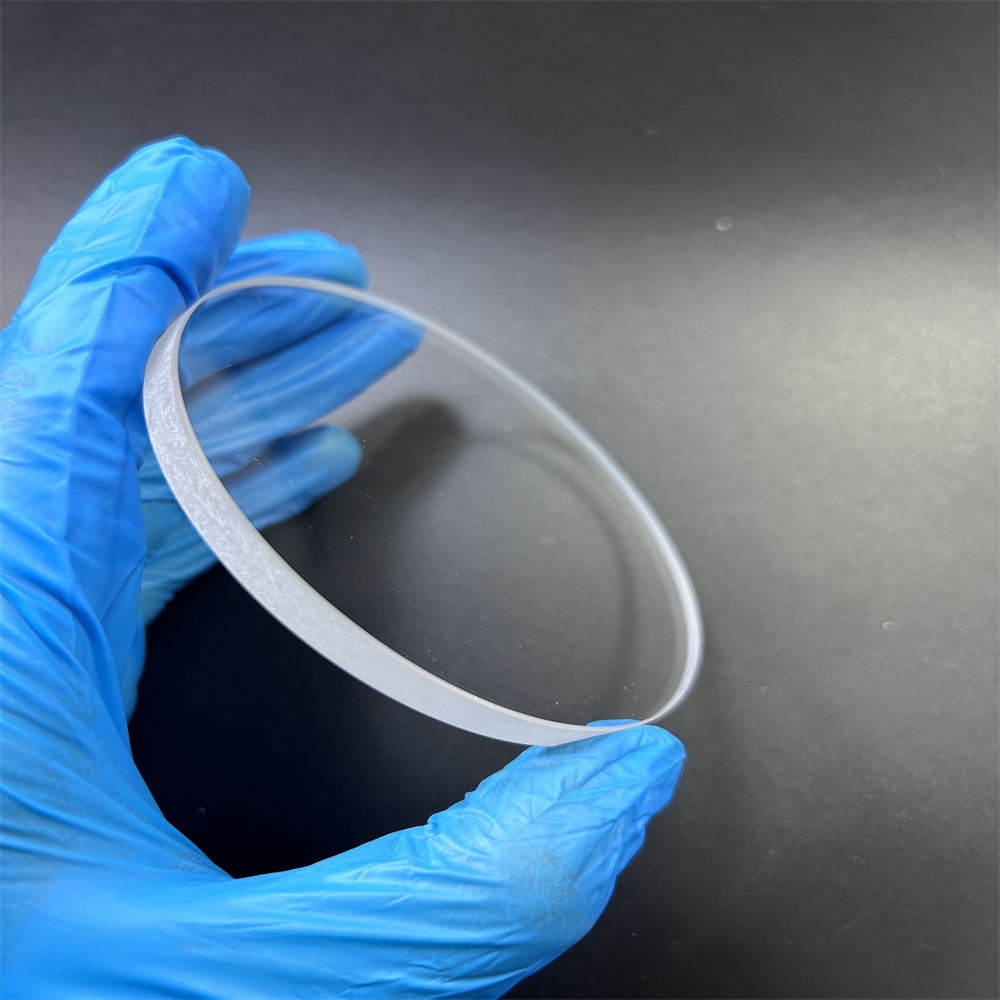
Manufactured from ultra-pure SiO₂ (≥ 99.99%) in Donghai, China, engineered for the highest UV-C germicidal transmittance (254 nm), high thermal tolerance (> 1100°C), and resistance to harsh Mediterranean waters.
Procurement Context: The Capital City of Nicosia, Cyprus
Navigating the interplay of Mediterranean water scarcity, municipal tertiary effluent standards, and high-temperature solar research in Cyprus.
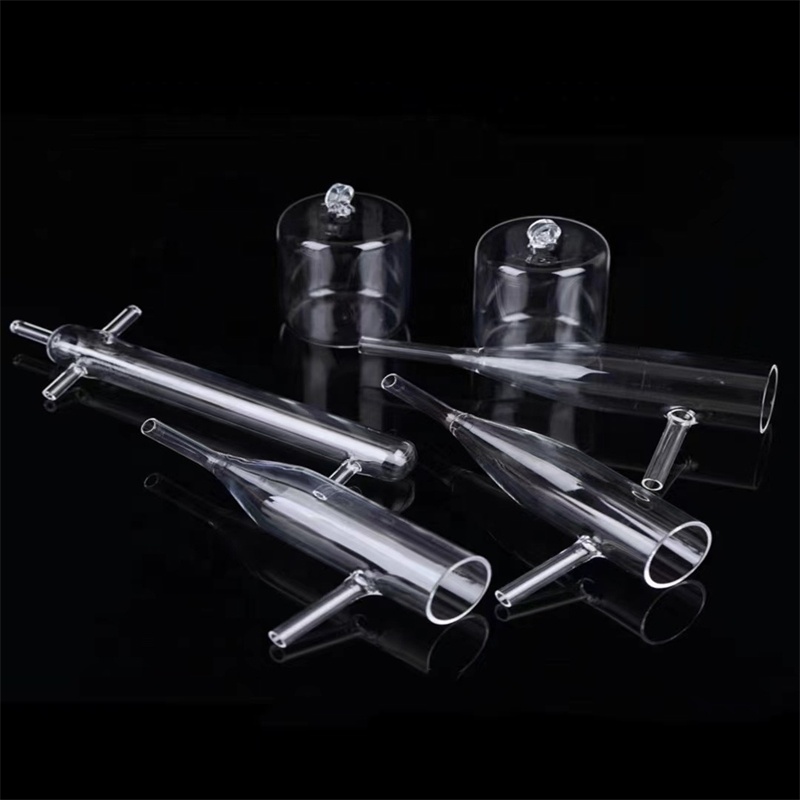
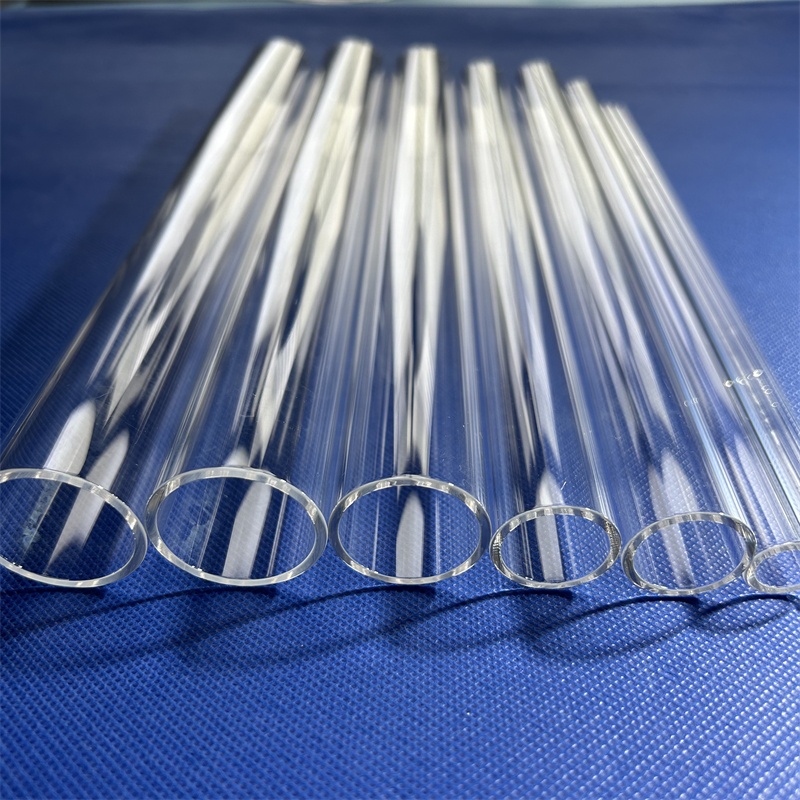
The municipality of Nicosia (Lefkosia), situated in the Mesaoria plain of Cyprus, faces a distinctive combination of acute hydrological stress, stringent environmental regulations enforced by the European Union, and rapidly expanding academic-industrial research initiatives. Because Cyprus relies heavily on seawater reverse osmosis (SWRO) and recycled reclaimed water for municipal irrigation and agricultural recharge, ultraviolet (UV) disinfection systems represent a cornerstone of the island's water infrastructure. Within these systems, the quartz glass sleeve (thimble or open-ended envelope) functions as the vital optical and mechanical barrier that isolates low-pressure high-output (LPHO) or medium-pressure (MP) UV amalgam lamps from corrosive aqueous flows.
Beyond municipal wastewater treatment plants like the Greater Nicosia (Vathia Gonia and Mia Milia) wastewater operations overseen by the Water Development Department (WDD), Nicosia's industrial ecosystem encompasses pharmaceutical manufacturing (e.g., active formulation sites in Strovolos and Latsia industrial zones), concentrated solar thermal energy research at The Cyprus Institute (CyI), and advanced materials engineering at the University of Cyprus (UCY). Each application requires quartz glass sleeves manufactured to micron-level wall uniformity, stringent runout tolerances, and customized flame-finished or laser-microdrilled geometries.
Top 10 Quartz Glass Sleeve Manufacturers Serving Nicosia
Comparative technical analysis of world-class quartz sleeve producers, evaluating material purity, thermal limits, lead times, and regional accessibility for Cypriot procurement managers.
| Manufacturer | Primary Grade | UV-C Transmission (254nm, 1mm) | Continuous Working Temp | Nicosia Lead Time (Air / Sea) | Custom Machining Capability | Strategic Advantage |
|---|---|---|---|---|---|---|
| Zunex Quartz (Direct OEM) Top Value | JGS1 / JGS2 (99.99% SiO₂) | ≥ 90.5% (JGS1) / ≥ 88% (JGS2) | 1100 °C (Peak 1300 °C) | 4–6 Days (Air) / 22–26 Days (Limassol Port) | Laser micro-drilling, grooving, flared/domed ends | Direct factory pricing, custom drawings in ≤ 2 hours, no high MOQ |
| Heraeus Conamic | Suprasil® / Spectrosil® | ≥ 92.0% | 1160 °C (Peak 1300 °C) | 3–5 Weeks (via EU distributor) | Full high-end semiconductor grade capabilities | Exceptional optical homogeneity; premium benchmark pricing |
| Momentive Technologies | Type 214 / fused silica | ≥ 89.0% | 1100 °C | 4–6 Weeks | Standard industrial sleeve cutting and fire-polishing | Global brand recognition in industrial heating & UV lamps |
| QSIL AG (Germany) | PH 300 / Ilmasil® | ≥ 89.5% | 1120 °C | 3–4 Weeks | Precision tubular drawing and ground ends | High chemical resistance, German engineering compliance |
| Tosoh Quartz | High Purity Synthetic | ≥ 91.5% | 1150 °C | 5–7 Weeks | Sub-micron semiconductor fabrication | Ultra-clean trace elements (< 5 ppb); semiconductor priority |
| Saint-Gobain Quartz | Quartzel® / Fused Silica | ≥ 90.0% | 1100 °C | 4–6 Weeks | Heavy industrial & aerospace profiles | Extensive European defense & aerospace certifications |
| Pacific Quartz | Electric fused tube | ≥ 87.5% | 1050 °C | 3–5 Weeks | Standard high-volume draw lines | High volume raw quartz sand smelting capacity |
| Helios Quartz (Italy/Swiss) | Standard Clear / Synthetic | ≥ 88.5% | 1100 °C | 2–3 Weeks | IR and UV emitter specialized custom glassworking | Proximity to Southern Europe; excellent UV lamp matching |
| Technoglass Mediterranean | Borosilicate & Quartz secondary | ≥ 85.0% (Quartz line) | 900 °C | 1–2 Weeks (Regional Stock) | Basic cold cutting and edge chamfering | Local warehouse distribution across Greece and Cyprus |
| Technical Glass Products (TGP) | GE 214 Equivalent | ≥ 88.0% | 1100 °C | 3–5 Weeks | Lathe working, quartz flanging, and labware | Strong prototyping capacity for American-designed reactors |
Material Portfolio: JGS1 (Synthetic UV), JGS2 (Optical UV/Vis), JGS3 (Infrared Low-OH), Opaque Quartz.
Cypriot Buyer Fit: Ideal for water plant maintenance managers, municipal engineers, and scientific labs seeking custom-machined sleeves without excessive distributor markups. Verified ≤ 2-hour technical response rate and flexible batch runs from 1 piece to 10,000 pieces.
Cypriot Buyer Fit: Demanded by state-of-the-art semiconductor research and specialized UV photochemical reactors at the University of Cyprus. Outstanding quality backed by rigorous global documentation, though lead times and costs require structured long-range planning.
Cypriot Buyer Fit: Preferred OEM source for US-manufactured water purification skids deployed in Cypriot hotel resorts and bottled water plants. High thermal stability and low hydroxyl variants for minimal blistering.
Cypriot Buyer Fit: Well regarded across the EU for compliance with EN and DIN standards. Excellent resistance to hydrostatic pressure spikes in municipal distribution networks across the Nicosia district.
Cypriot Buyer Fit: Typically imported by high-end micro-analytical testing laboratories and advanced materials research institutes in Nicosia requiring trace metal certifications down to parts-per-billion.
Cypriot Buyer Fit: Specified in heavy engineering applications and thermal defense projects where extreme mechanical shock resistance and comprehensive traceability under European standard certifications are legally mandated.
Cypriot Buyer Fit: A major upstream supplier of standard-diameter quartz raw tubing. Best suited for high-volume commercial traders importing full container loads (FCL) into Limassol Port for island-wide redistribution.
Cypriot Buyer Fit: Close geographic affinity to the Southern European and Mediterranean market. Provides quick turnarounds on standard European-spec UV reactor replacement jackets, though custom fabrication costs are relatively elevated.
Cypriot Buyer Fit: Local inventory advantage for off-the-shelf standard sizes in emergency breakdown situations in Nicosia, serving as a localized buffer stock for municipal water plants.
Cypriot Buyer Fit: Excellent fabrication partner for replacement components on American-manufactured process systems operating in multinational industrial plants around Nicosia's periphery.
Engineering Specifications for Quartz Sleeves in Cyprus
A rigorous examination of optical transmittance spectra, thermal kinetics, and hydrostatic burst pressure equations required for critical infrastructure.
When engineering quartz glass sleeves for industrial UV disinfection systems in the Nicosia climate, the material selection directly dictates germicidal pathogen inactivation (4-log reduction of Cryptosporidium, Giardia, and coliform bacteria). Fused quartz is essentially pure silicon dioxide ($SiO_2$) in an amorphous (non-crystalline) state. Unlike conventional soda-lime or borosilicate glasses, which absorb nearly 100% of UV radiation below 300 nm due to transition metal impurities ($Fe^{3+}$, $Ti^{4+}$) and network modifiers, fused quartz provides unmatched optical transmission down to the deep ultraviolet spectrum.
1. Spectral UV-C Transmittance
The mercury resonance peak at 253.7 nm delivers optimal germicidal efficacy. Synthetic fused silica (JGS1) maintains > 90% internal transmittance at 254 nm and allows high VUV (185 nm) transmission for advanced oxidation processes (AOP / ozone generation for wastewater organics destruction). High-purity electric-fused quartz (JGS2) provides 85%–89% transmittance at 254 nm while blocking ozone generation, making it the cost-effective standard for municipal closed-vessel drinking water reactors across Cyprus.
2. Thermal Shock & Expansion Kinetics
Fused quartz exhibits an extraordinarily low mean coefficient of thermal expansion ($\alpha = 5.5 \times 10^{-7}\ \text{K}^{-1}$ between 20°C and 320°C). During an unexpected reactor flow shutdown in Nicosia's summer ambient temperatures exceeding 42°C, an amalgam UV lamp's surface temperature can exceed 160°C inside the sleeve. When cold municipal water suddenly re-enters the chamber, quartz withstands the thermal differential ($\Delta T > 1000^\circ\text{C}$) without fracture, whereas borosilicate glass fails catastrophically.
3. Hydrostatic Burst Pressure Resistance
For open-ended or domed-end quartz sleeves under internal or external hydrostatic line pressures, the critical burst pressure ($P_b$) is governed by Barlow's formula modified for brittle amorphous silicates:
$$P_b = \frac{2 \cdot \sigma_t \cdot t}{OD}$$
where $\sigma_t$ is the design tensile strength of fused quartz (~$48\ \text{MPa}$ with polished flame finish), $t$ is wall thickness (typically $1.5\ \text{mm}$ to $2.5\ \text{mm}$), and $OD$ is outer diameter ($20\ \text{mm}$ to $30\ \text{mm}$). Zunex Quartz guarantees hydrostatic proof-pressure testing up to 16 bar for high-pressure installations.
Engineering Quartz Solutions for Nicosia's Industries
Real-world integration scenarios where high-purity quartz sleeves and custom optical ware solve severe operational challenges in Cyprus.
Municipal Tertiary Effluent Reuse
Location: Greater Nicosia Sewerage Board Treatment Works.
Application: Polishing secondary effluent for agricultural recharge across the Mesaoria valley. Reclaimed wastewater carries elevated concentrations of calcium and humic acids. Zunex fire-polished JGS2 quartz sleeves with super-smooth inner and outer finishes retard scale deposition, facilitating chemical-in-place (CIP) citric acid wiping without abrasive scratching.
Concentrated Solar Research (CSP)
Location: The Cyprus Institute (CyI), Athalassa Campus.
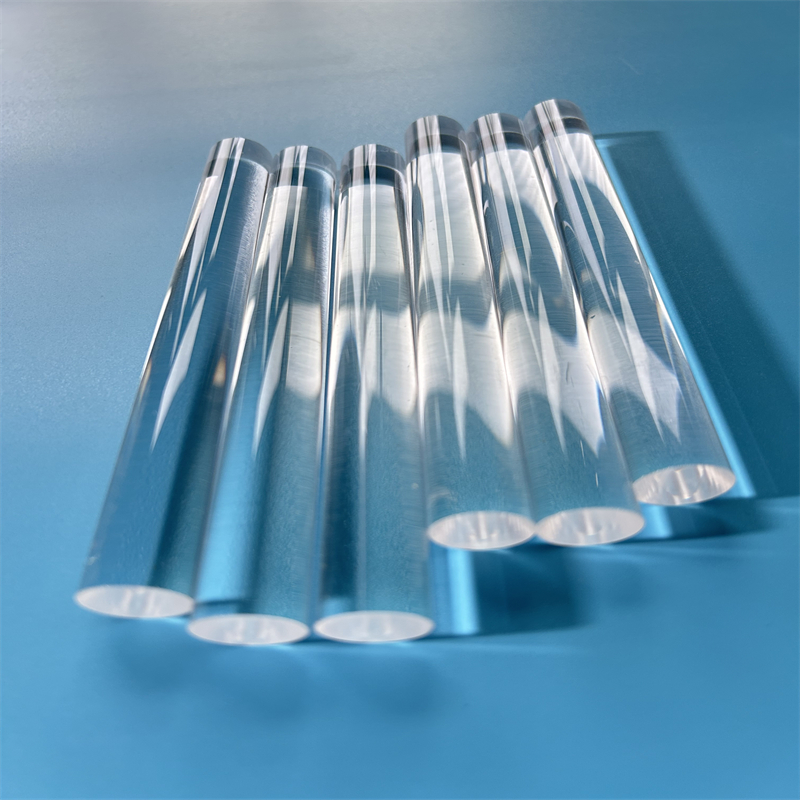
Application: Solar receiver tubes and pyranometer protector envelopes. High Direct Normal Irradiance (DNI) in Nicosia allows concentrated solar fluxes operating at thermal ranges from 600°C to 1050°C. Our low-hydroxyl (JGS3) quartz tubes provide exceptional solar transmission while containing pressurized heat-transfer molten salts or air loops without devitrification.
Pharmaceutical USP Water Systems
Location: Strovolos & Latsia Industrial Estates.
Application: Total Organic Carbon (TOC) reduction and bactericidal disinfection for pharmaceutical Water-for-Injection (WFI). Synthetic JGS1 quartz sleeves transmit 185 nm VUV photons that photolyze organic molecules into carbon dioxide and water, fulfilling European Pharmacopoeia (Ph. Eur.) purity regulations with zero ion leaching.
Import Logistics, Packaging, and EU Compliance for Cyprus
Ensuring zero-breakage transit from our Donghai facility to Nicosia and complete adherence to European directives.
Shipping precision quartz glass to the island of Cyprus presents unique supply-chain challenges. Because quartz is a brittle material susceptible to shock propagation along microscopic micro-fractures, Zunex Quartz adheres to an engineered multi-stage export packaging protocol. Every quartz sleeve is individually sealed in an anti-static, dust-free polyethylene sleeve, surrounded by tailored high-density extruded pearl cotton (EPE) foam dampeners, boxed in high-strength multi-wall cartons, and secured inside ISPM-15 certified heat-treated fumigated wooden crates with internal vibration absorption dampers.
Air Express Route (LCA / PFO)
Transit Time: 4 to 6 Business Days.
Dispatched via DHL Express, FedEx, or air cargo directly into Larnaca International Airport (LCA) or Paphos International Airport (PFO). Recommended for urgent plant maintenance, replacement breakdown sleeves, and university scientific prototypes.
Ocean Freight Route (Limassol Port)
Transit Time: 22 to 26 Days.
LCL / FCL ocean container shipping from Lianyungang/Shanghai Port directly to Limassol Port (Lemessos), followed by bonded truck transfer along the A1 highway directly to Nicosia warehouses. Delivers the lowest unit logistics cost for scheduled annual supply agreements.
EU Directive & Drinking Water Compliance
Certifications: CE, RoHS 2.0 (2011/65/EU), REACH (EC 1907/2006).
Full compliance with the European Drinking Water Directive (EU 2020/2184). Zunex quartz glass components do not leach lead, cadmium, or other heavy metal ions into potable water circuits, backed by third-party SGS material analysis reports.
Why Nicosia Procurement Teams Choose Zunex Quartz
Direct from the Crystal Capital of Donghai County — combining integrated raw material supply, precision laser cold-working, and direct engineer-to-engineer communication.
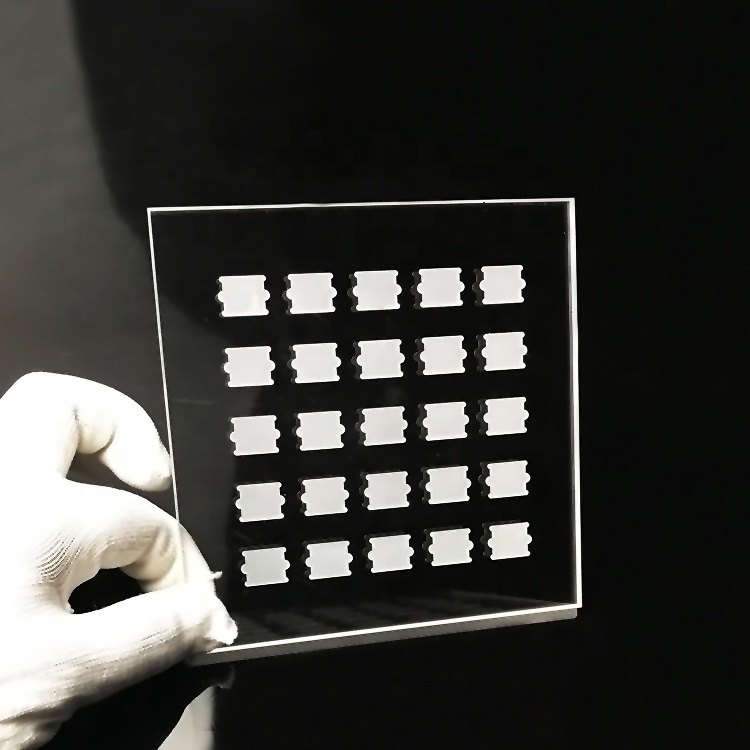
Zunex Quartz Products Co., Ltd. bridges the gap between massive raw material quartz glass melters and specialized B2B industrial end-users. While traditional European suppliers frequently add long lead times and substantial distribution markups, Zunex operates specialized hot-forming flame working and advanced cold-processing lines equipped with CNC laser machining. This allows us to cut, slot, grind, flame-polish, and domed-end quartz sleeves directly to custom AutoCAD, SolidWorks, or STEP specifications.
Laser Micro-Finishing
Our proprietary CO₂ laser drilling and grooving systems eliminate edge micro-chipping and subsurface micro-cracks that cause spontaneous structural failure during high-pressure water surges in municipal reactors.
Rapid 2-Hour Technical Review
Your technical inquiries and engineering drawings are reviewed directly by precision glass technicians within 2 hours or less, ensuring instant verification of tolerances, flame finishes, and custom flange geometry.
Custom Prototyping & Batch Flexibility
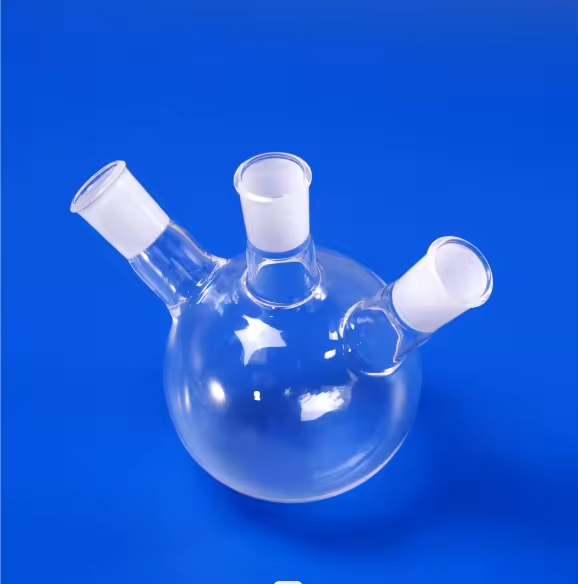
Whether you require a single specialized twin-tube flask for academic research at UCY or 5,000 customized replacement UV sleeves for an island-wide municipal contract, we fulfill orders without prohibitive minimum order hurdles.
Frequently Asked Questions: Nicosia Quartz Sleeve Procurement
Practical answers to common technical, logistics, and maintenance challenges encountered by Cypriot plant operators.
How does Nicosia's water hardness impact quartz sleeve longevity, and how can fouling be minimized?
What is the definitive operational difference between domed-end thimbles and open-ended quartz sleeves?
Can Zunex manufacture exact replacement sleeves for proprietary European UV disinfection skids?
How does solarization affect quartz glass sleeves exposed to continuous UV irradiation?
What documentation is provided to satisfy Cyprus Customs and EU health regulations?
What is the typical shipping timeline for custom orders dispatched to Nicosia?
Request a Direct Engineering Quote for the Nicosia Market
Send your dimensional drawings, required wall tolerances, and optical transmittance specifications. Our engineering team in Donghai will review your design, provide manufacturability feedback, and return a competitive direct-factory quotation in ≤ 2 hours.
Inquire Now