Semiconductor & Optoelectronic Quartz Components
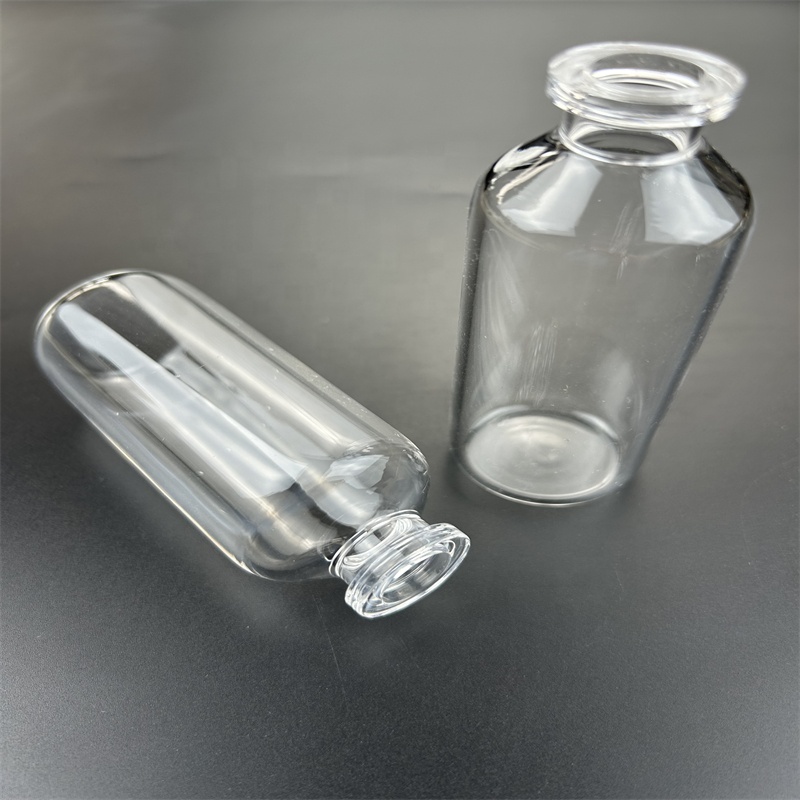
Engineered to exact CAD tolerances, featuring high purity (≥ 99.99% SiO₂), near-zero thermal expansion, and precision CNC/laser machining.


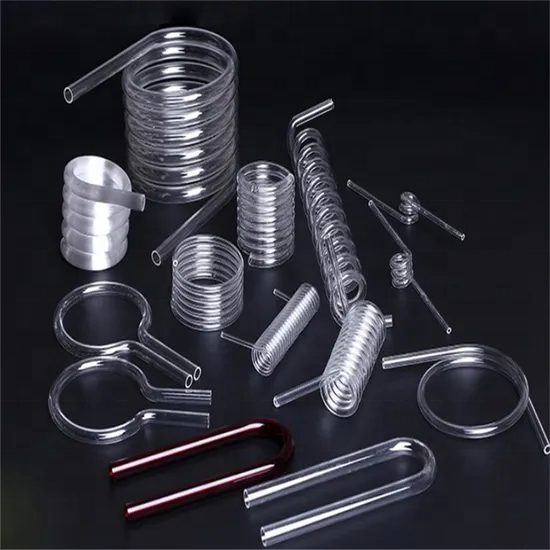
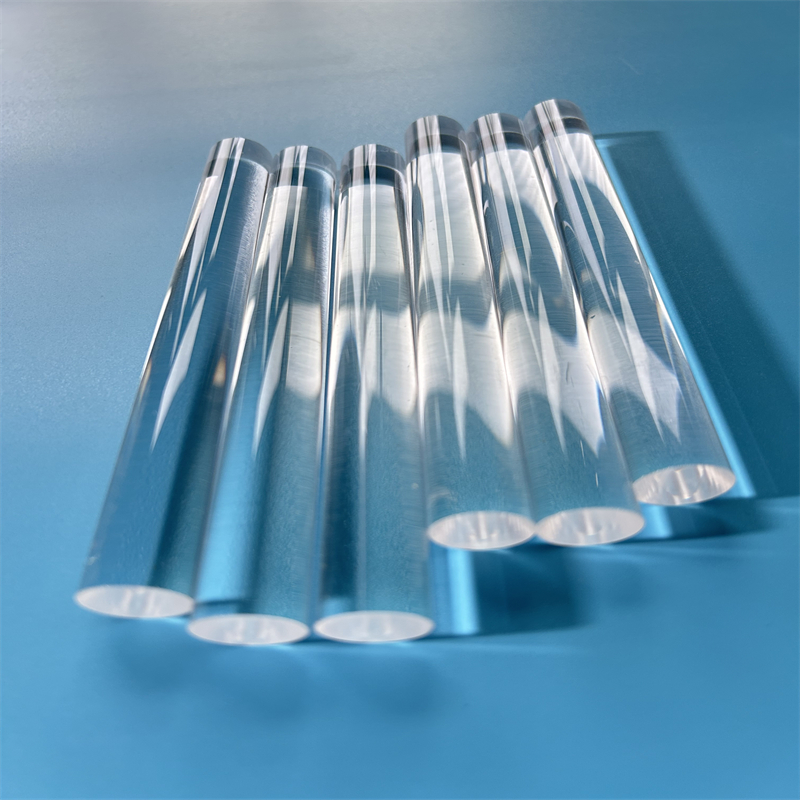
Engineering Quartz Diffusion Tubes for Daegu's Tech Corridor
A technical assessment of high-purity fused silica performance within Daegu-Gyeongbuk's power semiconductor, secondary battery, and microelectronics manufacturing facilities.
Strategic Sourcing Shift in the Daegu Industrial Corridor
As the Daegu-Gyeongbuk industrial cluster (including Seongseo Industrial Complex, Daegu Technopolis, and nearby Gumi supply lines) rapidly expands its manufacturing base in Silicon Carbide (SiC) and Gallium Nitride (GaN) power semiconductors, local processing environments require process tube chambers that can endure prolonged thermal saturation beyond 1150°C without particulate spallation or trace metallic contamination. Direct factory partnerships with specialized Chinese quartz fabricators bridge the gap between tight engineering tolerances and scalable batch economics.
Next-Gen SiC/GaN Diffusion
Compound semiconductor fabs across Daegu demand ultra-pure quartz furnace tubes with trace alkali metal levels below 0.1 ppm. Low-hydroxyl synthesis prevents structural devitrification during high-temperature dopant activation runs.
Active Materials Sintering
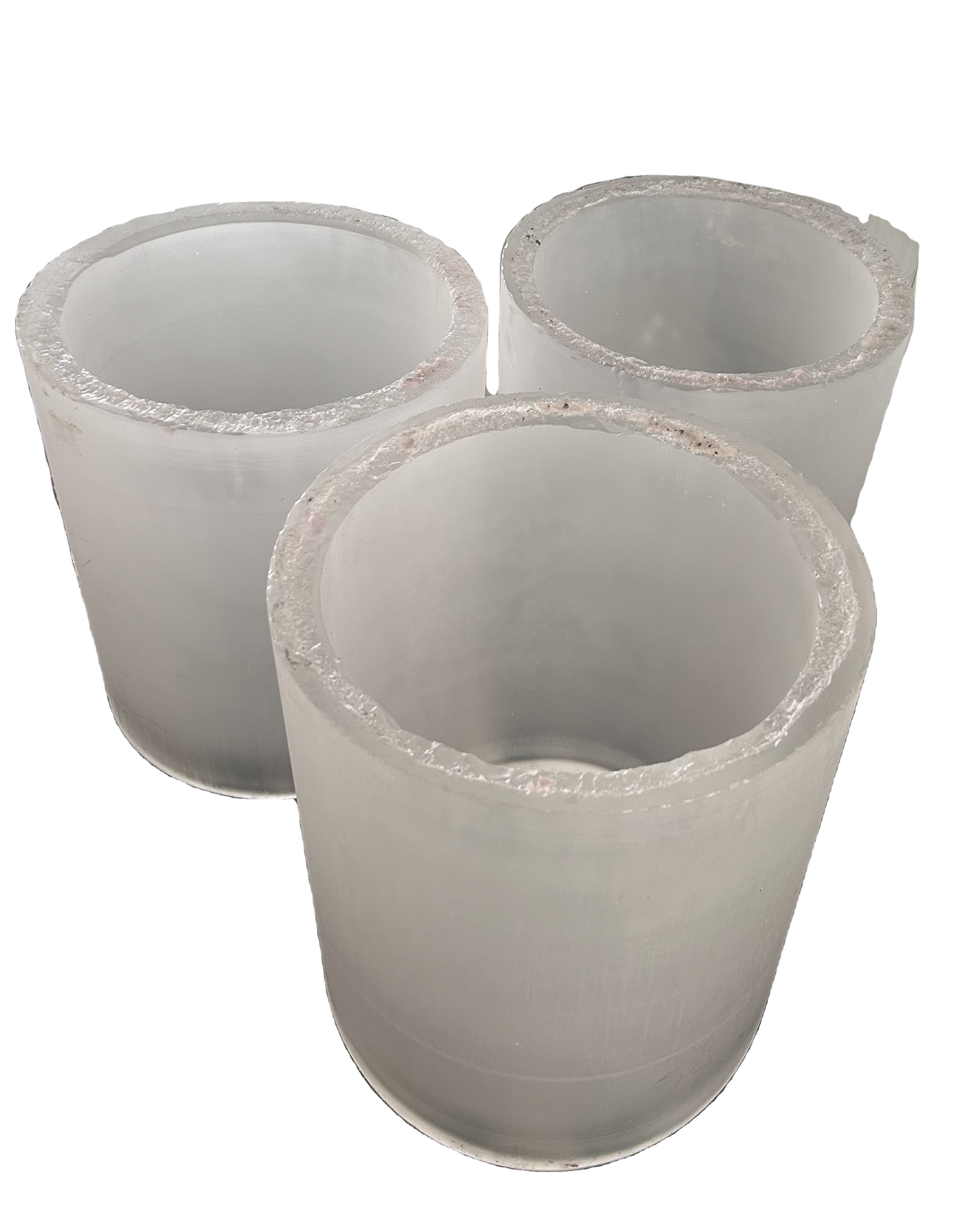
The regional electric vehicle and cathode supply network uses large-bore fused quartz diffusion cylinders for inert-atmosphere calcination, benefiting from total acid corrosion resistance against corrosive lithium and fluorinated off-gassing.
Sub-Micron Laser Processing
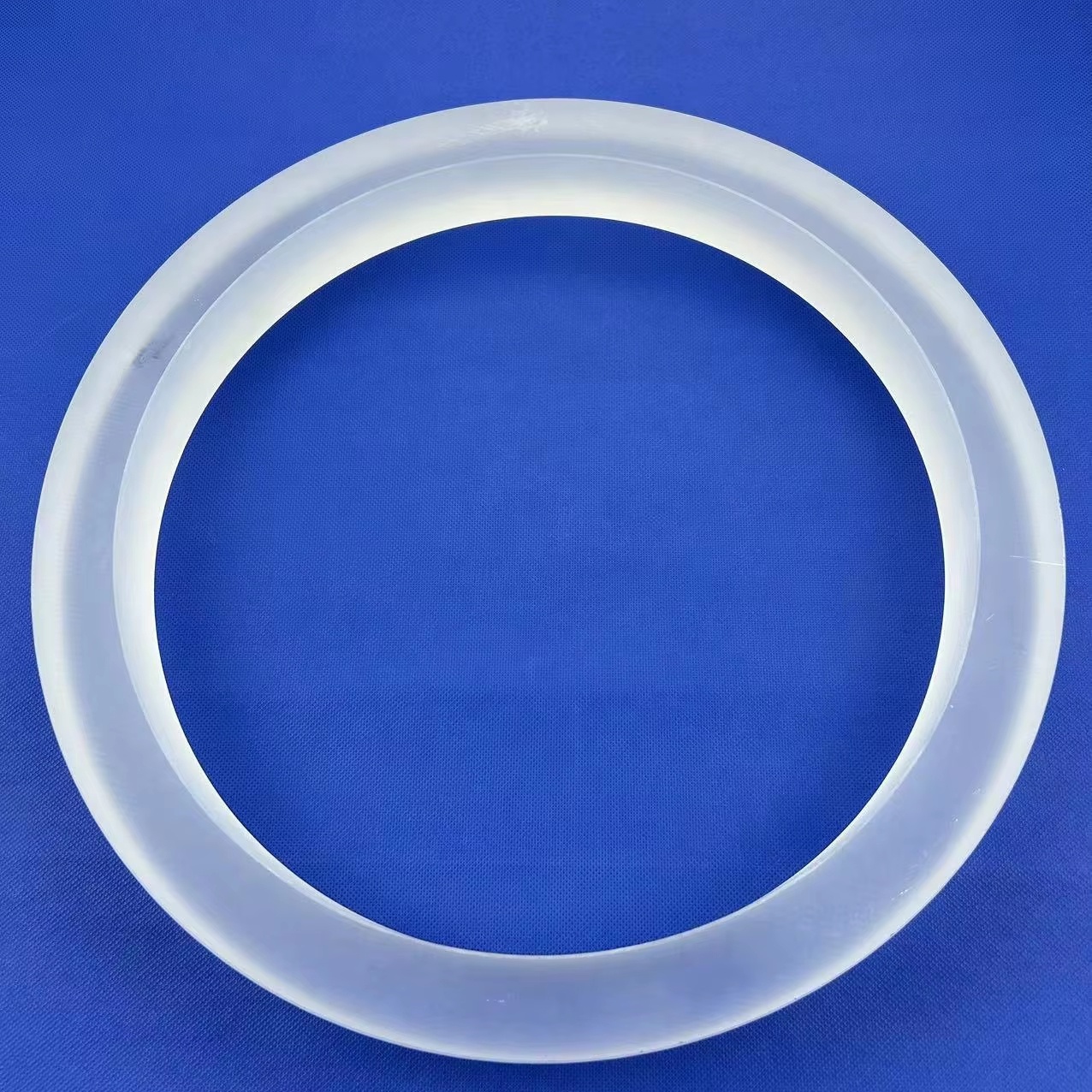
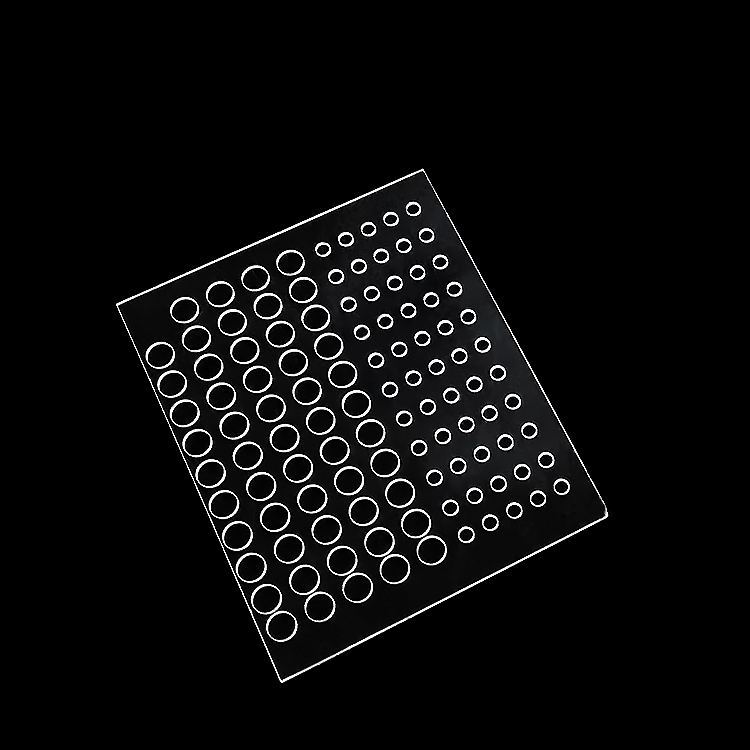
Precision quartz wafers, inspection flanges, and carrier boats machined with zero-taper laser grooving provide stable mechanical support during plasma-enhanced vapor deposition (PECVD) and reactive ion etching (RIE).
Fused Silica & Quartz Comparative Specifications
Material verification protocols applied to raw silica boules, hot-flame blown tubes, and precision machined components.
| Physical & Chemical Parameter | JGS1 (Synthetic Silica) | JGS2 (Optical Fused Quartz) | JGS3 (Infrared Fused Quartz) |
|---|---|---|---|
| Spectral Transmission Band | 185 nm – 2500 nm (Deep UV) | 220 nm – 2500 nm (UV-Vis) | 260 nm – 3500 nm (Infrared) |
| Hydroxyl [OH¯] Content | ≤ 1200 ppm (Hydrated form) | ≤ 150 – 200 ppm | ≤ 5 ppm (Dehydroxylated) |
| Thermal Expansion (0–300°C) | 5.5 × 10⁻⁷ / °C | 5.5 × 10⁻⁷ / °C | 5.4 × 10⁻⁷ / °C |
| Transformation / Annealing Point | 1075 °C / 1180 °C | 1120 °C / 1215 °C | 1140 °C / 1230 °C |
| Primary Cleanroom Application | DUV Stepper Windows, Photolithography | Diffusion Chambers, Viewports | Rapid Thermal Annealing (RTA), IR Heaters |
Why Daegu Procurement Teams Partner with Zunex Quartz
Combining the mineral resource advantages of Donghai County with modern laser processing and verified B2B export workflows.
Donghai Industrial Hub
Situated in China's quartz capital, securing direct access to crystal-grade silica raw material, minimizing supply bottlenecks for large diameter furnace tubes.
Laser CNC Machining
Proprietary quartz laser cutting, micro-grooving, and non-contact thermal drilling prevent surface stress micro-fissures and guarantee sub-millimeter tolerances.
CAD/Drawing Review
Every STEP, DWG, or PDF design undergoes a manufacturability review within 2 hours by qualified engineers to check thermal loading and expansion points.
Direct Daegu Logistics
Multi-layer shock-absorption foam, customized wood crating, and direct air cargo into Daegu International Airport (TAE) or Incheon logistics hubs for zero-breakage deliveries.
Frequently Asked Questions by Daegu Engineers
Direct answers concerning quality assurance, tariffs, lead times, and thermal customization.
How do you prevent contamination in Daegu cleanroom fabs?
Our semiconductor diffusion tubes and boats undergo double deionized acid leaching (HF & HNO₃ clean) to purge trace metals, followed by vacuum sealing in double-layer polyethylene bags compatible with Class 100 cleanroom unpacking.
Can we order customized small-batch pilot tubes for university R&D?
Yes. We regularly supply research laboratories at Kyungpook National University (KNU), DGIST, and private pilot lines with one-off prototypes, custom-grooved sample boats, and modified BET twin-tubes directly from custom CAD files.
What shipping terms apply for industrial shipments to Daegu?
We provide standard FOB, CIF, or DDP terms directly to your factory door in the Seongseo or Dalseong industrial clusters. All fragile quartz items are packed in reinforced, palletized wooden crates with integrated shock indicators.
How does low-OH JGS3 improve high-temperature furnace lifetime?
High hydroxyl concentrations accelerate devitrification into cristobalite above 1000°C, which causes hazing and premature fracture. Our low-OH process (≤ 5 ppm) maintains structural amorphous stability during long annealing cycles.
Request an Engineering Quote for Your Daegu Facility
Send your mechanical drawings (STEP/DWG/PDF) or target specifications. Our engineering team reviews all thermal properties, tolerances, and processing paths within two hours.