Precision Fused Quartz & Twin Tube Product Series
Direct from Donghai's world-class quartz processing facilities to Indianapolis cleanrooms, chemical laboratories, and automotive heat-treating lines.

Chemisorption BET Test High Pressure 99.99% Pure Ozone Free Quartz Glass Twin Tube

High Temperature Fused Quartz Glass Sheet for XRD Sample Tank Testing Chip Carrier
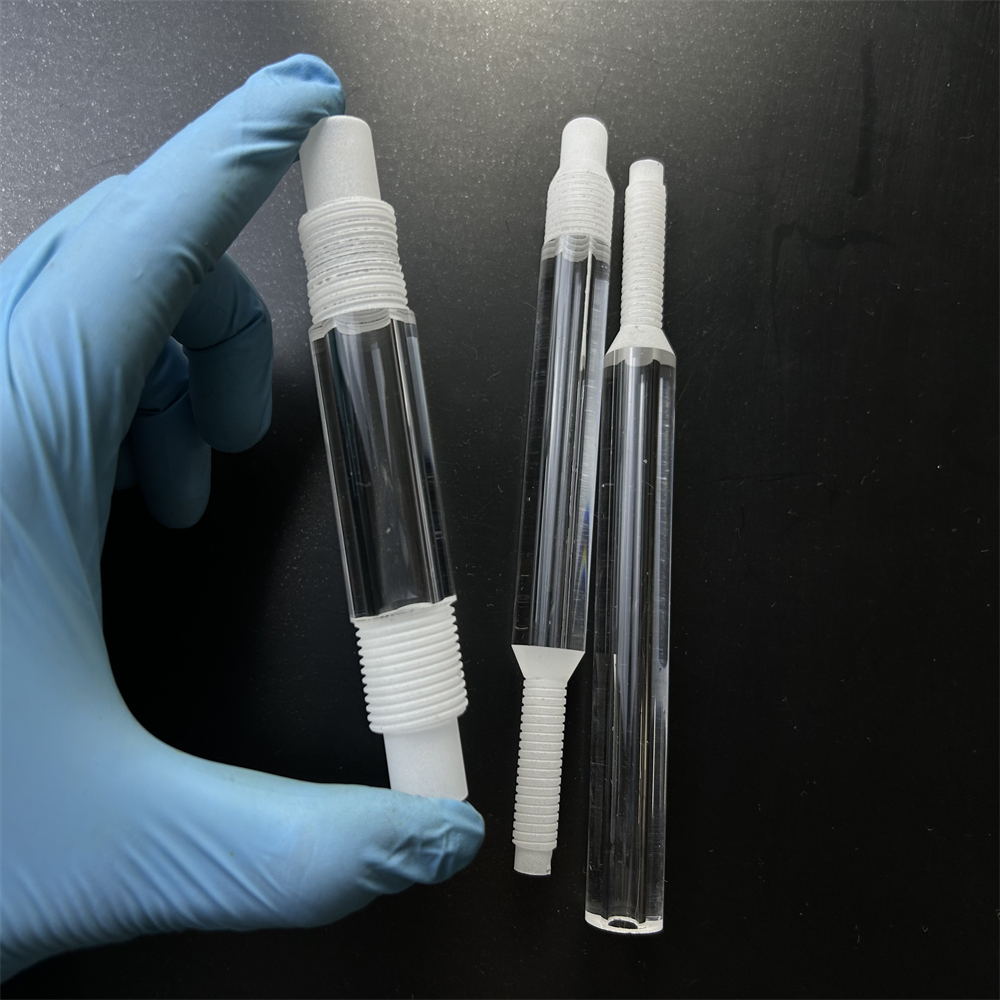
Customized High Purity Threaded Transparent UV Quartz Glass Tube with Precision Flange
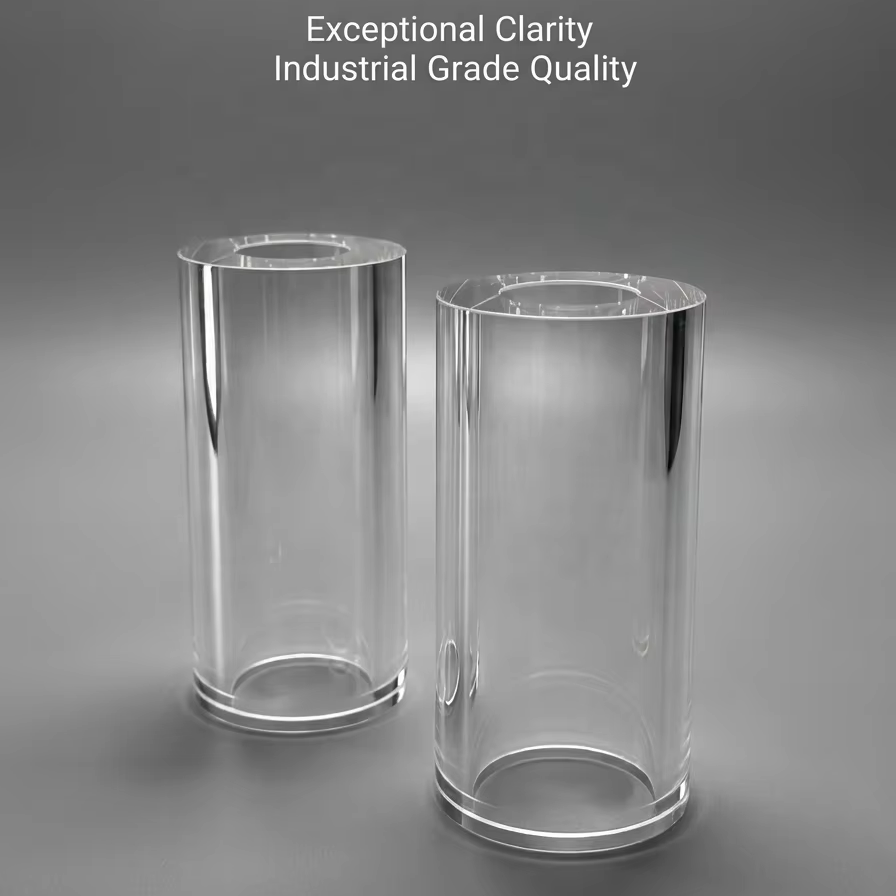
Factory Custom Both Ends Polished High Purity Transparent Quartz Twin Tube
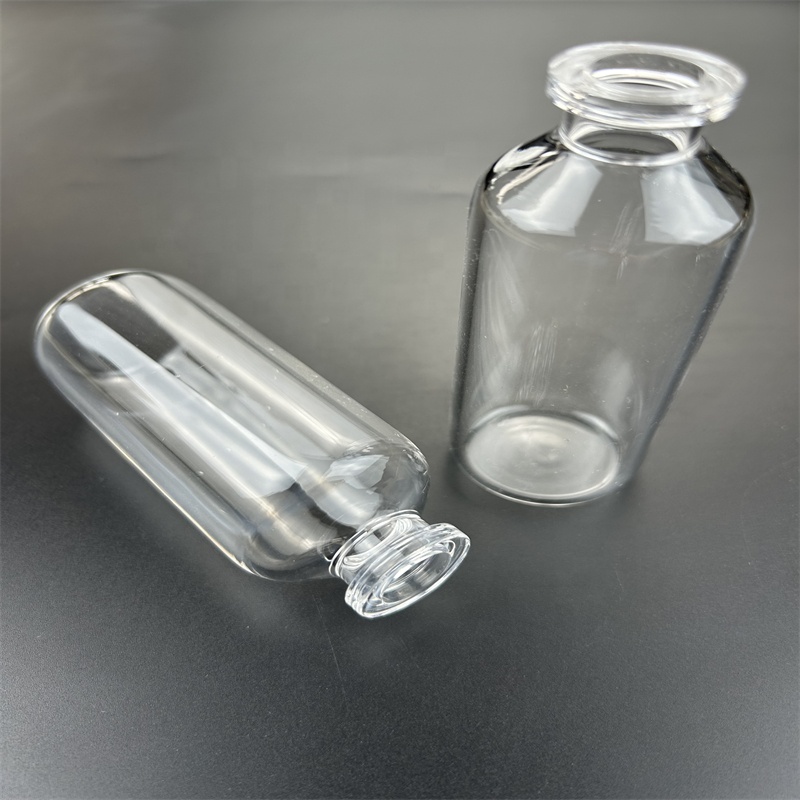
Custom High Pressure Corrosion Resistant 99.99% Pure Quartz Glass Ampoules

Custom Size Clear Fused Quartz Plate Premium Quality High Temperature Glass Sheet
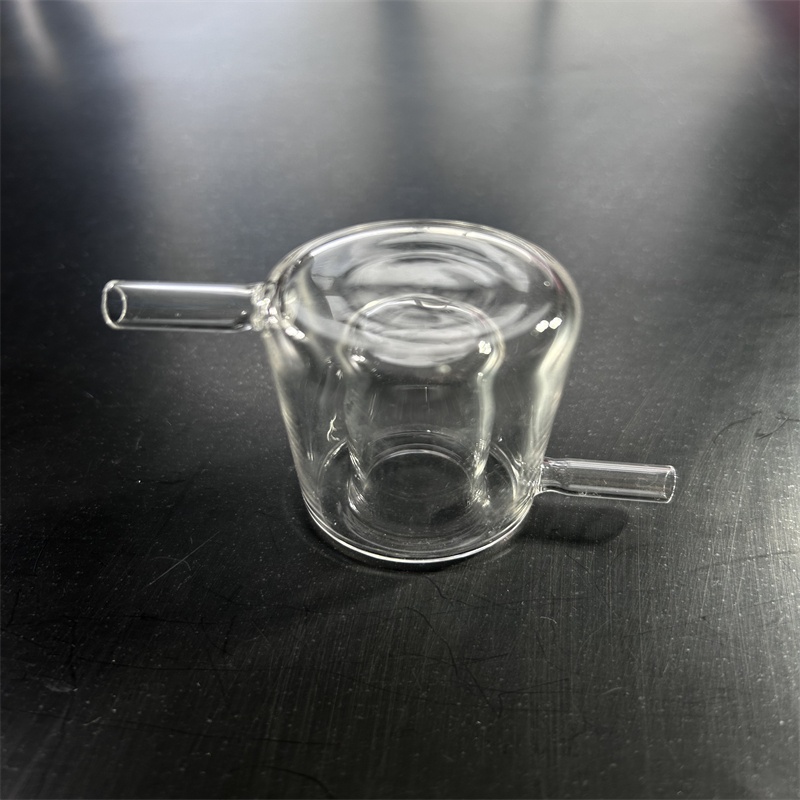
Custom 99.99% Pure Ozone Free High Temperature Quartz Glass Reactor Twin Tube
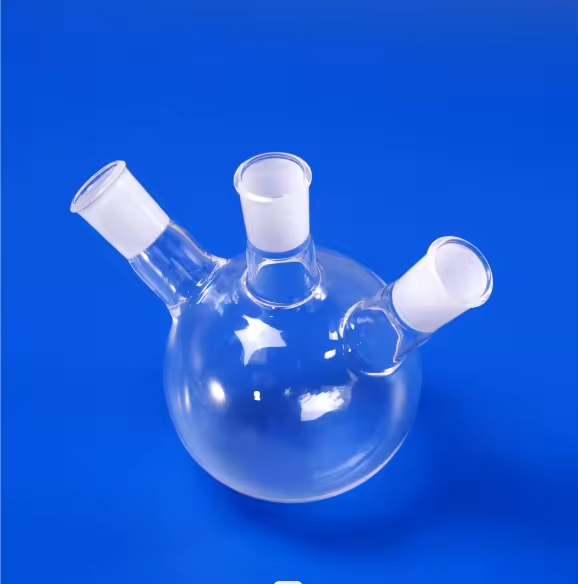
High Temperature Resistance Transparent Quartz Glass Twin Tube Bottom Flask
Structural Mechanics, Material Purity, and Geometry of Twin Tube Quartz Glass
In thermal engineering, photochemical synthesis, and specialized analytical instrumentation, conventional single-bore cylindrical quartz tubing frequently introduces structural and optical compromises. When subjected to extended horizontal thermal cycling above 1000°C, unsupported single tubes can experience gravitational sagging, uneven radial heat transfer, and asymmetrical beam deflection. The introduction of twin tube quartz glass (figure-8 cross-section) represents a profound leap in thermodynamic stability, structural rigidity, and dual-channel process integration.
Information Gain Principle: Twin tube quartz geometry exhibits a cross-sectional area moment of inertia nearly 3.2 times greater than that of a standard single tube of identical wall thickness. This geometry virtually eliminates mechanical deflection along cantilevered emitter arrays and high-temperature catalytic reaction beds across Indianapolis manufacturing lines.
1. Fused Silica Microstructure and Devitrification Kinetics
Our twin tube quartz profiles are synthesized from ultra-pure natural and synthetic quartz crystals (≥ 99.99% SiO&sub2;) mined and processed within the world-renowned Donghai silica cluster in Jiangsu, China. The amorphous matrix of high-purity fused silica provides an exceptionally low linear coefficient of thermal expansion (α = 5.5 × 10⁻⁷ /°C between 20°C and 320°C). This thermal expansion coefficient makes the glass virtually immune to catastrophic thermal shock; red-hot tubes heated to 1150°C can be repeatedly plunged into chilled ice water without microscopic micro-crack propagation.
Devitrification—the phase transformation of amorphous silica into crystalline cristobalite—is the primary failure mode of industrial quartz operating under continuous high-temperature exposure. By strictly controlling alkali contaminant concentrations (sodium, potassium, lithium, and calcium below 1.2 ppm combined), Zunex twin tube quartz glass suppresses nucleation sites, maintaining optical transparency and mechanical elasticity at sustained operational thresholds of 1100°C and intermittent shock surges of 1300°C.
2. Optical Grade Segmentation: JGS1 vs. JGS2 vs. JGS3
Procurement teams in Indianapolis across biopharma, clean energy, and additive manufacturing require distinct transmission profiles tailored to their operational spectra:
JGS1 Synthetic Fused Silica
Deep UV Range (185 nm – 2500 nm): Synthesized via gas-phase oxidation of silicon halides. Devoid of bubble inclusions, offering superior transmission at 254 nm and 193 nm. Ideal for excimer laser optical viewports and germicidal photochemical reactors.
JGS2 Optical Fused Quartz
Standard Optical Range (220 nm – 2500 nm): Electro-fused from pure natural Donghai quartz crystal. Highly resistant to gamma radiation and high pressures. Serves as the global standard for sight glasses, furnace envelopes, and CVD tubes.
JGS3 Infrared Grade Quartz
Infrared Transmission (260 nm – 3500 nm): Vacuum-fused with ultra-low hydroxyl (OH¯ ≤ 2 ppm) content. Eliminates the molecular water absorption trough at 2.73 μm, maximizing short-wave and medium-wave infrared heater efficiency.
Twin Tube Quartz Applications Across Greater Indianapolis
Supplying the mission-critical manufacturing spine spanning Marion, Hamilton, Hendricks, and Johnson counties with precision quartz components.
Biopharma & Synthesis
Integrated within Indianapolis's world-renowned life sciences hub (Eli Lilly corridor, contract research laboratories, and bio-pharma startups). Used as dual-channel continuous flow photochemical micro-reactors and high-pressure quartz ampoules for pharmaceutical compounds.
Automotive & EV Battery
Central Indiana's automotive manufacturing belt leverages custom twin tube quartz IR emitters for rapid flash-curing of EV battery electrode slurries, composite curing, powder-coat curing, and high-speed thermoforming of interior automotive trim.
Aerospace Heat Treatment
Supporting turbine blade thermal spray lines and aerospace propulsion components located along the I-465 beltway. Quartz glass sheets and carrier tubes withstand 1100°C vacuum brazing environments while preventing metallic cross-contamination.
Academic & Surface Analysis
Specialized BET chemisorption and physical adsorption sample tubes engineered specifically for Quantachrome and Micromeritics analyzers utilized in materials research across Purdue, IU Indianapolis, and private metallurgy laboratories.
Comprehensive Physical, Chemical & Thermal Properties
Verified physical performance parameters ensuring dimensional compliance and process repeatability.
| Material Property | Test Standard / Method | Typical Value (High-Purity Fused Quartz) | Operational Significance for Indy Buyers |
|---|---|---|---|
| SiO&sub2; Purity Level | ICP-OES / GDMS Trace Analysis | ≥ 99.99% (≤ 10 ppm total trace impurities) | Prevents ionic leaching in micro-reactors and wafer degradation. |
| Working Temperature (Continuous) | Thermal Soak Testing (DIN 52328) | 1100 °C continuous | Safe for sintering furnaces, CVD tube linings, and continuous IR drying. |
| Maximum Short-Term Limit | Peak Thermal Shock Gradient | 1300 °C (< 4 hours) | Provides security margin during unexpected thermal overshoot cycles. |
| Softening Point | Dilatometric Extrusion | 1683 °C | Prevents tube wall collapse during localized flame sealing or bending. |
| Thermal Expansion (α) | TMA (20 °C to 320 °C) | 5.5 × 10⁻⁷ / °C | Enables rapid thermal ramp rates up to 100 °C/sec without mechanical fracture. |
| Dielectric Strength | ASTM D149 (20 °C, 1 MHz) | 25 – 40 kV/mm | Superb electrical insulation for RF plasma chambers and ozone reactors. |
| Refractive Index (nd) | Spectroscopic Ellipsometry (589 nm) | 1.4585 | Predictable light dispersion for optical viewports and laser cavities. |
| Hydroxyl (OH¯) Content | FTIR Spectrometry (2.73 μm) | JGS1: < 50 ppm | JGS2: < 30 ppm | JGS3: ≤ 2 ppm | Crucial for infrared heating transmission without energy loss. |
Macro Industrial Trends Influencing Quartz Procurement in Indianapolis
How the Crossroads of America is evolving toward next-generation thermal processing and analytical automation.
The Greater Indianapolis industrial landscape is currently experiencing a historic technological transition. Backed by federal CHIPS and Science Act funding, regional life sciences expansion, and Indiana's emergence as an EV battery production nexus, manufacturing facilities across the state are upgrading legacy equipment. Key procurement trends include:
1. Transition to Electrified Infrared Heat-Treating
Driven by corporate decarbonization mandates, automotive Tier-1 suppliers and industrial coaters in Indianapolis are systematically replacing gas-fired convection drying ovens with high-efficiency twin tube quartz infrared emitters. Standard single-tube IR lamps suffer from back-directed heat losses. In contrast, modern twin tube profiles integrate a secondary channel that can house gold or ceramic reflectors, focusing 95% of the emitted short-wave or medium-wave infrared energy directly onto the target substrate. This cuts line electrical consumption by up to 35% while slashing oven footprints along assembly lines.
2. Miniaturization of Continuous-Flow Chemical Reactors
Indianapolis biopharmaceutical facilities are pioneering a shift from bulky batch reaction vessels to continuous micro-fluidic flow reactors. Synthetic fused silica twin tubes serve as ideal parallel processing conduits: one channel carries reactant streams exposed to targeted photochemical wavelengths (UV-A / UV-C), while the parallel channel facilitates counter-current coolant flow to maintain isothermal reaction kinetics. This demands ultra-precise custom fire-polishing, CNC laser grooving, and microscopic welding tolerances achievable only through dedicated quartz fabrication specialists.
3. Supply Chain Nearshoring & Air Logistics via IND Foreign Trade Zone (FTZ #72)
With Indianapolis International Airport (IND) housing the second-largest FedEx express hub in the United States and holding extensive Foreign Trade Zone (FTZ) status, engineering procurement managers in the Midwest are streamlining overseas procurement. Rather than relying on multi-tiered domestic distribution markups that add 200%–400% in intermediary fees, procurement officers are establishing direct OEM relationships with Chinese direct manufacturers. By securing custom flame-welded components packaged in impact-resistant crates and dispatched via direct air cargo directly into Indianapolis customs clearance, lead times are compressed to 7–10 calendar days.
Why Leading Global Manufacturers Partner with Zunex Quartz
Combining Donghai's geological quartz monopoly with aerospace-level machining and international trade integrity.
Epicenter Sourcing
Headquartered in Donghai County, China's "Crystal Capital". We possess uncompromised raw mineral sourcing rights, guaranteeing SiO&sub2; purity ≥ 99.99% without supply disruptions or intermediary raw material markups.
Laser Finishing Specialization
Proprietary laser drilling, slotting, precision scoring, and clean flame-cutting. We routinely maintain dimensional tolerances down to ±0.05 mm on custom twin tubes, slotted wafer carriers, and BET testing sample tubes.
Direct Drawing Review (≤ 2h)
Every RFQ submission is examined directly by senior quartz fabrication engineers—not commission agents. We review STEP, DWG, DXF, or PDF engineering blueprints and issue validated quotes within 2 business hours.
Zero-Breakage Export Packaging
Every twin tube component is secured within custom-molded high-density expanded polyethylene (EPE) shock foam and enclosed inside reinforced plywood crating engineered to survive international air cargo transfers.
Frequently Asked Questions by Indiana Buyers
Addressing engineering tolerances, logistics, tariffs, and technical specifications for seamless international purchasing.
Q1: How does Zunex manage rapid customs clearance and shipping into Indianapolis?
Shipments destination-tagged for Indianapolis leverage direct air freight routes entering Indianapolis International Airport (IND) or O'Hare (ORD). We supply complete commercial documentation, including verified Harmonized Tariff Schedule (HTS code 7002.31 for fused quartz tubing), FDA medical filings where applicable, and packing manifests for swift clearance via your designated customs broker or integrated freight partners (FedEx / DHL / UPS).
Q2: Can you fabricate custom twin tube geometries from customer CAD models?
Yes. Custom fabrication accounts for over 85% of our factory production. You can provide STEP, IGES, DWG, DXF, or fully dimensioned PDF drawings. Our engineering division confirms manufacturability, bending radiuses, flame-welding clearances, and wall thickness consistency before cutting raw silica stock.
Q3: How do your BET sample tubes perform against OEM Quantachrome/Micromeritics parts?
Our BET chemisorption and physical sorption tubes are engineered from identical 99.99% high-purity ozone-free quartz. They feature matching ground-glass taper joints (e.g., standard 12/30 or 9mm spherical sockets) designed to maintain ultra-high vacuum seals (< 10⁻⁷ Torr) at 1100°C degassing conditions, while reducing replacement costs by 40%–60%.
Q4: What is the operational lifespan difference between JGS2 and JGS3 in infrared heating?
In short-wave and medium-wave infrared applications, standard JGS2 quartz contains trace hydroxyl ions (OH¯) that vibrate at 2.73 μm, absorbing infrared radiation and heating the quartz tube itself, accelerating devitrification. JGS3 quartz has an OH¯ content ≤ 2 ppm, allowing radiant energy to transmit directly to the substrate, lowering tube running temperatures and extending operational emitter life beyond 5,000–8,000 hours.
Q5: What are your minimum order quantities (MOQ) for prototypes and pilot lines?
Unlike monolithic glass producers, Zunex accommodates high-mix, low-volume requirements. We gladly accept prototype orders as low as 1–5 units for custom research reactor vessels, BET sample tubes, and special quartz plates. Once validated in your Indianapolis lab or pilot plant, we scale rapidly to container-level batch production.
Q6: How do you ensure optical surface quality and verify zero subsurface cracks?
All finished optical quartz plates and fire-worked twin tubes undergo a dual-stage quality audit: dimensional verification using precision micrometer coordinate measuring machines (CMM) followed by optical transmission and polarized strain testing to identify residual stress zones before export packaging.
Accelerate Your Indianapolis Project with Custom Quartz Solutions
Send your CAD drawings, required tolerances, and purity specifications. Our manufacturing engineering team will review your requirements and provide an official quotation within 2 business hours.