Engineering Superior Thermal & Chemical Enclosures for Advanced Manufacturing
As the western economic corridor of Ukraine accelerates high-value R&D, precision chemical formulation, and semiconductor-adjacent technologies, procuring industrial-grade quartz glass ampoules manufactured from high-purity synthetic quartz (≥ 99.99% SiO₂) has transitioned from an operational utility to a core engineering imperative. Operating at the confluence of mechanical sturdiness and vacuum integrity, our fused silica components deliver zero micro-devitrification during flame torch closures, continuous thermal resilience reaching 1100°C, and extreme hydroxyl (OH¯) minimization to suppress premature ampoule rupture during high-temperature material crystallization.
Featured High-Performance Quartz Assemblies
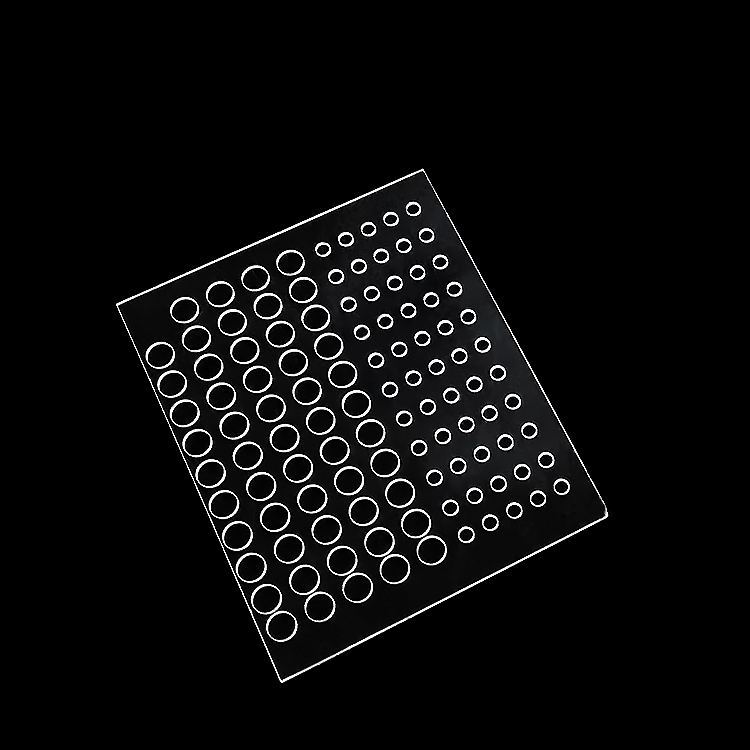
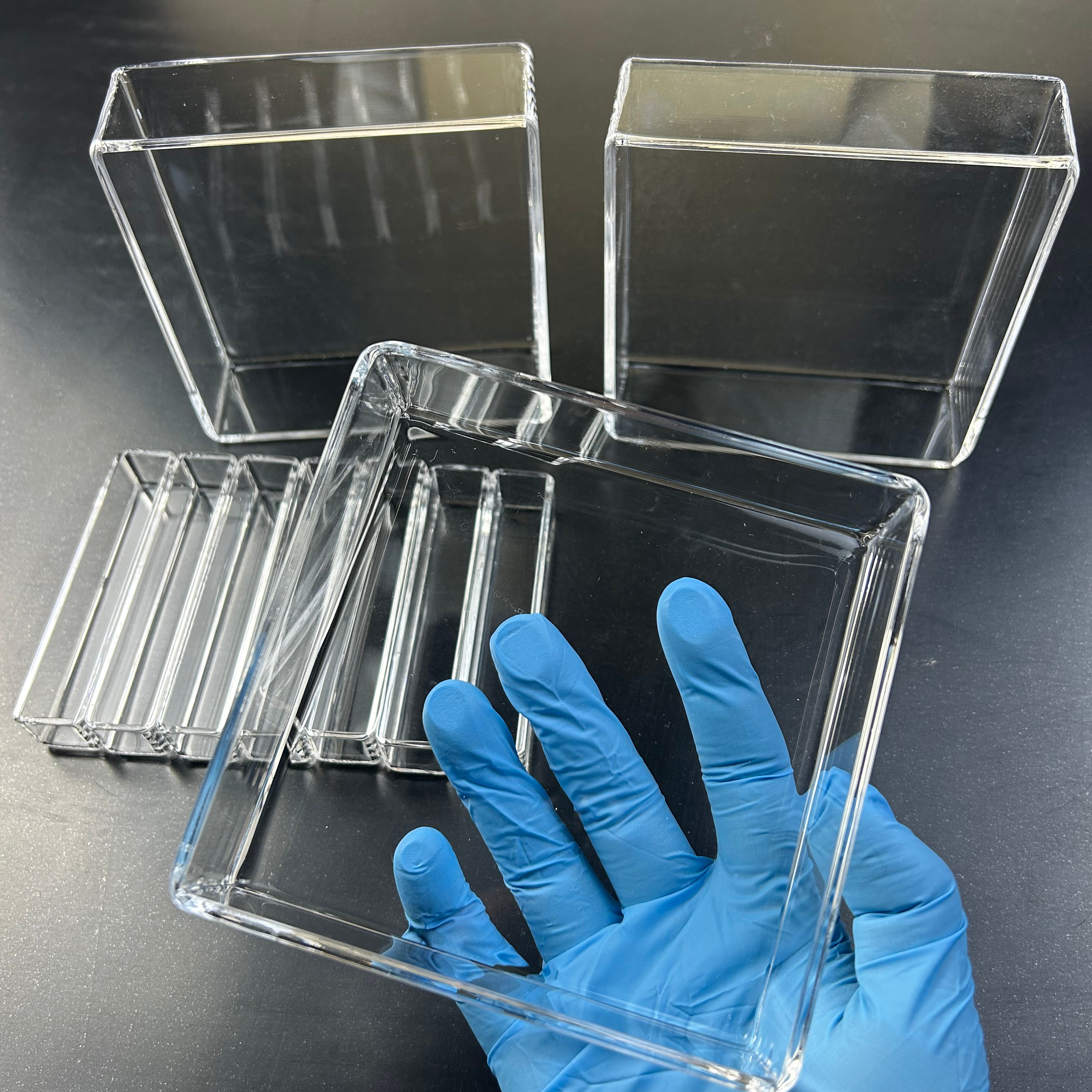
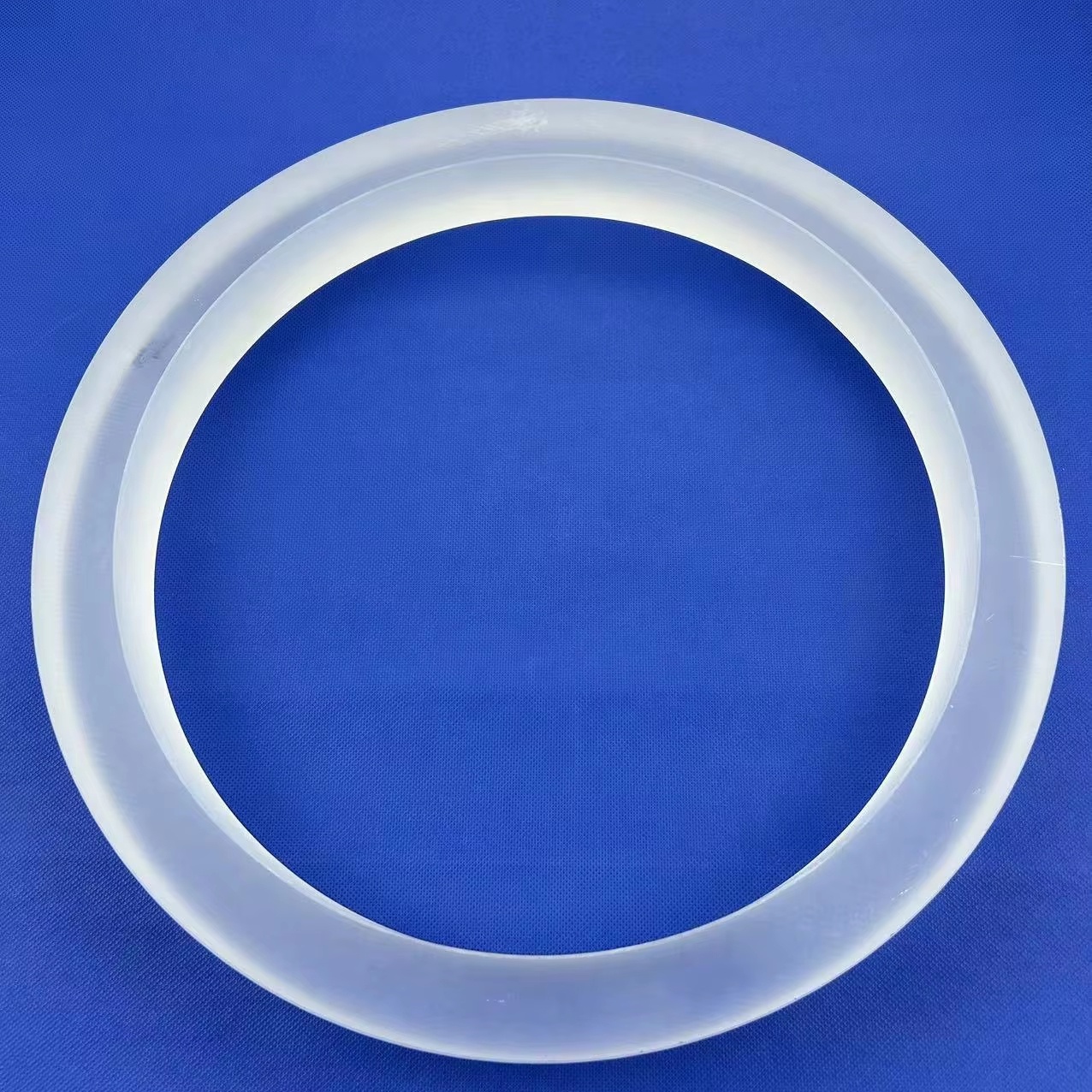
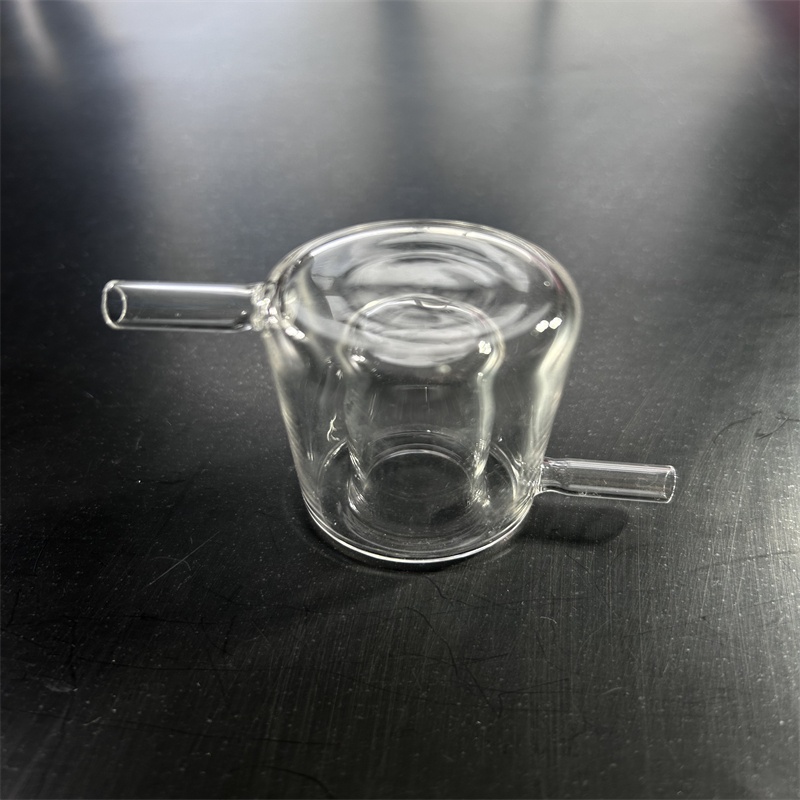
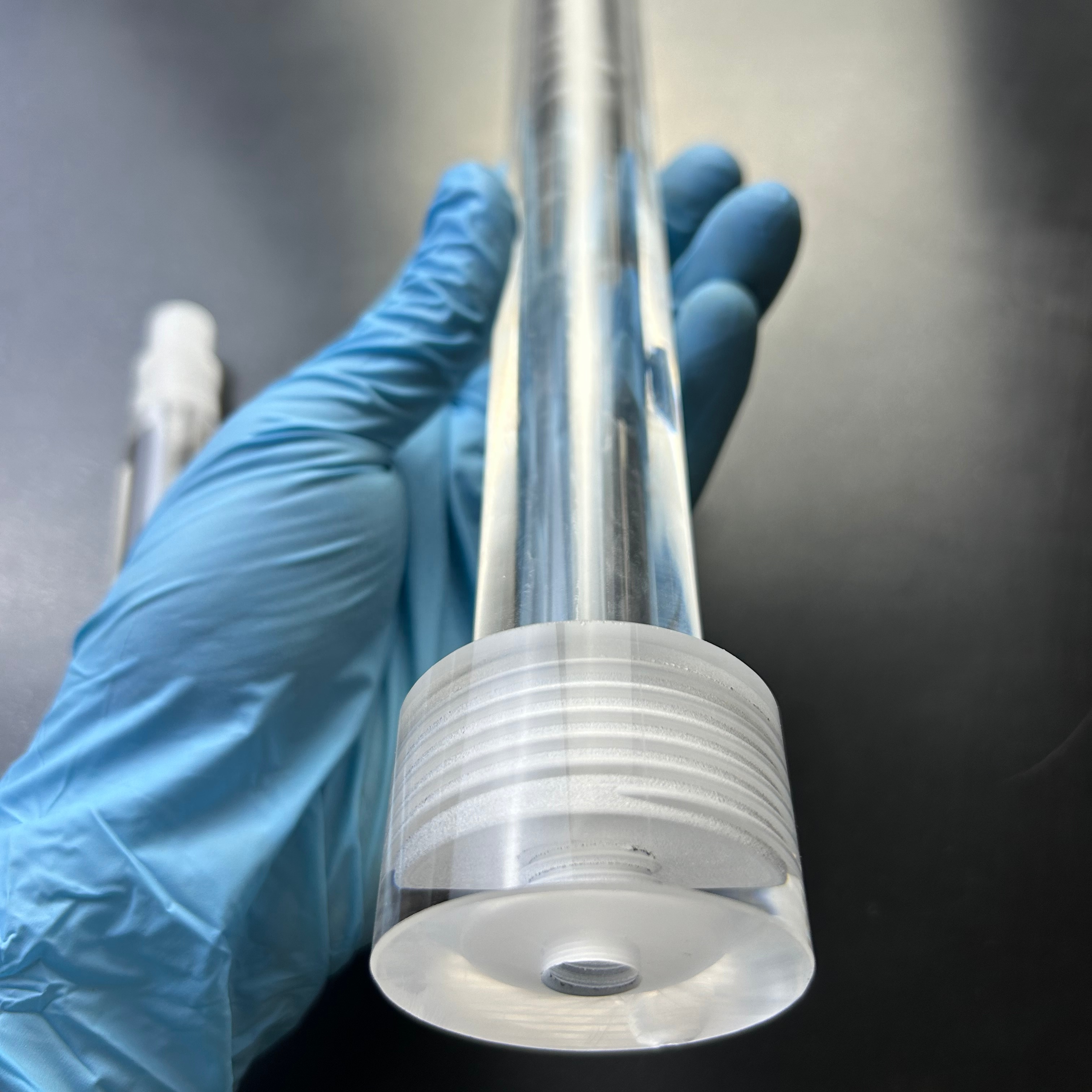
Manufactured precisely to technical blueprints (DWG/STEP/PDF) using certified optical and thermal silicate stock.


Structural Integrity of High-Vacuum Quartz Ampoules: Mitigating Vapor Pressure & Hydroxyl Defect Modes
For chemical vapor transport (CVT), Bridgman single-crystal growth, and high-energy battery material synthesis, an ordinary borosilicate vessel is fundamentally unusable. Fused quartz possesses an exceptionally low Coefficient of Thermal Expansion (CTE) of approximately 5.5 × 10⁻⁷ / °C, providing exceptional thermal shock resistance. When sealing an ampoule under a turbomolecular vacuum (< 10⁻&sup5; mbar) using an oxy-hydrogen flame (approaching 1800°C locally), any inherent trace contaminants or thermal gradient anomalies cause asymmetric wall thinning or devitrification.
Our manufacturing protocol guarantees strict control over hydroxyl content ([OH¯] < 20 ppm in standard fused quartz, and < 5 ppm in JGS3 infrared-grade variants). At temperatures above 1000°C, hydroxyl radicals within the silica lattice undergo condensation reactions, forming internal H₂O vapor micro-voids. Under elevated internal barometric pressures generated by chalcogenide or halide vapors, these micro-voids nucleate stress fractures, causing explosive de-confinement inside the furnace chamber. Zunex precision glassworking guarantees roundness tolerance within ± 0.05mm and uniform wall thickness profiles, neutralizing hoop stress vulnerability.
| Material Metric / Parameter | JGS1 (Synthetic Silica) | JGS2 (Standard Fused Quartz) | JGS3 (Dehydroxylated IR Grade) |
|---|---|---|---|
| Primary Optical Bandwidth | 185 nm – 2500 nm (Deep DUV) | 220 nm – 2500 nm (UV-Vis) | 260 nm – 3500 nm (Extended IR) |
| Hydroxyl Radical Concentration ([OH¯]) | < 1200 ppm (UV stable) | < 30 ppm | < 5 ppm (Water-peak free) |
| Continuous Service Temperature | 1050 °C | 1100 °C | 1150 °C |
| Short-Duration Peak Temperature | 1200 °C | 1300 °C | 1350 °C |
| Typical Synthesis Applications | Photocatalysis, UV-activated degas | Bridgman growth, alloy sealing | Halide vaporization, IR spectroscopy |
Critical Local Application Scenarios Across the Lviv Industrial & Scientific Corridor
Lviv and the broader Western Ukrainian industrial ecosystem have established distinctive technological niches. Here is how high-purity quartz ampoules intersect with high-stakes local engineering initiatives.
High-Purity Solid-State & Scintillator Synthesis
Lviv is globally recognized for crystal growth physics, anchored by institutions such as Ivan Franko National University of Lviv and specialized physics institutes. Developing rare-earth doped fluoride, garnet, and halide scintillators for modern medical detectors and optoelectronic systems demands quartz ampoules that exhibit inert behavior against molten salts.
Our heavy-wall evacuated quartz ampoules offer uniform thermal conductivity, allowing clean directional solidification without thermal convection hotspots that induce dendritic crystalline defects.
Precision Defense Optics & Laser Rangefinding Assemblies
Western Ukraine’s expanding dual-use optronics and aerospace repair facilities require vacuum encapsulation vessels to process non-linear optical (NLO) single crystals. During the vapor transport synthesis of silver gallium selenide (AgGaSe₂) or cadmium germanium arsenide (CdGeAs₂), fused silica ampoules maintain vacuum containment without silicon vapor diffusion into the crystalline matrix.
Our flame-polished inner finishes drastically reduce nucleation sites, preserving crystal orientation and optical clarity.
Next-Gen Energy Storage & Solid-State Electrolytes
Emerging industrial research labs across Lviv's tech clusters explore sulfur- and halide-based solid electrolytes (e.g., Argyrodite-type structures) for lithium and sodium solid-state cells. These precursors are highly moisture-sensitive and volatile.
Ampoules fabricated with matched wall concentricity allow rapid necking and flame-sealing under high-purity argon atmospheres, providing a secure, impermeable vessel for prolonged furnace calcination at 600°C–900°C.
Supply Line Modernization: Why Lviv Buyers Prioritize Direct Tier-1 Manufacturing
Industrial procurement managers and academic lead scientists across the Lviv region are actively pivoting away from intermediate stockists. Recent regional disruptions highlighted the fragility of relying on multi-tiered trading distributors who cannot trace silicate mineral origin or verify hydroxyl counts. Procurement policies now emphasize:
Why Global Industry Relies on Zunex Quartz
Operating directly from Donghai County—the international crystal and fused quartz hub—Zunex Quartz combines primary mineral refining with state-of-the-art cold CNC and laser processing.
Two-Hour Review
Direct communication with certified process engineers. Rapid review of DWG/STEP drawings with 100% verified response integrity.
Precision Cold & Laser
Equipped for precision diamond cutting, laser hole drilling, micro-grooving, optical planar polishing, and seamless multi-channel welding.
Strict Quality Assurance
Comprehensive polariscope stress inspection, strict wall thickness gauging, spectrophotometric verification, and defect certification.
Safe Export Protocol
Vacuum-sealed protective wraps, customized anti-vibration high-density foam inserts, and reinforced export-grade plywood crates.
Frequently Asked Procurement & Engineering Questions
Clear, technically precise answers to the most common queries from research leaders and purchasing managers in Lviv.
Q: How do your quartz ampoules withstand extreme internal vapor pressure without rupture?
Rupture during single-crystal synthesis or chemical vapor transport typically occurs when wall thickness is non-uniform or when micro-cracks concentrate at transitional shoulders. We use automated planetary hot-forming lathes to draw and close ampoule bases, eliminating localized thin points. Additionally, every vessel undergoes rigorous thermal annealing at 1215°C to relieve mechanical shear stress, enabling safe containment of high volatile vapor pressures at temperatures reaching 1150°C.
Q: What is the best technique to avoid bubble inclusion when sealing ampoules on-site?
Bubble inclusion or milky hazing (cristobalite devitrification) occurs if the ampoule surface has organic dust, finger oils, or if using a carbon-rich hydrocarbon torch flame. We recommend wiping the neck with semiconductor-grade isopropyl alcohol, preheating the seal zone with a diffuse flame to drive off moisture, and executing the final neck collapse using an oxy-hydrogen or stoichiometric oxy-propane flame under a dynamic vacuum below 10⁻³ mbar.
Q: Can Zunex manufacture ampoules featuring custom capillary necks or breakout tip designs?
Yes. Bespoke OEM processing from technical drawings is our core competence. Whether your analytical instrumentation requires a break-seal internal glass hammer mechanism, standard taper ground joints (e.g., ST 14/20 or 24/40), or restricted capillary necks (0.5 mm – 2.0 mm ID) to simplify vacuum seal-off, our glassblowers and CNC workstations execute geometries to within ± 0.05 mm tolerances.
Q: What documentation accompanies an export consignment to Western Ukraine?
Every export dispatch is accompanied by standard commercial documentation along with specialized quality certificates: Material Batch Purity Analysis (specifying parts-per-million elemental trace counts for Fe, Al, Ti, Na, and OH content), Dimensional Inspection Sheets, and Certificate of Compliance against relevant ASTM/ISO standards for fused silica glassware.
Q: How are fragile, thin-walled quartz ampoules protected during long-distance transit to Lviv?
We employ a proprietary multi-tier shock-isolation packaging method. Individual ampoules are vacuum-sheathed in antistatic film, suspended in custom die-cut closed-cell polyethylene (EPE) foam, and sealed in sturdy inner cartons. These are further encased in reinforced, moisture-resistant export wooden crates with integrated drop-and-tilt indicators, ensuring zero transit damage across all international logistics stages.
Ready to Advance Your Thermal Enclosure Systems?
Submit your project parameters, material requirements, or CAD blueprints. Our engineering desk completes manufacturability assessments and technical quotes within two hours.