Donghai County, Jiangsu, China · Custom Quartz Glass Manufacturer & Exporter English
Avg. Response≤ 2 Hours
Contact Us
ISO 9001 High-Purity Fused Silica · Pacific Northwest Supply Hub

Top Trusted Quartz Glass Crucible Factory & Exporters in Seattle

Providing Aerospace-Grade, Semiconductor Diffusion, and Advanced Czochralski Single-Crystal Growth Quartzware Directly from Donghai to Greater Seattle High-Tech Corridors.

High-Precision Portfolio

Standard & Custom Fused Quartz Solutions

Manufactured to drawing from premium synthetic (JGS1) and high-purity natural fused quartz (JGS2/JGS3) with tight geometric tolerances.

99.99%
SiO2 Material Purity
Trace elements < 15 ppm certified
≤ 2h
Average Response Time
Engineering drawing feasibility review
43%
Repeat-Order Rate
From global semiconductor & optics buyers
±0.02mm
CNC Laser Micro-Tolerance
Precision grooving, drilling & flame slotting
Engineering Whitepaper

Thermodynamics & Microstructural Purity of Quartz Crucibles

A technical assessment for cleanroom managers, metallurgists, and semiconductor fabrication engineers across the Pacific Northwest.

Structural Integrity, Cristobalite Devitrification Kinetics & Thermal Shock Dynamics

In thermal processing environments exceeding 1000°C—such as monocrystalline silicon ingot pulling, compound semiconductor synthesis (GaAs, InP), and aerospace superalloy casting—conventional refractory vessels fail due to molten metal wetting, chemical leaching, and mechanical spalling. Fused quartz crucibles provide an indispensable balance of exceptional thermodynamic inertness, near-zero thermal expansion (5.5 × 10⁻⁷ /°C), and extreme chemical resistance to all acids except hydrofluoric and phosphoric acids above 300°C.

The operational lifecycle of a fused quartz crucible is fundamentally governed by devitrification kinetics: the spontaneous phase transformation of metastable amorphous silicon dioxide (SiO2) into crystalline high-temperature β-cristobalite. Below 1150°C, amorphous fused quartz maintains indefinite structural stability. Between 1200°C and 1450°C, surface nucleation of cristobalite accelerates in the presence of alkali metal impurities (specifically sodium, potassium, and lithium) or airborne particulate contaminants. When cooled through the 200°C–275°C inversion window, β-cristobalite undergoes a rapid 2.8% to 4.9% volumetric contraction as it transforms into α-cristobalite, producing destructive microcracking and structural delamination. Zunex Quartz strictly controls raw crystal pre-treatment and cleanroom flame-fusing protocols in Donghai County to maintain alkali impurity concentrations strictly below 1.0 ppm, significantly retarding devitrification rates and extending thermal campaign durations for Greater Seattle metallurgical facilities.

Physical & Thermomechanical Property JGS1 (Synthetic Fused Silica) JGS2 (Optical Fused Quartz) JGS3 (Infrared Fused Quartz)
Principal Raw Material Source Synthetic SiCl4 / Halogen Hydrolysis High-Purity Natural Quartz Crystals Vacuum Electro-Fused Natural Quartz
SiO2 Purity (%) ≥ 99.999% (> 5N Purity) ≥ 99.99% (> 4N Purity) ≥ 99.99% (> 4N Purity)
Hydroxyl (OH‾) Content (ppm) ≤ 1200 ppm (Hydrated UV Grade) ≤ 150 – 200 ppm ≤ 2 – 5 ppm (Dry IR Grade)
Spectral Transmission Window 185 nm – 2500 nm (Deep DUV) 220 nm – 2500 nm (UV-VIS) 260 nm – 3500 nm (Extended IR)
Maximum Continuous Operating Temp 1100 °C 1100 °C 1150 °C
Short-Term Softening Point 1683 °C 1683 °C 1710 °C
Thermal Expansion Coeff. (20°C – 320°C) 5.5 × 10⁻⁷ cm/(cm·°C) 5.5 × 10⁻⁷ cm/(cm·°C) 5.4 × 10⁻⁷ cm/(cm·°C)

Crucible performance in demanding industrial cycles also hinges upon wall thickness uniformity and the precise control of bubble inclusion distributions. Uneven wall thickness leads to non-uniform heat flux gradients across the crucible during radio-frequency (RF) induction heating or resistance heating, causing localized hotspots and premature thermal collapse. Our Donghai manufacturing line employs rotary electric arc fusing and automated outer diameter laser feedback loops, guaranteeing cylindrical concentricity within ±0.5% and bubble class standards conforming strictly to DIN 58927 / ISO 12123 specifications.

Localized Industrial Integration

High-Value Applications Across the Seattle Tech Corridor

From aerospace propulsion along Puget Sound to advanced silicon photonics in Bellevue and Redmond, our quartzware meets stringent regional engineering standards.

Aerospace Thermal Barriers & Superalloy Melting

Everett, Renton, and Kent aerospace manufacturers require specialized high-purity quartz crucibles for vacuum induction melting (VIM) of single-crystal turbine blades and investment-cast titanium-aluminide components with zero silica inclusion contamination.

Silicon Photonics & Heterogeneous Integration

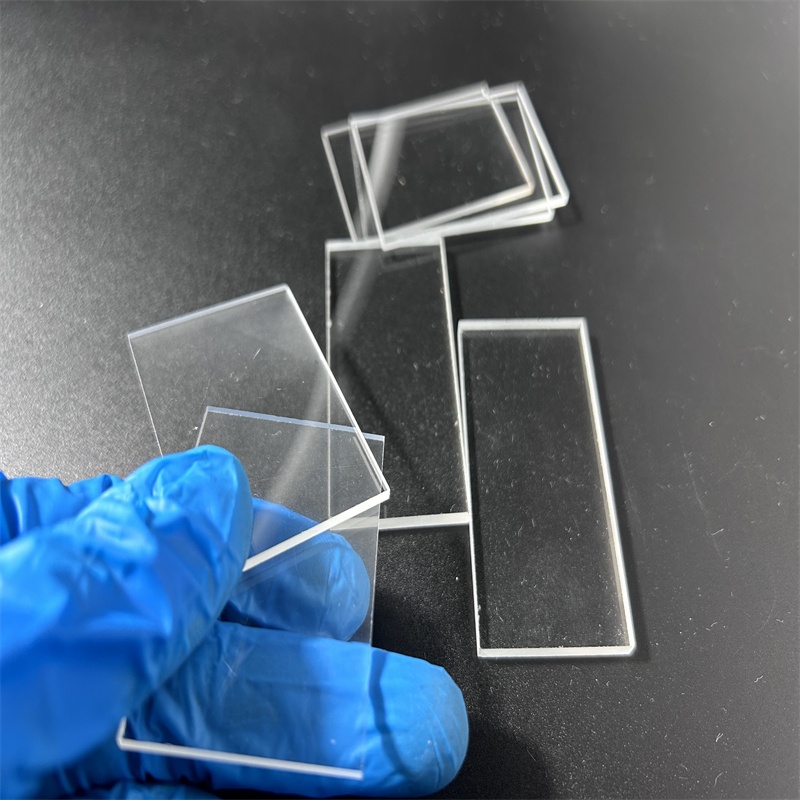
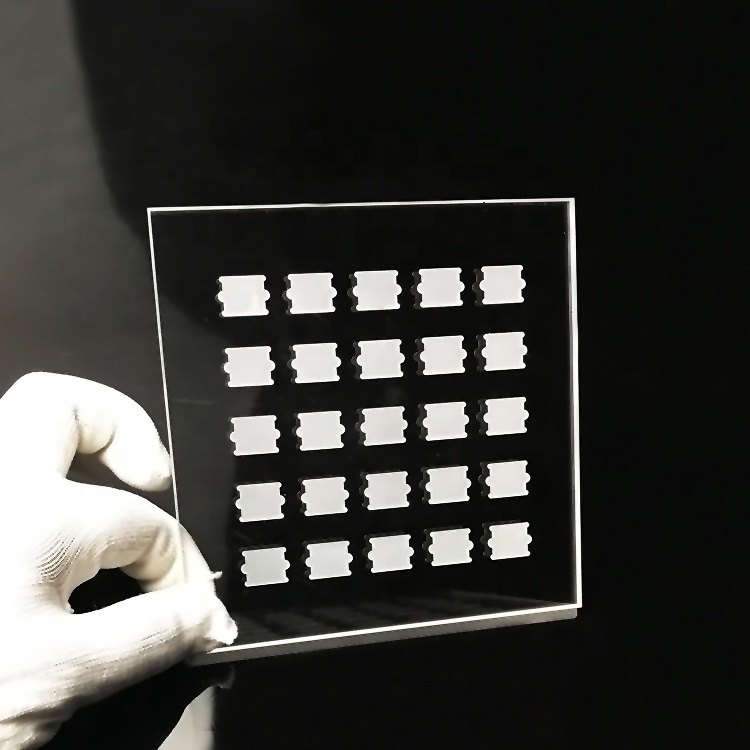
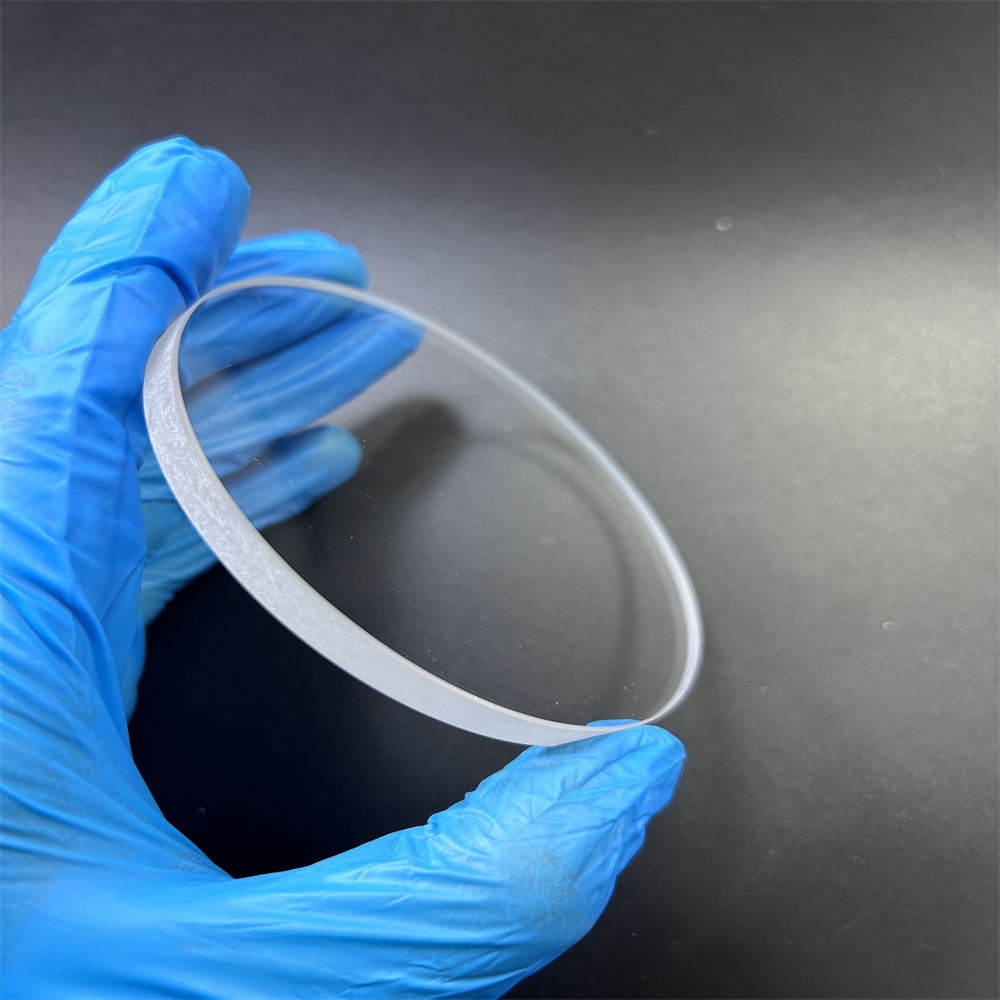
Engineering clusters in Redmond and Bellevue leverage our optical-grade fused silica wafers and planar polished plates as transmission substrates, thermal expansion submounts, and laser-micromachined interposers for low-loss multi-terabit datacom hardware.

Clean Energy, Fuel Cells & Nuclear Metallurgy

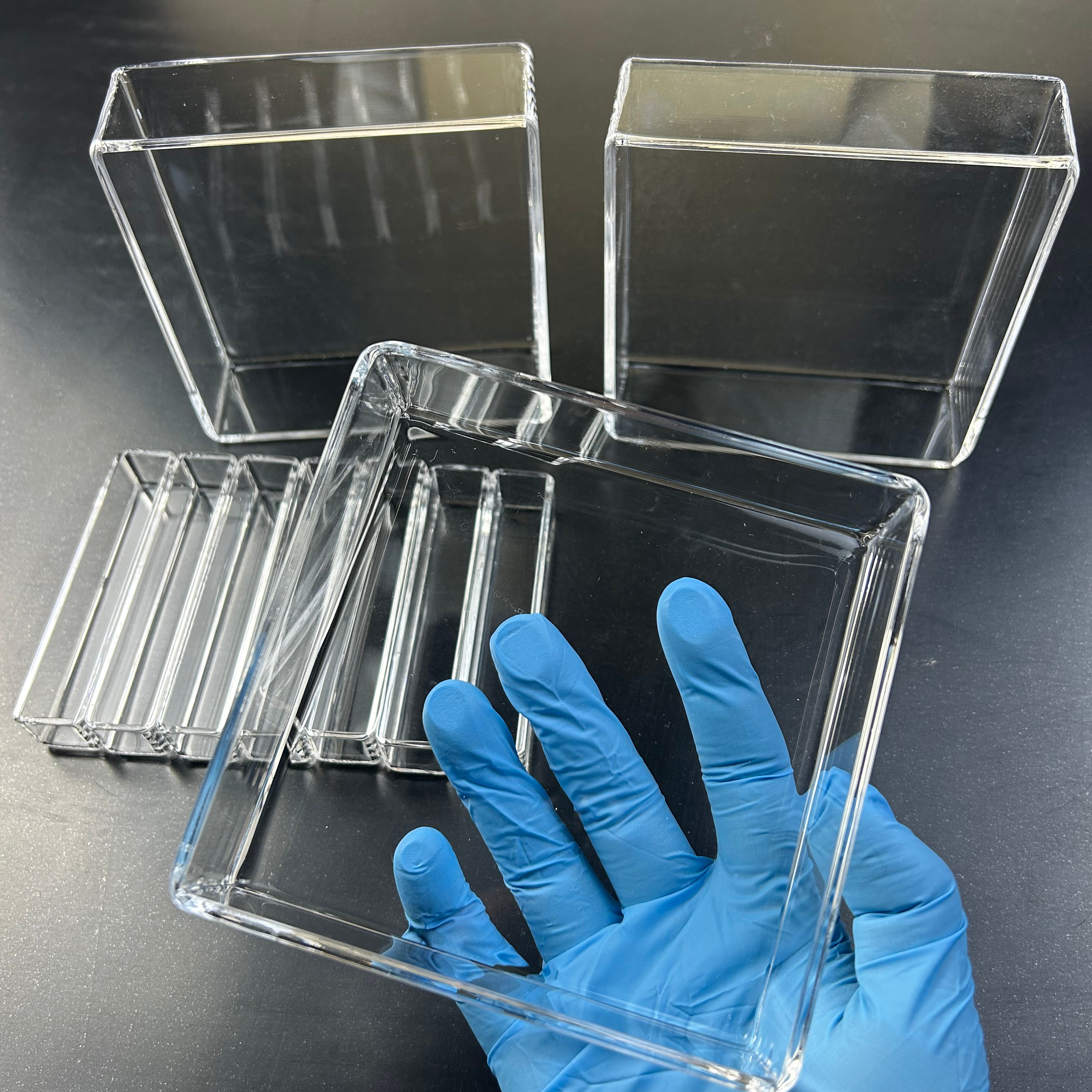
Supporting next-generation clean energy incubators, Pacific Northwest National Laboratory (PNNL) projects, and regional fusion testbeds with non-reactive quartz reaction tanks capable of enduring intense radiation fields and corrosive alkali halide salts.

Biomedical Research & Cleanroom Crystallography

Supplying the University of Washington (UW) nano-engineering centers and South Lake Union biotech innovators with zero-background XRD sample holders, microfluidic quartz flow cells, and synthetic JGS1 cuvettes for deep-UV spectrophotometric assays.

Strategic Supply Horizons

Emerging Procurement Trends in the Greater Pacific Northwest

How the revitalization of Western Washington manufacturing, the federal CHIPS Act, and sustainability mandates are reshaping quartz procurement.

CHIPS & Science Act

Sub-Nanometer Contamination & Native Trace Reduction

With massive investments flowing into the Pacific Northwest semiconductor corridor, semiconductor tooling specs demand ultra-low heavy metal concentrations (<0.1 ppb Fe, Cu, Ni, Cr). Foundries are abandoning generic refractory glassware in favor of high-purity synthetic fused silica crucibles that mitigate lattice defects in crystal pulling.

Near-Shore Resilience

Direct-from-Source Supply Optimization

Procurement teams in Seattle and Tacoma are eliminating unnecessary multi-tier domestic markups by forging direct relationships with certified production facilities in Donghai. Integrating expedited sea routes via the Northwest Seaport Alliance guarantees short lead times and custom flame-worked prototyping backed by engineering support.

Sustainable Decarbonization

Extended Thermal Campaign Durability

State of Washington clean manufacturing targets mandate drastic reductions in thermal equipment downtime and embodied carbon waste. High-density fused quartz crucibles featuring optimized bubble-free vitreous inner barriers increase crucible reuse lifespans by up to 35%, drastically lowering the net carbon footprint per casting cycle.

The Manufacturer Advantage

Why Tier-1 Engineers Partner with Zunex Quartz

Combining Donghai's world-renowned raw crystal heritage with precision CNC laser micromachining, rigorous quality gates, and verified global trade reliability.

CAD/Drawing Customization

We machine directly from your STEP, DWG, and PDF technical drawings. Every drawing undergoes multi-parameter DFM (Design for Manufacturability) analysis prior to cutting, guaranteeing zero dimensional mismatch.

≤ 2-Hour Response SLA

Our verified 100% inquiry response rate guarantees rapid technical feedback within 2 hours. Our engineering and logistics desk works across Pacific Time (PT) business hours to deliver fast quotations and drawing audits.

Export-Grade Shockproof Crate Packaging

Fragile high-aspect-ratio quartz tubes, thin wafers, and heavy crucibles are secured in custom high-density molded EPE foam suspended inside reinforced plywood crates, eliminating maritime and air freight impact shock.

Verified Trade Credibility

Backed by an annual revenue of US$2.5M – US$5M and a 43% verified repeat-order rate from international enterprise buyers on Alibaba.com. Complete mill test certificates (MTC) and spectral curves provided with every batch.

Procurement Intelligence

Frequently Asked Questions by Pacific Northwest Buyers

Detailed technical and logistical answers addressing material purity, logistics through Port of Seattle, and custom fabrication workflows.

How do you manage customs clearance, tariffs, and freight into the Port of Seattle & Sea-Tac?

We provide comprehensive Incoterms including DDP (Delivered Duty Paid), DAP, CIF, and FOB to Washington State. For urgent research or cleanroom pilot runs, air cargo via Seattle-Tacoma International Airport (SEA) clears within 3–5 business days. For bulk container shipments of heavy crucibles and furnace tubes, we route cargo through the Northwest Seaport Alliance (Terminal 18 / Port of Seattle or Port of Tacoma) partnered with bonded customs brokers. We provide compliant Harmonized System (HS) classifications (typically under HS Code 7017.10 for fused quartz laboratory and industrial apparatus), full commercial invoices, packing lists, and Certificates of Origin (COO) to ensure zero port detention delays.

What is the critical distinction between JGS1, JGS2, and JGS3 quartz in crucible and plate performance?

Selection depends primarily on spectral transmission needs, chemical contamination sensitivity, and thermal exposure profiles:
  • JGS1 (Synthetic Fused Silica): Produced by synthesizing silicon tetrachloride (SiCl4) in a hydrogen-oxygen flame. It features virtually zero metallic impurities (<0.05 ppm total metals) and no bubble inclusions. It boasts extraordinary deep-UV optical transmission from 185 nm to 2500 nm, making it essential for excimer laser viewports, photolithography wafer boats, and ultra-trace scientific crucibles.
  • JGS2 (Optical Fused Quartz): Smelted from premium natural rock crystals. It provides broad optical transmission from 220 nm to 2500 nm, offering high thermomechanical strength at an economical cost. It is widely specified for furnace tubes, standard metallurgical crucibles, and optical sight plates operating continuously up to 1100°C.
  • JGS3 (Infrared Grade Quartz): Vacuum electro-fused natural quartz engineered with an ultra-low hydroxyl (OH) content (typically <2 ppm to <5 ppm). The absence of the characteristic 2.73 μm OH absorption band enables exceptional infrared transmittance up to 3500 nm and elevates the short-term softening threshold up to 1710°C, making it ideal for infrared heaters, thermal reactors, and pyrometric viewports.

Can Zunex fabricate crucibles and complex quartzware directly to customer 3D models and CAD files?

Yes. Bespoke OEM/ODM processing to drawing is the core of our business model. You can upload or email technical files in standard CAD formats (PDF, AutoCAD DWG, DXF, SolidWorks SLDPRT, or STEP/IGES). Our senior engineering desk analyzes wall thickness transitions, thermal stress points, flame-welding joints, and laser cutting paths. We provide a complete Design for Manufacturability (DFM) verification and quotation within two hours, confirming exact dimensional tolerances (down to ±0.02 mm where required), edge finishes (ground, fire-polished, or beveled), and custom laser engraving.

What quality inspection steps and material certifications accompany each export consignment?

Every shipment leaves our Donghai facility only after traversing a multi-stage QA/QC gate:
  1. Dimensional Metrology: Laser micrometer OD/ID verification, coordinate-measuring machine (CMM) profiling, wall thickness uniformity mapping, and flatness measurement using monochromatic optical flats.
  2. Visual & Defect Inspection: Polariscope residual stress analysis to verify proper annealing, bubble and inclusion categorization conforming to DIN 58927 / ISO 12123, and optical microscopic surface roughness (Ra) verification.
  3. Documentation Provided: Detailed Mill Test Certificates (MTC), Inductively Coupled Plasma Mass Spectrometry (ICP-MS) trace chemical impurity breakdowns (specifying Fe, Cu, Ti, Al, Na, K, Li levels in ppm/ppb), UV-VIS-NIR spectral transmission curves, and photographic pre-shipment sign-off dossiers.

How do your quartz crucibles perform under sudden thermal shock in induction heating?

Due to the exceptionally low linear coefficient of thermal expansion of fused silica (5.5 × 10⁻⁷ /°C between 20°C and 1000°C—roughly 1/15th to 1/20th that of borosilicate glass or alumina ceramics), our crucibles exhibit extraordinary thermal shock tolerance. A standard test piece heated to 1100°C can be dropped directly into 20°C cold water without fracturing or developing structural fissures. In RF induction and resistance heating applications, users can ramp temperatures rapidly without the slow, multi-hour preheating cycles necessitated by ceramic or graphite vessels, dramatically optimizing foundry productivity.

Request a Fast Engineering Quote for Seattle Delivery

Send your CAD drawing, PDF specification, or application parameters. Our specialized quartz engineers review manufacturability, verify tolerances, and reply within two hours with a comprehensive factory-direct quotation.