99.99% Purity
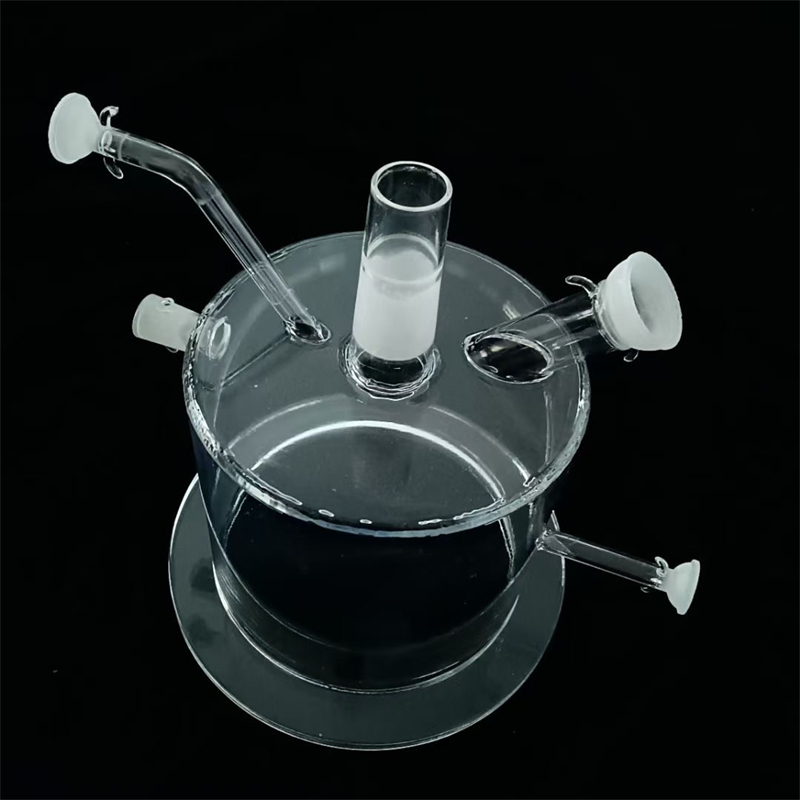
Direct from our Donghai facility: explore high-temperature, corrosion-resistant optical wafers, tubes, and lab-grade fused quartz solutions fabricated strictly to your technical drawings.
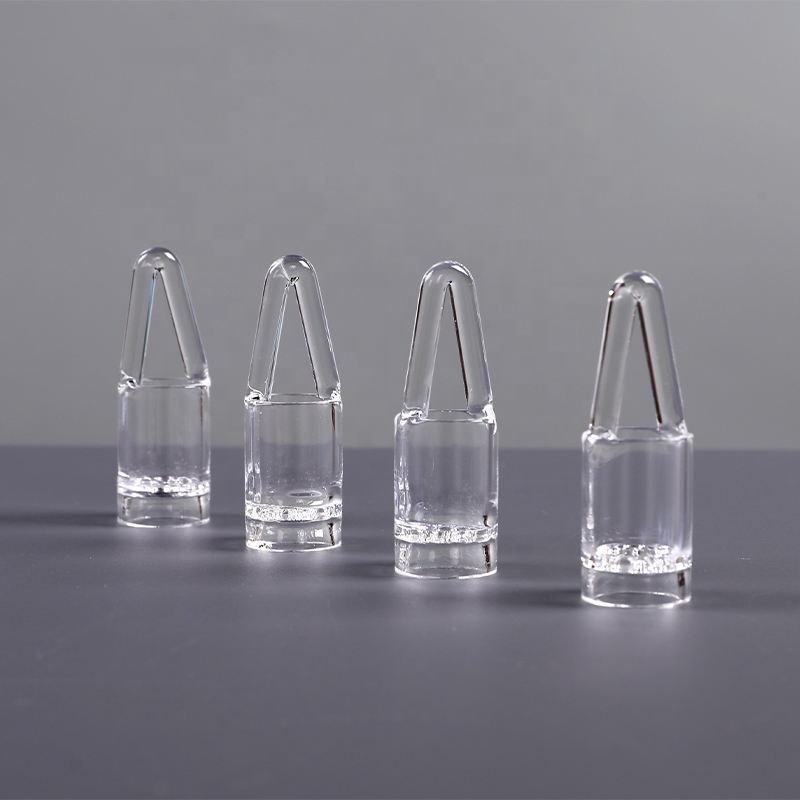
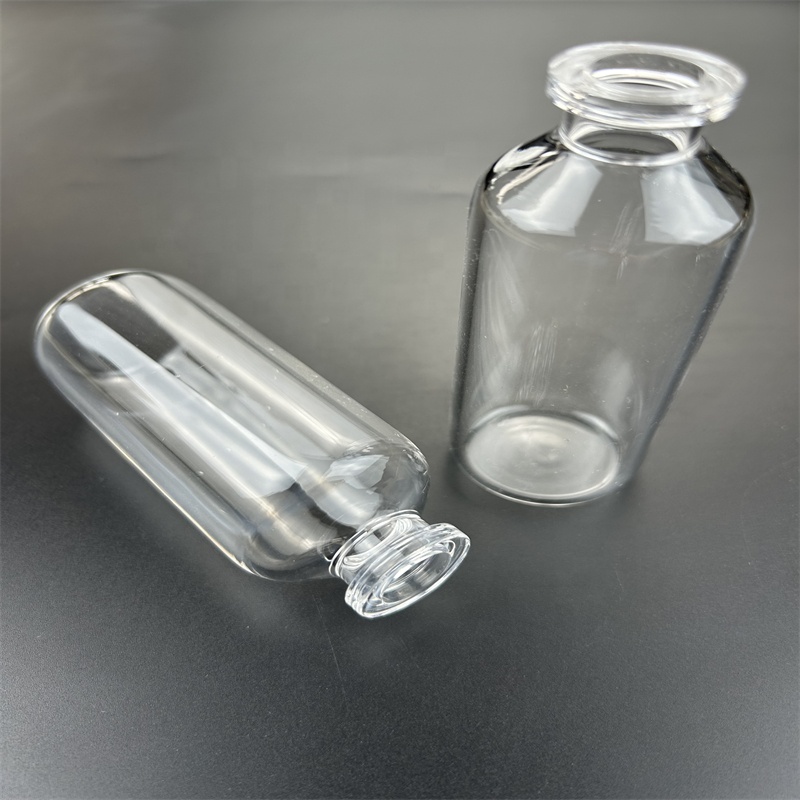
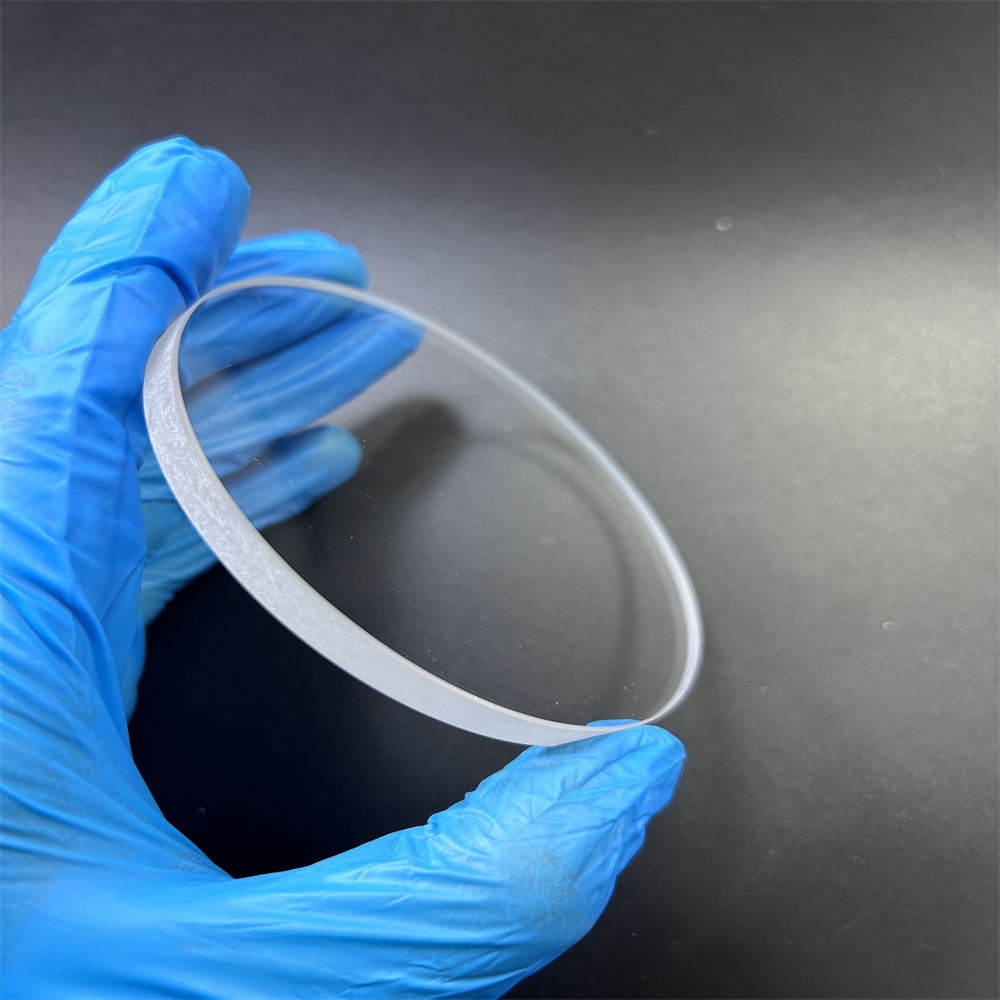
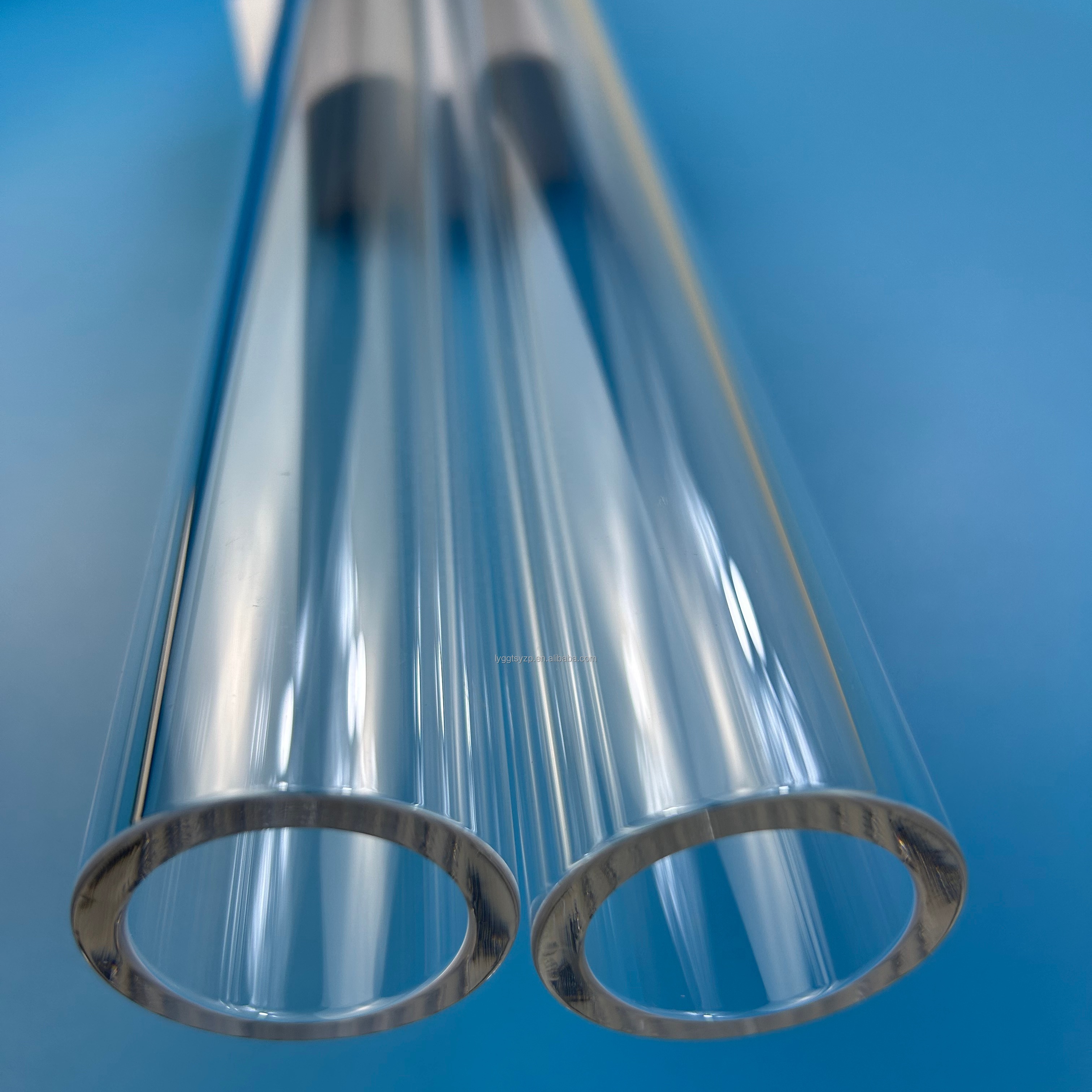
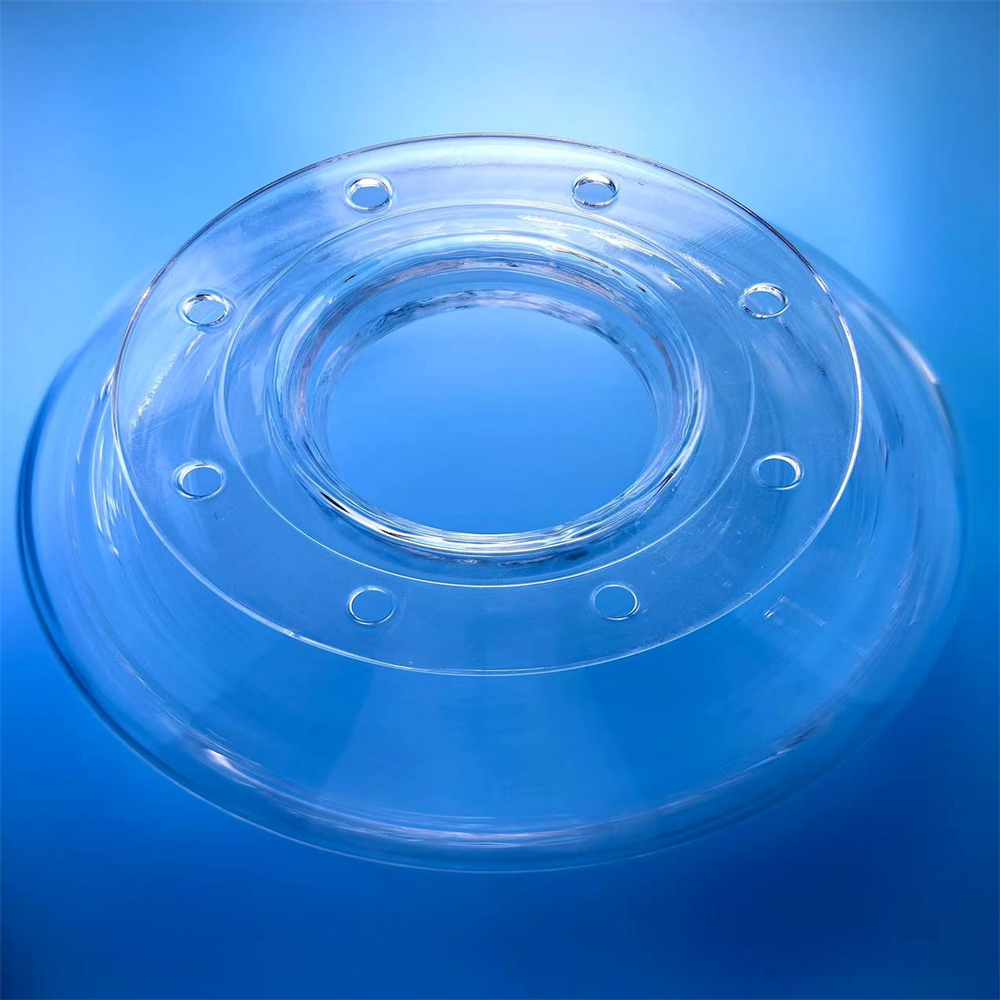
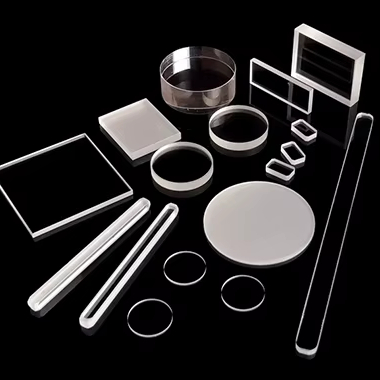
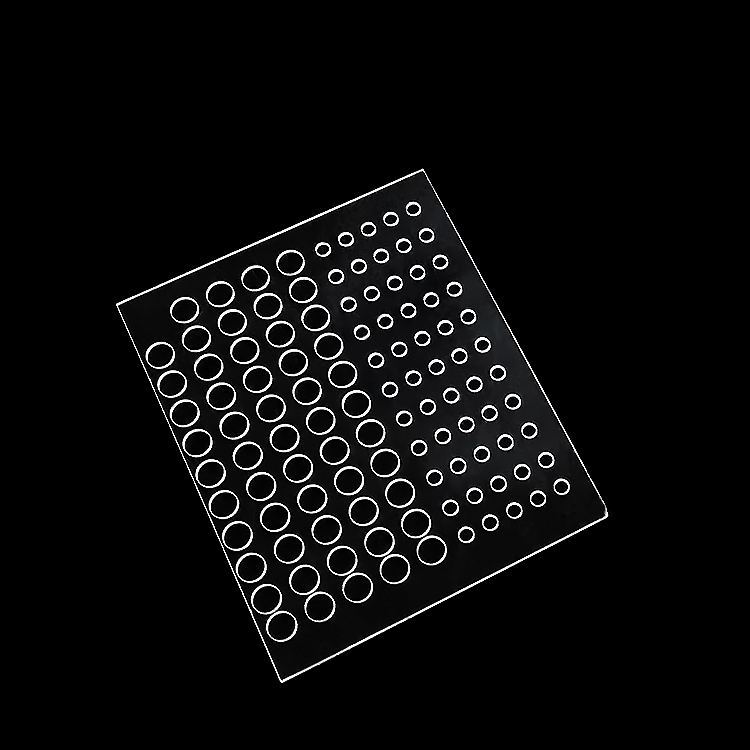
As a leading Chinese custom quartz fabricator, Zunex Quartz Products Co., Ltd. produces optical windows, viewports, and laser substrates designed for extreme electromagnetic transparency and harsh operating environments. Optical quartz windows are critical transmission elements deployed across excimer laser systems, deep-ultraviolet (DUV) photolithography, high-temperature furnace sight ports, and aerospace observation apertures.
Unlike standard borosilicate or float glass, fused quartz exhibits an exceptionally low thermal expansion coefficient (5.5 × 10⁻⁷/°C), eliminating wavefront distortions caused by thermal lensing under intensive beam irradiation. Furthermore, our CE-certified manufacturing complies with European Directives regarding industrial equipment integration, ensuring structural resilience under rapid pressure differentials and high operating stresses.
| Optical Quartz Grade | Transmission Bandwidth | OH Content | Primary Industrial Use-Case |
|---|---|---|---|
| JGS1 (Synthetic Fused Silica) | 185 nm – 2,500 nm (Deep UV) | ≤ 5 ppm (or High OH depending on laser threshold) | Excimer lasers, semiconductor stepper windows, UV spectrometry |
| JGS2 (Optical Grade Quartz) | 220 nm – 2,500 nm (UV-VIS) | ≤ 30 ppm | High-pressure sight glasses, UV sterilizer viewports, furnace windows |
| JGS3 (Infrared Grade Silica) | 260 nm – 3,500 nm (Extended IR) | ≤ 5 ppm (Water-free) | FTIR spectroscopy, pyrometry viewports, thermal imaging systems |
Every window undergoes laser-interferometric surface flatness inspection (λ/4 or λ/10 per standard), bilateral parallelism polishing down to ≤ 10 arcseconds, and double-side scratch-dig quality control aligned with MIL-PRF-13830B (20/10 to 60/40 standards).
Headquartered in Donghai County, China's silicon and crystal core, we merge abundant raw mineral purity with advanced CNC and laser processing technology.
Full batch traceability from raw fused ingot selection to final spectrophotometer inspection reports, complete with formal CE conformance.
Direct machining from DWG, DXF, or STEP models. We support complex steps, counterbore laser holes, beveled edges, and optical coatings.
Our dedicated engineering desk confirms manufacturability, tolerance tolerances (±0.02 mm), and pricing in less than two hours.
Zero-breakage assurance with multilayer shock-absorbent polymer packaging and reinforced structural wooden shipping crates worldwide.
As semiconductor lithography, green hydrogen, and laser manufacturing evolve, procurement criteria for quartz glass are experiencing structural shifts.
Traditional diamond wheel grinding induces microscopic subsurface cracks (SSC) that degrade under high-power laser exposure. Modern procurement increasingly specifies picosecond laser drilling and chemical-mechanical polishing (CMP) to achieve subsurface damage thresholds below 5 μm, radically extending optical component lifetime in harsh vacuum chambers.
The acceleration of photovoltaic cell manufacturing (TOPCon and Perovskite-Silicon tandems) and hydrogen generation systems requires quartz sight glasses and inspection windows capable of enduring aggressive halogen gases, ammonia environments, and continuous cycling past 1100 °C without devitrification or clarity loss.
B2B procurement teams are bypassing intermediate brokers in favor of vertically integrated factories situated in raw material clusters like Donghai. Direct manufacturer engagement guarantees material certification, lower defect scrap rates, faster design iterations, and predictable repeat-order lead times.
Everything you need to know about material selection, thermal endurance, machining limits, and international customs clearance.
Send your 2D/3D engineering drawings (PDF, DWG, STEP) or dimensional parameters. Our optical engineering team will verify manufacturability, specify optimal material grades, and return a competitive factory quote within 2 hours.
Send an Inquiry