High-Purity Fused Quartz & Silica Solutions
Direct manufacturer export from Donghai County — China's quartz capital. Every component undergoes spectrophotometric transmission verification, surface wavefront testing, and dimensional inspection.
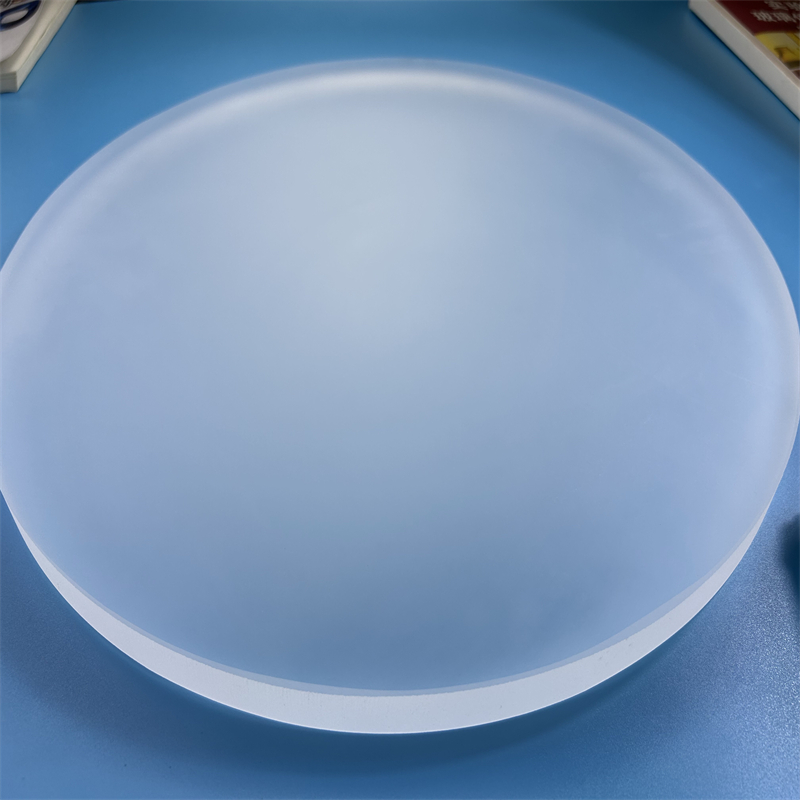
High Temperature Frosted Quartz Disc/Plate
Specialized sandblasted and frosted quartz plates engineered for semiconductor diffusion furnaces, plasma etching baffles, and thermal masking up to 1200°C.

BET Chemisorption High-Pressure Twin Tube
Ultra-pure 99.99% ozone-free clear quartz twin tubes customized for Quantachrome BET surface area testing and catalytic chemisorption reactors.
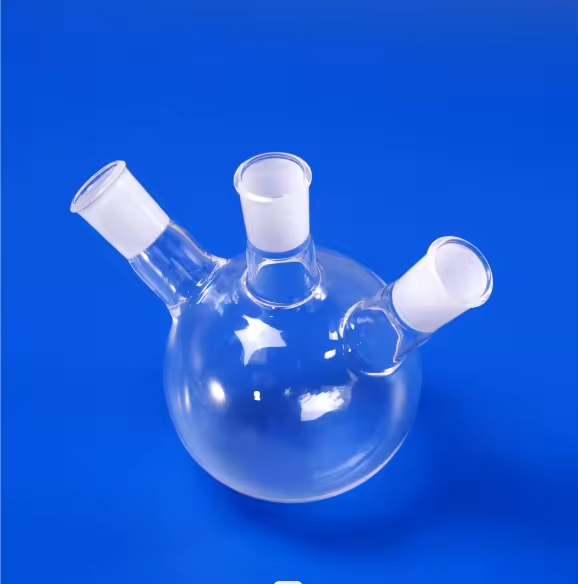
Quartz Twin Tube Bottom Reaction Flask
Precision flame-welded and blown dual-limb boiling flasks delivering zero bubble inclusions, thermal shock resistance, and acid resistance for synthetic chemistry.
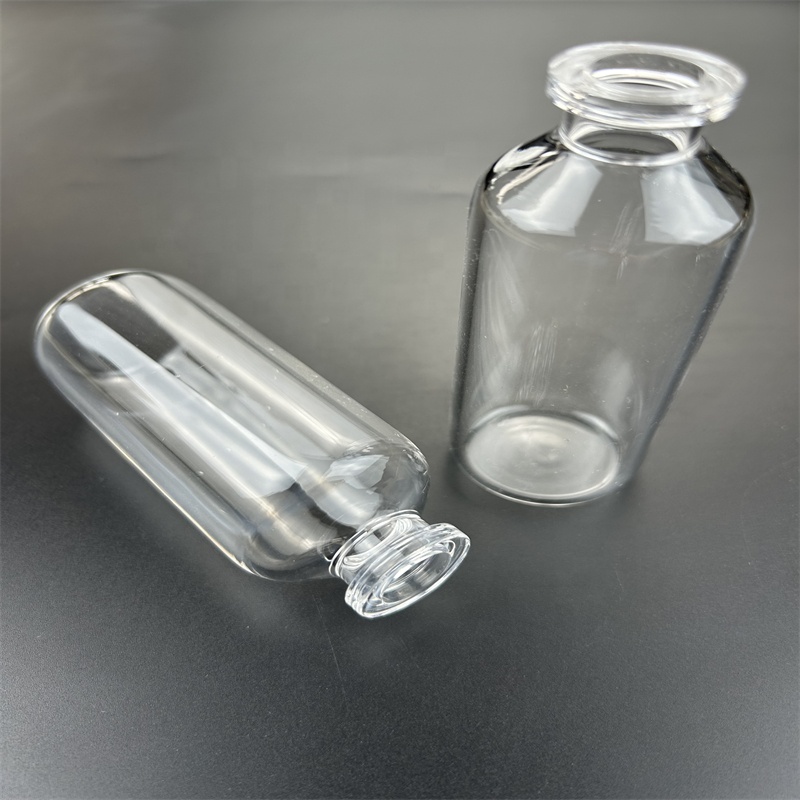
High-Pressure Medical Quartz Ampoules
Zero-leach, heavy-wall quartz glass ampoules formulated for corrosive cryogenic storage, standard radioisotope confinement, and sealed vacuum thermolysis.
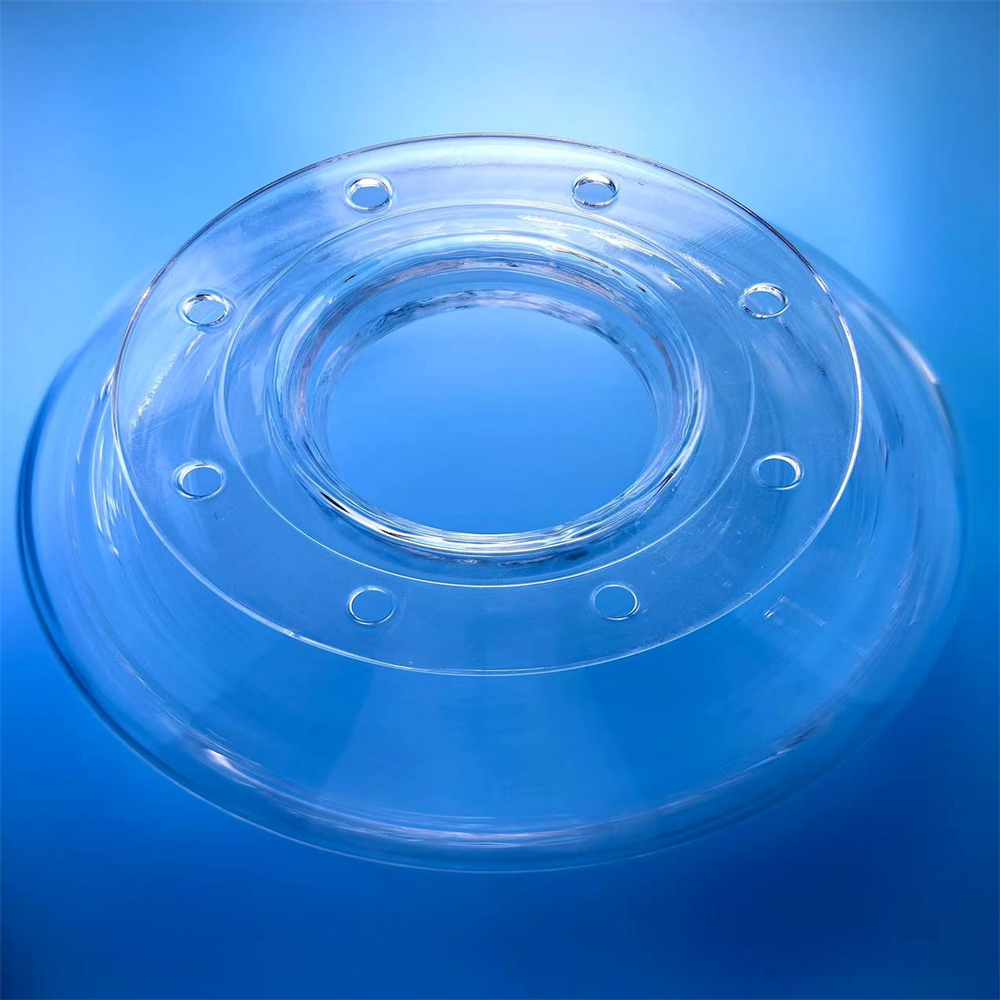
Flanged Fused Silica Furnace Tube
Custom CNC cut and ground optical-grade quartz flanged tubes for high-vacuum CVD reactors, diffusion chambers, and semiconductor chamber viewing.
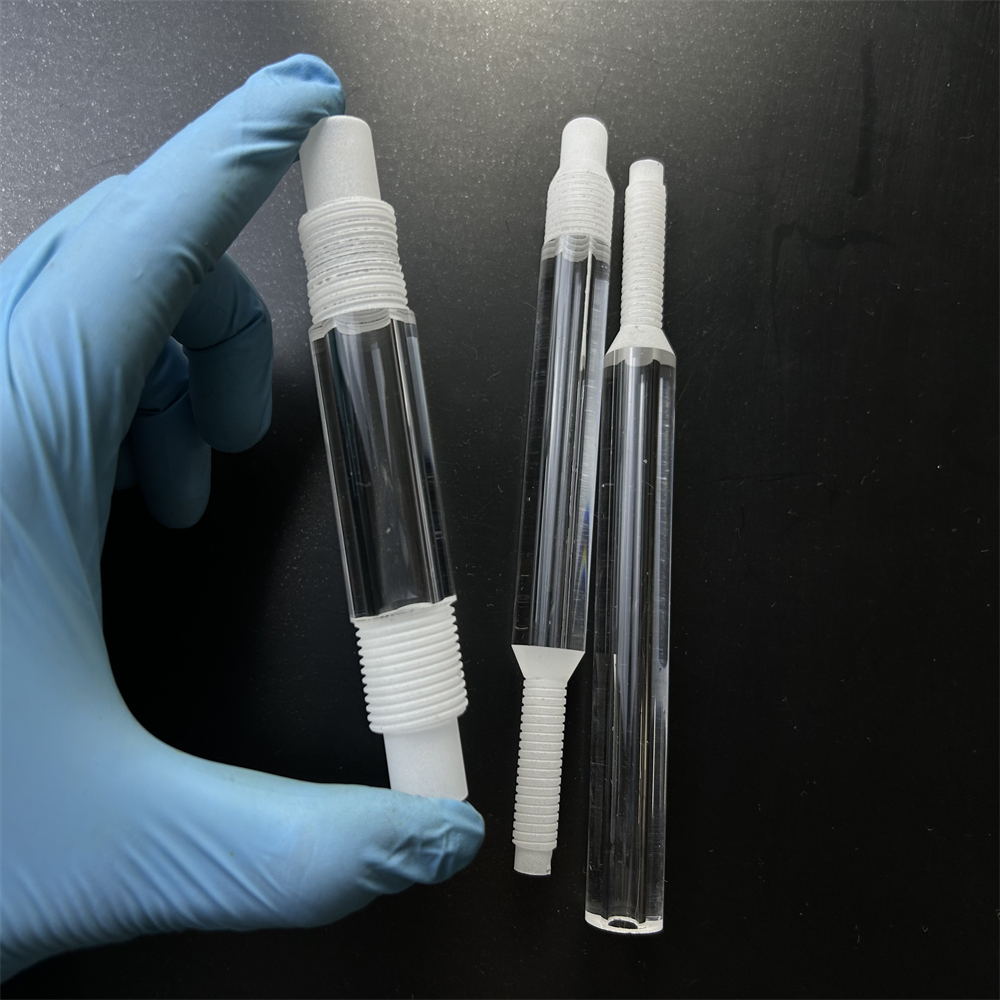
Threaded Transparent UV Quartz Tube
Precision mechanical threading on deep-UV transmitting quartz tubes, ensuring secure mechanical fastening in photolytic reactors and UV disinfection jackets.
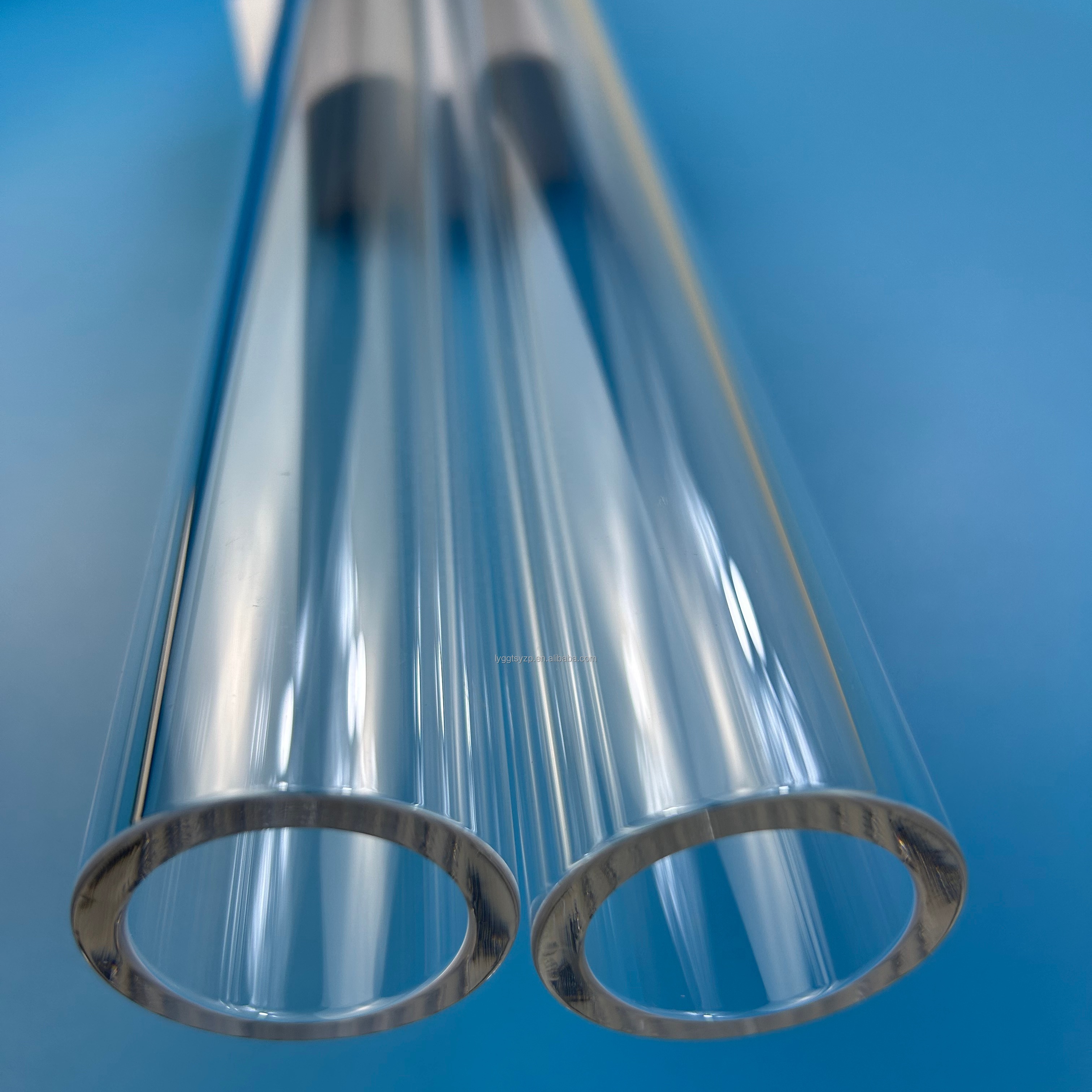
Twin-Tube Semiconductor Furnace Emitter
Dual-bore infrared heating envelope made with bubble-free fused quartz, delivering uniform thermal flux in photovoltaic firing and wafer annealing ovens.
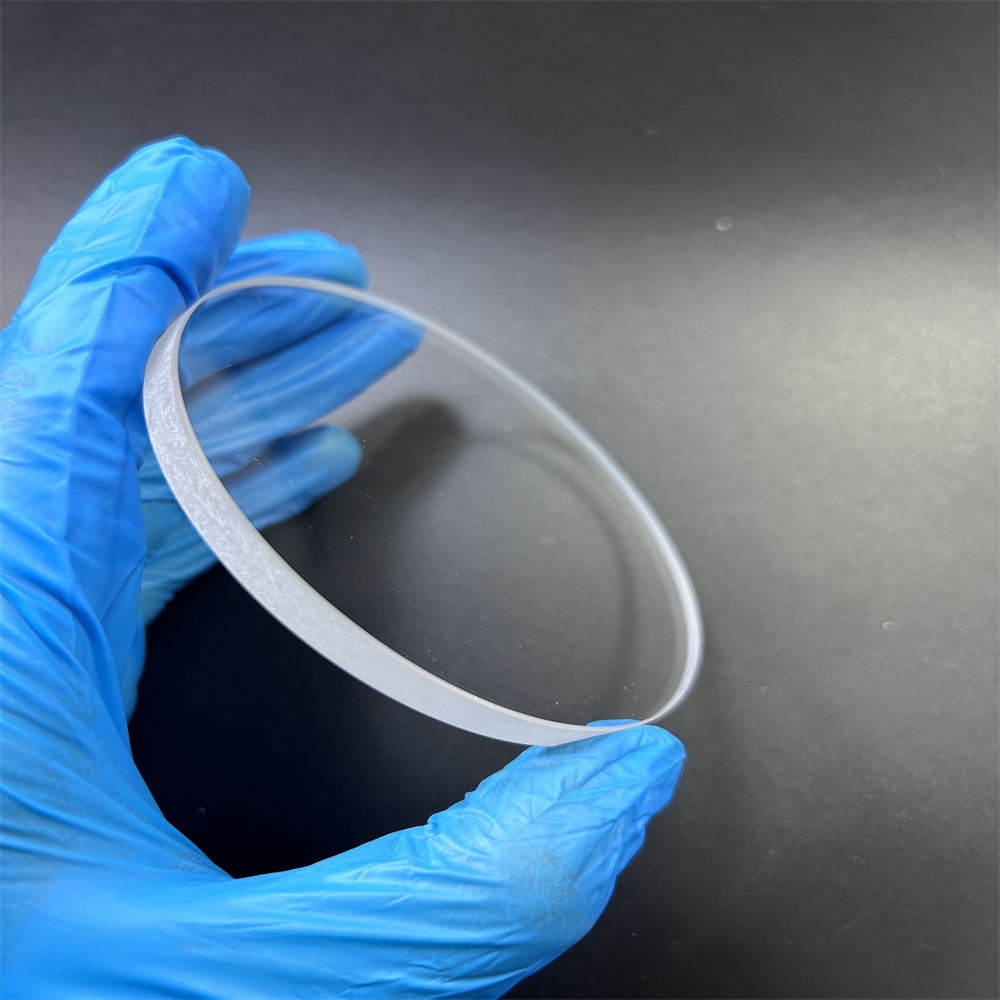
High-Precision UV Fused Silica Wafer
JGS1 synthetic grade double-side polished quartz wafers (surface roughness Ra < 0.5nm) for lithography alignment viewports, microfluidics, and MEMS substrate carriers.
Why Tier-1 OEM Engineers Partner with Zunex Quartz
Combining Donghai County's silicon raw material dominance with five-axis CNC cold processing, Class 1,000 cleanroom flame fusion, and ISO-standard metrology.
Silicon Capital Sourcing
Located in Donghai County, Jiangsu, our facility directly refines natural pegmatite quartz alongside ultra-pure synthetic SiCl4 precursors, securing traceable batch chemical stability.
≤ 2-Hour Response SLA
Every incoming DWG, DXF, or STEP drawing is evaluated by an application engineer within 120 minutes. We inspect material grade feasibility, tolerance stack-ups, and thermal limits before issuing a binding quote.
CE & RoHS Certified
All UV optical windows and fused silica components conform to European Directives (EN 61010-1 for laboratory equipment and EN 166 optical quality standards) with full bubble class 0 DIN 58927 compliance.
Laser Micro-Finishing
Equipped with non-thermal picosecond laser drilling and cutting systems, we execute zero-microcrack apertures, step chamfers, and edge bevels impossible with traditional diamond tooling.
Verified Inquiry Response Rate
Direct Engineering Turnaround
Global Repeat Buyer Ratio
Max SiO2 Synthetic Purity
Deep UV Optical Physics: Material Grade Selection Guide
Understanding the fundamental optical boundary conditions: Synthetic Fused Silica (JGS1) vs. Naturally Fused Quartz (JGS2/JGS3) under high-intensity ultraviolet irradiation.
When specifying CE certified UV quartz windows for high-flux environments (such as semiconductor steppers, excimer laser viewports, and catalytic photochemical reactors), mechanical and thermal engineers must resolve a critical tradeoff between deep ultraviolet transmission (185 nm – 260 nm), solarization resistance, and internal hydroxyl (OH−) ion concentrations.
Synthetic Fused Silica (JGS1) vs. Fused Natural Quartz (JGS2 / JGS3)
Synthetic fused silica (Chinese designation JGS1, equivalent to Suprasil 1/2 or Corning 7980) is produced through the vapor-phase flame hydrolysis of silicon tetrachloride (SiCl4) in an oxy-hydrogen flame. This manufacturing technique ensures an almost total absence of metallic trace impurities (Fe, Al, Ti, Na < 0.1 ppm). Consequently, JGS1 exhibits no absorption bands between 200 nm and 250 nm, rendering it the only acceptable window substrate for 193 nm (ArF excimer) and 248 nm (KrF excimer) photolithography viewports.
In contrast, JGS2 is fabricated by oxy-hydrogen melting of naturally occurring purified quartz crystal. While highly economical and chemically robust for general sight glasses and 254 nm germicidal UV-C monitors, JGS2 carries residual trace metallic dopants (Al ≈ 15–30 ppm) that precipitate color center formation and transmission degradation when subjected to continuous irradiation below 240 nm.
| Physical / Optical Property | JGS1 (Deep UV Grade) | JGS2 (UV-Visible Grade) | JGS3 (Infrared Grade) |
|---|---|---|---|
| Transmission Spectrum Range | 185 nm – 2500 nm | 220 nm – 2500 nm | 260 nm – 3500 nm |
| Internal Transmittance @ 254 nm (10mm) | ≥ 92.5% | ≥ 88.0% | ≤ 75.0% (Strong UV Cutoff) |
| Hydroxyl (OH−) Content | ≈ 800 – 1200 ppm (High OH) | ≈ 150 – 200 ppm | ≤ 5 ppm (Water-Free IR) |
| Laser Induced Damage Threshold (LIDT) | > 10 J/cm² @ 248nm, 20ns, 20Hz | ≈ 3 – 5 J/cm² @ 248nm | Not Suitable for High Energy UV |
| Refractive Index (nd @ 589.3 nm) | 1.4584 | 1.4585 | 1.4584 |
| Coefficient of Thermal Expansion (0–300°C) | 5.5 × 10⁻⁷ / °C | 5.5 × 10⁻⁷ / °C | 5.5 × 10⁻⁷ / °C |
| Maximum Continuous Operating Temp | 1100 °C | 1150 °C | 1200 °C |
| Surface Quality (MIL-PRF-13830B) | 20/10 Scratch-Dig, λ/10 PV | 40/20 Scratch-Dig, λ/4 PV | 60/40 Commercial Polish |
Mitigating UV Solarization and Non-Bridging Oxygen Hole Centers (NBOHC)
Prolonged exposure to ionizing ultraviolet radiation creates E' centers and non-bridging oxygen hole centers within the amorphous silicon dioxide ($SiO_2$) matrix. These structural defects manifest as broadband optical absorption peaks centered at 215 nm and 260 nm, causing what engineers term "solarization opacity". Zunex engineers eliminate this degradation mechanism in our CE certified UV quartz windows by pre-saturating synthetic JGS1 substrates with interstitial molecular hydrogen ($H_2$). The hydrogen acts as a passivation agent, instantly binding with cleavage radicals under excimer bombardment and extending viewport optical longevity by up to 400% compared to non-passivated commercial fused silica.
Global UV Quartz Procurement Trends (2025–2030)
Macro shifts driving specification requirements across the European Union, North American defense, and Asia-Pacific semiconductor fabrication corridors.
Transition from Mercury to 222nm KrCl Far-UVC
Under the EU Minamata Convention, conventional low-pressure mercury discharge lamps are rapidly phasing out in favor of 222 nm KrCl excimer and 265 nm solid-state UV-C LEDs. This transition requires optical exit windows with extreme transmission stability below 230 nm, driving procurement teams away from borosilicate sight glasses toward ultra-pure JGS1 synthetic quartz with negligible transmission roll-off.
Demand for Atomic-Level Surface Flatness (λ/10)
Advanced optical inspection systems, quantum sensing cavities, and wafer metrology setups now demand transmitted wavefront distortion (TWD) below λ/10 @ 632.8 nm with double-side chemical-mechanical planarization (CMP). Sourcing managers are consolidating supplier lists to factories possessing Zygo Verifire laser interferometers capable of providing full NIST-traceable surface topography certificates.
Total Cost of Ownership (TCO) & Supply Chain Resilience
Procurement directors in Germany, Japan, and the USA are actively moving away from multi-tier optical distributors to direct OEM manufacturers. By bypassing local branding middlemen and purchasing custom CNC-machined quartz windows directly from audited ISO/CE factories in Donghai, enterprise buyers realize a 35–55% reduction in landed component costs while retaining full raw-material lot traceability.
Emerging Technology Roadmap: Next-Gen UV Quartz Fabrication
Addressing the boundary limits of thermal shock, hermetic vacuum bonding, and optical parasitic reflections.
Sub-Wavelength Anti-Reflective Nanostructures
Traditional thin-film dielectric AR coatings degrade under deep UV photon flux due to interfacial thermal stresses and micro-delamination. Our R&D team is piloting direct plasma dry-etched "moth-eye" nanostructures directly into the quartz window surface, achieving > 99.2% single-wavelength transmission at 248 nm with zero coating material to degrade.
Active Metal Brazing for UHV Flanges
To eliminate fragile elastomer O-rings in ultra-high vacuum (UHV) viewports, we utilize active alloy vacuum furnace brazing (Ag-Cu-Ti) to bond JGS1 quartz discs directly to 316LN stainless steel or Kovar flanges. This produces bakeable CF viewports operating down to 1 × 10⁻¹¹ Torr with a helium leak rate < 1 × 10⁻¹⁰ mbar·l/s.
Femtosecond Laser Cold Processing
By replacing mechanical diamond wheels with ultra-short femtosecond pulse lasers, we achieve kerf widths under 20 μm with zero micro-fracturing along machined edges. This eliminates the need for post-cut mechanical chamfering and doubles the catastrophic burst pressure of high-pressure viewport windows.
Automated Laser Polarization Stress Inspection
Every fabricated window now passes through automated Senarmont polariscopes to measure internal residual stress birefringence (≤ 5 nm/cm). Low optical retardation is critical for laser polarization preservation in polarized DUV optics and lithographic wafer exposure apparatus.
Frequently Asked Technical Questions (FAQ)
Clear, unhedged engineering answers to help buyers evaluate custom fused quartz window sourcing, tolerancing, and quality assurance.
What specific CE directives apply to industrial UV quartz windows and viewports?
How do I determine whether my application needs JGS1 synthetic silica or JGS2 natural quartz?
What mechanical tolerances and surface finishes can Zunex achieve on custom drawings?
- Outer Dimensions / Diameters: ±0.02 mm (precision) down to ±0.05 mm (standard).
- Thickness: ±0.01 mm with parallelism ≤ 10 arcseconds.
- Surface Figure / Flatness: λ/10 to λ/4 per 25mm aperture @ 632.8 nm.
- Surface Roughness (Ra): ≤ 0.5 nm (super-polished for laser optics).
- Scratch-Dig: 20/10 or 10/5 per MIL-PRF-13830B, guaranteed 100% free of chips and fractures under darkfield inspection.
Can fused quartz withstand sudden thermal shock from 1000°C into cold water?
How are fragile quartz windows packed for zero-breakage international export?
What is your typical production lead time for prototype and batch production?
Ready to Verify Your Technical Drawing & Tolerances?
Submit your optical window dimensions, target transmission spectrum, or STEP file. Our application engineering team will review manufacturability and provide a binding quote within 2 hours.