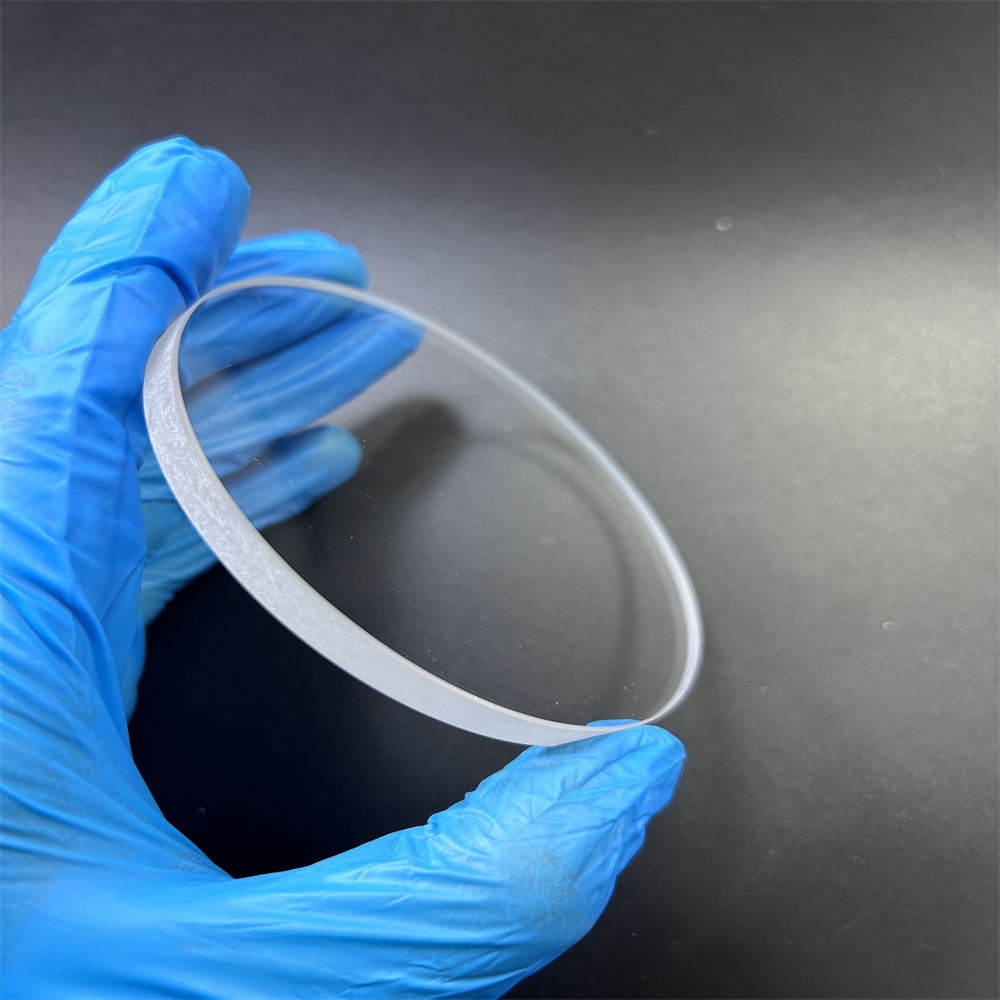
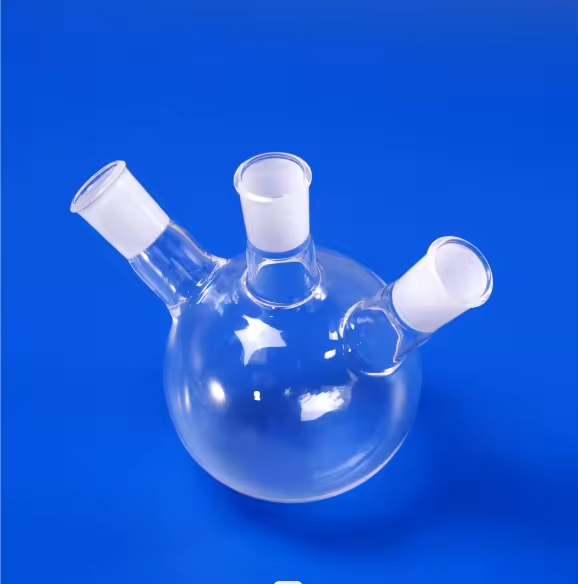
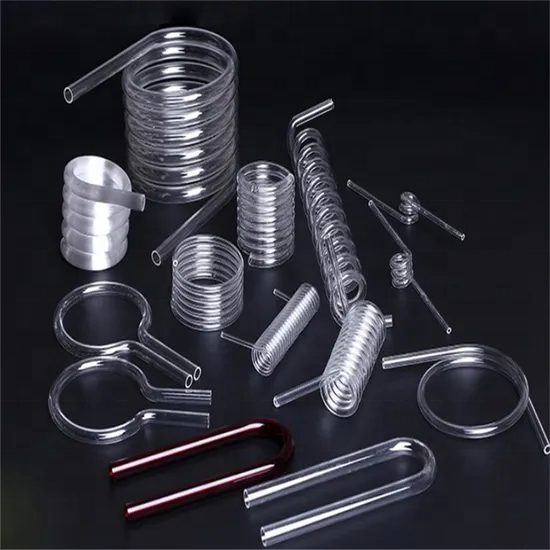
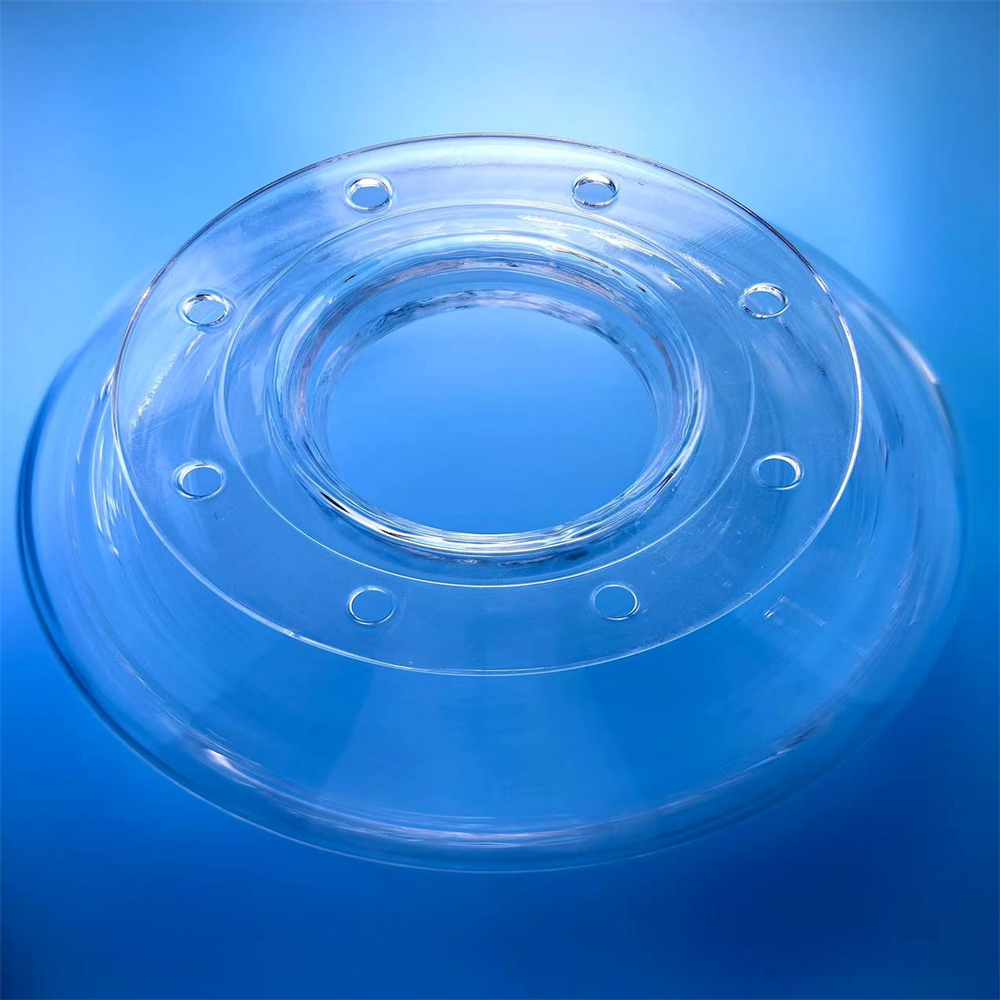
Specialized Fused Silica Windows & Custom Fabrications
Direct manufacturing of semiconductor-grade, optical, and thermal structural components fabricated to precise engineering drawings.
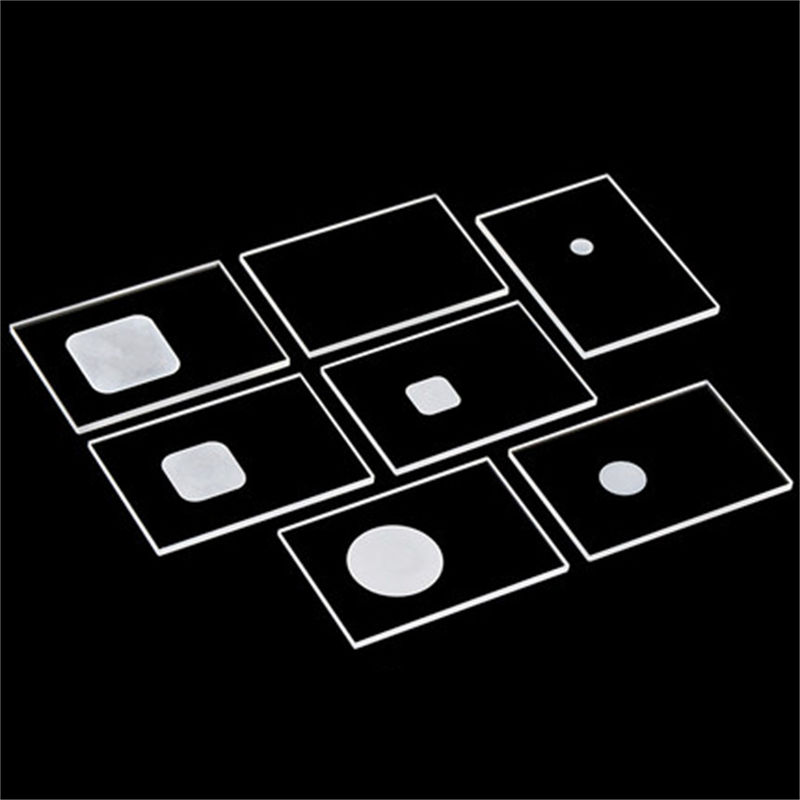
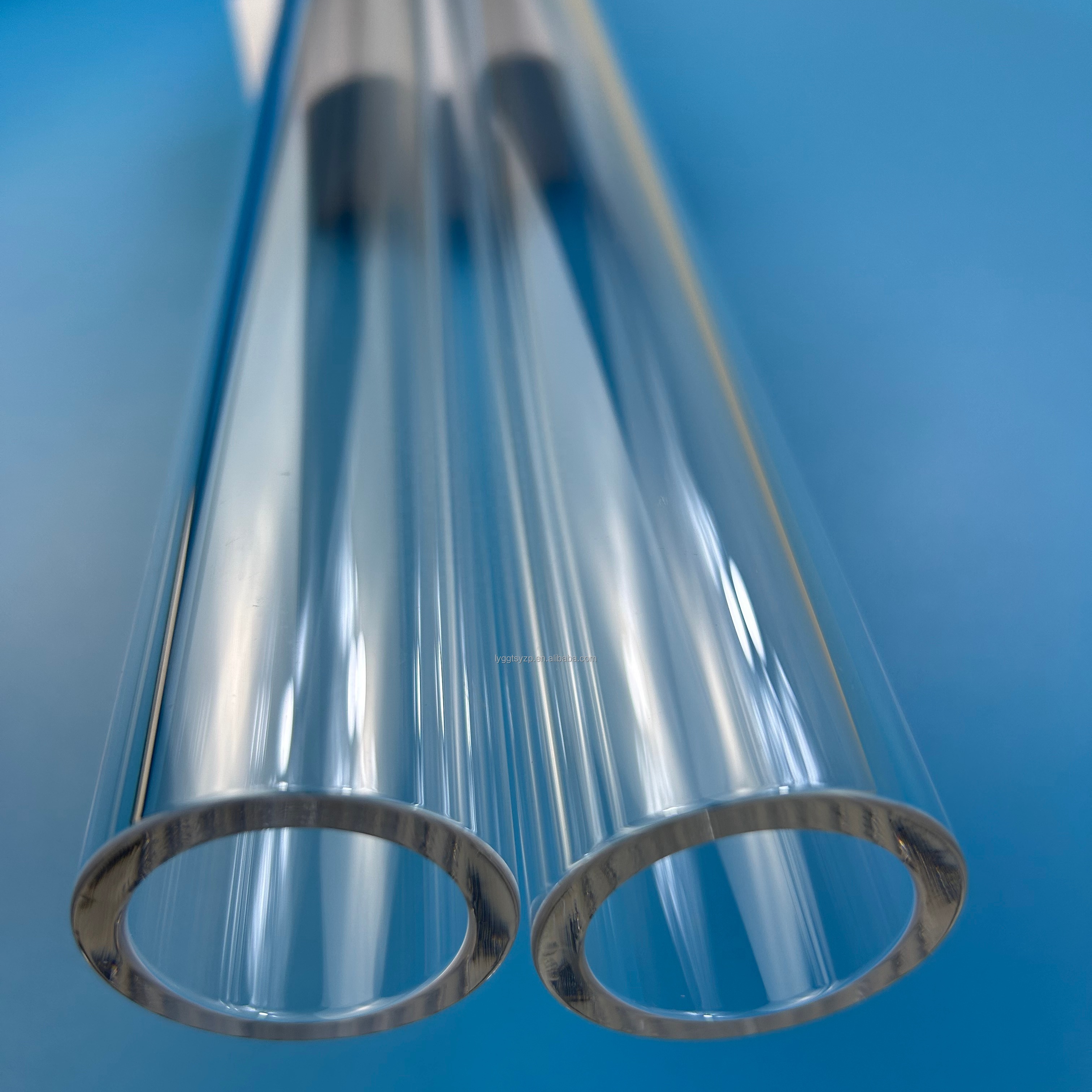

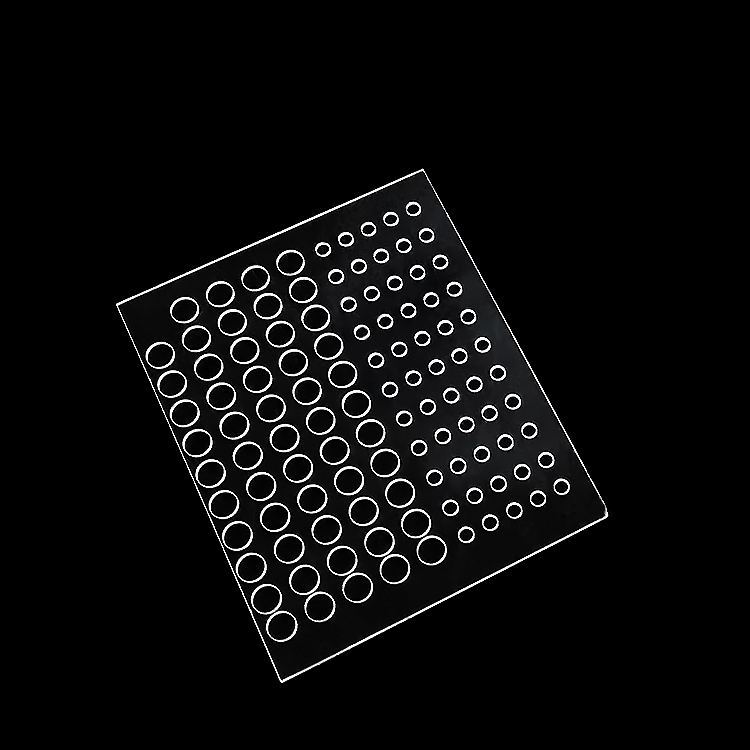
≥ 99.99%
Purity SiO₂ Content
1100°C
Continuous Thermal Limit
≤ 2 Hours
RFQ Technical Response
43%
Verified Repeat Order Rate
Fused Silica Optical Window Substrate Selection Guide
A rigorous breakdown of isotropic properties, hydroxyl radical (OH) concentrations, and transmission spectra for mission-critical industrial setups.
JGS1: Synthetic Fused Silica (Deep UV)
Synthesized via high-purity SiCl₄ oxidation, JGS1 exhibits zero bubble content, virtually no metallic impurities, and superior UV transmission down to 185 nm. The definitive choice for laser viewports, photolithography steppers, and spectrophotometer flow cells.
JGS2: Fused Quartz (Standard Optical)
Manufactured by high-temperature electro-fusion of pure natural quartz sands. It combines solid optical transmission throughout 220 nm to 2500 nm with excellent mechanical toughness. The industry standard for observation viewports, sight glasses, and pyrometer windows.
JGS3: Low-OH Infrared Silica
Engineered using specialized vacuum melting processes that strip trace water out to an OH content below 5 ppm. Eliminates absorption bands at 1.4 μm, 2.2 μm, and 2.7 μm, delivering high optical throughput across the IR spectrum up to 3500 nm.
| Material Class | Primary Transmission Band | Hydroxyl (OH) Content | Bubble Class (DIN 58927) | Laser Damage Threshold (Typical) | Key Applications |
|---|---|---|---|---|---|
| JGS1 Synthetic Silica | 185 nm – 2500 nm Deep UV | ~ 800 – 1200 ppm | 0 (Bubble-free) | > 10 J/cm² @ 355 nm, 10 ns | Excimer lasers, semiconductor wafers, DUV optics |
| JGS2 Optical Quartz | 220 nm – 2500 nm UV-VIS | ~ 150 – 200 ppm | 1 – 2 | > 5 J/cm² @ 532 nm, 10 ns | Furnace sight glass, UV sterilization covers, sensors |
| JGS3 Infrared Silica | 260 nm – 3500 nm Extended IR | < 5 ppm (Waterless) | 0 – 1 | > 7 J/cm² @ 1064 nm, 10 ns | IR heating elements, thermal imaging, gas sensors |
| Semiconductor Fused Quartz | Full Spectrum Structural | < 30 ppm | Industrial Visual Grade | N/A (Thermal Focus) | Wafer boats, twin tubes, diffusion furnace process tubes |
Emerging Procurement & Manufacturing Trends for 2025–2030
How cutting-edge photonics, EUV semiconductor processing, and energy transitions are shifting quartz supply chains toward extreme tolerances.
Sub-Angstrom Surface Finish & CMP
Next-generation optical windows are transitioning from mechanical slurry polishing to chemical-mechanical planarization (CMP). Surface roughness specifications are pushing from standard optical polish (Ra < 1 nm) down to super-polished sub-angstrom thresholds (Ra < 0.2 nm) to suppress scattered light in high-power fiber laser cutting heads.
Ultra-Fast Picosecond Laser Cold Machining
Traditional diamond micro-drilling creates subsurface micro-fractures in fused quartz, leading to thermal stress crack propagation under vacuum or extreme heat. Manufacturers are now utilizing femtosecond and picosecond lasers to micro-machine holes, slots, and beveled steps with zero taper and minimal heat-affected zones (HAZ).
Direct-to-Source Supply Chain Traceability
With tightening export and semiconductor manufacturing standards, tier-1 global buyers are bypassing intermediary traders. They are securing long-term contracts directly with native factories in Donghai, China, ensuring complete batch-level GDMS (Glow Discharge Mass Spectrometry) impurity verification for elements like Fe, Al, Cu, and Ti below 0.1 ppm.
Why Tier-1 Industrial Buyers Source from Zunex Quartz
Combining the natural resource density of Donghai's crystal hub with advanced CNC and laser post-processing infrastructure.
Custom Engineering to Drawing
Full CAD/CAM ingestion of STEP, DWG, and PDF formats. We accommodate customized tolerances down to ±0.01 mm across precision diameters, custom-slotted carriers, and step-profile circular windows.
Advanced Laser Finishing
In-house precision laser drilling, grooving, profile contouring, and thermal stress relief annealing prevent catastrophic failures in ultra-high vacuum (UHV) and high-pressure XRD applications.
Fast Technical Feedback
Every commercial inquiry receives a review by an experienced optical fabrication engineer within 2 hours, confirming raw material grades, edge chamfer safety, and volumetric yield.
Direct Donghai Factory Pricing
Direct manufacturer operations mean no intermediary agent markup, consistent bulk raw material inventory, and competitive MOQs ranging from prototype batches to scalable monthly containers.
Frequently Asked Questions on Sourcing Fused Silica Windows
Authoritative technical answers to assist procurement managers and quality engineers.
What is the key functional difference between Fused Quartz and Fused Silica?
While both materials share the primary chemical formula (SiO₂), their distinction lies in their raw source and trace impurity levels. Fused Quartz is manufactured by melting high-purity naturally occurring quartz crystals; it generally contains trace metallic elements (Al, Fe, Ti) totaling < 20 ppm and minor micro-bubbles, making it exceptionally heat resistant (≤ 1100°C) for furnace tubes, viewports, and standard optics. In contrast, Fused Silica (such as JGS1) is synthesized chemically using silicon tetrachloride (SiCl₄). It achieves exceptional purity with virtually non-existent metallic impurities (< 0.1 ppm) and an absence of micro-bubbles, providing superior transmittance down to 185 nm in the Deep UV spectrum and higher laser damage thresholds.
What surface quality and flatness standards can your factory achieve for windows?
We provide double-side planetary mechanical and optical polishing. Depending on your system budget and application, we deliver scratch-dig specifications per MIL-PRF-13830B ranging from standard industrial inspection (60/40) down to high-precision laser grade (20/10 or 10/5). Surface flatness can be controlled from 1λ per inch down to λ/10 per inch measured at 632.8 nm with He-Ne laser interferometers. Parallelism is maintained down to < 10 arcseconds for precision wedged or flat optical plates.
How does fused silica perform under rapid thermal cycling and extreme pressures?
Fused silica has an extraordinarily low coefficient of thermal expansion (α = 5.5 × 10⁻⁷/°C between 20°C and 320°C), which is roughly 1/20th that of standard soda-lime float glass. Consequently, it easily survives severe thermal shock; an annealed plate heated to 1000°C can be dropped into cold water without shattering. For pressure applications (such as high-pressure chemisorption or reactor sight ports), the mechanical burst pressure depends on the aspect ratio (diameter-to-thickness), clamping method, and edge finish. We perform ground, fire-polished, or beveled chamfering on all window perimeters to eliminate micro-notches that could otherwise serve as stress concentrations.
What design files and details are required to receive a fast formal quotation?
To provide an accurate technical quote within 2 hours, please provide: (1) An engineering mechanical drawing (PDF, DWG, DXF, or 3D STEP format); (2) Selected material grade (JGS1 UV, JGS2 Optical, JGS3 Infrared, or clear industrial quartz); (3) Critical dimensional tolerances (thickness, OD/length, diameter); (4) Surface finish requirements (clear cut, fine ground, 60/40 or 20/10 double-sided polish); and (5) Expected prototype or batch production quantities.
What export-grade packaging is used to prevent chips, scratches, and breakage?
All optical windows and wafer substrates are individually layered with lens tissue, cleanroom vacuum-sealed, or nested in custom-fit polyethylene wafer trays. Outer packing incorporates multi-layer shock-absorbing EVA foam blocks encased within drop-tested, fumigation-free engineered plywood export crates. Every international consignment is marked with fragile indicators and includes comprehensive damage-replacement insurance through our logistics partners (DHL, FedEx, air freight, or sea container).
Need a Rapid Technical Quote for Custom Fused Silica Windows?
Send your drawings, required tolerances, and volume targets directly to our Donghai manufacturing engineering team. We review manufacturability, verify optical grades, and respond within 2 hours.