Fused Quartz Material Selection: Deep UV, Visible, and Near-Infrared Spectrum Analysis
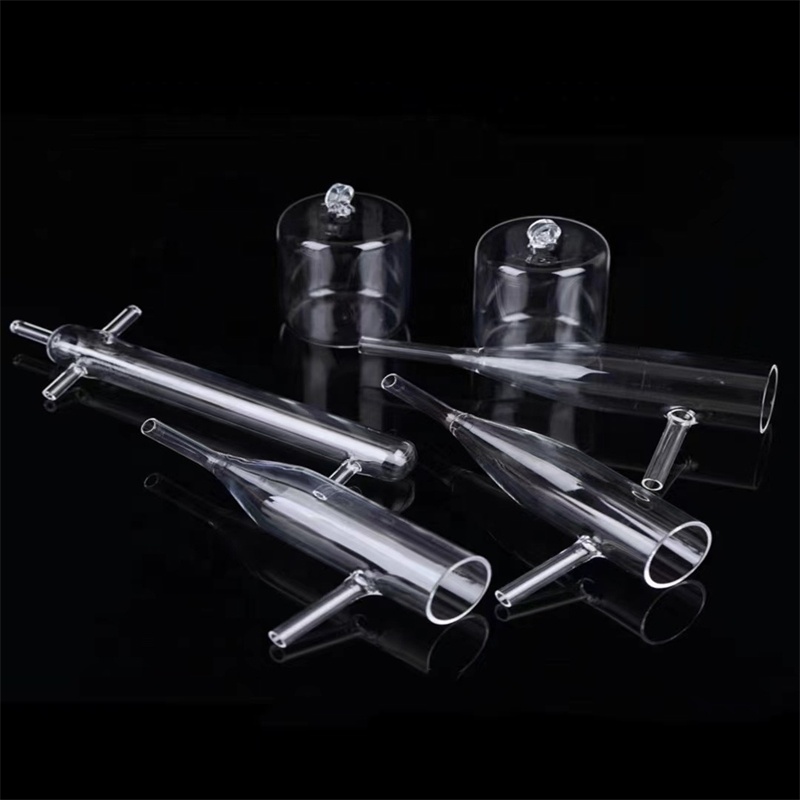
In modern photonics, semiconductor fabrication, and industrial heating infrastructure, industrial lamp tubes serve as functional envelopes that determine thermal efficiency and photon transmittance. As a premier source among China wholesale quartz lamp tube suppliers, our production centers in Donghai utilize high-purity silicon dioxide (≥ 99.98% SiO₂), preventing thermal recrystallization (devitrification) while maintaining mechanical strength under severe operating cycles up to 1300 °C.
Procurement engineers must discern between structural synthetic silica and electrical-fused quartz when evaluating light source casings, photochemical reactors, and heating arrays. The concentration of residual hydroxyl groups (OH−) and metallic trace impurities directly governs bubble count, vacuum containment resilience, and spectral attenuation.
| Optical / Material Grade | Transmission Bandwidth | Typical OH− Content | Primary Industrial Applications |
|---|---|---|---|
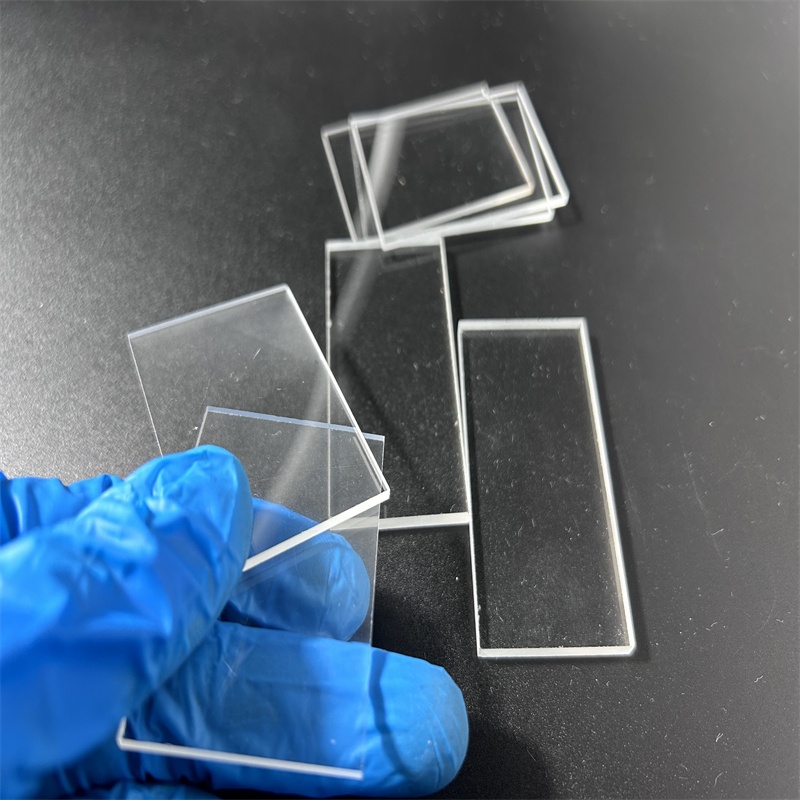
| JGS1 (Synthetic Silica) | 185 nm – 2500 nm (Deep UV) | < 10 – 30 ppm | Semiconductor photolithography, germicidal UVC lamps, excimer laser viewports, optical windows. |
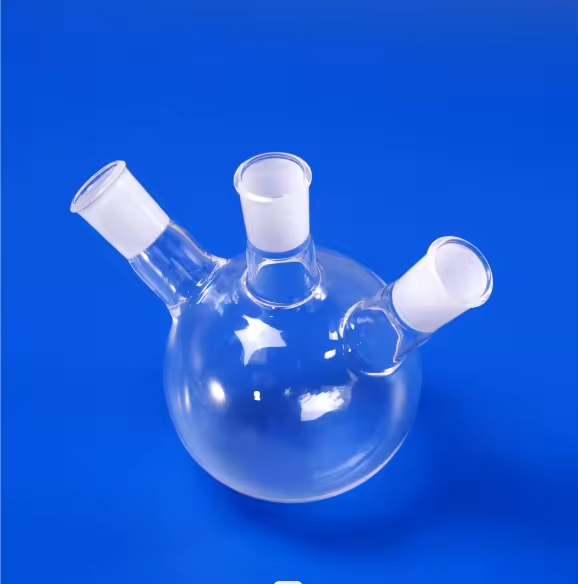
| JGS2 (Optical Fused Quartz) | 220 nm – 2500 nm (Standard UV-Vis) | < 30 – 50 ppm | Industrial UV curing, photochemical reaction flasks, sight glasses, mercury discharge envelopes. |
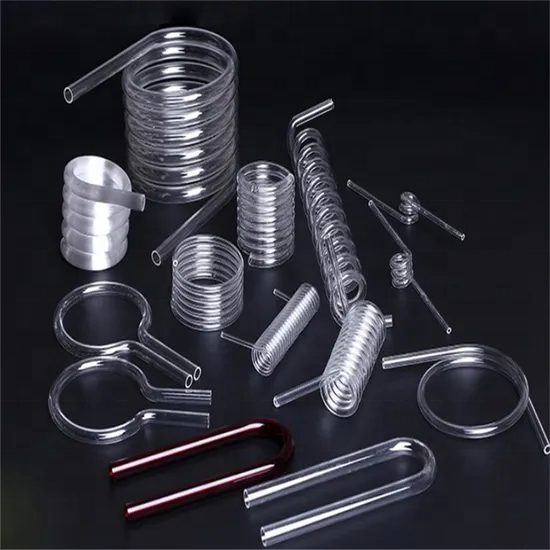
| JGS3 (Low-OH Infrared Quartz) | 260 nm – 3500 nm (IR Extended) | ≤ 5 ppm | Halogen heater sleeves, twin-tube infrared emitters, CVD furnace heating liners, epitaxial heaters. |
| Ozone-Free Quartz (Doped) | 253.7 nm transmission (>240nm cut) | Standard | Disinfection lamp tubes, sterilization systems requiring suppression of hazardous 185 nm ozone generation. |
Thermal stability remains another decisive factor. Because quartz glass possesses an exceptionally minimal linear coefficient of thermal expansion (5.5 × 10⁻⁷ / °C), tubes withstand sudden quenching from 1100 °C into cold water without micro-fracturing. This thermal-shock tolerance is essential for high-intensity quartz halogen lamps, thermo-photocatalytic degradation apparatus, and twin-tube rapid-heating elements.